

Community as archive: How Miami’s South Beach is keeping its art deco signage alive
On the shores of this south Florida city is a hotel with two names – and a neon sign that tells the story of the city’s art deco preservation movement.
On the shores of Miami’s South Beach is a hotel with two names. It’s ostensibly called The Tony Hotel, after historic preservationist Tony Goldman. That is what’s on its notepads, website and door. But a neon-lit tower above its façade bears the name Tiffany.
You can thank the Miami Design Preservation League (MDPL) for the appellation pile-up: the non-profit organisation insisted that the 1939 Tiffany sign be preserved, even though the operation of the original hotel was stymied after a lawsuit by jewellers Tiffany & Co. It was one of the neighbourhood’s art deco icons in an area defined by its finned signs, angular fonts and sills that sit above windows like curious eyebrows. Its survival was “a particularly memorable victory” for historical preservation, says Meg Lousteau, the executive director of the MDPL – a reminder of how signage can “become part of a building and part of the city’s identity, even when the business changes”.
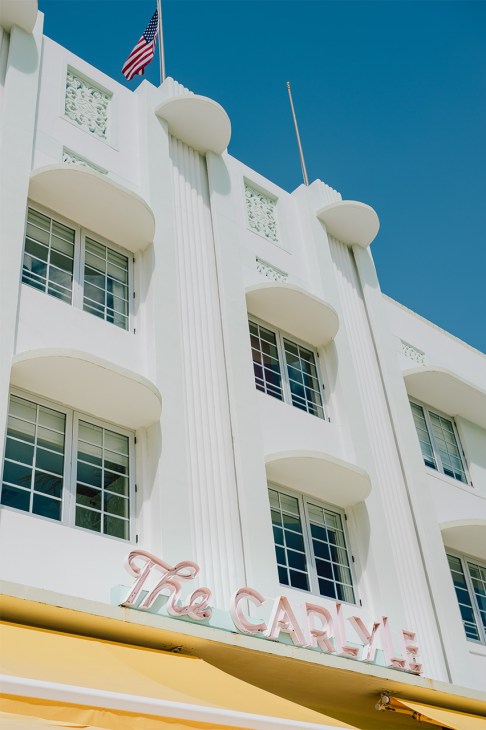
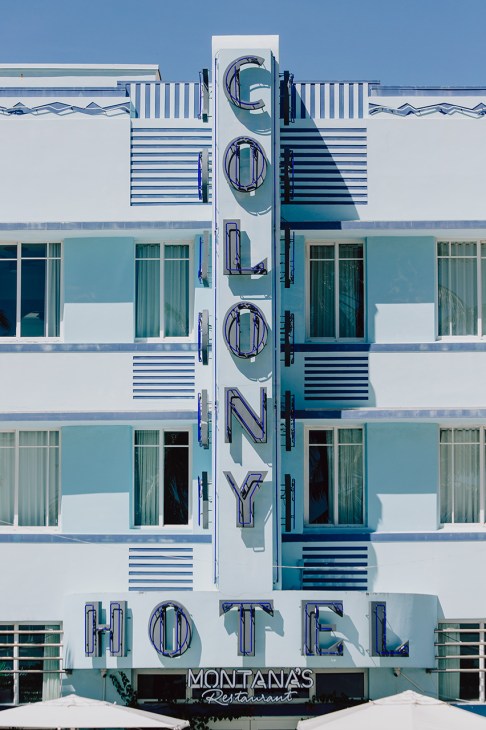
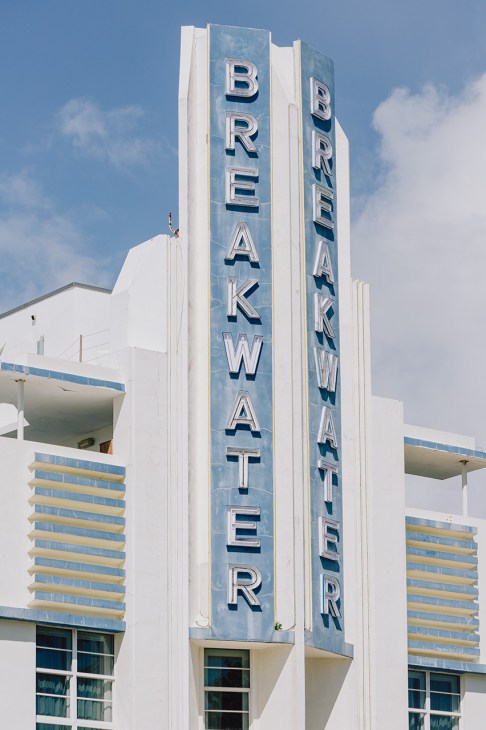
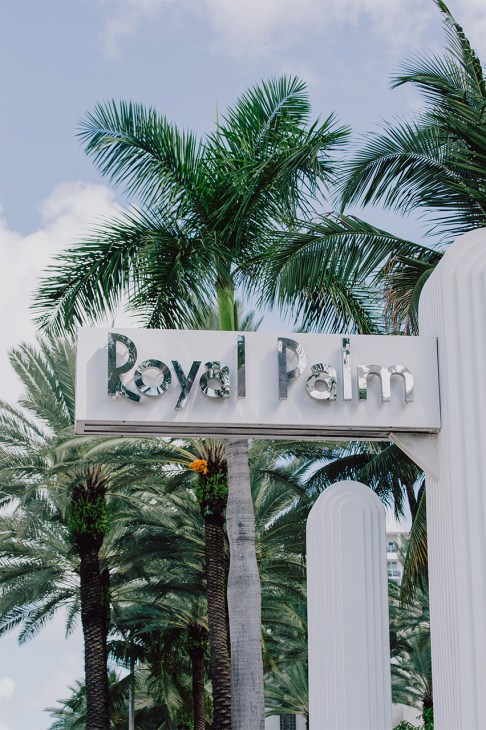
South Beach has seen a flurry of luxury development. The Shelborne became The Shelborne by Proper in May 2025; the 1936 Ocean Spray Hotel reopened as Le Particulier in November 2025 after restoration; and the Delano threw open its doors in May after a six-year, $100m (€89.3m) renovation. In August, the 348-room W Hotel closed with plans to reopen under a new operator, Waldorf Astoria, in winter 2027.
All have preserved and restored their original signage – though the Shelborne’s neon lighting has been tweaked from the original in order to comply with turtle-protection legislation. (Bright seafront lights can disorient hatchlings on their first journeys to the sea.) The MDPL has been championing the preservation of this stretch of the city since 1976. Today about 70 per cent of buildings in Miami Beach are considered “historic” or contributing to the area’s history. Lousteau says that keeping them that way is essential. “Once historic context is lost, it cannot be recreated.”
mdpl.org
Comment
The efforts of the Miami Design Preservation League prove that treasuring what remains of the past is compatible with modernisation. What was once viewed as outdated (and even a little garish) now stands proudly as a symbol of Miami Beach as it once was.