As premium labels return to print, Swiss manufacturer Sonderegger leaves quite the impression
How can brands use print material to tell their story? We visit the family firm in Switzerland helping high-end clients to create packaging and invitations that bring their values to life.
“You wouldn’t print an email event invitation and frame it on your wall,” says Bruno Sonderegger. “But if you receive a well-made physical one and it later reminds you of some good times that you had, you might keep it.” This sums up the core mission of Bruno’s family-run business. Established by his father, Ernst, in 1966, Sonderegger is a Swiss packaging manufacturer based in Bronschhofen, a small town about an hour’s drive east of Zürich.
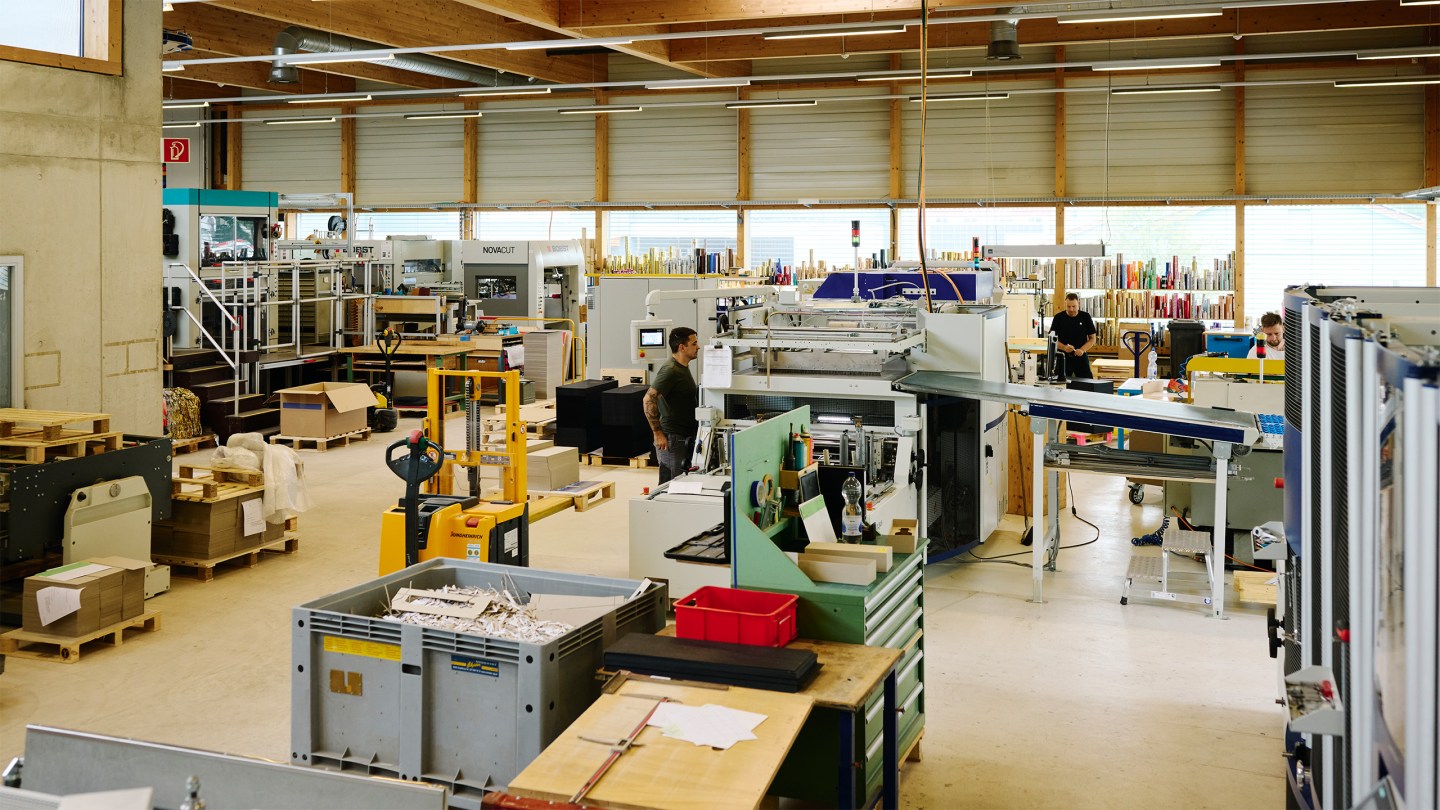
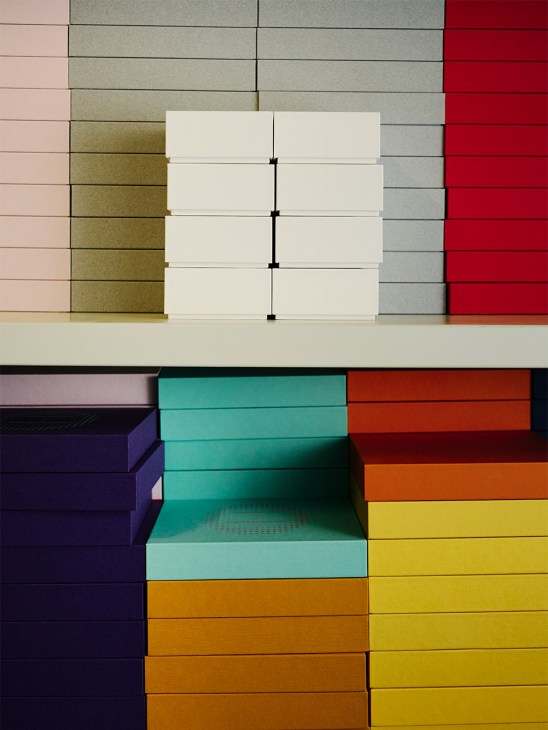
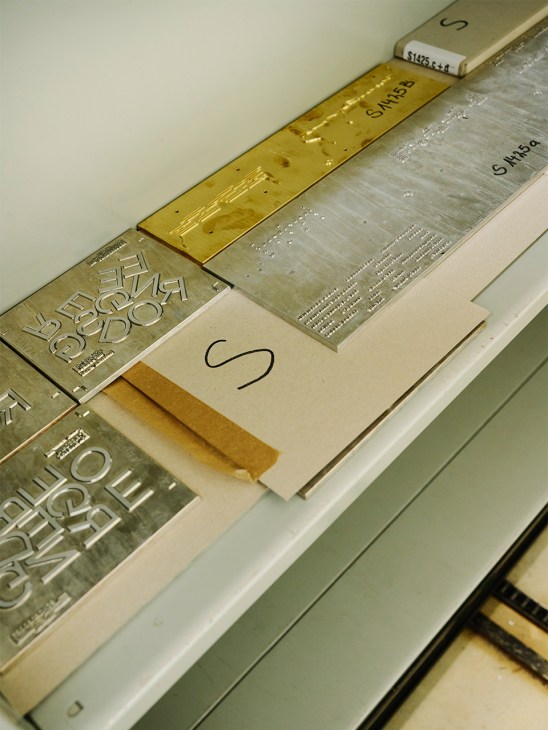
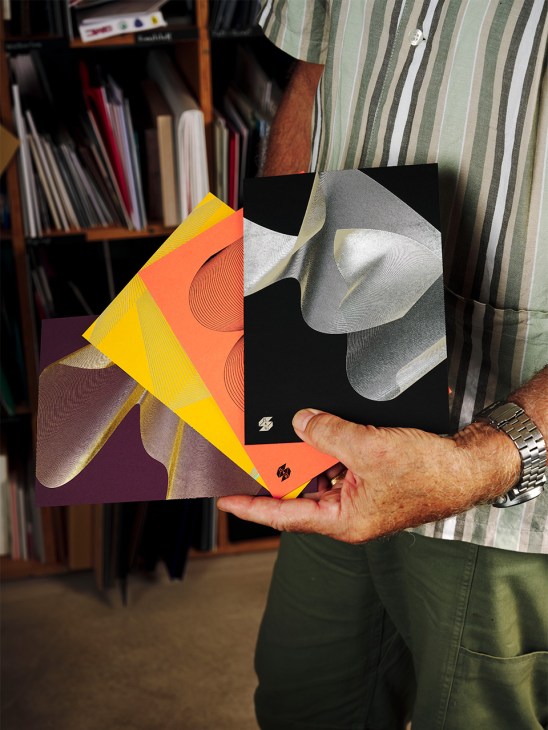
“Our basic materials are paper and cardboard,” says Bruno, walking Monocle across the factory floor, past whirring machines spitting out boxes with precisely cut 45-degree corners. There are also filing cabinets stacked with magnesium and brass cutting dies. “Our portfolio includes everything from packaging for products to brand communication and gifts. We’re about trying to develop things that you haven’t seen before.” The second-generation owner has built a reputation for the use of innovative techniques – unique laser engraving and foil stamping on surfaces, bespoke box-folding systems (including cubes that open from the bottom) and more. It’s work that feels particularly relevant at a time when many brands still see digital experiences as the most important way of communicating – it’s easy to track the reach and effectiveness of a marketing email or a pop-up ad on a website. However, a recent report surveying about 6,000 European and Turkish consumers showed that physical packaging is increasingly becoming a deciding factor when it comes to customers’ brand loyalty. “Premium watch brands have told us, ‘We do all of our communication digitally’ – but I challenge them to show me a luxury email,” says Bruno. “When you have a physical product, you can say within a second, ‘This is premium’ – or not.”

Sonderegger started out printing X-ray envelopes – physical storage pockets used in clinics. “My father produced his own machine to get them made automatically,” says Bruno. “After two years of working together, I said to my dad, ‘We need to find a new strategy to survive because these X-rays will disappear.’” With the company’s departure from that line of business – a shift that Bruno oversaw – Sonderegger’s client list moved from hospitals and medical facilities to fashion brands such as Hermès International, watchmakers including Switzerland’s Richard Mille and banks like the Liechtenstein Global Trust. The company’s success is proof that brands are waking up to the importance of physical packaging for positioning and communication.
Bruno’s son, Dimitri, joined Sonderegger a decade ago. “When you’re spending money on print, you want to make sure that it will give you a return on investment,” he says. “So, if you’re a luxury brand like Hermès and you send an invitation, you want people to receive it and show it to their team in the office and say, ‘Look what I got.’” Working with high-end clients means that expectations are always high. “There are so many projects that we can’t show on our website because we have signed NDAs,” says Dimitri, before telling Monocle about one that he can talk about: packaging for Swiss passports, which were created for the Federal Office of Police in 2022. “We made bespoke boxes to hold several passports, which were sent to Swiss embassies all over the world to showcase their security elements – and encourage other countries to come to Switzerland to get their own passports produced. It was an advertising tool for the nation.”
Such jobs for the state sit alongside requests to produce invitations for royal weddings, commissions from the International Olympic Committee (Sonderegger made pin boxes for the Milan Cortina Games), among others.
“The CEO of Omega asked us for special packaging for a candle, with a box and a lid made from a single piece of cardboard,” says Dimitri. “We had just purchased a new machine and asked the technician whether it would be possible to produce such a thing. He said, ‘No – if it’s not in the handbook, then it can’t do it.’ The technician returned the next day and saw us lying under the machine, cutting pieces out of it. We modified it to make that candle packaging possible.”
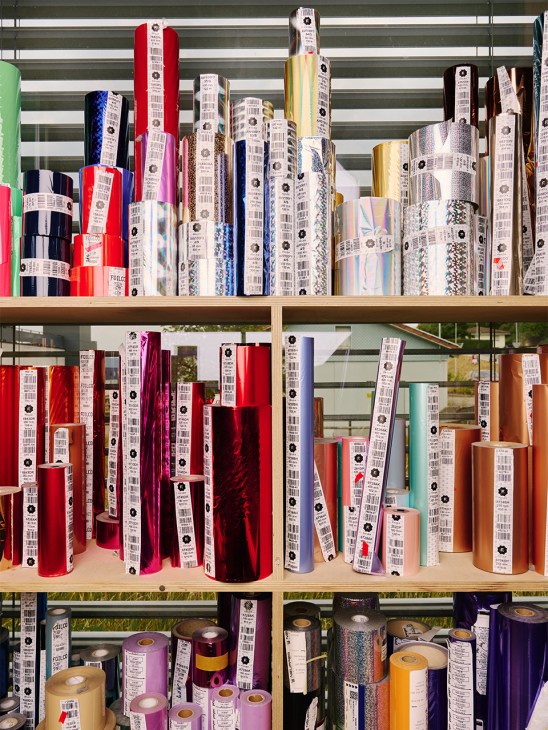
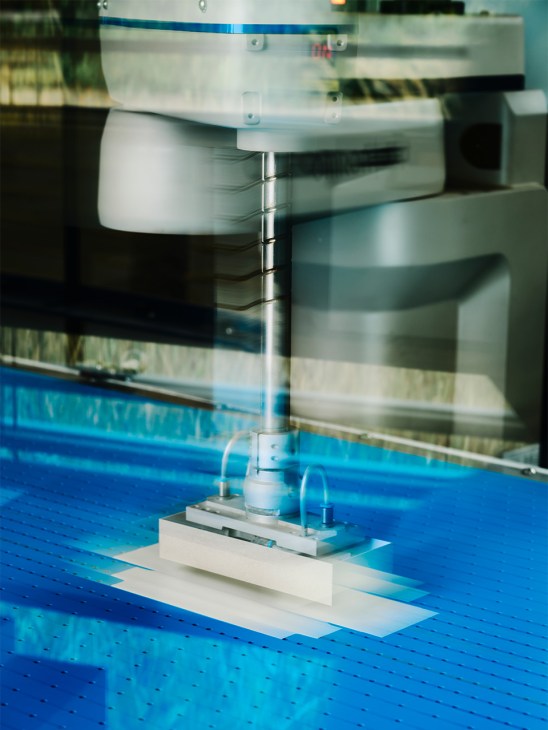
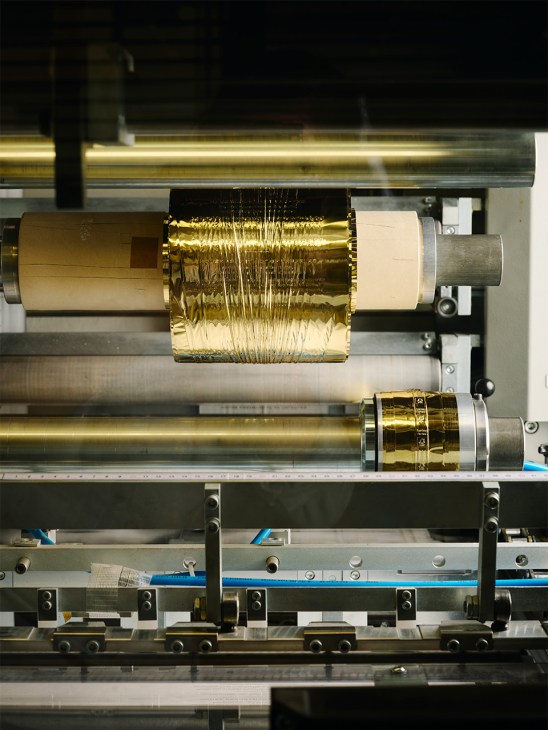
Sonderegger has more machines than employees, with some devices only running a couple of times a year. “That gives us the ability to do things that others would say they can only achieve by hand,” says Bruno. During our tour of the factory, we walk past devices capable of automatically folding boxes and multiple machines that press thin layers of foil onto dies and then paper or card, creating shiny or textured designs. The old X-ray-envelope maker is now used for producing vinyl sleeves. Bruno stops and points to a machine that resembles a 1980s science-fiction film prop. “I bought that one from Orell Füssli, which handles the security printing and production process for the Swiss currency,” he says. “They made the CHF20 bill on this. You can still see the marks left from the film for the notes on the iron plate.”


Despite the complexity of Sonderegger’s work, Dimitri says that what matters most is making simple and authentic physical products. “We don’t need to have five hot foils and seven laser engravings on a box or invitation,” he explains. “We need the product to be focused and transparent.” Every Sonderegger client can opt for a number of bespoke materials – from coloured paper and foils to counter plates (a metal surface placed against the raw materials during cutting, embossing or foiling) – custom-made for each project. Much of it is stored in the site’s neatly ordered archives. “Packaging reflects what’s behind a product and an invitation reflects what’s behind a brand,” says Dimitri. “It’s not decoration. It’s honesty. If I receive a letter with a handwritten address on it, I might think, ‘Wow!’ It’s a show of respect for the customer. It says, ‘I took my time and thought about you.’”