Why Chiang Mai Design Week is second to none
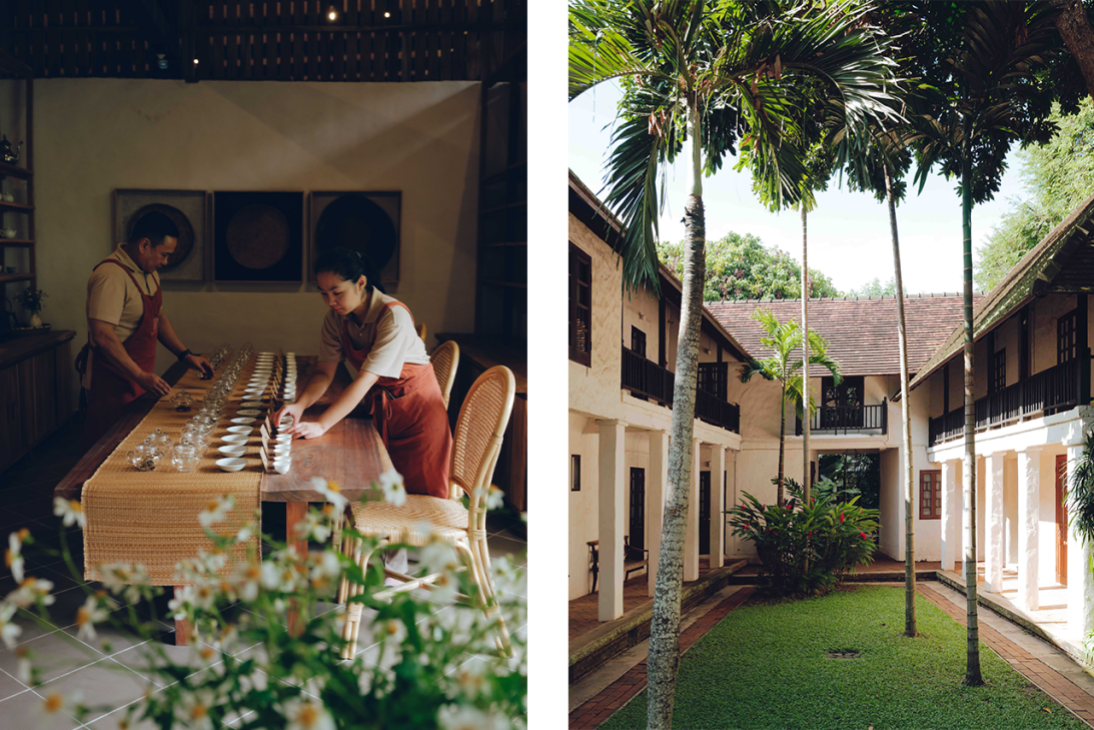
Thailand’s largest design week might take place in Bangkok every year but Chiang Mai Design Week, which runs until Sunday, takes the honour of being first. A calendar fixture since 2014, creatives from around the country require little excuse to hop on a plane and fly a few hours north every December, especially Bangkokians. Just mention Chiang Mai to a design-minded resident of the Thai capital and watch steely, big-city hardness turn to mush. Many make multiple trips to Thailand’s second city throughout the year. Others yearn to retire there or cherish fond memories of getting married at one of the city’s beautiful venues – such as the Araksa Tea Garden (pictured, below left) and Tamarind Village (pictured, below right) – that blend tropical modernism with traditional Lanna architecture and colourful hill-tribe textiles and textures.
But beyond the charm and the romance, being in Thailand’s second city makes creative sense. Chiang Mai’s abundance of resources, which range from a community of craftsmen to the chamchuri rainwood tree (beloved by the region’s furniture-makers and homeware brands), more than compensates for a paucity of deep-pocketed local clients. International buyers are, after all, only a flight away.
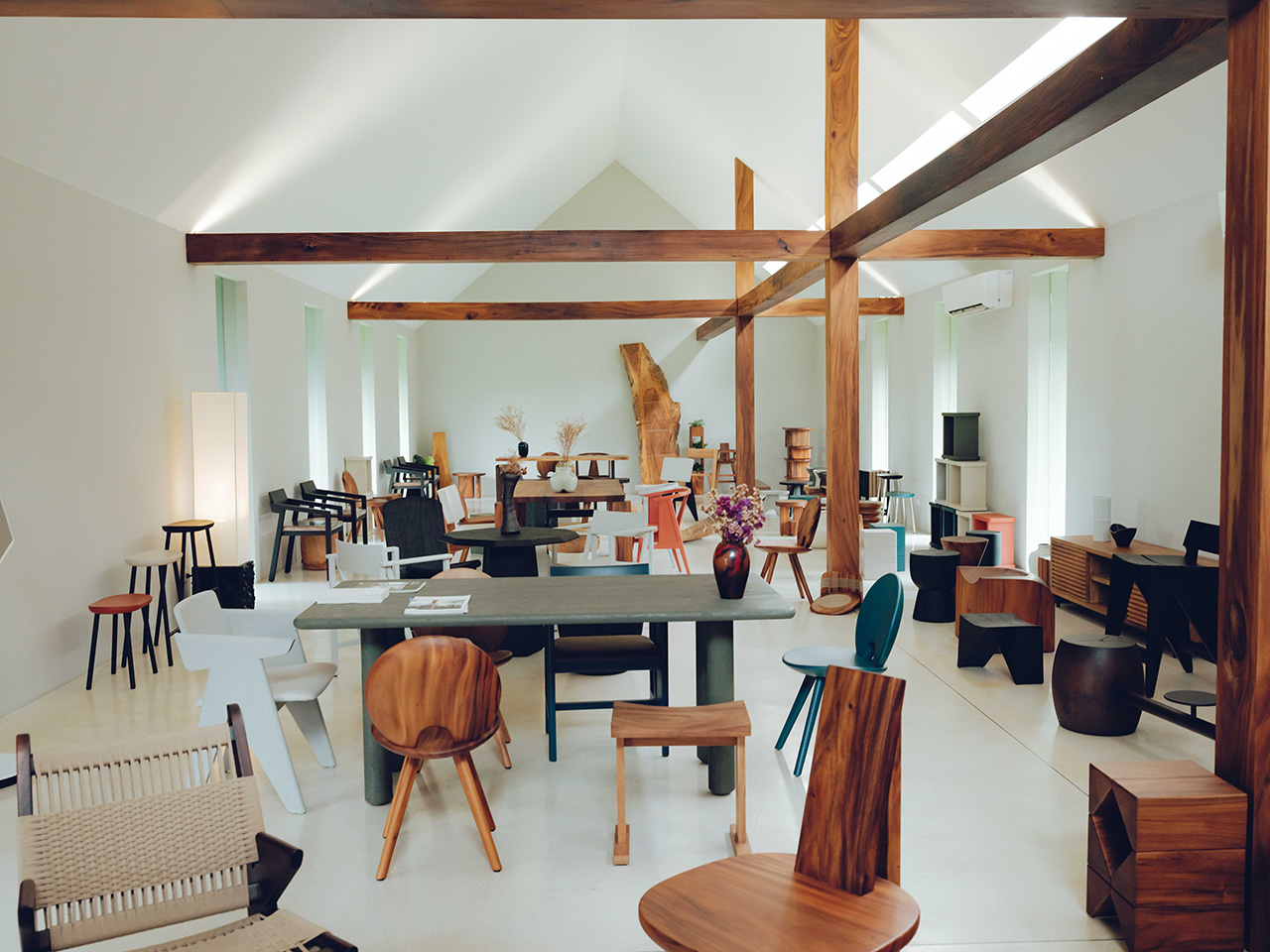
Chiang Mai’s litany of markets are another major attraction for creatives, from the Saturday one on Wua Lai Street to Nong Ho a little distance away. On weekends, residents descend on a muddy field to rummage through a huge car boot sale. Virtually anything and everything is available for purchase at Nong Ho in all manner of disrepair. Spectacles, dungarees and dusty hardwood furniture; brand memorabilia, car parts and genuine junk. You might even find a back copy of Playboy – great for ogling the 1980s typography and graphic design, of course. There are plenty of more polished offerings too, such as the showroom of handmade furniture specialists Moonler (pictured below).
Chiang Mai’s devotees and diehards talk about finding balance. It’s not as chaotic as Bangkok but not as sleepy as Chiang Rai. It has energy, convenience and enough to do without being overwhelmed or cut off from the countryside. Designers actually make things in Chiang Mai and get inspiration from being outdoors. They wear hiking boots and vintage, too-small T-shirts instead of spending all day in front of a spotless computer screen dressed in a crisp white shirt and box-fresh trainers. Design is not afraid to get dirty in Chiang Mai and there’s a raw beauty to that – reason enough to visit during design week and beyond.
James Chambers is Monocle’s Asia editor. For more opinion, analysis and insight, subscribe to Monocle today.