An all-American look preserved by the Japanese: The history of Ivy League style
Fashion writer W David Marx shares a brief history of the US prep-school style, and why it continues to prevail in popular conscious today.
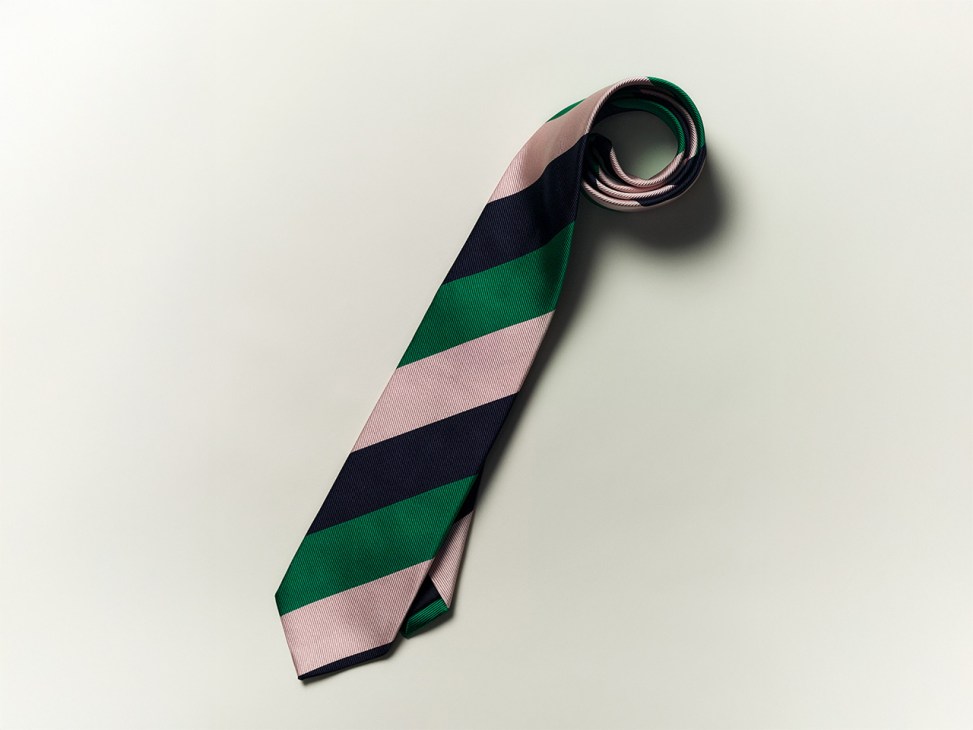
Last summer, Jonathan Anderson’s debut show at Dior Homme showcased his take on neckties and tweed jackets, kicking off another media cycle around the re-emergence of preppy fashion. It’s worth remembering the style’s history: it was long perceived as an insult to aloof, wealthy boarding-school pupils who wore casual clothes that were a little too fancy. But there were moments when old-money style crossed over into the mainstream, usually in decade-long cycles.
The postwar Ivy League style set standards for suits in the 1950s but, by the late 1960s, it had disappeared with the arrival of hippiedom and polyester. Then, in the late 1970s, the preppy aesthetic returned among East Coast high schoolers who adapted Ivy classics by mixing Oxford-cloth, button-down shirts and corduroy trousers with LL Bean Norwegian sweaters, goose-down vests and boots.
This wealthy dressed-down look still managed to irritate many. In 1979 humourist Tom Shadyac produced a poster that asked, “Are you a preppie?” – poking fun at youths sporting horn-rimmed glasses, baggy khaki chinos and shirt-under-shirt-under-blazer looks. A year later, Lisa Birnbach lightly mocked the style in The Official Preppy Handbook. Nonetheless, it helped to spread the look across the US. Around that time, Ralph Lauren pique shirts could be spotted on everyone from golfers to Brooklyn gang members.
In the 1990s grunge killed prep once more. Staples of the style became go-to wardrobe choices for teen-movie villains. It was only in the mid-2000s that young American men again put on neckties and cordovan loafers. But while prep repeatedly died off in the US, the Japanese preserved the knowledge by cataloguing its key items and rules. Then the 2021 book Black Ivy by Jason Jules and Graham Marsh showed how jazz musicians, actors and other prominent black men in the late 1950s embraced Ivy style and imbued it with cool.
Prep might float in and out of public consciousness but these looks keep returning. Brogues, shirts and knitwear feature regularly on the runways of luxury houses such as Prada, Dries Van Noten and Dior. The silhouettes might be more oversized but the tenets of the genre remain reassuringly unchanged.
About the writer
W David Marx is the author of Ametora: How Japan Saved American Style and Blank Space: A Cultural History of the Twenty-First Century. He lives in Tokyo.