How Anna McLaren built independent fashion label A Emery from bedroom idea to luxury brand
What started from a sketch at home is now being stocked in high-end retailers. Anna McLaren shares how she grew her business from a personal need.
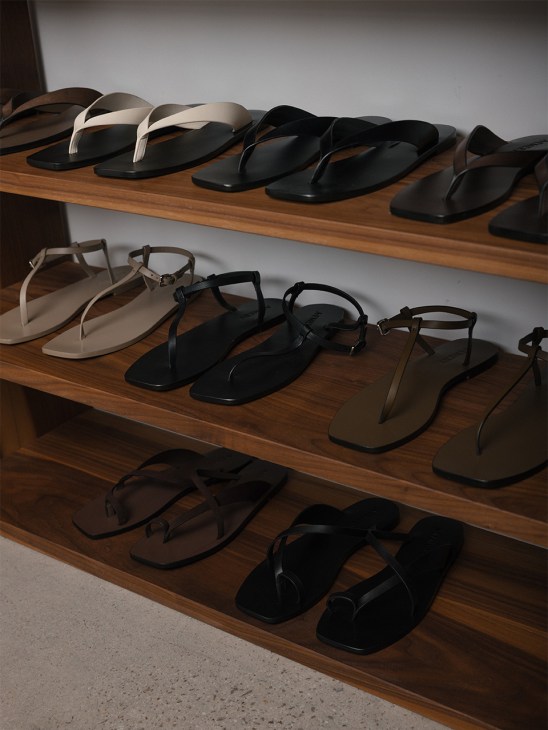
Ten years ago, Anna McLaren decided to buy herself a pair of sandals. At the time, she was working as a product designer for Australian brand Witchery. What she hoped to find was relatively straightforward: a black footbed with an elegant profile; durable enough for daily wear and that wouldn’t fall apart in a year. “It sounds so simple but that’s what I was looking for,” says Melbourne-born McLaren. She never found it – so she decided to design her own pair at home. In 2017, she launched a six-piece collection of all-black sandals from her spare bedroom. Now, her label, A Emery, is stocked by luxury digital retailers Net-a-Porter and Mytheresa, as well as at department stores including New York’s Bloomingdale’s, Harrods in London and Paris’s Galeries Lafayette.
McLaren says that A Emery’s success owes everything to patience. “It’s a misconception that you can put a product out into the market and it’ll blow up,” she says, pointing to venture-backed competitors who spend heavily to gain visibility. By contrast, independence requires “time to find your audience, get the product out there and grow slowly”.
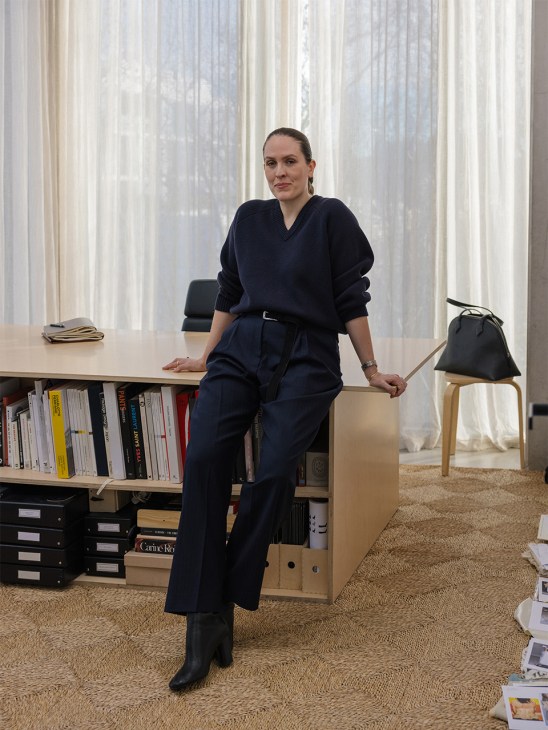
Being Australian has also helped shape the brand. The country doesn’t have the European system of maisons that channel designers through established houses. Instead, the country’s fashion designers tend to launch their own labels early in their careers – and from scratch. “You don’t learn the business of fashion at fashion school,” says McLaren. A Emery is a good example of the Australian way of doing things. The brand has never taken outside investment, relying instead on an independent model comprising bank loans, a mortgage against the family home and loans from government incubator Export Finance Australia. This three-pronged infrastructure helps manage the cash-flow demands of a wholesale business, where payment terms of 60 to 90 days are standard. McLaren’s leap of faith and determination paid off – the business has been profitable since the six-month mark. “Every dollar earned has gone straight back into funding the next stage of our growth,” she says.
After building a strong following in footwear, McLaren expanded to ready-to-wear in 2023. While designing shoe collections and fulfilling orders, she identified a gap in the market. “I thought back to when I was working in a good job with a decent salary but beautiful European clothes and accessories were so far out of reach for me, as they are for most Australian women,” she says. “The exchange rate exponentially increases the retail price point on a garment. I wanted to bring that feeling of a luxury brand to Australian consumers with an approachable price point.”
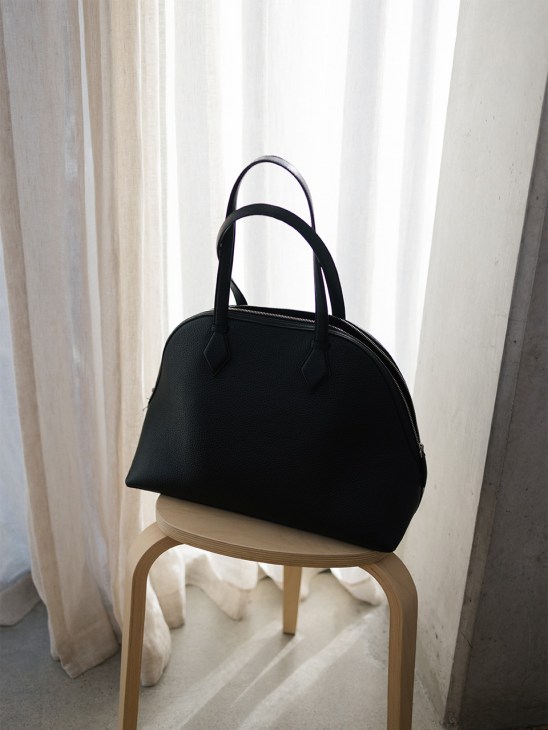
McLaren initially encountered resistance from her suppliers. “The first wholesale season that we went into, everyone said, ‘It’s too cheap, you could be charging more and making a better margin.’ But my margins are sufficient – this is the collection and the price point that I want to present to the customer.” Her persistence paid off. “After two seasons, that conversation stopped completely, because they realised that there’s a customer base out there.”
There have still been hurdles along the way. Challenges, including the pandemic, have affected the speed and trajectory of A Emery’s growth. US trade policies and tariffs have been particularly tricky to navigate – something that’s especially important given that the country represents one of A Emery’s largest markets. Initially, McLaren had evolved the brand’s export strategy around goods shipped duty-free under the $800 (€690) threshold. When this limit was removed, every order to the US received a tariff calculated on the full retail price. “There were some months last year where we had to pay those tariffs ourselves, for the sake of keeping our customers,” says McLaren. “We made nothing at all from those sales.”
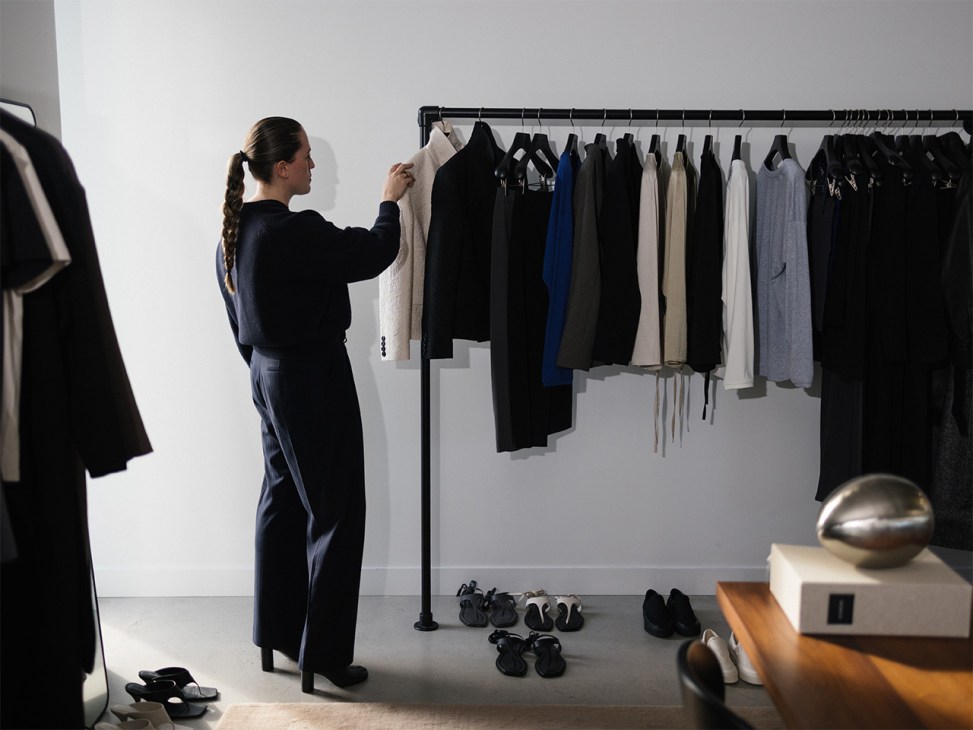
This tariff pressure accelerated A Emery’s expansion plans, with a staggered approach to opening US-based warehousing, first for wholesale in October 2025, followed by third-party logistics for e-commerce in March 2026. Basing warehousing in the US has eased shipping costs and improved customer service. “The only real change to our offering is better turnaround times on returns and exchanges,” she says.
Though McLaren’s Australian brand of independent entrepreneurship grants her creative freedom, there are trade-offs when it comes to funding expansion. “I love what we can do on our own,” she says. “But are we getting to the stage where our independence is holding us back? A little bit.” However, she’s quick to add that the freedom to make decisions without layers of approval remains the element that she values the most. Her approach to the brand’s future is deliberately unhurried. “Slow and steady growth,” she says. “That’s really all we strive for.”
aemery.com
Want to start your own independent fashion brand? Here are 10 key pieces of advice from Anna McLaren.
- Do as much as possible yourself. Invest first in product development and production. Use the resources that are available to upskill in everything else.
- Handle branding yourself early on. Bring in professionals only when you can afford them.
- Build your own website at first. Platforms such as Squarespace and Shopify make this possible without hiring a developer.
- Warehouse it yourself at home or in an office for as long as you can before outsourcing to third-party logistics.
- Accept that it will take time. Be prepared to keep working a side job while the business gets off the ground.
- Be selective with opportunities. Only take what feels true to your brand and keep sight of where you want the brand to sit.
- But say “yes” to the right opportunities. Some early leaps will feel enormous at the time but if they’re right, they can pay off handsomely.
- Don’t rush to build a team. My first hire didn’t come until four years into the business.
- Find someone to manage the finances alongside you. If not family then someone who you trust completely.
- Respect cash flow above all else. Don’t spend beyond your means. Behind the glamour is grit and graft – you have to genuinely love the work.