With its ethereal looks and featherlight fabrics, Paris Fashion Week offered some much-needed levity
Translucent, weightless pieces were a common thread on the runways of Paris last week, revealing a fresh approach among heritage brands steeped in tradition.
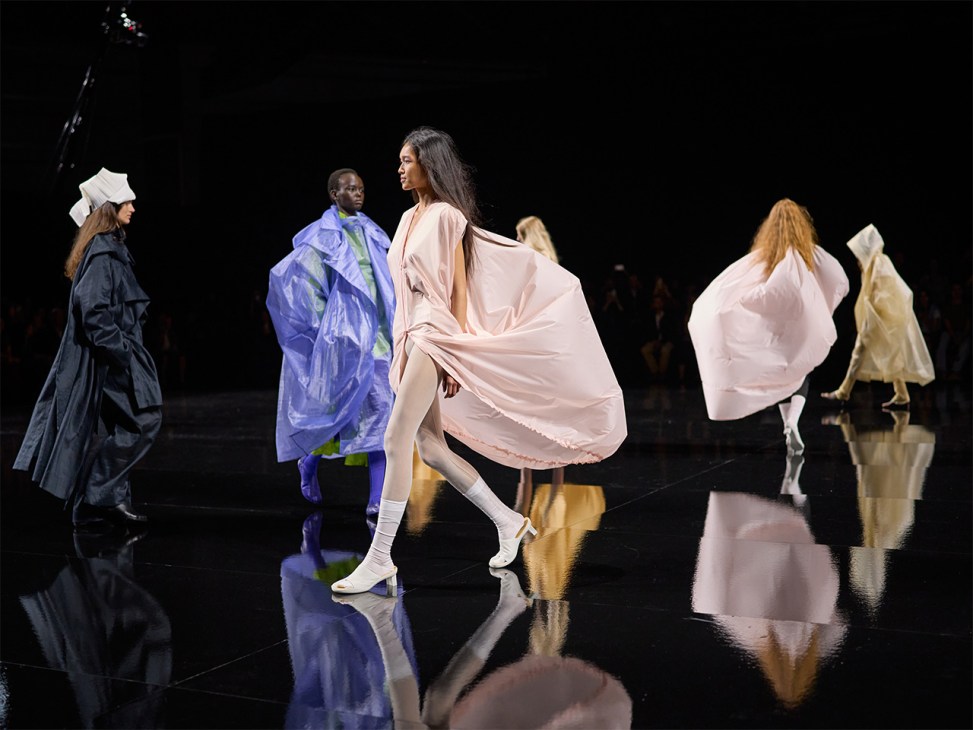
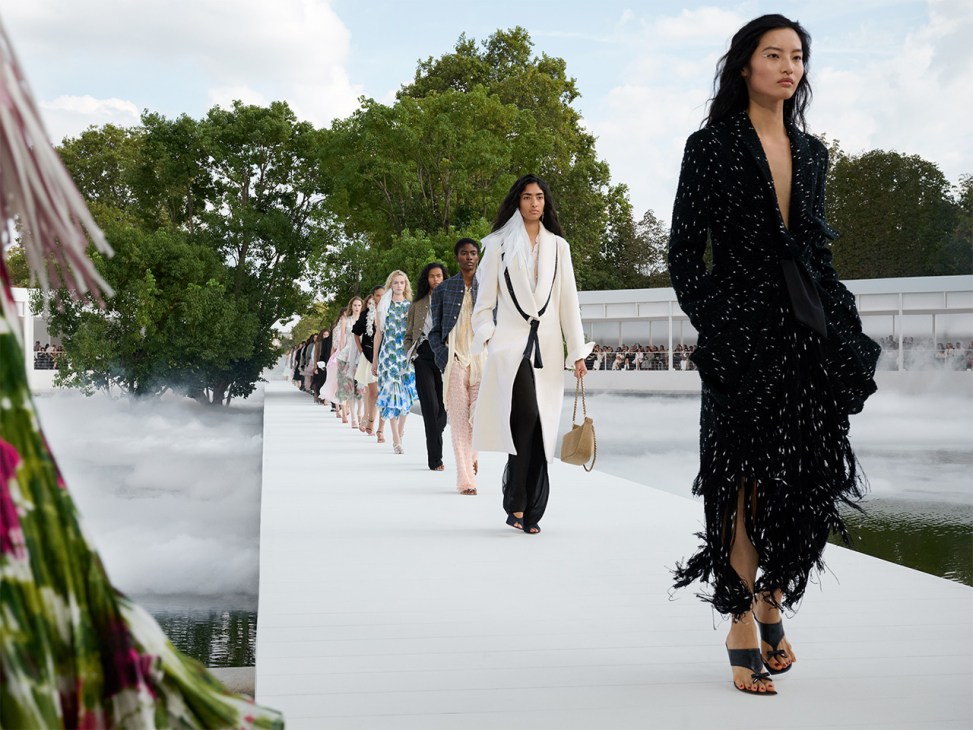
A quest for lightness emerged as the leitmotif for the spring/summer 2027 edition of Paris Fashion Week, which comes to a close today. After a summer of heatwaves, creative designers presented collections that shared an ethereal quality, with featherlight, almost see-through fabrics, as well as a palate-cleansing palette of pastel and neutral tones. At Issey Miyake, head designer Satoshi Kondo showcased coats made from ultrafine ripstop nylon that ballooned behind models like parachutes. Dior’s Jonathan Anderson wanted to construct outfits so light they could gracefully fit into a shoebox. Last night, under lit-up sculptures of swallows taking flight, Matthieu Blazy continued to evolve his joyous vision for Chanel – one that included sheer organza sets and a pair of Swan Lake tutus.
There’s perhaps a heavy-handed metaphor here too: after a year of cycling through a litany of debut and sophomore collections that paid tribute to brand legacies, it’s time to shake off the weight of this heritage. Designers are emerging from the archive and wiping the slate clean, which might also explain the abundance of optic-white show sets this season, from Loewe and Dries Van Noten to Dior and Hermès.
Suspending disbelief might also be at play. In Paris, the political and economic backdrop included students rioting over crumbling school infrastructure and chronic underinvestment in the national education system. Last week, the French government put forward a budget with €43bn in spending cuts, while the country’s debt deepens and a presidential election looms. No amount of fantasy and newness on the runway can counter these issues – let alone the repercussions on the demand for luxury goods by the ongoing conflict in the Middle East and an economic slowdown in China.
Despite these industry woes, Paris can rest assured that its status as the world’s premier destination for fashion remains stable. The world still turns to France for approval in matters of luxury and taste. American brands, buyers and press continue to fly in to associate themselves with European taste. Group showcases are staged to reach a bigger audience than brands might find at home. The Australian Fashion Council sponsored 12 homegrown designers to show in Paris, ranging from the ultra-minimalist label Esse Studios to the more expressive brand Romance Was Born.
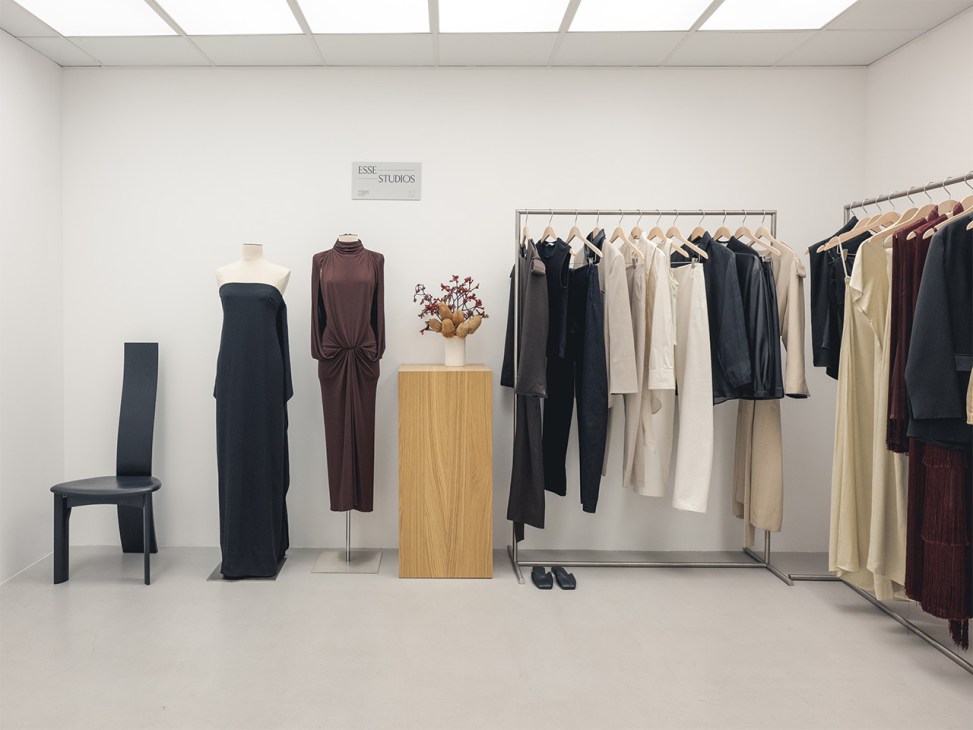
“Historically, Australian fashion was sold as resortwear,” Marianne Perkovic, the initiative’s chair, told Monocle. “It’s up to us to redefine this. We embarked on a new strategy, one pillar of which is trade and commerce. We’re hoping to put Australian fashion and textiles on the map because it’s an important export for us that currently accounts for €4.46bn each year. So we’re taking our designers to the world more.” With government backing, an initiative such as the Australian showcase proves that fashion can also be a tool for soft power. No country has understood this better than France and its luxury houses, where creative designers exert some wishful thinking to provide much-needed levity.
Grace Charlton is Monocle’s fashion editor. For more insight and analysis, subscribe to Monocle today.