Eight iconic Mediterranean shoe styles and the brands keeping their heritage fresh
Once made for farmers and postwar holiday-makers, these Mediterranean styles have stood the test of time.
From the heelless babouches found across North Africa and the Middle East to the cotton-velvet slippers of Venice, the Mediterranean basin is home to a variety of shoes whose stories are rooted in the native sand and soil. We round up eight distinct styles from across the region and spotlight the brands that have been reimagining these traditional footprints for modern-day holiday wardrobes.
1.
The espadrille
Spain
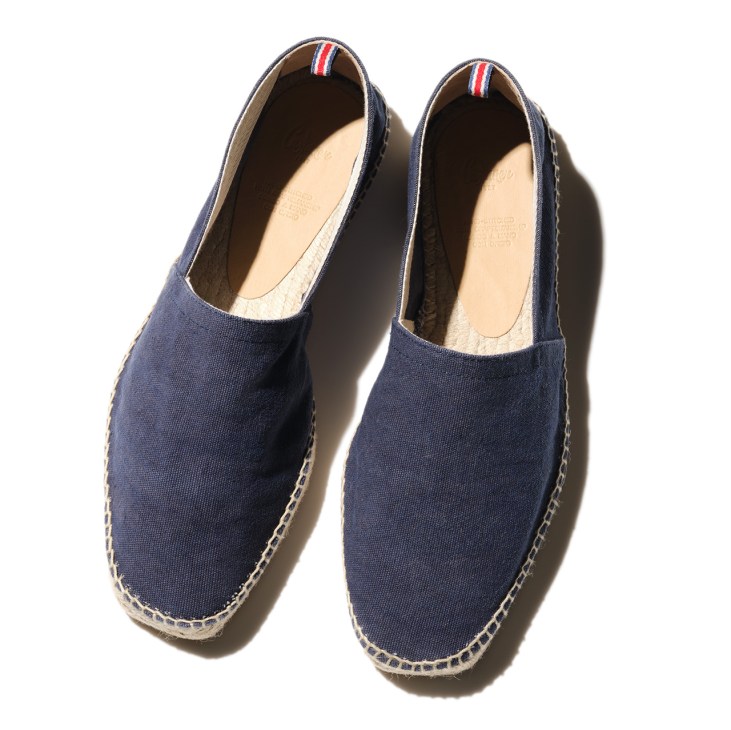
Espadrilles were originally worn by peasants in the farming communities dotted across the Pyrenees. The name derives from esparto, the tough grass that is used to braid their soles. Castañer, a Spanish label founded by Luís Castañer and his cousin, Tomás Serra, has been preserving this craft since 1927. However, espadrilles fell out of fashion until the 1970s, when French designer Yves Saint Laurent approached Castañer to create a wedged version, turning it into the summer fashion statement that it is today. We’re pairing ours with swimming trunks during the day and linen separates for sunset hour.
castaner.com
2.
The jelly shoe
France
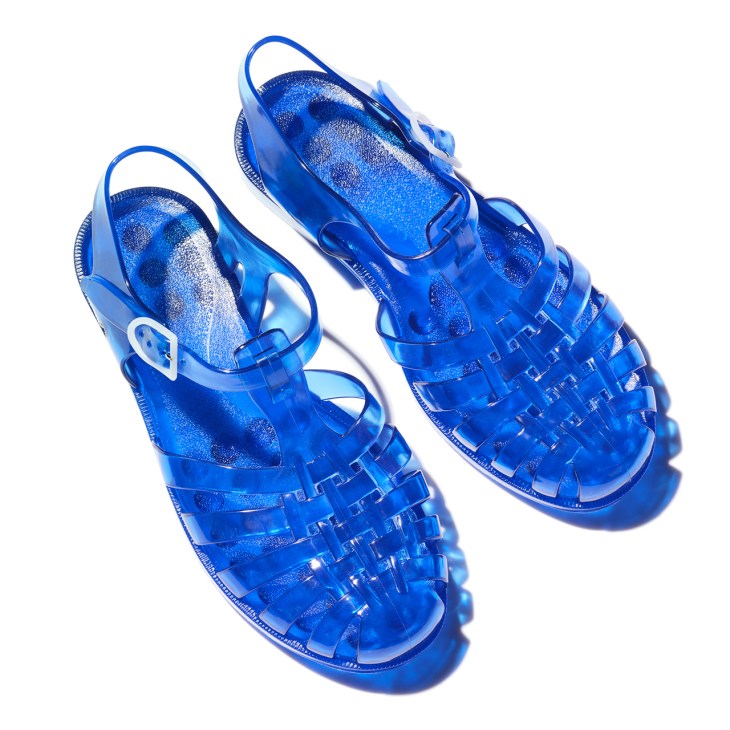
For many French people, childhood memories of les grandes vacances are synonymous with colourful jelly sandals. The shoe was invented in 1946 by French fashion brand Méduse as a water-friendly alternative to leather. Eighty years later, the silhouette remains unchanged: made from a single block of injection-moulded PVC, it features a spiked sole for grip, a rounded toe and braided straps. Each pair is manufactured in western France in colours ranging from cobalt blue to glitter pink via muted options such as khaki.
meduse.com
3.
The clog
Portugal
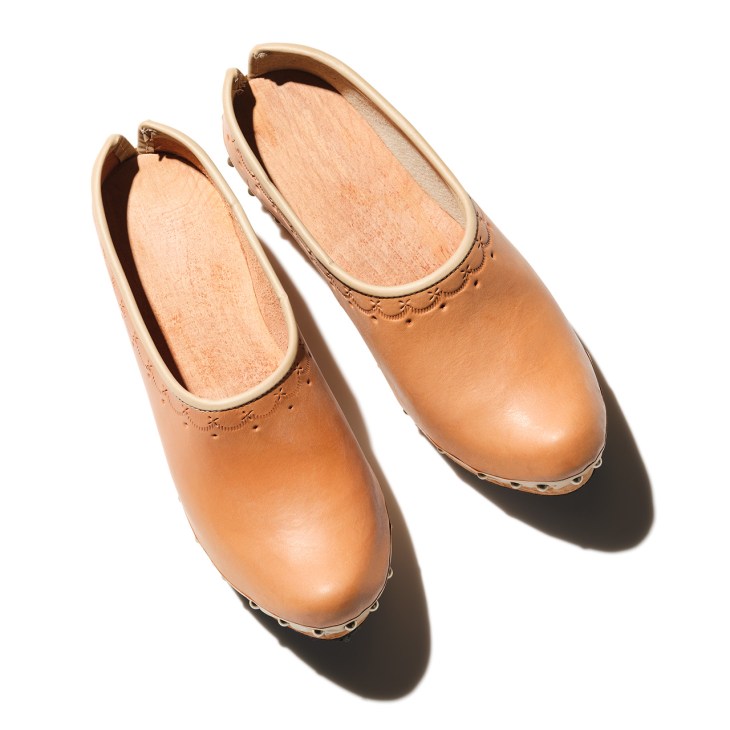
These funky, high-toed clogs are made in Barcelos, a town in the northwest of Portugal where sturdy wooden soles were needed to navigate the rugged mountainous terrain. Slowly, they clopped south, becoming a beach favourite in the Algarve. Today, the making of these shoes remains largely unchanged: delicately perforated leather is tacked to a wooden sole with metal studs. A Vida Portuguesa, the Lisbon shop that champions craft from across the Mediterranean region, offers some of the most elegant iterations.
avidaportuguesa.com
4.
The balghas
Morocco
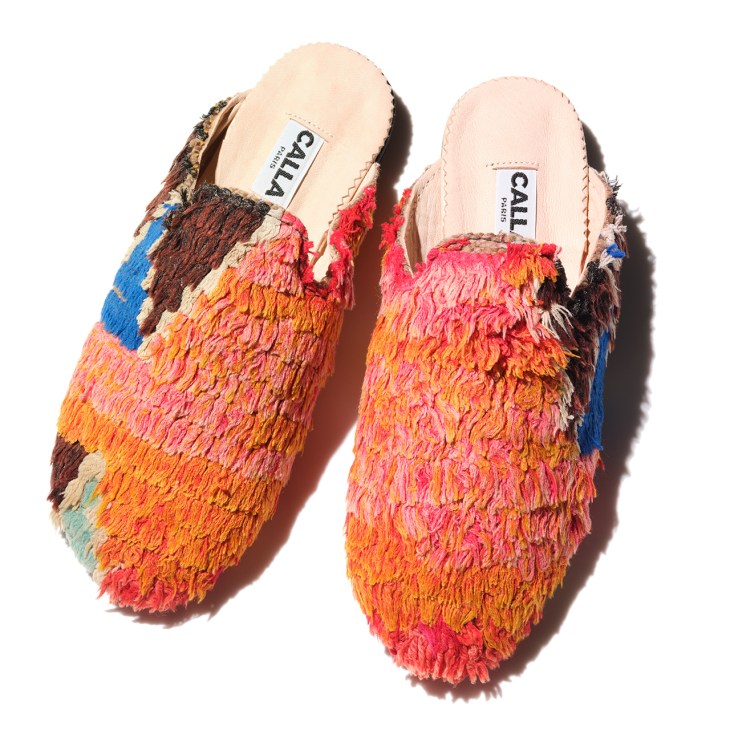
Known as balghas across the Maghreb, these textured slippers are a contemporary twist on the Moroccan babouche. Paris-based brand Calla produces a modern-day version, using another craft associated with Morocco, weaving. The result is these fluffy slip-on styles created from recycled Berber rugs. “I love the spontaneity of the process and the texture of these styles,” says Calla Haynes, the founder of Calla. “I’m proud to be putting Moroccan work on an international stage.”
calla.fr
5.
The Venetian Friulian slipper
Italy
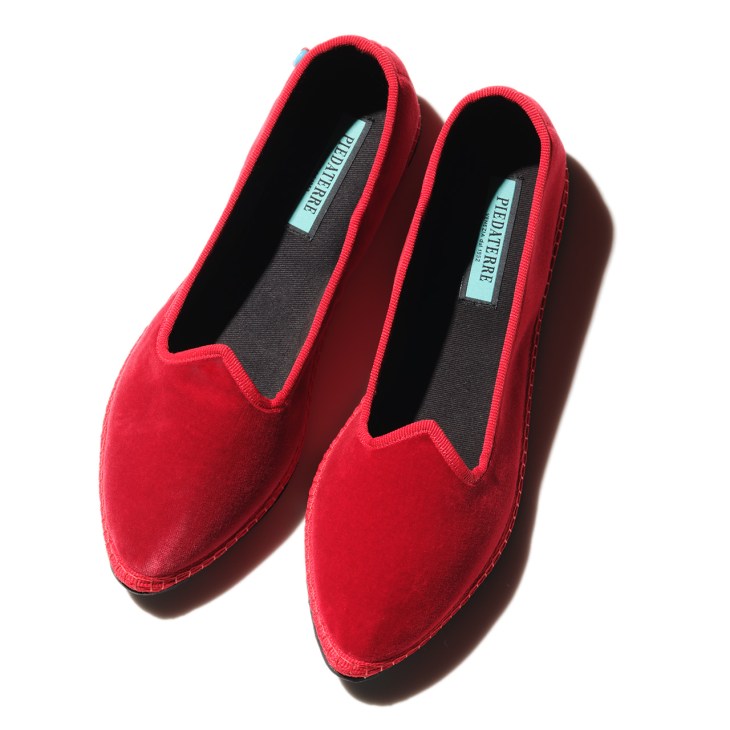
In Friuli, an agricultural region northeast of Veneto, women have been upcycling jute sacks and inexpensive cotton velvet to create slippers since the 19th century. Gondoliers adopted the shoe with a simple upgrade: a non-slip rubber sole. Today, the slipper is paired with linen suits for summer evenings or thrown into beach totes for post-swim lunches. Venetian label Piedàterre makes some of the best, using 100 per cent cotton velvet embellished with small glass beads.
piedaterrevenezia.com
6.
The lace-up sandal
Greece
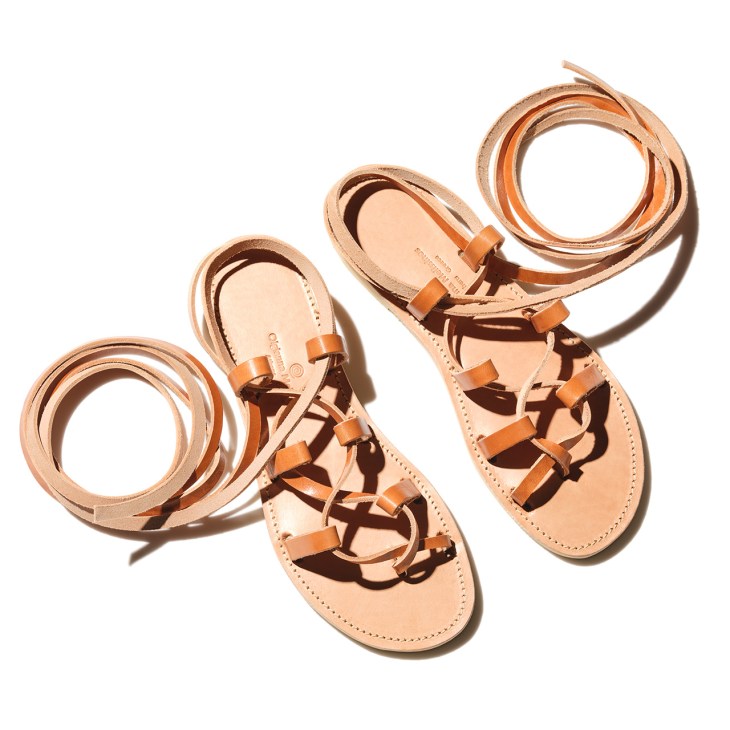
The Greeks are responsible for many innovations, from modern medicine to democracy, but one of the country’s most understated contributions is found on the foot. The Greek sandal can be traced back to the Minoan era (3000 to 1100BC), becoming a sartorial staple around 1200BC. More recently – in 1920, to be exact – George Melissinos established his sandal workshop at the foot of the Acropolis in Athens. His son, Stavros, later took on the business, reigniting the popularity of lace-up Greek sandals. Today, his daughter, Olgianna, runs the family firm with aplomb and continues to offer custom designs for a perfect fit.
melissinos-sandals.gr
7.
The mule
Turkey
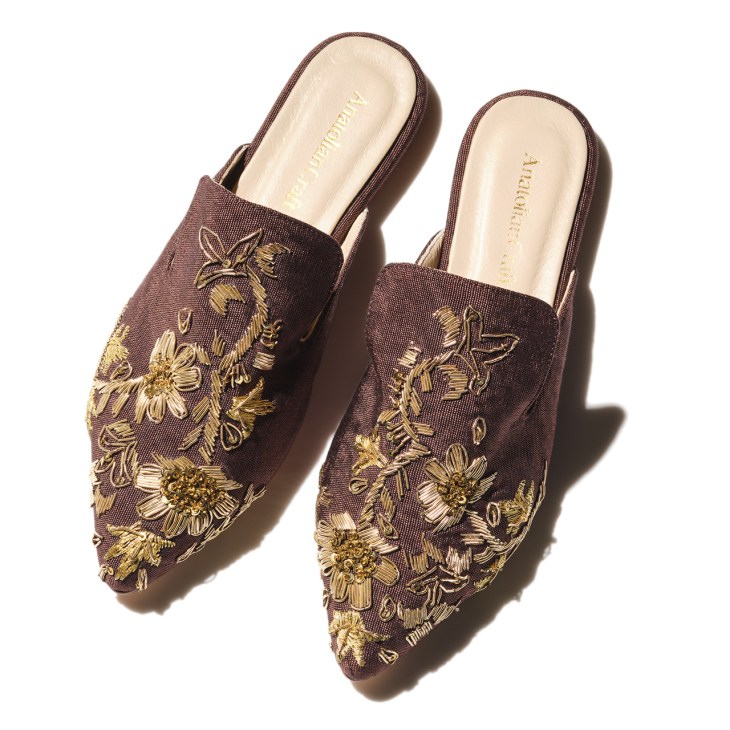
In Turkey, the silk-and-cotton kutnu textile, known for its slight sheen, is associated with the 17th-century courts of the Ottoman empire. Today, Istanbul-based label Anatolian Craft uses the fabric to create slippers that possess a similar opulence. Each pair is embroidered with beads and ribbon by artisans who create whimsical patterns of flowers or birds. Founded in 2016 by the former architect and designer Bilge Can, the brand draws on the cultural history of the Anatolian region to preserve embroidering techniques that are passed down from one generation to the next.
anatolian-craft.com
8.
The babouche
Lebanon
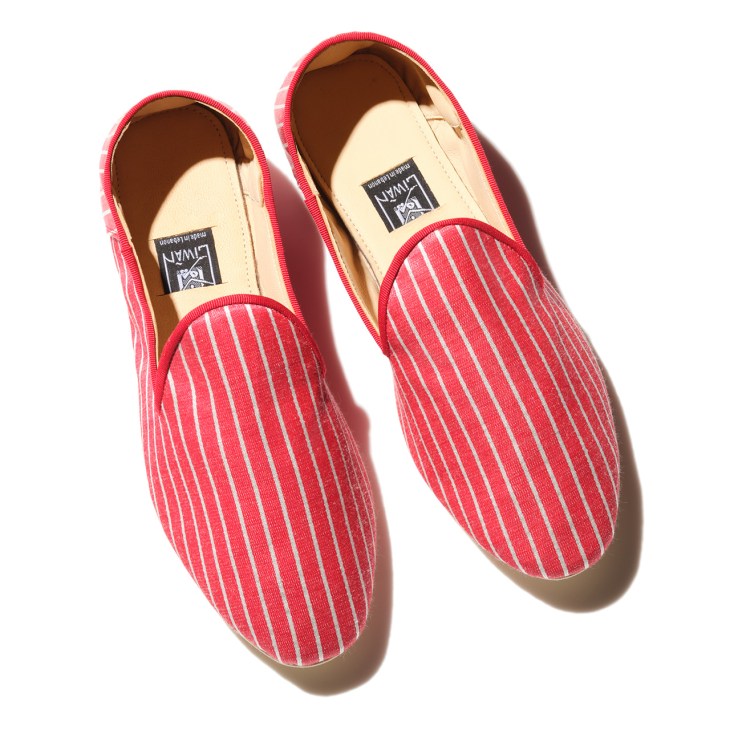
A sartorial mainstay of the Middle East and North Africa, the babouche was born in Persia. Suited to arid climates, the shoes are also easy to remove for salah (prayer). From Morocco to Tunisia via Lebanon, variations on the style include rounded or pointed toes, suede or leather options and soft or hard soles. Today, the babouche embodies a certain bohemian sensibility and is seen everywhere, from the streets of Paris to the Mediterranean seaside. We particularly like these striped babouches by Beirut brand Liwan, which makes handmade versions using satin, silk or brocade fabrics – a modern revival of a classic.
liwanlifestyle.com