In a city of perfect suits, Milano Fashion Week Men’s is on a quest for endurance
From Zegna’s handover and Stone Island’s material experimentation to Armani’s historic first post-founder collection, Milan’s autumn/winter 2026 menswear season proved that craft and conviction still cut through. Here are our top-10 highlights.
Peer through the January smog that currently carpets the streets of Milan and you will spot dapper men in wool suits and leather gloves making their way about the city for the autumn/winter 2026 edition of Milan’s menswear fashion week, which concludes on Tuesday 20 January.
With a lean show schedule (Gucci, Bottega Veneta and Fendi have been notable absences), the talk has inevitably turned to whether holding separate fashion weeks for menswear and womenswear still makes sense when resources could be optimised by combining them – as is already the case in London and New York. Low, single-digit sales continues to have an effect on the industry, despite a headline-grabbing 2025 marked by the debut of numerous creative directors, as well as some reshuffling of executive roles.
But this is Milan, a city where fashion-week attendees are hard to discern from Italian bankers on their afternoon cigarette-and-espresso breaks. Immaculate menswear is not a biannual celebration here – it’s a year-round way of life.
Luxury fashion house Zegna kicked off proceedings with a family-wardrobe-inspired runway on Friday afternoon. On Monday, we saw Giorgio Armani’s first-ever collection that was designed free of direct input from the brand’s founder since his death last September. Beyond the catwalk, the showrooms of Italian family-owned businesses – Lardini, Santoni, Canali – have offered lessons in how a reliable Rolodex of makers and factories is the key to endurance, not social-media driven marketing.
Elsewhere, American designer Ralph Lauren brought some excitement to the lineup by returning to Milan for the first time in 20 years with a Western-inflected collection that we have come to expect from the brand. British houses Dunhill and Paul Smith both presented their take on typical English tailoring on Saturday. The former opted for a dapper collection of Lord Snowdon-inspired tailoring while the latter invited his new design director, Sam Cotton, to dig into the label’s archive from the 1970s to the 1990s to reimagine double-breasted jackets, belted trousers and Fair Isle knitwear made from alpaca wool. “It made me look at my collection with fresh eyes,” Paul Smith tells Monocle backstage after his salon-style presentation in his Milan showroom.
The 10 best in show
Zegna
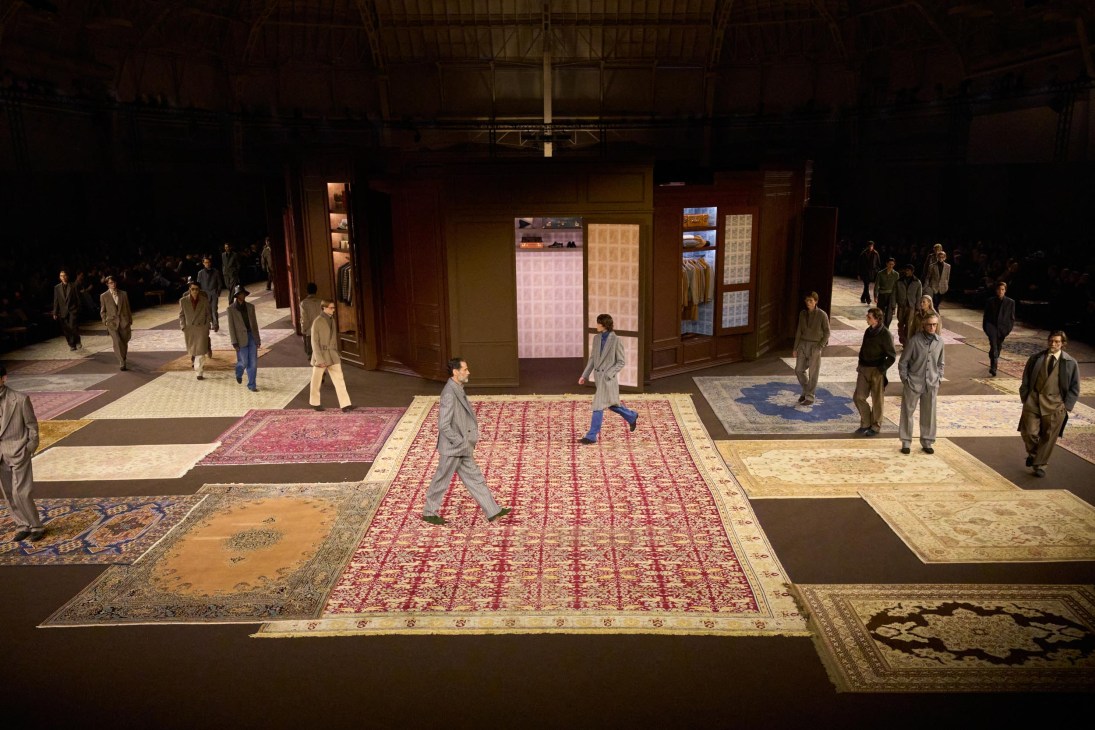
The Italian luxury fashion house’s artistic director Alessandro Sartori describes his collection as a “generational passing of the baton” – a fitting remark considering the recent announcement that Zegna can now call itself a fourth-generation family-owned business after brothers Edoardo and Angelo Zegna were named co-CEOs in late 2025. Presented in Palazzo del Ghiaccio, models walked beside a large-scale installation of a closet containing pieces from the Zegna family archive. While Sartori evolves his visual language, leaning into long silhouettes, high collars and intricate layering, the focus on Italian fabrics remains a constant, from suede overshirts and felt-lined rain hats to tweed coats with woven-leather buttons.
Umit Benan
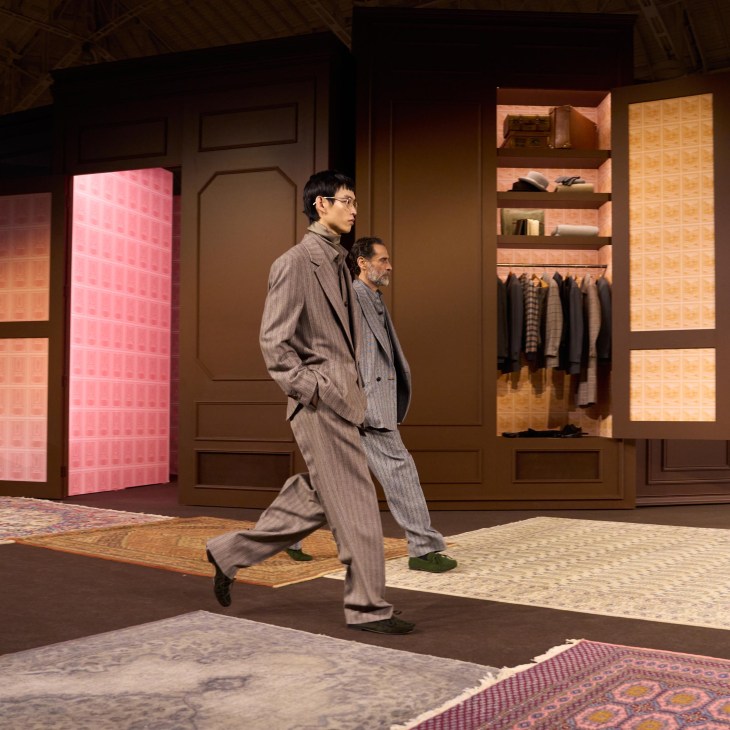
In his Via Bigli showroom, Milan-based Turkish designer Umit Benan is emerging as a name to know on the menswear circuit, thanks to his fuss-free and joyful approach to dressing that revolves around a sense of ease rather than manicured precision. This season, Benan’s focus is on a mosaic-like approach to dressing, achieved through tonal coherence, clean silhouettes and high-quality materials such as shearling, silk linings and nappa leather. It’s a welcome expansion to the designer’s portfolio – one that also includes bespoke tailoring – that is aimed to appeal at city-dwellers looking to seamlessly transition their wardrobes from the weekday commute to weekend mountain getaways.
umitbenan.com
Setchu
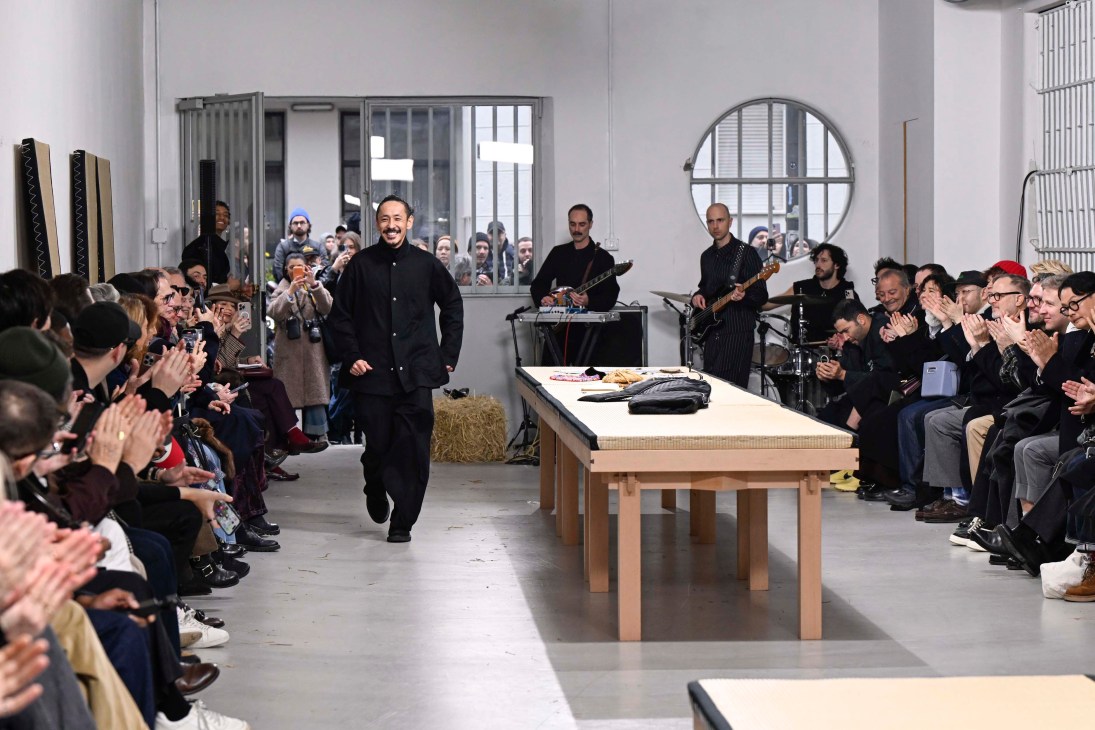
Japanese designer Satoshi Kuwata expressed surprise at how many people were in attendance at his show, held in his new Milan offices. The LVMH Prize-winner is establishing a loyal following for his brand, Setchu, by virtue of his story-telling abilities through unexpected details. Case in point is his latest collection, inspired by a fishing trip to Greenland. “I planned to visit a long time ago,” he says while styling models wearing quilted pieces informed by Arctic conditions. And, in what is perhaps the most unexpected accessory of the season so far, Kuwata designed a fishing rod to accompany his clients on their next angling mission.
laesetchu.com
The Stone Island Prototype Research Series 09
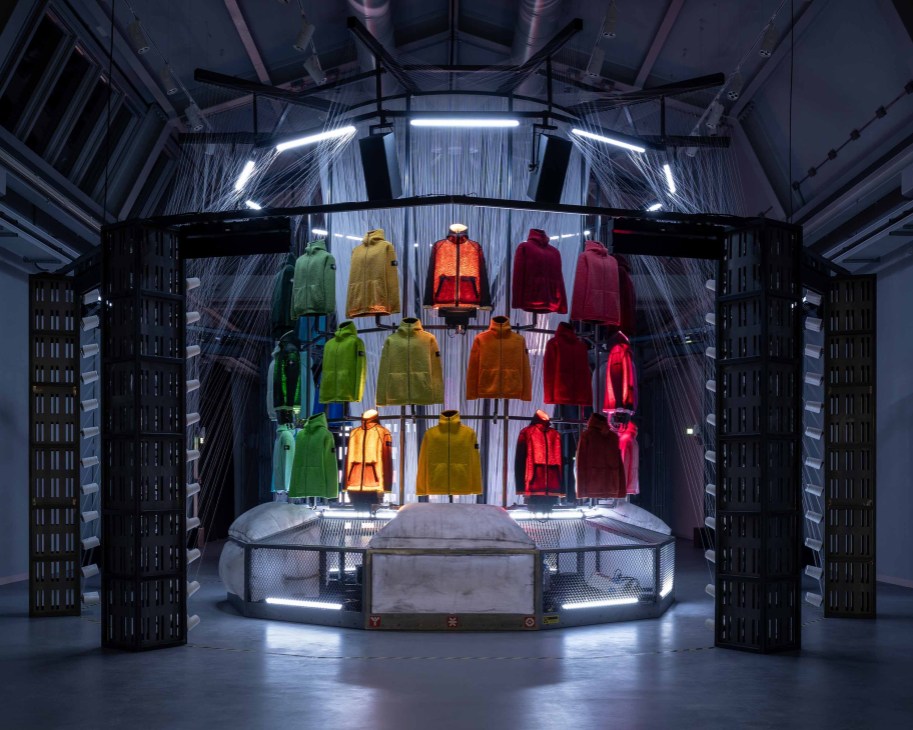
For its latest foray into material innovation and experimentation with manufacturing processes that have yet to be industrialised, Italian brand Stone Island is looking to knitwear. The result is a limited run of 100 chenille jumpers, each rendered in a different colour. These are made from an air-blown laminated knit – a technique that bonds a coating onto a fabric to make it waterproof. On show until 19 January at Via Tortona 31, the garments will then be available for purchase at select Stone Island shops.
stoneisland.com
Prada
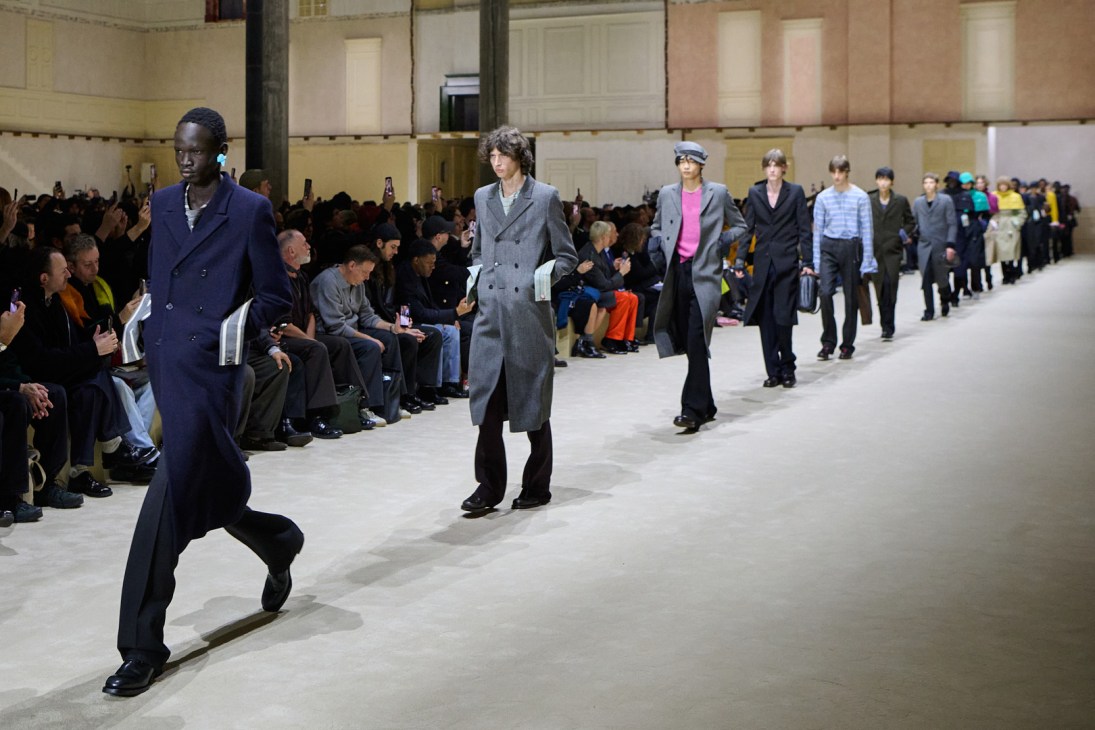
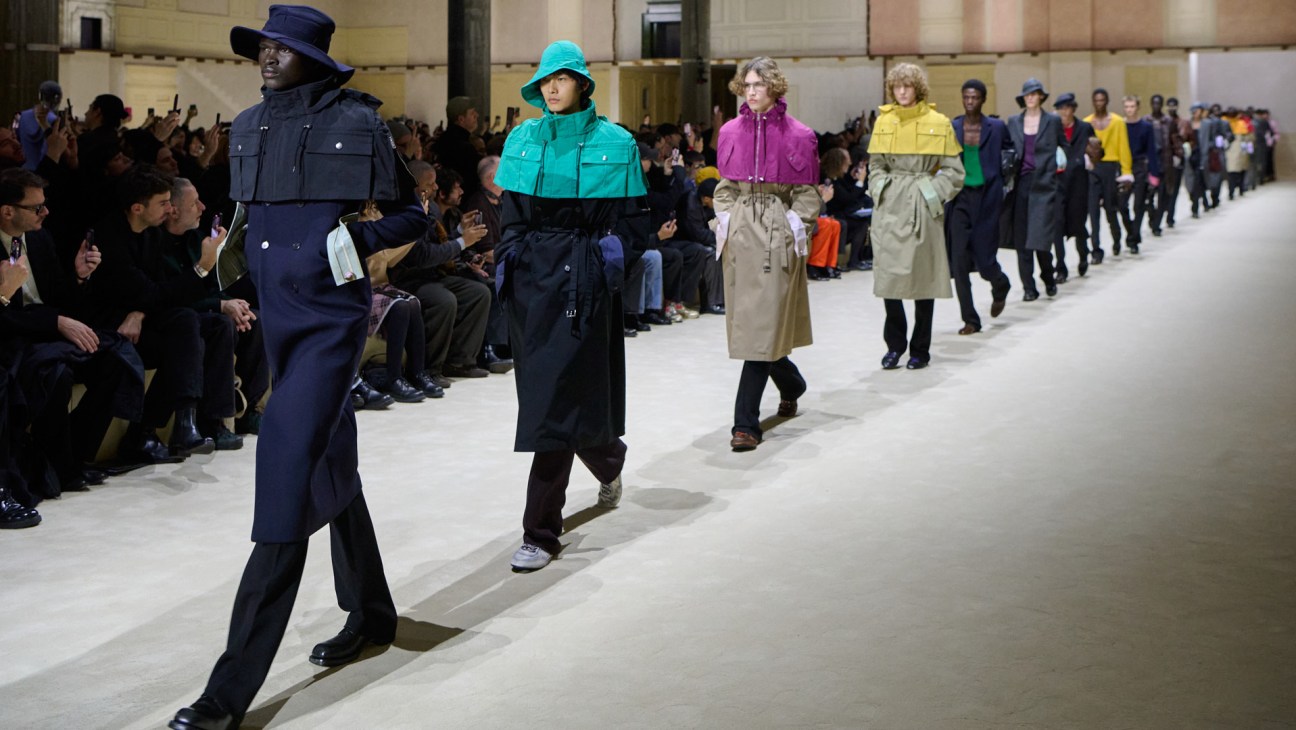
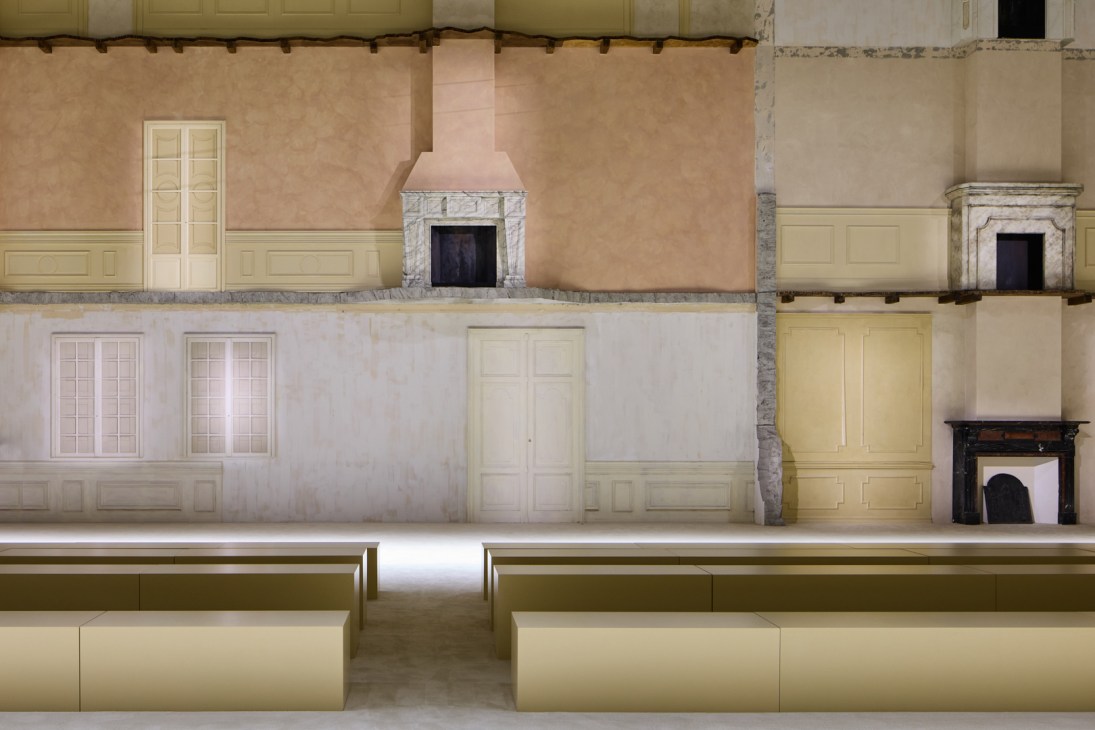
“How do you talk about the world now and about fashion at the same time? Putting the two things together at this moment is uncomfortable,” says Miuccia Prada backstage after the Italian house’s show at the Fondazione Prada. “We don’t have the answers but we can be strong with a creative vision,” added her co-creative director Raf Simons. “We should not sit here frozen.” A sense of anarchy could be felt throughout the show, with models marching down the runway with hands in their pockets, oversized cuffs dangling. Trench coats and sou’wester-style rain hats implied the role that fashion can play in weathering a storm.
Church’s
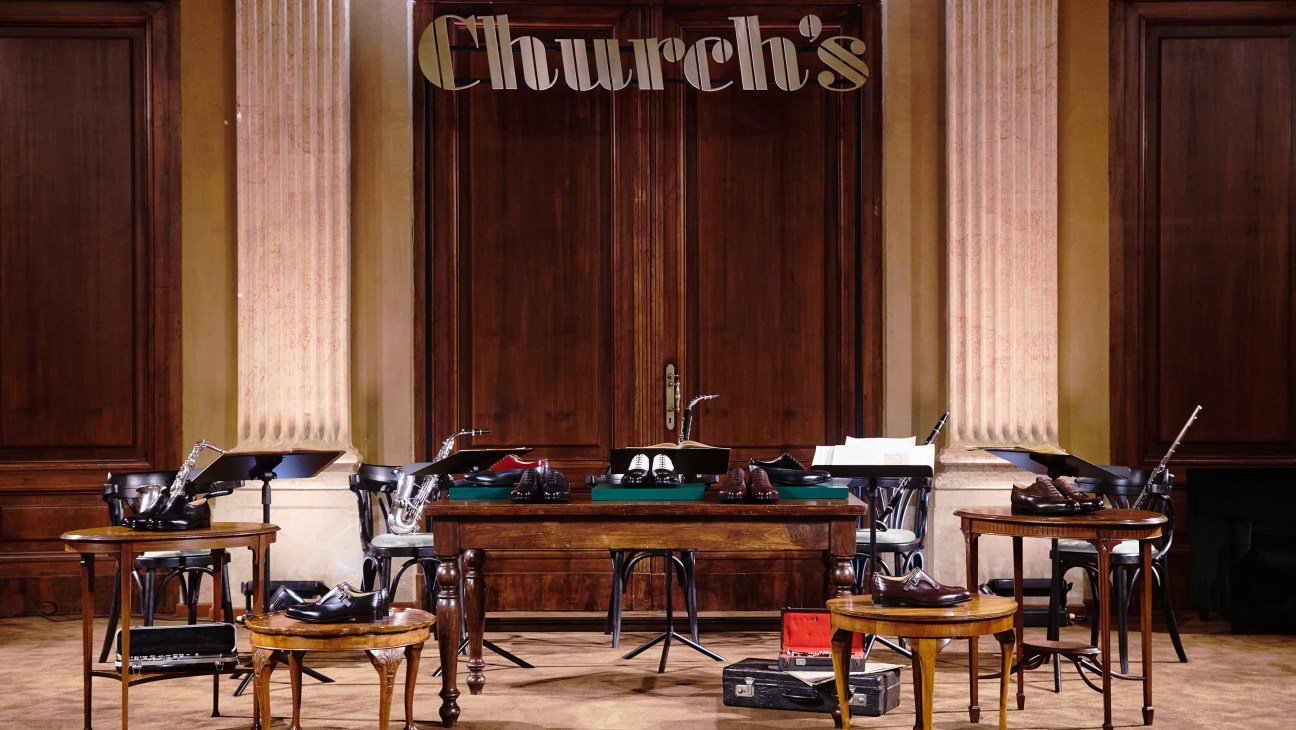
British shoe brand Church’s staged an imaginary orchestra in Milan’s Palazzo Barozzi to unveil its latest collection. By placing flutes and violins in dialogue with the Prada-owned label’s monkstraps, Oxfords and boots, the show emphasised the art of creative exploration and the meticulous discipline that underline both the act of composing music and the craft of shoemaking. A notable addition to Church’s range includes shoulder-season sandals that come in a waxed suede or three different wool varieties – Herringbone tweed, tartan and knickerbocker. But it’s hard to look past the cornerstones of the brand’s offerings, from sleek Chelsea boots to elegant Oxfords.
church-footwear.com
Santoni
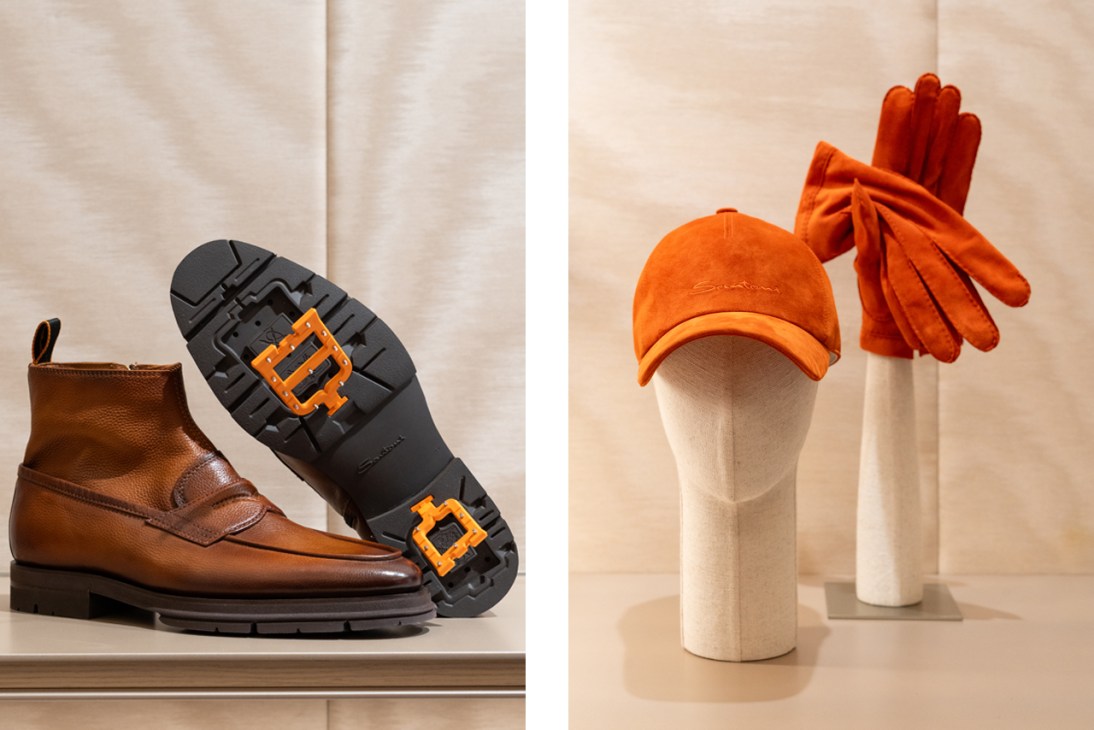
This season, family-owned Italian shoe brand Santoni looked to its home territory of Le Marche, specifically when dawn begins to illuminate its winter landscape. The collection, titled Aurora, features the house’s signature Velatura hand-colouring technique, a process in which pigment is applied to the leather shoes in multiple layers. The result is a distinctively Santoni look, with silhouettes enhanced by chromatic variations. A new development for the brand comes in the shape of soles with a technical tread component that can be twisted and snapped into place for extra grip on early morning walks through a frosty Italian forest.
santonishoes.com
Armani
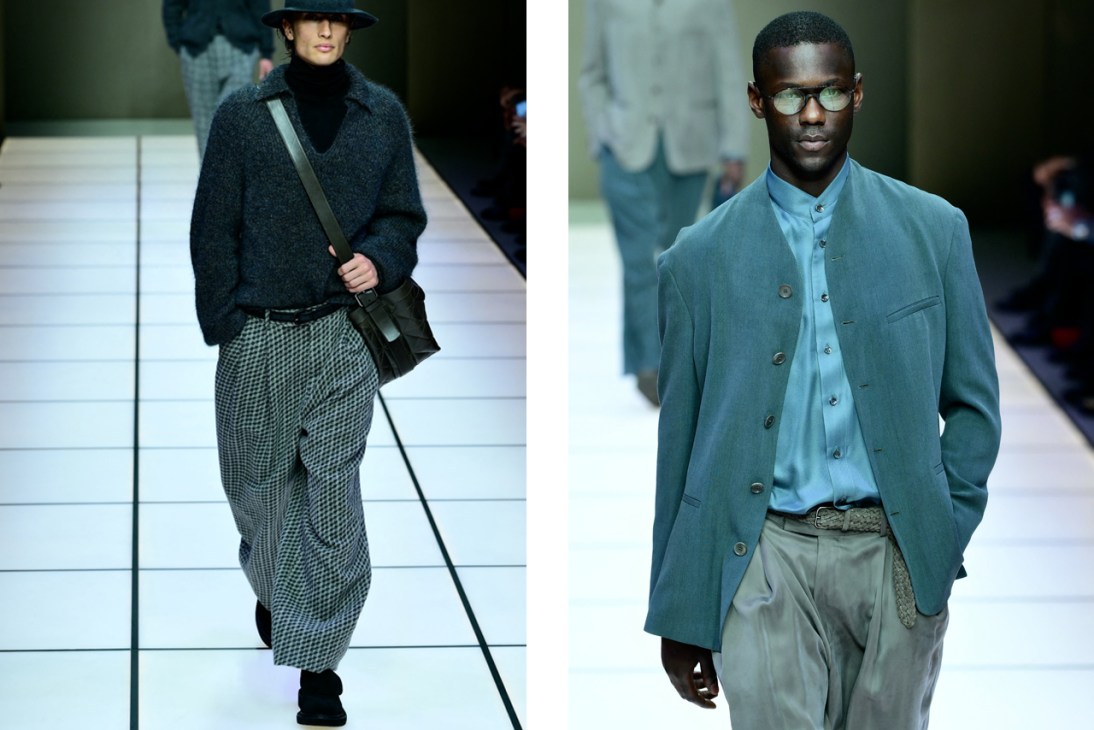
A new chapter begins for Armani. At its Brera headquarters, the quintessentially Milanese house showed its first collection without the direct input of its eponymous founder, who died last September. On a brightly lit runway, described by the brand as a return to the late 1980s, models were dressed in mostly monochromatic suits in the house’s signature palette of silver grey. There was also plenty of snow-ready outerwear, a nod to Armani’s role in dressing Team Italia for the upcoming Milano Cortina Winter Olympics.

The show ended with eveningwear, with plush midnight-blue velvet jackets and crisp shirting. While succession plans remain under wraps (rumours suggest that French designer Hedi Slimane is poised to come on board as creative director), Giorgio Armani’s partner in business and life, Leo Dell’Orco (pictured), is leading the team and providing a sense of continuity for one of Italy’s most beloved brands.
armani.com
Brioni
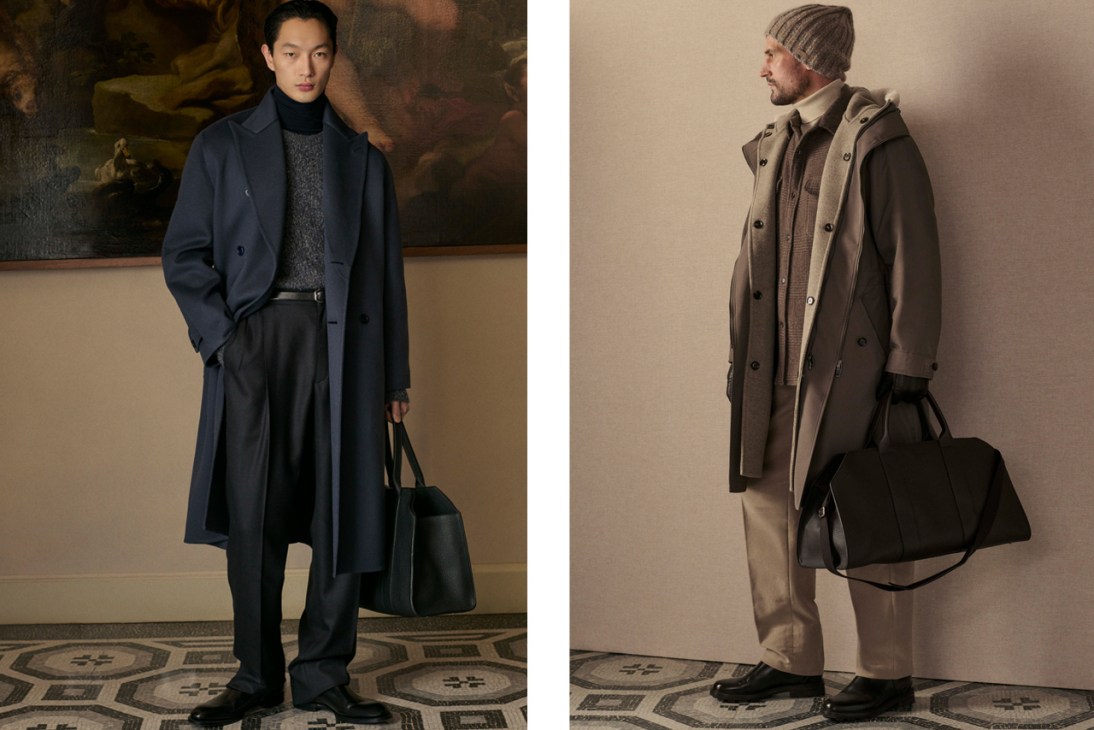
Roman house Brioni is putting the focus on its eight decades of artisanal heritage following the departure of the brand’s Austrian creative director, Norbert Stumpfl, last December. Its autumn/winter ready-to-wear 2026 collection is a reaffirming of house codes, from functional knitwear intended to be layered under reversible coats to more traditional eveningwear such as deep-red velvet smoking jackets and tuxedoes. Owned by French luxury conglomerate Kering since 2011, Brioni has also undergone a change in management with CEO Federico Arrigoni coming on board in May. While the house regroups, what remains certain is Brioni’s deep-rooted connection to Italian savoir-faire.
brioni.com
Canali
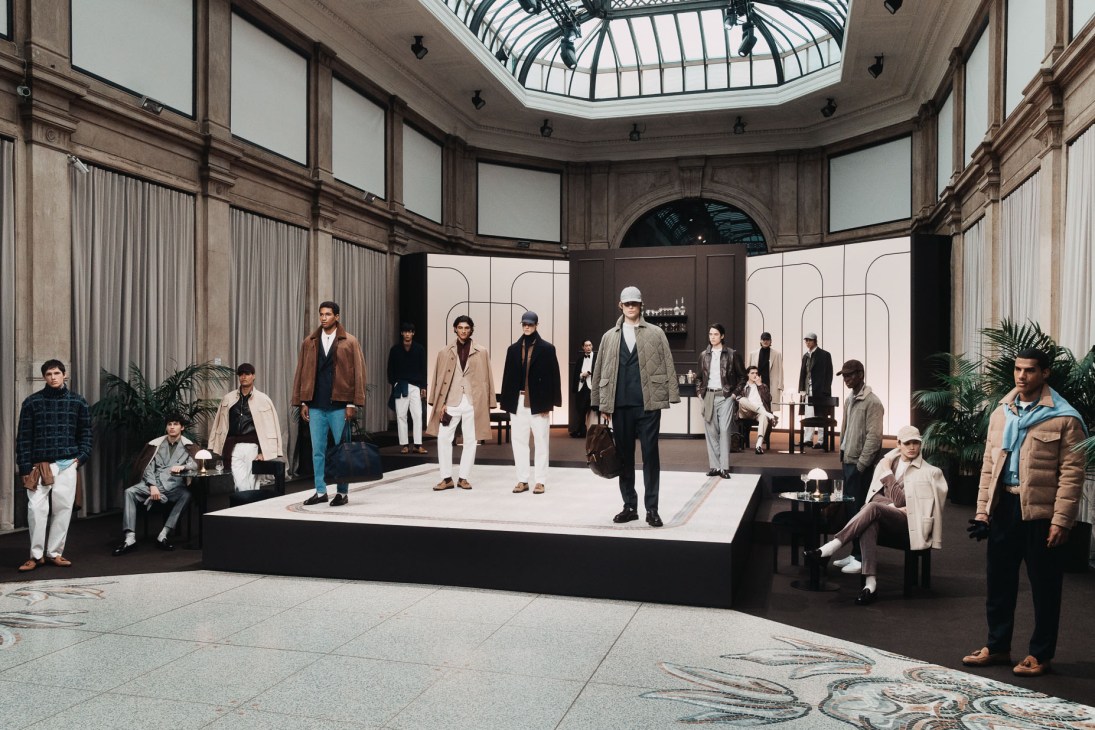
Cashmere knitwear, voluminous trench coats and shearling bombers – Canali’s vision of menswear for the upcoming winter evokes the wardrobe of a modern-day Milanese gentleman on his commute to the skyscrapers of Porta Nuova or a weekend escape to the woods of Lombardy. It’s an uncomplicated approach that has established a loyal following for the family-owned business since it was founded in 1934.
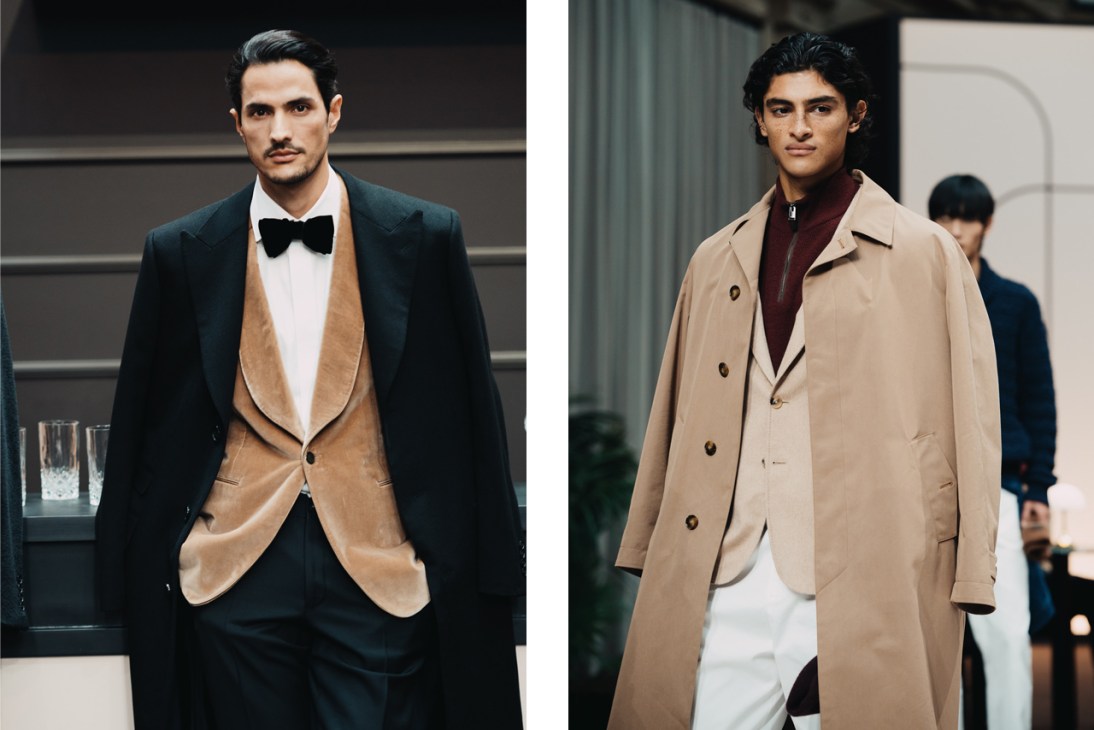
After a year of growing the brand’s global footprint with new retail outposts in South Korea and the US, Canali is now putting the emphasis on functionality (think four-pocket jackets, ultra-light merino layers and denim) – a strategy that will appeal to a cross-generational market.
canali.com