Starters’ orders
Beard is back. The Tokyo chef behind the fêted restaurant followed one farmer’s produce to a remote town to help lead an unlikely agricultural revolution.
In Unzen, Nagasaki prefecture, a two-hour flight and another hour’s drive south of the Japanese capital, sits what could well be the best restaurant opening of the year. Choosing the quiet seaside town of Obama, which has fewer than 8,000 inhabitants, wasn’t an obvious spot for an ambitious new opening but chef Shinichiro Harakawa has seen potential where many others didn’t. He made his name at Tokyo bistro Beard, a beloved neighbourhood restaurant in a residential corner of Meguro, which he closed in 2017.
The winter after closing to start something new, Harakawa and his business partner Jérôme Waag founded another restaurant in Kanda, downtown Tokyo, which proved to be an important stepping stone to the rural restaurant he’s now championing. “When we opened The Blind Donkey, we travelled around the country to meet the farmers and fishermen,” says Harakawa. “One of my contacts told me that I had to meet this one incredible farmer called Masatoshi Iwasaki in Unzen.”
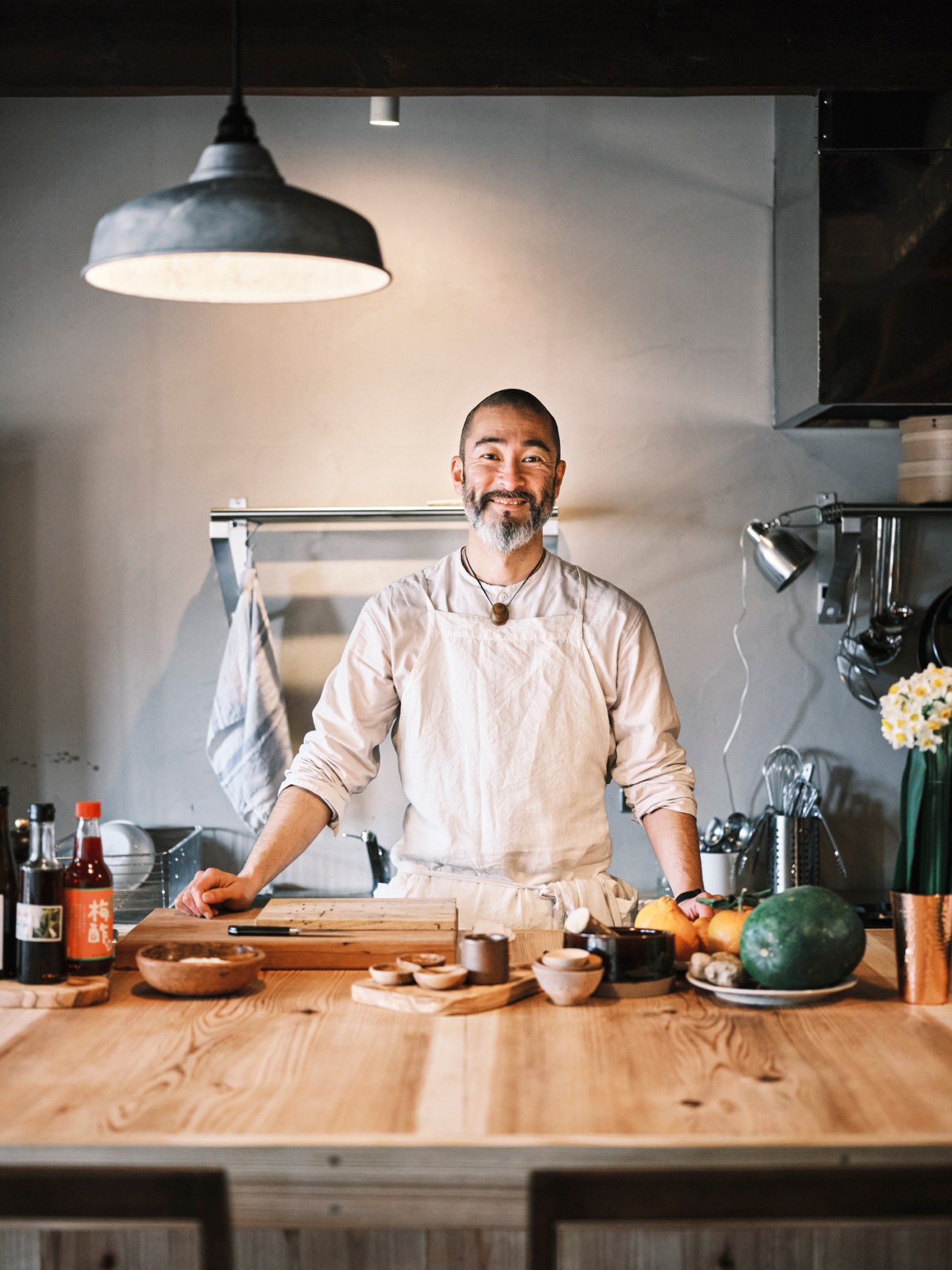
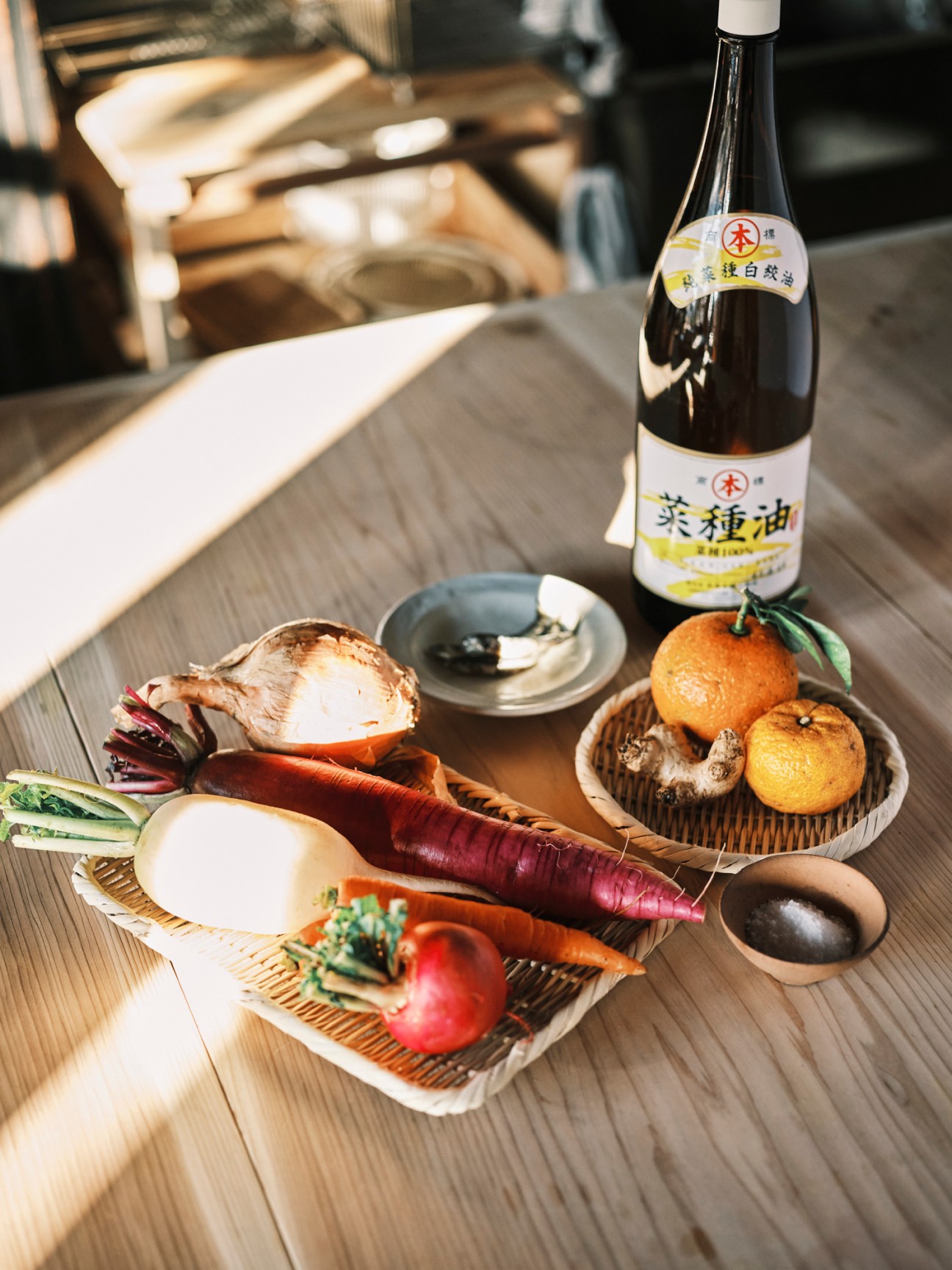
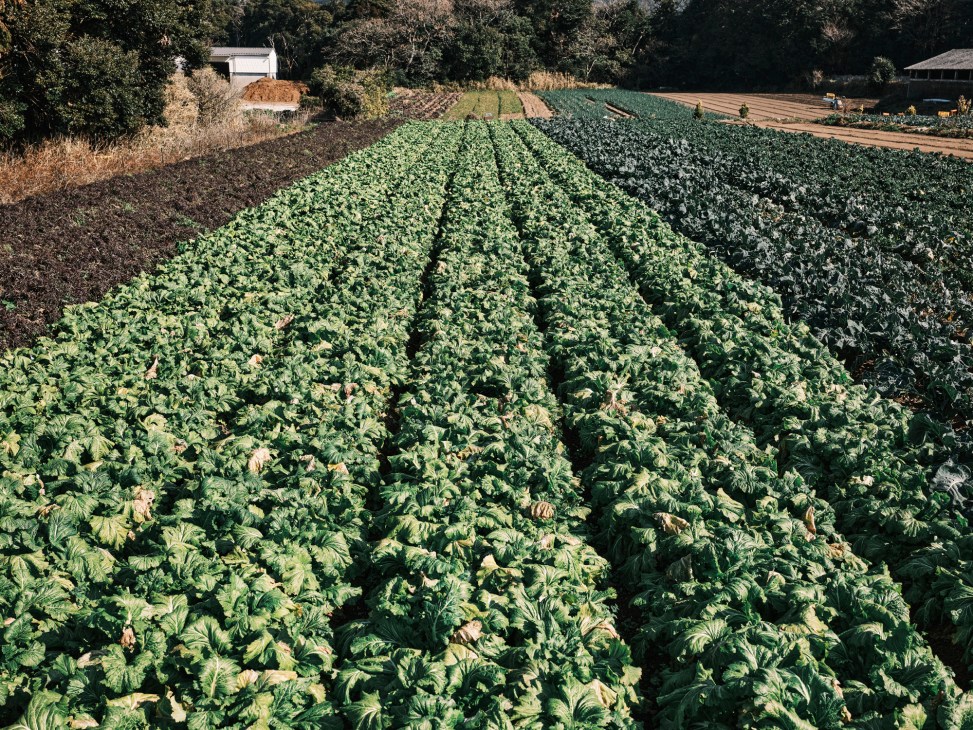
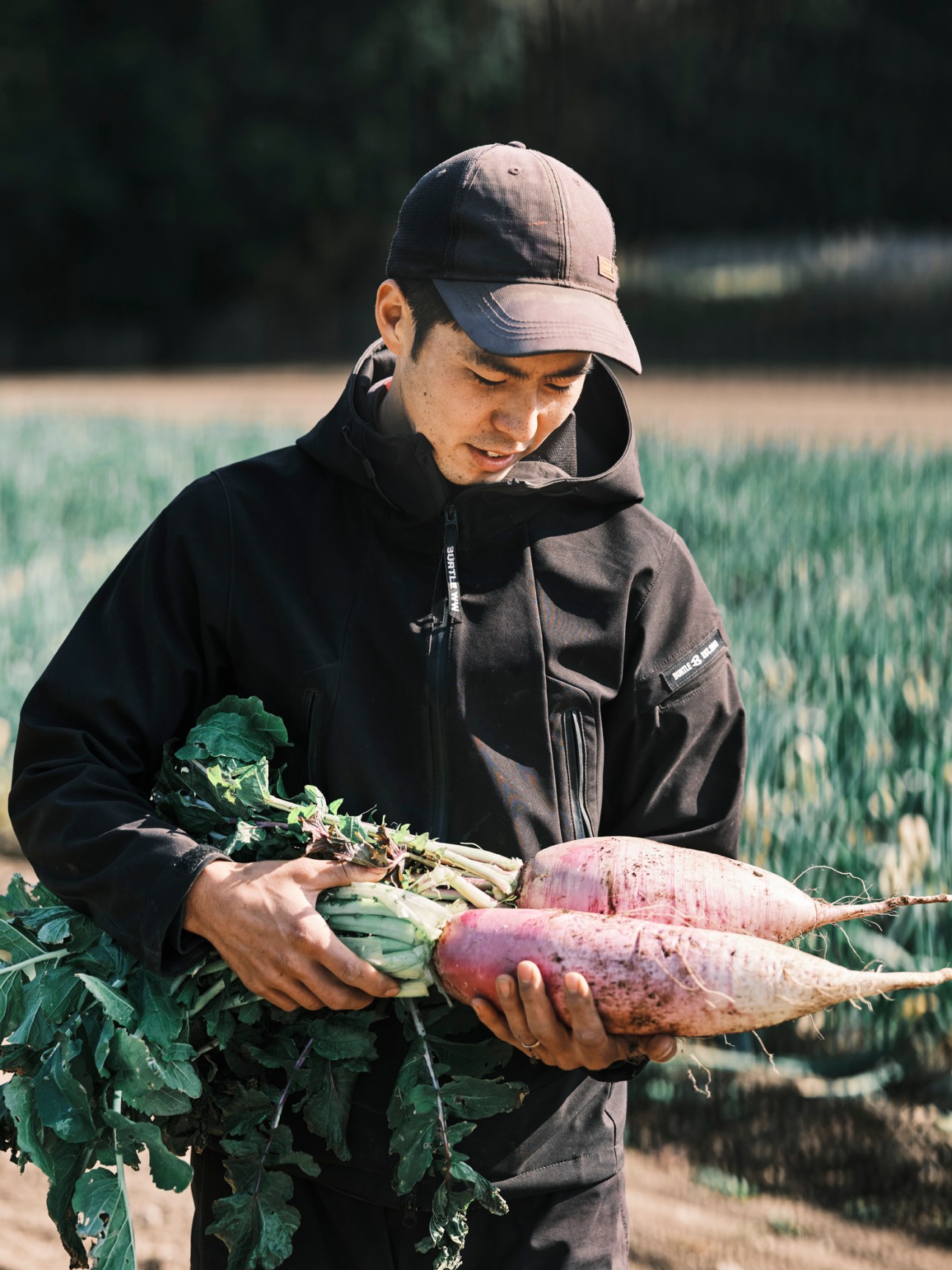
In summer 2018, he hopped on a plane to see for himself. “I was so overwhelmed,” he says. “Iwasaki-san grows about 80 varieties of indigenous vegetables using organic and seed-saving methods and has done for 40 years – with just his wife. He must be the only farmer engaged in this model at this level and scale in the world – and his produce is delicious.” Harakawa began buying his vegetables from Unzen and visited the farm regularly for ideas and inspiration. As he learnt more, he also understood more about the model and how he could help the tired town.
Finding few buyers in their area, the 70-year-old farmer and his wife had long sold the produce to sustainability-conscious customers in the city. “In the Unzen countryside, people were not yet interested in what he was doing,” says Harakawa. “No restaurant in Unzen was using his vegetables, so I decided to open my restaurant here.”
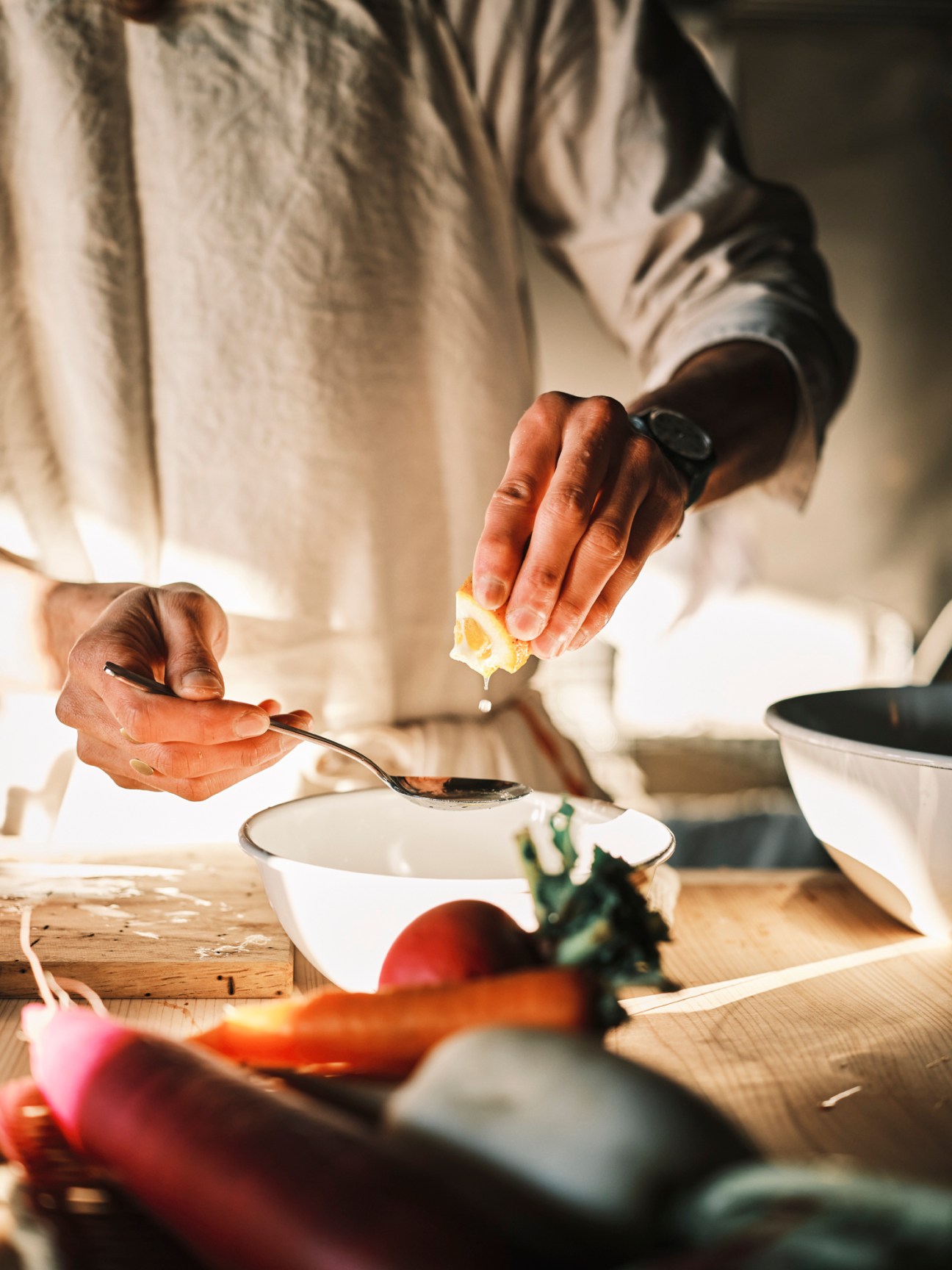
After 18 months of planning, Harakawa moved to Unzen in December 2020 and opened the new Beard in January 2021. It found digs in a former beauty salon within an otherwise unremarkable century-old structure, which had been home to a variety of businesses. “Here I’m going to run a solo operation,” says Harakawa. He commissioned Unzen-based designer Kishu Yamazaki to create an inviting space with a mountain-cottage feel. The counter-dining-only set-up is set around a long sugi (cedar) board with room for just eight seats. Yamazaki raised the floor a little to create a snug ambience, while ensuring that Harakawa had all he needed at his fingertips. To match the old building, he chose vintage furniture.
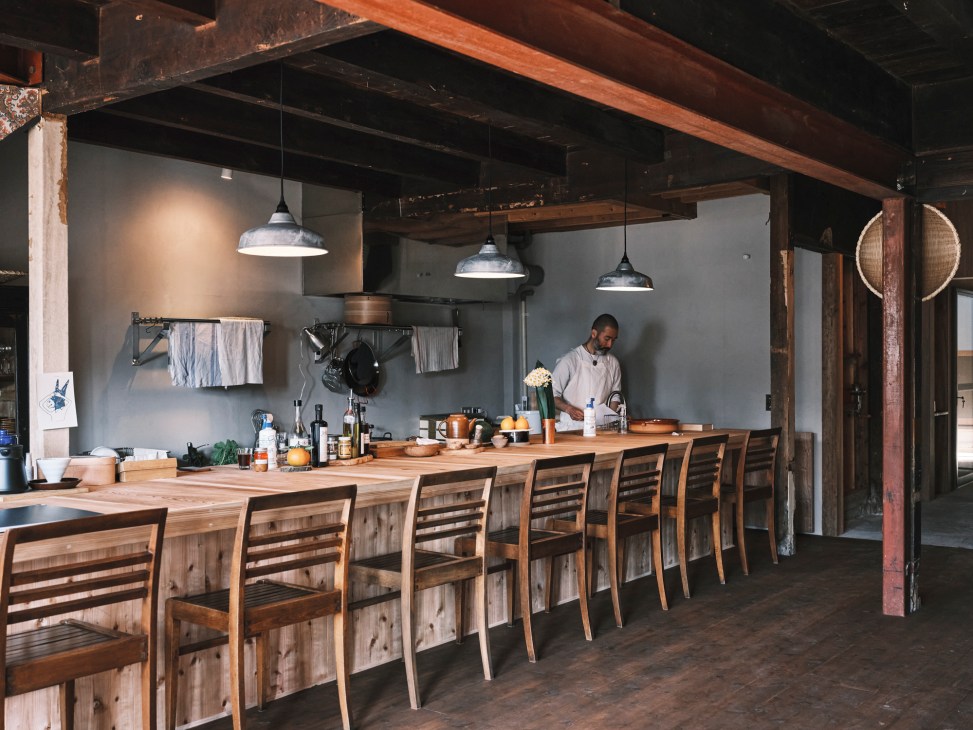
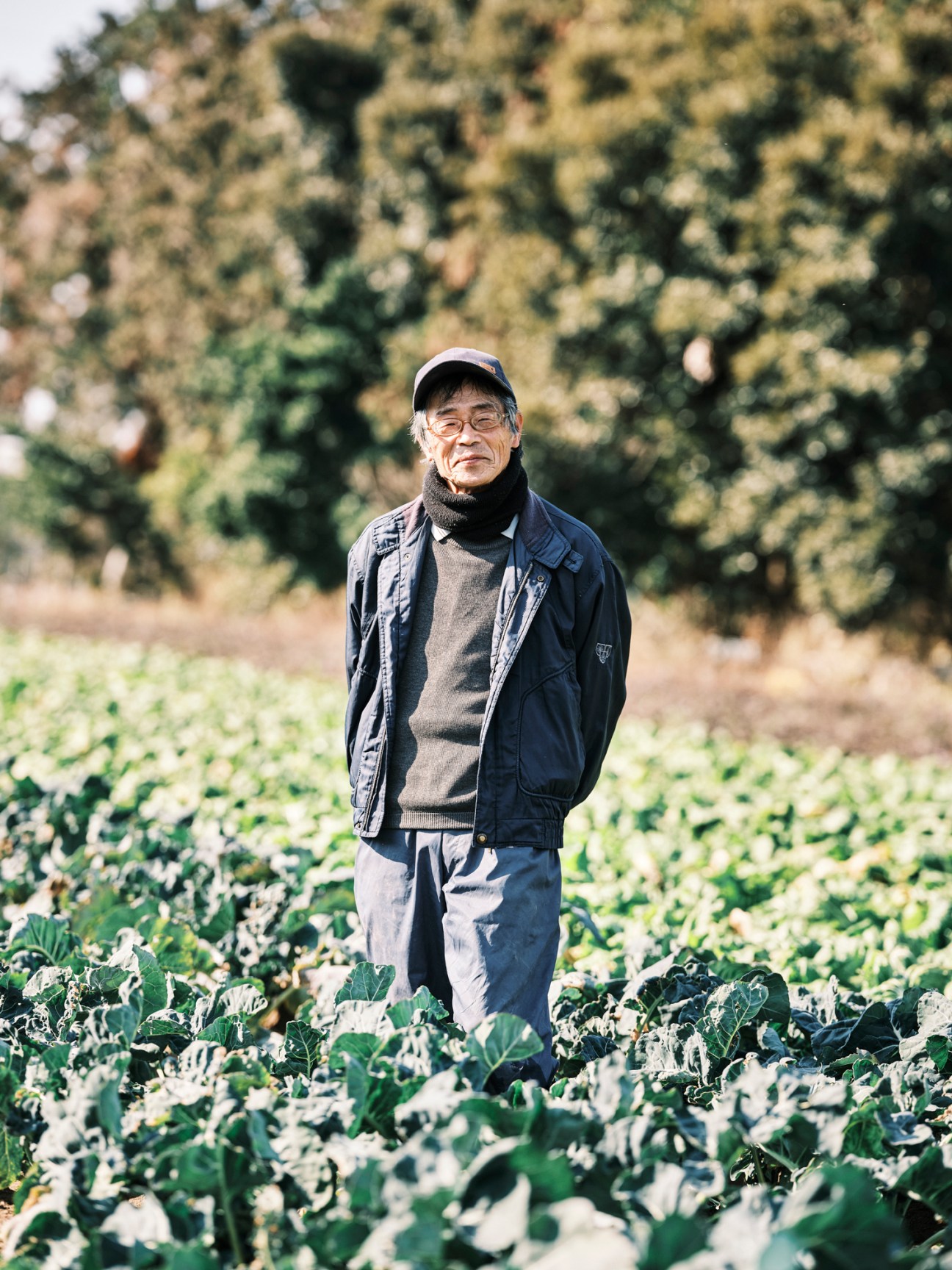
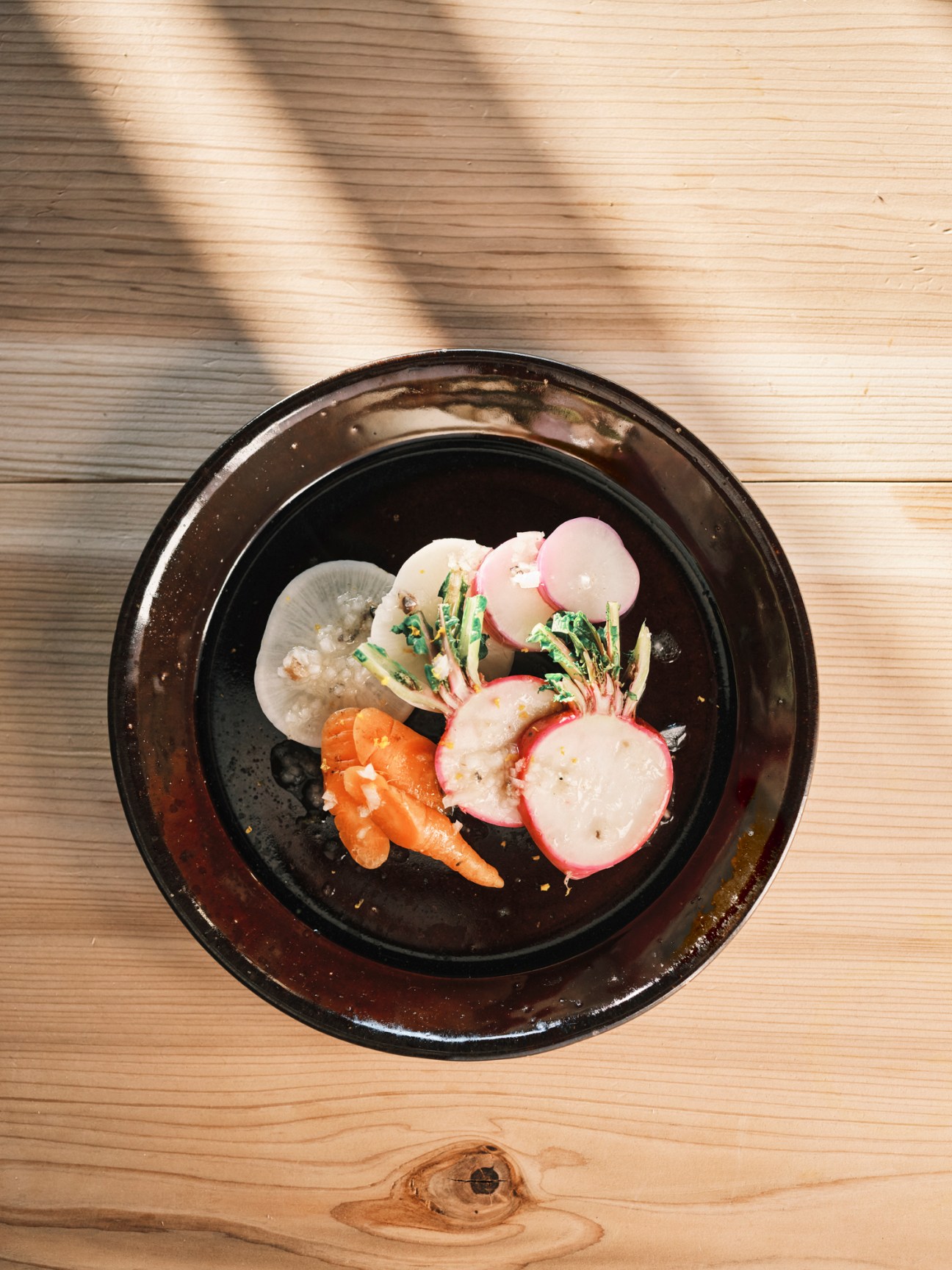
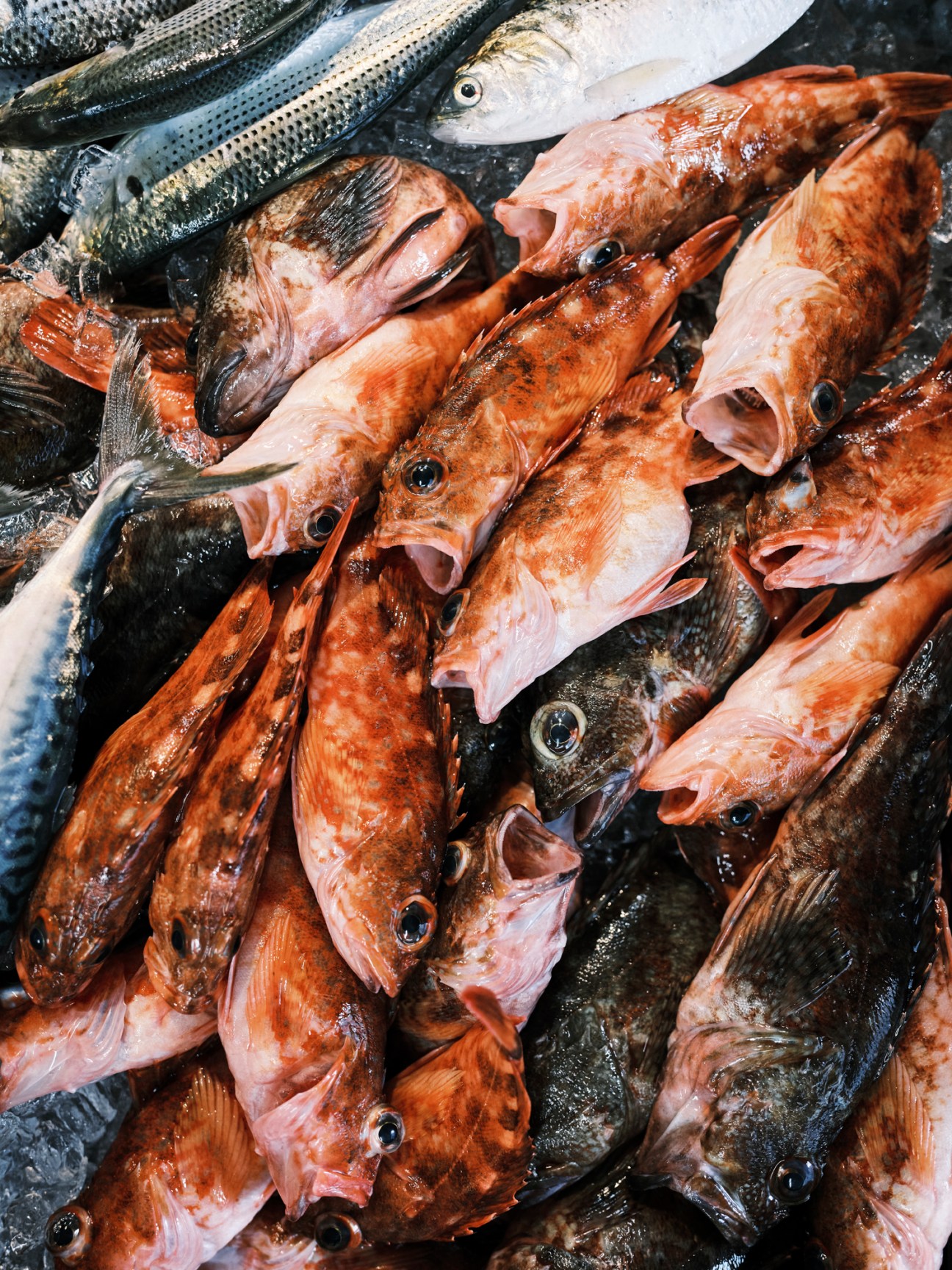
“Don’t expect much meat,” says Harakawa. “I mainly serve vegetables from Iwasaki-san and Tanaka-kun [see Q&A], local fruit and sometimes fish.” He runs to his own timetable. You can expect a set lunch on Thursday and Friday, while Mondays are à la carte. “I want to keep it casual and open for the locals, so they can enjoy the food grown in their hometown,” he says.
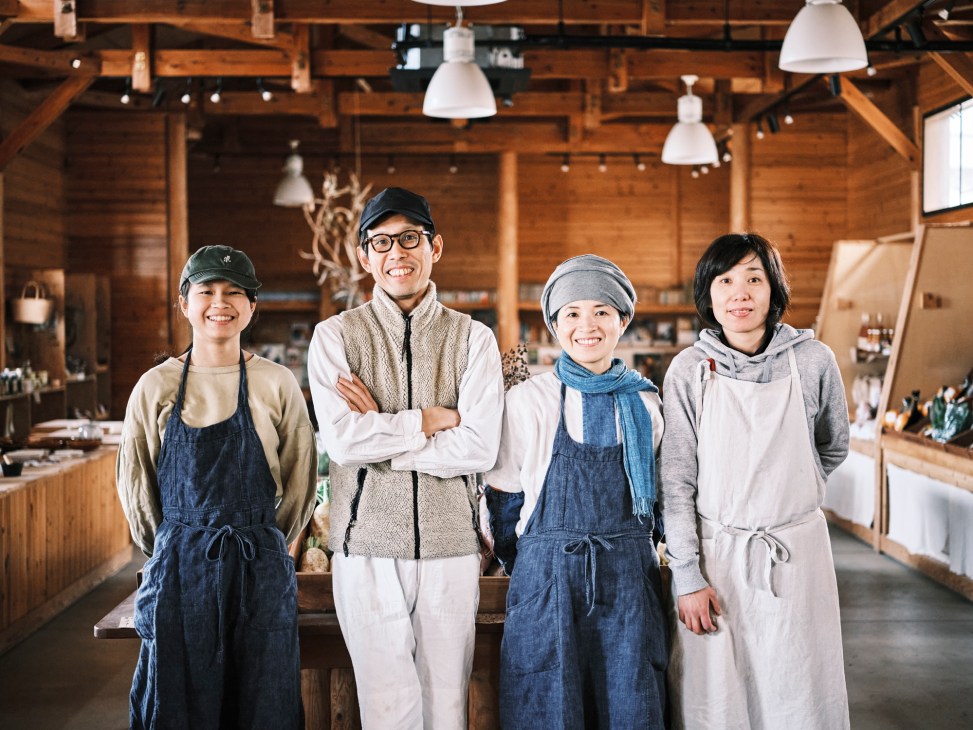
Elsewhere in Unzen, others had felt the region’s pull. Chikashi Okutsu, who introduced Harakawa to Iwasaki, is part of a broader community of craftsmen, designers and food folk who have come to call it home. A 15-minute drive from Beard is Taneto, the direct-to-consumer organic vegetable shop, which Okutsu opened with his wife in 2019. They previously ran a restaurant and cooking class in Tokyo but were drawn south by Iwasaki’s irresistible produce and arrived in 2013. “When we came, there was Iwasaki-san for food and the late designer Kosei Shirotani,” says Okutsu, referencing the celebrated Obama-born talent who also had a studio here. “Young people moved here because they were inspired. There was a growing sense of community.”
Geothermal cooking: meet the ‘mushigama’
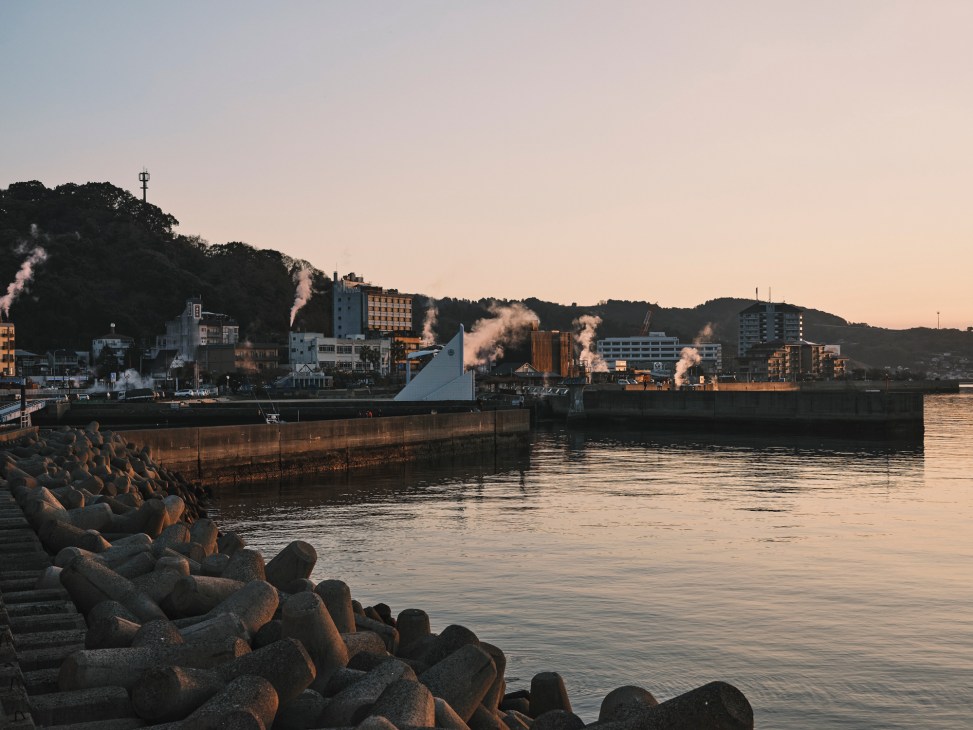
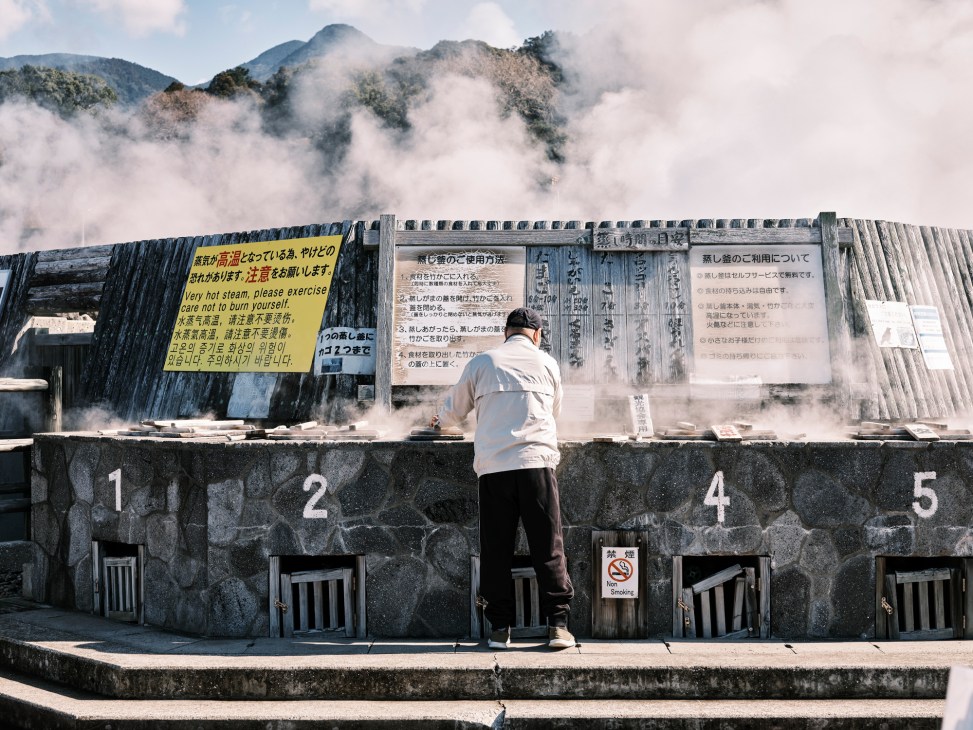
Obama is home to the hottest onsen, or hot spring, in Japan. Its 105c spring is the source of many bathhouses. Hot Foot 105 is a footbath pit-stop situated in Obama Marine Park. Don’t soak yourself into this giant pot (pictured), though. Instead, bring your own food and steam them here. The instructions on the side helpfully show cooking times: “Octopus for seven minutes and eggs for eight to 10 minutes.”
Alongside its shop, the couple has cultivated awareness by holding seminars and events with chefs to draw attention to better farming and fresher produce. Their mission? To convince people here in Unzen that Iwasaki’s style of farming wasn’t an expensive luxury but a privilege to cherish. “Most people said that a [more expensive] organic vegetable shop here wouldn’t stand a chance,” says Okutsu. “That this is the countryside, not a city.”
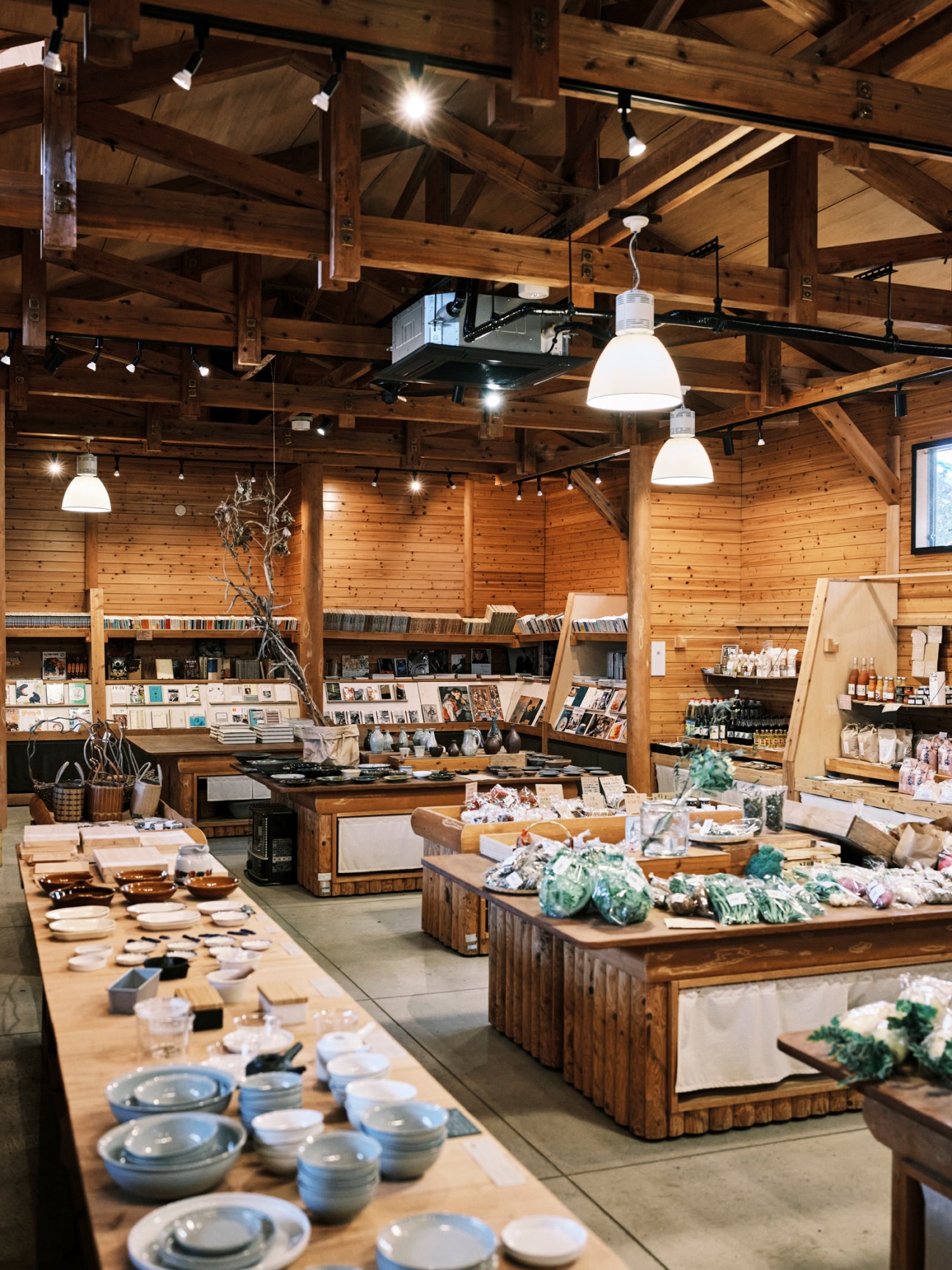
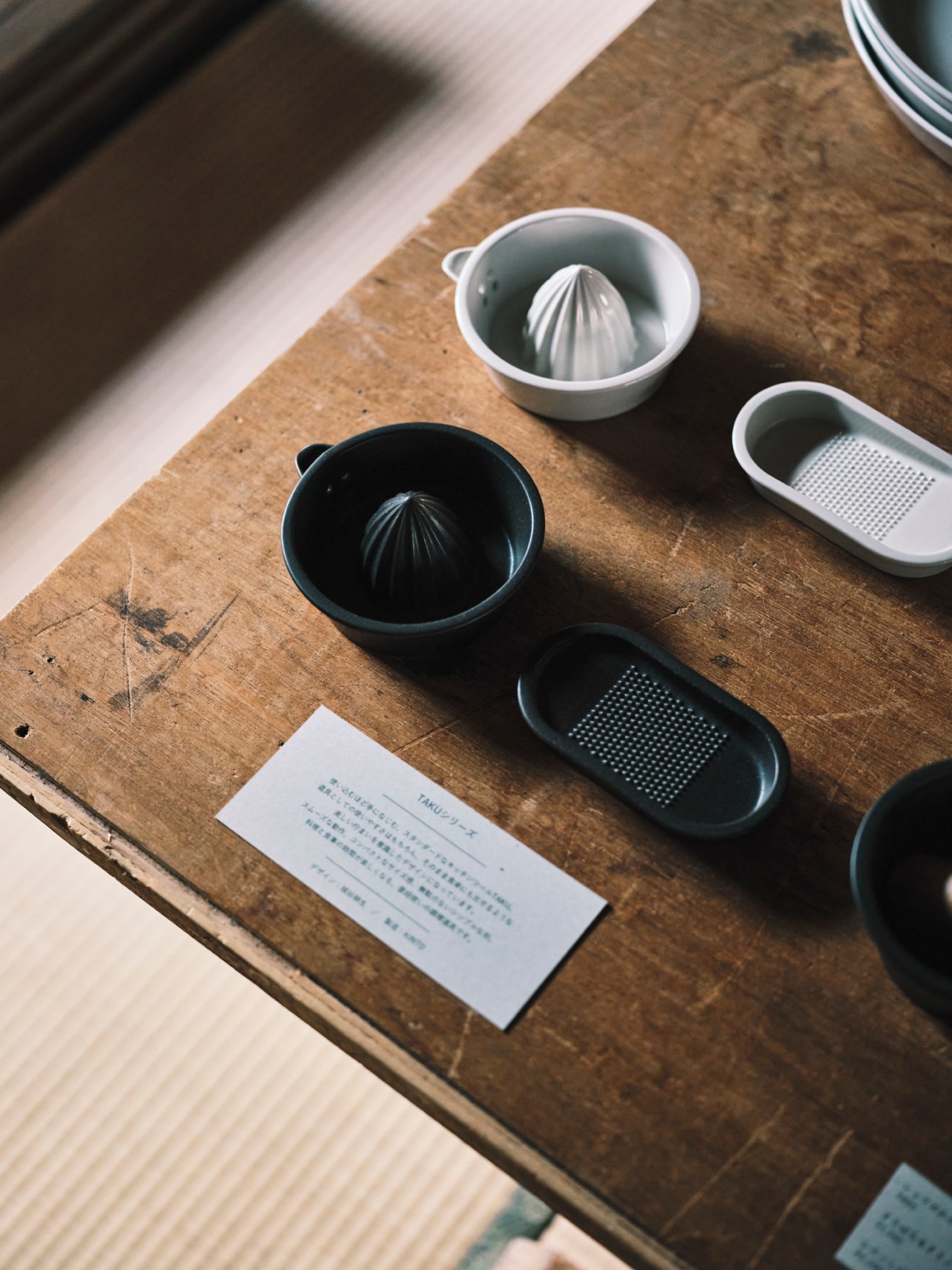
But the couple’s hunch proved correct after they opened Taneto. “The reception has been great,” says Okutsu. “People are pleased to have something that they can be proud of.” Today the shop sells a variety of small-batch organic farm produce that is difficult to find in supermarkets. Inside, there is also a shokudo canteen as well as a secondhand-book shop. “There was no bookshop around here, so we made one of those too.”
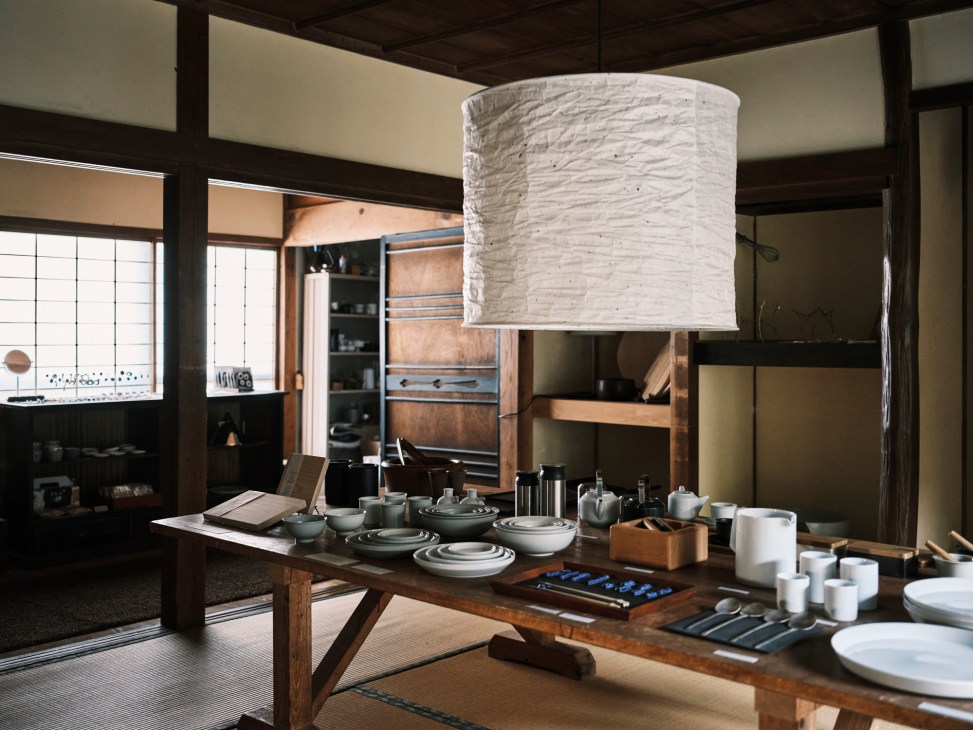
The return of Beard is a new chapter for Harakawa. Sometimes it’s hard to tell whether he’s here to help the town, or the town has helped him to better understand his craft. “The late designer Shirotani shed a light on a rural place and paved the way for younger people who followed him,” says the chef, acknowledging that he isn’t the first city slicker to set down roots here. This said, he’s still keen to find other missions. “This is my new base but I want to be as free as a bird,” he says. “If there are other places where I can help, I’m still able to fly.”
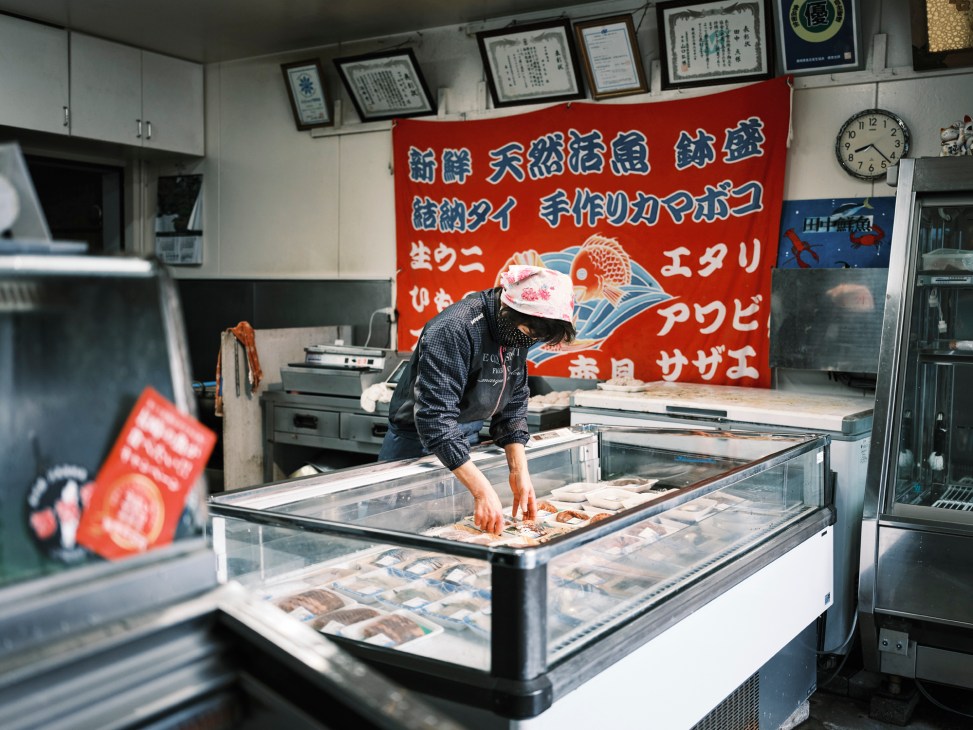
Unzen address book
Beard
Shinichiro Harakawa’s new restaurant showcases the region’s impossibly tasty produce.
2-1 Kitahon-machi, Obama-cho
Taneto
A Tokyo pair’s take on the ideal vegetable shop, complete with a shokudo and used books.
organic-base.com
New Obama
Try the champon noodles, toruko-raisu (Turkish rice) and ebi-don (shrimp rice).
862-2 Kitahon-machi, Obama-cho
Karimizuan
A shop-cum-café run by Studio Shirotani in an 80-year-old renovated Japanese structure.
karimizuan.com
Curry Life
A curry joint that uses ingredients from nearby Unzen farms.
currylife323.com
R Cinq Famille
The place for sensational ice sorbet with organic fruit and vegetables.
114-6 Kitahon-machi, Obama-cho
Jyokiya
A great onsen inn. Sleep tight and be ready for the delicious homemade Japanese breakfast.
jyo-kiya.com