Put down the Coca-Cola. Stay hydrated this summer with these soft drinks from around the world
Here are six of our favourite non-alcoholic beverages from across the globe.
Every country has its own way of cooling down – and it often starts with an ice-cold soft drink. A nation’s beverage of choice can also serve an ambassadorial role, offering an authentic taste of its culture while evoking memories of childhood holidays and long, languid summers. Here are some of our favourites.
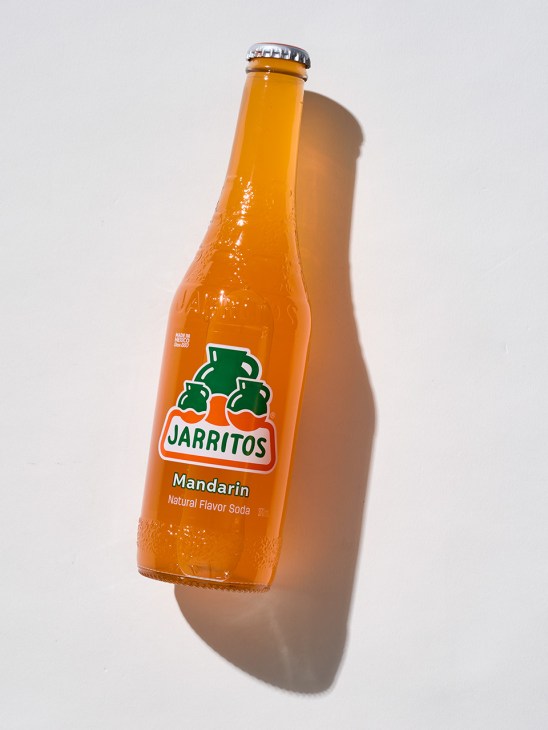
Jarritos
Mexico
In 1950 chemist Don Francisco “El Güero” Hill started making sodas in his Mexico City dining room. His first attempt, a coffee-flavoured drink, failed. His second, using tamarind, was a hit. Within a decade, Jarritos – Hill’s brand of soft drinks – was distributed across 80 per cent of Mexico’s states, available in a range of flavours including mandarin and lime.
Priced so that a schoolchild can afford a bottle alongside a media torta at break time, Jarritos embedded itself into the fabric of ordinary life. That accessibility is inseparable from its appeal: known as the “official drink of tacos”, Jarritos become the go-to accompaniment to spicy street food. Its name refers to small clay jugs that are traditionally used to keep beverages cool, while the formula honours the flavours of the Mexican orchard.
jarritos.com
Ramune
Japan
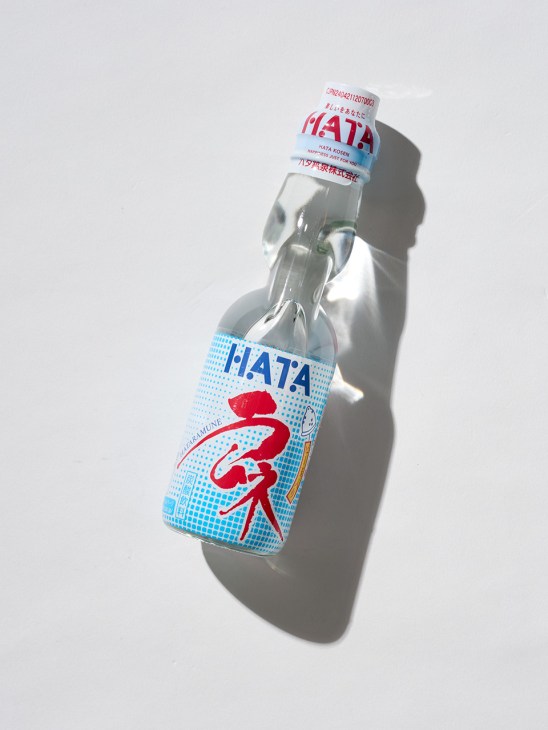
Originally marketed as a cholera remedy, Ramune has disarmingly simple ingredients: fizzy water, flavourings, sugar and citric acid. The origins of this lemon-lime soda remain contested, though one oft-repeated account credits Scottish pharmacist Alexander Cameron Sim, who is said to have introduced the carbonated drink in Kobe in 1884, inspired by the western lemonade.
But its appeal has never been based on its taste alone. Much of its charm lies in the ritual of opening the Codd-neck bottle: pressing the marble down with a pop and releasing a rush of bubbles.
hata-kosen.co.jp
Cockta
Slovenia
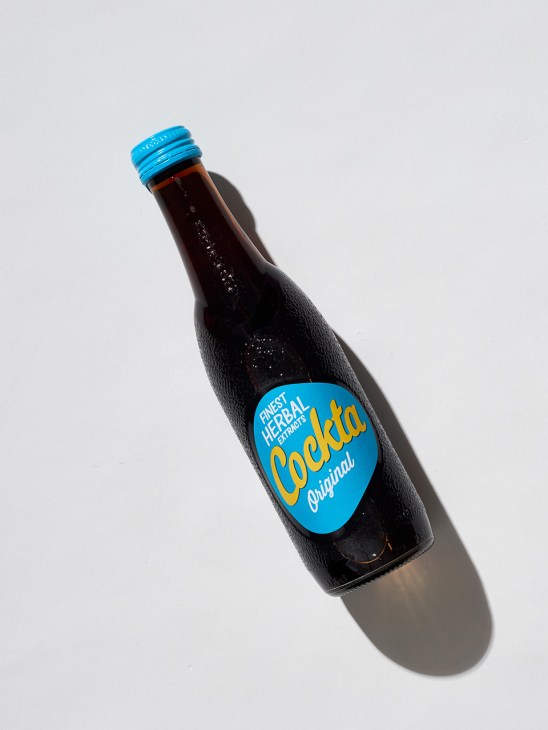
While much of the world gulped down Coca-Cola and other caffeine-fuelled drinks in the mid-20th century, a homegrown alternative was winning fans in Slovenia. Launched in 1953, Cockta (short for “cocktail”) blends 11 mountain botanicals including rosehip, a Slovenian staple foraged from wild hillsides.
Though synonymous with summer, Cockta debuted at a ski-jumping championship in Planica to link the brand image with an active lifestyle. Advertising posters later featured athletes climbing mountain peaks in shorts and water skiing in one-piece bathers, all while holding a bottle of Cockta. Today, that winter debut is best enjoyed in a glass with a single ice cube and garnished with a slice of orange.
cockta.eu
Sumol
Portugal
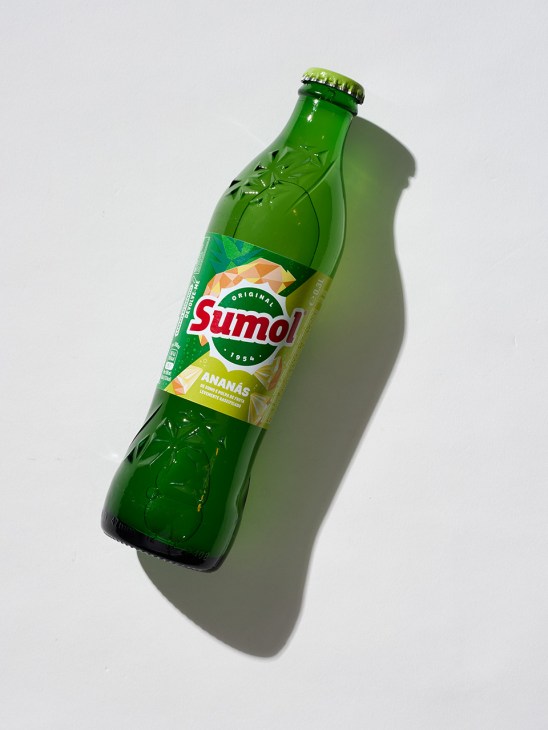
A portmanteau of sumo (juice) and sol (sun), Sumol was Portugal’s first soft drink made from pasteurised orange juice when it was launched in 1954. A pineapple flavour followed and the brand’s logo was soon plastered across the country on billboards, napkin holders, bottle openers.
This savvy marketing, which was ambitious for a nation that was then under dictatorship, became as recognisable as the drink itself. In South Africa, which has a large Portuguese community, Sumol remains ubiquitous: it makes for a refreshing pairing with piri-piri and the catchy television jingles of the 1960s and 1970s still sit in the public imagination.
Today, Sumol continues to tap into Portuguese youth culture through new flavours and partnerships with sports and music events – but for no demographic does it evoke the feeling of summer quite like it does for those who came of age with it.
sumolcompal.pt
Orangina
France
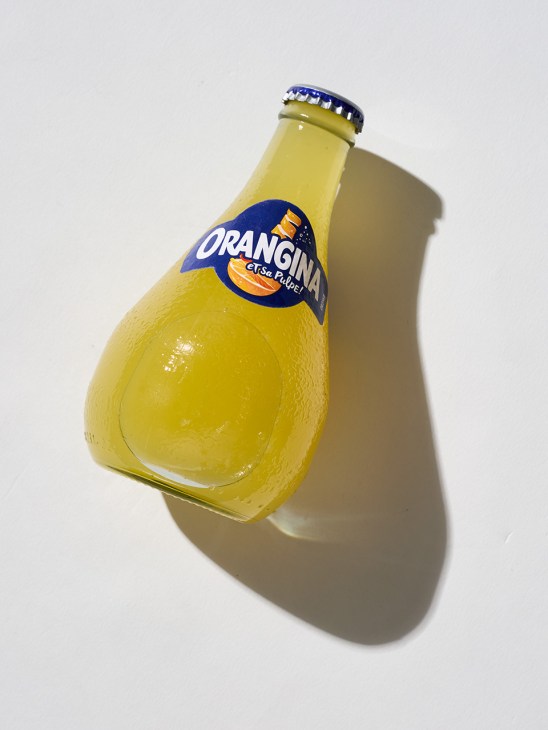
Everyone who grew up in France between the 1970s and 1990s will remember Orangina’s slogan “Secouez- moi” (“Shake me”). In 1935, French entrepreneur Léon Beton encountered Spanish pharmacist Dr Agustín Trigo at the Marseille Trade Fair, who was presenting a pulpy orange concentrate called Naranjina. Trigo’s invention would become the basis for Orangina, which launched commercially the following year.
The sparkling orange drink contains real citrus pulp, which tends to sink to the bottom of the distinctive bulbous bottle, so a good shake is necessary. For many, the sight of that bottle – inspired by the shape of an orange – still conjures memories of trips to the beach in Brittany. Today, Orangina is owned by Japanese multinational Suntory and is available in more than 60 countries.
orangina.eu
Crodino
Italy
Named after Crodo, the Alpine town in Piedmont where it was created in 1965, Crodino made a splash when iconic French actress Brigitte Bardot starred in its first publicity campaigns in the mid-1960s and 1970s.
While its name has changed over the years – the drink was originally released under the name Picador – the Crodino recipe has remained proudly unchanged. The non-alcoholic bitter apéritif is a blend of 15 herbs and spices, including cardamom, cloves and coriander, which are left to infuse for up to six months.
Since Crodino’s acquisition by the Campari Group in 1995, its popularity has spread to Austria, Switzerland, France and the UK, as well as the US, where it satisfies Americans’ seemingly insatiable appetite for all things Italian.
crodino.com

ARTICLE CREDITS
WRITERS:
- Natalie Stoclet
- Julia Mio Inuma
- Alexandra Aldea
- Gaia Lutz
- Adrian Moore
- Rossella Frigerio