Issues
Cable network
Few attractions evoke the history and atmosphere of a city as precisely as the Sugarloaf cable car in Rio de Janeiro. The bondinho has bolstered the city’s image abroad, appearing in everything from 1979 James Bond film Moonraker to The Simpsons. But for residents, the gondola – which connects the Praia Vermelha beach to the Urca hill and the peak of Sugarloaf mountain, some 396 metres above sea level – symbolises a way of life too. Nestled in the heart of an urban neighbourhood but surrounded by vast swathes of Atlantic forest, it has come to represent the close relationship between Rio’s citizens and the natural world.
Parque Bondinho’s 400-strong team can transport up to 1,200 passengers an hour. They make the operation look easy but their jobs are far from simple. From looking after mechanical issues to hosting events and telling visitors about the history of the location, their work is never done. “We have a very big responsibility to make continuous improvements in the operation and maintenance of the park,” says Parque Bondinho’s general manager, Gustavo Maciel.
Of course, safety has always been a priority. One of the oldest active cable cars in the world, the bondinho, which runs every 20 minutes, has never been involved in a serious incident. And though the system has been in place for more than a century, its cabins, pulleys and stations are regularly upgraded. “We have the best technology in place,” says Maciel. According to the general manager, the technical team here is capable and highly respected, even among manufacturers and managers of similar systems outside Brazil.
Parque Bondinho’s remit goes well beyond mechanics. The customer services team, for example, is key to entertaining and guiding the park’s 1.6 million annual visitors, while the management team oversees waste collection and energy supplies.
There’s also a lively cultural calendar in place throughout the year, thanks to a pioneering attitude that Maciel sees as crucial in maintaining Sugarloaf’s legacy and upholding the park’s symbolic status both at home and abroad. “As time goes by, we see ourselves as more and more cutting edge,” he says.
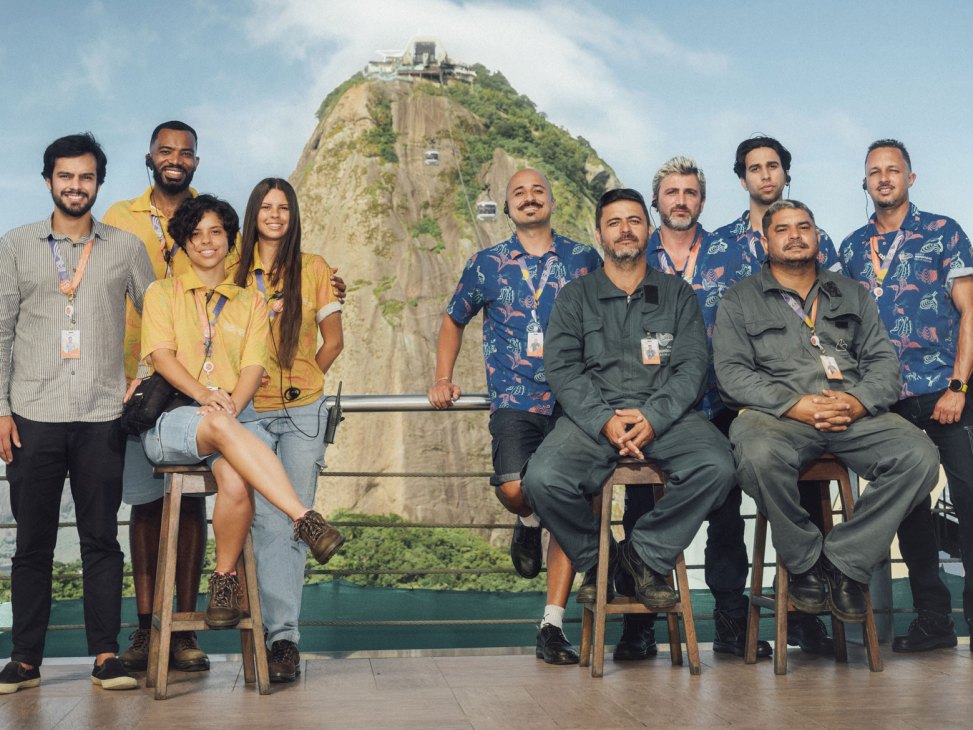
The Cabinet (from left to right)
Gustavo Maciel
General manager
Maciel was born in the agricultural hub of Goiânia but soon traded life in the Brazilian midwest for the coast. In his daily commute, he now gets to take the cable car up the 227-metre-high Urca hill, where he oversees the Parque Bondinho team. As far as nine-to-five jobs go, it’s not a bad gig. “It is a great privilege to work in a spot with such incredible natural beauty,” says Maciel.
Higor Carvalho
Customer service assistant
He tells visitors about the history of the Sugarloaf mountain and Rio de Janeiro.
Stephany Cavalcante
Customer service assistant
She always seems to be on the move.
Yasmin Magalhães
Visitor attendant
On a peak weekend, we welcome up to 6,000 visitors. Yasmin finds that gratifying.
Marlon Sandro Silvestre
Cable-car operator
Knows what to do if the machinery won’t work.
Fernando Duarte
Machines operator
He watches a different kind of sunset here every day.
Laurênio Werberg
Machines operator
He has been here for 21 years, so his team have been working together for a long time.
Mateus Couto
Cable-car operator
His father has been working here for 20 years, and Mateus followed his lead.
Augusto Ferraz
Machines operator
He never feels tired when looking at this [natural] wonder.
José Carlos Torquato
Cable-car operator
When tourists tell him that our service is well organised, it makes him feel proud.
Graveyard shift
“Sécurité, sécurité, sécurité,” says a member of the US Coast Guard in Ilwaco, Washington, as he leans into the microphone in front of him to read a weather forecast on the Columbia River Bar. “This is Coast Guard Station Cape Disappointment…”
Mariners tune in to this broadcast every day as they navigate what is known as “the Graveyard of the Pacific”, a perilous stretch of water at the mouth of the Columbia river on which there have been about 2,000 shipwrecks since 1792. Crossing the passage is always risky but it is often necessary. Draining a watershed that is about the size of France, the Columbia generates billions of dollars in trade, making it the largest, most commercially significant river in the Americas to reach the Pacific.


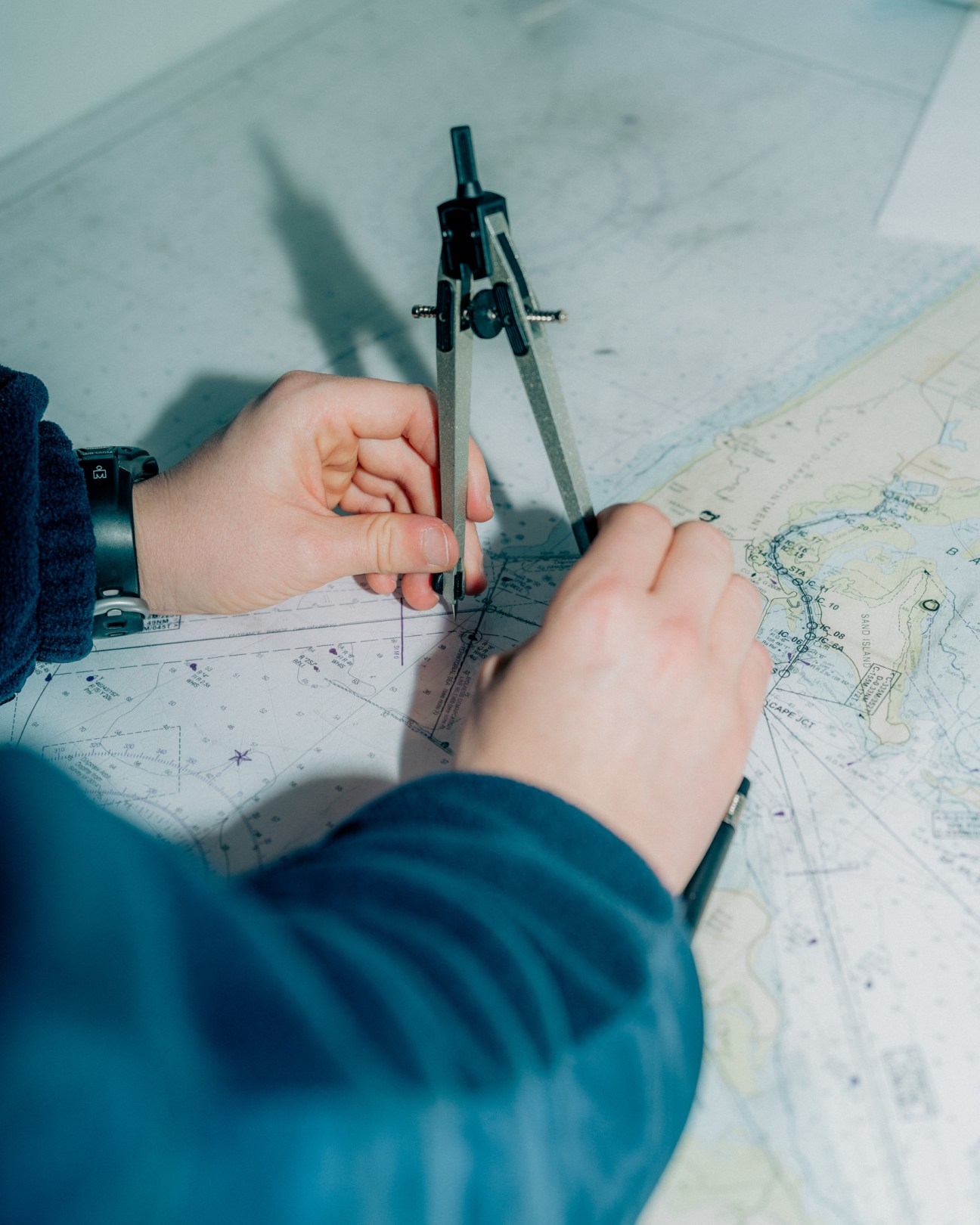
Yet its size and convenient location are also what make it so dangerous. “The energy created when [the ocean meets the river] is deadly,” boatswain’s mate Petty Officer First Class William True tells Monocle. US Coast Guard rescuers stationed nearby must be prepared to respond within minutes if a mariner radios mayday.
True is a surfman, the Coast Guard’s highest qualification for boat drivers, operating 14-metre-long lifeboats that can handle gale-force winds and six-metre-high breaking waves. If they capsize, they can self-right in less than 10 seconds. Fortunately, that outcome seems unlikely as I stuff myself into anti-exposure coveralls for a training mission.
In a sheltered bay, two grey boats are waiting for us. True heads out on the first, where he will instruct a coxswain-in-training. I board the second, which will play the role of a vessel in distress. “One hand for yourself and one on the boat at all times,” says boatswain’s mate Petty Officer Second Class Derek Samuelson.
Today rain is falling steadily from a cloudy sky. The temperature is 5c but the wind-chill is below freezing. Samuelson compares the sensation of rain, wind and sea spray on his skin to acupuncture. “Though the conditions are mild out here today, you have to train as though there’s a 20ft [6-metre] wave waiting to take you out,” he says. When our companion boat manoeuvres into position, I station myself on the bow and catch a heaving line thrown by our rescuers. Despite all the ginger chews that I’ve consumed, I retreat to the co-pilot’s chair in a queasy heap after a short spell on the bow.

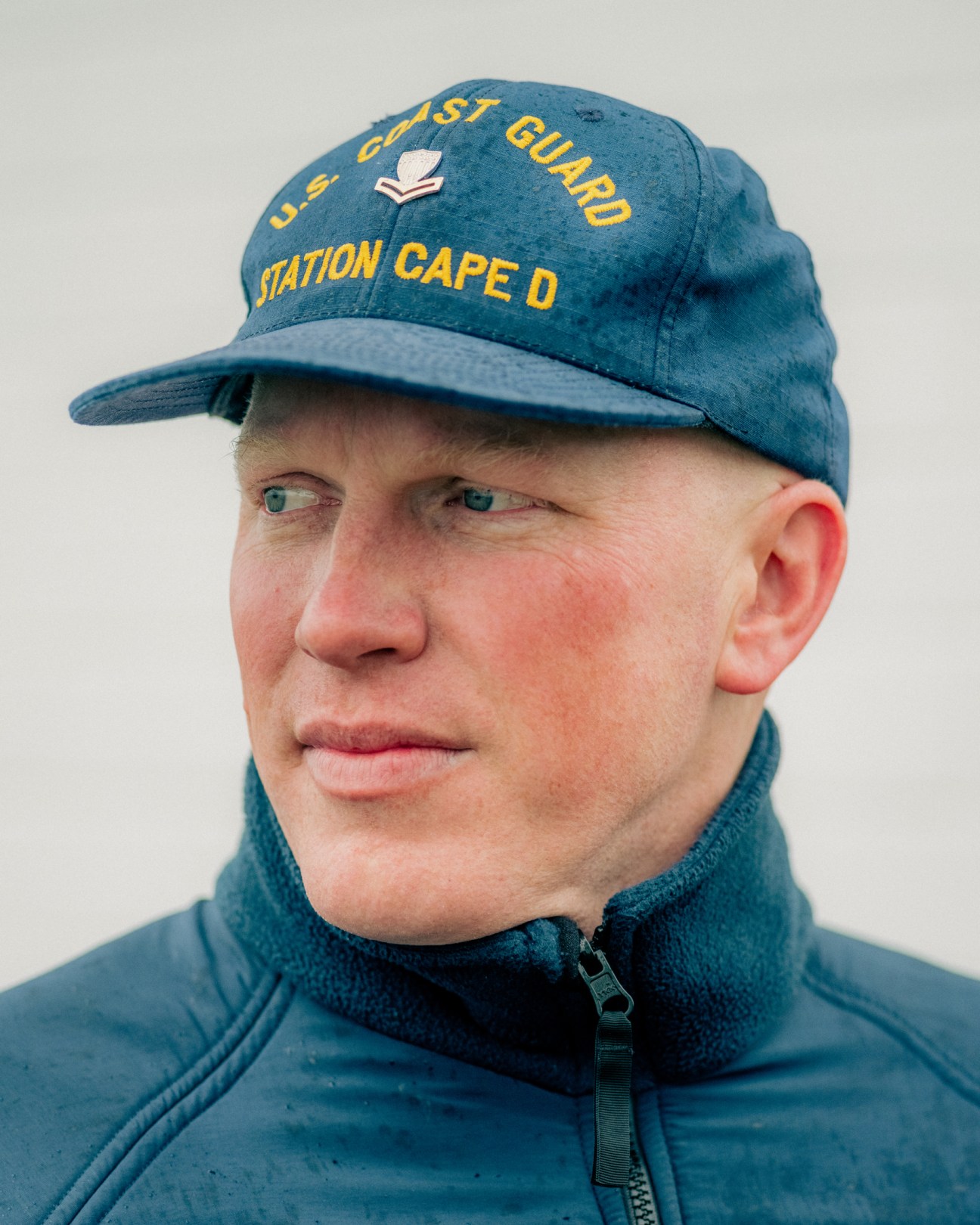
As we head back to base, Samuelson lets me take the helm and I steer the boat towards the port. “The design of this boat revolutionised the way that the US Coast Guard drives in the surf,” he says of our vessel, built by New Orleans-based Textron Marine. “The coxswain has to be athletic on the helm and throttle.” Samuelson compares this skill to ballet. As in dance, co-ordination and the ability to predict what’s coming next are crucial.
My navigation back to port is decidedly choppy but boatswain’s mate Petty Officer First Class Brian Fuller assures me that it all comes with practice. In his time working for the US Coast Guard, he says, he has never shied away from difficulty. “We’re following in the footsteps of the US Lifesaving Service, one of our predecessors. This is a field where you are expected to challenge yourself.”
Out of the blue
UK-based industrial designer Marc Newson has been spending a lot of time thinking about the colour blue. Standing inside Rue de Castiglione, Paris – one of Gagosian’s three galleries in the French capital – he tells Monocle that the pieces on show were in shades of indigo and cerulean to honour the blue and white colours of Greece, where they were first displayed last autumn.
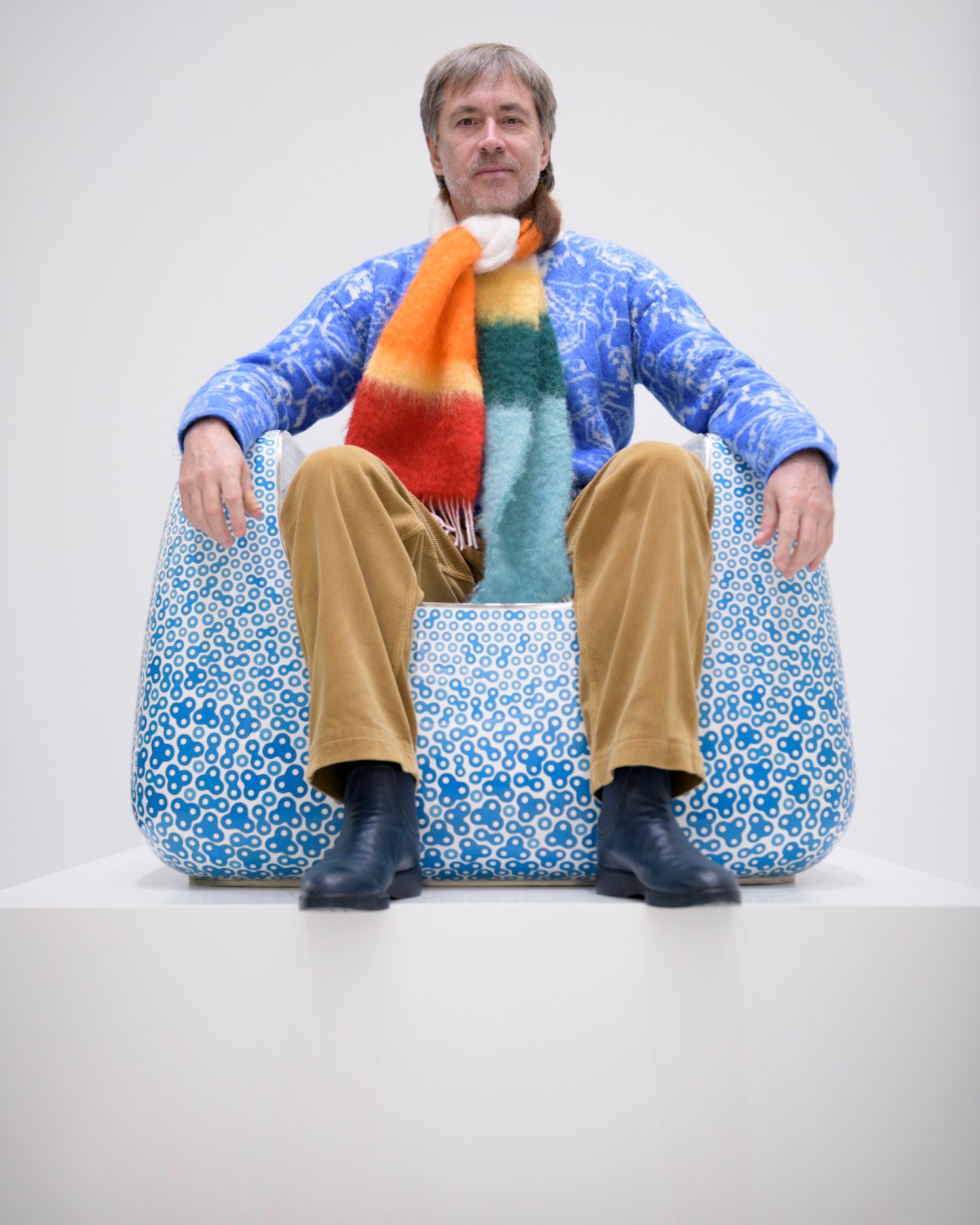
Among them is a large armchair that was made using the cloisonné enamelling technique, which dates back to the 13th century, creating delicate patterns in the metalwork. Covered in petal-like swirls and handmade in Beijing, the chair (pictured) was fired in a specially made kiln. “We had to build the oven in China because there weren’t any the right size,” he says, pointing at a photograph of the large brick structure in the exhibition catalogue. “Re-energising old crafts is something that fascinates me.”
Newson is the only designer to be represented by Gagosian. Throughout his career, he has blurred the line between art and design. Whether working on luxury plane cabins, limited-edition furniture or the Apple Watch, Newson has often tried to step outside his comfort zone. “For me, every project is like getting a new university degree,” he says.
Known for his works’ futuristic shapes and organic lines, Newson is frequently touted as the most influential industrial designer of his generation. Over the years, his clients have ranged from Apple to French luxury house Hermès. Newson studied jewellery and sculpture at Sydney College of the Arts in the 1980s and he reasoned with his tutors that, like jewellery, furniture was related to the body. “I was a huge admirer of what happened in Italy after the Second World War,” he says. “My dream at the time was to work for Cassina, b&b Italia or Cappellini.”
By the age of 25, Newson had already created the Lockheed Lounge, a chaise longue formed from thin plates of aluminium, which fetched €2.7m at auction in 2015, making it one of the most expensive works of design ever sold. However, his work also includes objects as wide-ranging as bicycles, door handles, boats and bottle openers. “This diversity is crucial for me,” says Newson. “Specialisation can be good but I have learned so much from doing different things. I’m better equipped to solve problems now.”
This way of working, he says, is important because one project can inform the next in unexpected ways. “When I designed a trainer for Nike, the technology and inspiration came from having designed a piece of luggage for Samsonite,” says Newson. “A shoe comes in contact with the ground and it gets worn. So I thought, ‘Gosh, that is exactly the same as luggage.’” The realisation was also rooted in personal experience. Though Newson’s practice is now based in London, the designer is always on the move.
Talking to other artists and designers around the world while on his travels has allowed Newson to keep close tabs on the industry, which he believes is suffering from saturation. “It’s a strange time now,” he says. “When I started my career, I felt that so much had not been done. If I were a young designer today, I’d be a bit intimidated by the sheer mass of stuff that exists.”
Even so, there is one object to which Newson keeps returning: the chair. Whether it’s an office chair for Knoll or one of the complex, handmade limited-edition pieces at Gagosian, the object has always appealed to Newson. “Sitting is halfway between standing up and lying down,” he says. “So the chair is the most fundamental object.” Sometimes, focusing on the basics is the most interesting thing that a designer can do.
The CV
1963: Born in Sydney
1984: Graduates in jewellery and sculpture from Sydney College of the Arts
1997: Establishes his studio, Marc Newson Ltd, in London
2006: Appointed creative director of Qantas
2012: Becomes a Commander of the Order of the British Empire (CBE) for his services to design
2014: Joins Apple’s design team ahead of the launch of its first smartwatch
2019: Co-founds creative collective LoveFrom with UK designer and Apple’s former chief design officer Jony Ive
2022: Exhibits limited-edition furniture collection at Gagosian Athens. The items were then shown at the gallery’s Paris Rue de Castiglione branch earlier this year
The Opener
How to live: Summer planning
The list
As we settle into the second quarter of 2023 and start plotting our travels across summer and beyond, I’ve assembled a list of brands and places that you might want to get closer to. On a recent spin through Hong Kong I finally managed to sample the bijou club-within-a-hotel Carlyle & Co concept developed by Rosewood, Ilse Crawford and others. While the concept of sub-brands within larger properties isn’t new, the quality of execution here takes it to another level. It’s worth checking in or securing a membership and also seeing where the brand pops up next.
Singapore’s River Valley is already home to some fine residences and cosy pockets of retail and f&b, but a new hub of creativity, communications and neighbourhood essentials slated for completion next year should take things up a notch. At press time we had a walk-through of the soon-to-be-reformed academic institution. If you want to make a Singapore debut, particularly with a first-to-market retail concept, keep your eye on the district and any announcements.
Tokyo continues to bounce back, particularly on the tourism front. If you’re heading to Japan, Mitsui Fudosan’s new Tokyo Midtown Yaesu tower (complete with a Bulgari hotel on top) is good for a bit of benchmarking on the mixed-use front.
Copenhagen-based Tekla has ventured into standalone-retail territory with its first flagship. For more fashion and retail discoveries, see our report on the new Goods and other Danish treats.
Finally, Monocle favourite the Marbella Club just keeps improving. Should you be in Andalucia from the end of May, please visit our new summer outlet in the resort’s courtyard. We look forward to hosting you.
The interrogator
Maria Porro
Milan
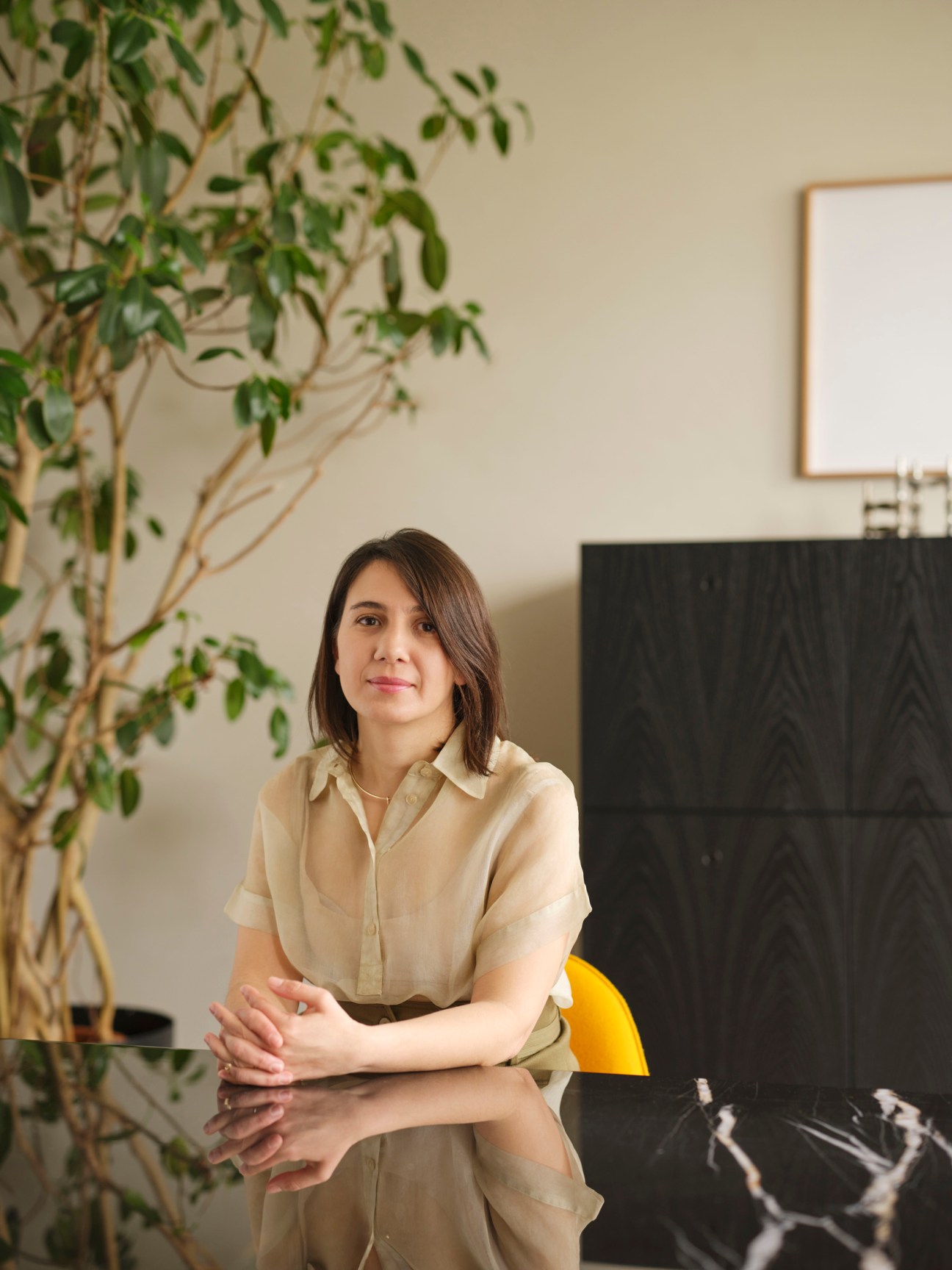
Maria Porro is president of Milan-based furniture fair Salone del Mobile, the latest successful edition of which has just happened. She is the first woman inthe job and the youngest person to hold down the role. Porro has injected the event with some energy and dynamism after the pandemic. She’s also former president of Assarredo (the trade association for Italy’s furniture makers) and still head of marketing and communications at her family-owned furniture firm, Porro. Here, she shares the location of her favourite bookshop, talks about the future of the trade fair and her love of designer Bruno Munari.
Do you have coffee or tea in the morning?
Can I say cappuccino?
What are your favourite bookshops in Milan?
The oldest bookshop in Italy, Libreria Bocca, in the Vittorio Emanuele Gallery, and Libreria dello Spettacolo on Via Terragio, near Corso Magenta. They sell great opera librettos.
Any book recommendations?
Cappuccetto Rosso, Verde, Giallo Blu e Bianco by the Italian graphic designer Bruno Munari. I love it because it encourages us to play with colours and perception. Munari designed Porro’s logo in the 1960s and inspired the Ciclorama installation at our Milan showroom during Milan Design Week.
How has Salone changed under your leadership?
We redesigned the entire experience, placing the visitor at the centre. We started with the layout, deciding this year to have just one floor and reorganise companies and brands inside the fair. This means placing companies that have the same target, similar aesthetic and the same distribution together.
You’ve also become much more focused on sustainability. Tell us what you’ve been implementing.
Working towards the European certification for sustainable events has helped us acquire new skills and refresh our mindset. The shift to sustainability is already happening in the design industry but here at Salone we like to be trendsetters.
For more on Maria Porro and Milan Design Week, order our Salone del Mobile Special newspaper at monocle.com/shop
Reporting from…
Monocle has a network of correspondents in cities around the world. Our brief dispatches include election clutter in Bangkok, a new name for London’s railway network and tiny homes in Los Angeles.
Bangkok
Popularity contest
Campaign posters for the Thai general election on 14 May are cluttering Bangkok’s pavements, turning a simple trip to the shop into an obstacle course. Whatever the outcome, voters can look forward to an easier day-to-day existence.
London
What’s in a name?
Transport for London is planning to rename the six strands of its Overground lines to make the network easier to navigate. Commuter numbers have yet to return to pre-pandemic levels. Could a name change get them back on track?
Los Angeles
Home delivery
New mayor Karen Bass might not have ended LA’s homelessness crisis in her first 100 days in office but for long-term solutions, she should look to investing in homely mini villages for those trying to get back on their feet.

Approach with caution
Sorting out the affairs of Colombian drug lord Pablo Escobar was never going to be easy. He was one of the world’s richest individuals and did not file regular accounts. Thirty years after his death, the disposal of his estate is a continuing challenge – most vexingly, knowing what to do with several dozen hippopotamuses.
Escobar bought four hippos for his private zoo sometime in the 1980s. But Colombia now finds itself home to a population of some 160 of the lumbering pachyderms, likely to grow to 10 times that number in the next 20 years if unchecked. As Colombians who live within their range have discovered, invasive species are one thing when they’re rabbits but something else entirely when they are 2,700kg of inbred belligerence that, at full gallop, can overtake anyone who has encroached upon their territory.
Colombia is proposing to send the creatures to zoos and sanctuaries in India and Mexico. Perhaps Escobar’s hippos might do for Colombia’s soft power what pandas have long done for China.
At your service
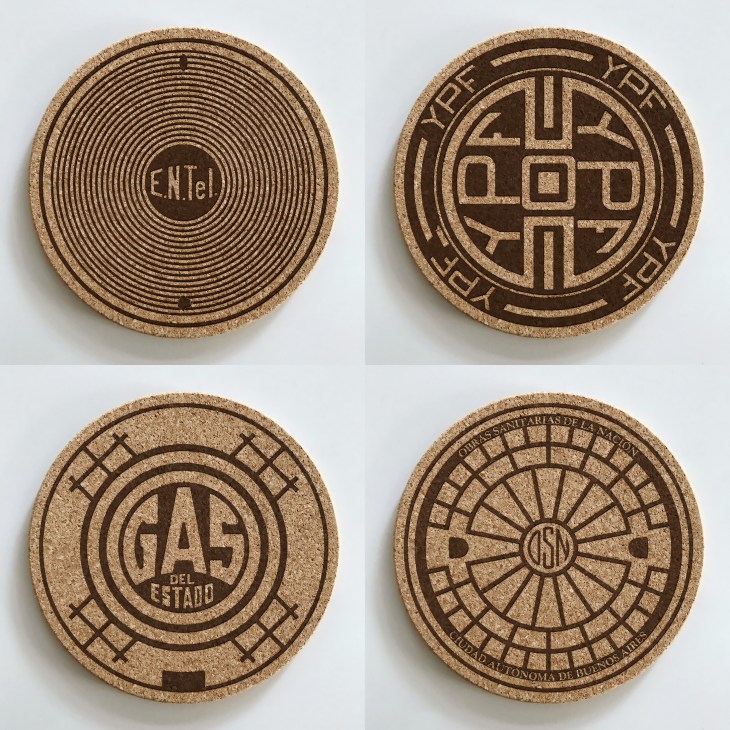
There are few less glamorous urban fixtures than manhole covers, the circular iron slabs that permit access to – or provide protection from – the subterranean swamps doing the dirtiest work in our cities. That said, many are also ornate, evocative and strangely beautiful homages to the places they serve.
Tombino, a Philadelphia design company, has repurposed dozens of manhole-cover designs from all over the world as fridge magnets, T-shirts, coasters and trivets. The cork trivets, being bigger, give fuller expression to these understated and underrated miracles of urban design, and at $25 (€23) a go, are cheap enough that you could buy one to match almost any country’s cuisine. Impress your guests by ladling gulyás from atop the floral whorls of Belgrade, schnitzel from the modernist cityscape of Berlin, Irish stew from the angular Celtic motifs of Dublin or an Argentinian asado on a Buenos Aires-inspired design.

Rule of the roost
Roosters are an emblem of French rural life. But with city folk increasingly buying summer homes in small towns, they’ve also come to represent tensions between locals and newcomers. Earlier this year, when a rooster named Saturnin’s “loud” crowing annoyed one man in the village of Villalbe, he took the bird’s owners to court, demanding €5,000 in damages.
Much to the plaintiff’s surprise, the judge ruled in favour of the rooster. His rationale? Animal noises are in no way an abnormal disturbance in the countryside. Plus, it turns out, Saturnin’s aggressive calls were not unprovoked: an investigation found that the plaintiff might have aggravated the animal when he photographed the coop using flash photography.
This isn’t the first time that relations between humans and barn animals have become strained in the country. To mitigate this, in 2021 France passed a law protecting the smells and sounds of its countryside, which includes roosters crowing. In hindsight, the plaintiff should have thought twice before ruffling Saturnin’s feathers.
Cash in on failure
As Credit Suisse’s shares tumble, the bank’s merchandise is popping up on auction sites. But there has always been an interest in failed businesses and items associated with bygone corporations frequently fetch high prices. Here are three fire-sale finds.
Accounting-fraud enthusiasts can now treat themselves to items emblazoned with failed US energy giant Enron’s slogan.
An enduring image of the 2008 financial crisis was of jobless bankers carrying their belongings through Manhattan in cardboard boxes. One Ebay user has now listed some Lehman Brothers Post-its for $500 (€460).
Mementoes from Theranos, the disgraced healthcare start-up, are far from cheap. One of the company’s lab coats is currently on the market for $17,000 (€15,750).
Too good to be true

People are always told to avoid tourist traps when travelling to a new country. Earlier this year, Egyptian authorities dismantled the biggest one yet with the discovery of a fake cemetery near Beni Suef, which was selling fake painted and engraved relics, a gold sarcophagus, statues made from gypsum and other pricey “treasures”.
Upon finding the burial site, police officers and antiquities dealers couldn’t believe that the items weren’t real and had to consult experts to confirm the site was indeed fake. It’s no surprise that the scam artists walked away with a small fortune.
Images: Shutterstock, Alberto Strado
Following a hunch
Designers need a bit of Miss Marple in their dna. They have to be able to look at the clues around them in society and deduce where the world is headed, from how we want to work to the spaces where we yearn to live. Only then can they create the products, buildings and technology that will make our lives just that little bit better. But being in the vanguard of any industry these days also requires you to pause and contemplate some knotty issues – is what you are making good for the environment? Can it be repurposed or reused when tastes move on? In short, do we really need this? It’s a series of questions that can easily dampen the mood and lead to some worthy but slightly miserable outcomes. But somehow, as evidenced by the Monocle Design Awards 2023, designers are not only tackling the gritty stuff but are coming up with creations that offer plenty of joy too.
Our design editor, Nic Monisse, has been the chief organiser of this year’s Design Awards. Though the task has kept him in the office at all hours, he has taken it on with unabashed glee, while simultaneously pulling together our annual newspaper for Milan’s furniture fair, Salone del Mobile. Perhaps his optimism has been fuelled by the sunny, ambitious winners. There’s the office building in Vietnam festooned with greenery, an urban park in Indianapolis that not only provides a new place to play but helps to control floodwater too and some handsome seating built from wooden shipping crates. There’s also an architectural line-up that shows how modest materials, such as timber and brick, can be used to dazzling effect. It’s all very encouraging. And there’s something else important at play here: a sense that people are trying to create products that can be in our homes and lives for the long term. This matters because one of the simplest ways to do good is to make things that can be fixed and repaired, that look enhanced and loved by the patina of use, and that meaning can be attached to.
The design-theme train makes some other stops in this issue as we investigate its transformational powers. In the business pages, we get a lesson in branding as we look at how iconoclastic wine producers have dispatched with formality on their labels as they fight for shelf space – and a place on your dining table. We also head to Mipim, the world’s leading property fair, held in Cannes, to see how that industry is attempting to come good on the same sorts of questions as above (to be frank, some companies have some work to do). Then, in our Expo, we jump onboard the refurbished L’Arlecchino, a 1960s train redolent with the exuberance of that era’s jet-age outlook, as it heads from Rome to Naples. In our fashion pages, there’s a deep-dive by Natalie Theodosi into Copenhagen’s exciting scene – for both makers and retail.
Meanwhile, in the Agenda pages, I report on the boom in private members’ clubs in cities around the globe – even in places once deemed to be inhabited by folk who would never pay for such privileges. Some of these are venues for heady nights, while others are spots where freelancers can find a perch to work. But something more interesting emerged as I spoke to the players old and new in this flourishing industry: people who have been displaced from offices, not happy working alone at home, are after a sense of belonging. Clubs can offer this and make you feel part of a community. It is also clear that just as designers need to hone their detective skills to stay on top of their game, you need the same skills in hospitality (as well as in property and the wine trade) to stay relevant.
One simple fix? Read Monocle, of course, or tune in to Monocle Radio. The station not only has a new name but has also had a total sonic refresh. And then there’s our new travel show, The Concierge, which brings you the best in hotels, rural retreats and undiscovered city neighbourhoods to explore. We are very proud of what the team has created. Thank you for being a Monocle reader and, as always, feel free to drop me or any of our team a line with ideas, comments or recommendations. You can reach me at [email protected]. Have a great month.
In the shop window
Going shopping is a pastime that can make or break a city, a town, a neighbourhood. Your willingness not to buy everything online but to walk to the shop – or jump on the subway – can ensure that a city centre stays vibrant, that there are eyes and ears around when anything goes wrong, that young brands can grow and old stalwarts find new audiences.
But that pesky pandemic broke the businesses of bricks-and-mortar retailers. And while the shift to working from home has helped to boost the fortunes of suburban precincts and village high streets, it has also left many cbds and city retail heartlands having to rethink what they are all about and how they can bounce back.
Monocle has always championed the value of retail done well, from the neighbourhood food shop where the owner is as much a community champion as supplier of pasta, to the mall that knows how to provide entertainment, good food, a safe space and much more. That’s why every year we produce a Retail Survey that introduces us not only to nice shopkeepers but also looks at the people and places who use shops to create better places to live in (and who understand that there’s a downside to having delivery services clogging up the roads). And the good news? After a rocky couple of years, ambitious, determined players are making their mark again.
Take Sarah McNally, who runs the US bookshop group McNally Jackson. In 2004 she launched her first store in New York’s Nolita neighbourhood but then, a couple of months ago, she opened the doors on a vast space in the Rockefeller Center in Midtown Manhattan. This is a part of the city where bookshops have struggled, where retailers turned their eyes to the tourist dollar if they wanted to thrive, where chains have been king.
But landlords are wising up to even tourists being eager for greater authenticity and the value of looking after your home audience. Today the Rockefeller Center has not only found McNally Jackson as a key tenant, it has also signed up other cool residents, such as the record shop Rough Trade. Suddenly a place that some New Yorkers considered underwhelming is back on the map (and that’s also why we have asked Sarah McNally to speak at The Monocle Weekender – Asheville Edition. Head to Monocle.com/events to book your ticket to join us from 28 to 30 April).
Beyond New York, our survey team also visit a French city that put a stop to out-of-town retail and has seen its centre flourish, meet Thailand’s mall guru, unpack a case study in airport retail done right and look at how mid-market players are entering the luxury fray. Hopefully it will inspire and make you see shopping as a rather powerful city-making tool.
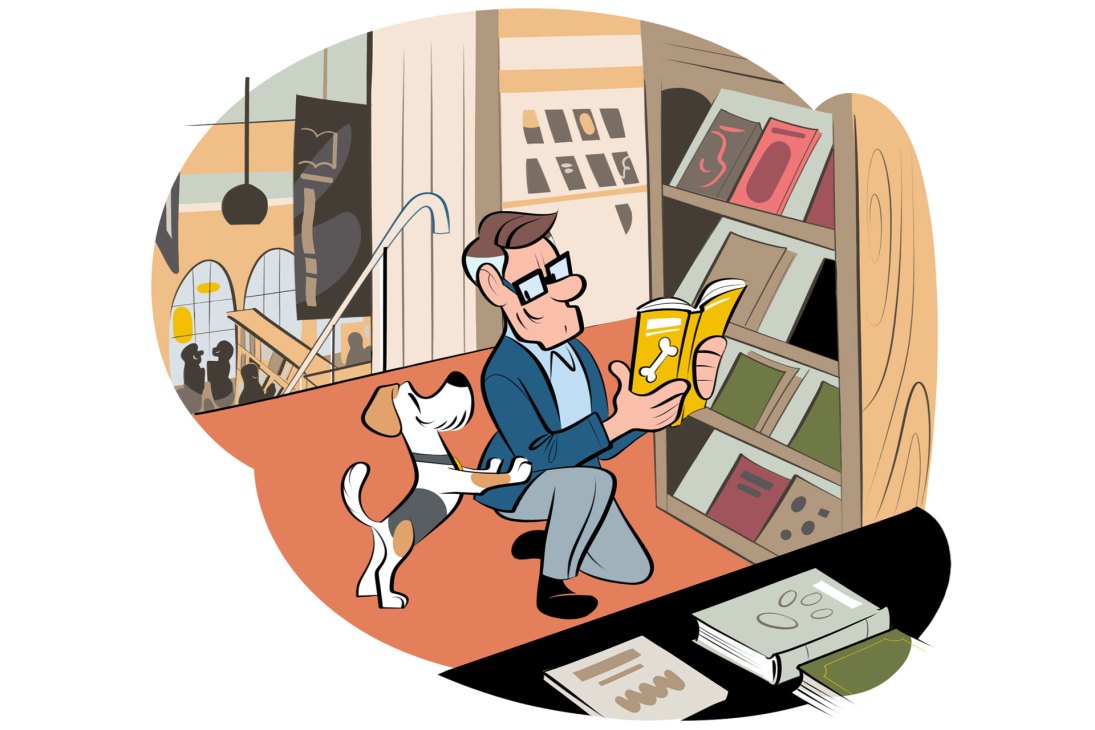
This issue has some other gems too. Our Expo tells the story of an amateur photographer, Percy S Waite, whose extraordinary work and pioneering use of colour lay locked away in boxes for years until being rediscovered by his grandson – professional photographer and Monocle regular John Balsom. We run a gallery of just a fraction of this lost archive, a world of Mediterranean living before mass tourism and when traditions remained intact (there are a lot of nuns and local dress). Then there’s our business report on the ceasing of production for the Boeing 747; a leap onto the dancefloor of a storied Barcelona venue; and a glorious tale of the shop-sign protection team in Portugal. It’s a bountiful spring edition.
In addition to our trip to Asheville for The Weekender (there will be a big team of us in attendance, including Tyler and myself), we’ll be announcing our full line-up of summer events in the coming days. One way of never missing out on Monocle updates is to sign up to our free daily email newsletters, The Monocle Minute and Weekend Editions (head to Monocle.com/minute to join up).
In the meantime, thank you for reading Monocle and if you want to drop me a line, send ideas, get more information, then feel free to send me a message at [email protected]. Happy reading.
Start the dance
Mercè March’s footsteps echo around La Paloma’s empty ballroom as she walks across the tiled floor. “I remember the first time I set foot in La Paloma,” she says, surveying the intricately carved balconies and gilded ceiling. The octogenarian owner has been running the show at this hallowed dance hall in Barcelona since 1977. “It was like entering a Fellini film.”
La Paloma’s bars are being stocked in preparation for tomorrow night’s Carnival celebrations, which will see 1,000 revellers head to the club. Ever since the historic venue reopened in grand fashion earlier this year, the response has been enthusiastic. “We spend half our day answering phone calls from people who want to know whether it’s true that we’re back,” says Anna March, Mercè’s niece, who left a job in PR to help run the family business. “People love La Paloma, because its history is the history of Barcelona.”
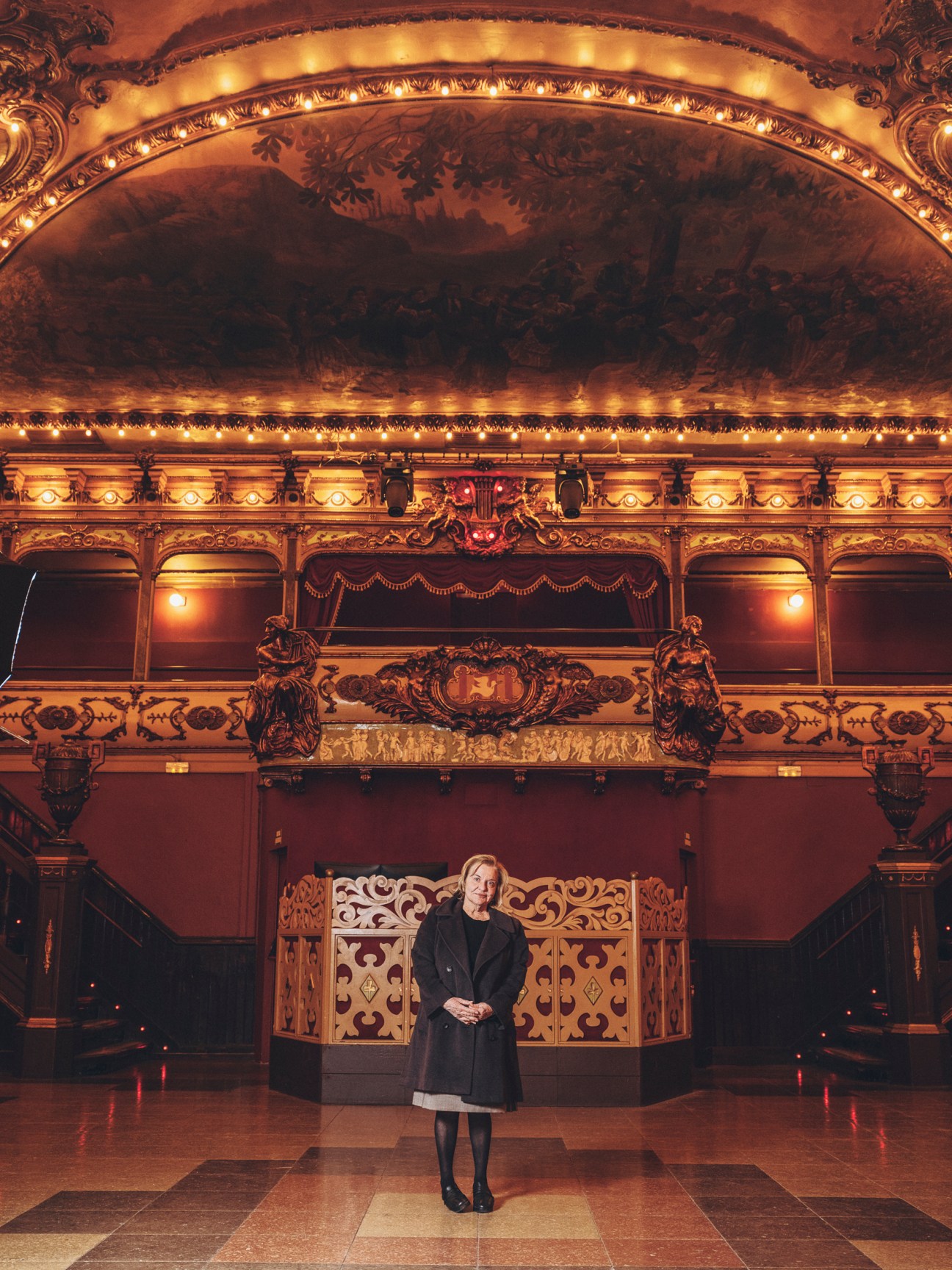
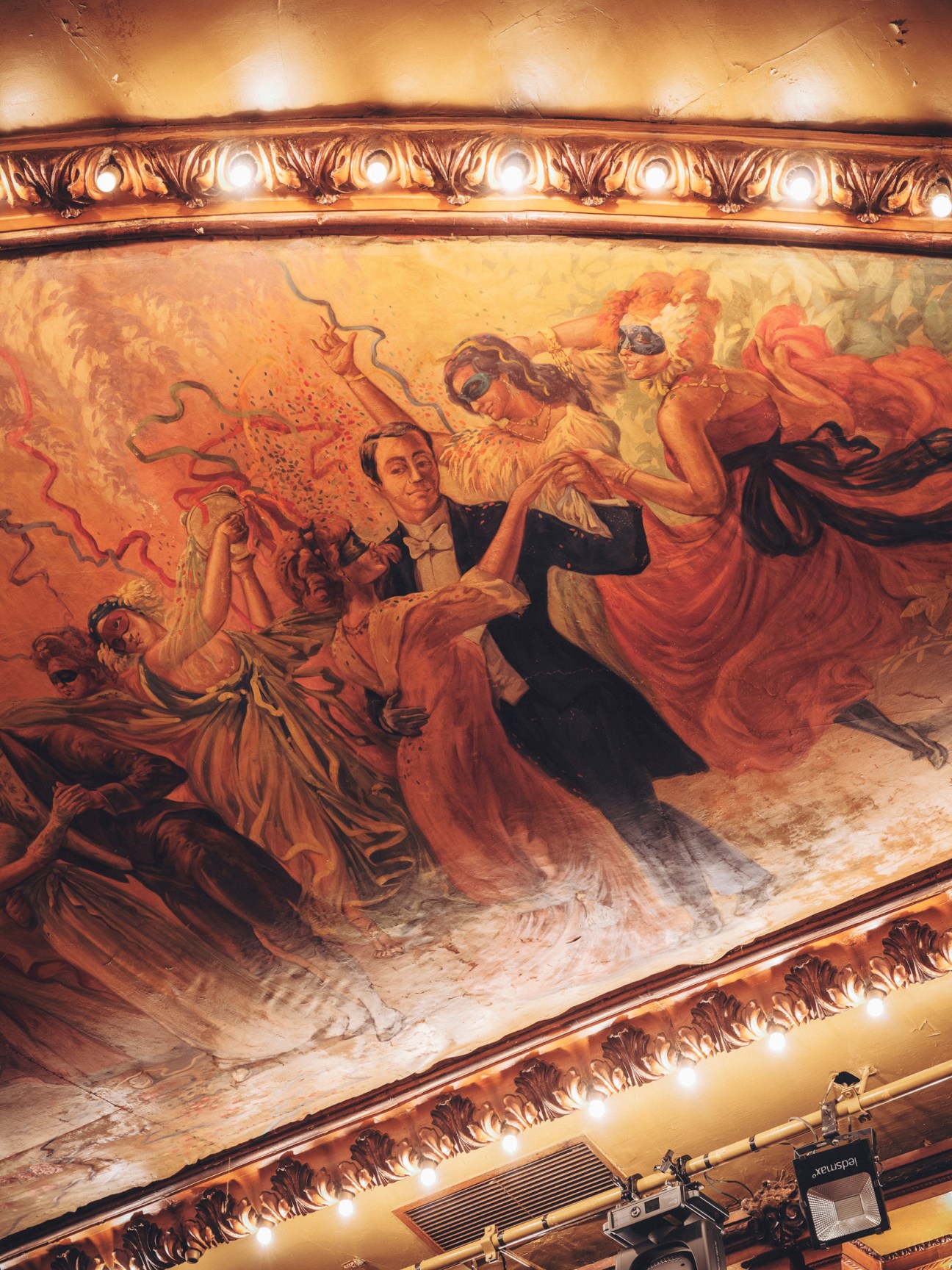
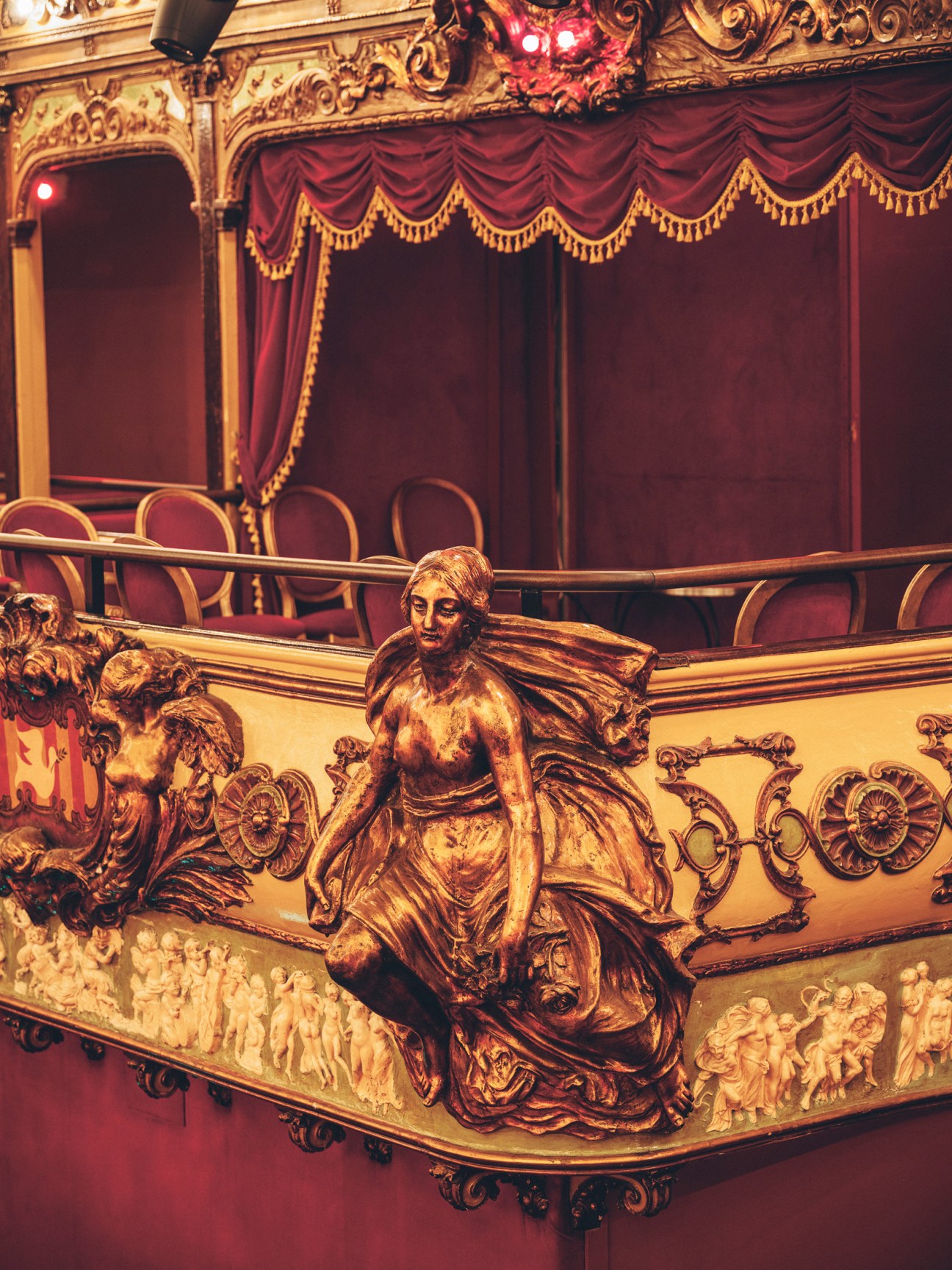
Throughout the 20th century, La Paloma was the heart of the city’s nightlife. “Picasso and Dalí came here,” says Mercè. “Josephine Baker performed here.” But in 2007 the dancing stopped. Neighbours had long been lodging noise complaints and a raucous New Year’s Eve party proved the final straw. The venue’s licence was to be taken away and Mercè sued against what she considered an unjust closure by the city council. The court would eventually rule in her favour but for 16 years La Paloma’s majestic interiors lay empty, save for the odd private event and film shoot.
La Paloma was built as a bronze foundry in the mid-1800s: in 1903, its owners transformed the factory into a dance hall. It was then sold to businessman Jaume Daura, who put his son Ramon in charge. Ramon was an entrepreneur with big dreams: he decided that the venue needed a facelift and went to Paris in 1915 to seek inspiration. When he returned to Barcelona, he enlisted the city’s most skilled artisans to reimagine the space in the style of Versailles’ Hall of Mirrors. Among them was Salvador Alarma, set designer at Barcelona’s ornate Liceu opera house, and painter Miquel Moragas, whose frescoes depicting aristocratic dance scenes still adorn the ceiling. The pièce de résistance was a vast golden chandelier that would lower slowly at the end of the night to signal that it was time for everyone to leave. “La Paloma attracted people of all ages, from all walks of life,” says Mercè. “There would be women as old as my grandmother dancing the tango, bolero and cha-cha-chá. And in the booths, people from the neighbourhood would be making all kinds of dodgy deals.”
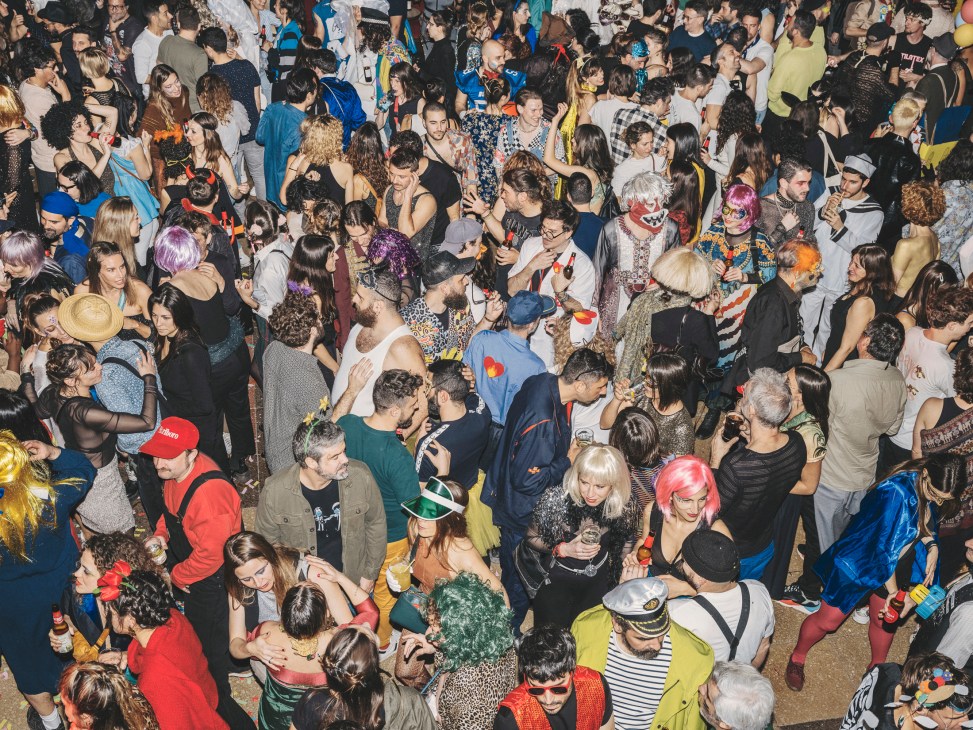



During Spain’s civil war, the dance hall was seized and used for target practice. Under Francisco Franco, like many of the country’s nightlife spots, La Paloma was forced to shake off a reputation for debauchery to remain open. “Franco disapproved of dancing,” says Mercè. “There was a man we called ‘La Moral’ who dressed in black and walked around with a stick that he would pound against the floor if he thought couples were being inappropriate or dancing too close together. If he did it three times, you would be kicked out.” In its shadiest corners, however, resistance groups would meet to organise strikes. After Franco’s death, the club received bomb threats from loyalists when politically-outspoken singer Ramoncín performed.
Eventually, when Ramon died in the 1970s, he entrusted the hall to his great-nephew Pau Solé, Mercè March’s late husband. Solé was a lawyer and had no interest in running a dance venue, so his wife took the reins. “I’ve been in love with La Paloma from the moment I saw it,” says Mercè. “It was always filled with so many characters, so much energy and joy.” She kept its traditional programming largely the same and it remained as popular as ever.
But the party couldn’t last. Ever since the venue closed in 2007 the March family have been working to reopen the doors to the public. Noise pollution is a thorny issue in Barcelona and the neighbourhood of El Raval, the district in which La Paloma is located, is a warren of narrow streets where sound bounces off the walls, producing a constant thrum. Last summer the neighbourhood’s residents association organised a protest in one of the area’s squares. This resistance to after-dark raucousness, plus rising rents and the forced stoppage during the pandemic have combined into an existential threat for Barcelona’s nightlife. Over the past 20 years, 125 of the city’s bars and clubs have shuttered. “We’ve lost a lot of places,” says Anna. “Now the opinion is: let’s protect the ones we have. Particularly the ones with so much history.”
As well as investing in a serious upgrade to their soundproofing, the March family are also adapting La Paloma’s opening times. “So far this year we’ve hosted a handful of club nights,” says Anna. “We’re opening bit by bit. The plan is to start hosting nights every Saturday and Sunday evening until midnight. That means opening the doors earlier too, at 18.00.” It’s something that partygoers are going to have to adapt to in a city where nights out usually don’t start until after midnight. But Anna is confident it will catch on: “People are discovering that it’s actually nice to get home at a reasonable time.” Sunday evenings will host traditional dance nights with a band from the nearby Tallers de Músics school.
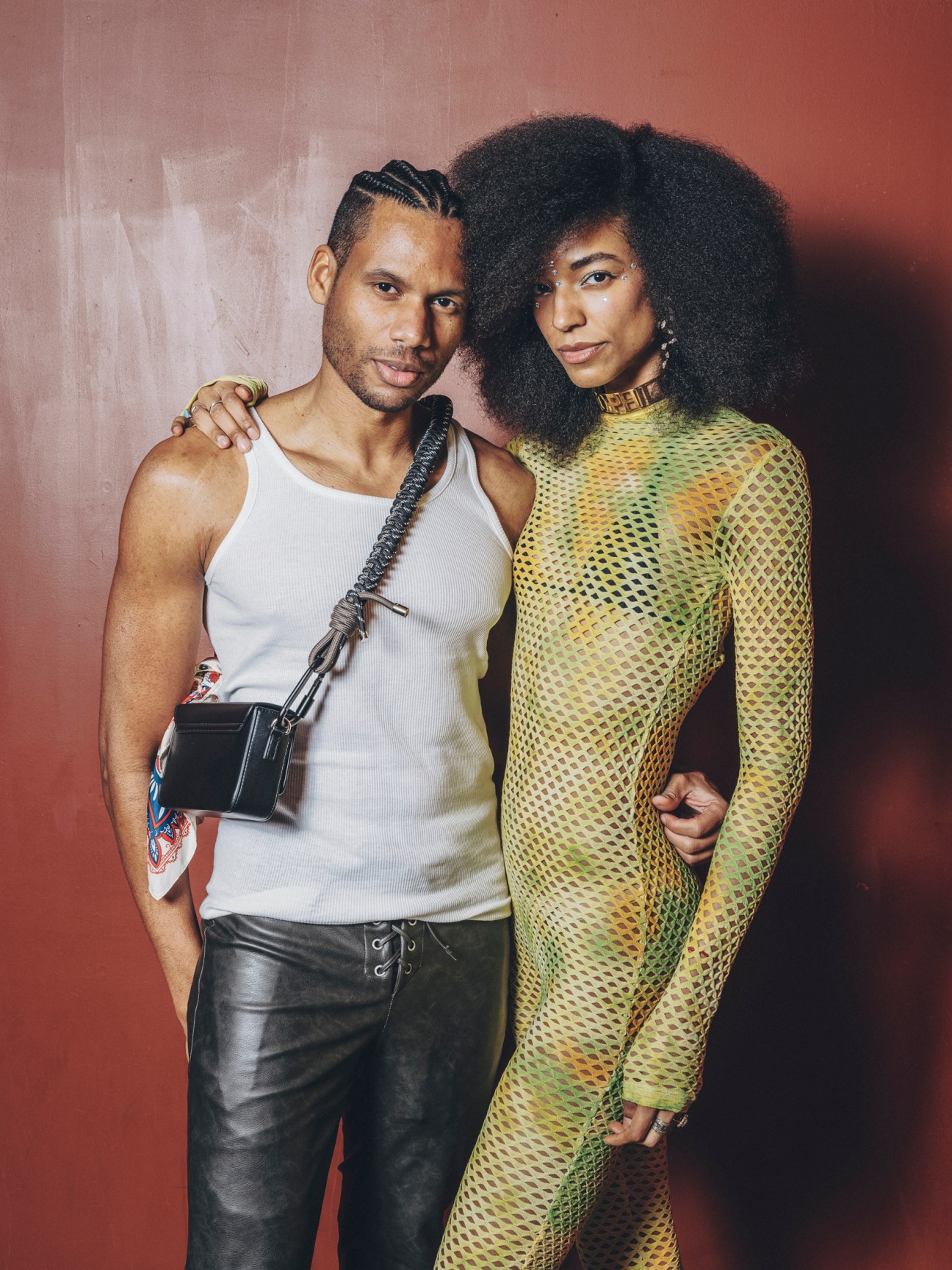
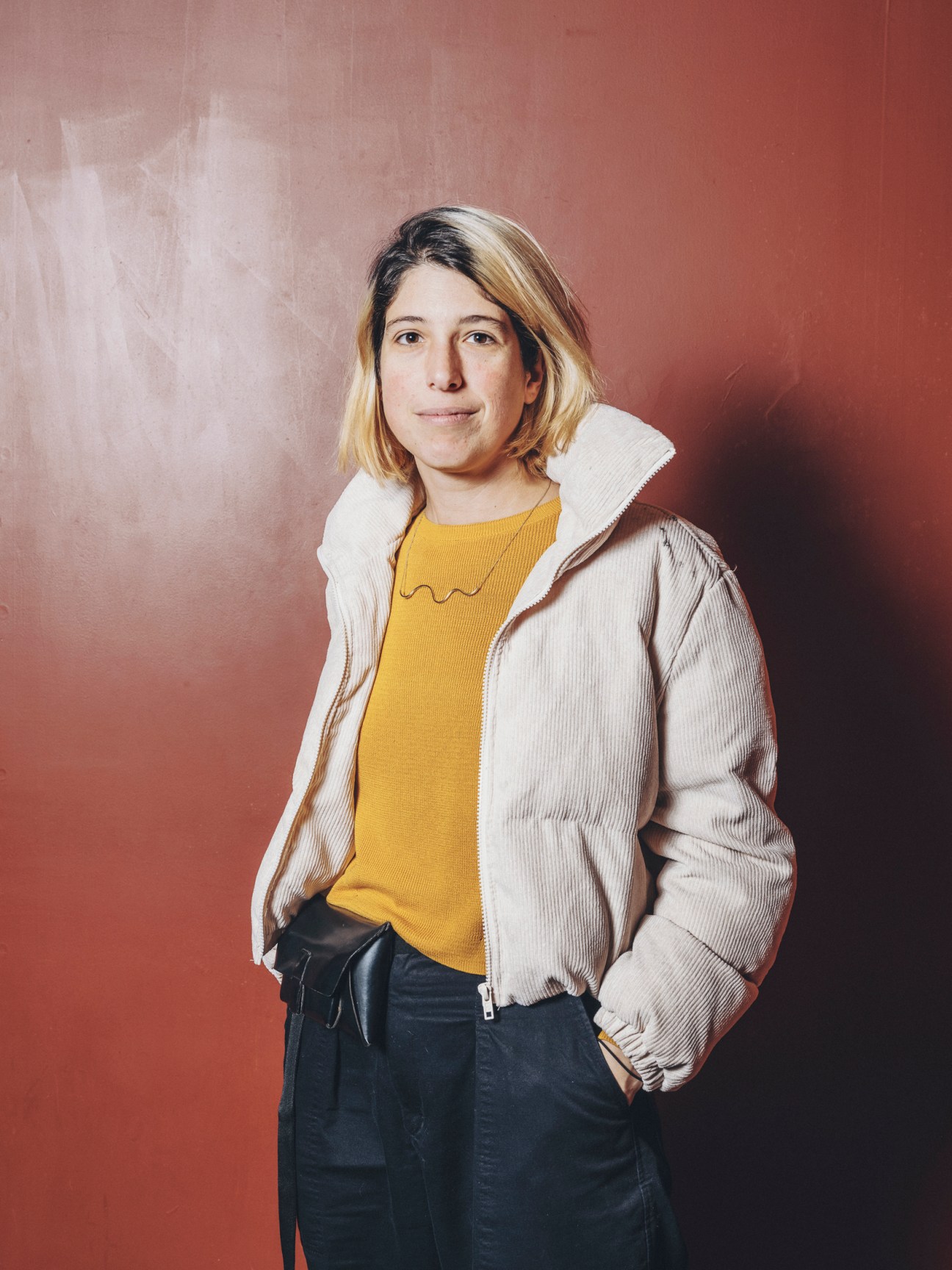
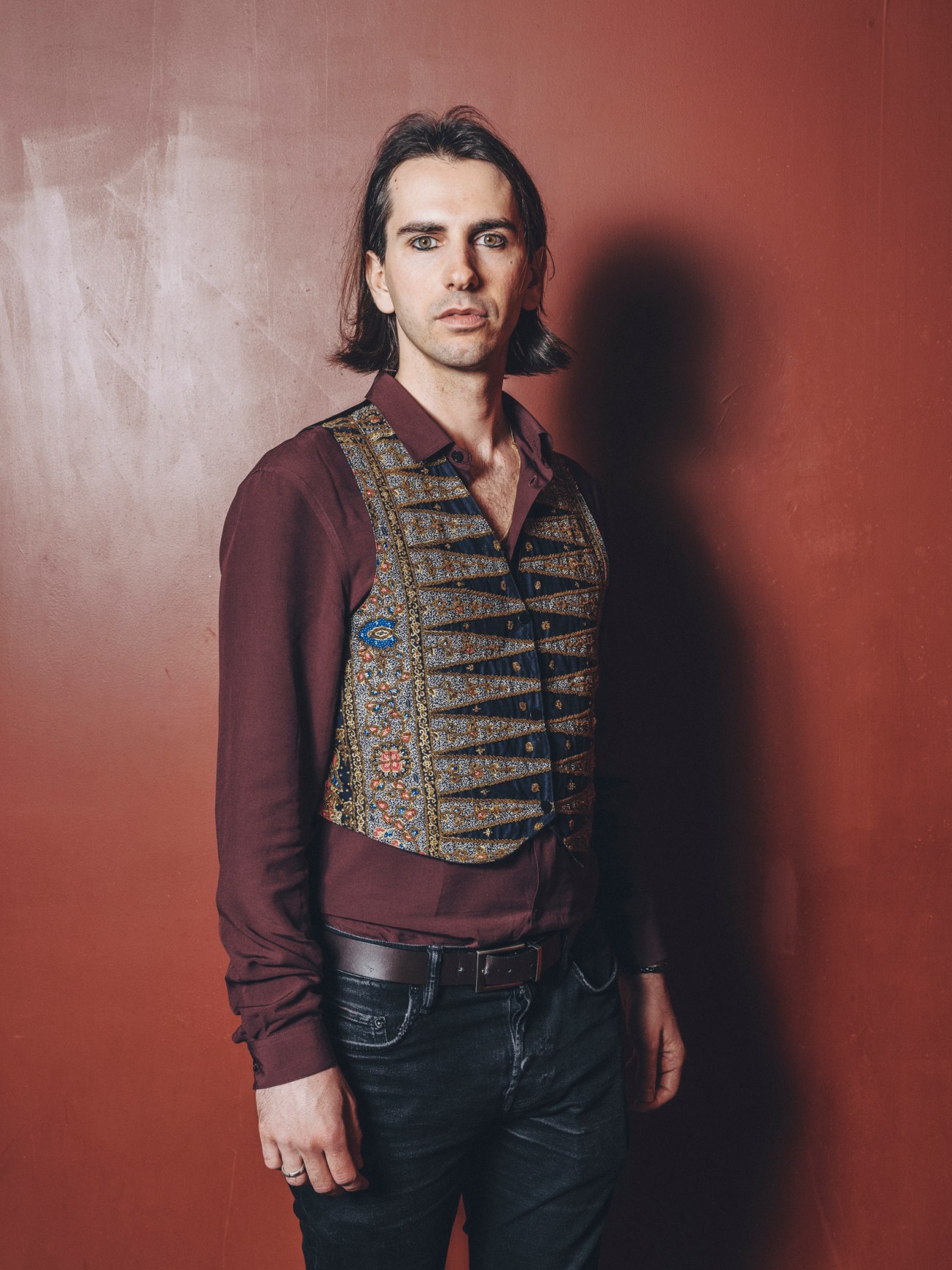
When the doors to the sold-out Carnival party open, the hall is full by 21.00. This anomaly for Barcelona’s standards is further proof of the punters’ dedication to La Paloma. Tonight’s celebration signals the beginning of Lent and is marked city-wide with a week of hedonistic parties and parades. Banned during Franco’s time, this tradition was revived with a vengeance after his death in 1975. Seen from La Paloma’s balconies, the crowd forms one jubilant mass that bounces to disco beats provided by local legend DJ Zero. Fancy dress is customary: sequinned flares, neon wigs and glitter paint abound. A drag queen dressed as Tanya from TV’s The White Lotus is bumping hips with a woman wearing Björk’s swan dress. One person particularly excited to be here is Sara Ruiz, who met her husband at La Paloma just before it closed in 2007. “We now have two children,” she says, shouting to be heard above the music. How does it feel to be back? She kisses her fingers in delight. “Incredible. I’m so happy.”
lapaloma.com
Mix and match
Japan used to be rife with stories of excess overtime, unhealthy work-life balance and a rigid inflexibility that made caring for a family and full-time work an impossible ambition. The government tried to wade in with legislation but corporate culture held firm. That is, until a global pandemic began and the old rules no longer made sense. Suddenly, employees were working remotely, conducting meetings online and rarely setting foot in their city-centre headquarters. Now that normal life has slowly resumed, where has this left the Japanese office?
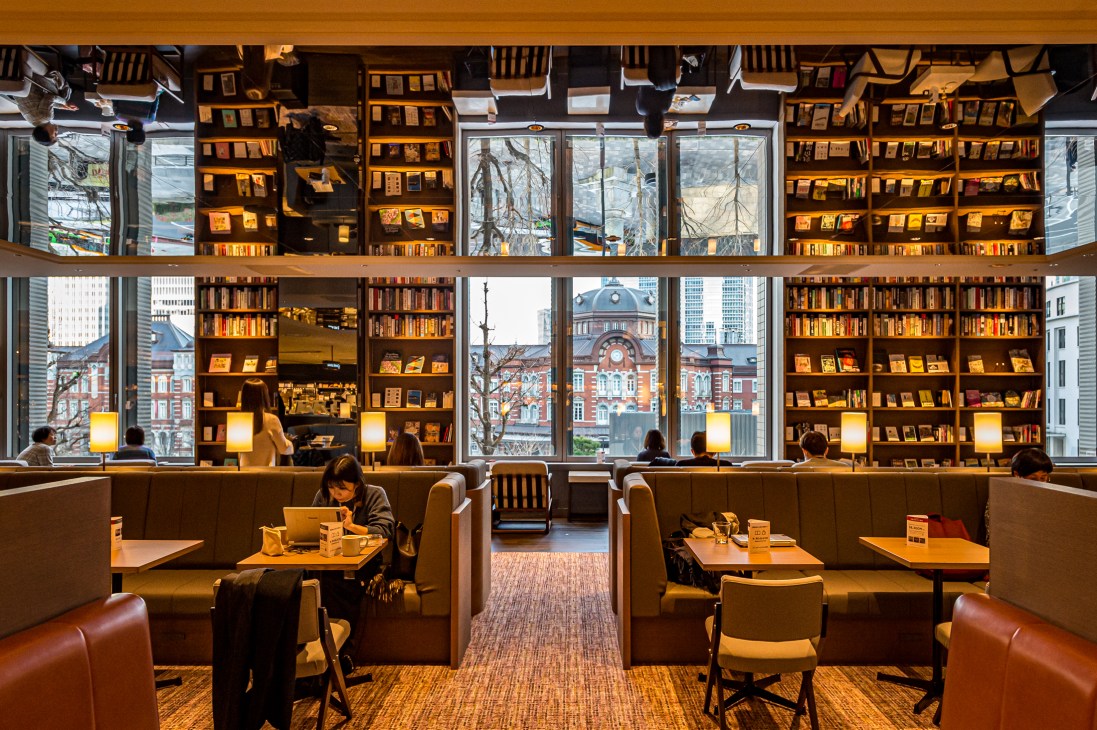
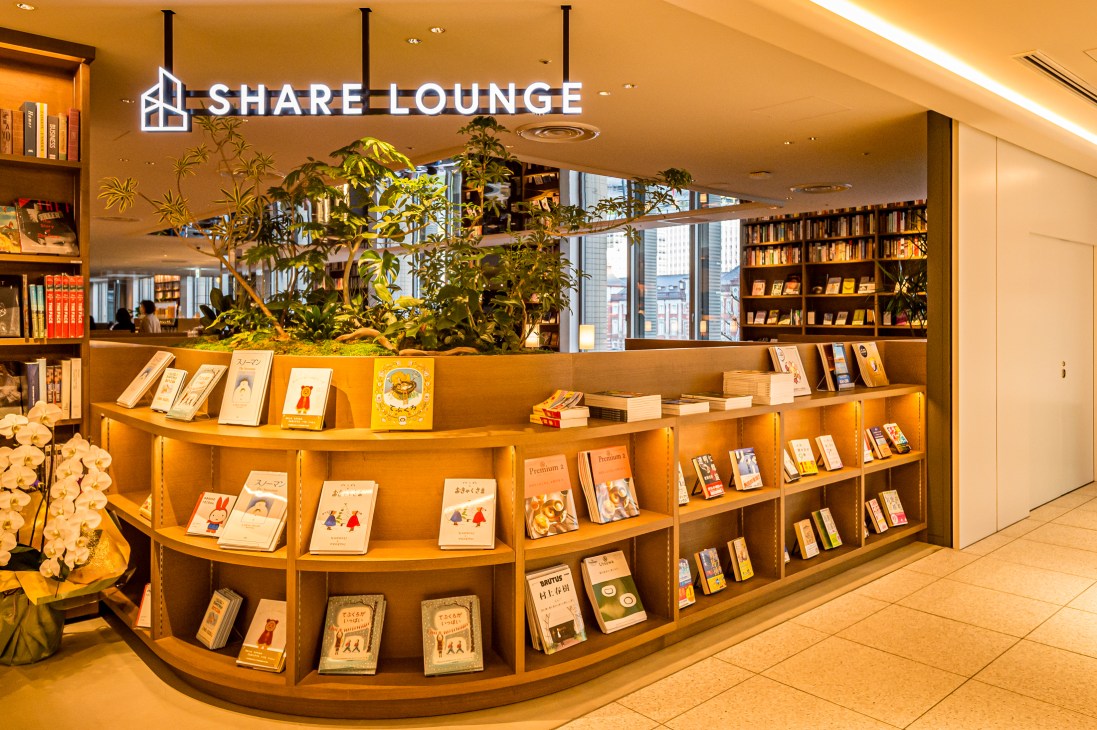
“After the state of emergency was lifted, companies mostly went in two directions,” says Shingo Suzuki, who works for Culture Convenience Club (CCC), the operators of nationwide bookshop chain Tsutaya. “It was either, ‘Everyone has to come back to the office five days a week’ or ‘We’ll keep the office but staff can still work remotely.’” Suzuki is sitting in the plush surroundings of the new Share Lounge that he has created for Tsutaya’s shop in a glass tower in central Tokyo. This is a new frontier for Japanese office culture: a hybrid space that functions both as a place to work and somewhere to relax out of hours.
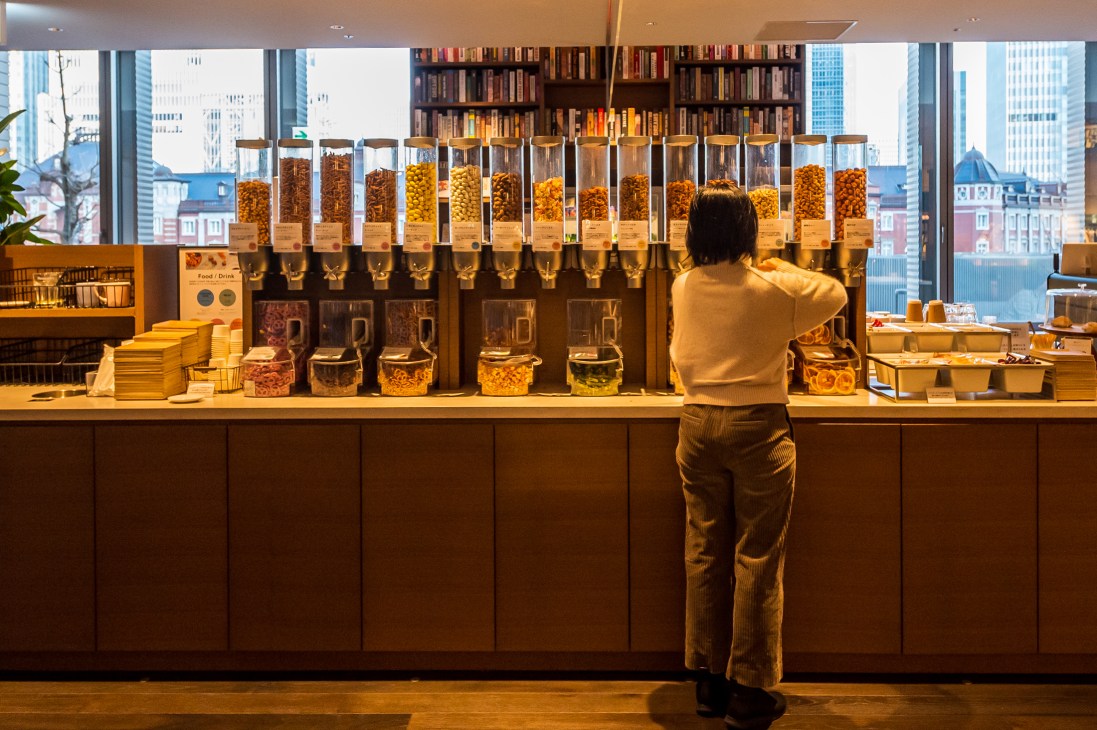
It’s an impressive set-up: the double-height interior looks more like an upmarket hotel lobby than an office, with people working at desks, chatting in groups and reading on sofas. There is a snack bar, coffee on tap and fridges fully stocked with soft drinks, beer and wine. The soundtrack is mellow and unintrusive, and the walls are lined with titles from the adjacent bookshop. The backdrop to it all is an unimpeded view of the historic red-brick façade of Tokyo Station.
“At bigger companies going into the office was still standard. Now they’re more accepting of the idea of employees working from somewhere else”
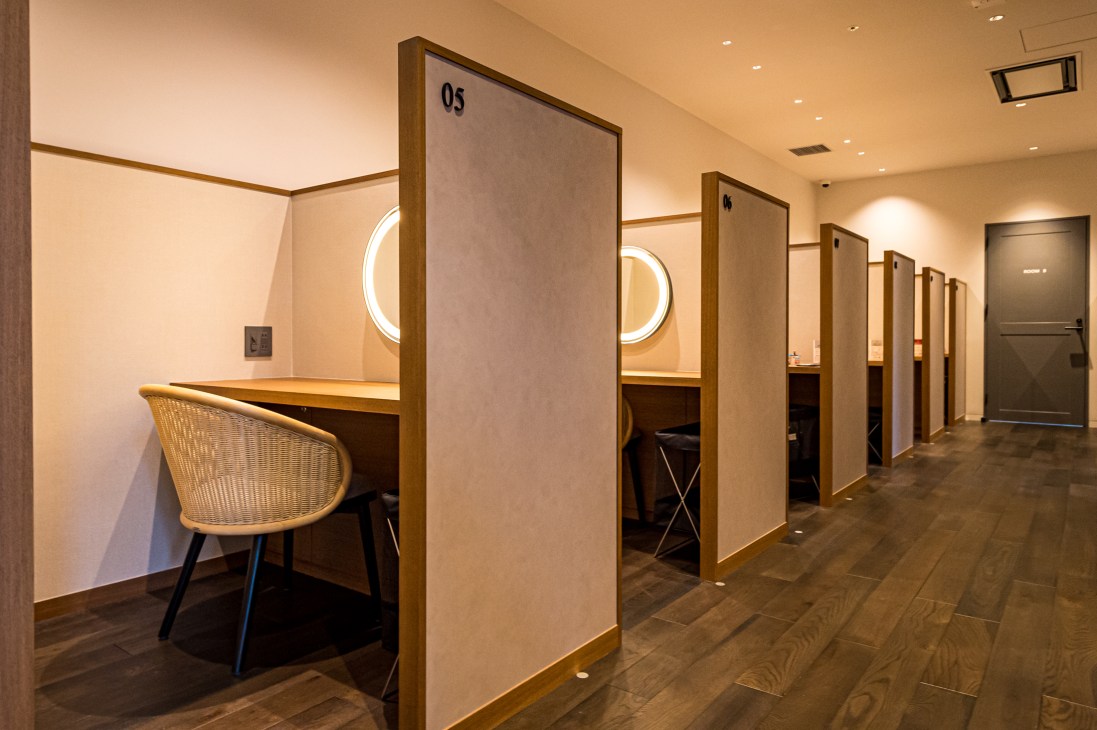
Customers of the Share Lounge pay by the hour, day or month and can help themselves to nibbles, soup and soft drinks (alcohol too, if they pay more). They can also use the place as they wish – as a café or as an office. As well as the desks and tables, there are two meeting rooms and a quiet area with flattering lighting for online calls. Chargers and monitors are available for hire. Some customers look like they’re bedded in for the whole day; others are just popping in with an hour to kill before catching a Shinkansen. Every window seat has its own dimmable table lamp. “We chose it so that everyone can set their own mood,” says ccc’s Takumi Watanabe, who was in charge of the project.
Tsutaya lowdown
Parent company: Culture Convenience Club
Founded: 1985
HQ: Nanpeidaicho, Shibuya
Founder and CEO: Muneaki Masuda
Annual sales: ¥353bn (€2.46)
Mission: To be “a company that creates cultural infrastructure”
Share Lounge Marunouchi
Seats: 220
Fees: ¥1,650 (€11.50) for one hour; ¥55,000 (€380) for one month
Hours: 08.00 to 22.00
Other locations: Gaienmae, Ebisu and Oshiage
Tsutaya’s design team thought hard about the rhythm of the working day. Customers, unsurprisingly, don’t want to be stuck in a cubicle for hours on end. “If I think about how I work, I’m not doing the same thing for the whole day,” says Suzuki. “I might spend some time on my laptop, go to a meeting, maybe have a conversation, take a break and then talk on the phone. We had to create a more flexible space that could accommodate the different ways of working throughout the day.”
The sense of space is key. “In some cafés, seats are tightly packed and everyone’s working shoulder to shoulder – that scene doesn’t exactly convey the image that would appeal to our customers,” says Watanabe. Suzuki says that the more functional type of co-working space – where workers need silence and full privacy – still has its place but that Tsutaya is chasing a different market. “It’s for people who might never have thought of using a co-working space in the past.”
Honoka Tanabe is one such customer. She’s a nurse who has paid for three hours on her day off. “I live on my own but my place is so messy that I can’t concentrate there,” she says from her window seat. “This is my third visit. I love the view.” Masahiro Ifuku’s office is nearby but he has got into the habit of working from the lounge and has a monthly membership. “Before the pandemic there was an expectation that we’d be in the office every day but that’s all changed,” he says. “I like the staff here and it’s close to my gym too.”
Kunitoshi Hoshino, who runs the Coworking Space Association (and also his own co-working space in Omiya Station) explains that the pandemic hastened an inevitable shift to a more flexible work style. “It had to happen anyway; coronavirus just sped things up,” he says. “The population is decreasing so efficiency has to increase. People who look after children or elderly parents might not be able to work strict nine-to-five hours in a conventional office but might put in the hours in their own way. If we want to bring those people into the workforce – and Japan has to – they need a place to work.” And for many, home or a cramped, noisy café are not serious options. Hoshino says that the number of co-working spaces in Japan jumped from 1,200 in 2019 to 3,000 in 2022.
“Before the pandemic, Japan was behind the curve on co-working and remote working,” says Hoshino. “Freelancers and start-ups were already used to the idea but at bigger companies going into the office was still standard. Now they’re more accepting of the idea of employees working from somewhere else. Candidates are asking about remote-working policies at interviews and companies need to have an answer.”
All of this amounts to a fragmentation of Japan’s once-homogeneous office culture. When the pandemic kept employees away from their offices, struggling karaoke and capsule-hotel businesses welcomed subsidies offered by the government to turn their premises into co-working spaces. Barely a day has gone by without a company downsizing or moving its offices out of Tokyo. When bathroom giant Lixil opened its new global headquarters in Tokyo at the end of 2022 it announced, “The role of the workplace has changed decisively for Lixil.” With just 8 per cent of its HQ employees regularly coming into the office, the company did away with the traditional office format in favour of an open-plan layout. “The office is no longer a place where employees commute to a desk at a designated time to work on their own,” it said. ccc has also reduced office capacity at its Tokyo headquarters and staff can work from the company’s Share Lounges for free.
Even so, the move to remote working has had mixed consequences for companies. “Young recruits who don’t experience office culture or see much of their bosses have less loyalty and move on more quickly,” says Hoshino. The move from the office isn’t uniformly welcomed. “Some people actively wanted to come back to the office full-time and miss the camaraderie.”
The Share Lounge hosts events as a way of bringing people together. “People used to have a group of colleagues,” says Suzuki. “But if you’re not in the office every day, you don’t have that community.” The pandemic did at least free many from the tyranny of the lengthy commute. “This more flexible way of working means that people have more time on their hands. The traditional way of thinking was that work and play should be completely separate but there is more of a blurring of the two now.”
Tsutaya’s lounge business is booming. The Marunouchi outpost opened in December, along with four other locations. “Each one is already performing 150 to 200 per cent better than our expectations,” says Suzuki. At weekends, the place is busy with families and shoppers. The plan is to open 100 such spaces around Tokyo in the next three years before going nationwide – and, if all goes well, global.
At night the lights inside go down and Tokyo’s skyline starts to twinkle. The mood is more akin to a cocktail bar than a workplace. Suzuki says that some people stay on or come in at the end of the day and pay for an hour of alcohol and free access to the manga library. “Usually you’d never be able to get a seat in a place with a view like this.”
Selfie improvement
1.
OnePlus 11
OnePlus
The latest OnePlus smartphone retains the brand’s association with camera-maker Hasselblad. Three rear lenses include a 32 megapixel sensor that is dedicated to portraits and aims to mimic a Hasselblad camera fitted with an XCD 30mm or 65mm lens. The improved photo capability is matched by a smart design, available in Eternal Green or standard black. The OnePlus 11 is one of the first smartphones to feature a Qualcomm Snapdragon 8 Gen 2 processor. There is no wireless charging but, as it goes from flat to full in 25 minutes, that might not be a problem.
oneplus.com
2.
Oura Ring Horizon
Oura
The titanium Oura Ring monitors sleep quality and weighs as little as 4g so you scarcely know that it’s there. Horizon is circular, lacking the distinctive bump of earlier models. By measuring heartrate, body temperature and blood oxygen levels, the Oura app can tell you how rested you are when you wake.
ouraring.com
3.
QuietComfort Earbuds II
Bose
Noise-cancelling headphones are hard to get right; even more so with in-ear buds like the new Bose. These new Earbuds are smaller than the ones that they replace and comfortable in the ear. A smartphone app also lets you know if you’ve got the right fit for achieving the best sound quality. How does that sound?
bose.com
River beds
Hôtel Dame des Arts
Paris
Hotel options on Paris’s right bank have always been slim, which makes the opening of Hôtel Dame des Arts, a few steps from Notre-Dame de Paris cathedral in Saint-Germain-des-Prés, all the more intriguing. Fresh from his work at Hotel National des Arts et Métiers, designer Raphaël Navot has created a similar blend of hushed tones, theatrical lighting, oak-panelled walls and charred-wood floors. Downstairs, Mexican chef Othoniel Alvarez Castaneda’s menu is short but sumptuous and showcases good French produce in dishes including the tuna tostada with chipotle sauce or pork ribs marinated in achiote with tangy salsa roja. By summer a rooftop bar (with views of the city skyline including the Eiffel Tower) will be open for cocktails and choice nibbles, including pâté en croûte from Maison Vérot. We’ll see you there.
damedesarts.com
Three more Paris openings
Bloom House
Opening in summer on the offbeat stretch between two of Paris’ busiest train stations, Gare de l’Est and Gare du Nord, Bloom House will have a large rooftop restaurant and pool.
bloomhouse-hotel.com
Maison Delano
Miami Beach’s slick Delano is getting a little sister. Slated to open before spring inside an 18th-century space close to Rue du Faubourg Saint-Honoré, Maison Delano will have a French-Andalusian restaurant led by starry chef Dani García.
maisondelanoparis.com
Grand Mazarin
The first Paris hotel by Maisons Pariente will open in Le Marais. The Martin Brudnizki-designed space includes two restaurants, a bar and a pool. Time to splash out?
legrandmazarin.com
Beckford Canteen
Bath, UK
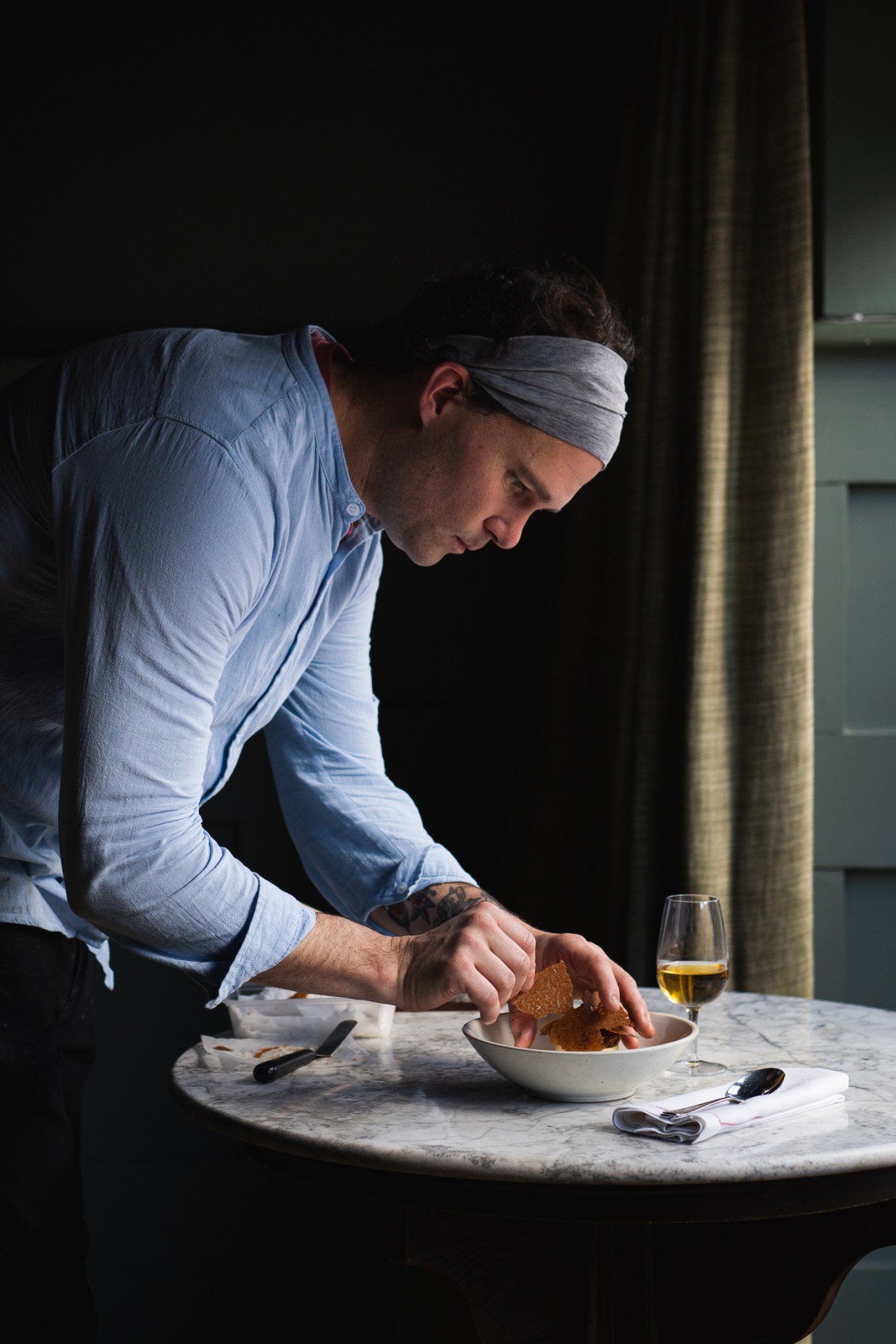
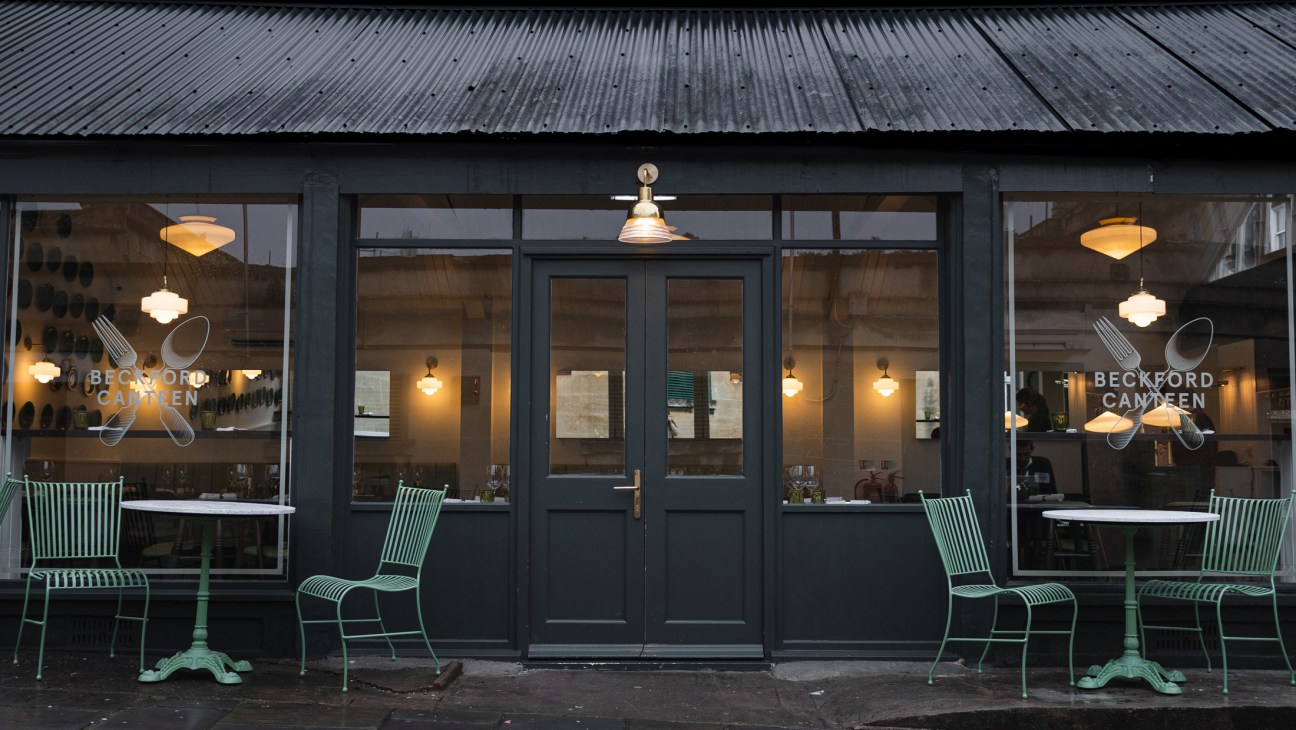
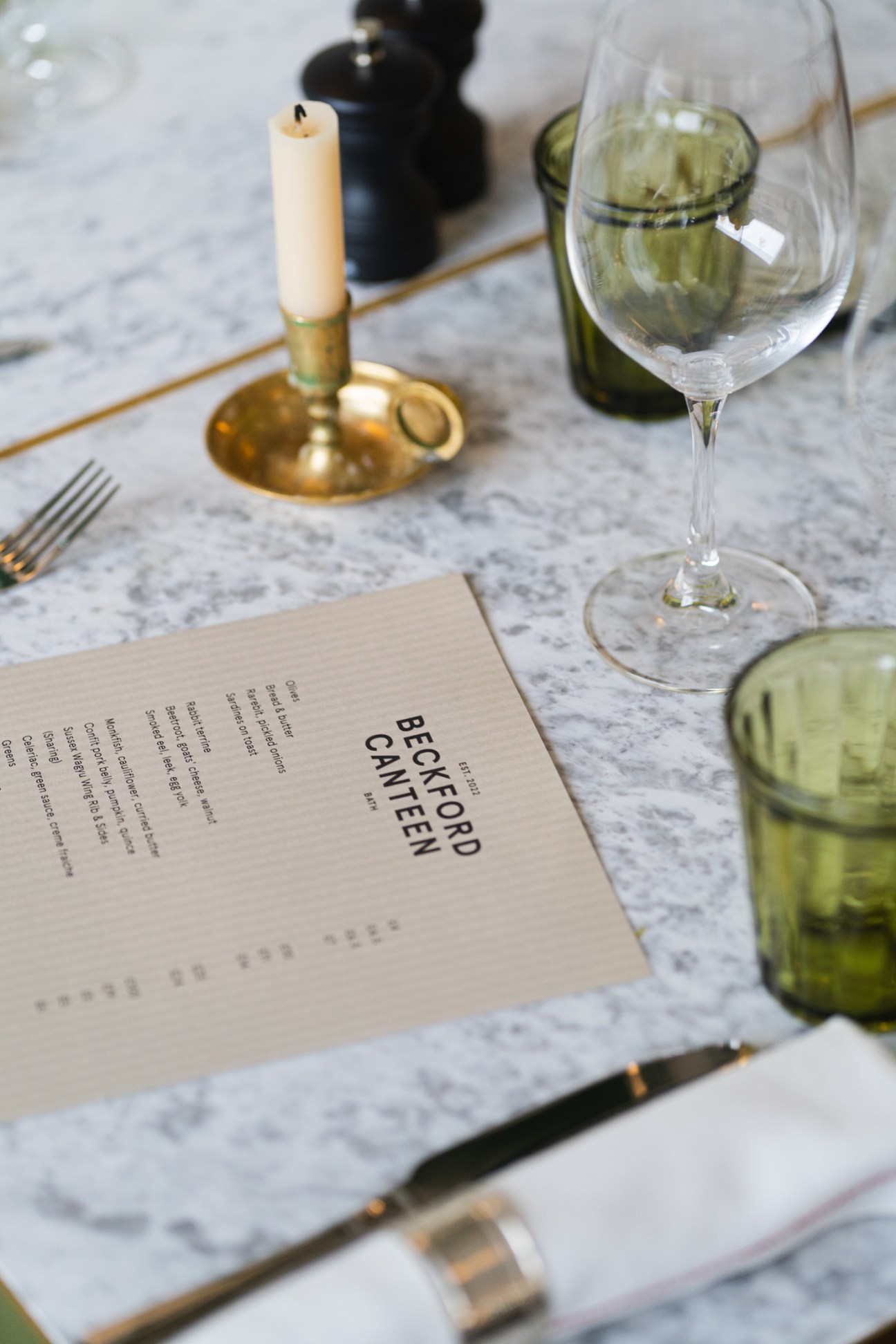
Forget the Roman ruins, abbey or Royal Crescent; the best reason to visit Bath this weekend is nestled in a Georgian greenhouse halfway up Bartlett Street. Opened in January, Beckford Canteen is a beautiful addition to an English city whose culinary star is rising.
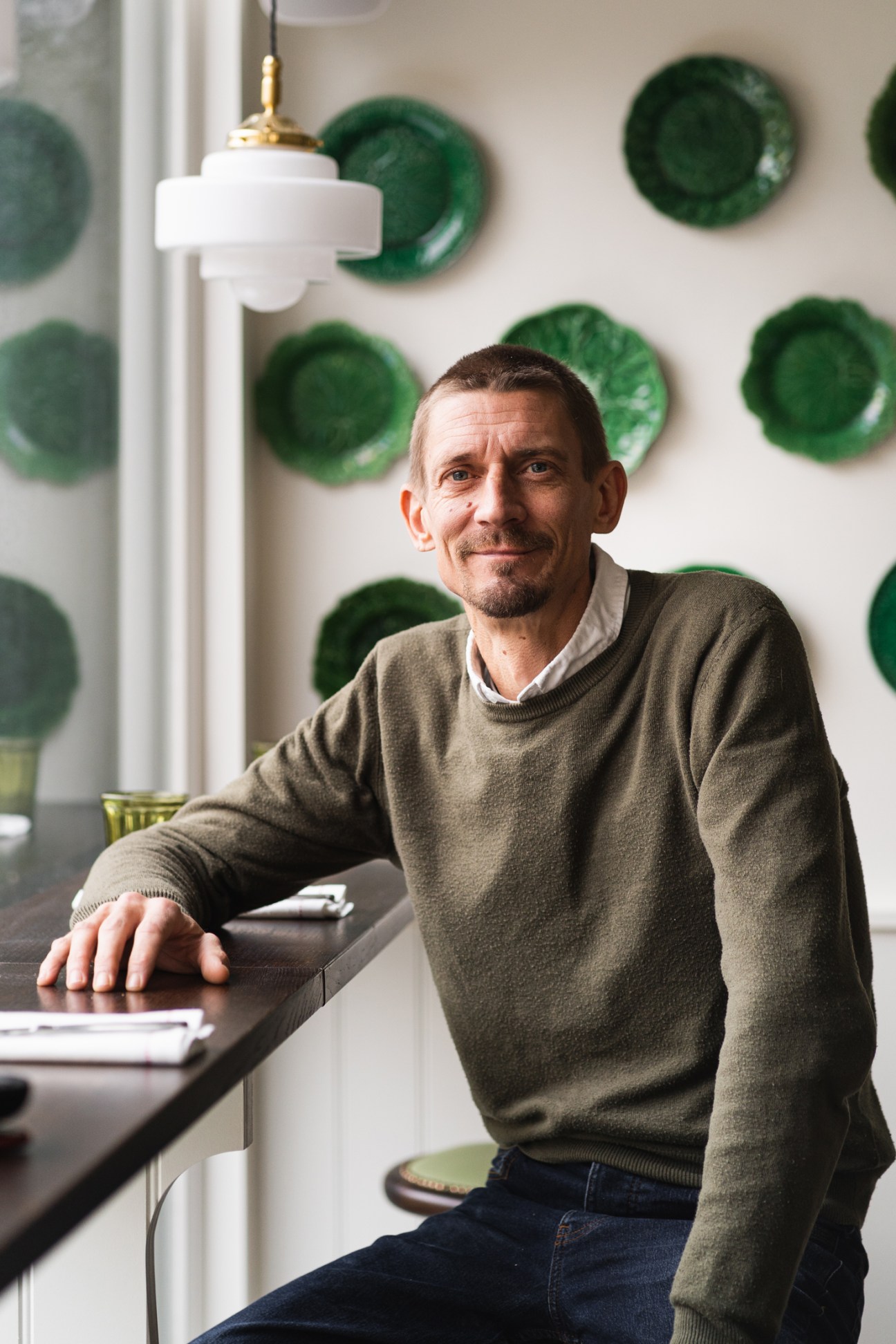
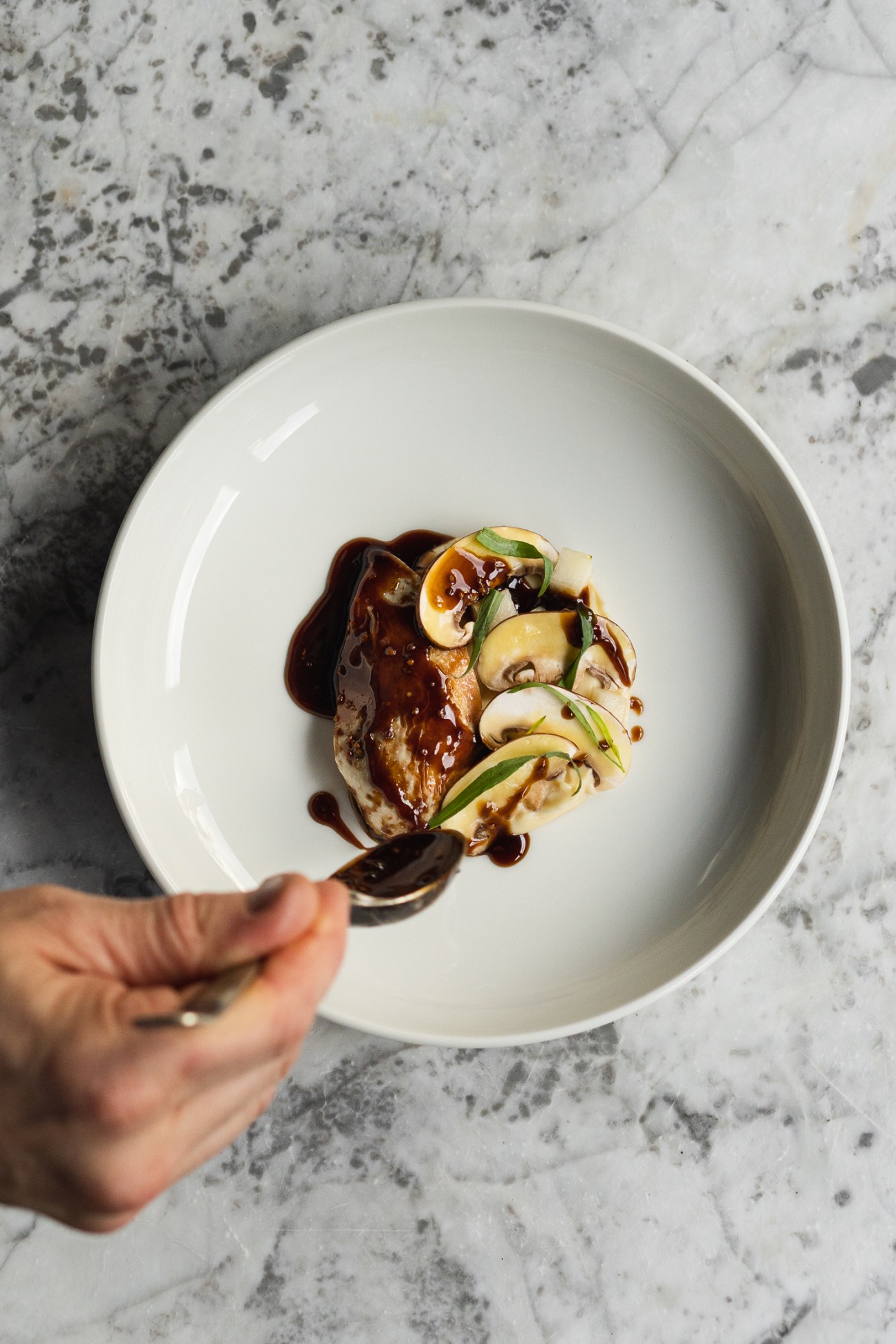
The new restaurant sits a few tipsy steps from its beloved sister bistro, the Beckford Bottle Shop. However, the new space from Dan Brod, Charlie Luxton and Matt Greenlees (whose Beckford Group also includes four rural inns) feels like a step up. That’s thanks in part to head chef George Barson, whose culinary alchemy transforms simple-sounding dishes, such as rarebit with pickled onions or sardines on toast, into something worth travelling for. Barson’s combination of simplicity, rich flavours and a guileless reliance on good produce makes the regional ingredients sing. Likewise the smoked eel with leeks and egg yolk and the ham hock and jowl terrine served with a feather-light brioche bun feel like the work of an artful conductor bringing great things together in harmony.
The mains riff on a similar theme; the monkfish with cauliflower purée and curried butter and the sole with harissa are subtle but sumptuous. Sides-wise, the buttery kalettes and crisp confit potatoes are a treat so complete that they threaten to outshine the mains. You may need a break before tackling the chocolate, hazelnut and brown butter dessert: a fight between a tiramisu and a giant Ferrero Rocher (both sort of win).
Looks aren’t everything but this single-storey former sushi shop has been spruced up with marble counters, brass edgings, dark oak furniture and green accents, from the leather trim and salvaged Czech lighting to a wall display of Wedgwood cabbage plates. Beckford Canteen currently has a modest 40 covers inside but a similar number are set to open in a garden to the rear. Roman Baths, eat their heart out.
beckfordcanteen.com
Bath weekend guide
Shop
8 Holland Street
Tobias Vernon’s gallery specialises in art, design and interiors. A new hotel – his first – will open above the shop before summer 2023.
8hollandstreet.com
Berdoulat
Patrick and Neri Williams’ homeware shop is brimming with bric-a-brac. It’s impossible not to be bowled over by the interiors; the pair run a nearby design studio too.
berdoulat.co.uk
Topping & Company Booksellers
This family-owned bookshop is located over two floors (and a mezzanine) of a grand neoclassical building close to the abbey. This is how books should be sold.
toppingbooks.co.uk
Eat
Upstairs at Landrace
After stints at top London restaurants, Rob Sachdev and Jules Copperman relocated to Bath to open a teeny but terrific restaurant above the equally appealing Landrace Bakery.
landrace.co.uk
Stay
The Yard in Bath
A contemporary inn huddled around an atmospheric little courtyard and opened in a one-time pub. There might be grander places to stay in Bath but there’s nowhere cosier.
theyardinbath.co.uk
Casa Polanco
Mexico City
The Casa Polanco project started when Octavio Aguilar happened upon a permit to open a hotel. He had just bought the building with the intention of turning it into a shop. “I knew that I had to do this project,” he says of the 1940s whitewashed mansion.
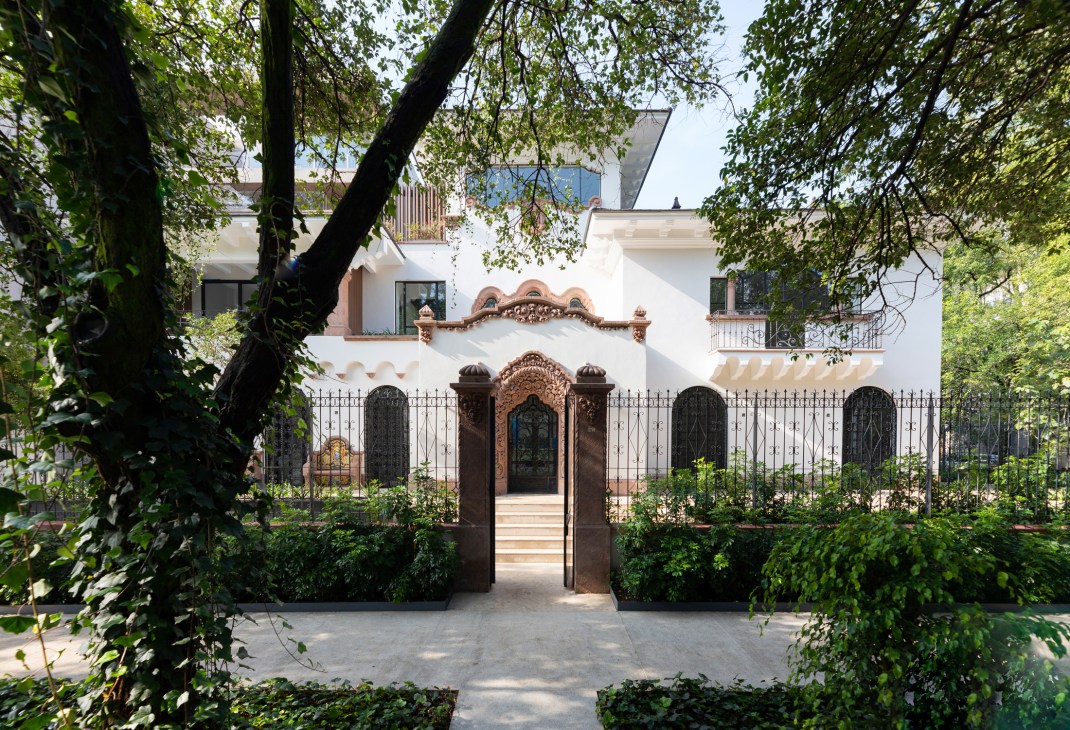
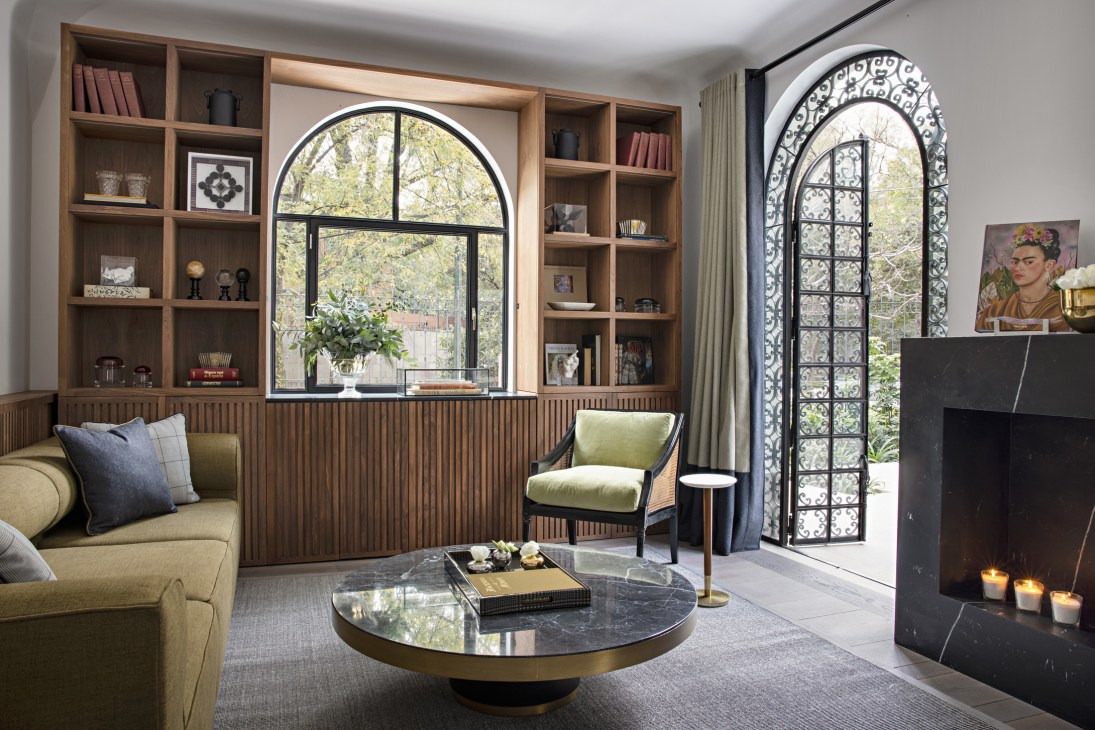
The hotel is near the lively Chapultepec Park and the Roma and Condesa districts. “I want guests to feel as though they are in a home in Mexico,” says Aguilar, who worked on the refit with architect Claudio Gantous. Communal areas include a wood-panelled library, an atrium and four terraces.
The 19 rooms feature furniture and art by Mexican designers and artists. Artful work, especially considering that Aguilar never intended for this to be a hotel at all.
casapolanco.com
Shiguchi
Hokkaido
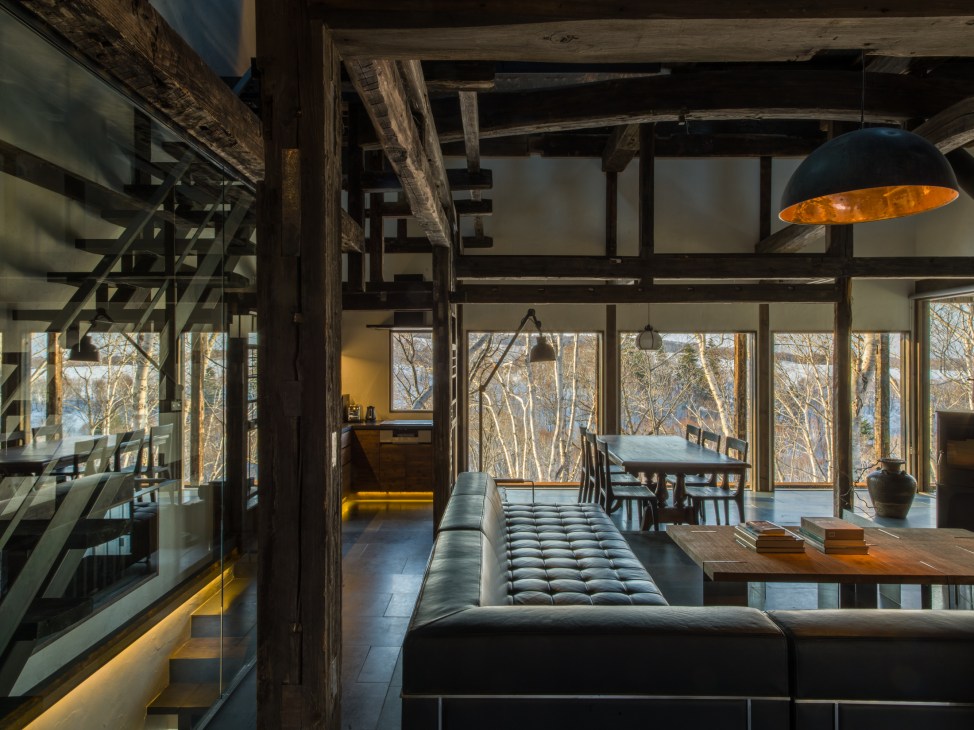
On the northernmost island of Hokkaido, British designer and photographer Shouya Grigg has opened his take on Japanese hospitality close to the ski slopes of Niseko. Shiguchi pays homage to traditional Japanese construction with hand-carved joinery used instead of nails. “It’s not a conventional hotel or a traditional ryokan,” says Grigg. “It’s about connecting things like the joint that brings together the parts of an old farmhouse, shrine or temple.”
Grigg restored a set of old Japanese guesthouses with their original timber frames, shoji sliding doors, ceramics, wood-burning fireplaces and a mix of vintage and modern furniture: each guesthouse also has access to its own stone onsen. Craft is everywhere too from the washi paper lamps, ink paintings and many handmade objet d’art from across Japan. “By connecting people to things that really matter, from art and craft to nature, we hope to inspire them to live within their means,” says Grigg.
shiguchi.com