Issues
Wild at heart
To the side of a muddy trail in Liberty Canyon, in a thicket of wild grasses, Jeff Sikich, a biologist with the US National Park Service, holds a directional antenna. He’s listening for a frequency that will pinpoint the location of any nearby cougars. To be clear, he’s not searching for a Mrs Robinson-esque partner à la The Graduate, but rather the small population of wildcats that live in the Santa Monica mountains. Sikich has been studying cougars – also known as pumas and, colloquially, mountain lions – for decades. Today he is looking for a male dubbed P89.
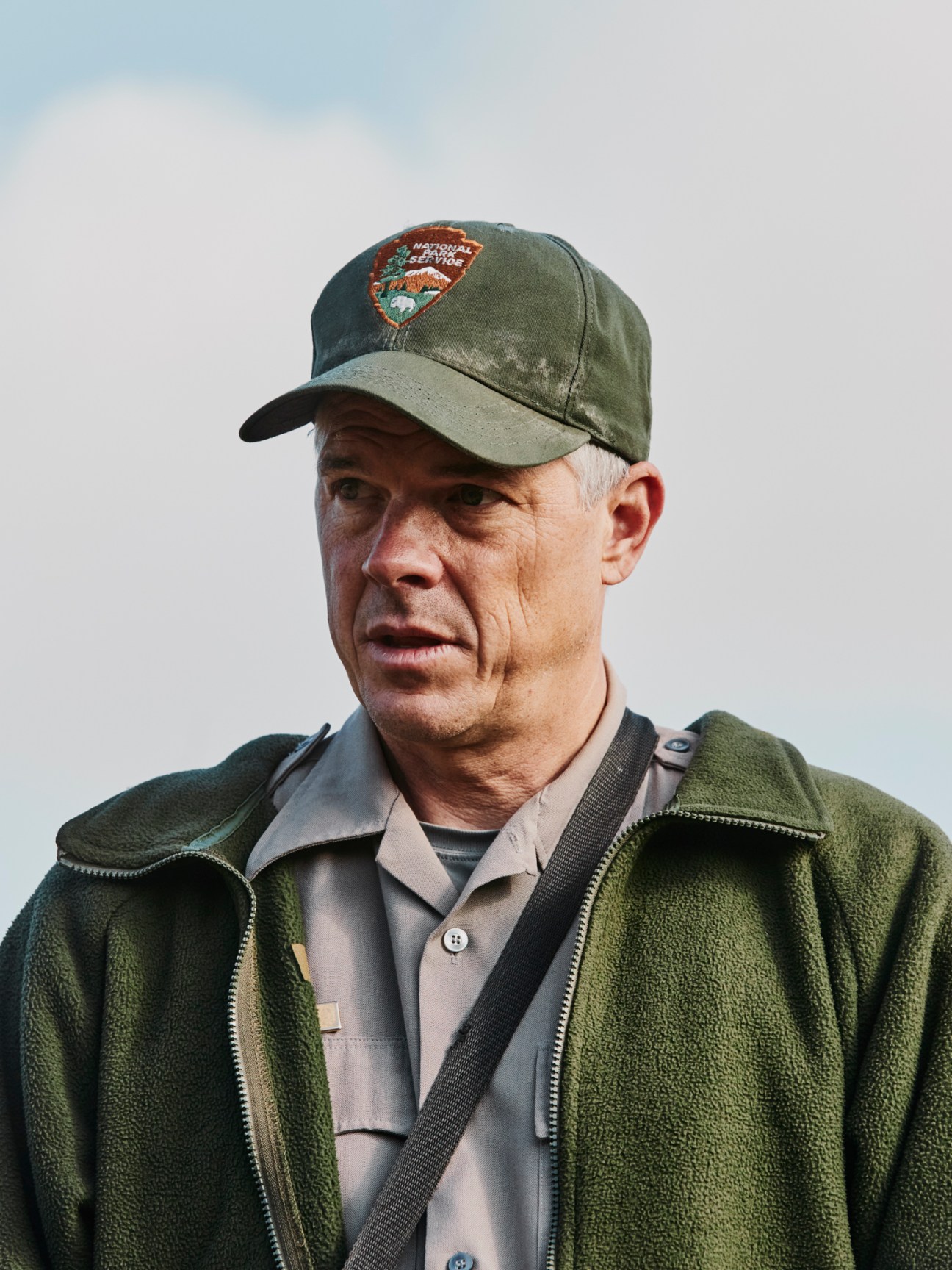


“It was right here last night,” says Sikich, who knows this thanks to GPS tracking. One thing sticks out about P89’s patch: the presence of Route 101. The 10-lane freeway divides two wilderness-preservation areas. “That’s where it probably wanted to go,” says Sikich, motioning to the Simi Hills on the other side.
Los Angeles mountain lions live on these pockets of land with their territories hemmed in by freeways, estates and thoroughfares. When they do explore beyond those boundaries, they risk death or injury among the traffic. The National Park Service estimates that at least 26 cougars from the Santa Monicas have been killed by vehicles since 2002, a small-sounding but significant number, given that this mountain range is home to about 10 adult cougars at any one time.
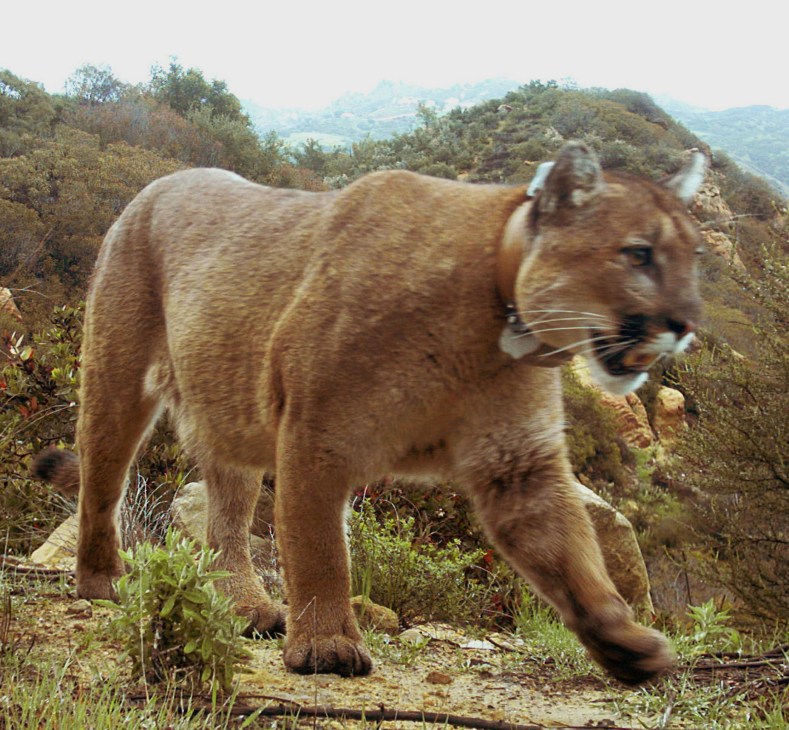
“Most won’t attempt to cross the 101, not if they can help it,” says Sikich as he scuttles further up the hill, explaining that even when a lucky one does manage to cross the highway, it’s not always great news. Take the sad case of P22, a cougar that left the Santa Monicas some time in 2012, made it across the 101 and 405 freeways without a hitch and landed in LA’s Griffith Park. As the park’s sole lion resident, it has no competition for resources (a good thing) but sadly no partners either (a problem). P22 has since become a mascot for the urban-lion cause.
Though these apex predators can be dangerous to passing people, Angelenos have broadly embraced their native wildcats. “When I’m in the field, people ask me, ‘How’s P22, how’s P89?’” says Sikich. “They’re loved here – but if you see one, give it space,” he adds. It’s because of their popularity that there’s a groundswell of public support for LA’s most exciting urban-wildlife project: the Wallis Annenberg Wildlife Crossing.
The bridge, which broke ground in April, will be the largest wildlife crossing in the world, linking Liberty Canyon in the Santa Monicas to the Simi Hills on the other side, allowing lion populations to roam and expand their gene pool. “It’s taken 20 years of research but we know that this is the spot for it,” says Sikich. When the bridge is completed by 2025, it will be covered in native plants and resemble a small hill with a freeway tunnelling beneath it.
On our patrol we sadly don’t spot P89 – it’s probably snoozing in the shade somewhere on the hillside – but Sikich is continuing to monitor the antenna as we trudge back to the car. All of a sudden a tiny bird whizzes past. “What we’re doing is ecosystem renewal,” he says, nodding after the blur of feathers. “From lizards and lions to small songbirds that can’t fly far, everything here will benefit.”
Images: Shutterstock
Taking charge
Twelve years after convincing the world that Scandinavian coalition politics could be the stuff of gripping drama, actress Sidse Babett Knudsen is back as Borgen‘s Birgitte Nyborg: erstwhile Danish prime minister, party founder and now foreign minister. “To be honest, she came back to me at the click of a finger,” says the 53-year-old when Monocle meets her in Copenhagen’s Hotel d’Angleterre.
As with the first season of Borgen, which brought the world a female Danish prime minister some months before the Danes elected their actual first female leader, gender is never really a plot topic in the show’s latest and fourth season. “It’s no big deal in Denmark,” says Knudsen. “Maybe in other countries you’d have entire episodes about her being a woman in a man’s world but that’s not how we perceive ourselves here.” It was precisely this defiant Danishness – the bicycles, the babies in the workplace, the egalitarianism – that made Borgen such a global hit, showing viewers how the citizens of a wealthy, sexy, well-dressed, well-functioning democracy lived.
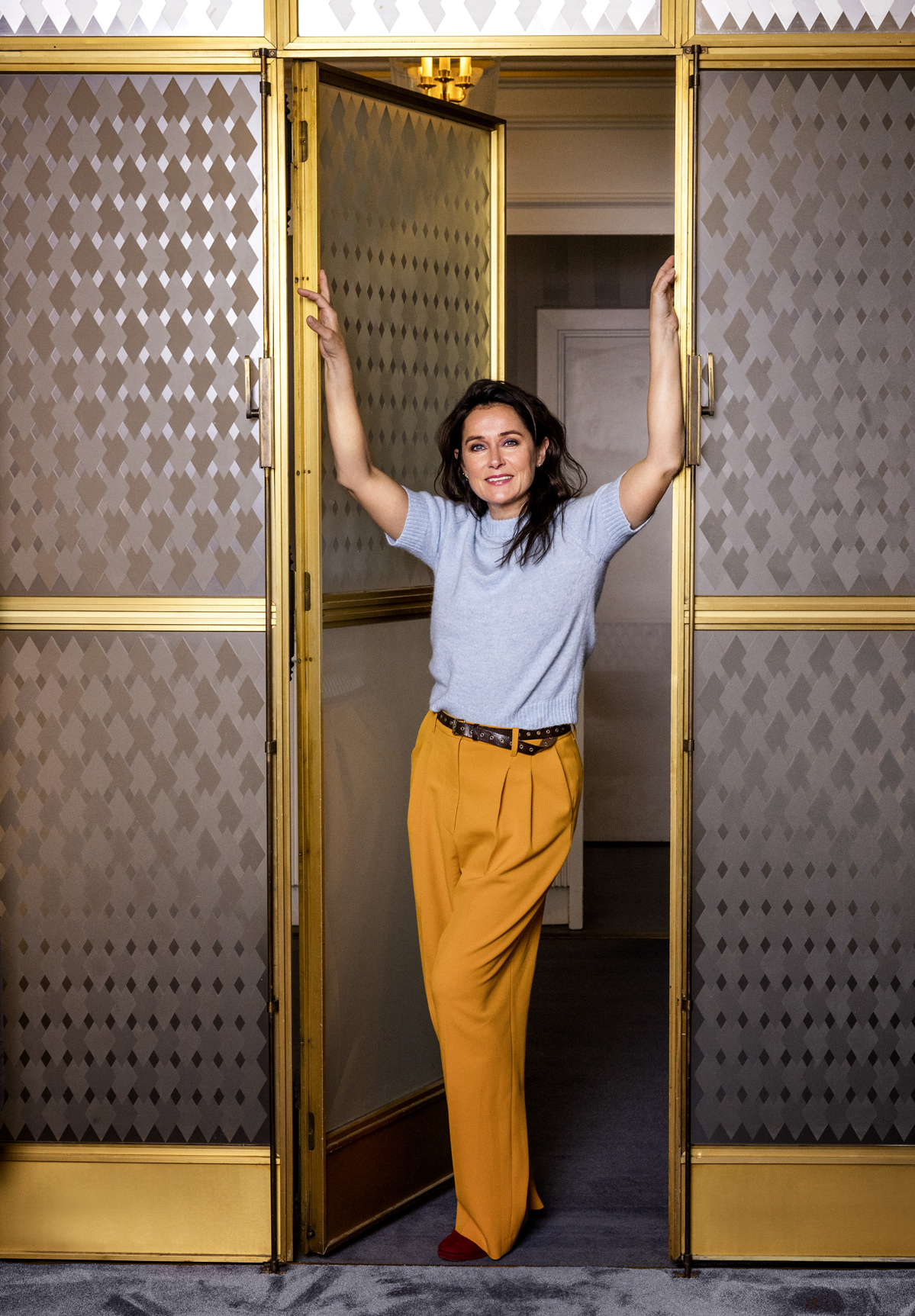
For Knudsen, the show’s successful first three seasons – from 2010 to 2013 – led to numerous parts playing “women in suits being in charge of things”, including roles alongside Tom Hanks in a sequel to The Da Vinci Code, Hugh Laurie in David Hare’s BBC drama Roadkill and the lead in Peter Strickland’s 2014 lesbian psychodrama The Duke of Burgundy. Since Borgen‘s breakthrough, Knudsen has also worked extensively in France, bringing her career full circle as she trained at the feted Theatre de l’Ombre in Paris as an 18-year-old. “I did an audition for the school there just for the experience, to prepare for applying to the Danish acting school,” she says. “But then I got in.” She ended up graduating – the only foreigner in her class to do so – but on returning home, she found that her method clashed with the more traditional Danish approach. “My training was very physical: clown, mime, commedia dell’arte. When I came back to Denmark they thought I was a bit ridiculous. I soon learnt to do all my warm-ups secretly.”
Today Knudsen, who lives in the heart of Copenhagen with her teenage son, is one of Denmark’s most respected actresses and fame is not such a burden as it might be in a larger country. “I do the shopping, walk around and live very happily,” she says. “Danes are very nice. I can sense that I am getting more thumbs up now that the new season is out. And I think that they must use Borgen in the language schools here because I get a lot of Eastern European women telling me that they love the show.”
“See you in 10 years,” Knudsen said to the crew at the wrap party for season three in 2013. So will there be a fifth season in another 10 years? In Denmark, where the current season has already aired (it will reach audiences elsewhere on 2 June), the final episode leaves things very open for Birgitte Nyborg. Would the character still be in politics in her sixties? “Definitely, oh, yeah,” says Knudsen. “Birgitte feels that she is put on this Earth to lead her country, or at least have as much influence as possible.” Whatever her next term holds, she, like Knudsen, gets our vote.
The CV
1968: Born in Copenhagen
1987: Begins studies at Theatre de l’Ombre in Paris
1997: Makes feature film debut in Let’s Get Lost
2000: Wins Bodil award for best lead actress in The One and Only
2010: The first season of Borgen debuts on Danish television
2016: Wins César award for Courted for best supporting actress
2022: Fourth season of Borgen hits screens across the globe in June
The Opener
How to live: seasonal upgrades
Here’s how to make the most of early summer, writes Tyler Brûlé.
If you’re in the northern hemisphere, you’ve probably already hosed down the terrace, made a couple of runs to the garden centre and jotted down dates for a party on the balcony, a mini-roadtrip and a shopping list for some seasonal top-ups for your table and beach tote. If you’re coming up short in a few areas, here are some names, destinations and solutions to get you in the groove.
1.
Can’t find the keys to the cabana? Zürich-based L’Elefantino can fix that with its chunky, vibrant woven lanyards.
2.
Need balcony seats that won’t take up too much space? Lona from Portugal does a classic director’s chair.
3.
In the market for a better pot for your peonies and tomatoes? Danish family firm Bergs can keep you in full bloom.
4.
Best kit for those 7Ks that you’ll be running every morning? Satisfy in Paris does some of the best fabrics and patterns for cutting a lean dash.
5.
Want an upgrade for centre court? Copenhagen label Palmes will help you look your best on clay or grass.
6.
What to serve for sundowners? How about Mount Gay’s Andean Oak Cask? Start by perfecting your take on a dark and stormy.
7.
Two options for rosé. Monocle will release another 1,000 bottles of Swiss rosé. Till then, there’s Domaine de l’Ile.
8.
Something to snack on? Order some pistachios from Beirut’s Alrifai.
9.
Want to cool down? Journey up to Vals in Graubünden canton and check in with the wonderful Ruth at Brücke 49.
10.
Dull weather? The Marbella Club always delivers on sun and service.
In brief…
Undercover pedestrian activists in Los Angeles; sought-after souvenirs of Hong Kong: here’s what’s caught the eye of Monocle’s writers across the globe.
1.
Toronto
Where am I?
Of Toronto’s many nicknames, “city of neighbourhoods” is dull but accurate. Now city hall has recognised an extra 34 districts, increasing the total to 158. Asking directions just became more confusing.
2.
Tokyo
What rubbish!
Tokyoites are known for being tidy – and the city’s Metro agrees. The authority removed the last of its rubbish bins, citing security. But the ¥100m (€73m) spent on rubbish collection in 2021 might have more to do with it.
3.
Los Angeles
Walk this way
Crosswalk Collective, a group of Angelenos, highlights pedestrian safety by painting diy crossings under cover of darkness, much to the dismay of the authorities. “Until City Council acts,” says the collective, “we paint crosswalks.”
4.
London
Park life
Canary Wharf in London is getting a “green” makeover. The Eden Project, famous for its Cornish biodome, will install pocket parks and floating pontoons. Fingers crossed this brings life to a corporate city corner.
5.
Zürich
Late starter
Böög, an enormous rag doll with a head full of firecrackers, was set alight at Zürich’s folk festival. The time it takes for the head to explode forecasts when warm weather arrives. It took a while, so expect an Indian summer.
6.
Hong Kong
Remember this
As people leave the city for good, souvenirs with an image of “old Hong Kong” are flying off the shelves. This will peak in June, when international schools close and families squeeze last-minute keepsakes into their suitcases.

The Interrogator
Kungs
France
With dancefloors at clubs and parties set to be full this summer, many hosts will be looking for the ideal record to keep spirits high late into the night. Our hot tip: turn up Club Azur, the newest album from French DJ Kungs, which was released earlier this spring and includes countless unashamedly danceable tracks.
While there are plenty of chances to see Kungs at European festivals this summer, know that if you don’t, you’ll be able to hear him on Monocle 24, where his songs are on high rotation. Here, we speak to the man behind the decks, Valentin Brunel.
Tell us about the inspiration behind Club Azur.
I took a lot of inspiration from the late 1970s and early 1980s Italo Disco scene. I started making the record in 2020. It was a really dark moment for everyone, and I wanted to create an album that would make people dance when clubs finally opened again. I watched documentaries about 1980s Italo Disco and the high-energy movement, which had lots of really colourful moments and crazy music videos. There were fewer standards around the music: today every song has to be three minutes long for Spotify, but back then there were eight or nine-minute tracks.
The first track on the album is called “Zebulon”. What’s the story behind it?
Zebulon is a nightclub that I used to go to when I lived in Los Angeles in 2018. It has French owners and they like to play mostly funk and disco music, which always made me feel like I was travelling back in time. The people who dress like it’s still the 1980s and they’re there only to dance. One night when I was on my way there, the guy driving me was playing super loud funk music in the car. So, I took my phone out and I recorded him explaining the feeling he had when he first heard funk music and used that as a sample on the track.
Does Zebulon provide a good model for the ideal summer nightspot?
Yes. It has what I love in a club: a dance floor filled with people who are not there to take photos, but to dance.
France seems to have a strong scene when it comes to electronic music and DJs. How has that come about?
Ever since Daft Punk, who emerged in the 1990s, had huge success around the world and created new ways of marketing music, there has been a spotlight on French electronic music. There are lots of inspiring people in the scene – I love all my friends in it – and I even had the chance to work with legendary producers such as Martin Solveig. If you’re making electronic music, you are really lucky to be French.
Just plane bad behaviour

The world is emerging from a hiatus on air travel but being grounded does not appear to have suffused travellers with gratitude. Airlines in the US are logging record numbers of disruptive passengers. Some altercations involved whining about masks but others were more serious: five-figure fines were imposed on two passengers for violent conduct, one of whom bit somebody. Such extremes are rare but all can be avoided by the golden rule of travel: if any of your fellow passengers notice you at all, you are doing it wrong. As US secretary of transportation Pete Buttigieg put it, with commendable terseness, “If you are on an aeroplane, don’t be a jerk.”
Pulling the plug
To widespread bewilderment, Nigeria’s government abruptly disconnected more than a third of the country’s mobile phone accounts, leaving tens of millions of Nigerians unable to make calls.
The reason given – often the case when a government does something so swingeing – was security. Nigeria wants all Sim cards to be linked to nins, National Identification Numbers. Authorities fear that unregistered phones are being used by insurgents, fraudsters and sundry miscreants. Authorities in Zambia, Ghana, Kenya, and Tanzania are also pursuing purges of untraceable mobile accounts. South Africa has even tried to tie Sim cards to biometric data.
It is doubtless the case that in Africa, as elsewhere, people use burner phones for nefarious purposes. But it’s also the case that regulations of this sort are most likely to appeal to governments who give honest citizens good reason for wanting to maintain their privacy.
Grocer to home
Independent grocery shops play an important role on high streets, providing affordable, fresh produce to their communities. In recent years this has been undermined by households buying groceries from supermarket chains online. In New Zealand, some consumers are taking it a step further. In a race to the bottom, some Kiwis are now ordering cheaper produce from Australian supermarkets and having it shipped by air for the sake of a small saving. While novel, this undermines food security and confidence in local growers. Our tip: focus on saving the high street grocer instead and shop local.
Dead wrong
It’s common to write obituaries in advance but publishing them early can be awkward. Brazilian newspaper Folha de São Paulo was mocked for its headline announcing that Queen Elizabeth II had died. Who else has the press killed prematurely?
Neil Young
In 2012, US broadcaster NBC News announced that astronaut Neil Young had passed. They were, of course, referring to Neil Armstrong but the blunder gave new meaning to Young’s song, “Sleeps With Angels”.

Spike Lee
On the death of Marvel creator Stan Lee in 2018, New Zealand’s The Gisborne Herald announced that film director Spike Lee was no longer with us. His response? “Not yet.”
Pelé and many others
Radio France Internationale accidentally published a swathe of advance obits in 2020, citing a technical issue.
Correspondent’s view
Transport
Platform for art
Wherever you’re heading, the fundamentals of a good metro station are universal: ease of use and safety, logical passenger flows, clear signage and decent lighting. That said, truly memorable metro stations do this and offer more than simply a series of platforms through which to pass in as short a time as possible.
This explains the appeal of my home city of Stockholm’s metro system, where each station is a public work of art in its own right. In many, the ceilings and walls have been left as rough rock after blasting and then painted in bright colours and patterns, each one different from the next. Go to Kungsträdgården station and you’ll find sculptures simulating an archaeological dig and a ceiling mural that nods to the dangers of nuclear fallout (this part of the station was completed one year after the Chernobyl disaster). It’s a museum-worthy experience for the price of a trip across town.
With this in mind, it’s heartening to see Berlin – ahem – take note, and add a musical element to a handful of its U-Bahn stations. The trial by transport operator BVG is now piping a different radio station into four of the city’s metro stops. If the concept is a hit, it will roll out across the network. Though it’s not explicitly stated, one goal is to entice people to take off their headphones and be in the space with others for a moment: a high ideal for an underground space. Now, let’s see who’s listening.
Editor’s Letter: For the foreseeable future
In the midst of war, even when the outcome is uncertain, let alone its likely duration, you have to start planning for peace. You must ask, “How can we rebuild?” Of course, much of the rebuilding for Ukraine will not just be the physical – the schools, the homes, the bridges, destroyed by Russia – but more complicated notions such as national identity, trust, the right to feel at ease.
But the physical matters. So what should rise from the debris of Ukraine’s bombed towns and villages? It’s easy for architects and urban planners around the world to start creating caverns of gleaming futuristic high rises and sketching out parks and boulevards on their computers. But how do you ensure that old communities stay intact, that places do not become detached from the people, that speculation never trumps need? And how do you ensure that in the rush to rebuild, contracts don’t end up enriching foreign firms and players who had never thought about your nation until now?
In this issue, our lead affairs story (see here) meets some of the Ukrainians, from government ministers to cement factory owners and architects, who are already imagining the peace and the country that they want to see remade. Even as they focus on defeating the enemy, they find time to dream. After such a valiant military campaign, led by its own forces, the Ukrainians we speak to are sure of one thing: we have fought alone and we can design the peace ourselves too. This report is written by Christopher Cermak, our news editor who was in Kyiv in the run up to the war, and our new Ukraine correspondent, based in the country, Olga Tokariuk.

This sense of planning for a better future also permeates our report on mobility (see here) and it’s fascinating to see how much progress is being made, on everything from electric vehicles to public transport. Tucked in to the survey is another important story – the tale of a bicycle repair shop, Ciclofficina Stecca, in Milan (see here), reported by Ed Stocker. For a recent episode of The Urbanist, the Monocle 24 podcast that I present, we looked at how Paris hopes to edge the city towards a greener future and one of its recommendations was that every neighbourhood should have a bicycle repair shop. Because while it’s great getting people to buy a nice bike – and you will regularly find me arriving at Midori House on two wheels – it’s amazing how many of them end up lingering in garages or hallways because of something as simple as a flat tyre. In Milan this community bike shop aims to literally give you the tools to maintain a life in the saddle. It’s funny how access to a pump and a spanner can be all that’s needed to change someone’s willingness to leave the car at home.
We also look at a new home for architecture students in Denmark’s second city of Aarhus (see here), a premier school where they want people to step away from their laptops and use their hands as much as possible. And again, this idea of thinking about the physical and the emotional in tandem appears. The Aarhus School of Architecture, with its beautiful open spaces, areas designed for socialising and judicious use of timber, seems to be turning out architects who are not only incredible hands-on practitioners but happier ones too: stress levels have fallen since they moved into this great building.
The spaces we run our company from are pretty good for you too – important when you need to bring people together to work on projects that demand focus and some late nights. And there are a lot of projects on the horizon: a newspaper is on its way for Milan furniture fair Salone del Mobile, plus an essay-filled paperback and a new series of travel books. Then, as well as the Quality of Life Conference in Paris in June (set to be the best we have produced), we will have launches for The Monocle Book of Photography and more. I hope we get to meet.
As always, thank you for reading Monocle and feel free to drop me a line at [email protected] with ideas, suggestions or bicycle-repair tips.
The Monocle Design Awards 2022
1.
Best bike
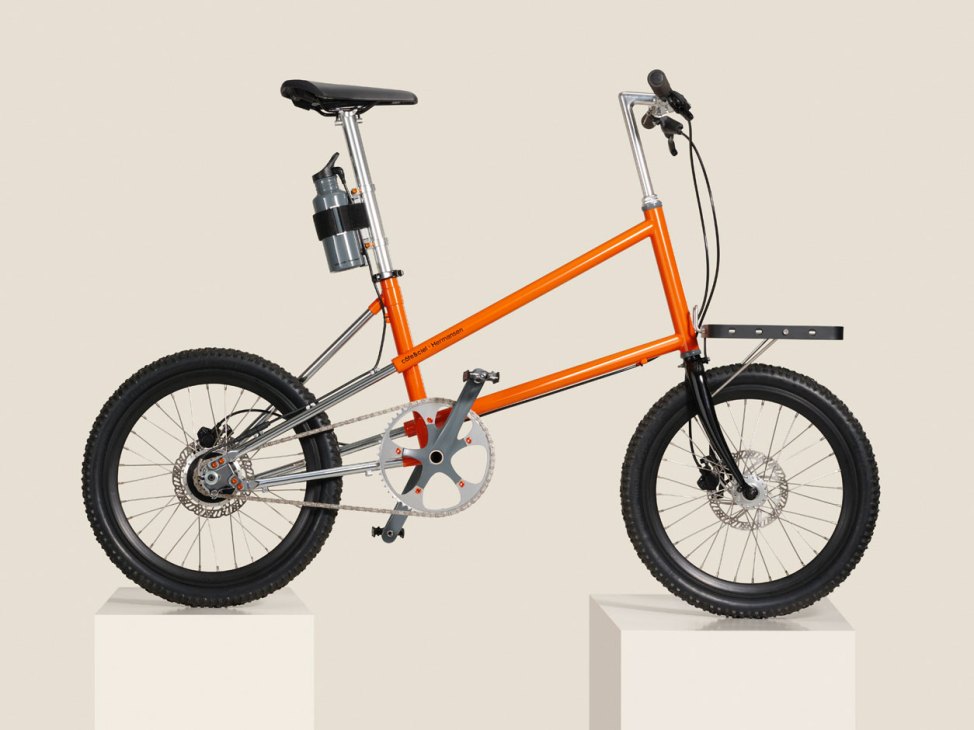
Hermansen Bike One

A former lead designer with famous Danish hi-fi brand Bang & Olufsen, Anders Hermansen strives to create products with great function and a beautiful aesthetic allure. That’s why his ultra-compact electric bike, sold under the brand name Hermansen, is one of the finest entries into the burgeoning e-bike market. “The point was to make it as light as possible, so you could use it as a normal bike,” says Hermansen, highlighting the small, sleek portable battery that clips to the seat post and elegantly resembles a water bottle. We’re particularly taken by the newly released orange version of the Hermansen Bike One, which shuns the notion that e-bikes are bulky and unwieldy. It was designed in collaboration with French backpack specialist Côte & Ciel, whose bags – like the battery – can be smartly clipped to the bike.
hermansencph.com
2.
Most playful design
Carolino trolley by Older
Letizia Caramia and Morten Thuesen, the designers behind Milan-based studio Older, have shown that furniture can cure the blues. When hunkered down in Tuscany in the winter of 2020, the Italian-Danish duo started drawing designs in primary colours and toying with plywood and iron scraps in Caramani’s father’s workshop. “It was a moment of loneliness and we felt we had to make something joyful,” she says.
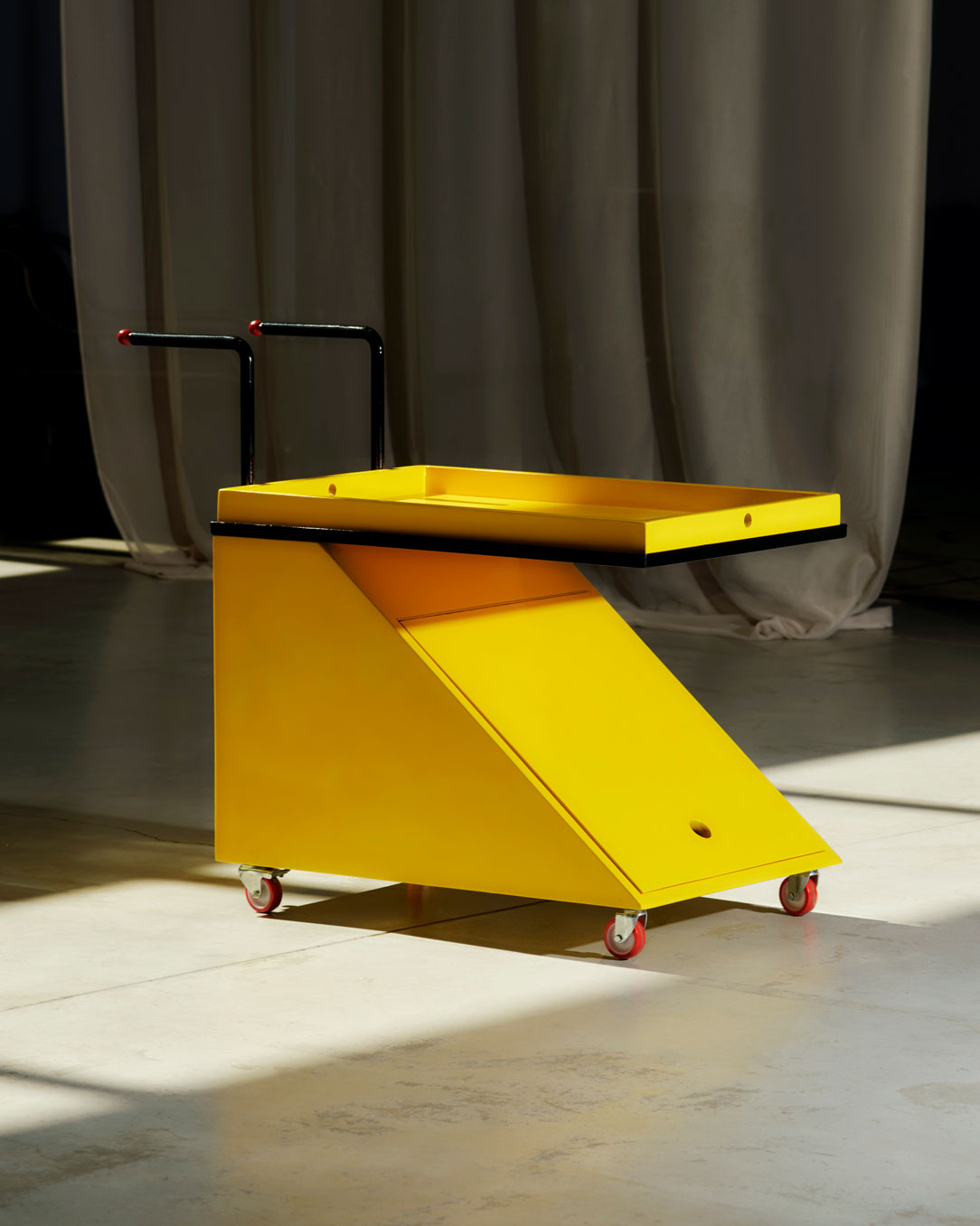
The outcome was the Carolino, an angular bar trolley that is now available in six cheerful shades from Nilufar Gallery in Milan. Thuesen and Caramani liken their design process to the children’s tale of Pinocchio, the puppet built by Tuscan woodcarver Gepetto that comes alive. “It was based on the idea of making something that felt like a small friend or like a mascot for the home,” says Thuesen.
olderstudio.com
3.
Best preservation effort
Paco Graco
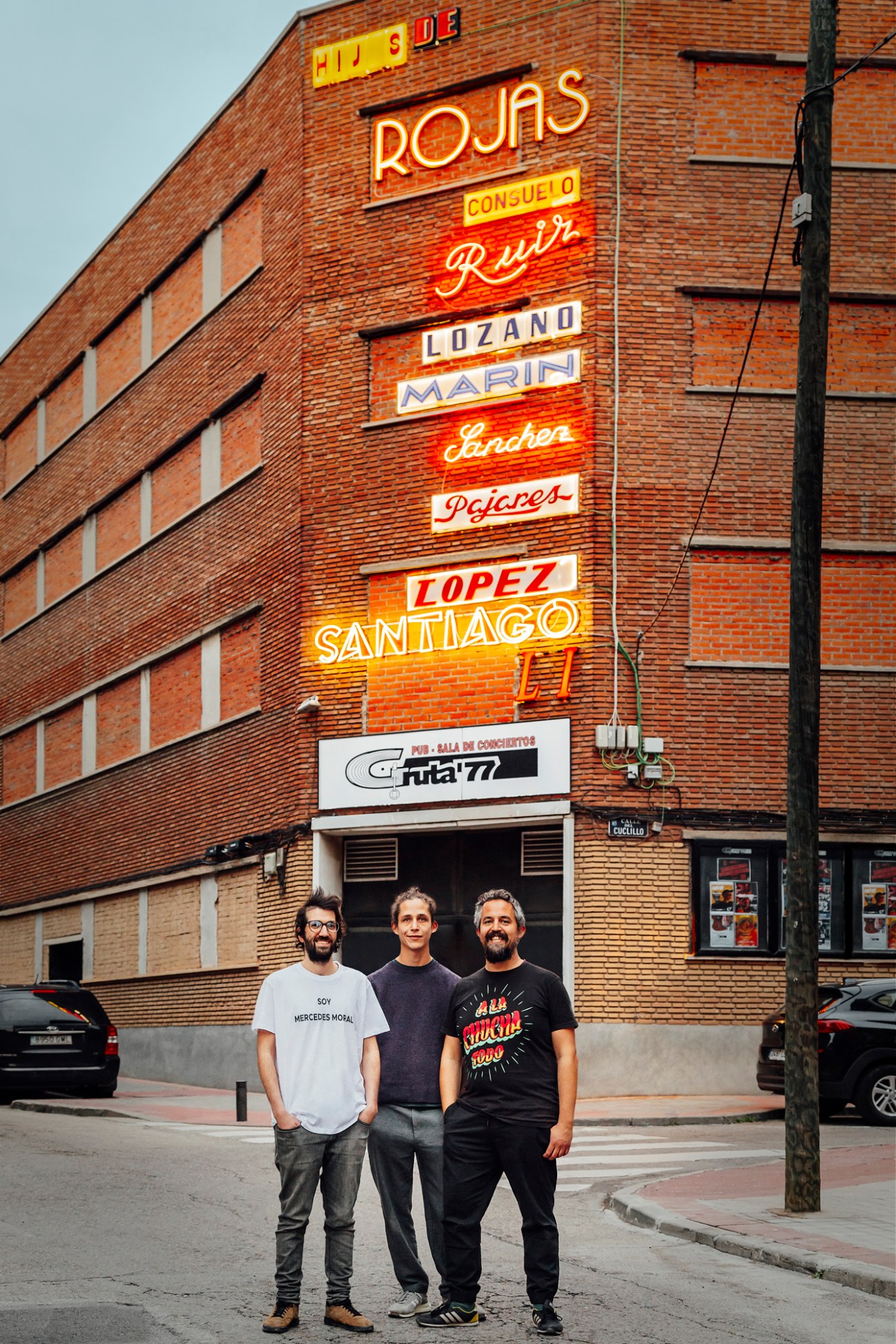
Signage speaks volumes about the history and character of a neighbourhood. But due to quickly homogenising high streets, cities are losing this vital part of their visual identity. That’s why we’re grateful for the work of Alberto Nanclares, co-founder of Paco Graco. It’s an initiative that strives to preserve Madrid’s historic shop frontages, run by Nanclares and fellow signage enthusiasts. If they hear of a historic sign that’s at risk of being destroyed, they’re straight on the scene to rescue it. Their collection now comprises some 250 pieces salvaged everywhere from cinemas and bakeries to dry-cleaners. It’s the kind of guerrilla urbanism we’re fond of.
pacograco.org
4.
Best young firm
Anime Design
Italian duo Beatrice Barbieri and Clara Rossi are proving the benefits of combining creativity with an entrepreneurial mindset. Last year, 29-year-old Rossi, who has a background in event planning, teamed up with Barbieri, a 29-year-old product designer, to launch Anime Design. The brand makes metal homewares such as trays, coasters and incense holders in an array of warm hues. The products’ refreshingly simple looks, which have quickly earned Anime a solid customer base, can be chalked up to the practical and commercial constraints of starting a company on their own.
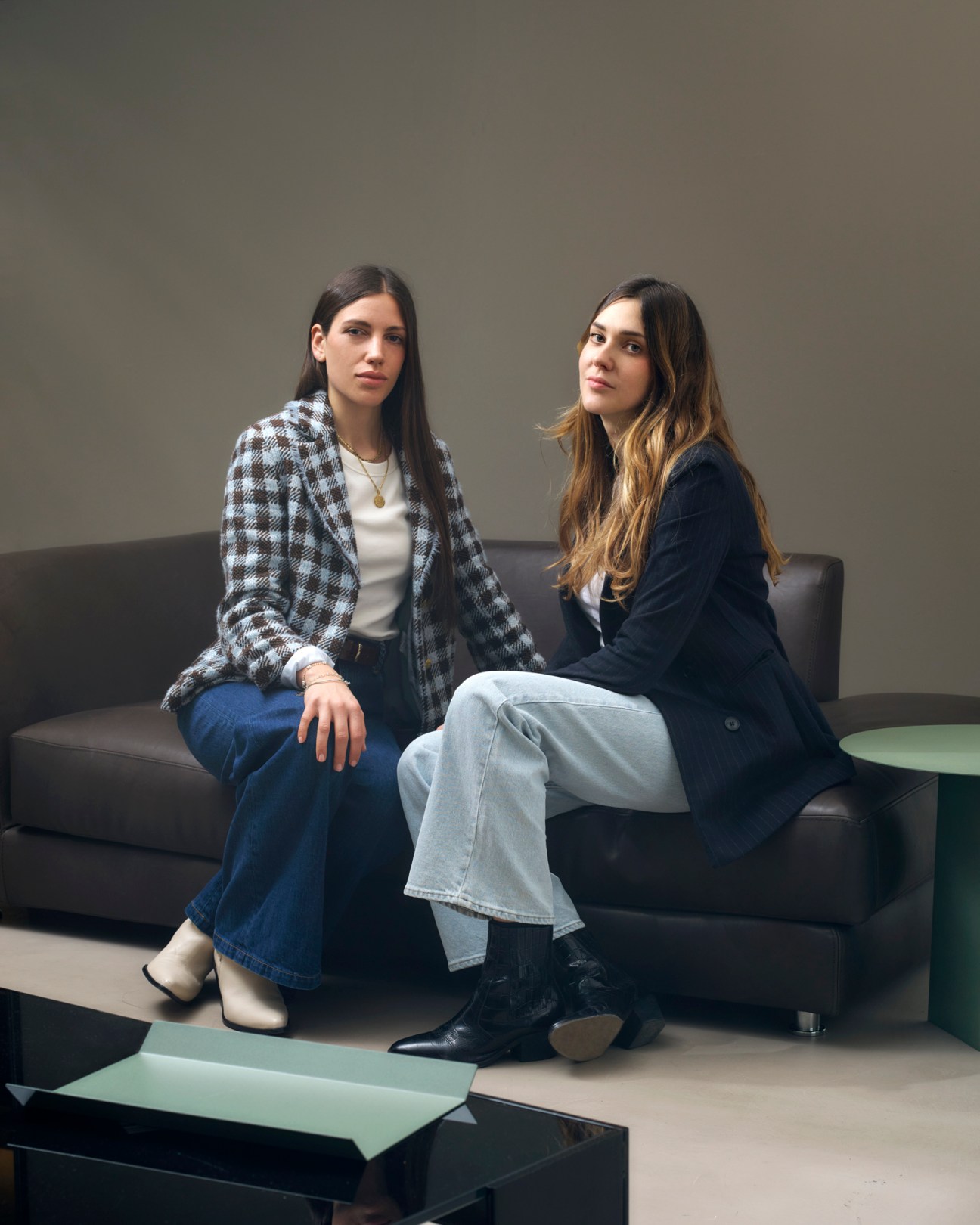
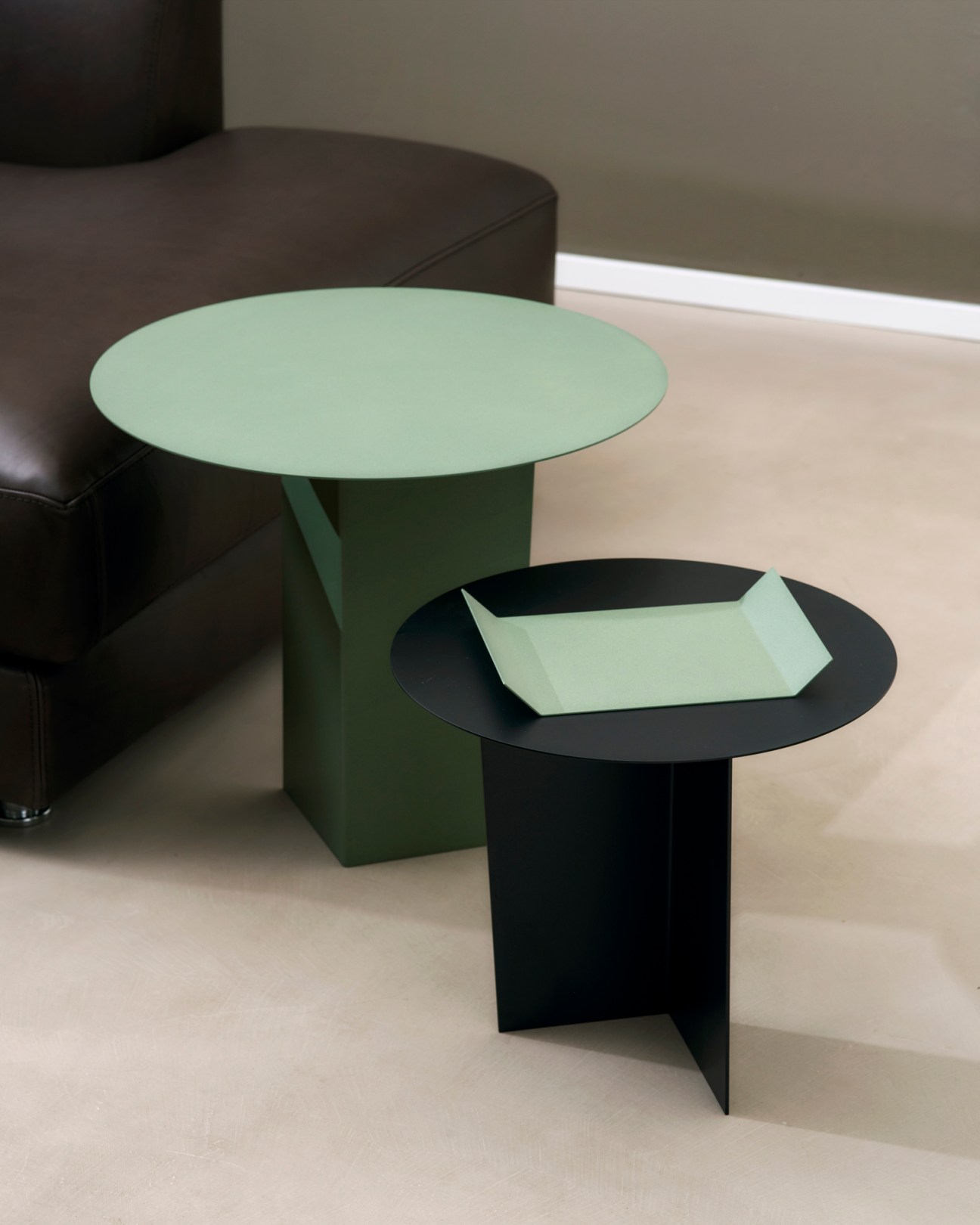
More than a year was spent developing prototypes – Barbieri compares the process to “folding origami” – with the aim of minimising waste. The pragmatic approach means that the pieces are top quality but can be sold at an accessible price. “You realise that in the end people want things that are nice to see and to use every day,” says Barbieri.
animedesign.it
5.
Design event of the year
Alcova
Showcasing the new at design fairs often means crowding visitors into poorly ventilated halls to gawk at furniture. Monocle tips its hat to the creative team behind Alcova, the experimental platform based in Milan which runs eye-opening exhibits during Salone del Mobile. Created by Space Caviar’s Joseph Grima, currently creative director at Design Academy Eindhoven, and Valentina Ciuffi of design agency Studio Vedèt, Alcova takes a nomadic approach by using forgotten venues in Milan to present a clever combination of design and art.
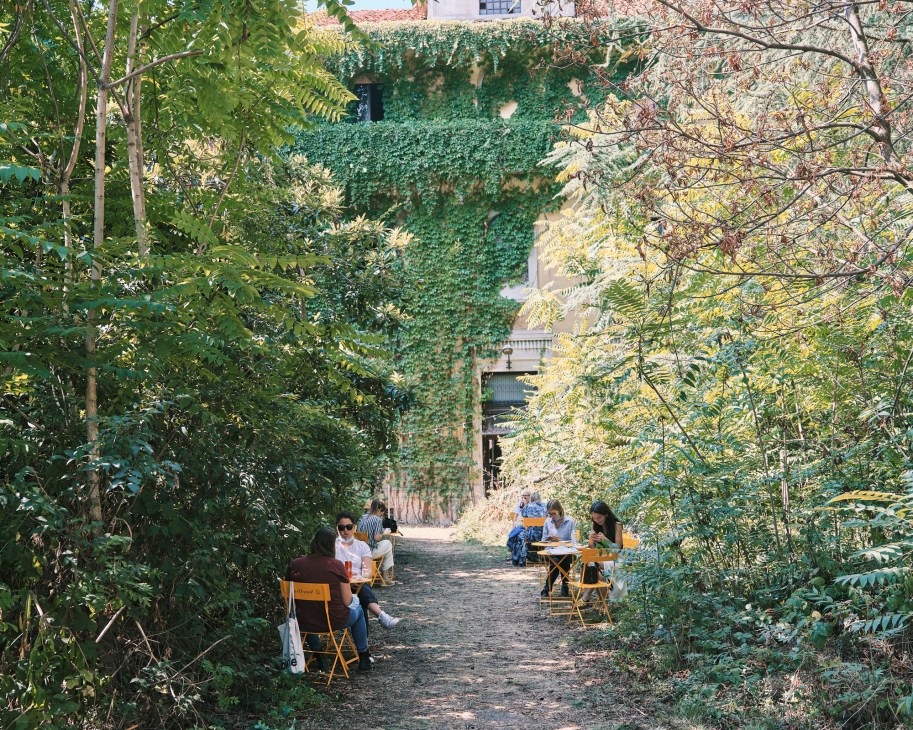
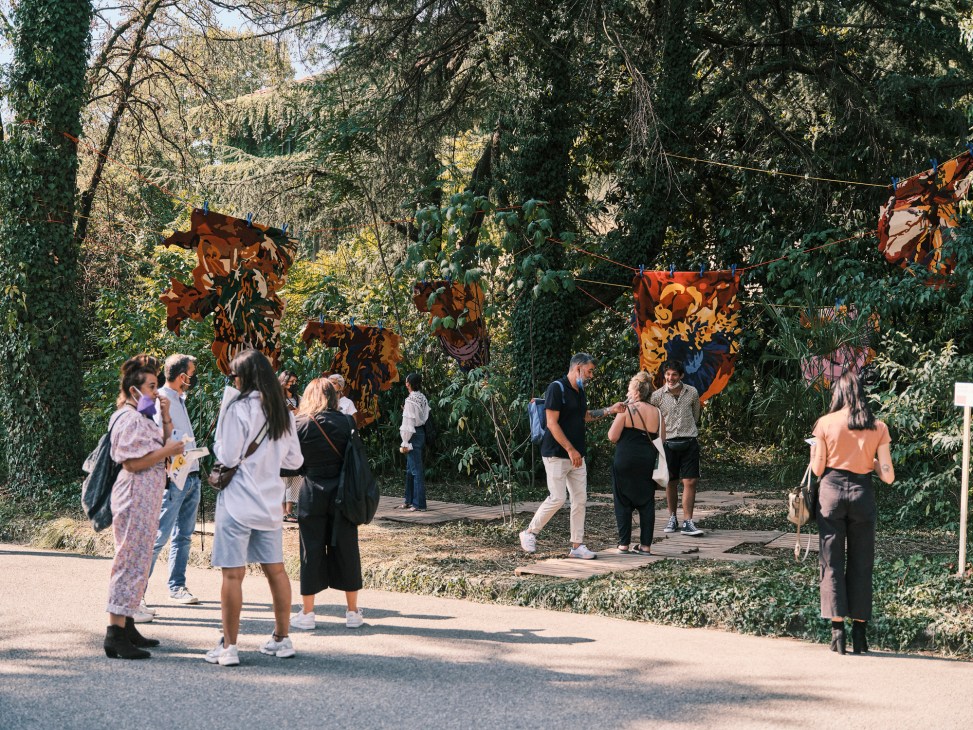
In terms of exhibitors, Grima and Ciuffi recruit an eclectic collection of up-and-coming designers and established players who are hosted in unusual spaces: a panettone factory or today’s current site at a partially disused military hospital on the outskirts of town. Pure creativity is set free to provoke and inspire, from a fictional milk bar inspired by A Clockwork Orange, to monumental stone furnishings from Rem Koolhaas’s Oma and designer Sabine Marcelis.
alcova.xyz
6.
Best in timber
Tendo
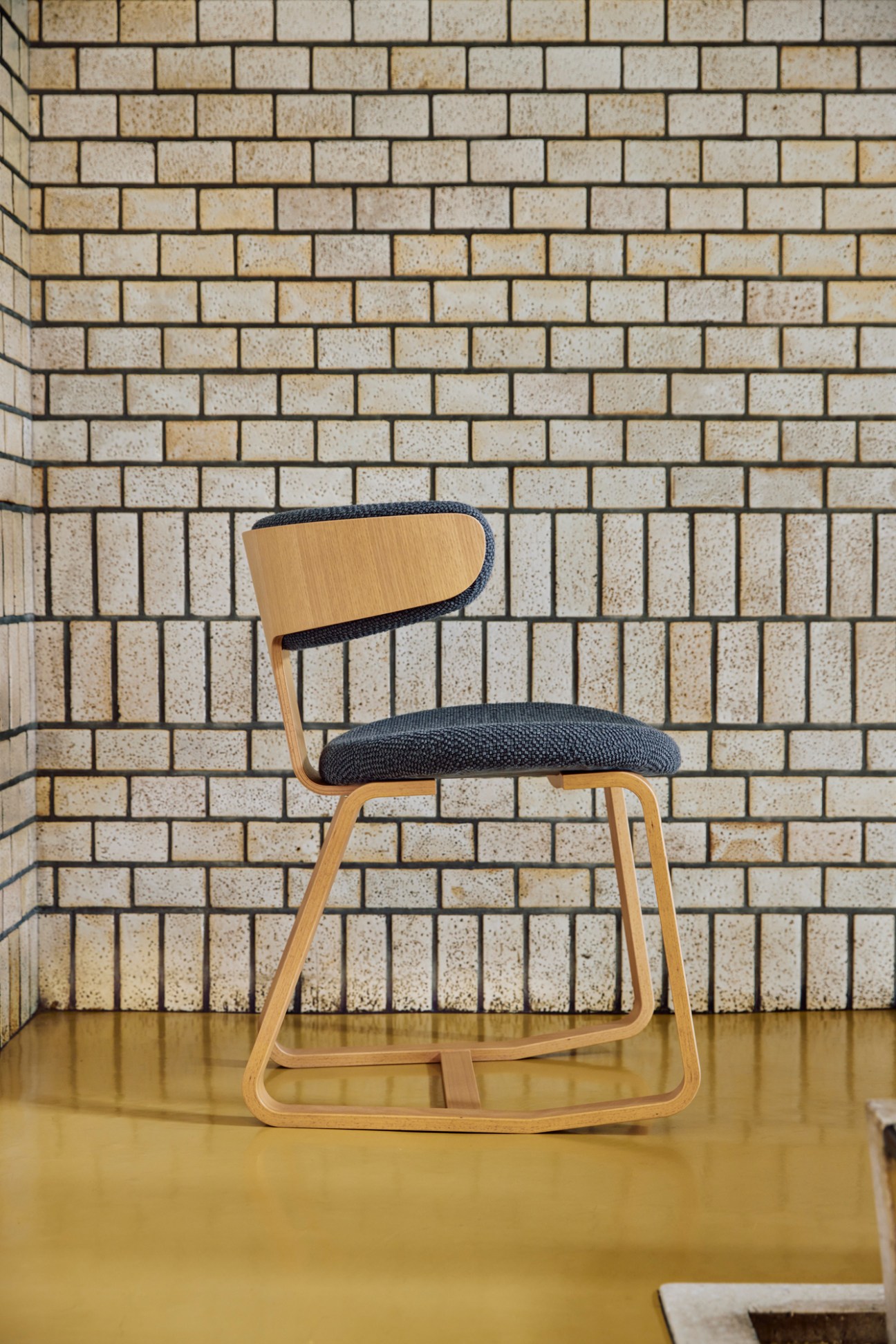
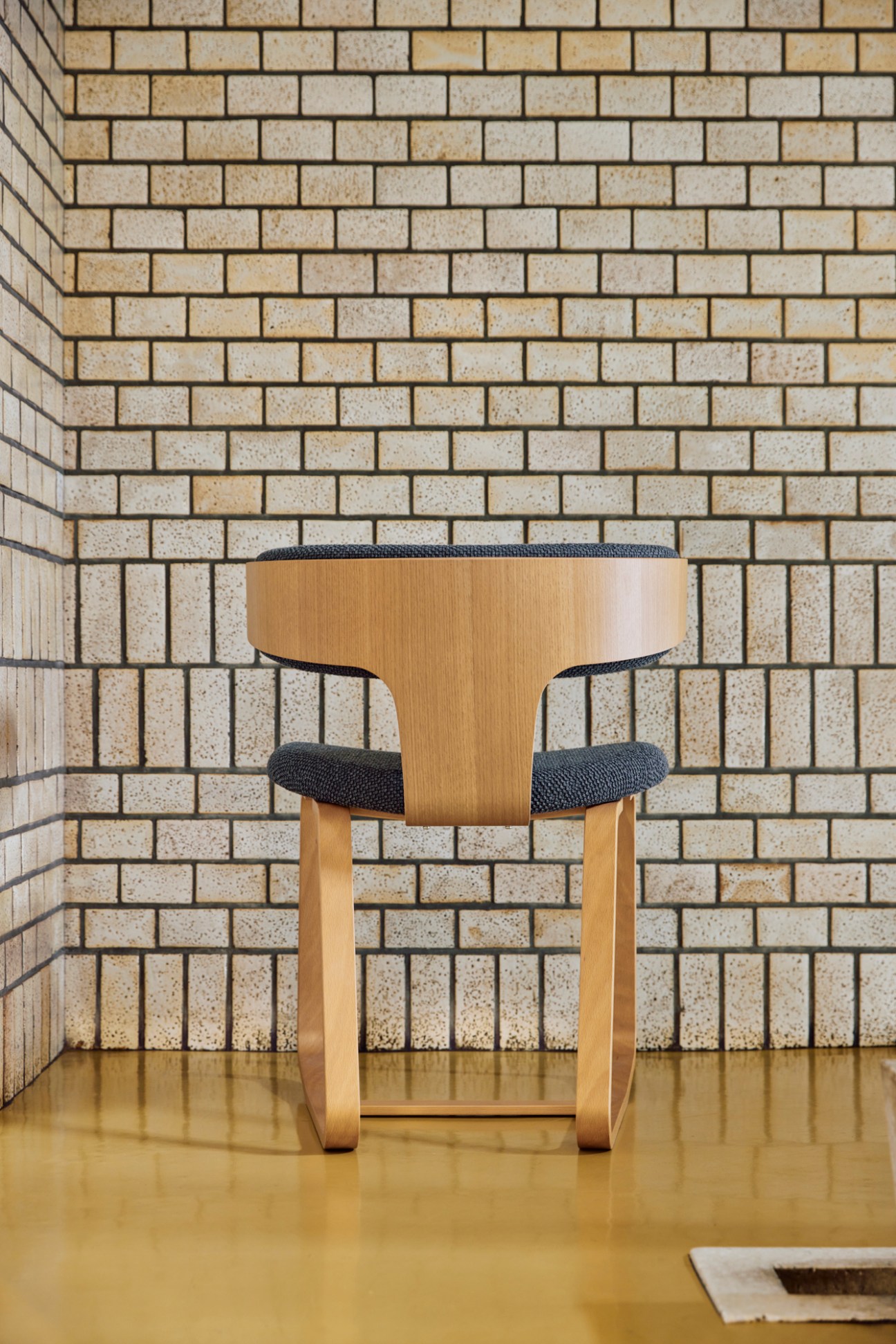
Japanese furniture company Tendo was founded in Yamagata in 1940 and has been pioneering moulded plywood since 1947. It has an enviable back catalogue with pieces by the biggest names in 20th-century Japanese design and has recently added to its collection by commissioning three new chairs. The Swing Chair by architect Hiroshi Nakamura is a cushioned desk chair with a curved back that showcases Tendo’s exceptional moulding techniques. This version has an oak back with white beech legs and a robust textile from Denmark’s Kvadrat.
tendo-mokko.co.jp
7.
Best in glass
Sugahara Glassworks
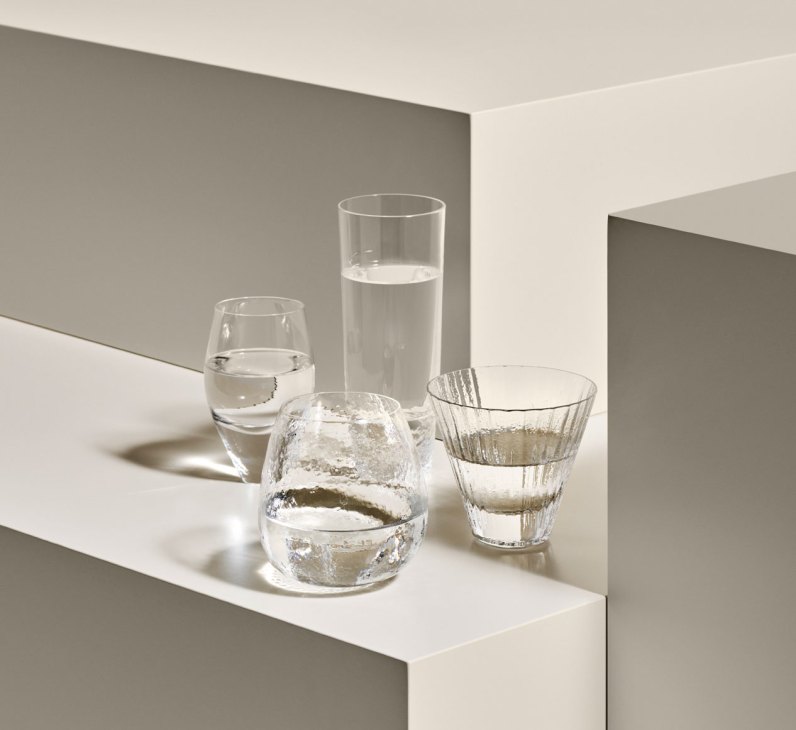
Outstanding glassware doesn’t just come from Europe. We suggest that you pay a visit to Sugahara Glassworks in Chiba, Japan. Founded in 1932 by current company president Yusuke Sugahara’s grandfather, it has, over the course of three generations, emerged as one of the world’s leading glassmakers. And it’s not just the quality of its products that we love but the way it goes about its work, with a hands-on, creative approach. “The unique culture of our factory is that the craftspeople design what they make,” says Sugahara. “In that moment when the glass is hot and changing its form, there are things only the producers can notice and think of.”
sugahara.com
8.
Best public space
Tallinn Cruise Terminal by Stuudio Tallinn and Salto Architects
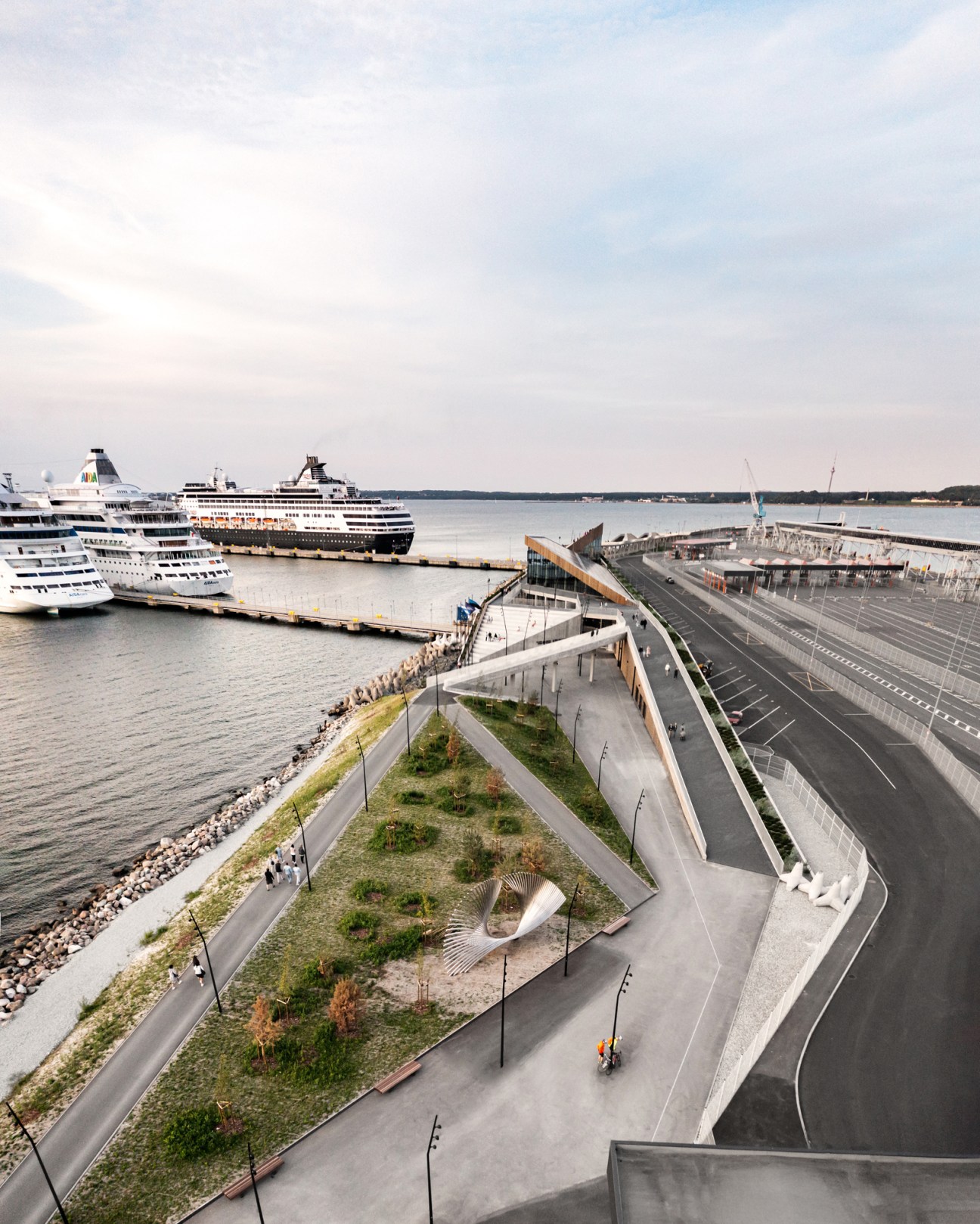
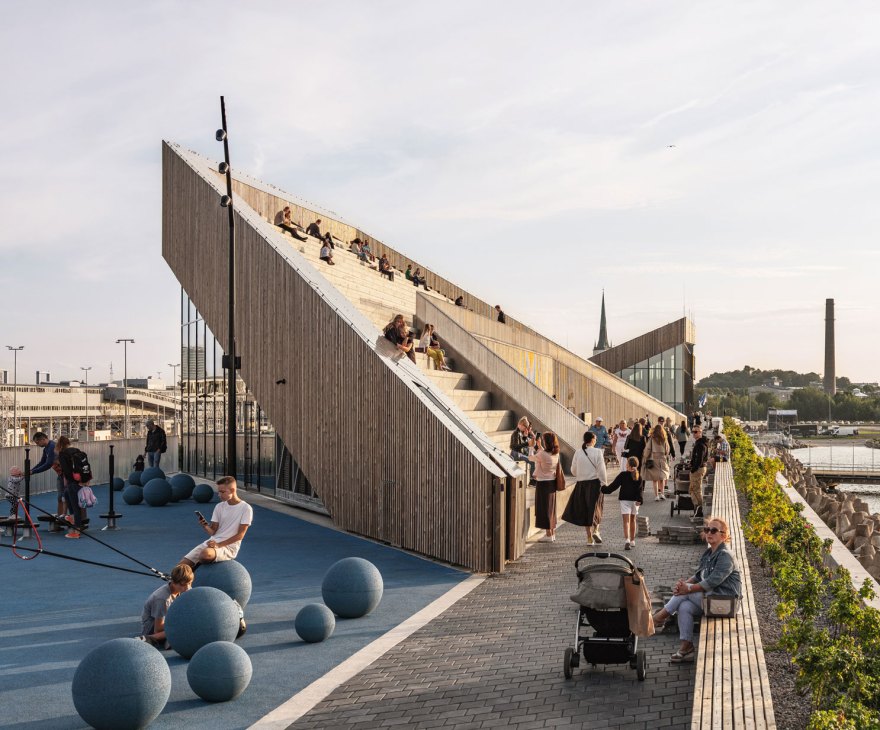
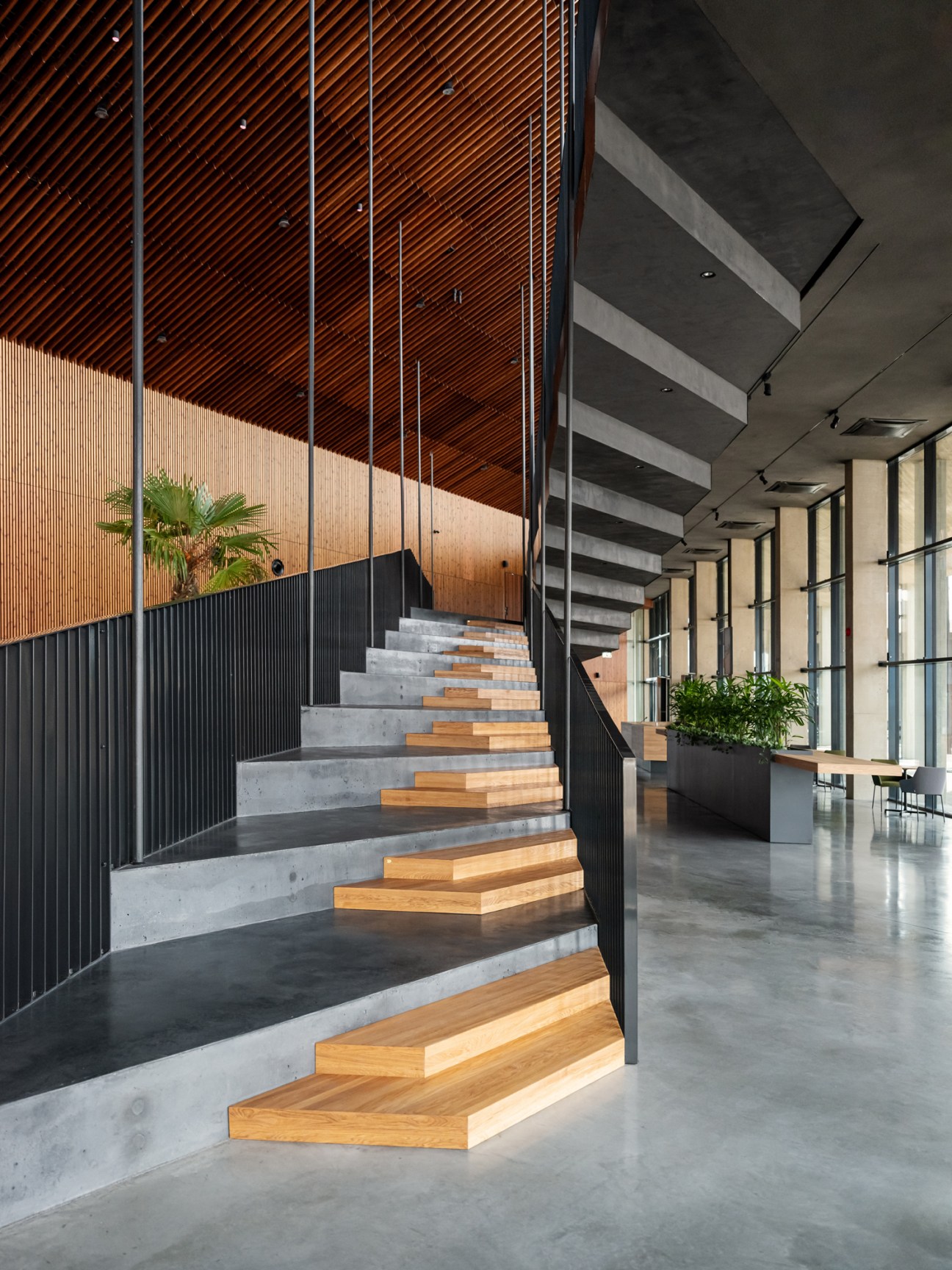
Cruise-ship terminals are rarely places to linger, yet this effort from Stuudio Tallinn and Salto Architects has transformed Tallinn’s port into a charming public area. The architects created a new terminal building that has a public plaza on its roof, complete with a playground, restaurant, café and promenade. In the process they have turned the port area into a magnet not just for visitors but for locals too. “Every time I walk past, even if it’s very cold, there are people strolling around or doing sports,” says Villem Tomiste, founder of Stuudio Tallinn. “It has become a living room for the city.”
stuudiotallinn.ee; salto.ee
9.
Smartest garden
Vitra Garden
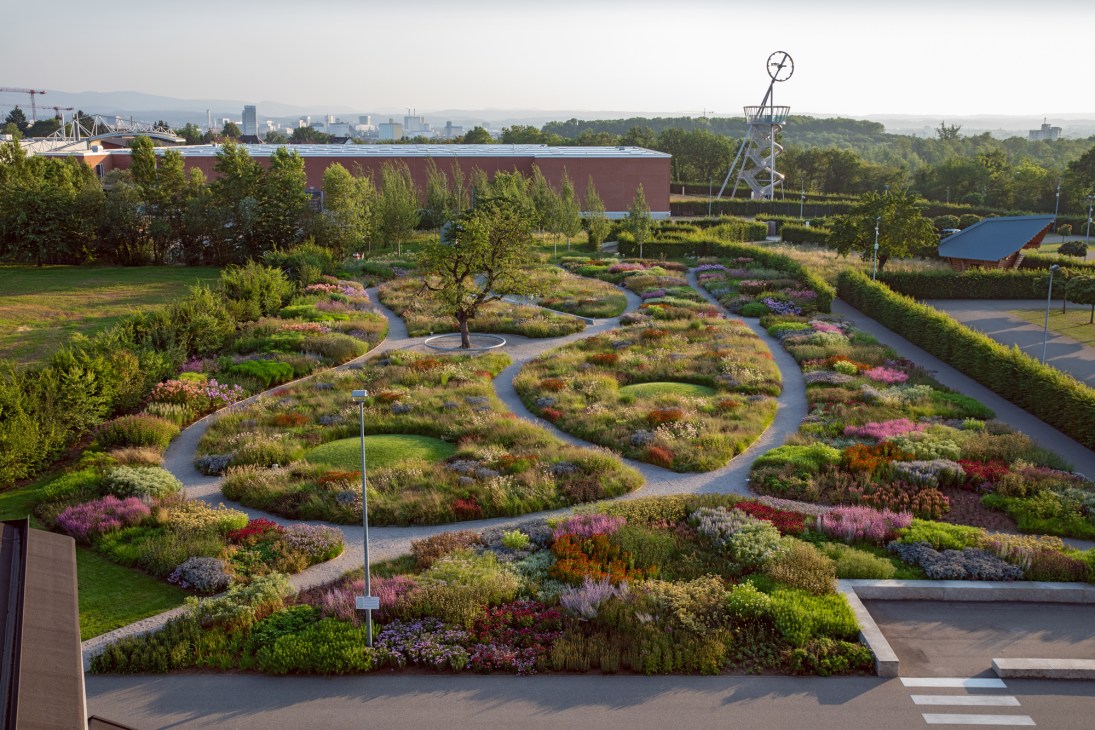
A good garden should flourish in all seasons and strike a balance between feeling cultivated and wild. These are the traits found in Piet Oudolf’s garden made for Vitra, at its Weil am Rhein campus, and why we think it’s a winning work of landscape design. “I want people to lose themselves in the garden instead of just passing through it,” says Oudolf. “That’s why I developed a system of small paths, without straight lines or a focal point at the end.” The effect is a place where people naturally stop and smell the flowers – the true mark of any garden’s success.
vitra.com
10.
Best reissue
657 Serving Cart by Cassina
The story goes that Danish architect and designer Bodil Kjaer used to throw lively dinner parties but found them challenging because her dining room wasn’t close to the kitchen. Ever the problem solver, this inspired her to design the Serving Cart in 1963 and with Cassina’s restoration of the solid wood multi-shelf trolley’s production, it’s enjoying a comeback.
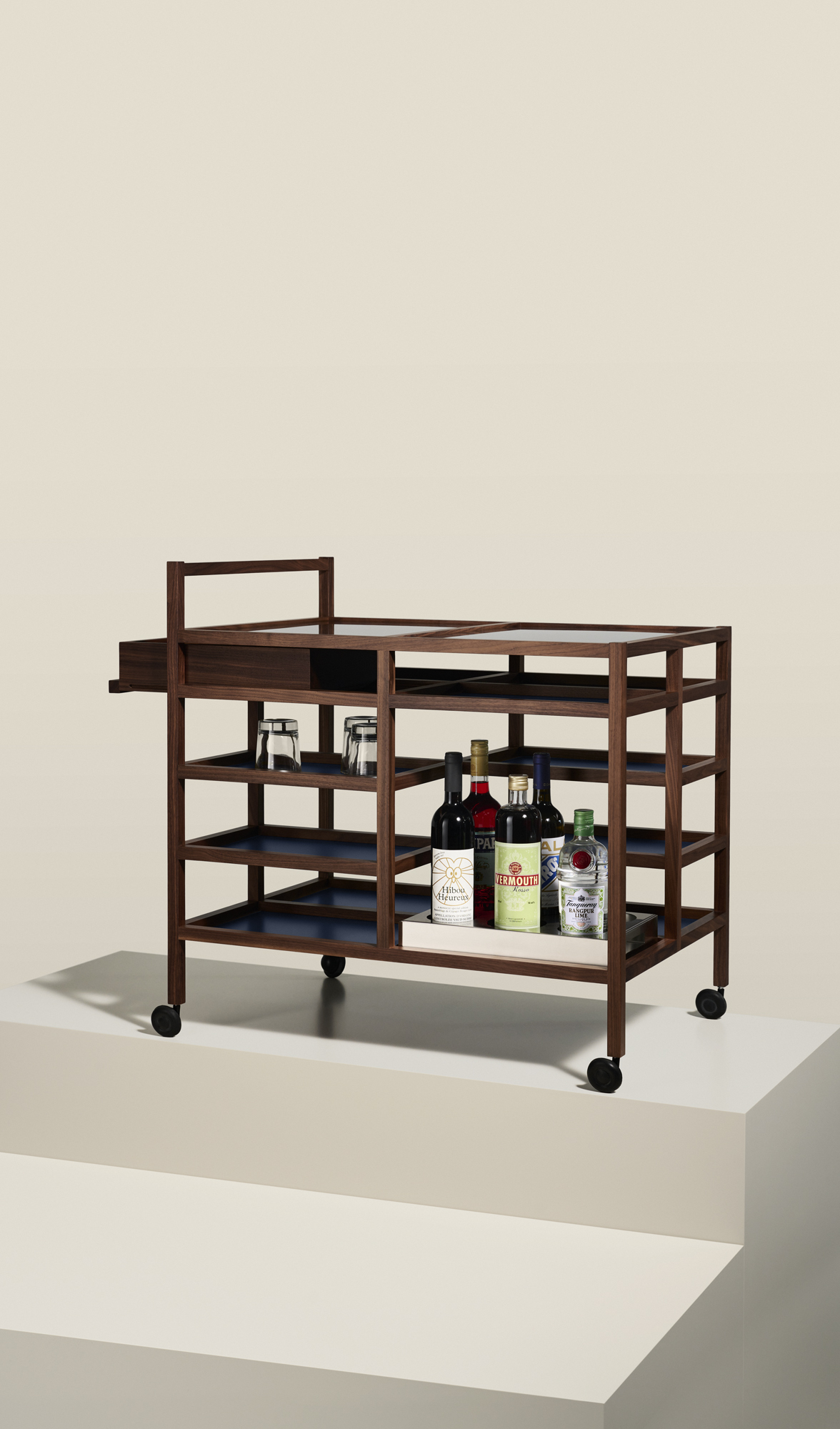
A good bar cart never goes out of style, which is why we’re honouring this re-edition that introduces optional new compartments, containers and a bottle holder, and features a tough brushed stainless-steel top.
cassina.com
11.
Best in print
Studio Mathias Clottu
While you can’t always judge a book by its cover, you are much more likely to pick it up if it has been beautifully designed. That’s where Mathias Clottu comes in. London-based Clottu possesses the rare skill of elevating editorial design to high art. While he also excels at creating slick websites and visual identities for curators, editors and organisations, it’s his editorial work that has really caught our eye.
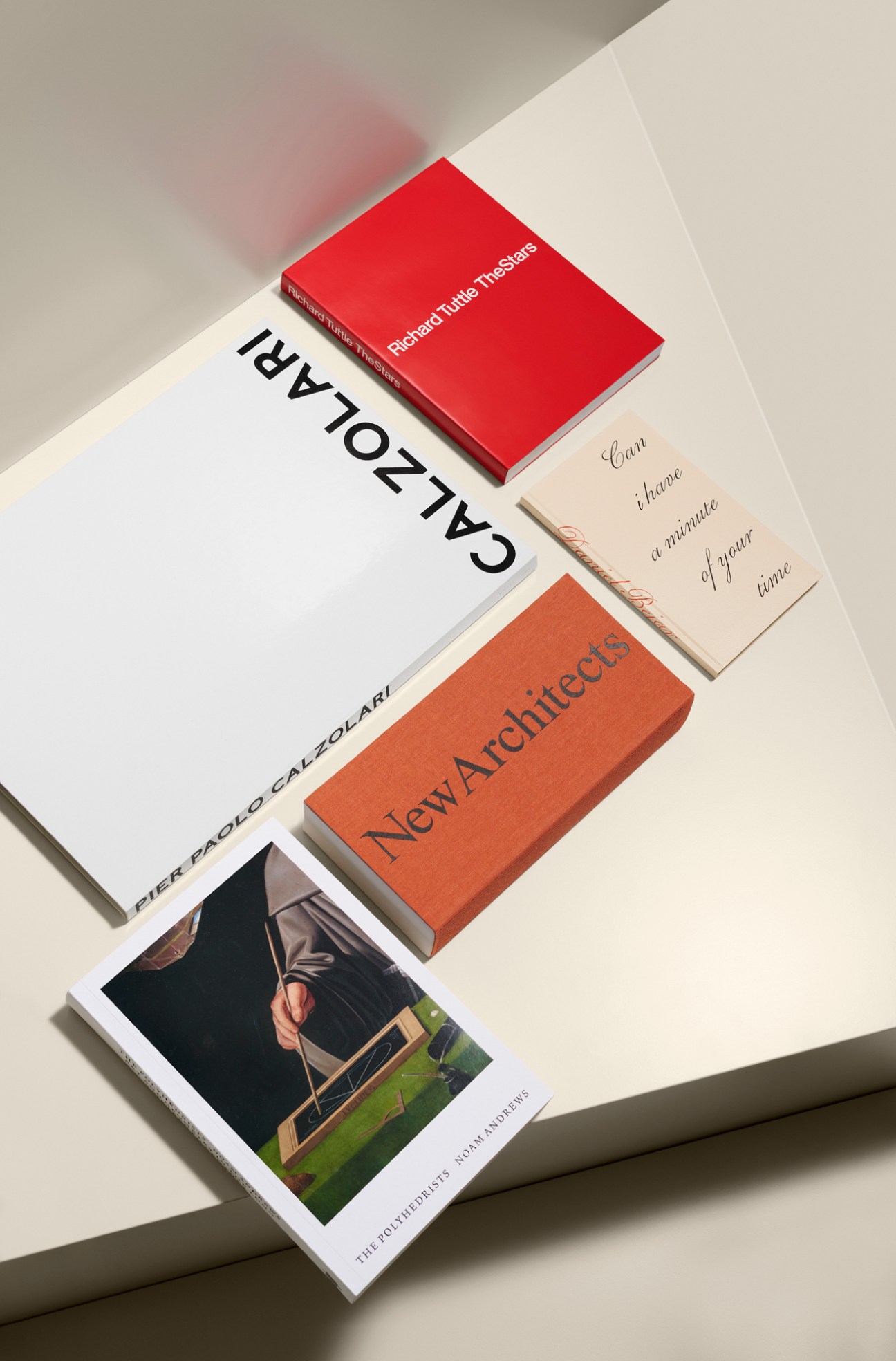
Born in Sainte-Croix, Clottu studied at Lausanne’s illustrious Ecal university before working for UK designer John Morgan. In 2016 he launched Studio Mathias Clottu and has since worked on projects such as literary magazine The Fence and architecture textbooks for MIT Press. “The strength of being a small independent studio is that we’re flexible and can work really closely with clients,” says Clottu. “It’s important because with editorial work the design can have a real impact on the content.”
mathiasclottu.com
12.
Best runaround
Meyers Manx
The Meyers Marx looks like it could run on Californian sunshine. “It makes you smile and you don’t know why,” says CEO Freeman Thomas, who has helped to design some of the most characterful cars of the last 30 years, not least the Audi TT. He and a team of young designers are bringing the old Meyers Manx up to speed in a workshop in Newport Beach, close to where the first dune buggy was built.
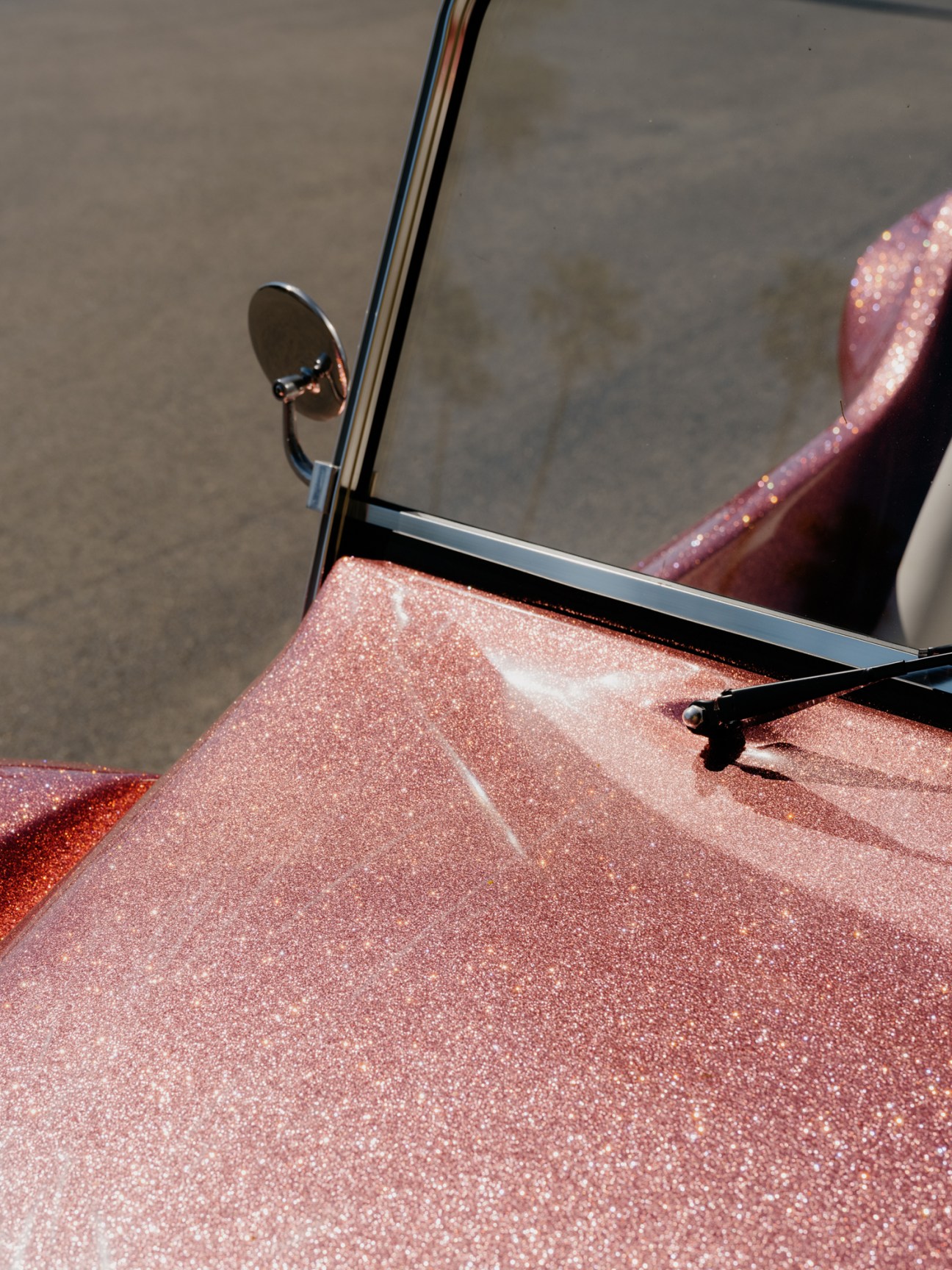
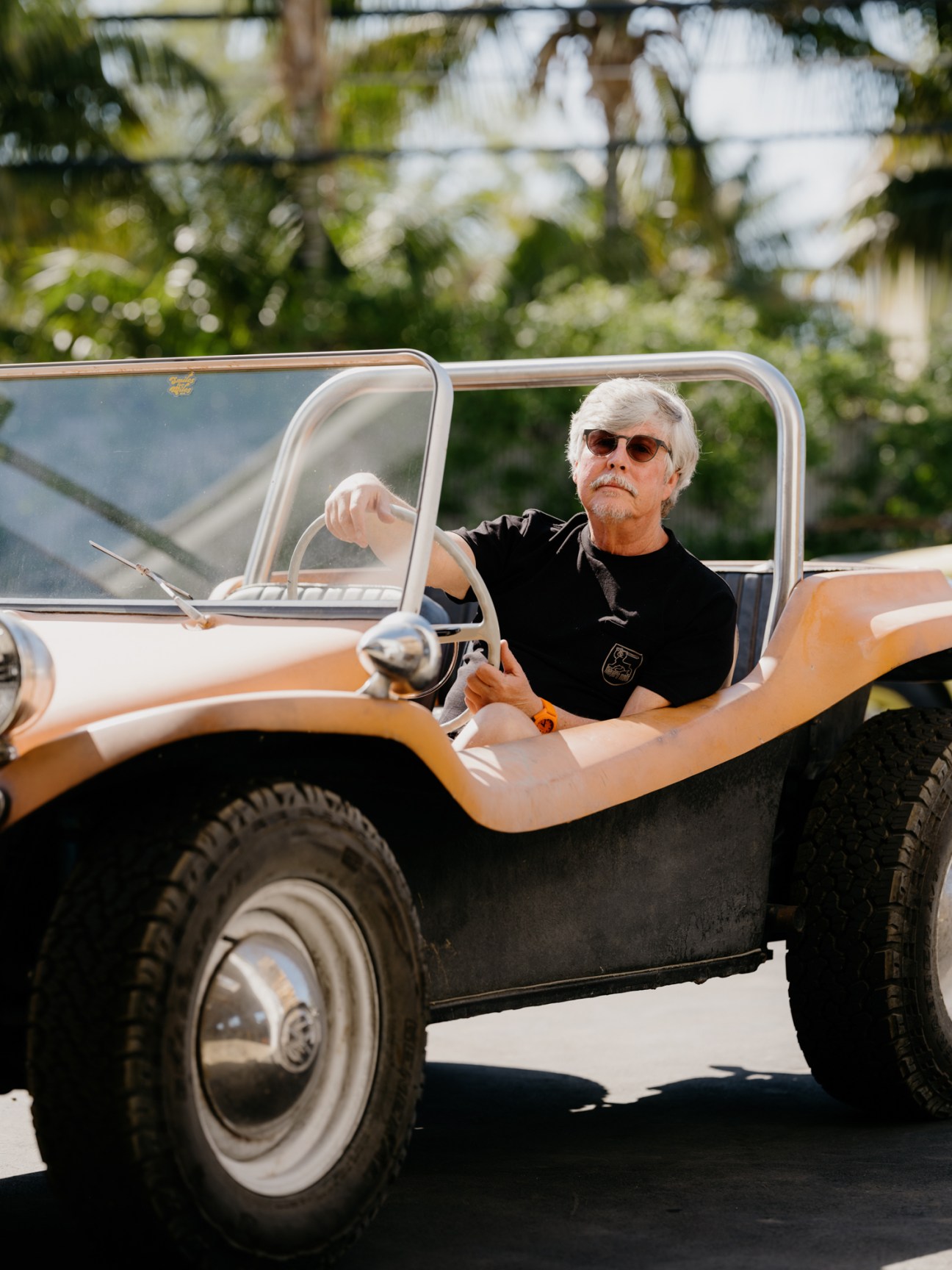

To make the original in 1964, designer Bruce Meyers shortened a Volkswagen Beetle chassis and attached a fibreglass body, which he’d learnt how to make from shaping surfboards and boat moulds. He sold them as handy kits for people to build at home. Thomas’s team has taken 3D scans of the original body moulds, updated the suspension and engine, and smoothed out the design kinks that came with its DIY aesthetic.
Beyond those still produced and sold from Newport Beach, an electric-powered Manx is in the pipeline. Sign us up.
meyersmanx.com
13.
Smartest student project
Solar Greenhouse
Projects found scattered about the campuses of design schools are often idealistic, seeking to respond to some of the world’s most pressing issues. The Institute for Advanced Architecture of Catalonia is no exception. At its Valldaura Labs, a workspace housed in a 19th-century building, it runs a master’s programme for 18 students – and it’s their most recent project that we want to celebrate. Called Solar Greenhouse, it’s a two-level wooden pavilion equipped with a solar-panelled roof for collecting energy and an intricate hydroponic system designed for growing produce as efficiently as possible. It cannily tackles a range of urban challenges – something that many professional designers struggle to do to similar effect.
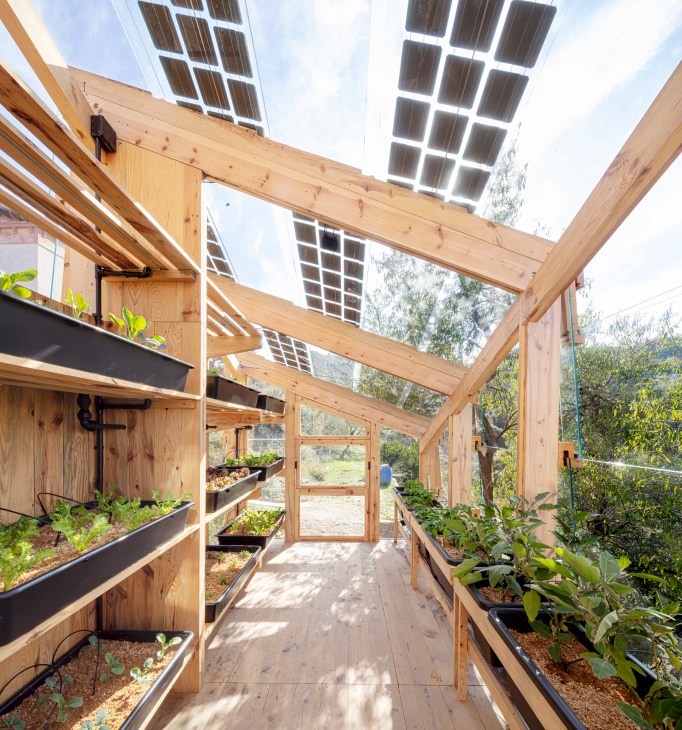
“It’s a self-sufficient building that makes small-scale urban farming easy,” says Valldaura Labs director Vicente Guallart. “We want to replicate this prototype on city rooftops around the world.” With food supply chains in urban environments almost always under pressure, here’s hoping they do.
iaac.net
14.
Best education building
Startup Lions Campus by Kéré Architecture
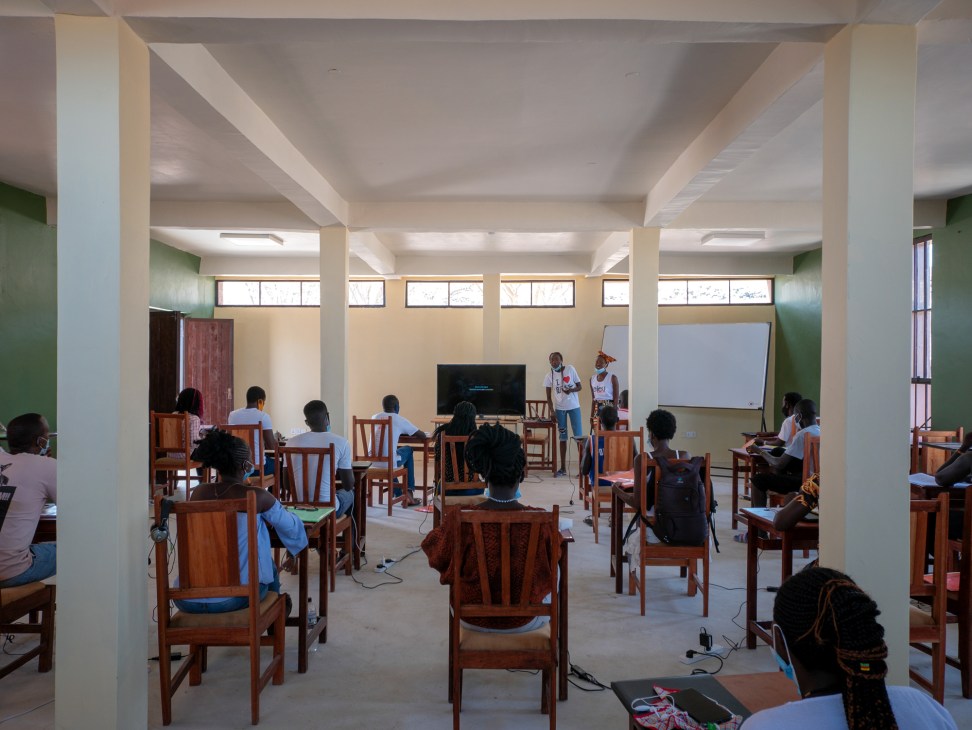
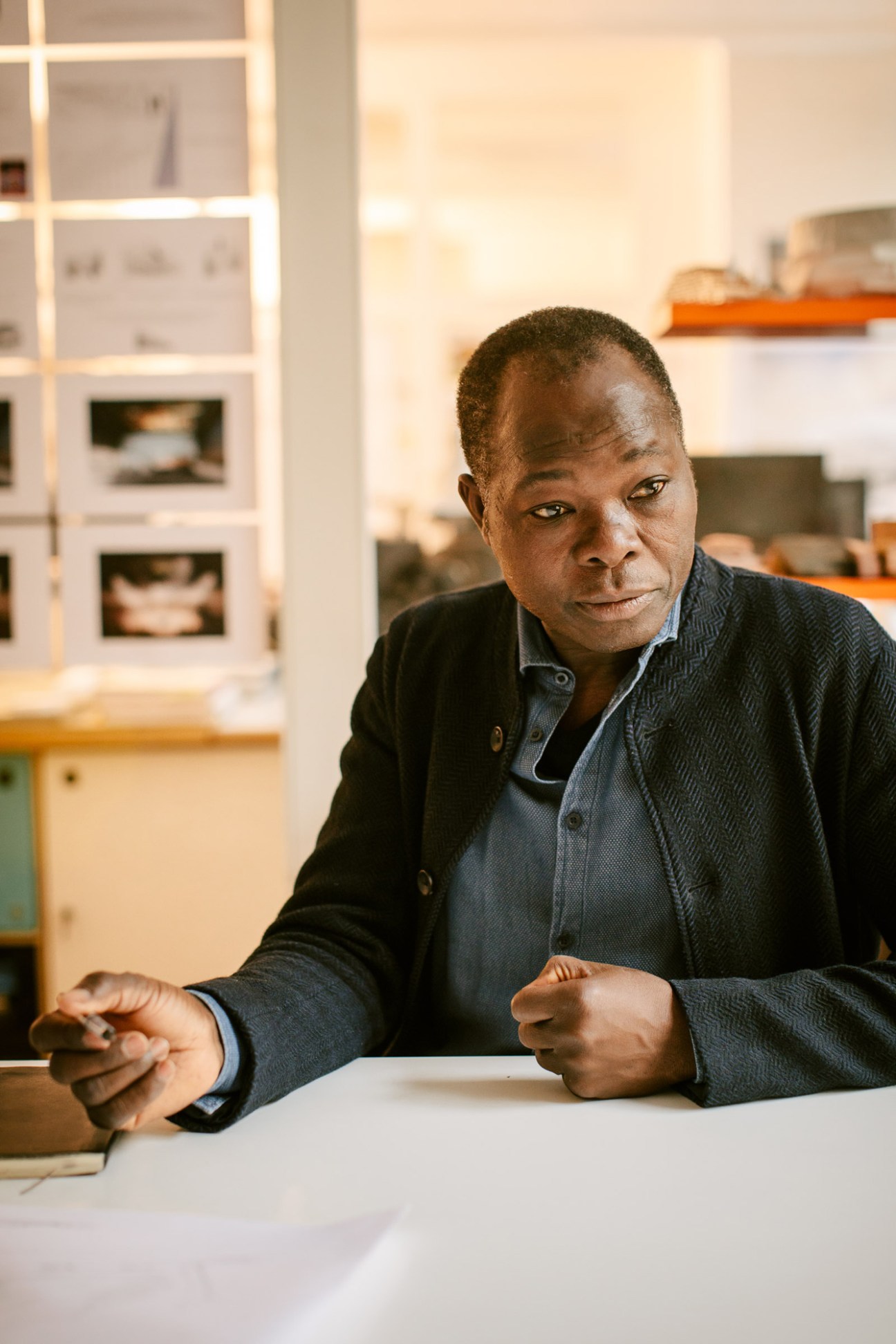
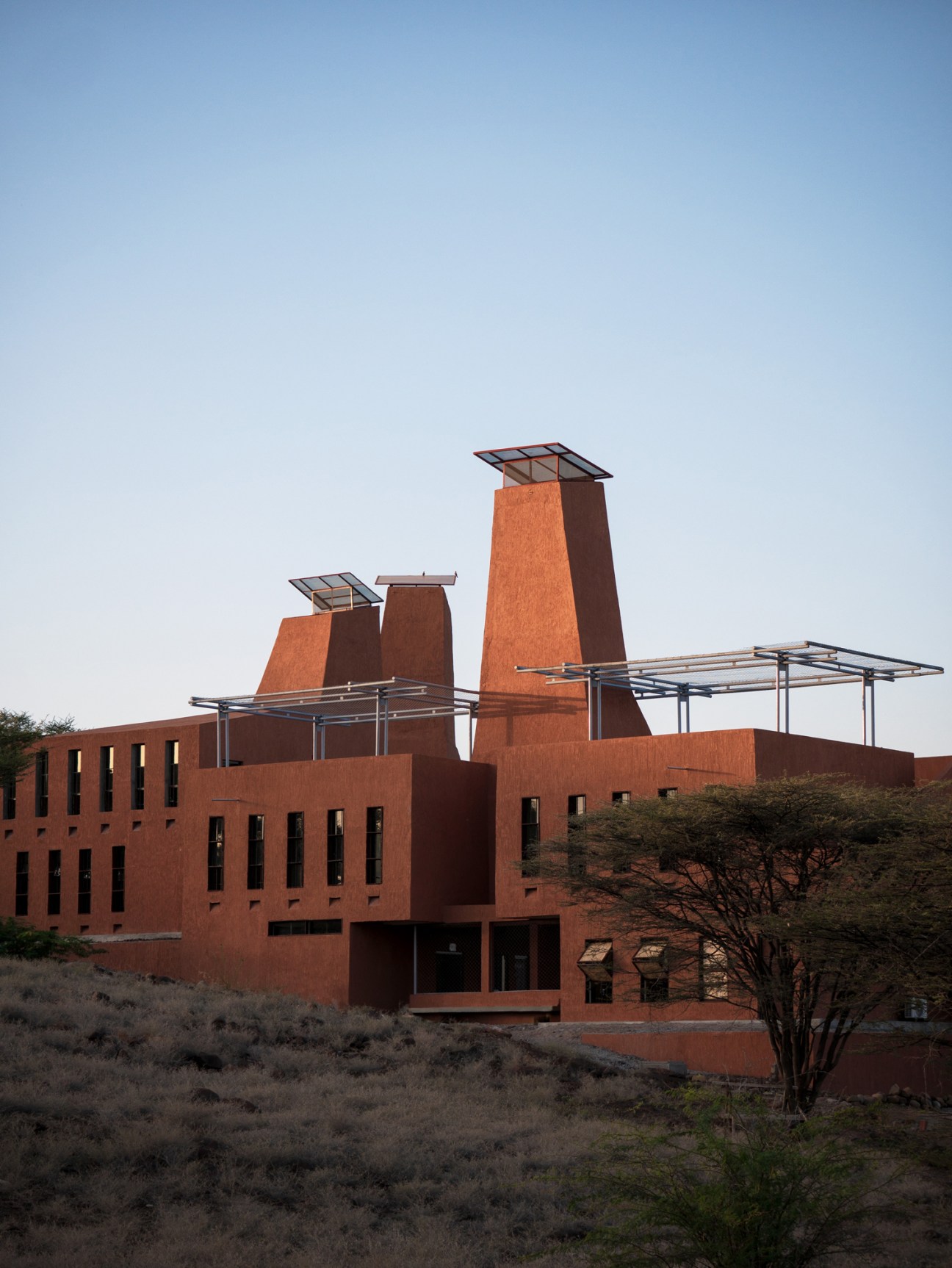
This campus for entrepreneurs was designed by Burkinabé-German firm Kéré Architecture, led by this year’s Pritzker prize winner Francis Kéré and aimed to blend with the natural landscape. The three terracotta-coloured ventilation towers cool the campus by drawing hot air out of the site’s lower levels, a technique borrowed from termites that burrow vents into their mound-shaped nests.
kerearchitecture.com
15.
Best curator
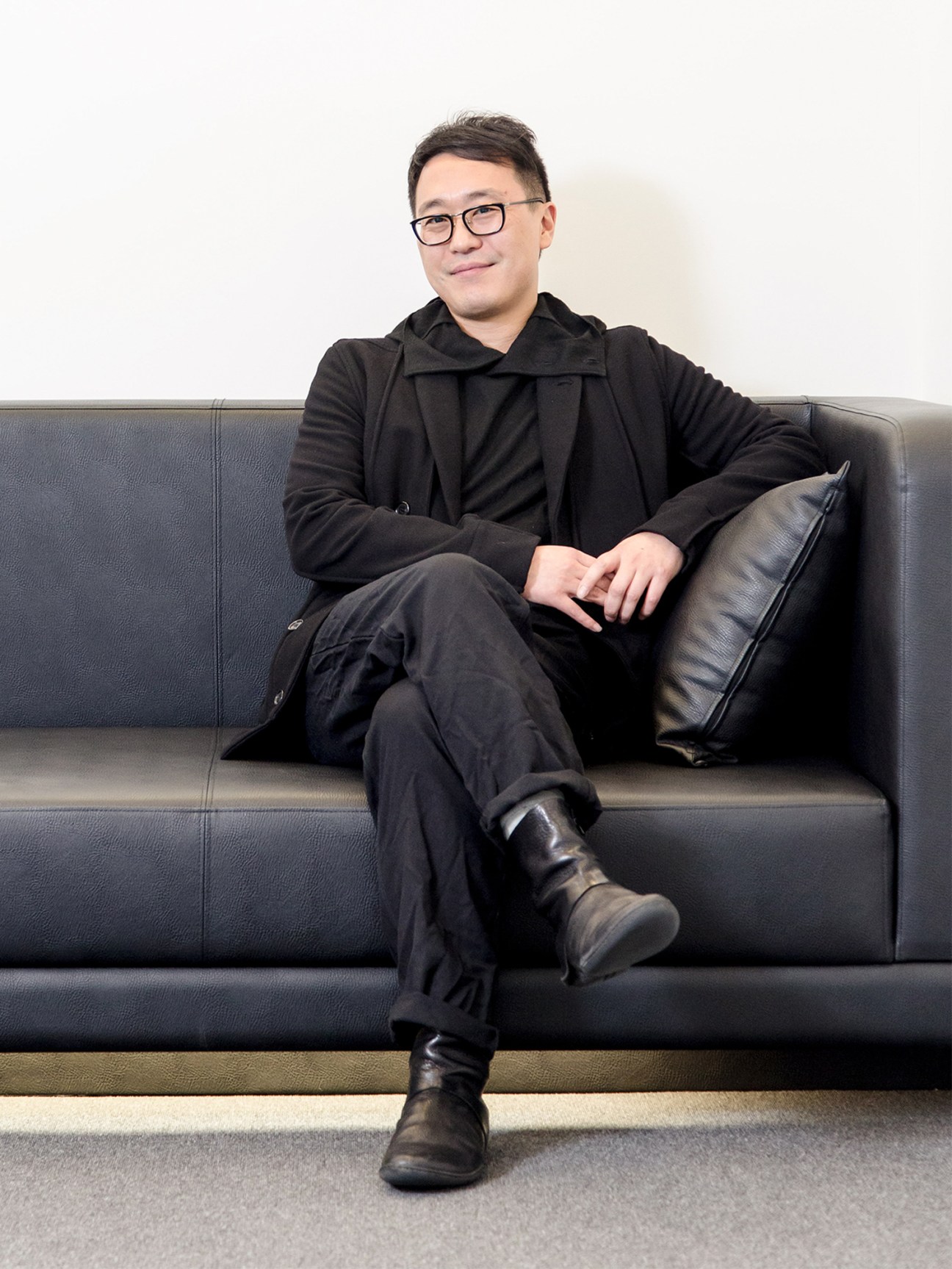
Doryun Chong
Asia’s art landscape changed with the recent opening of M+, Hong Kong’s museum of visual culture. But we’re most excited about the fact that its permanent collection embraces architecture and design too. It’s for this reason that we’re celebrating chief curator Doryun Chong. By including chairs by the likes of Kenzo Tange and models of buildings by Woha Architects, Chong has brought designers into the world of museumgoers.
mplus.org.hk
16.
Most in-demand design
Hyundai Casper
While Hyundai’s cute, ultra-compact SUV Casper is only available for the South Korean market for the moment, we’re hoping that this award might push the company to consider exporting the concept beyond home shores.
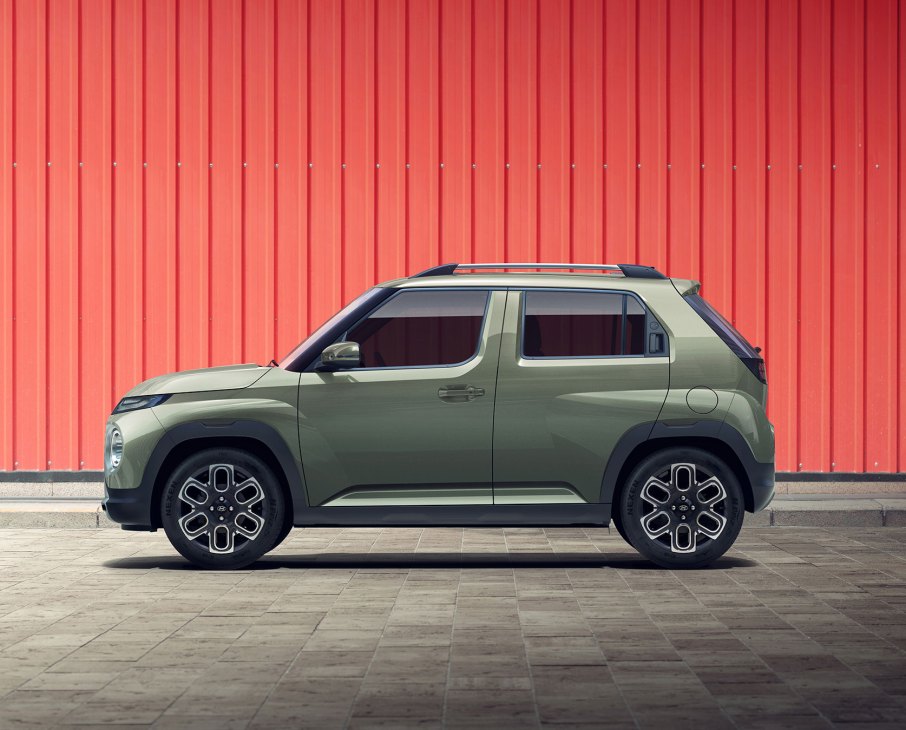
We love it because the design is pure function. From the roof rack that comes as standard to the surprising amount of storage space engineered into a car of this size, this an urban runaround that’s not too tiny to be taken on the open road for longer journeys. With an accessible price point, an economic engine and a sleek exterior finish, this design does it all.
hyundai.com
17.
Finest craftsmanship
Les Éditions de Tapis
For a living room to look, well, lived in it needs a rug. They bring warmth to the whitest of walls and texture to concrete floors. So we’re rewarding the work of Dijon-based designer Thomas Coccimiglio who, under the brand name Les Éditions de Tapis, creates rugs featuring sunny natural colours and minimalist patterns.
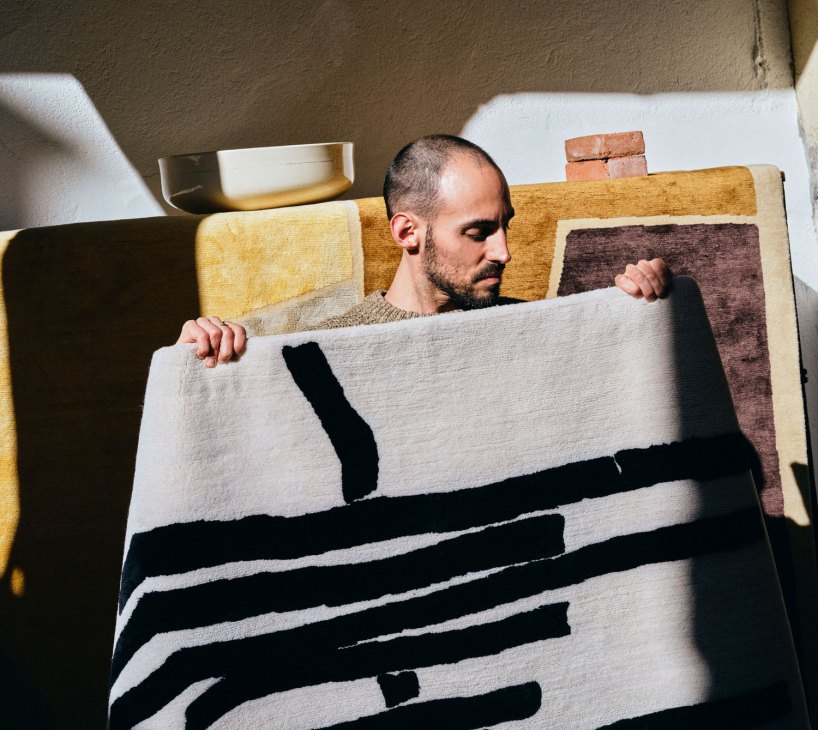
All of Coccimiglio’s pieces are hand-tufted by Nepalese and Indian artisans using traditional techniques, vegetable dyes and natural fibres, including silk, mohair and Himalayan highland wool. “A tapis is something that’s always there,” he says. “It needs to leave space not only for the room to breathe but for the mind to wander, too. One day you might see a flower; another day an animal or a kissing couple.”
leseditionsdetapis.com
18.
Best business model
Nadén Arkitektur
Sweden is known the world over for its woodcraft. But sometimes, in the rush to build bigger wooden projects, the attention to detail of fine carpentry can be left behind. Nadén Arkitektur doesn’t have this problem. The firm, founded by architect Per Nadén, draws on the master woodworking skills of his carpenter brother Pontus to consider every detail of a building.
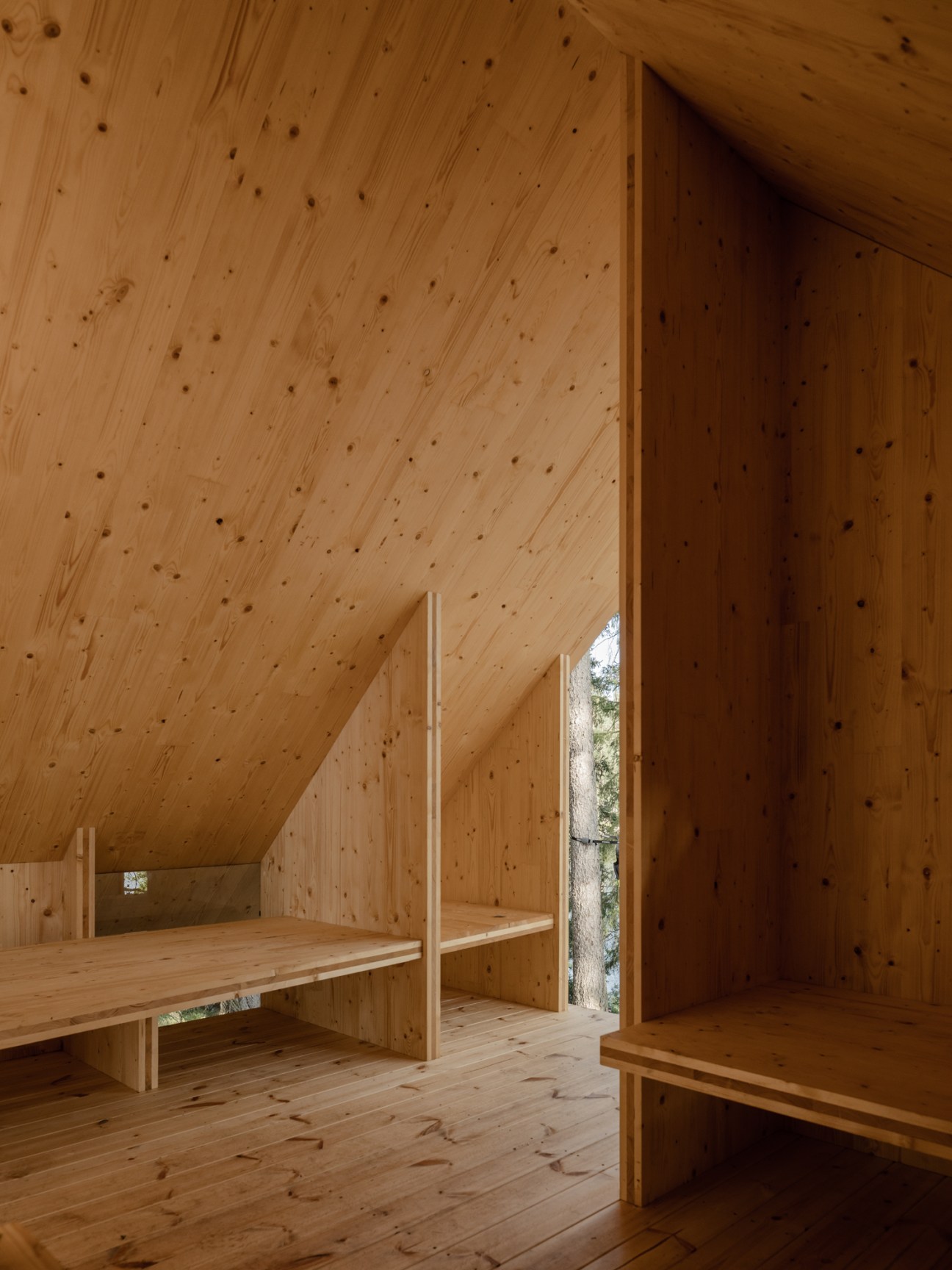
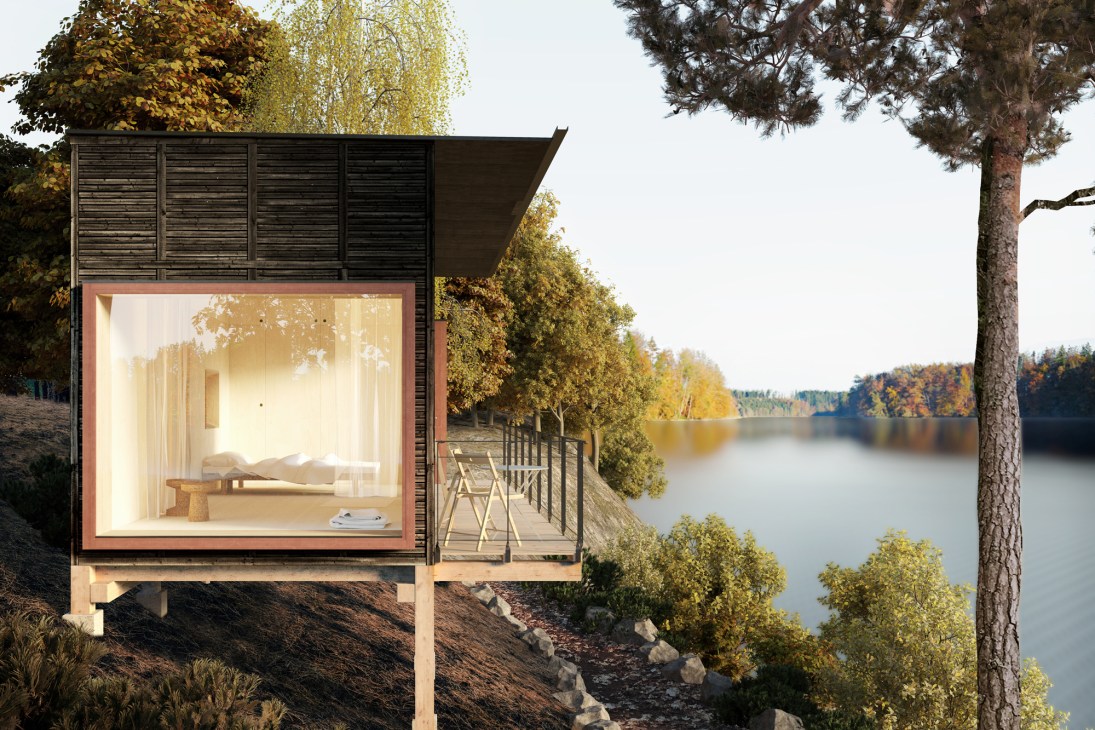
“We’ve become very adept at looking at the finest detailing and furnishing,” says Per. “Working with my brother and learning from his carpentry knowledge has really made me think properly about scale.” We present this award in the hope that it will inspire architects to consider every nook and cranny of a project, to truly maximise its value.
pernaden.se
19.
Best diplomatic address
Residence of the Swiss ambassador
From the street, the newly built Swiss ambassador’s residence in Mexico City doesn’t seem like an obvious place for a party. It looks like a bunker, with a windowless concrete façade. But the more you move through the site, though, the more it opens up and surprises you. “It is, above all, a working instrument for diplomatic events,” says Ambassador Eric Mayoraz, the current occupier of this residence.
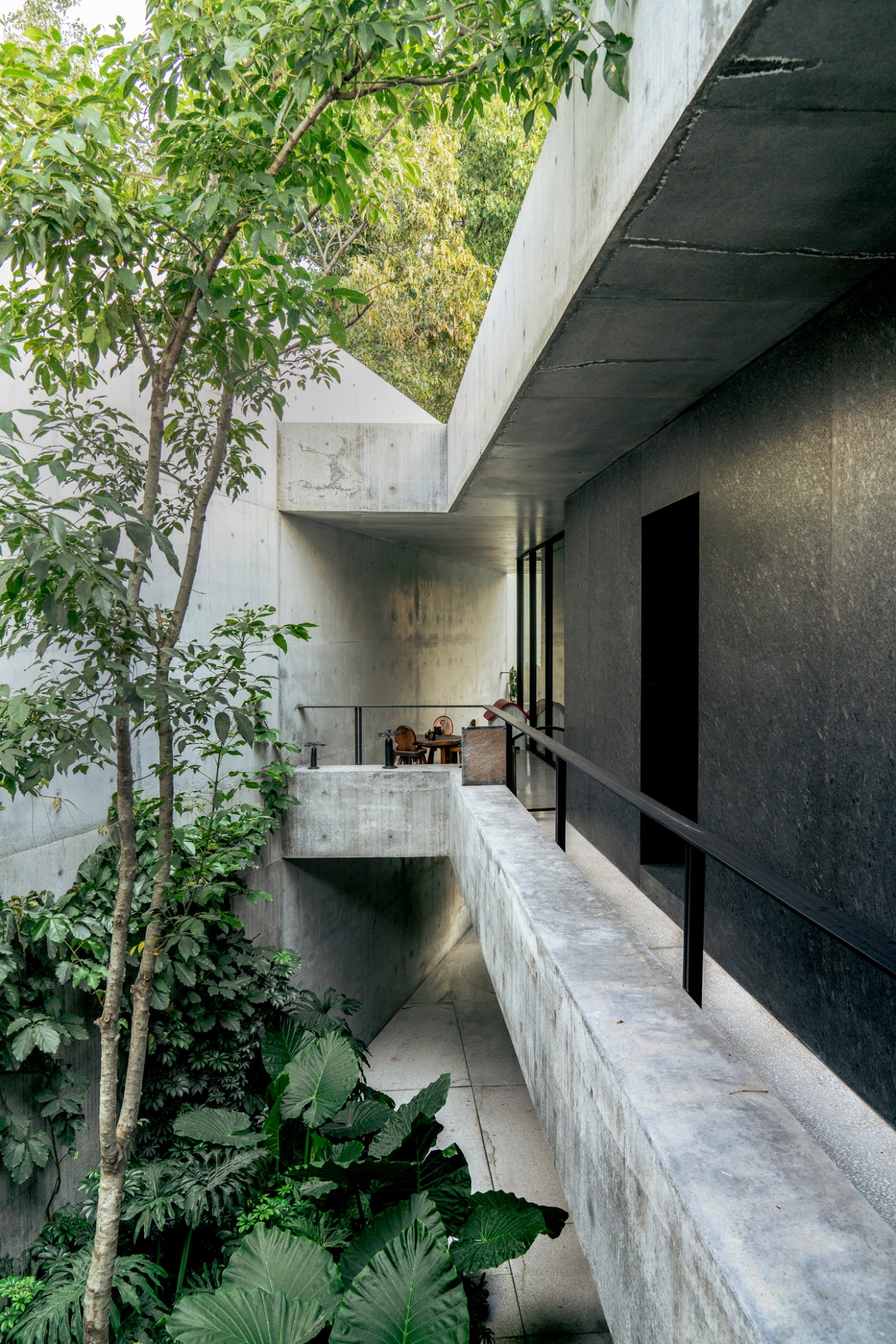
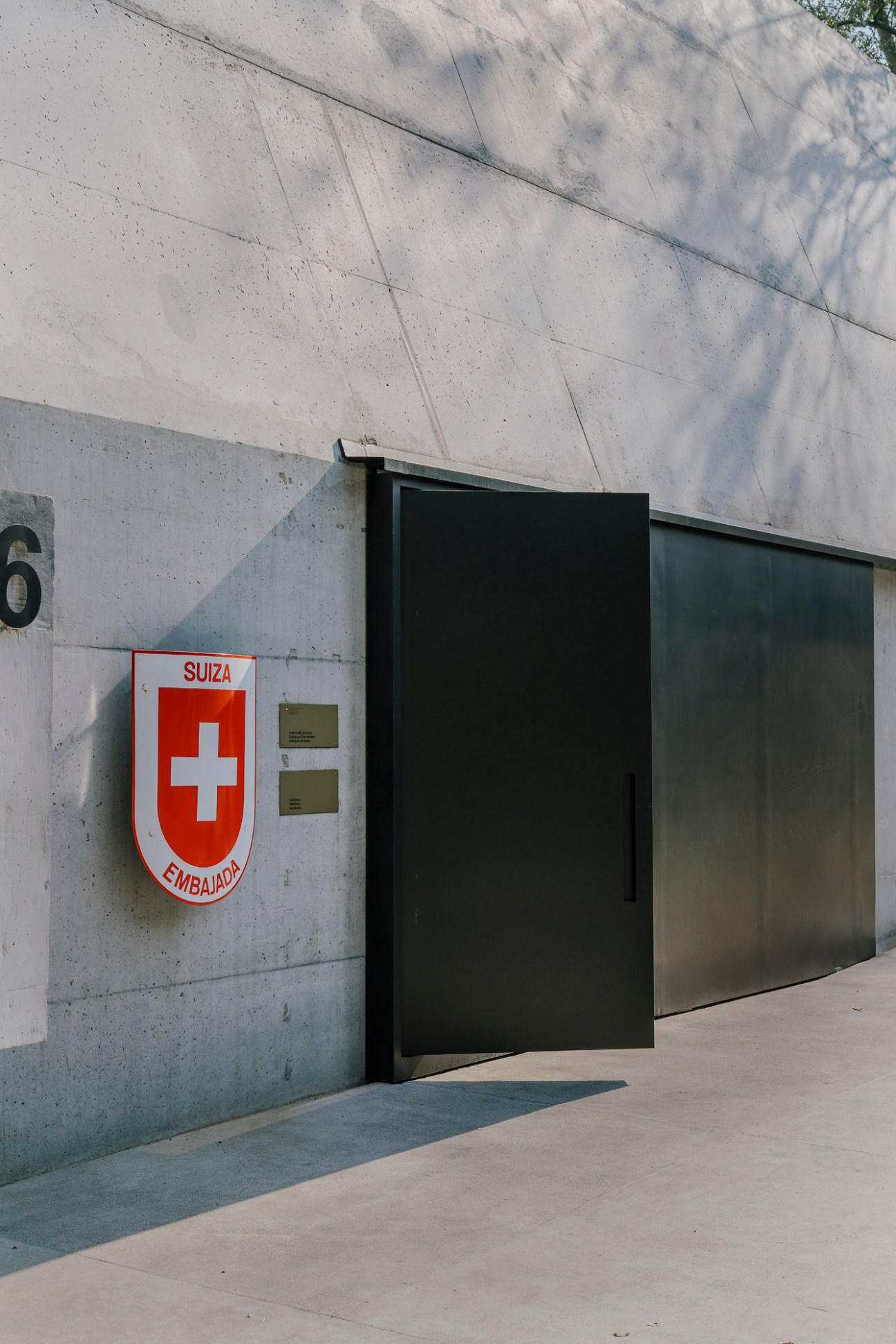
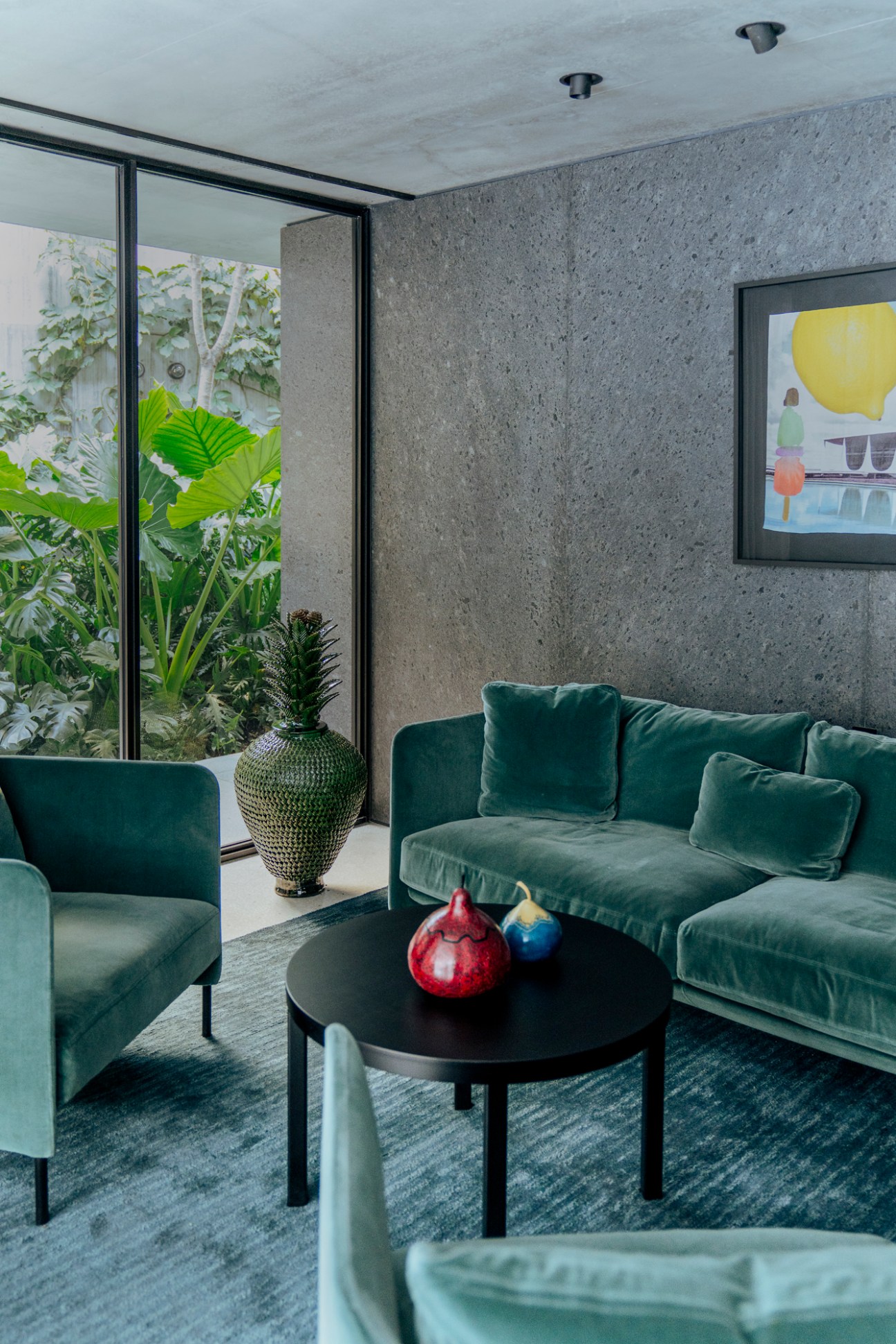
On balmy evenings the setting is filled with guests enjoying a space that feels like the best of two countries. For the architects – Mexico City-based Abel Blancas Morán, and Carlos Viladoms and Guillaume Henry of Geneva’s fhv Architectes – Swiss aspects are conveyed by what Henry calls a “floorplan that is functional and expresses simplicity”. Mexico, on the other hand, is signified by the lush and colourful flora integrated throughout the grounds. “The city’s year-round climate influenced the design of the house,” says Henry. “We blurred the boundary between the indoor and outdoor.” For a building referencing two very different nations, the resulting design is a remarkable success. “It feels Swiss but, when you look outside, you know you are in Mexico,” says Blancas Moran.
fhvarchitects.ch; blancasmoran.com
20.
Architect of the year
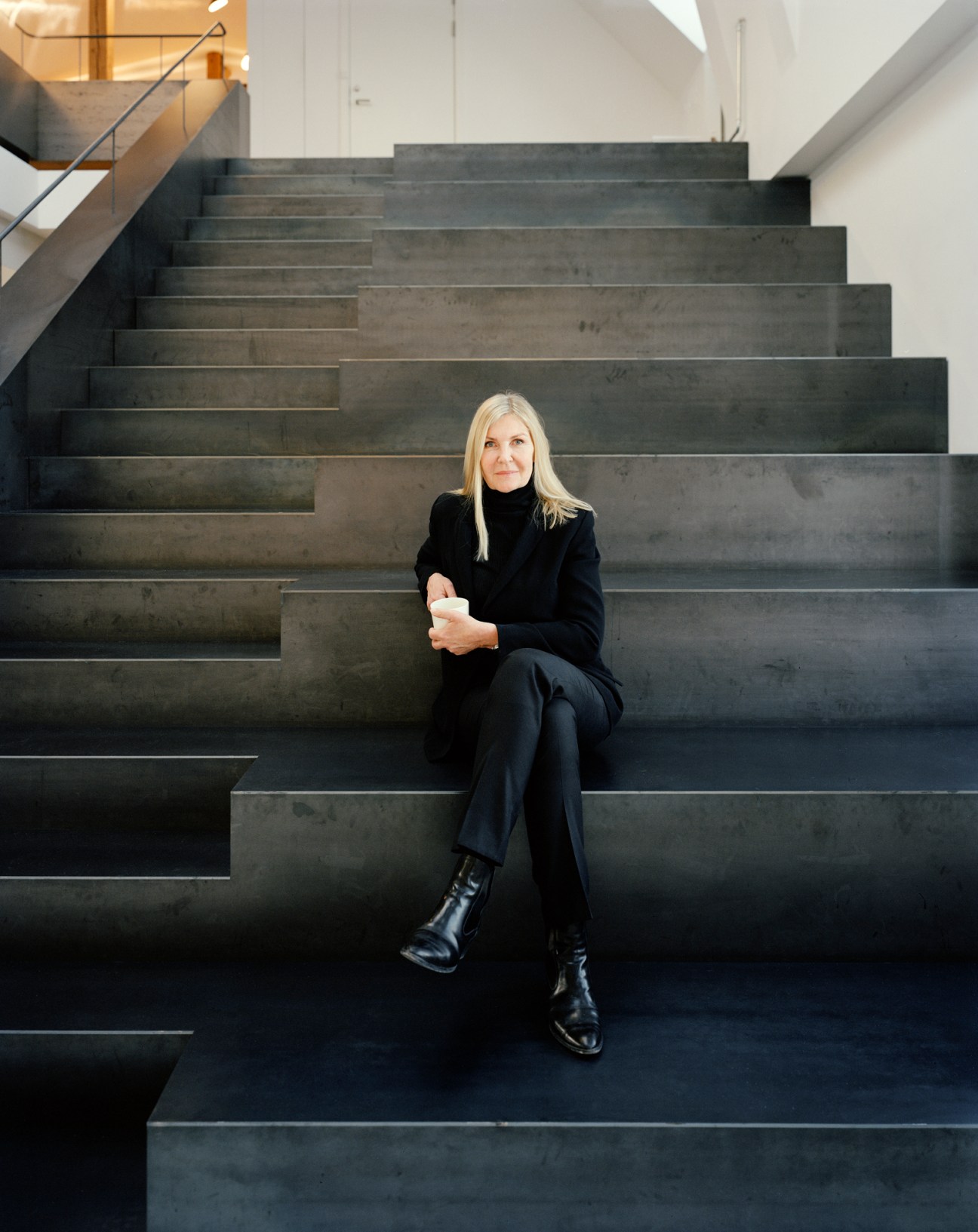
Dorte Mandrup
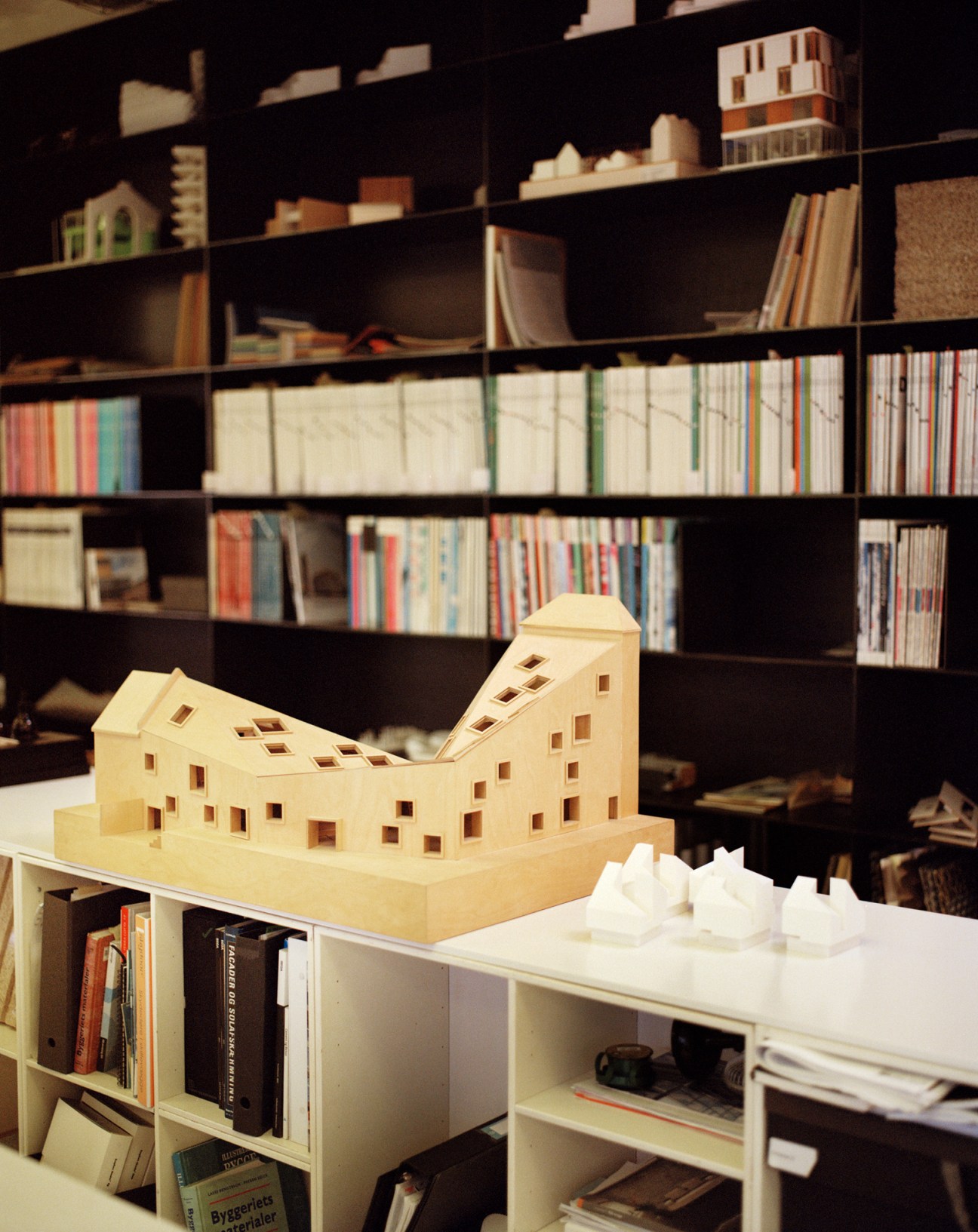
The most famous buildings by Dorte Mandrup, Monocle’s Architect of the Year, are in places few would visit by chance. The Wadden Sea Centre is by a nature reserve on Denmark’s west coast, while the Ilulissat Icefjord Centre sits next to a glacier in Greenland: both near Unesco-protected grounds.
Why are your designs so well suited to remote, natural environments?
We always go to point zero. Instead of looking at other visitor centres, for example, we do a landscape analysis and try to understand the building history of the area. There is always a functional reason why things look like they do.
Will more prestigious projects for architects be outside large cities?
We’ve been invited to many competitions that focus on bringing out the qualities of the landscape and pointing out climate change and threatened biotopes. There’s an interest in the biosphere and in trying to understand how everything is connected. In that sense, there is a move towards things happening outside cities.
What role can architecture play?
We can see a global social decline in the countryside. There’s a need to bring in quality workplaces in a sustainable way. In Denmark the Wadden Sea Centre has meant something to this region that is regarded as the outskirts. Now people are travelling in from cities – and they don’t just visit the centre but they stay at a bed and breakfast, go to restaurants, maybe discover something else. Architecture can bring about social change.
dortemandrup.dk
21.
Most terrific transport initiative
SAS Royal Hotel Bus

At Monocle we always enjoy the revival of a classic piece of design – which is why we’re keen to celebrate a new initiative from &Tradition. The Danish brand is using a decommissioned 1960s shuttle from the sas Royal Hotel as a modernist tour bus, offering trips during the 3 Days of Design festival in Copenhagen this coming June. Designed by late architect and designer Bent Severin, the bus is decked out in sas Airlines’ colours and used to carry passengers from the hotel’s bar to the airport. Soon it will take lucky design enthusiasts on guided tours, with stops at the city’s most iconic modernist buildings. It’s an idea we’re certainly on board for.
andtradition.com
22.
Best carpenters
SPSS Design Studio
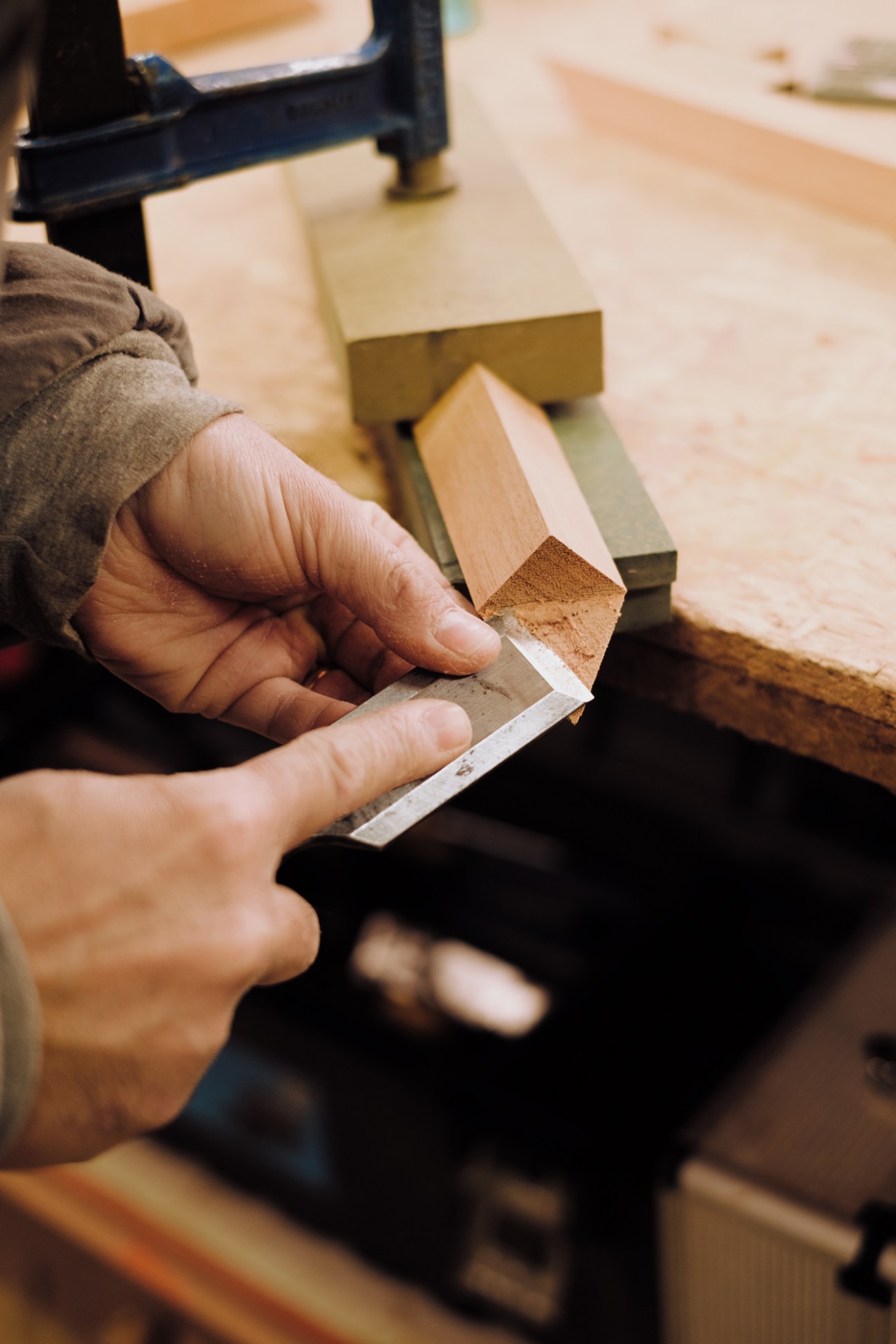
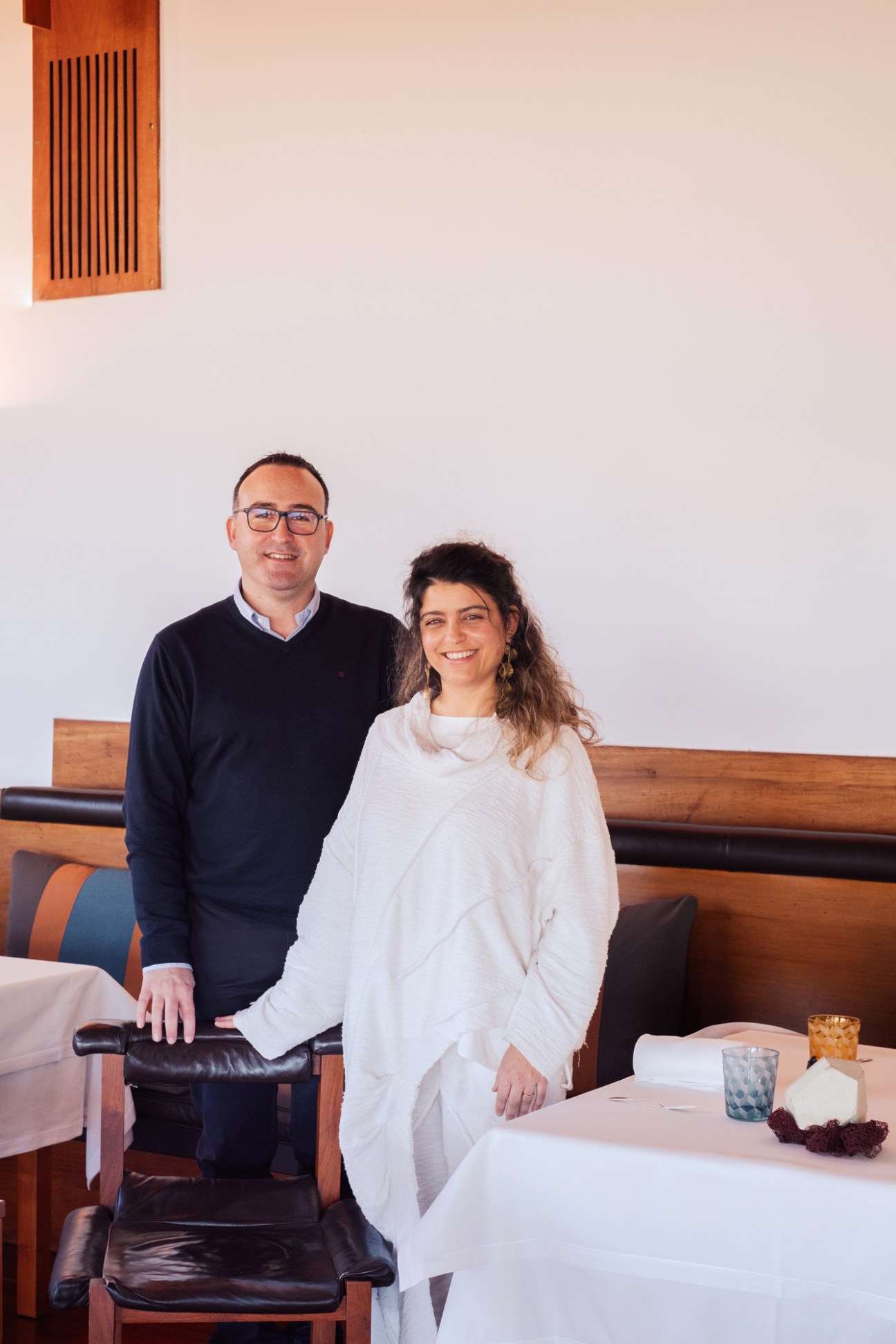
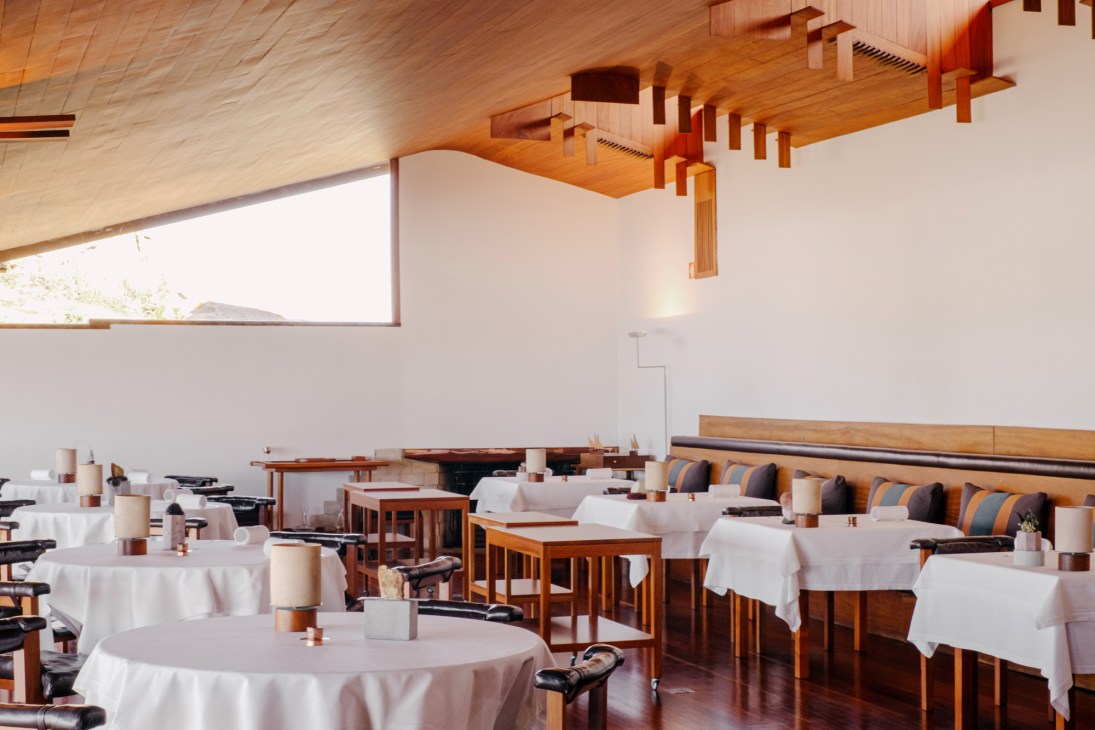
Fashioning bits of solid wood into beautiful shapes requires skill and a good eye. Porto-based carpenters spss Design Studio live up to the mark with their precision workmanship. Prominent architects, including Pritzker prize winner Álvaro Siza Vieira, regularly call on their services. “Translating an architect’s sketches for interiors and furnishings into reality is often a collaborative process as they come and discuss ideas,” says Pedro Simões who, with his sister Helena, represents the fifth generation of the family business. To enjoy the firm’s best-known work, head to the Siza-designed Casa de Chá da Boa Nova, north of Porto. Here, the seaside restaurant of chef Rui Paula boasts stunning seating in exotic Afzelia hardwood.
spss.pt
23.
Best community builder
Limbo Accra Builders
Dominique Petit-Frère and Emil Grip are on a mission to develop better building practices in Africa. And they are making headway, earning their studio this award. Petit-Frère studied international relations in Sweden before moving to Ghana and establishing design studio Limbo Accra with Grip in 2018. “I wanted to apply my training to impact the built environment in west Africa,” says Petit-Frère.
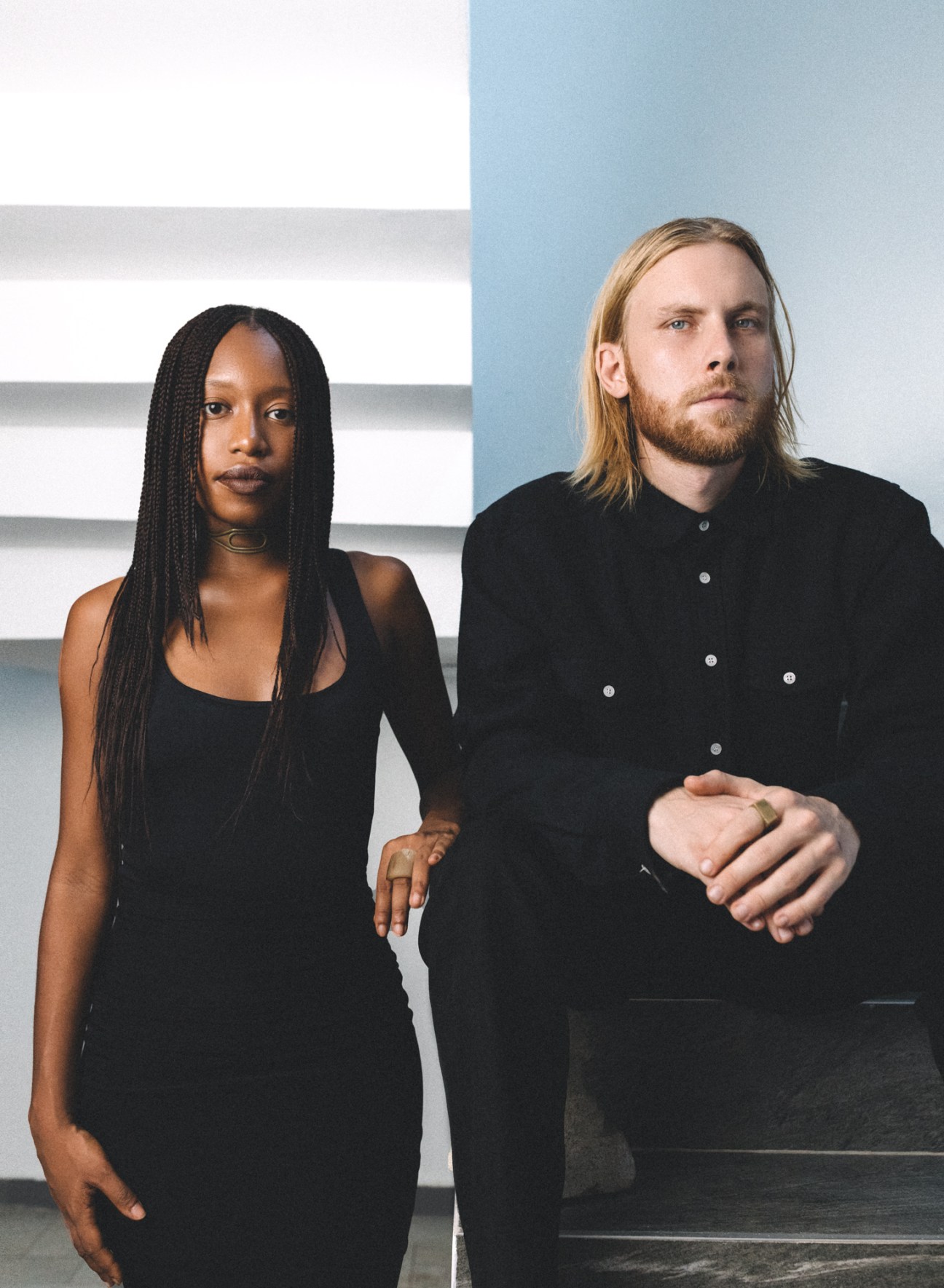
Their first project was an art installation in an abandoned building in Accra, which underlined the masses of incomplete developments across the continent. In 2021 they built on this by creating Ghana’s first public skatepark and launched a competition for young designers.
limboaccra.online
24.
Most impressive installation
John Lobb 3 Courchevel 1850
It’s common for brands to set up a temporary shop in a surprising location. It is less common for brands to build a beautiful stand-alone installation while doing so. Shoe-maker John Lobb erected a bespoke shelter on the French Alps ski resort of Courchevel for eight days in February this year, made with a timber frame that references the wooden lasts used to shape its famous shoes. This was then clad with white polycarbonate panels lined with cotton canvas (reflecting the surrounding snowy mountains). The structure was designed to be disassembled and rebuilt in other Alpine locations. “The idea was for it to be reusable, itinerant and long-lasting,” says Pierre-Alexis Corson, John Lobb’s director of communications. “We wanted it to reflect our sustainable dna.”
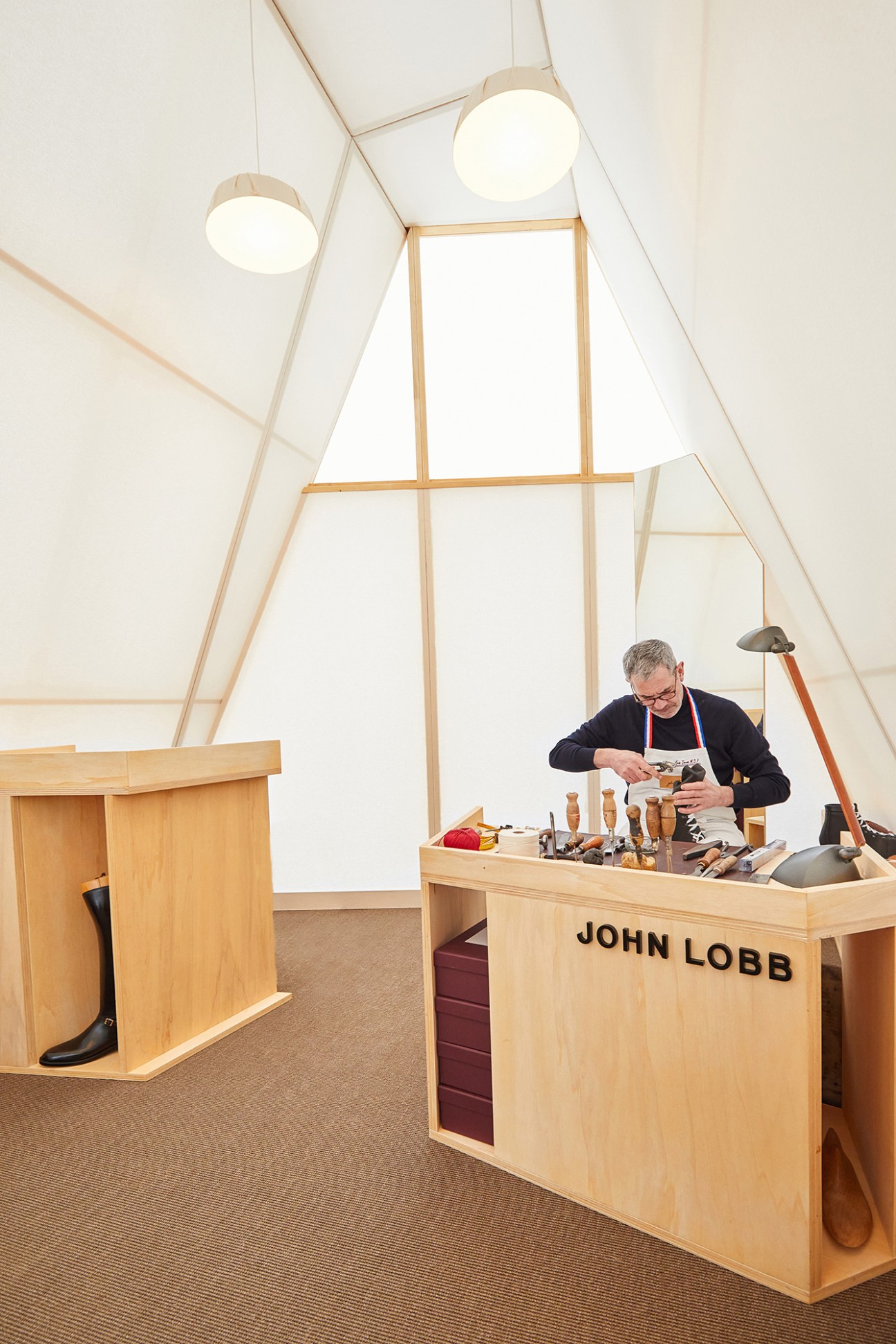
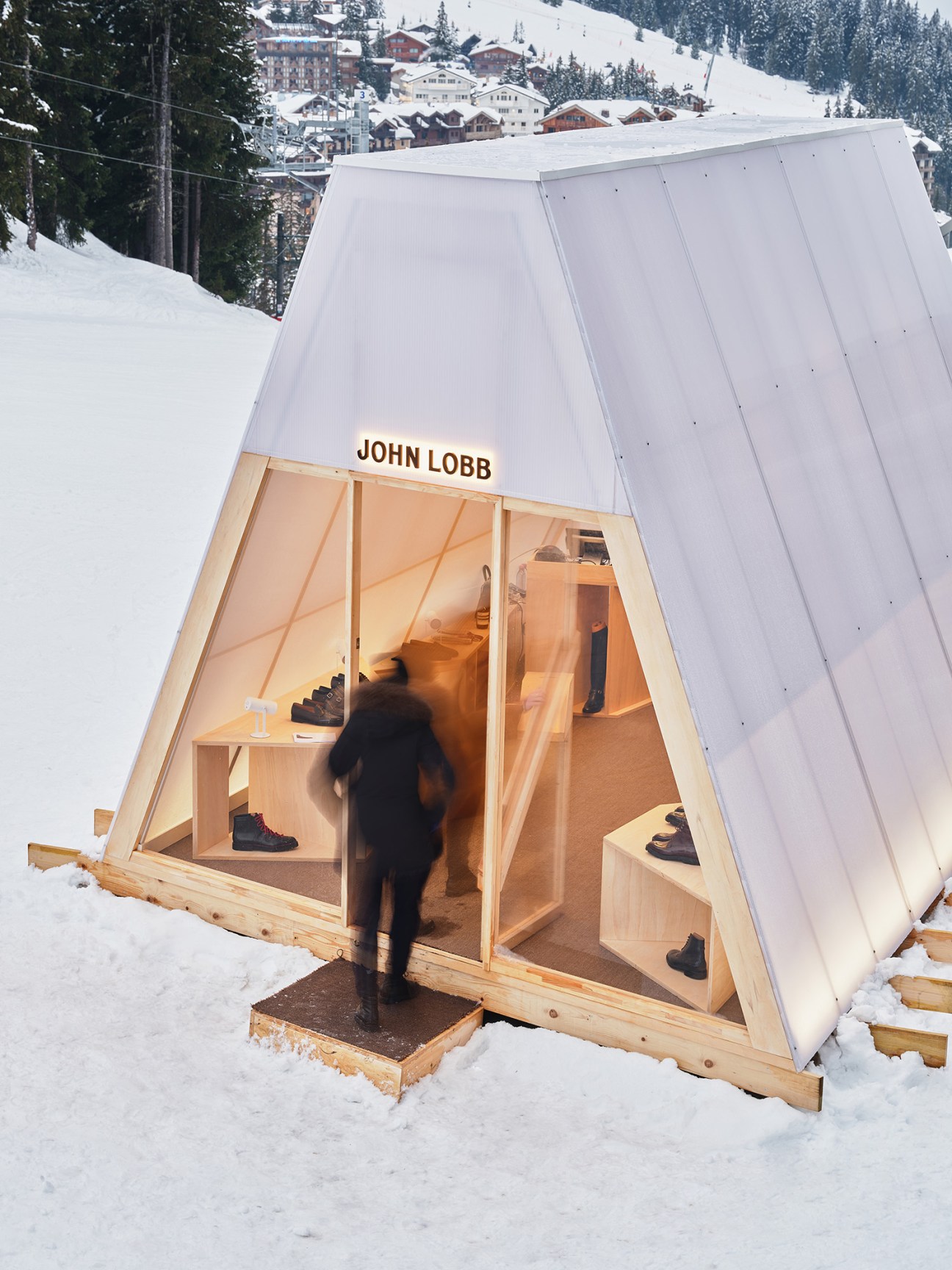
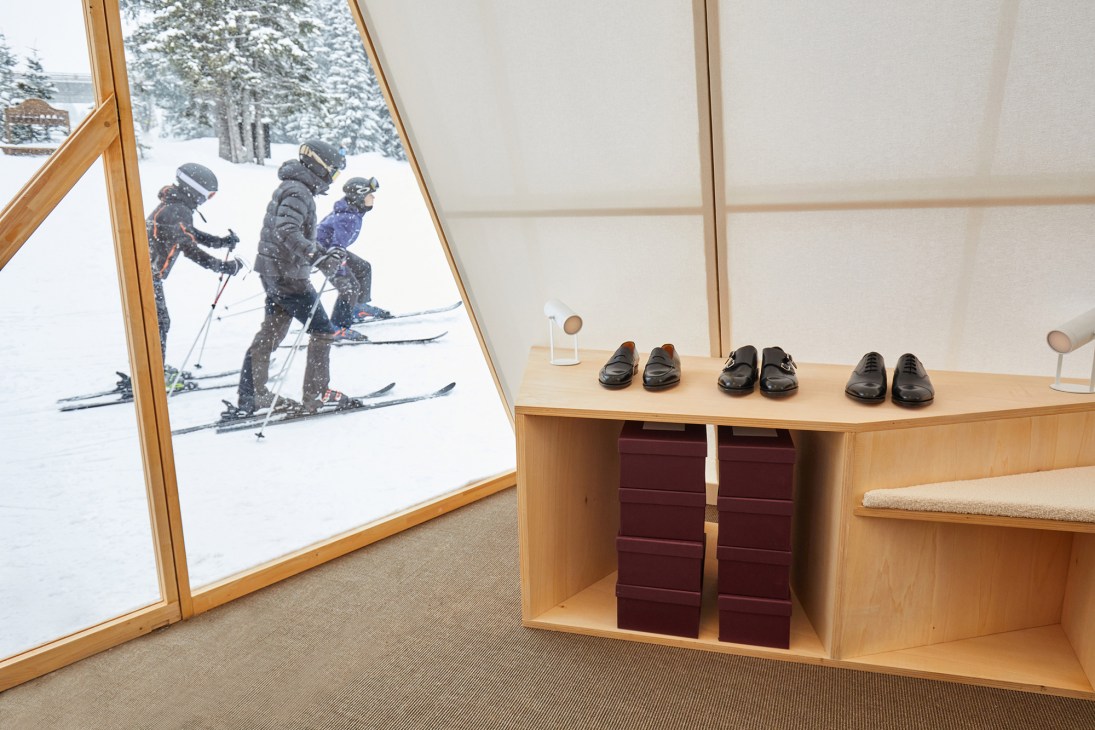
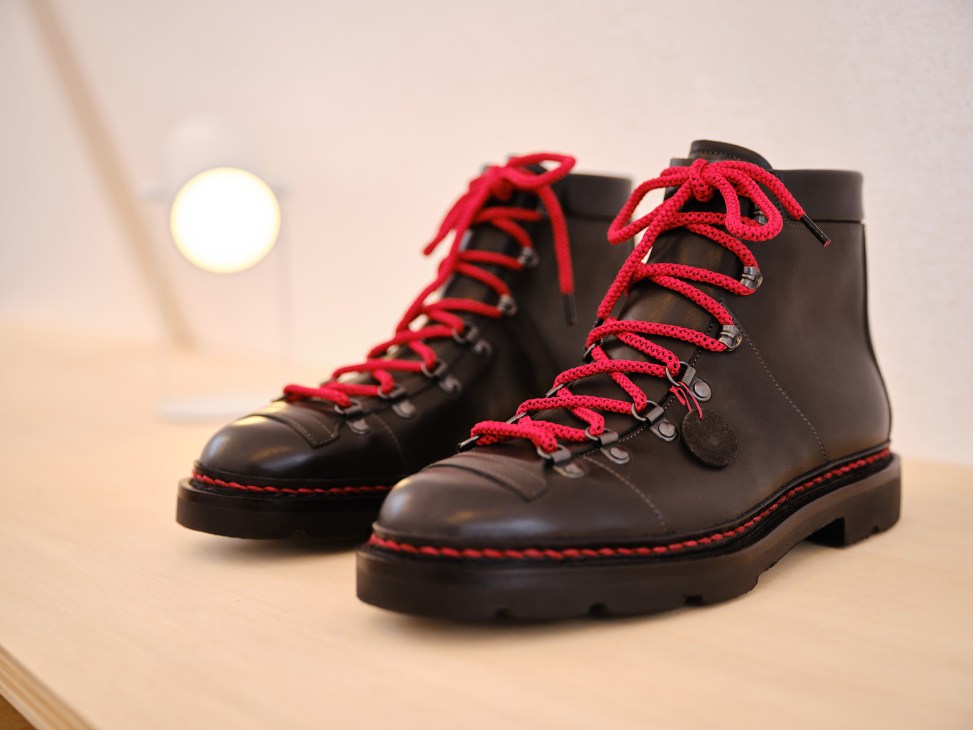
The project is a reminder that short-term installations can still capture a brand’s long-term ideals. The outcome, with the longevity of the installation aside, is a beautiful piece of architecture; reason enough for it to collect this award.
johnlobb.com
25.
Best social project
Anne Street Garden Villas by AOG Architects
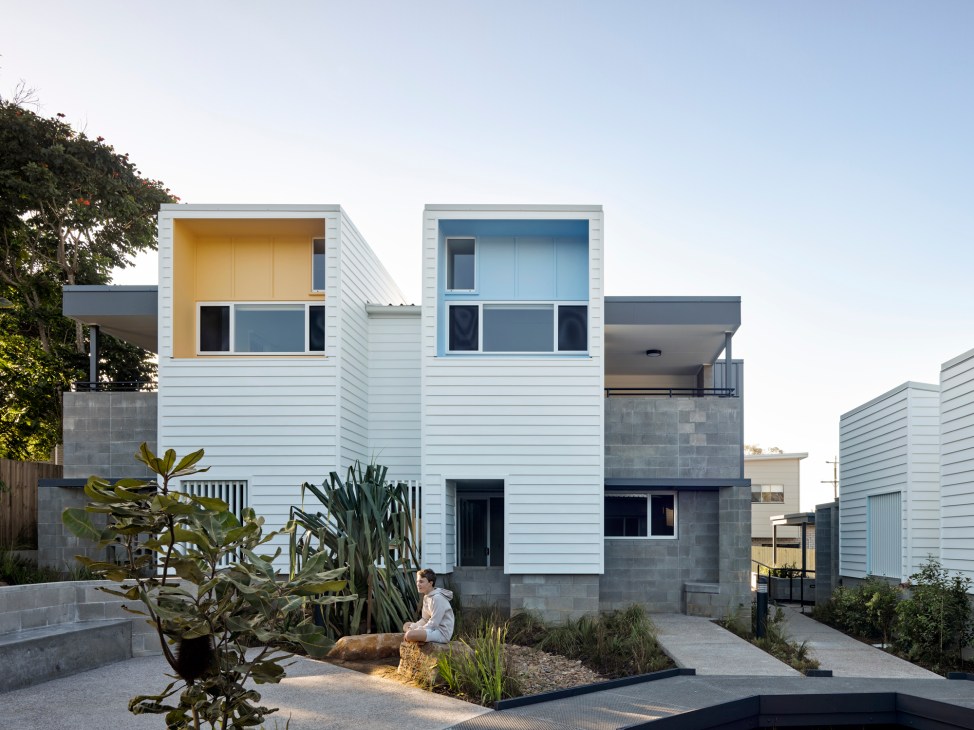
Public housing developments tend to comprise drab towers, large, desolate lawns or car parks and little imagination in their design. According to research led by Australian architect Anna O’Gorman, residents who live in these structures often lack a strong attachment to, and pride in, their homes. These feelings were addressed by O’Gorman and her practice aog Architects with their project at Anne Street Garden Villas on Australia’s Gold Coast: Monocle’s pick for Best Social Project.
Here, seven social-housing dwellings enjoy independent identities so that tenants can feel a sense of personal ownership. An example of this is seen through a unique colour delineation scheme applied to the residences. “We employed these small design moves that could have a big impact,” says O’Gorman.
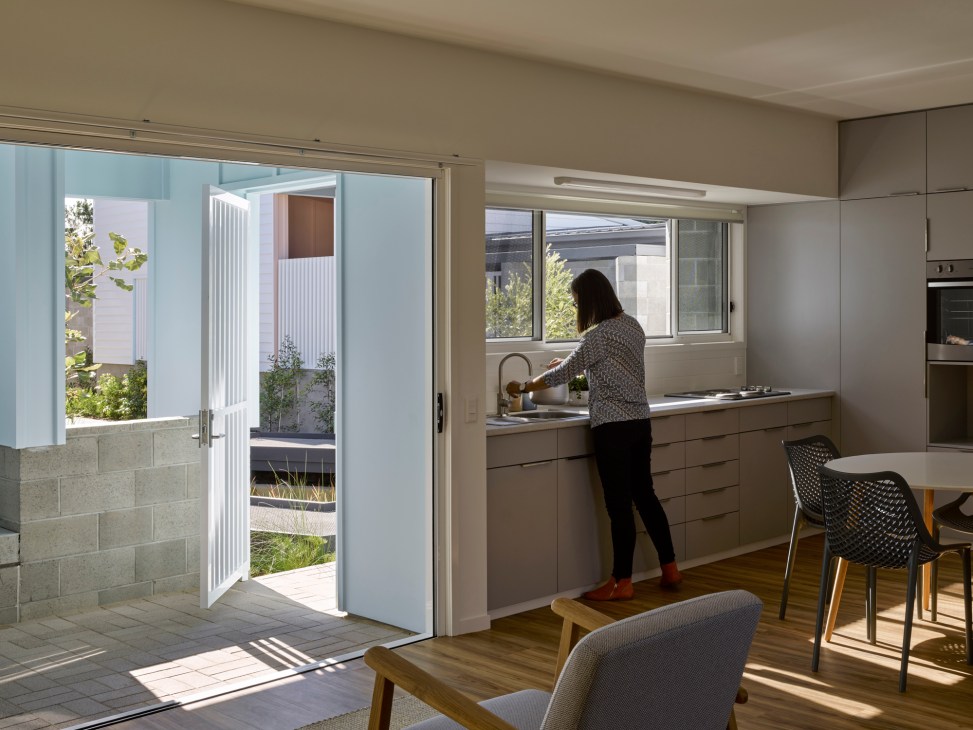
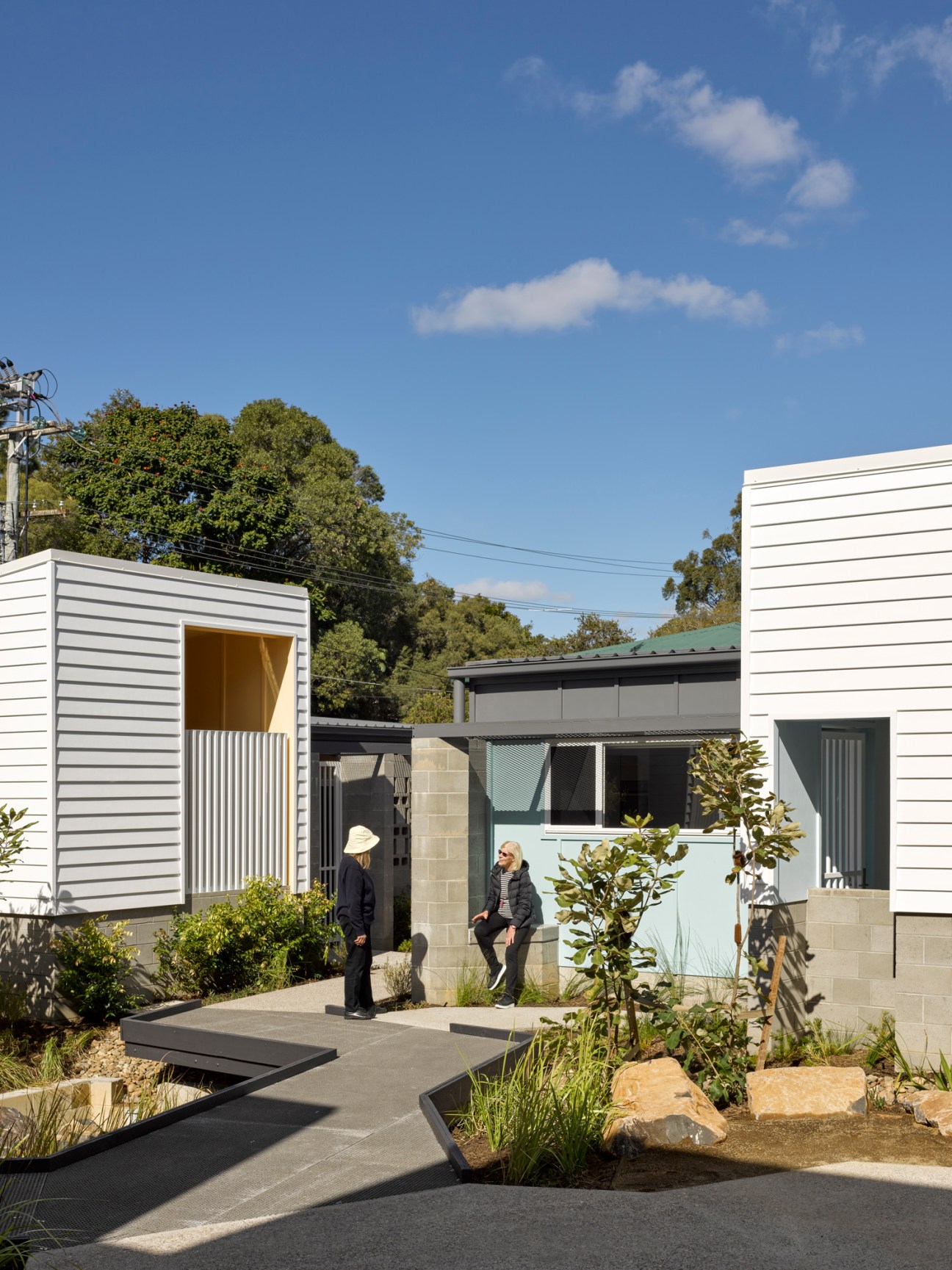
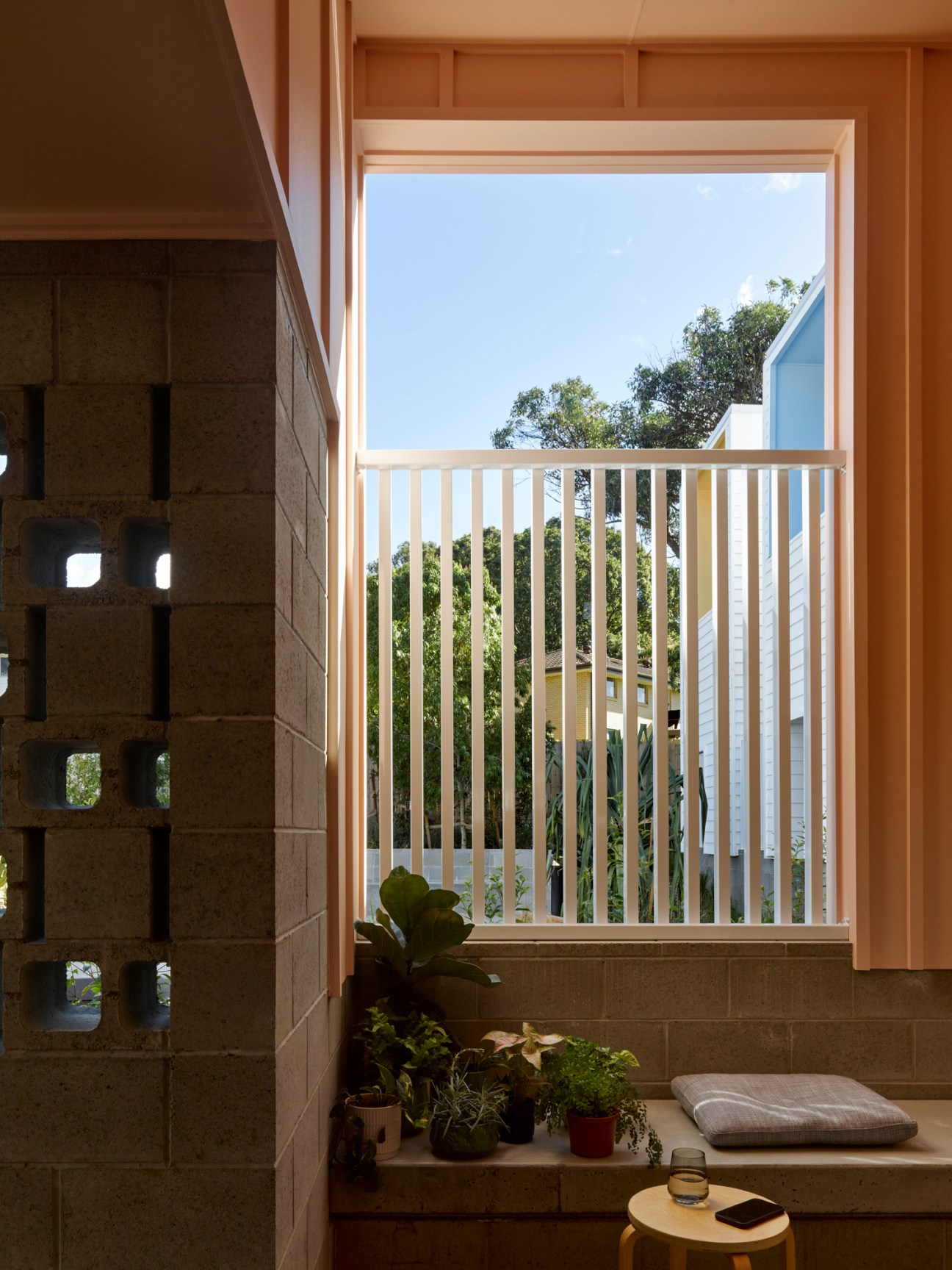
Commissioned by the Queensland state government as a demonstration project for other public initiatives, O’Gorman’s work is already proving to be a great recipe for success.
annaogorman.com
Images: Tõnu Tunnel, Andrea Pugiotto, Frederick Jones, Julien Regnier.
Still life: Philippe Fragniere.
26.
Best new brand
Koyori
Japan
Monocle’s pick for best new brand is Koyori, a Tokyo-based furniture firm that has paired up leading European designers with makers in Japan. “Our country has a brilliant woodworking tradition but our manufacturers have little global presence,” says founder Munetoshi Koda.
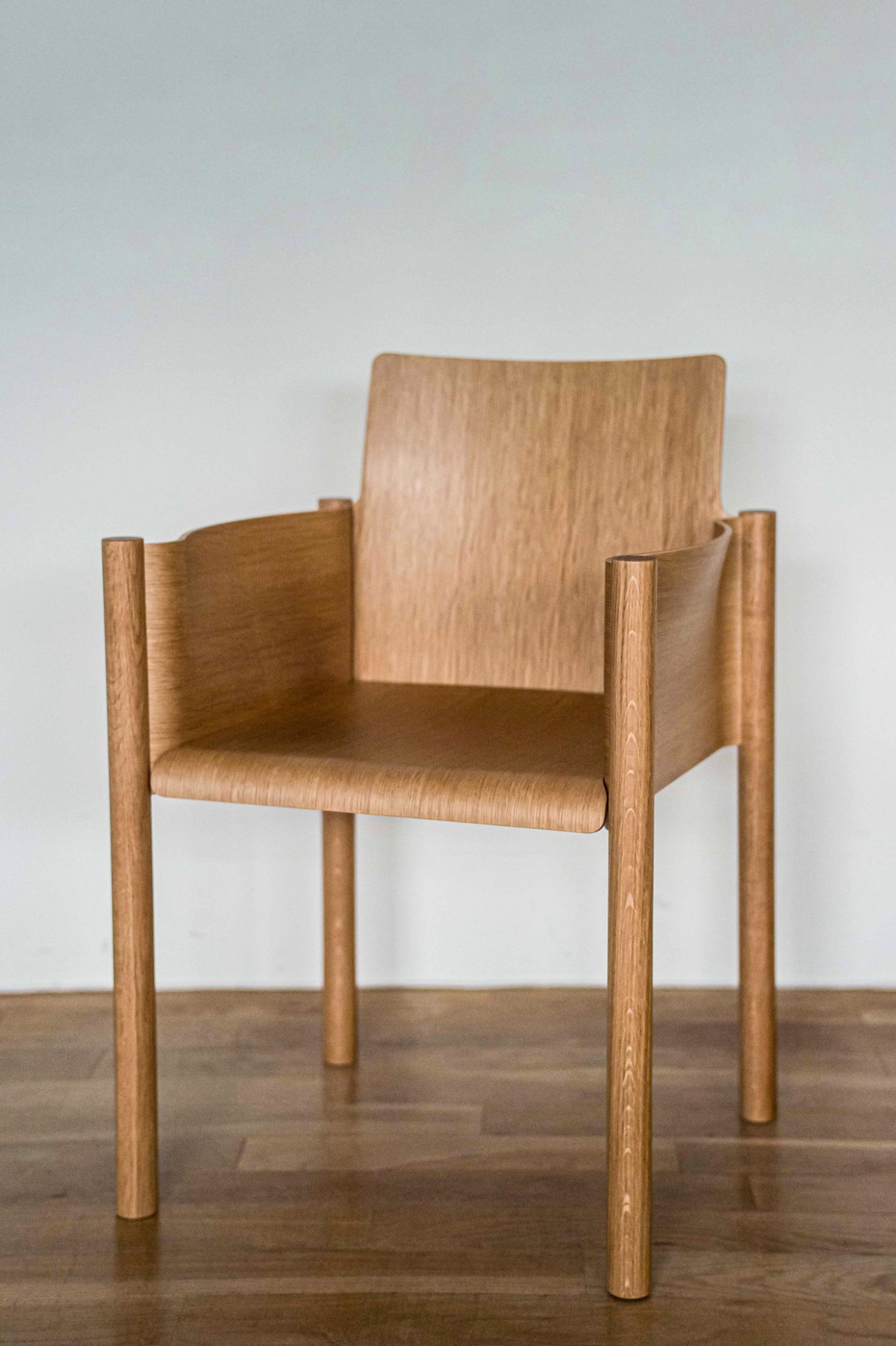
For its first collection, Koda introduced two of Japan’s best wood manufacturers to French designers Ronan and Erwan Bouroullec, and Danish-Italian firm Gamfratesi. The results, which will be launched this year at the Milan Triennale, are five chairs sculpturally shaped from plywood and solid timber; a fine example of how much is gained when creativity can cross continents.
koyori-jp.com
27.
Design classic of the year
Trípode by Santa & Cole
Spain
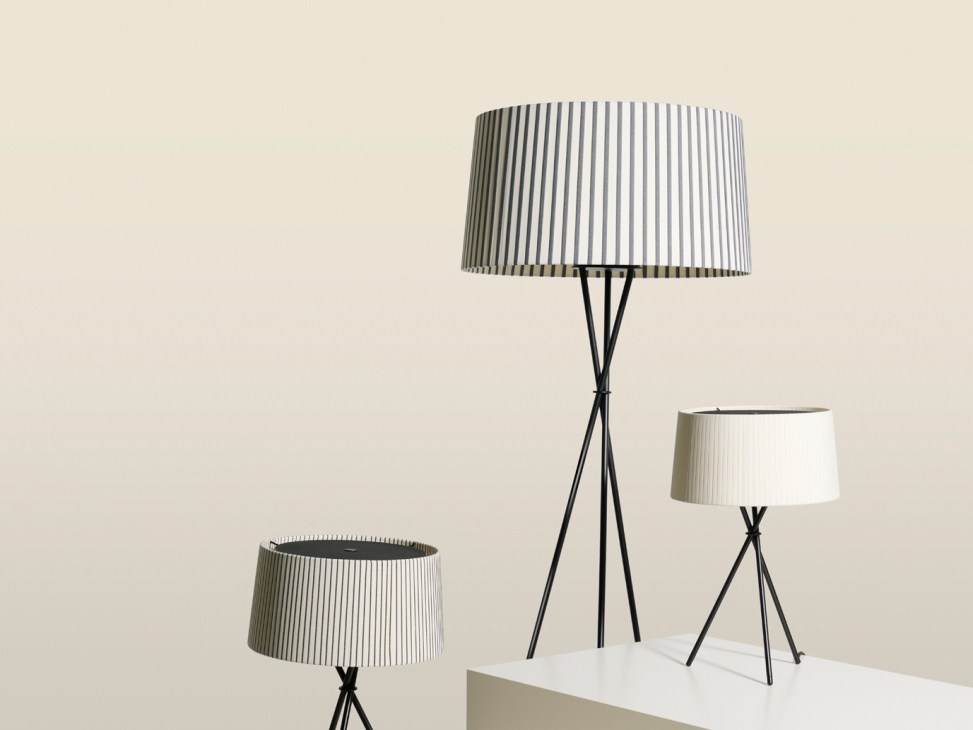
Between making plans and managing expectations, birthday celebrations are notoriously hard to execute. But Spanish brand Santa & Cole’s Trípode 25th anniversary lamp gets it right. A creation of the Santa & Cole team in 1997, the three-legged support provides a sleek, minimalist appeal, offset by the warm tactility of the hand-ribboned shade that sits atop the tripod. Available in three different sizes, this anniversary edition adds to the original with subtle new striped lamp shades. We like it because it’s an unpretentious homage to a classic, proving that the best celebrations are simple and meaningful.
santacole.com
28.
Best art direction
‘Die Zeit’
Germany
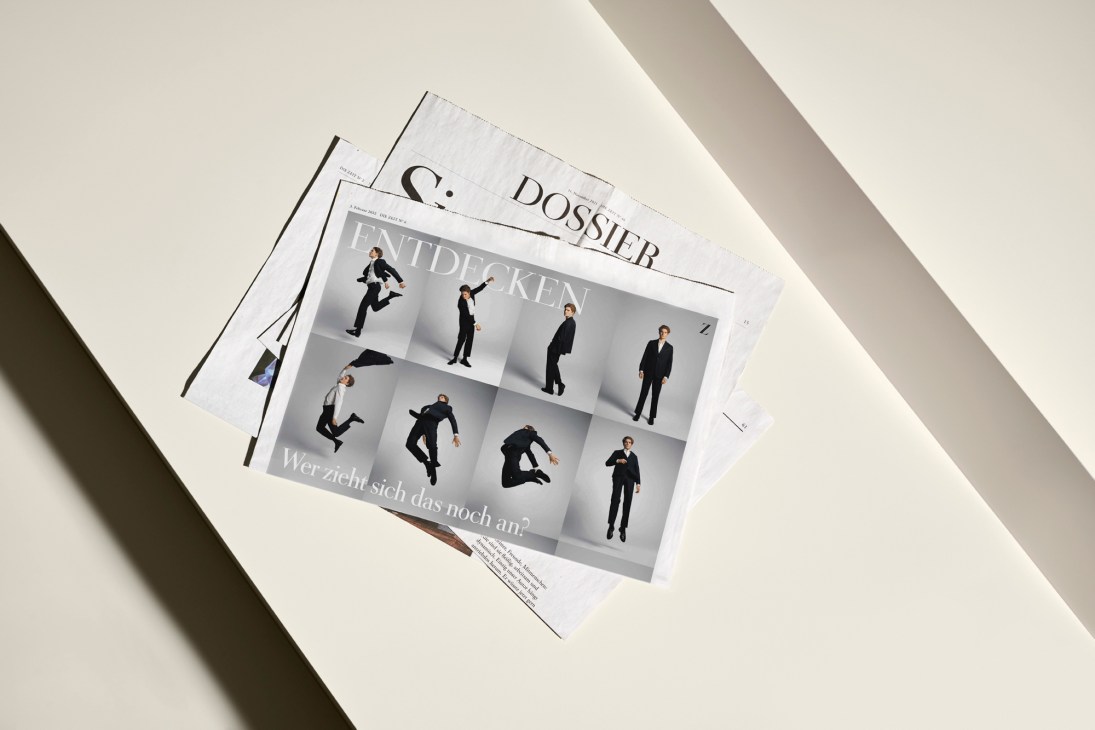
We know that good design is key to the survival of print journalism. Our pick for industry leader is German broadsheet Die Zeit. At the helm are art directors Malin Schulz and Haika Hinze, who work with photography director Amélie Schneider. “Our design has an attitude,” says Hinze. “It is an art, full of elegance and wit. Good editorial design is good journalism.”
zeit.de
29.
Best design archive
Fundación Ida
Argentina
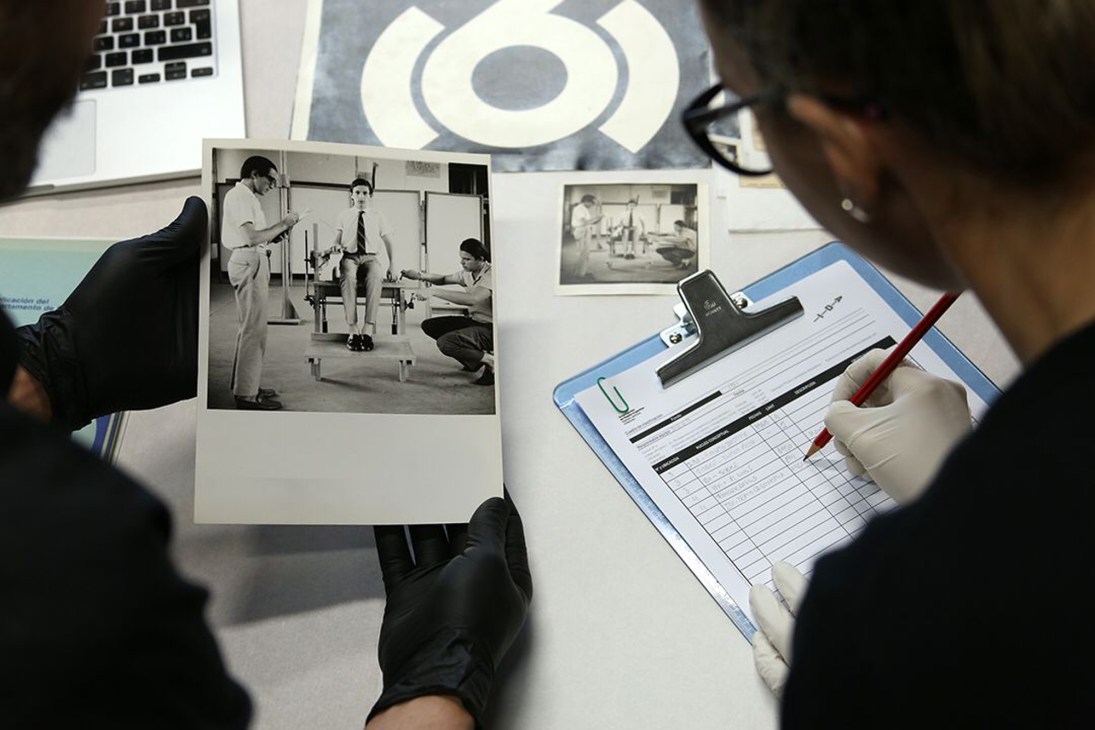
With more than a million pieces of Argentinian design, from chairs to architectural blueprints, the Fundación Ida is hugely impressive. In a nation with a poor history of record-keeping, the team behind this institution have persevered in preserving its design heritage. “In lots of Latin American countries, collections and archives were never kept track of,” says Wustavo Quiroga, Fundación Ida’s president. “So we’ve had to revise 100 years of design history, from industrial and product to graphic design.” The foundation’s records include sketches belonging to renowned architect Juan Kurchan, textiles by fashion designer Dalila Puzzovio and album art by graphic designer Alejandro Ros. Spanning disciplines and media, the archive is a testament to the breadth of the country’s varied design history.
fundacionida.org
30.
Best in construction
Summary Gomos building system
Portugal
Thanks to its Gomos building system (read: housing module), Portuguese design studio Summary has become a world leader in prefabricated construction. Made from modified versions of a standard concrete sewer pipe (fitted with insulation, windows and electrics prior to being installed on site) the units can be quickly erected in almost any location, making them perfect for communities that are facing housing shortages. We’re awarding the concept not just for its innovative low-cost nature but also for the beauty of the outcome. Summary always plays a part in installation, carefully considering volume, proportion and light in its placement of modules. Just look up its recently finished woodland cabins in Portugal’s Alvarenga for a perfect proof of concept.
summary.pt
31.
Best patio pick
Tropique Collection by Gubi
Denmark
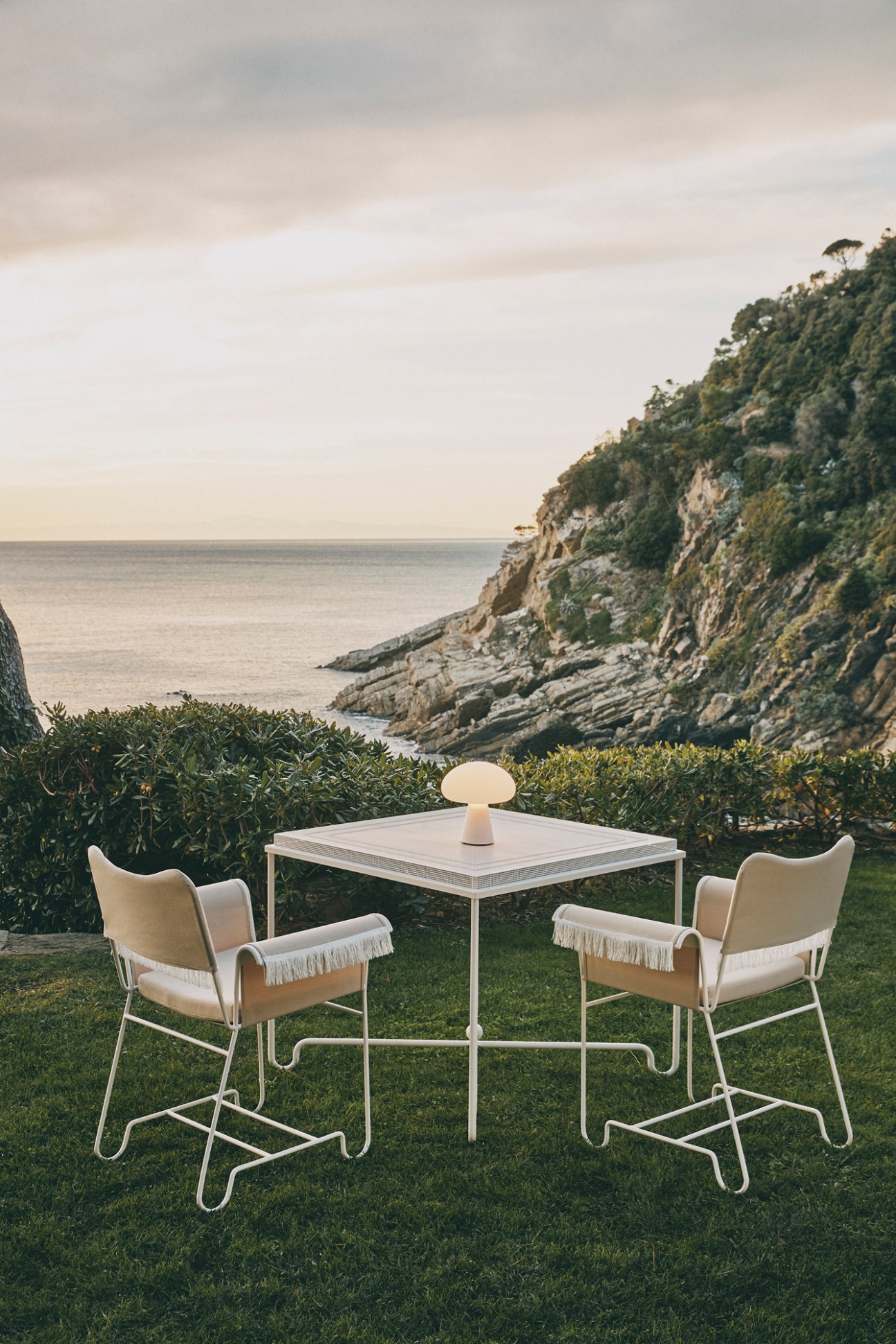
Originally created in the 1950s, Danish furniture firm Gubi’s revival of Mathieu Matégot’s Tropique Collection is composed of two stainless steel-framed dining chairs and a dining table. We love the playful fringes on the canvas seats.
gubi.dk
32.
Best in restoration
Xalet del Catllaràs
Spain
Catalan architect Antoni Gaudí is now known globally as the biggest proponent of the modernist style that defines Barcelona but his work didn’t always garner the appreciation it does today. For much of the 20th century, some of his buildings were left to gather dust. And while the Sagrada Familia – the tallest cathedral in Europe, set for completion in 2026 – welcomes thousands of visitors a day, some of his smaller projects remain unknown.
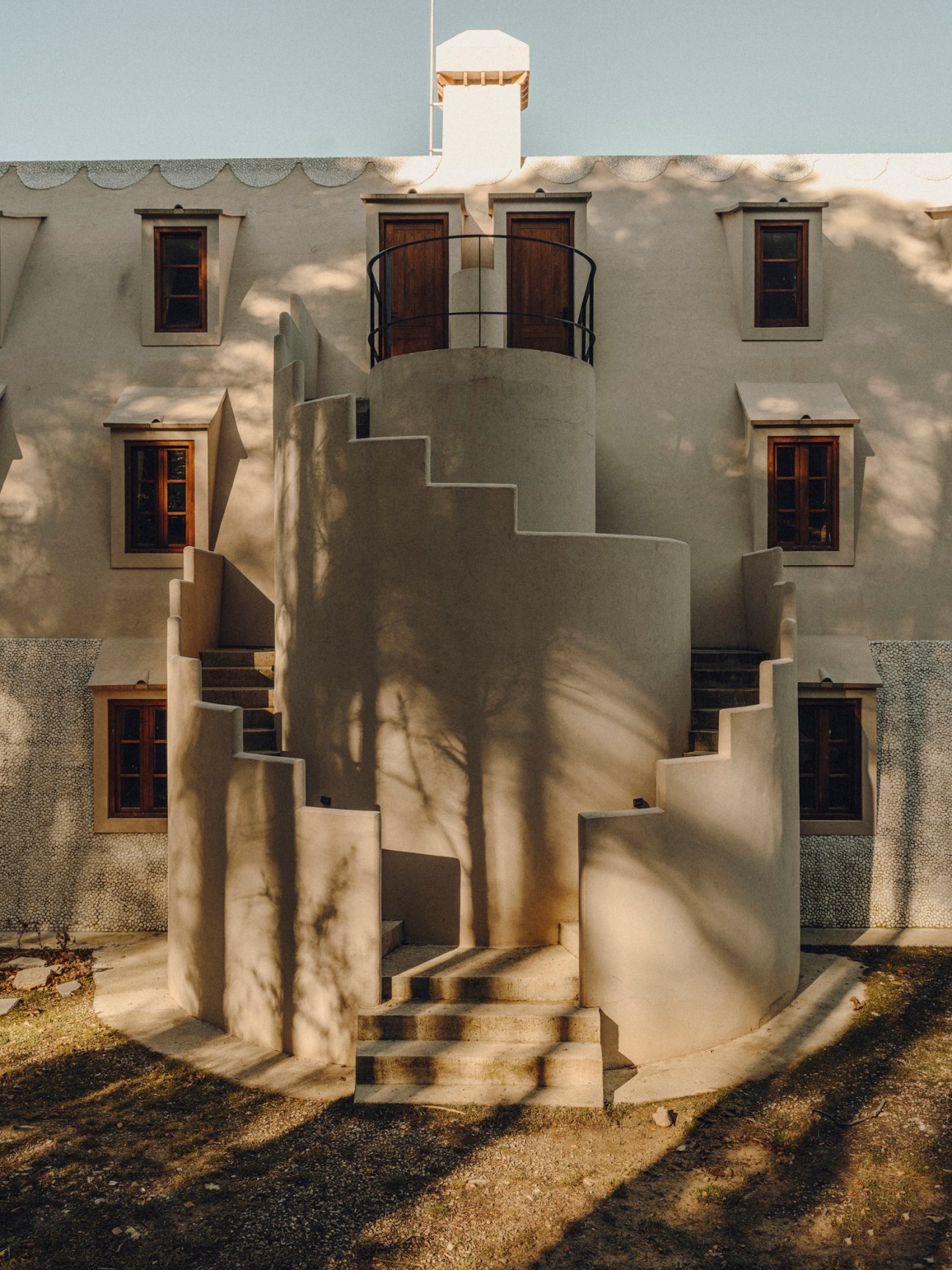
One of them is this hiking lodge in the Pyrenees, near the village of La Pobla de Lillet. Completed in 1905, the Xalet del Catllaràs was commissioned by businessman Eusebi Güell to house a group of British engineers working in his nearby coal mine and cement factory, the first of its kind in Catalonia. But when the mine closed in the 1930s, the lodge was forgotten and fell into disrepair. The first stage of an extensive restoration funded by the EU and the Catalan and Barcelona governments was completed in 2020. The hope is that it will reignite interest in this corner of the Pyrenees.
“We have a jewel that we are very proud of and it has huge potential,” says La Pobla de Lillet’s mayor Enric Pla Aramberri, who is now working hard with his team to open the building to the public in the next two years. “It’s crazy that we have a building by Gaudí an hour from Barcelona – and nobody knows about it.”
08696 La Pobla de Lillet, Spain
33.
Creative director’s choice
Model 607 lamp
Italy
Fifty years ago, Venetian-born designer Gino Sarfatti embraced the lighting technology of the time and designed the Model 607 table lamp, one of the first lamps to utilise the new halogen bulbs. Sarfatti, who also founded the lighting company Arteluce, was prolific, designing more than 700 lights over 50 years. The Model 607 is a perfect example of balance and contrast, made from just two components: a parallelogram-shaped base, onto which a disc-shaped lamp rests. The hollow forms, made from folded aluminium, feature a special crackled finish. It is both delicate and industrial. The light is operated by a large turnable dimmer dial, which clicks satisfyingly as it switches on and off.
34.
Designers of the year
Industrial Facility
UK
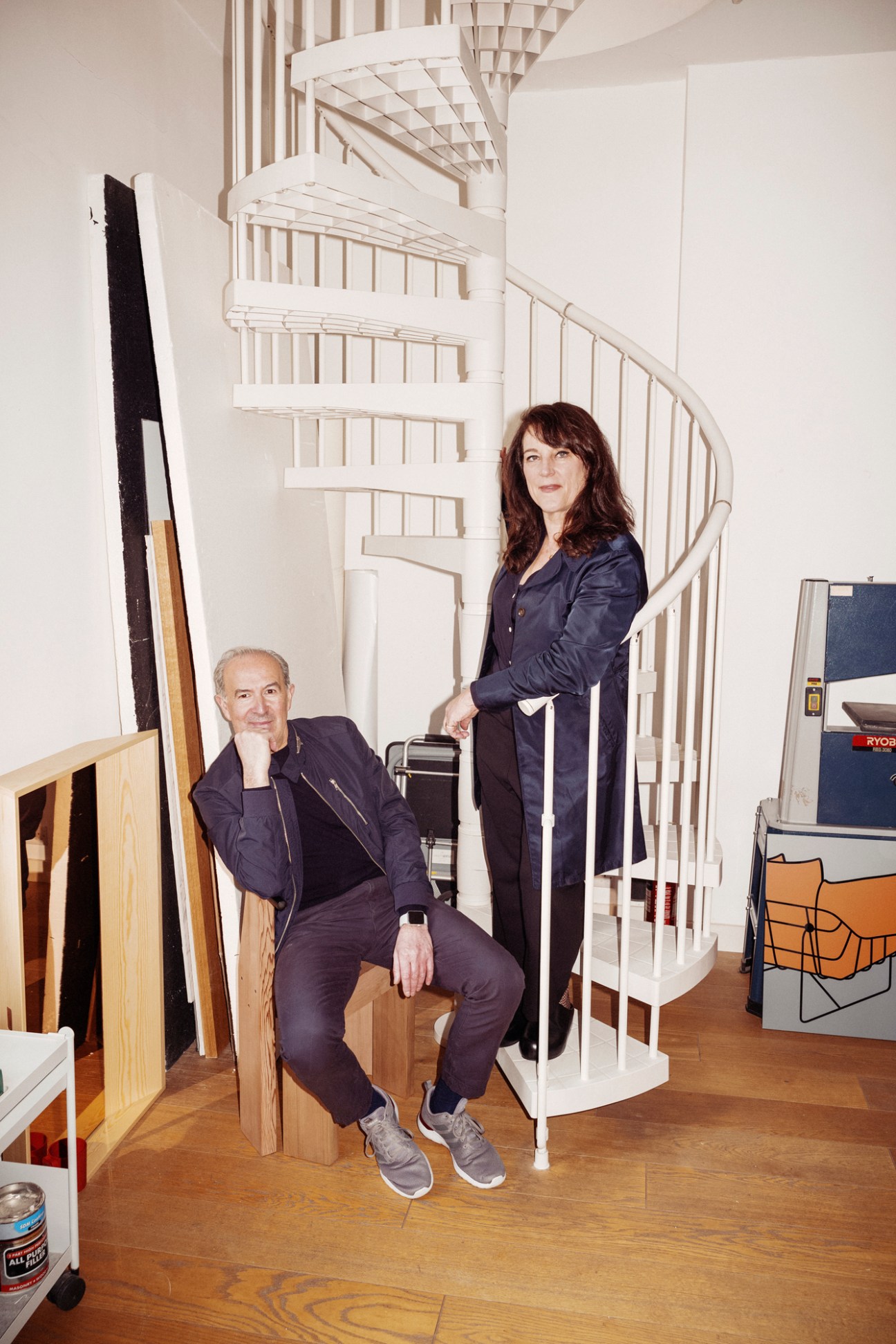
This year is the 20th anniversary of Industrial Facility and founders Sam Hecht and Kim Colin are still hands-on.
“The more digital the world becomes, the more manual the way we seem to work becomes,” says Hecht. He compares the enjoyment of good design to good cooking, where an appreciation for how produce is grown is as celebrated as the meal it is used to make.
It’s an approach that appeals to Monocle. Design to forge better connections with the physical world is valuable. Creating these connections – and making them enjoyable – is what Industrial Facility does best. From ergonomically-perfect coffee-making machines for Muji to cosy portable workspaces for Herman Miller, their body of work is inspiring.
Take us through your design process.
Sam Hecht: It starts with conversations and discussions, tearing ideas apart and putting them back together in words. Noodling, thinking, contemplating and arguing.
Kim Colin: Through this we solidify a point of view. And this point of view has to carry the whole project, from material choices right up until the end result. We find the form and the shape from this point of view.
You deliver projects for different budgets. How can affordable design still be good design and why does this matter?
SH: Danish flat-pack furniture company Takt promotes important values about authenticity and contributing positively to our homes and workplaces but with an aim to make these values more democratic, more affordable and accessible. They don’t simply want to make cheap furniture and they came to us to develop a product that channels these values.
With the Sling Chair we developed, we wanted to make the assembly as beautiful and elegant as enjoying the finished product. This is because it creates a relationship with the customer.
The aim was to break the equation between what something costs, what it’s made from and how long it should last. This piece is affordable but it should also last for generations.
How do you encourage people to think more deeply about design?
KC: We like to talk about the design process, because it’s so engaging for us and because so much goes into our work. Hopefully, people reach for our final products for the right reasons but the product can’t say everything about itself. As designers, we have responsibilities as teachers to explain what can’t be seen. We try to reveal this not just to design students but to our clients. We want everyone to understand that design is a lot more than you think it is.
industrialfacility.co.uk
35.
Release of the year
Time & Style
Japan
Picking a favourite piece of furniture from a wide and inspiring variety of entrants is no easy task. But there is something instantly iconic about this release from Japan’s Time & Style. The timber chaise-longue was originally designed by Peter Zumthor in 1996 for his celebrated Therme Vals baths project in Switzerland. And, while our chosen model does have time on its side, it’s the expert craftsmanship on this updated version that makes it a winner. After all, Time & Style has made this sleek and purposeful design available to consumers worldwide for the first time.
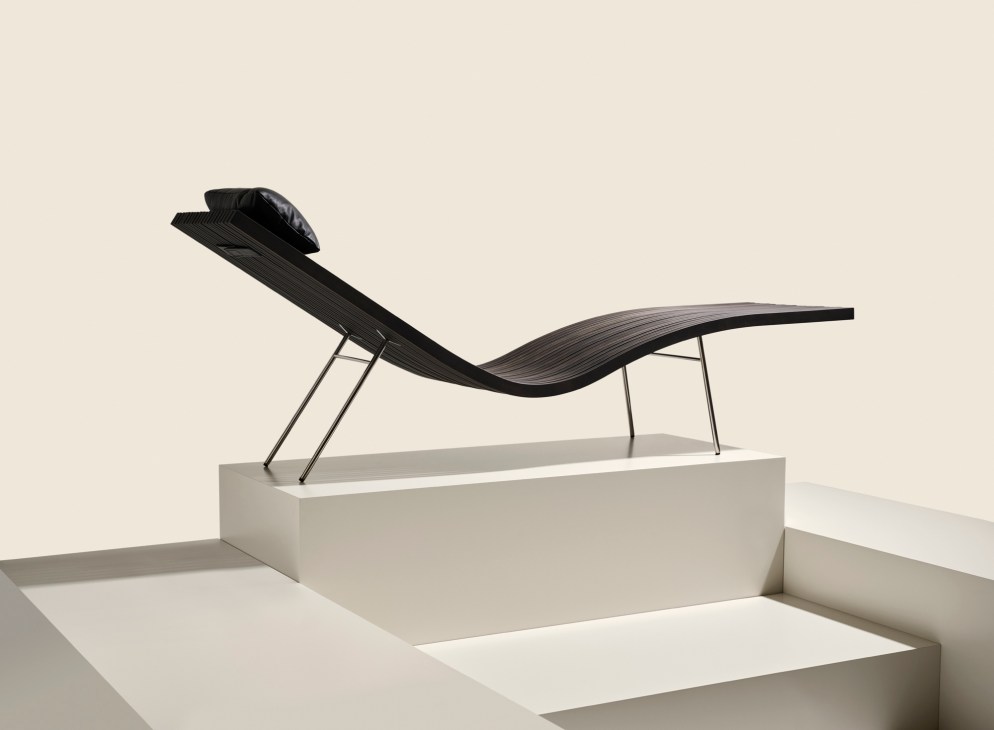
Manufactured in Akita, the wooden frame of the elegant Valserliege Type 1 is steam-bent, which means that no timber is wasted in the process. With a curved form shaped to naturally cocoon the human body and a comfy, leather-lined headrest to sink into, the piece makes you feel as though you are floating in mid-air.
It’s part of a broader collection from Time & Style that revives multiple masterpieces from Zumthor’s back catalogue and we are sure that the firm has a global hit (or two) on its hands. With a showroom soon to open in Milan and one already trading in Amsterdam, the brand won’t be confining this fine piece of design to its home country.
timeandstyle.com
36.
Favourite label
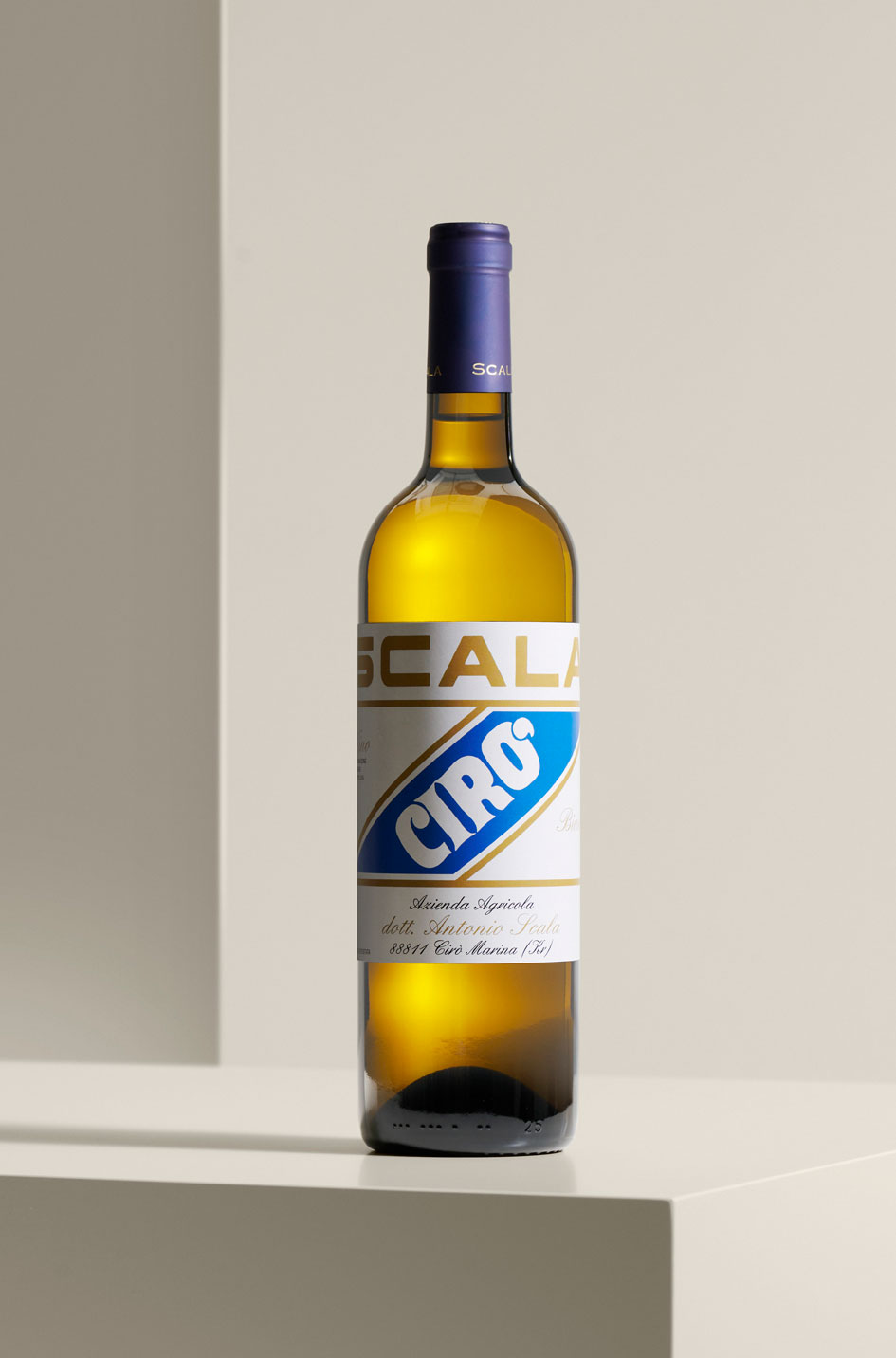
Scala Cirò Bianco
Italy
The best-looking label spotted by Monocle this year sits handsomely on Scala Cirò Bianco bottles. But it isn’t the work of a professional designer. “It was made by my grandfather, Antonio, in the 1950s,” says Francesco Scala, who is heir to the family winery. The blue and gold lettering and z-shaped layout instantly catch the eye. Sometimes a brand refresh needs no more than a look in the archives.
cantinascala.it
37.
Best urban intervention
Nathalie du Pasquier and Subbrixia
Italy
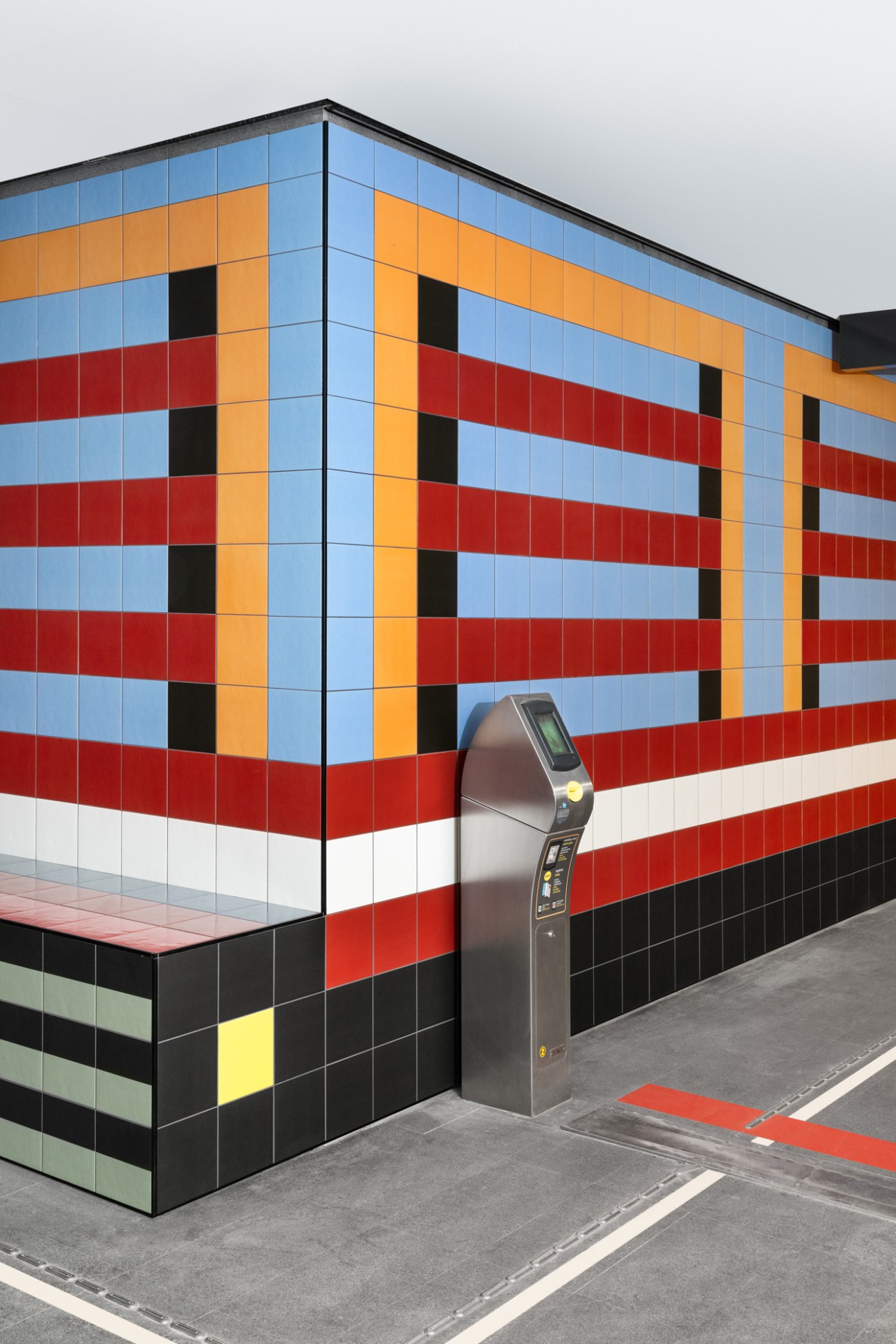
Brescia is the world’s smallest city with a subway system and now it has one of the best-looking too. At the entrance of the central Vittoria station, artist Nathalie du Pasquier, a founding member of the Memphis movement, has added colourful tiles of her own design, produced by Mutina, arranged in a playful geometric pattern.
Mind the Gap is the fifth commissioned project from Subbrixia, an initiative to place art into all of the city’s 17 metro stops. But Du Pasquier’s piece is the first to invite people to sit on it: it has a built-in bench.
“Brescia’s metro is already so functional but maybe the only thing that was missing was a stopping place with colour and warmth,” says Du Pasquier. “I wanted to make not just a work of art but something with utility.”
nathaliedupasquier.com
38.
Best for longevity
Emeco
USA
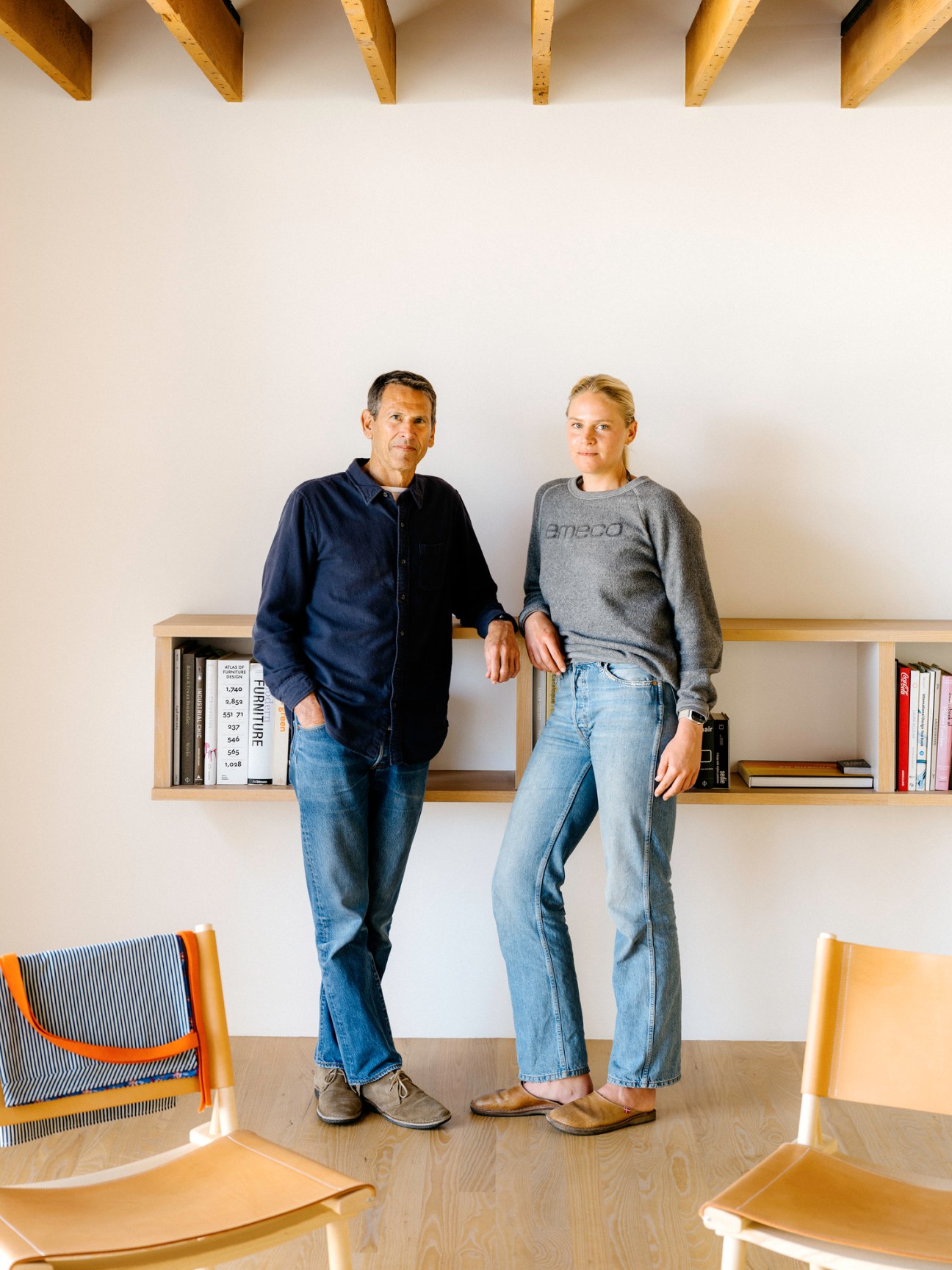
Emeco gets our Best for Longevity award. The company was founded in 1944 to supply the US navy with chairs made from recycled aluminium that made them “torpedo-proof” and resilient to salty air. In the 1990s, owner Gregg Buchbinder noticed that upmarket hotels were buying Emecos, and a subsequent collaboration with Philippe Starck took the brand out of its wartime origins and into Salone del Mobile. “Starck called it ‘heritage against recycling’, and that has always stuck with me,” says Gregg. “It gets to the essence of what we’re trying to say: make something well and keep it forever.”
emeco.net
39.
Best entrepreneur
David Giroire
France
After working for fashion and jewellery brands including Dior, Hermès and Repossi, David Giroire launched his agency David Giroire Communication in Paris in 2011. It has since established itself as an industry-respected communications agency, presenting a new generation of French talent in the worlds of architecture, design and art to buyers and the international media.
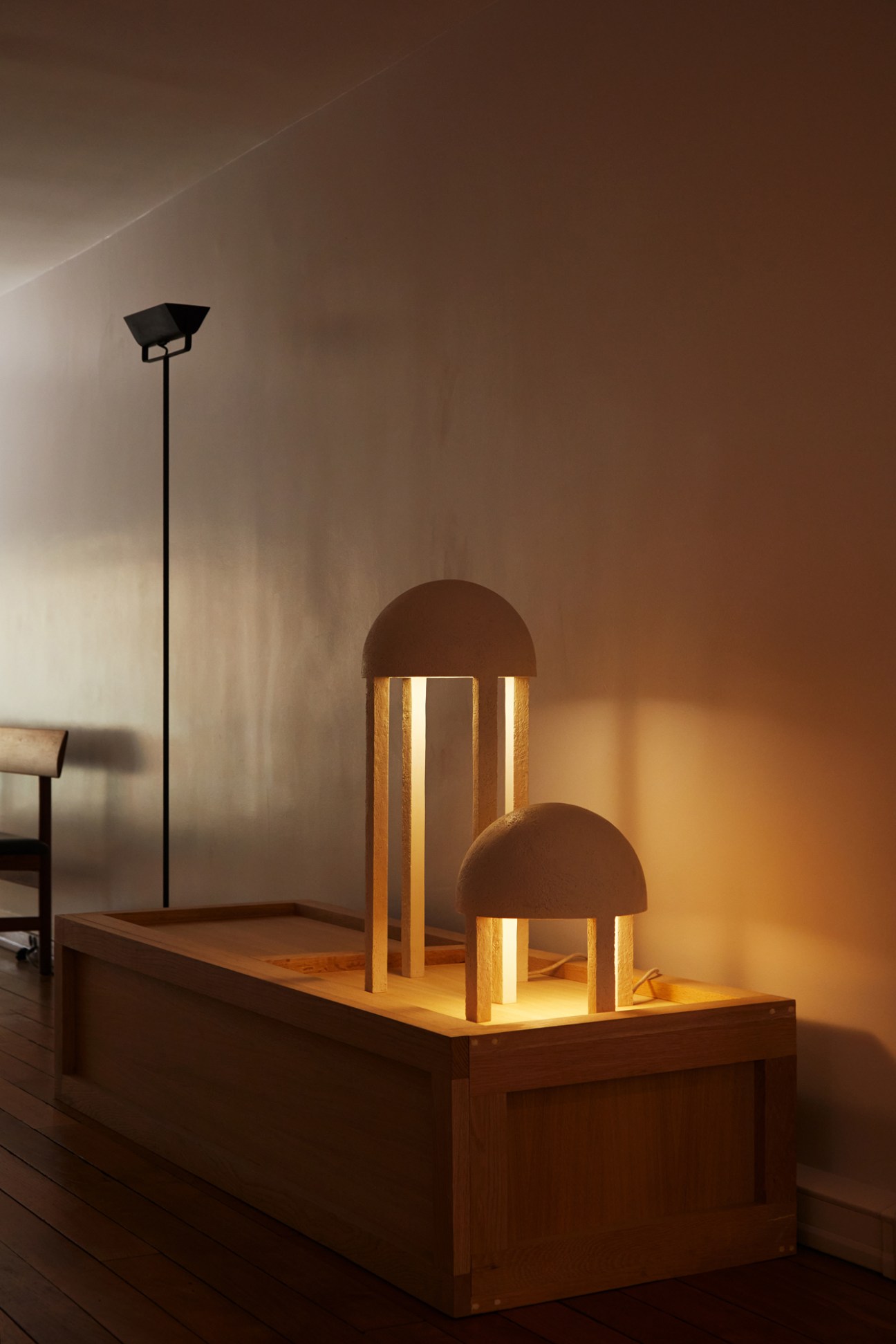
Giroire’s approach to communication wins him our Entrepreneur of the Year award, which we hope will find a space at his gallery in his offices at the Palais Royal. Here he hosts exhibitions and events to encourage casual face-to-face meetings. His passion for showcasing French design talent has extended to forming his own brand, Theoreme Editions, which champions sculptural, artisanal design pieces made in Europe.
davidgiroire.com
40.
Best retail concept
Cover Story Paint
Finland
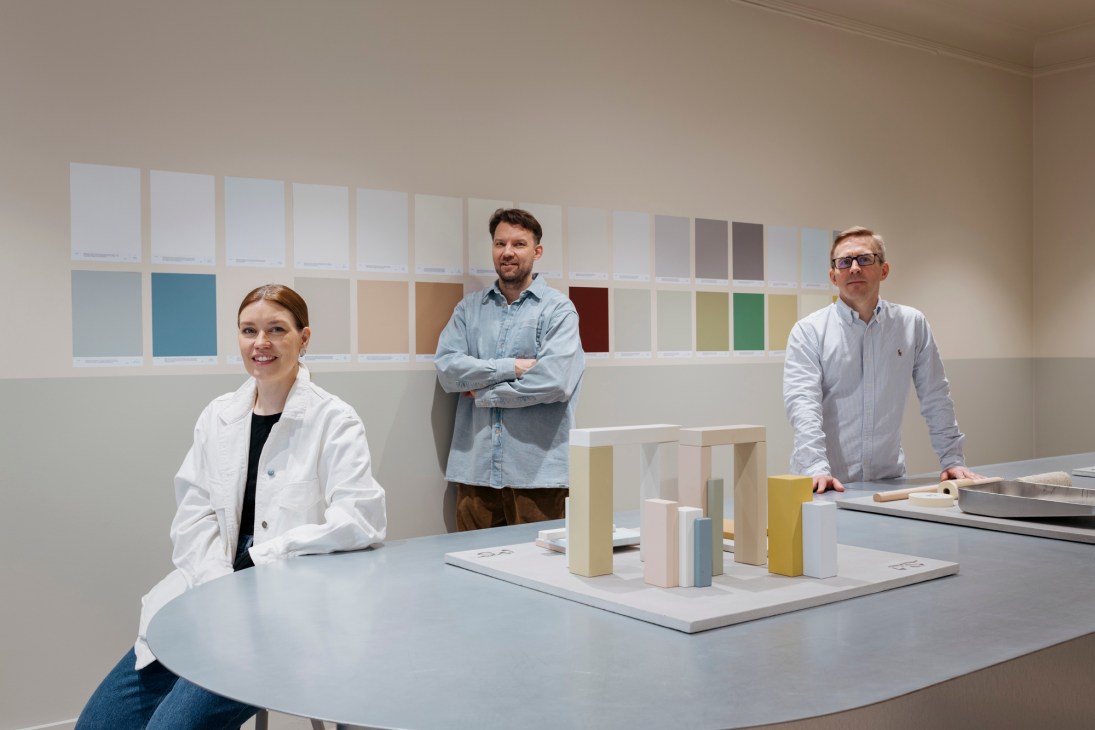
Paint plays a key role in how our homes look, yet the purchase process is rarely consumer-friendly. “We were dismayed by the fact that painting felt more like renovation than interior design,” says Päivi Häikiö, co-founder of Helsinki-based paint brand Cover Story. “You need to travel to nondescript hardware shops in the suburbs or in huge malls and don’t really know what kind of equipment is needed.” In contrast, Cover Story is located in a beautiful 1905 Art Nouveau building. The retail concept includes a collection of pastel-hued, plastic-free paints in well-designed containers and ready-to-use tools for the diy painter, making painting a creative and joyful task.
coverstorypaint.com
41.
Best for aspiring urbanists
Cody Block by Qubs
Switzerland
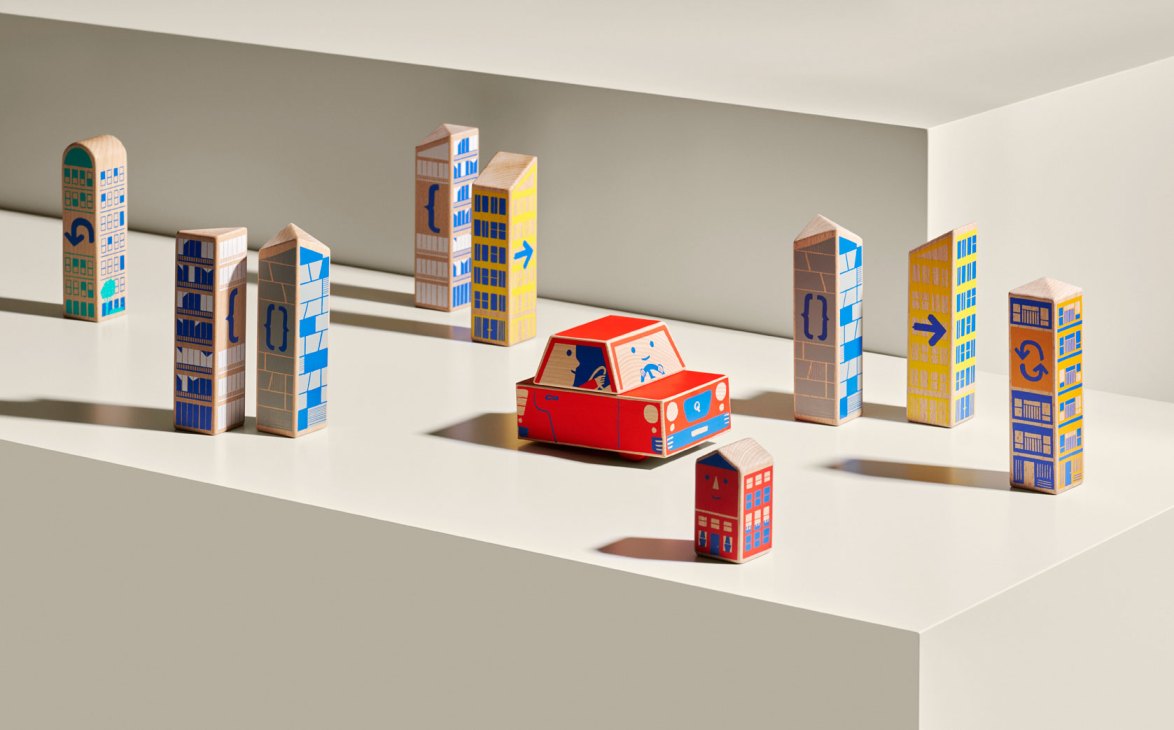
While originally designed for children, aspiring urbanists of all ages can map out the route of Cody, a self-driving toy car, through the placement of these beautiful timber building blocks. How? With the help of radio-frequency identification (RFID) technology, which tracks electric tags using radio waves, these pieces send signals to the toy vehicle that steer it in different directions. Users, whether child or adult, can then use the blocks to create a network of streets, which Cody automatically moves through. It’s worth celebrating as Qubs’ low-tech intervention has transformed the humble static building block into a toy that can feel just as dynamic as a real city.
qubs.toys
42.
Best wayfinding system
Snøhetta for Le Monde Group
France
A great wayfinding system responds to a place’s changing needs and enhances its character. Here is a perfect example – a modular system created by the design arm of Norwegian architecture giants Snøhetta at the Le Monde Group’s Paris headquarters. Made from poplar wood, the elements can be moved around steel frames whenever there’s an organisational reshuffle, and the lettering on the tiles pays homage to traditional printing methods.
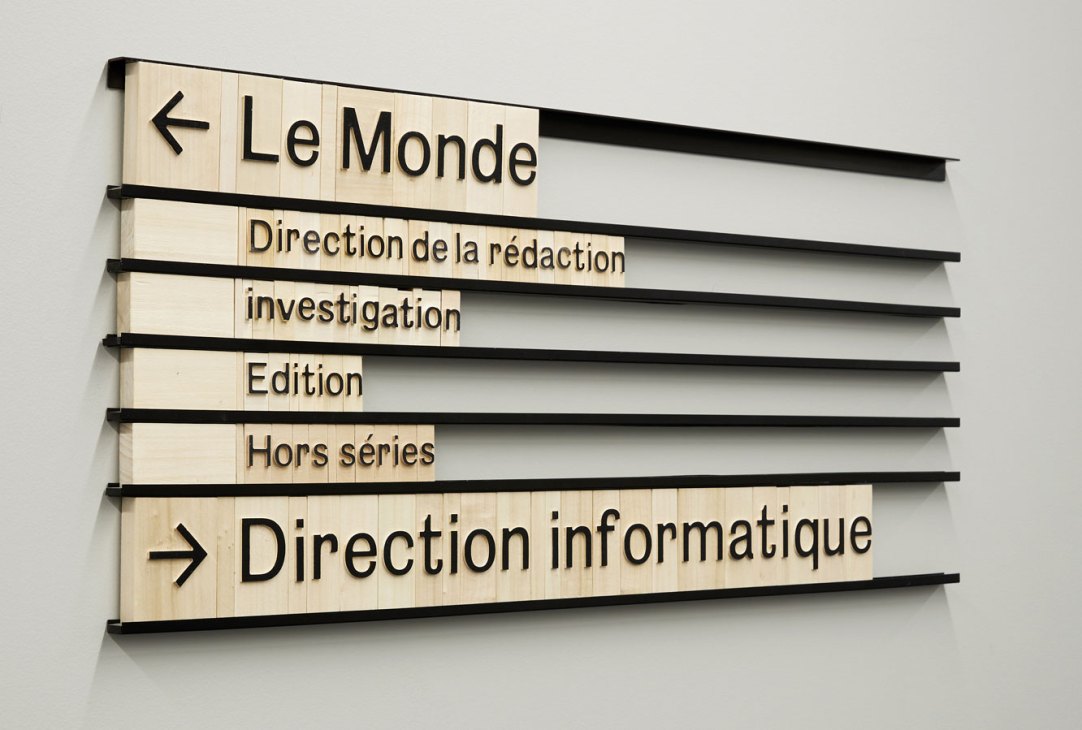
“We tried to make employees want to talk about the signage,” says Hedda Foss Lilleng, Snøhetta’s managing director of design. “If they do that, then I believe we’ve done a good job.”
snohetta.com
43.
Warmest design
Unio Collection by Poiat
Finland
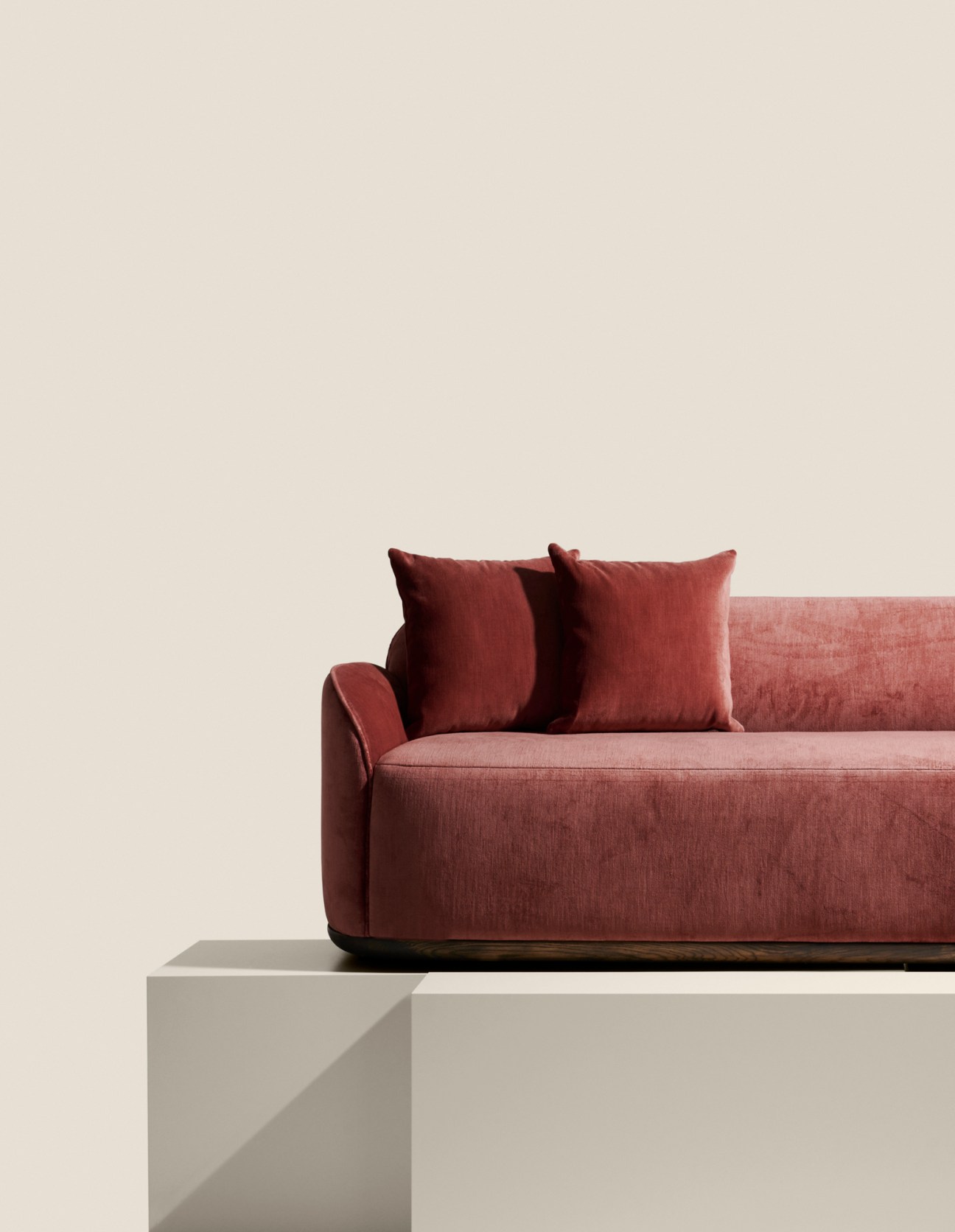
Monocle has championed the timber work of Finnish furniture company Poiat for years. It’s now moved into softer furnishings, including this cosy sofa, to bolster its well-crafted offering. “To be frank we are a little bored of ‘Scandinavian style’, which can be a bit too minimalistic,” says Poiat CEO Jenni Mikkonen. “For us, warmth is important.”
poiat.com
44.
Top design retreat
Borgo Santandrea
Italy
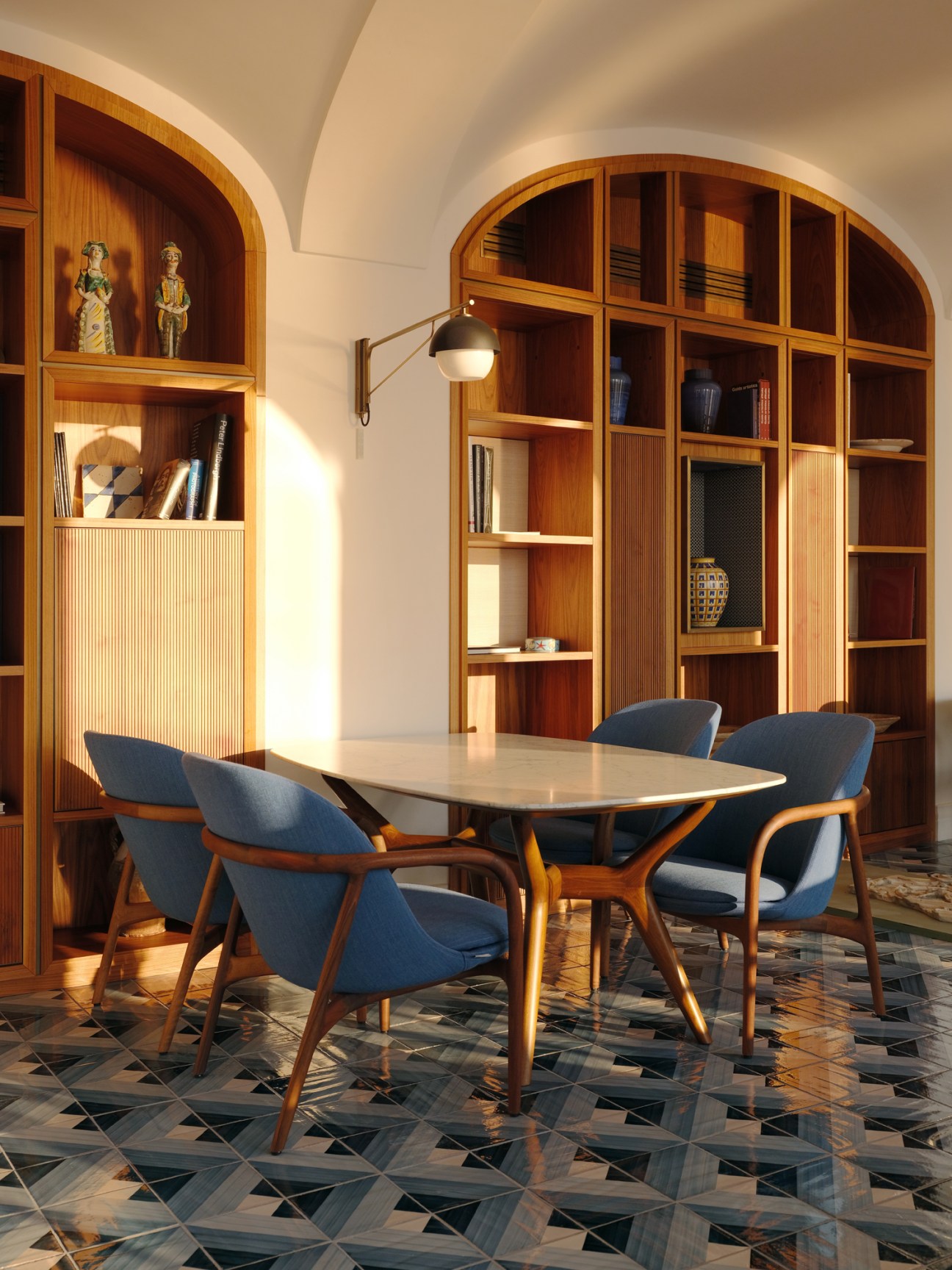
Last summer a luxury hotel opened on the Amalfi coast and shot to the top of our vacation wishlist. Built into the cliff in Conca dei Marini, Borgo Santandrea has the amenities of a five-star hotel: three top-notch restaurants, infinity pools and a private beach. Still, it is the interior architecture that makes the difference.
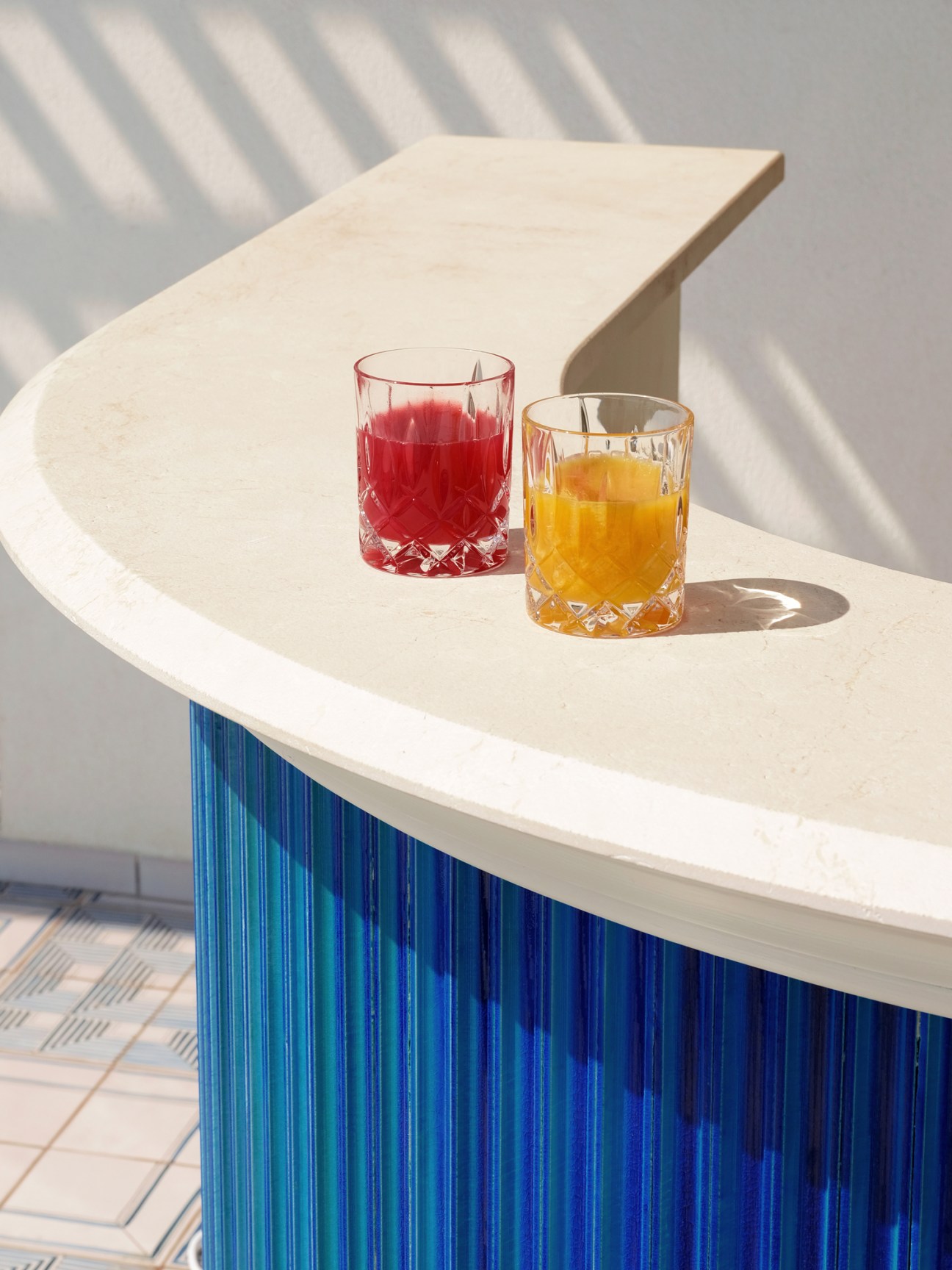
The eight floors are filled with Gio Ponti loungers faithfully reissued by specialist Molteni&C. Classic touches continue via tiles hand-painted by local artisans and vintage mid-century furniture from the owners’ collection. We’d happily move in.
borgosantandrea.it
45.
Best for kids
Choduk Playground by Art4d and SCG D’Cor
Thailand
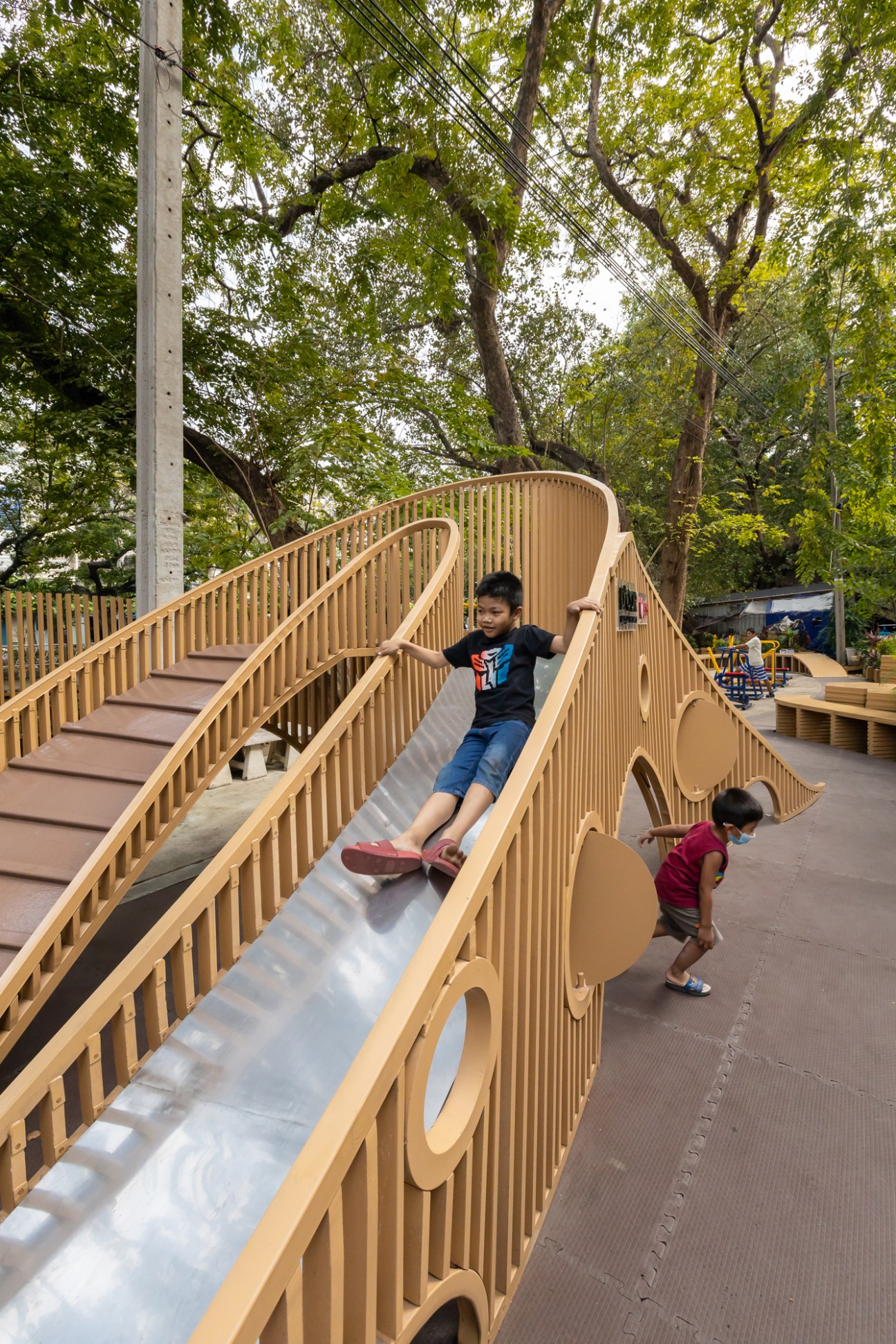
Playgrounds should leave room for a child’s imagination and encourage them to take risks – something that Bangkok’s Choduk Playground does intuitively. Commissioned by Art4d magazine and building product company scg D’Cor, its slide and stairs are perfect for children to clamber on and jump off. Meanwhile, the playful forms of its planter boxes and benches, inviting for little ones to scurry across, also offer an ideal perch for adults. This multi-generational appeal, as well as the involvement of locals in the design process, is proof that sometimes what’s best for kids is also best for grown-ups and the community.
art4d.com
46.
Healthiest design
Technogym Bench
Italy
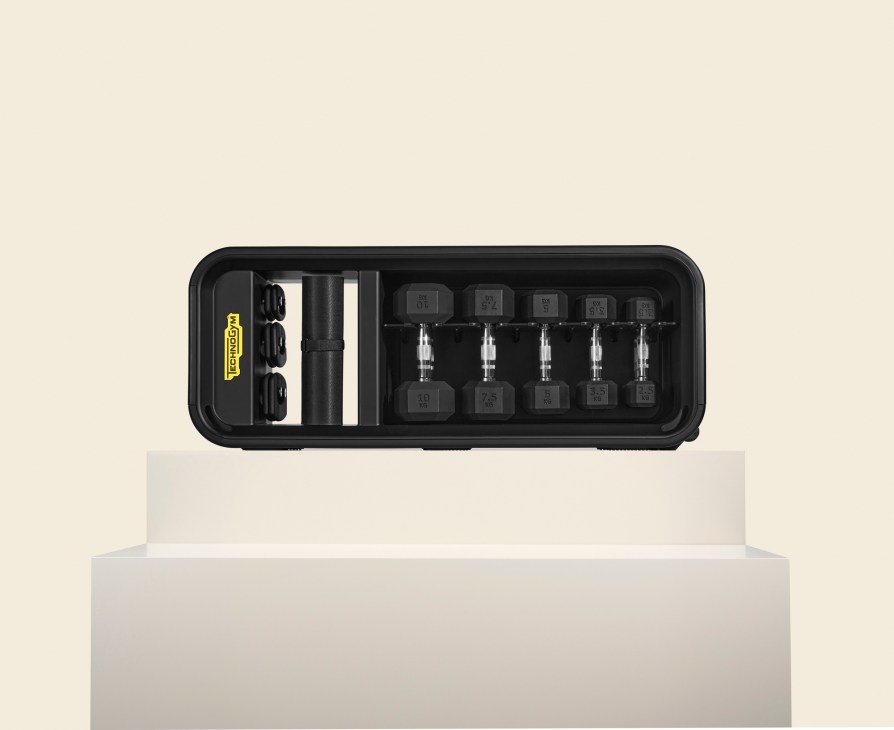
Good design should be versatile, functional and built to last. Technogym’s all-inclusive, compact training bench ticks the boxes. Combining elastic bands, hexagon dumbbells, weighted knuckles and a training mat, it’s made to be used in more than 200 types of workouts, from push-ups to weightlifting. It’s great for urban dwellers who want to invest in good fitness equipment but don’t have the room.
technogym.com
47.
Most unique design school
Paju Typography Institute
South Korea
This institute teaches design like no other. This year a new course combines farming, fermentation and greenhouse-making with art and design. “We don’t want our students to be just graphic designers but people who run farms, butchers’ shops or carpenter studios,” says former vice-director Lee Jae-ok. Monocle could not agree more.
pati.kr
48.
Most resourceful reuse project
Tank Park by Landlab
New Zealand
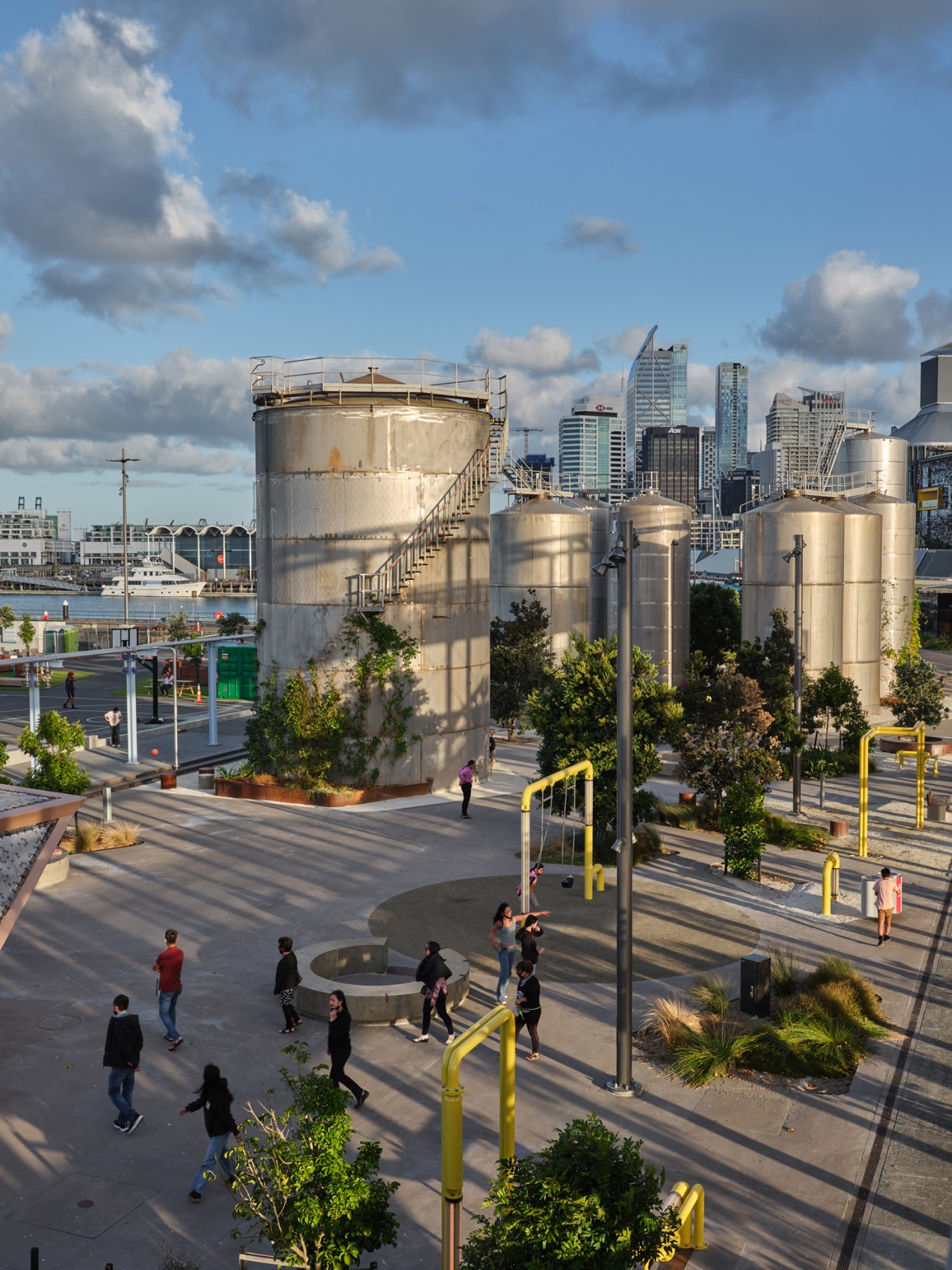
Once home to petrochemical companies, fishing fleets and boat builders, Auckland’s Wynyard Quarter is being transformed into a mixed-use precinct. While this is great for the city, many new structures don’t reflect the site’s rich industrial heritage: a missed opportunity that landscape architects Landlab addressed at Tank Park.
“Sites like this already have an identity,” says Landlab founder Henry Crothers. “So our work became about revealing its dna and finding ways to reuse the materials and infrastructure in a much more meaningful way.”
This outlook saw Crothers and his team repurpose some of the site’s old tanks into gallery spaces, which sit alongside a shelter for community gatherings, with play equipment for the children made from valves and pipes found on site.
It’s now a lively public space that pays tribute to the past and serves the new community’s needs, a worthy winner of a Monocle Design Award and a model for areas undergoing a transformation while retaining their character.
landlab.co.nz
49.
Best for back to work
Carlsberg Headquarters
Denmark
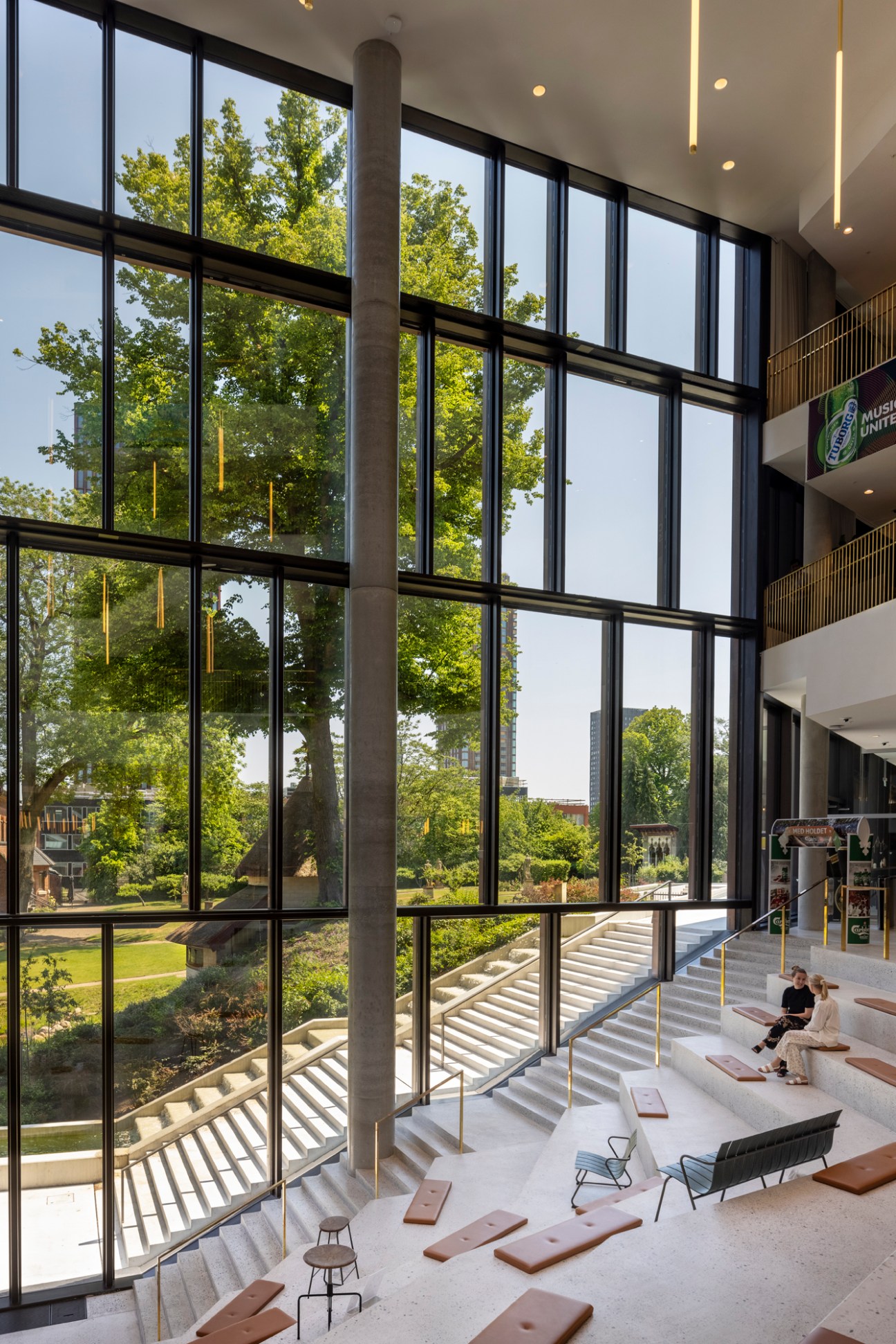
The opening of Carlsberg’s new global headquarters in Copenhagen, designed by Aarhus-based CF Møller Architects, was a significant moment for the city’s business community – one that we covered in Monocle’s September 2021 issue. And, with people now back at the office, we think other companies should be looking to the Danish brewer for inspiration. Buildings on its new campus enjoy plenty of natural light, lush surrounds and warm timber finishes. And there’s beer on tap, a move more workplaces should consider.
cfmoller.com
50.
Best do-it-all design
Part & Whole
Canada
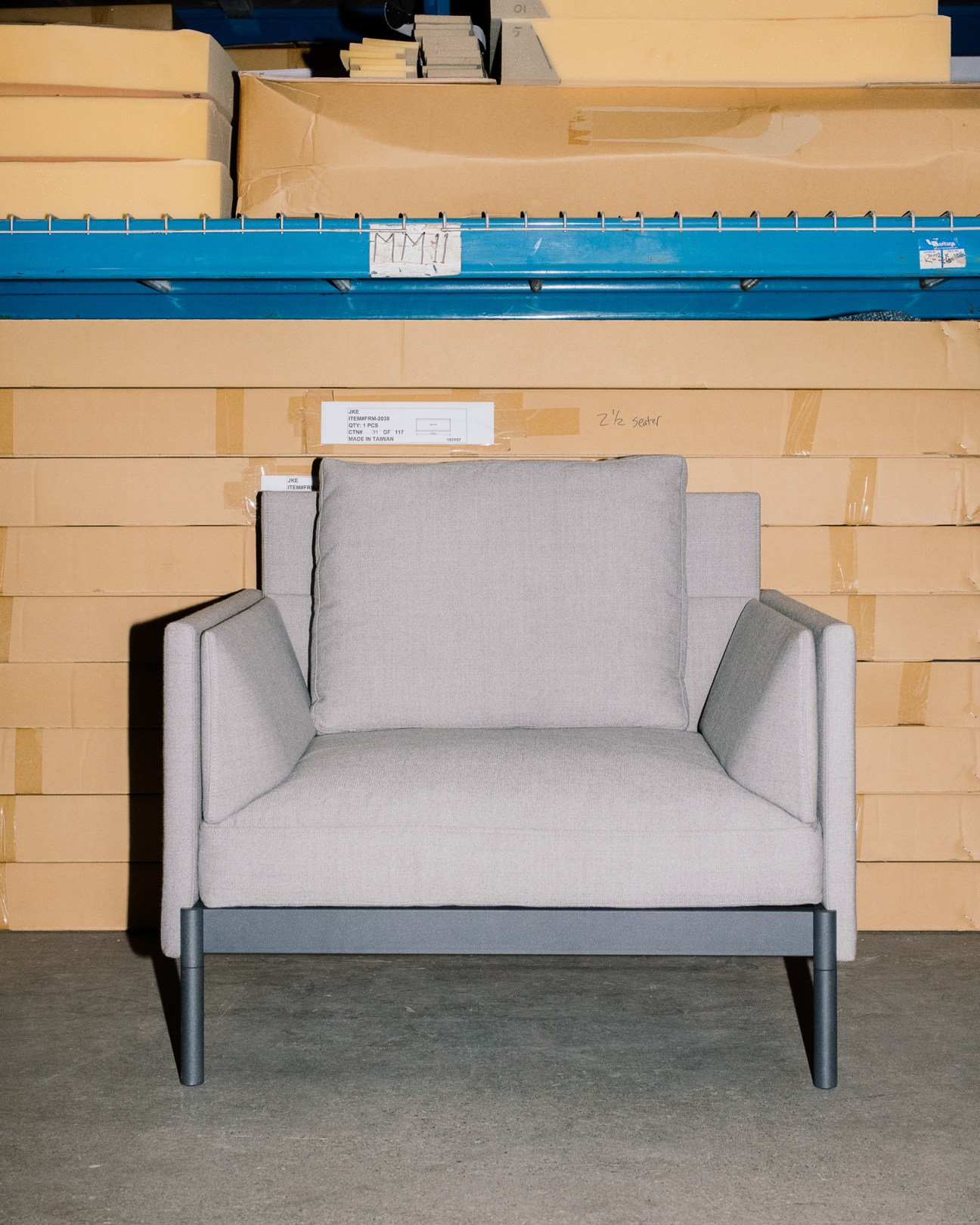
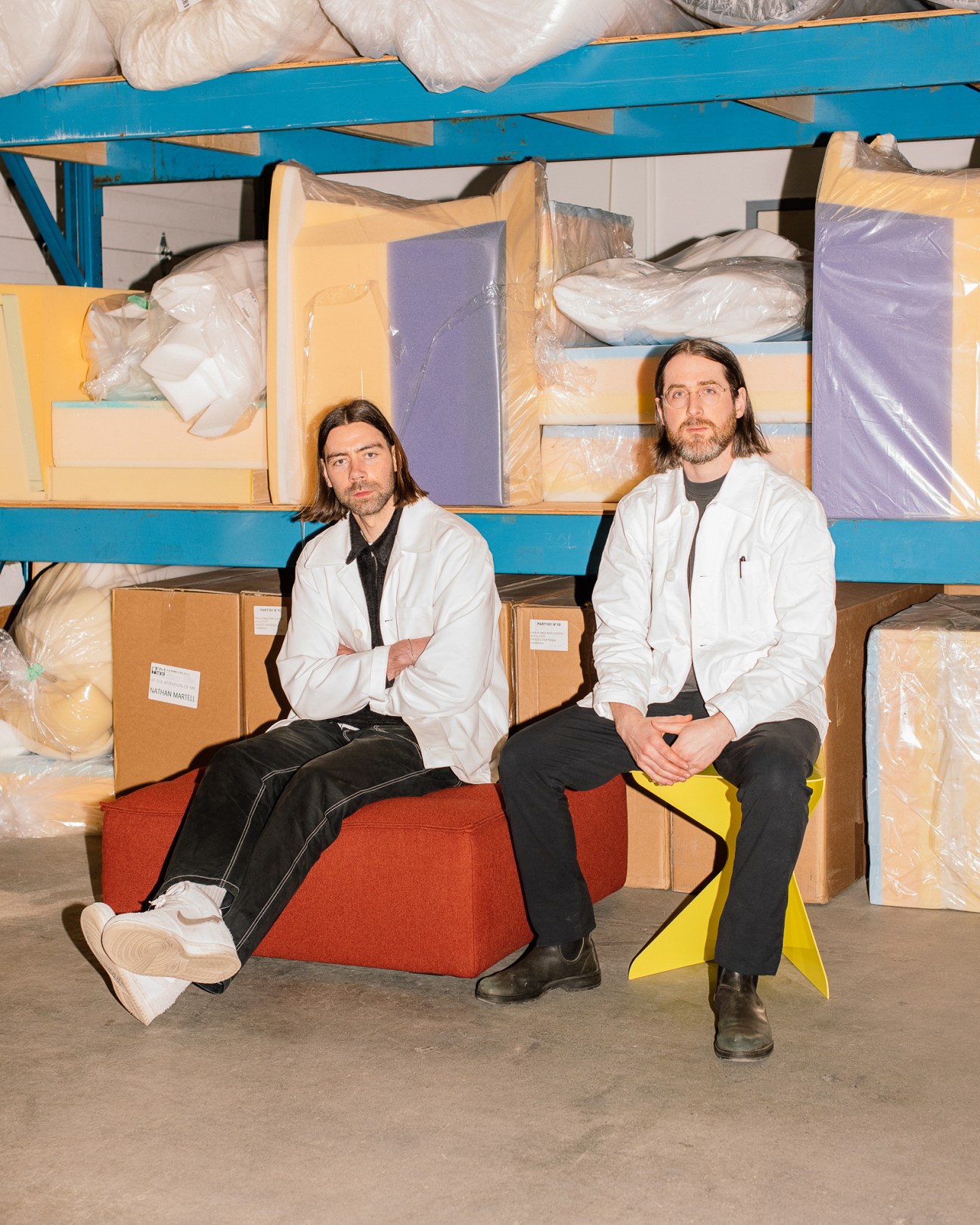
British Columbia’s Vancouver Island may not be a furniture-making hotbed but sofa brand Part & Whole certainly has our attention. Since launching in 2021 the outfit has released two modular sofa systems: Total and Chord, which can be reimagined to fit a user’s changing needs over time. A chair can have parts added to it to become a two-seat sofa or an L-shaped sectional. Fusing flexible design with refined forms, Part & Whole’s success at home is worthy of international attention. Not least because all prototyping, cutting, sewing and assembly is done in-house in Victoria. “Instead of asking a vendor to make a sample, then waiting three weeks for it to show up, we can have five different versions of something to look at in a week,” says co-founder Nathan Martell.
partandwhole.com
Refined trophies
For our winners
Global
As we’ve learnt putting together the Monocle Design Awards, mastery in this field is all about the careful refinement of a great idea. So we’ve applied this philosophy to creating our trophies. For this update of our inaugural trophy from 2021 – designed by South Tyrol’s Harry Thaler and manufactured in the north Italian region – the size and the finish have been optimised.
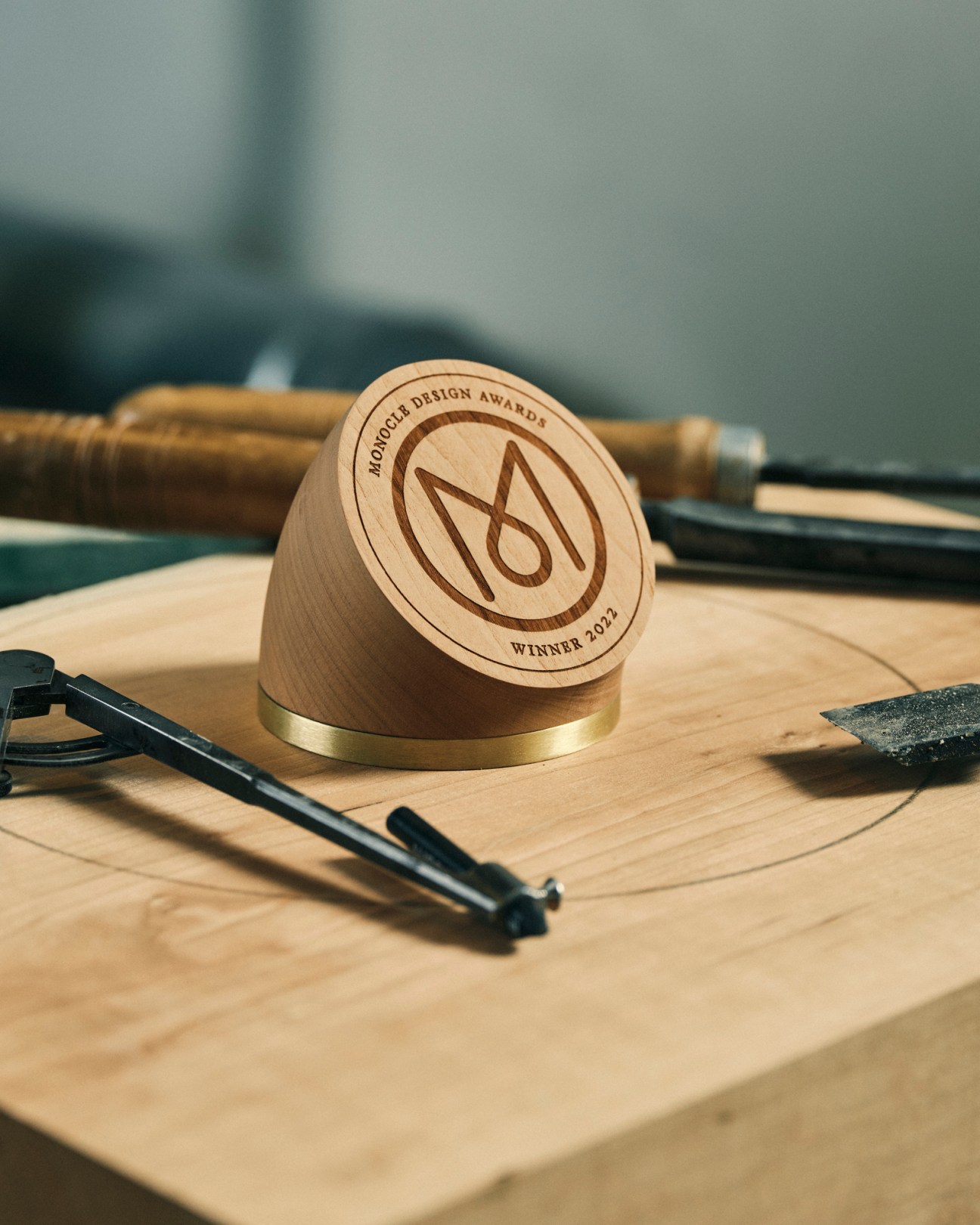
The timber is now cherry, which visually harmonises with the brass elements, and the size has been reduced to create a more compact, cosy feel. Designed to double as a paperweight, Thaler delicately balances function and form in what we feel is a worthy prize for our inspiring winners.
harrythaler.it
Images: Frederick Jones, Julien Regnier, Antoine Mercusot, Ketsiree Wongwan/art4d, Sam Hartnett.
Firm foundations
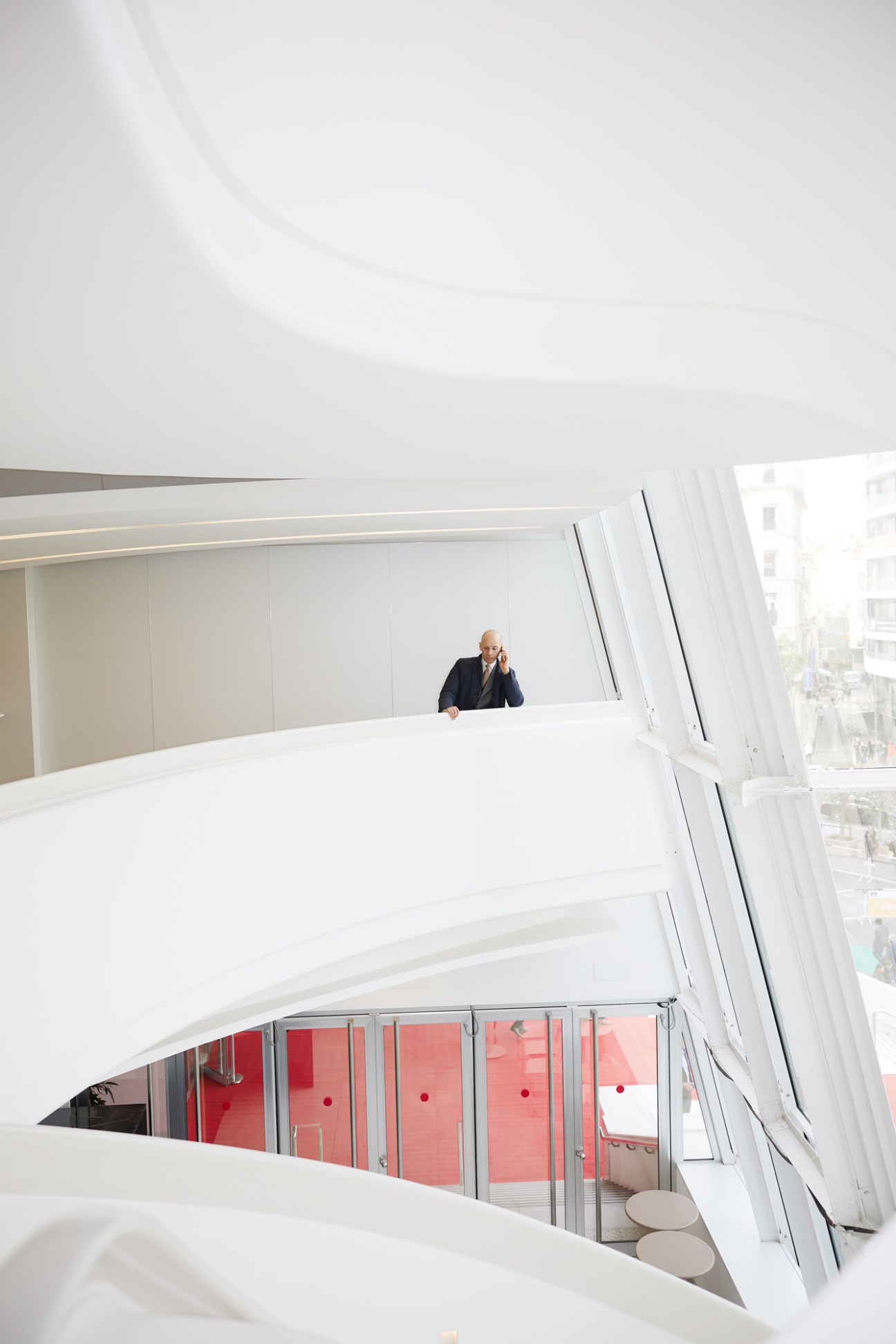
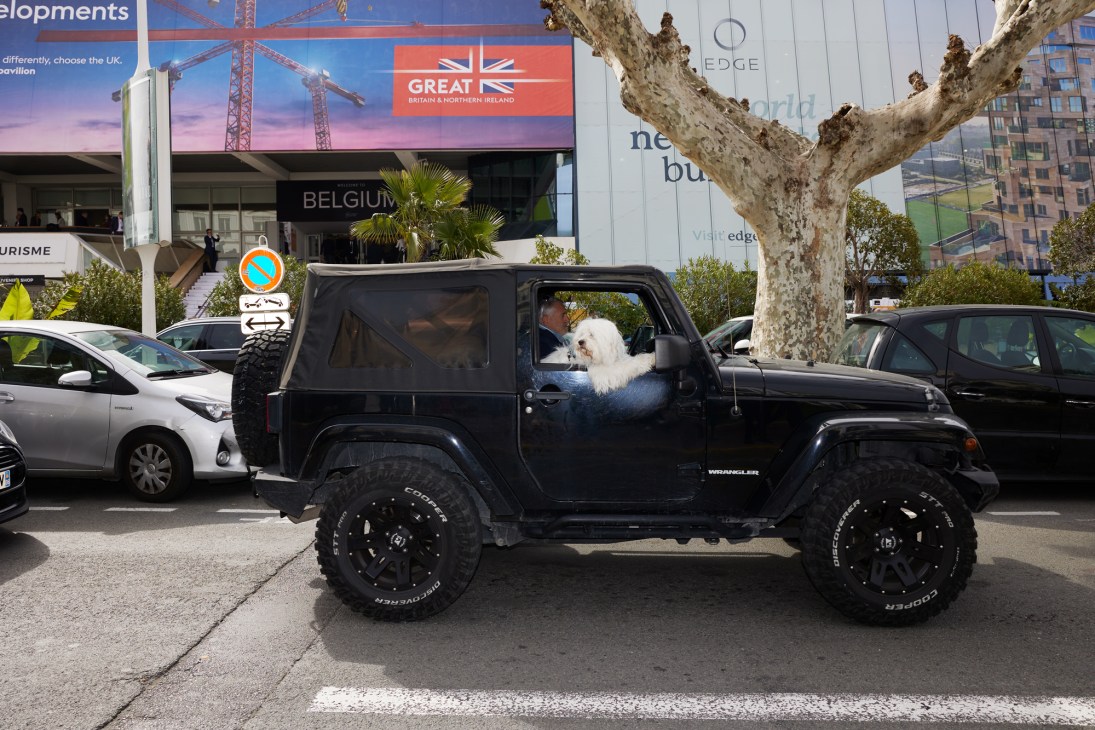
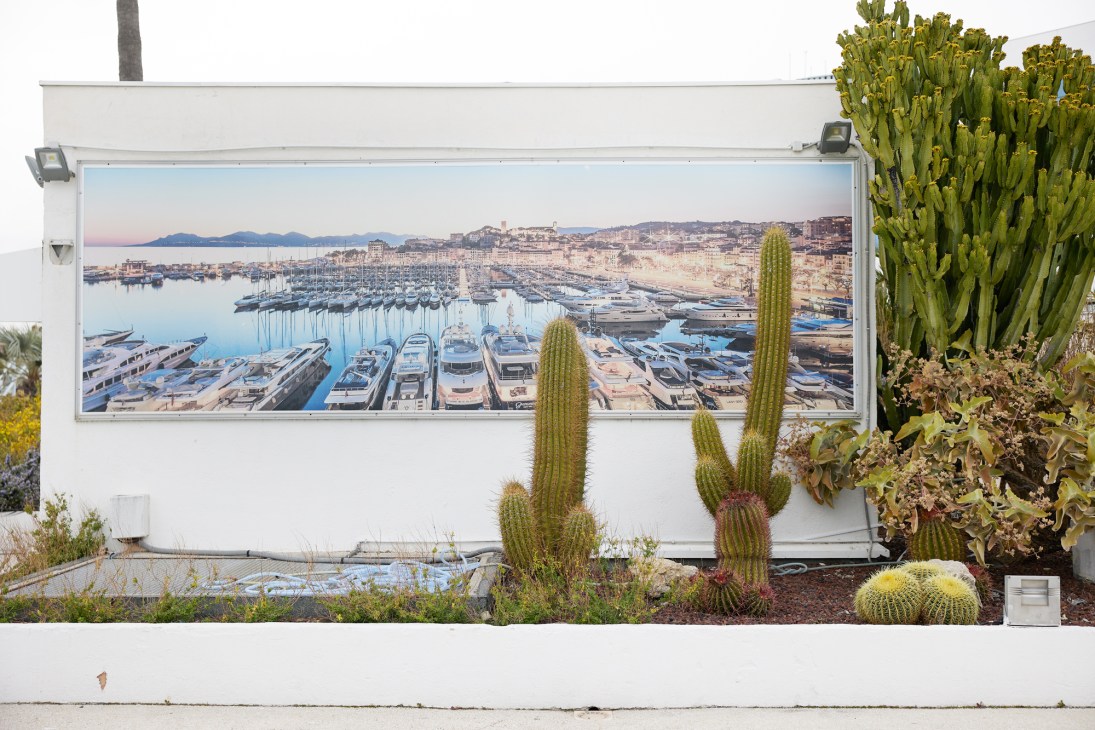
It’s noon on a windy day in Cannes and two prospecting seagulls hang in the air over Caffé Roma – the institution that caters to whichever crowd happens to be treading the Palais des Festivals’ famous red carpet. The restaurant’s rows of outdoor tables are teeming with real-estate men, some of whom are already well on the way to their third pint of the day. In a brief moment of sunshine, they peel off their navy blazers in order to shed the gilets underneath. The men – and they are almost exclusively men – are clearly happy to be back at Le Marché International des Professionnels de L’immobilier, or Mipim, the world’s leading property fair.
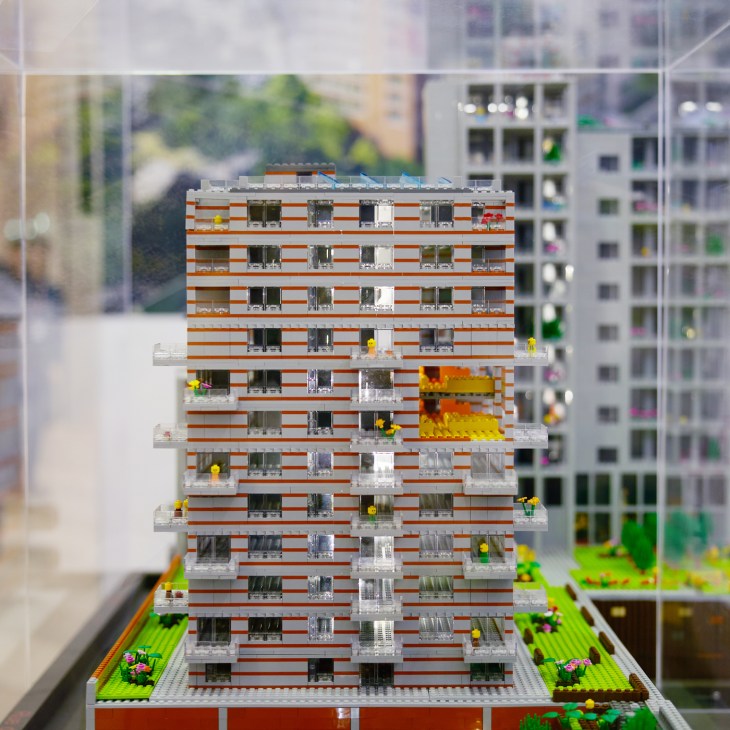
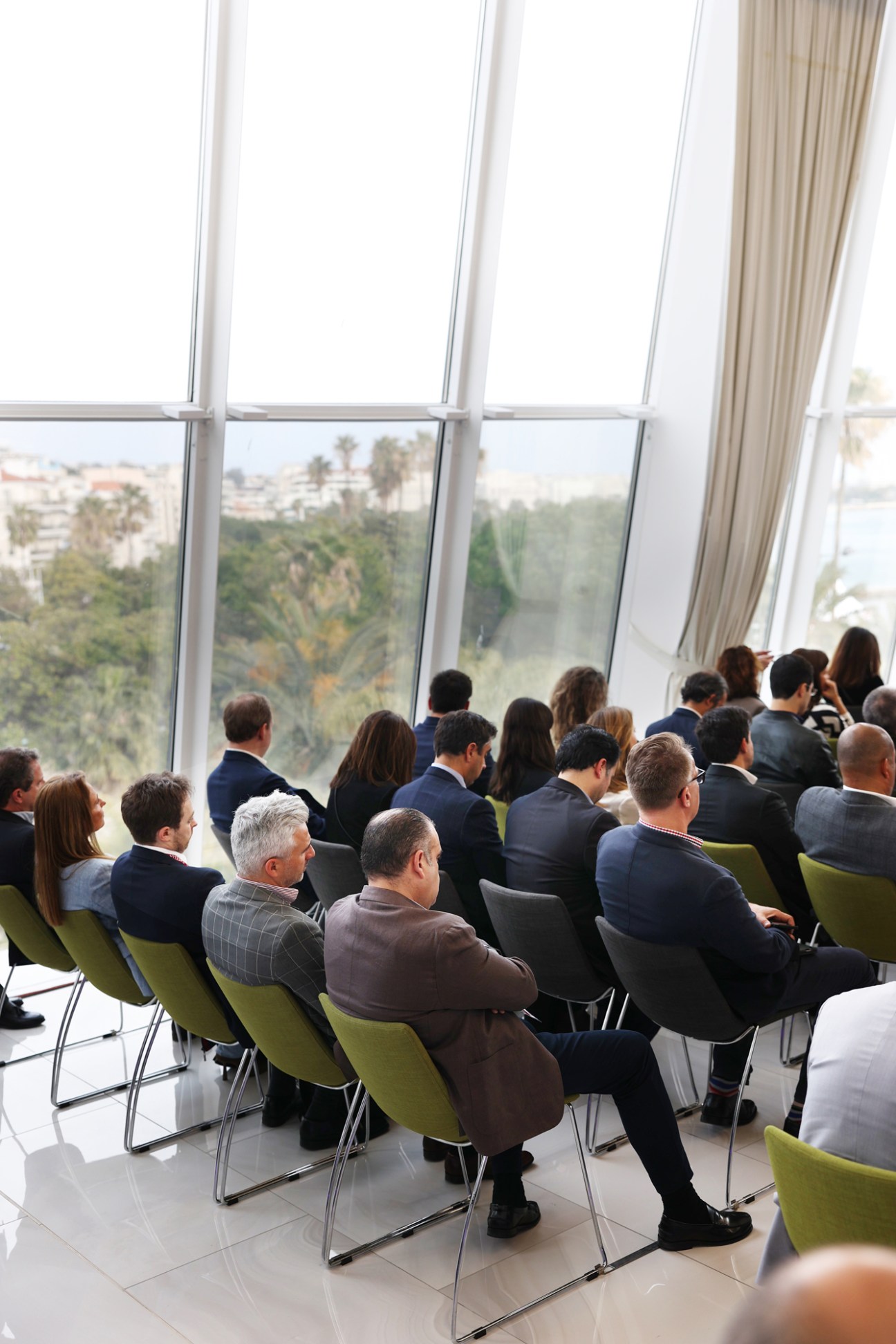
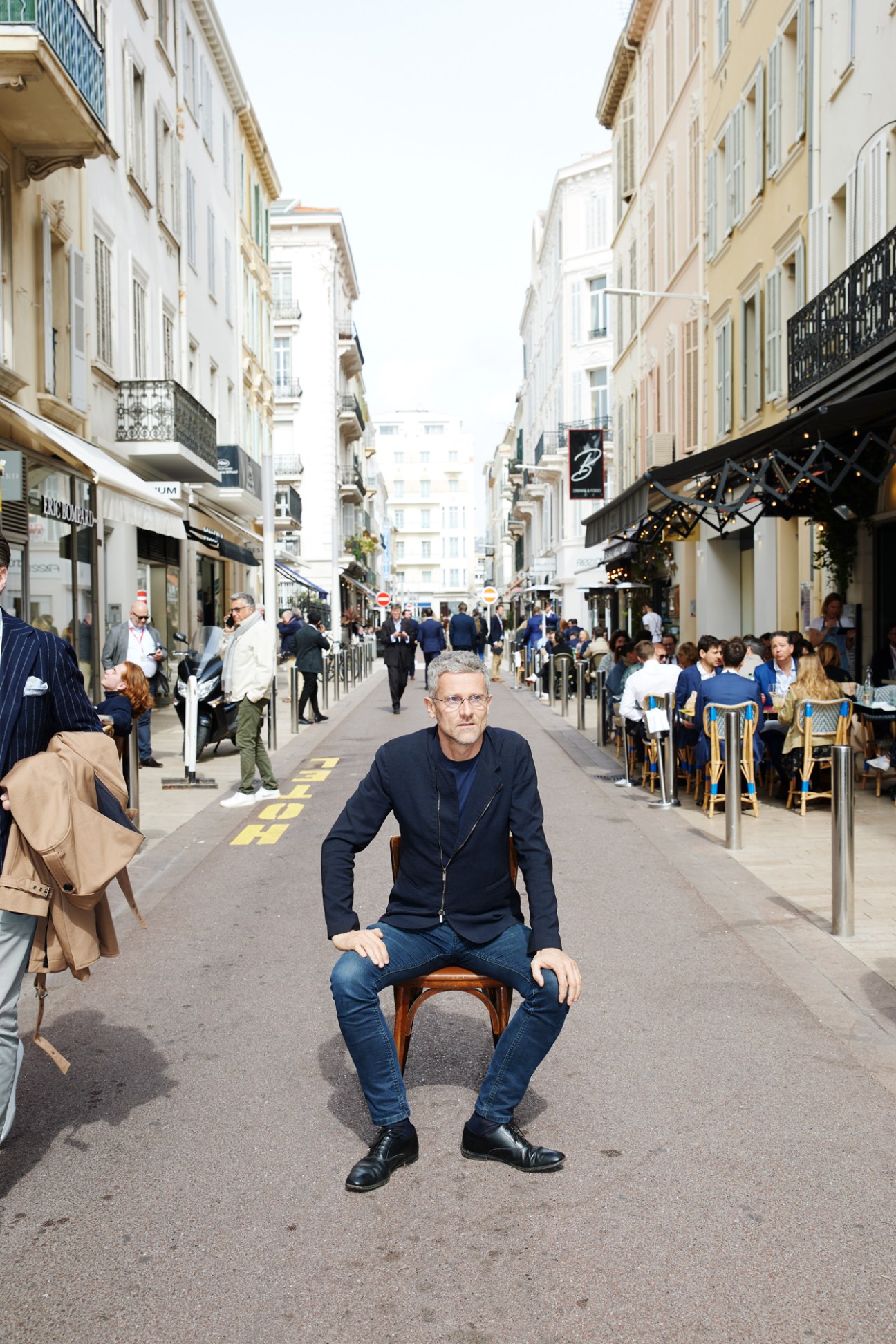
Each March, shiny-suited representatives from the property industry descend on the Côte d’Azur’s Promenade de la Croisette with a unity of purpose: to fund, design and develop buildings and make money doing so. Or at least this happened each March until 2020. But after two years of tinny video calls for most Mipim goers, in-person meetings are back, and what better way to herald their return than over seafood and champagne in the South of France? “Here you can meet people, which is so difficult to do over the phone. I see more Danish people here than I could in a year of trying to meet in Denmark,” says Kai-Uwe Bergmann, partner at Bjarke Ingels Group. Normally, “people are guarded… but here, those guards are down,” says Bergmann, whose Copenhagen-headquartered architectural firm took home an award for designing Audemars Piguet’s spiralling museum near Switzerland’s French border. Photos evoke a Viennese whirl covered in grass.
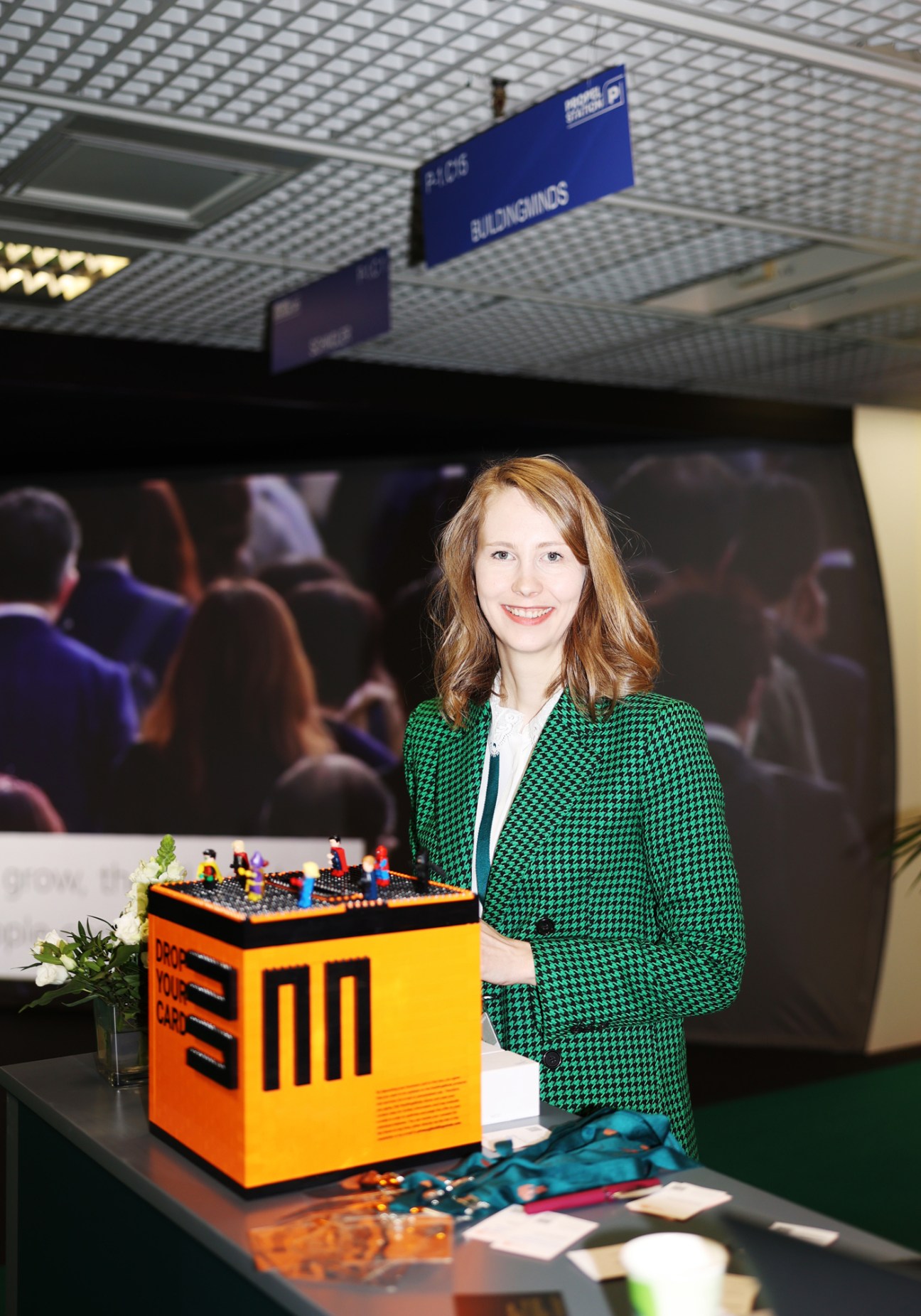
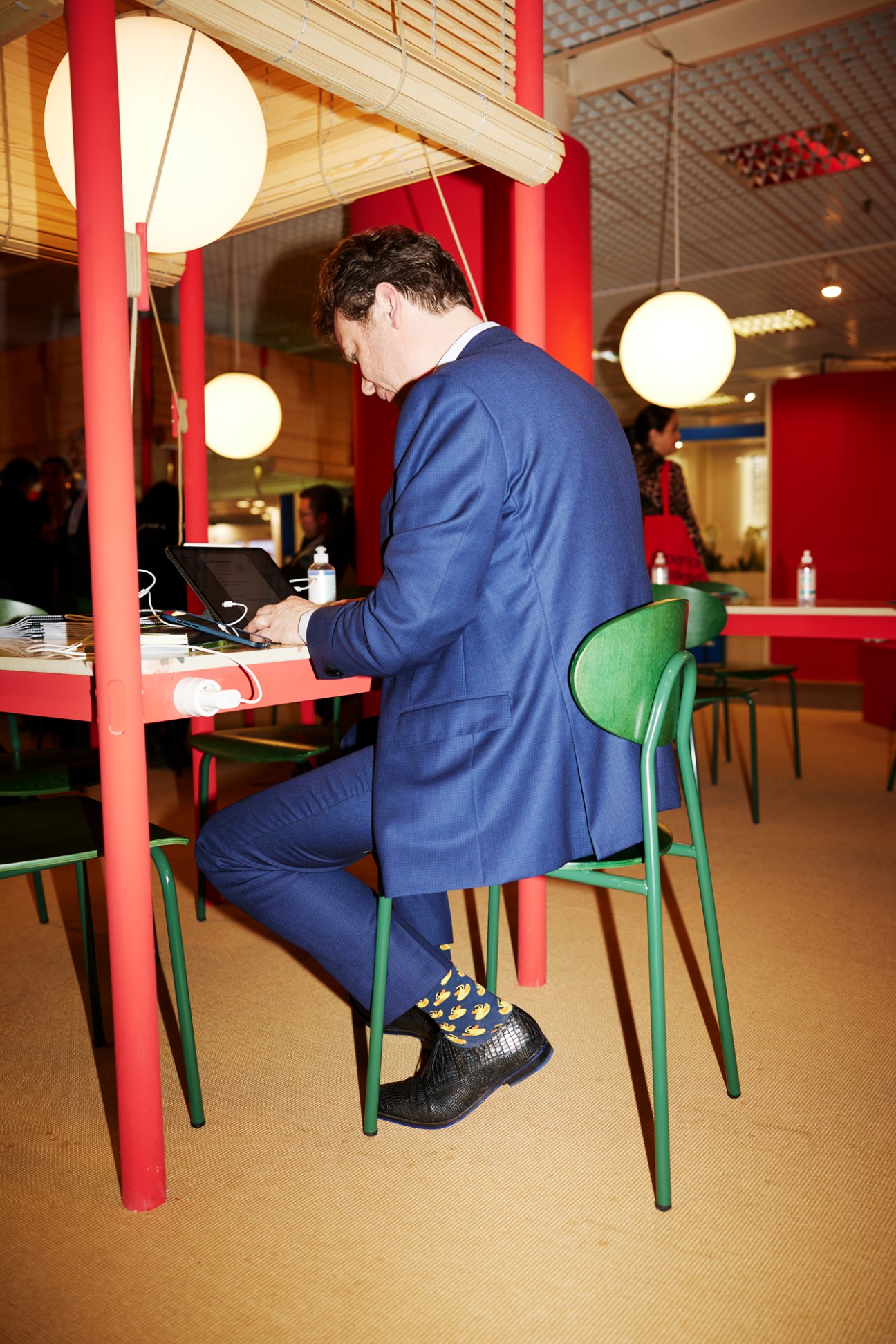
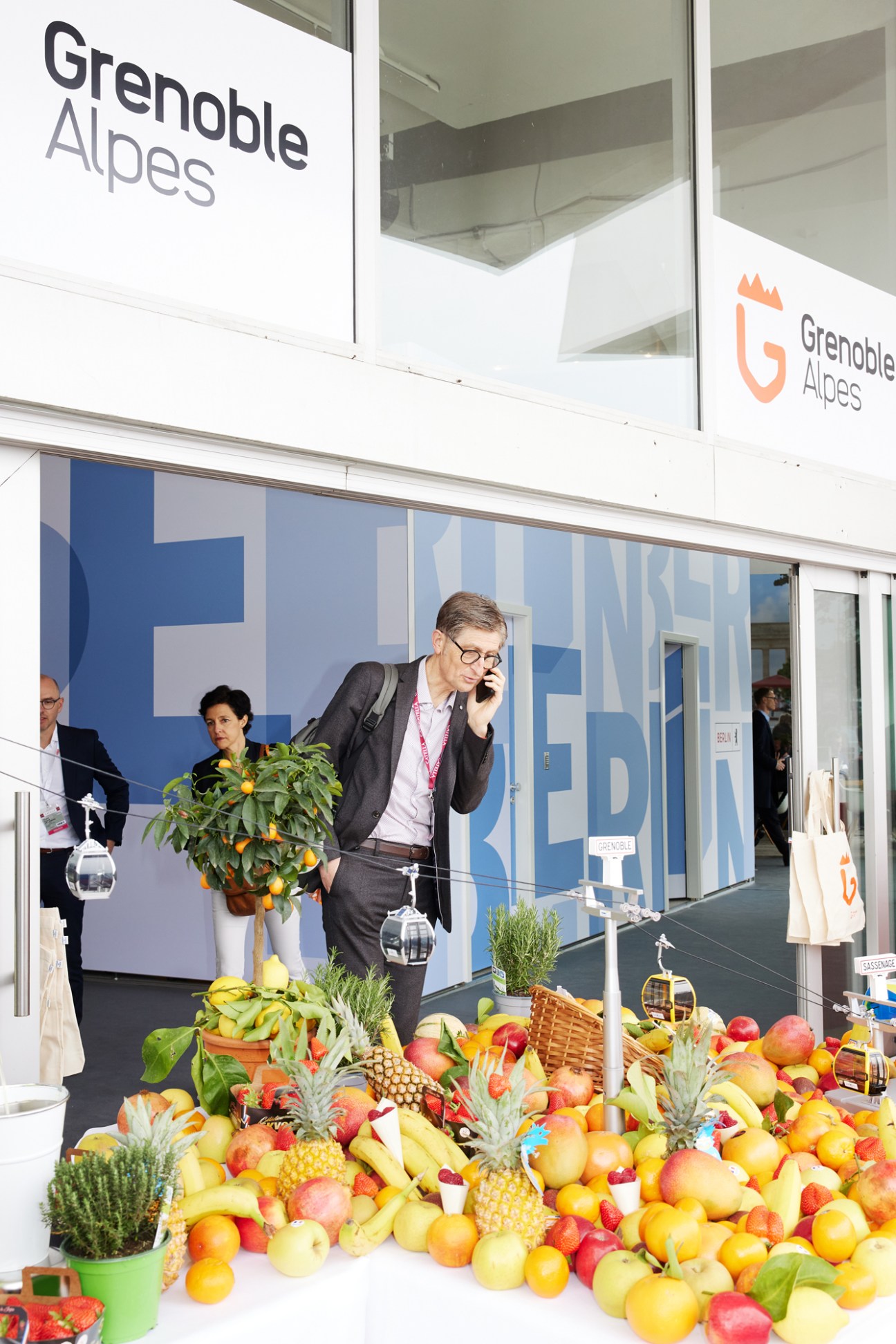
This year’s Mipim is a return to the scenes of 2019 and before – the lubricated backslapping bonhomie aboard marina-bound yachts, lunchtime boules in the nearby square and the warren of stands and pavilions in the bowels of the Palais des Festivals – but anyone hoping that the pandemic would simply be forgotten is in for a disappointment. The crosswinds of coronavirus, environmental issues and Russia’s ongoing invasion of Ukraine are difficult to ignore. Mipim is normally a global affair but the majority of representatives are from Europe, the Middle East and Africa (Egypt’s hulking tent was practically the size of its new administrative capital). There are decidedly fewer delegates than usual from further afield.
“The pandemic, but also travel restrictions were still important until a few weeks ago, and you do not decide to come from Singapore or Hong Kong to Mipim last minute. You need to prepare your stay,” says Ronan Vaspart, Mipim’s managing director. Vaspart says that some of the absent Asian investors were represented by their London colleagues.
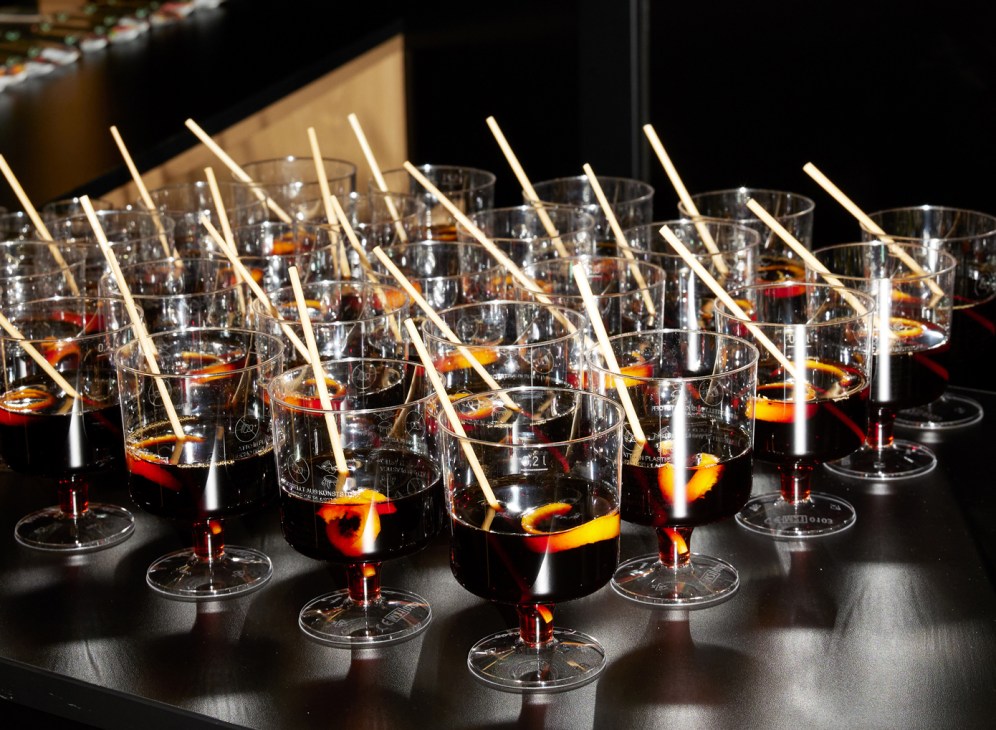
For those who make it, the conference’s 2022 iteration is not exactly a dry affair – photos from sweaty nightclubs filter through on social media and the thudding bass of developer Linkcity’s Tuesday-night bash at the Majestic Hotel can be heard from the beach. But even so, the festivities are not quite as raucous as in recent years.
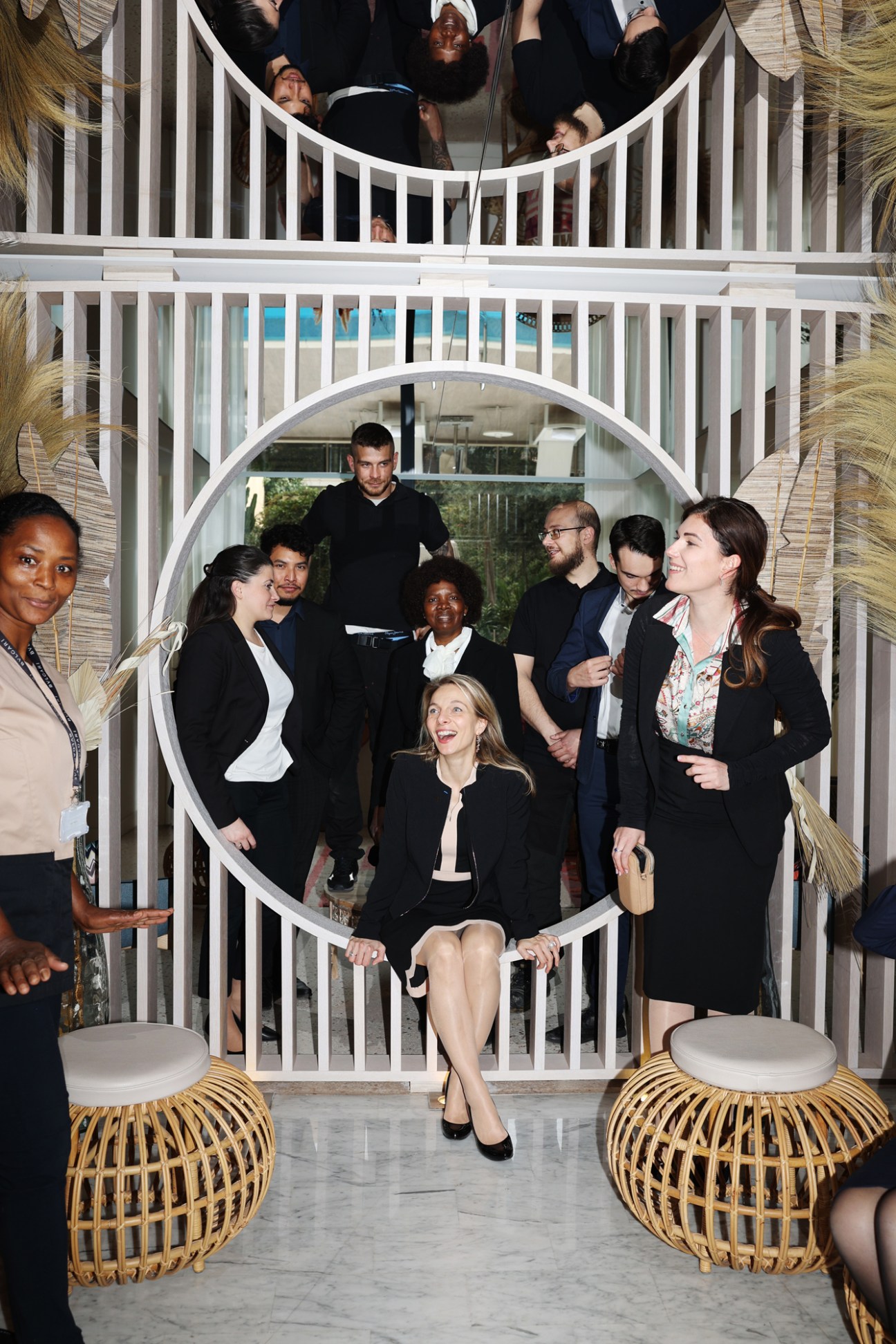

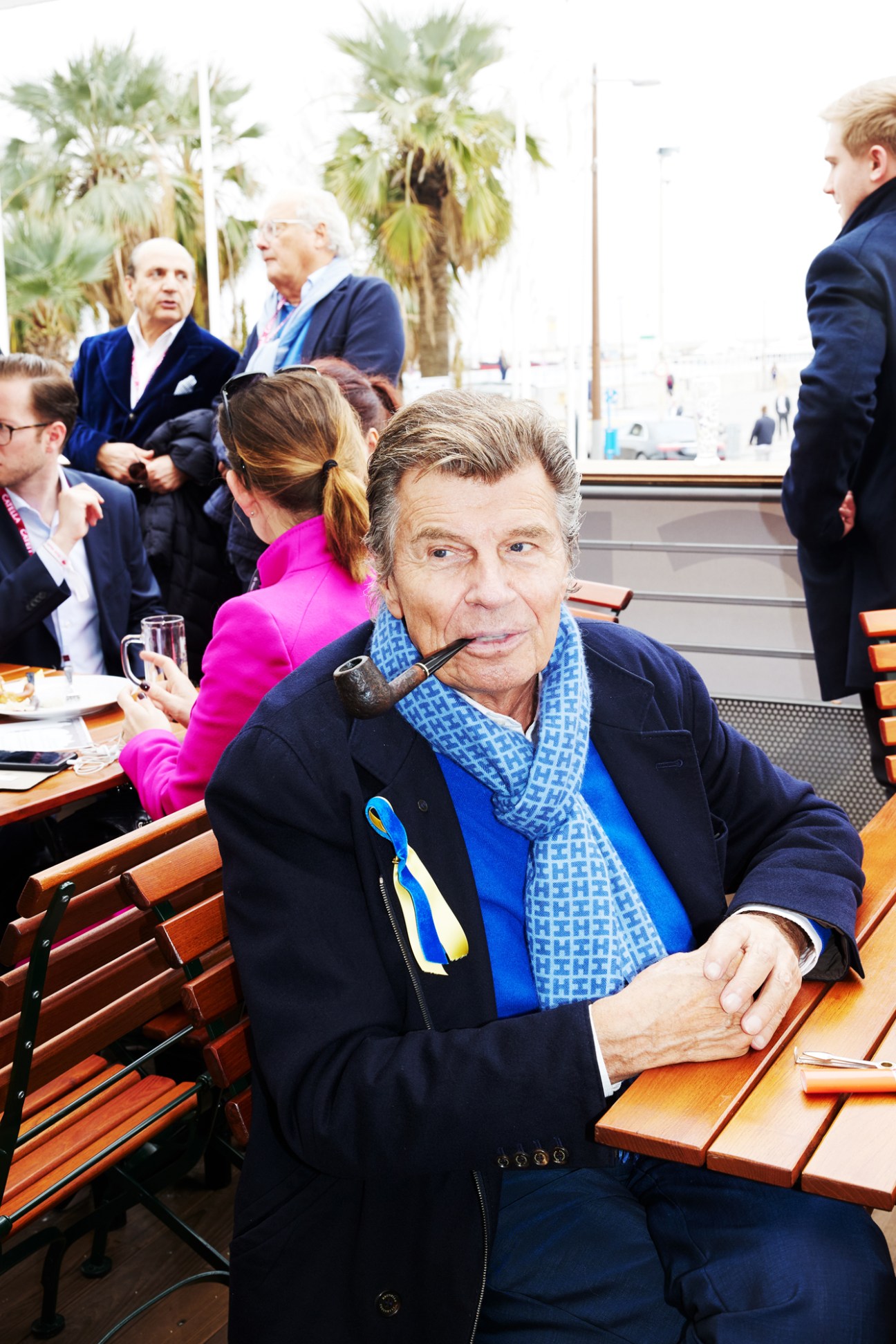
“I know a few people who haven’t come or firms that have sent a smaller contingent this time – now feels like a moment for taking stock,” says Gavin Diamond, the bridging finance director at London’s United Trust Bank, with the sizable caveat that a moment for taking stock hardly means a pause in dealmaking. Partly thanks to government support that may soon dry up, there’s “a very healthy demand for property right now and it’s very much a sellers’ market”, says the South African, whose bank has a little under €2.5bn in managed assets.
Down in the frenzied, stuffy aisles of the Palais’s basement, a few countries’ stalls are still in the throes of coronavirus. Japan’s sparsely attended lounge promises an electrifying programme of speeches focused on the pandemic and “proptech” – the ubiquitous portmanteau fusing “property” and “technology”. For those wanting to move on, there are new opportunities to be had. The pandemic has weakened the demarcations that have traditionally separated offices from hotels and suburbs from city centres. Few people here want to be working from home but office workers and the parameters of what constitutes an office are now up for grabs.
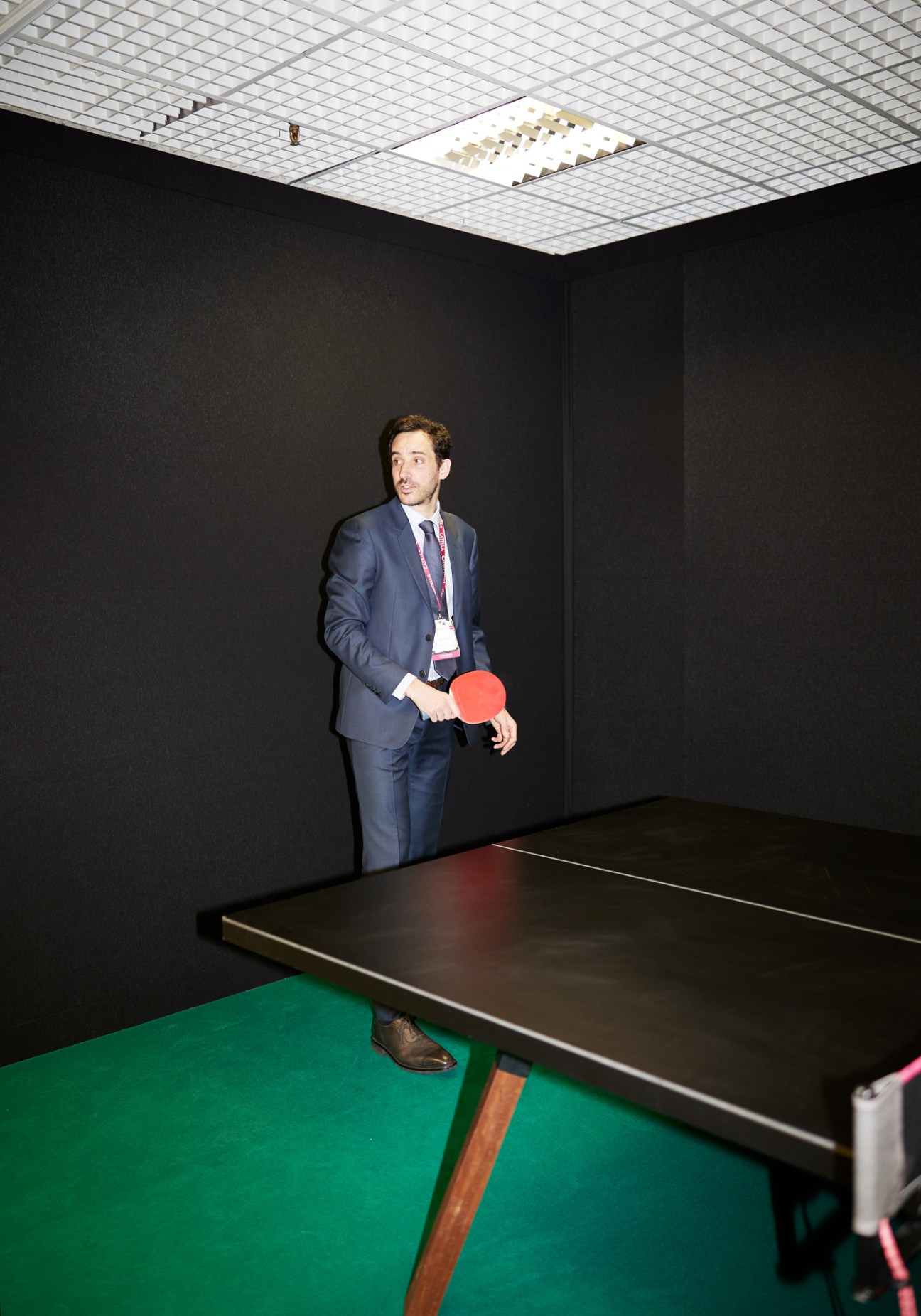
Maud Bailly, Accor’s CEO of Southern Europe, is here to bang the drum for her company’s bet on luring the patrons of co-working spaces into her company’s buildings. “Hotels can be new spaces to work from,” she says. “We had already developed this plan together with co-working spaces in many hotel lobbies before the crisis. coronavirus has just accelerated the trend. It’s a business opportunity.” Lower down the food chain, UK start-up Spacemade is applying hotels’ business models to offices and partners with landlords to design and operate co-working spaces to capitalise on reinvigorated high streets. “We’re now competing with people’s homes – somewhere people are very comfortable being – and you have to make the office into a destination,” says Dan Silverman, Spacemade’s co-founder. “If there are amenities, varied spaces for collaboration and a food and drink element, it’s so much more compelling.”
Politicians are also emphasising making their cities more liveable. At Porto’s stall, which is lined with charming hand-painted tiles, Mayor Rui Moreira says that second-tier cities will shine in the post-pandemic economy. Increasingly, large companies want to spread their bases, the mayor says, so he’s here seeking an initial €700m in private money to rehabilitate the city’s east side with offices and homes. “We want it to be like Canary Wharf without the problems of Canary Wharf. We don’t want an island,” he says. A new transit hub and a renovated train line between Porto’s riverside and upper-side districts will help to retain the feel of a 15-minute city, avoiding the isolation more common in big cities, says Moreira.
Lisbon’s mayor, Carlos Moedas, returns Moreira’s serve. He’s here to invite tenders for a huge homebuilding and affordable-rent programme that will make the city more manageable for younger and middle-class workers. “You have a lot of companies that go to Portugal just for the talent,” he says, “and there’s not a lot of places where you can go and surf in the morning before you go to work and head to the beach on the weekend basically all year round.”
There are plenty of signs of a world that has spent two years readying itself for celebrations. At the Budapest stand, a giant model of the city’s park displays the new 9,000 sq m and otherworldly (its appearance can best be described as fungal) House of Hungarian Music that has won plaudits at the conference.
But if the property industry can’t avoid talking about the pandemic, it would much prefer to talk about the environment and social and corporate governance, commonly known as esg – the acronym that launched a thousand credulous press releases. Still, mitigating climate change is an era-defining challenge designers are taking on with relish. Italian architect and mit professor Carlo Ratti’s firm is behind Helsinki’s Hot Heart. The huge offshore project uses excess renewable energy to heat tanks water that is then piped through the city. The tropical forests that sit on top of the tanks are an eyecatching example of what can be done when a city takes a “moonshot” approach, Ratti says. “If you want cities to innovate, you need to stop using ‘best practices’, which lock the future into the past,” he adds.
But a different story has emerged from the alphabet soup to punctuate this year’s Mipim. Russia, usually a conference stalwart, has stayed away given that participants would violate crippling Western sanctions by doing business with the world’s latest pariah state. Ukraine’s stand is boarded up, displaying a message explaining that the cities that had planned to attend are instead too busy defending their freedom from Russian shelling.
Events in Ukraine throw architecture and real estate into perspective for Russia’s neighbours. Tallinn’s stand features a half-a-billion-euro plan to renovate the city’s port. While the geopolitical situation may yet affect investment in the region, the risk of being next to Russia “is something we’ve always been aware of and we’ve been more cautious [as a result],” says Kadi Metsmaa, the CEO of Estonian design firm Esplan. “Our investment strategy hasn’t changed because we have [used our] discretion.”
That the dance of patronage and expertise is picking up pace as a war rages across Europe makes for some dissonant, awkward scenes. One waiter picks his moment to pop a champagne cork mere seconds after an understandably emotional speech from Kyiv mayoral adviser Olga Balytska, in which she has just pleaded with Europe’s mayors for support and a no-fly zone.
In most rooms at Mipim, though, Ukraine was a topic to be avoided, lest it kills the buzz. “People aren’t really talking about it here – we’re in a bit of a bubble,” said one American architect at the Linkcity party. “But,” he immediately added, “I did put my foot in my mouth with a client who I’ve known for two years because I didn’t recognise him without a mask.”
Building the future
Mipim offers a chance to see some truly transformative design projects. Here are Monocle’s favourites:
East Porto: Porto’s government has a 10 sq km masterplan to redevelop 23 per cent of the city. It involves converting Porto’s old slaughterhouse, building a new transport hub and a bridge over the Douro river, as well as a new business district in Freixo.
House of Music, Budapest: Designed by Sou Fujimoto, Budapest’s music museum and concert hall has an undulating, cratered roof. The 9,000 sq m building, part of the government’s controversial plan to transform the city’s park into a museum district, won Mipim’s special jury award.
Hot Heart, Helsinki: Carlo Ratti Associati led the proposal that won Helsinki’s energy challenge in 2021. Ten cylindrical basins off Helsinki’s coast will hold 10 million cubic metres of water, acting as an energy store and providing low-emissions heating to the city’s homes. Biodomes will be erected over the basins and filled with tropical plants. Completion is expected in 2028.
Port of Tallinn: Zaha Hadid Architects is leading the master plan to redevelop the city’s port, linking it with the city and its public spaces. The redevelopment will cement Estonia as a regional player in tourism and trade.
Feathering the nest
Every spring on Iceland’s sub-Arctic Troll Peninsula, plump eider ducks lay eggs in nests that they line with their feathers. About a month later, fluffy ducklings hatch, starting life on what is comfortably some of the world’s most valuable down.

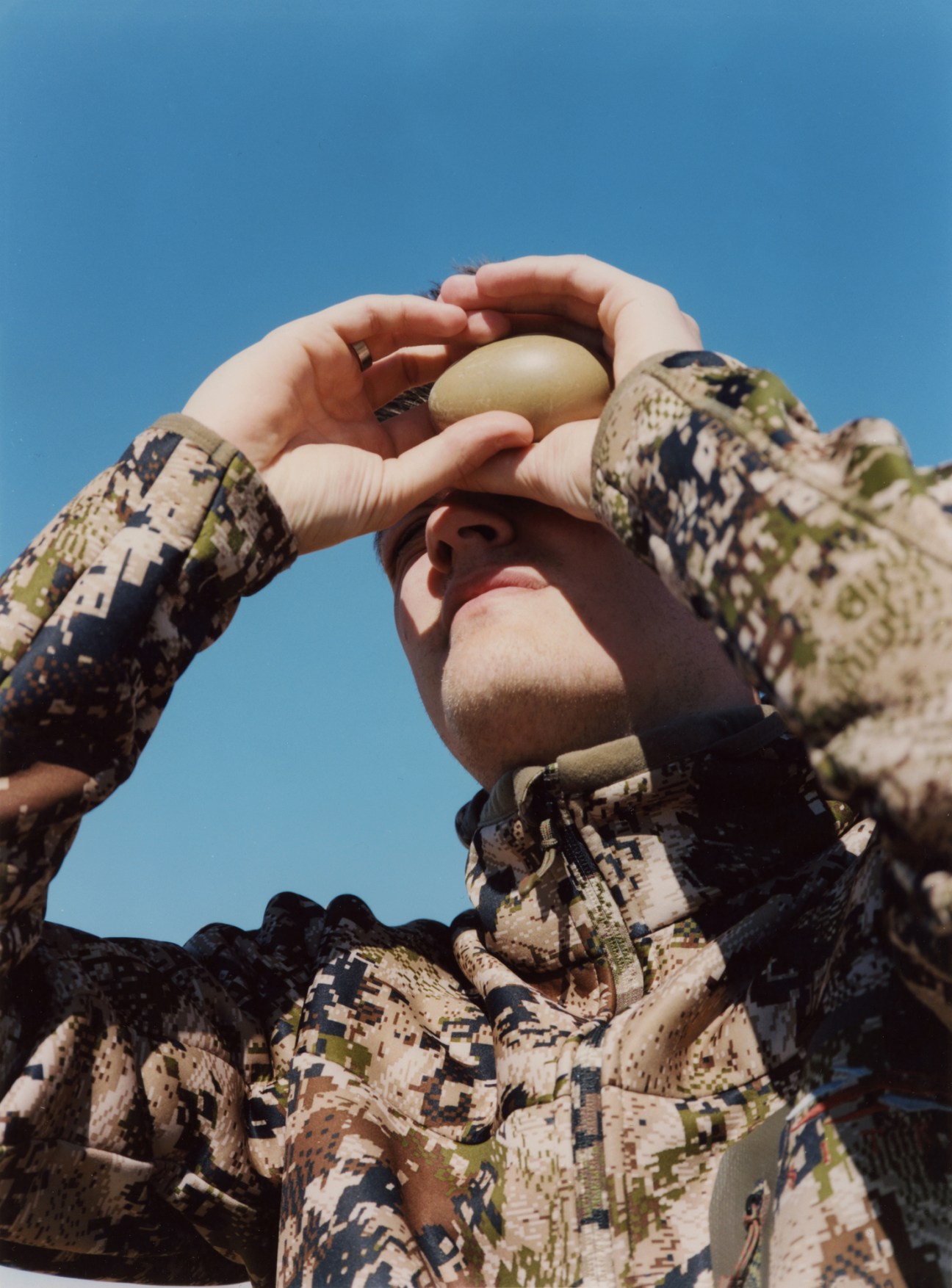
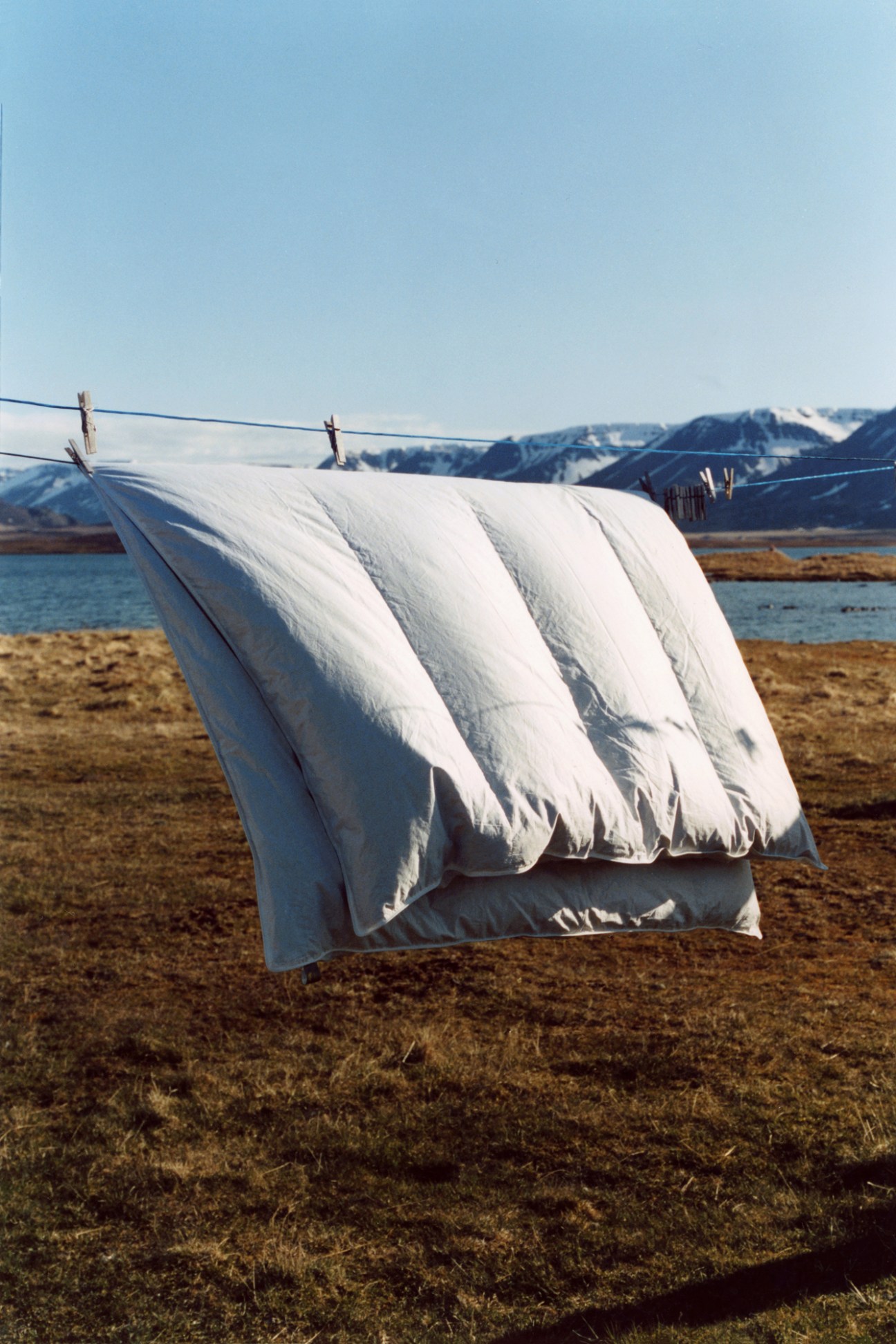
When they are ready to fledge, their mothers will teach them to dive, fly and leave their nests for new shores. That’s when Árni Örvarsson and the eiderdown foragers he employs move in to collect the soft, rare down left behind in the 4,500 nests that they protect. “It’s the lightest feather per volume, the most insulating in the world and the only down that’s naturally hydrophobic,” says Örvarsson, who runs Icelandic Eider. For generations the family-run farm has protected these ducks and gathered their soft bounty but it’s only now that Örvarsson sees a chance for the homespun industry to take flight and professionalise.
It helps that eiderdown is an ideal material for today’s climate. Unlike the down-collection techniques that in recent years have unleashed a slew of bad press against clothing manufacturers, there’s no culling or live-plucking involved in collecting eiderdown, which has been used in duvets and coats since Viking settlers employed it to ride out Iceland’s bitter winters. That’s useful in a market where consumers are clamouring for premium, cruelty-free products like never before.
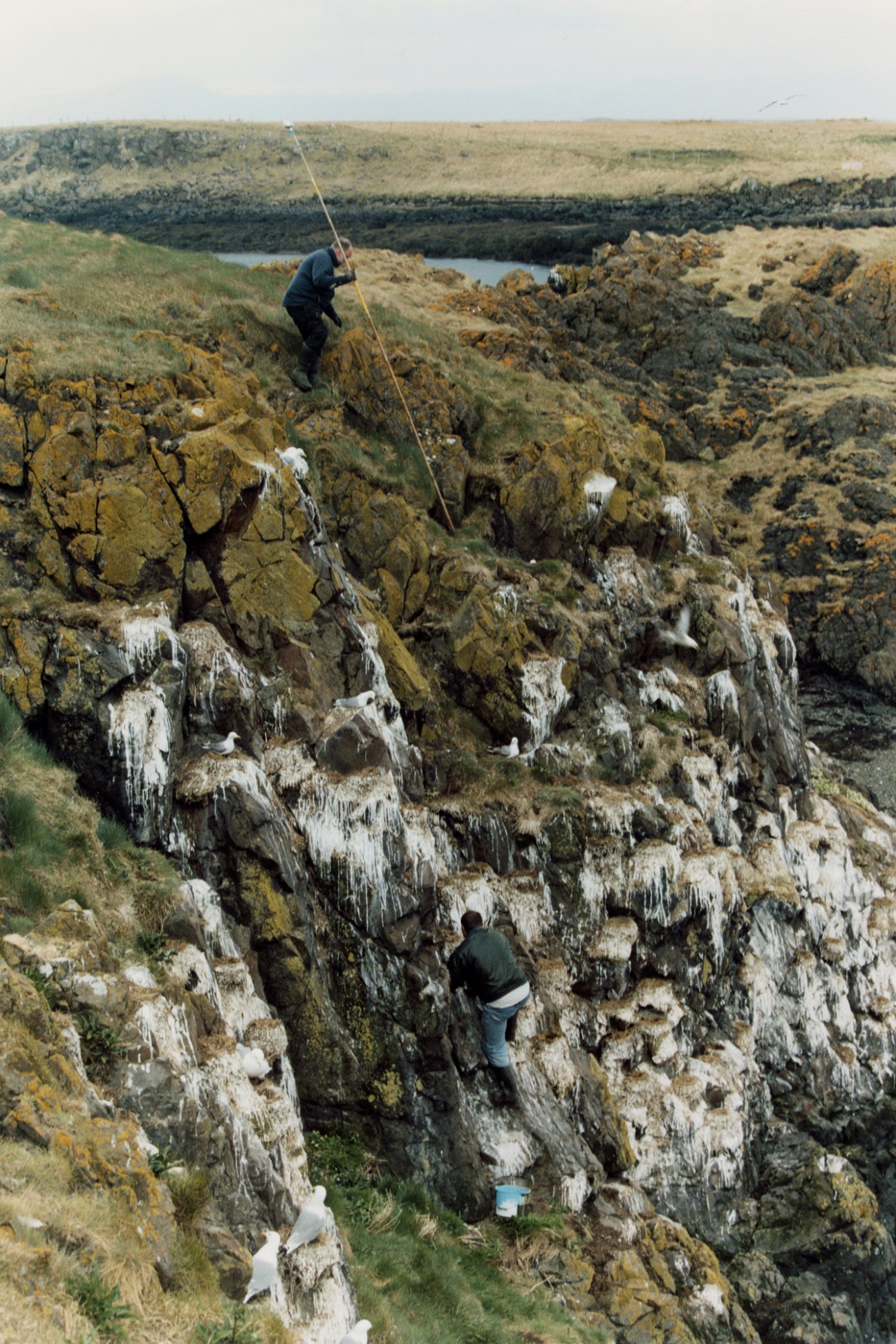
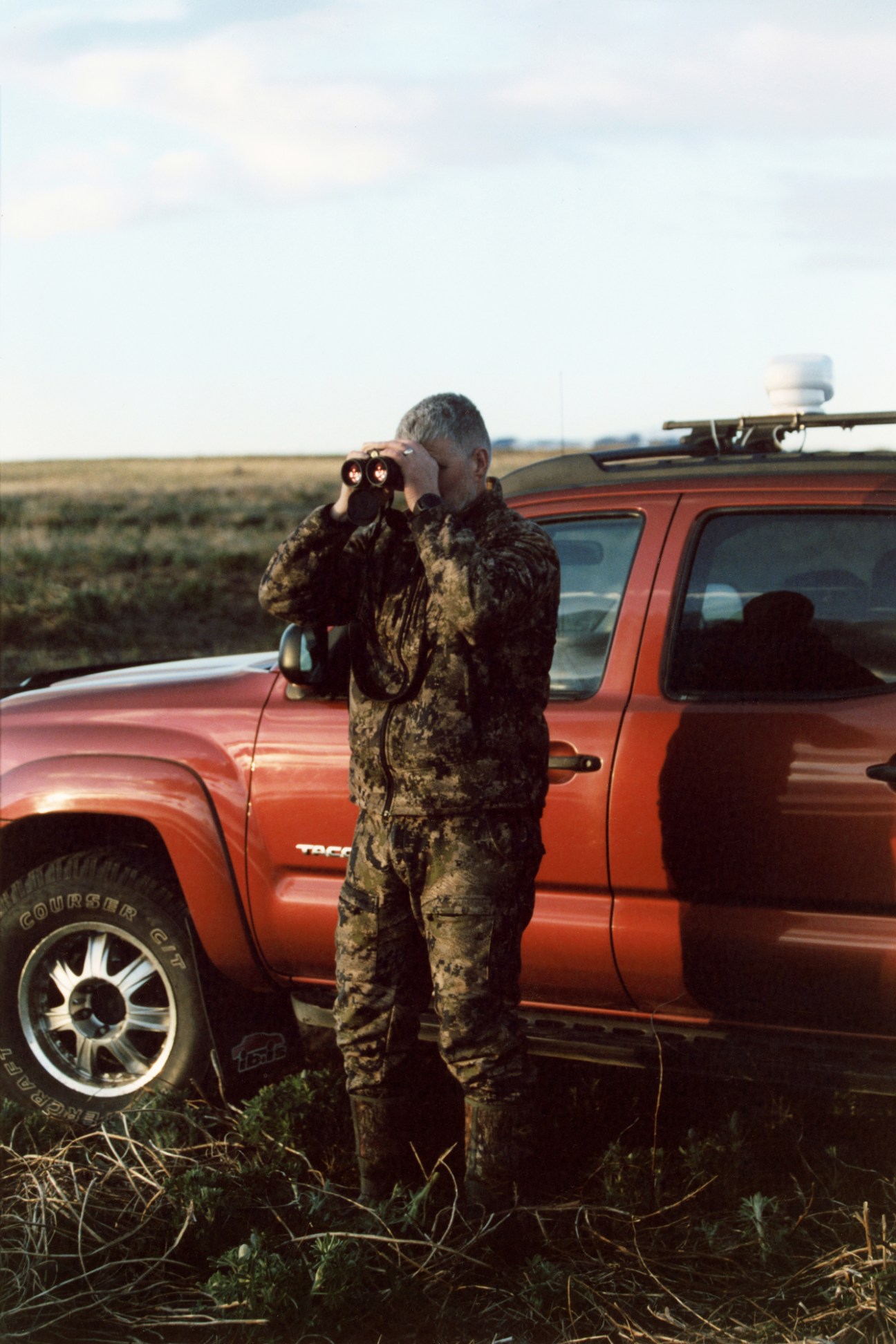
Before they get their hands on the feathers, however, the farmers work to protect the nests from predators such as foxes and mink. While following the age-old techniques of his partner’s family business, Örvarsson is now trying to upend the longstanding economics of his trade in order to win himself and his competitors a share of eiderdown’s profits that’s higher than the 10 per cent that they currently receive. Iceland accounts for about 80 per cent of the world’s eiderdown (the rest comes from a handful of places including Norway and Canada) and while last year it exported down worth about €4.4m, the combined value of clothing and duvets that use Icelandic eiderdown sold around the world is more than €44m, according to Statistics Iceland.
This gulf between export and sales is due to the fact that about 90 per cent of the down that’s gathered in Iceland is sold untreated. According to Örvarsson, buyers, often in Japan and Germany, import cheap, raw down, wash it and use it in products sold at a hefty profit.

What’s more, the price of eiderdown has failed to keep pace with inflation during the past 20 years: prices are now lower in real terms than they were at the turn of the century, says Statistics Iceland. That’s partly because, says Örvarsson, “most people collect with their families for fun, sell it to an exporter and then go back to their day jobs”. Another factor is that most farms and collectors don’t have the facilities to treat and process the eiderdown.
In order to claw back some of those profits, Örvarsson, a former professional footballer who returned home at 23 from the Faroe Islands when his career was truncated by a back injury, has decided to process Icelandic Eider’s down in-house. While his company is already one of the world’s five largest sellers (despite harvesting only a light-sounding 65kg of down each year), it has also started buying down from nearby farms in the hope of professionalising the industry and boosting collectors’ profits.
“You can almost think of eiderdown as the cocaine of Iceland,” says Örvarsson. “We’re providing the finest in the world but most of it gets sent to Japan or Germany in big black garbage bags. Producers end up getting a small percentage of the market value, which is in turn making the industry as a whole disappear.”
In a building powered entirely by hydropower and geothermal energy, the men and women of Icelandic Eider spend about 70 hours processing each 1kg bag of eiderdown. The down is then stuffed into the duvets that the company has been making for several years.
The intensive labour involved in processing eiderdown means that depending on size, weight and whether they are made from fine-spun cotton or silk, eiderdown duvets that can fetch tens of thousands of euros apiece. Icelandic duvets often sell for tens of thousands of euros abroad, even though in many cases these high-priced products labelled “Icelandic eiderdown” contain as little as 10 per cent of the prized feathers because of looser regulation outside Iceland. The other 90 per cent? Goose down, or another inferior filling.
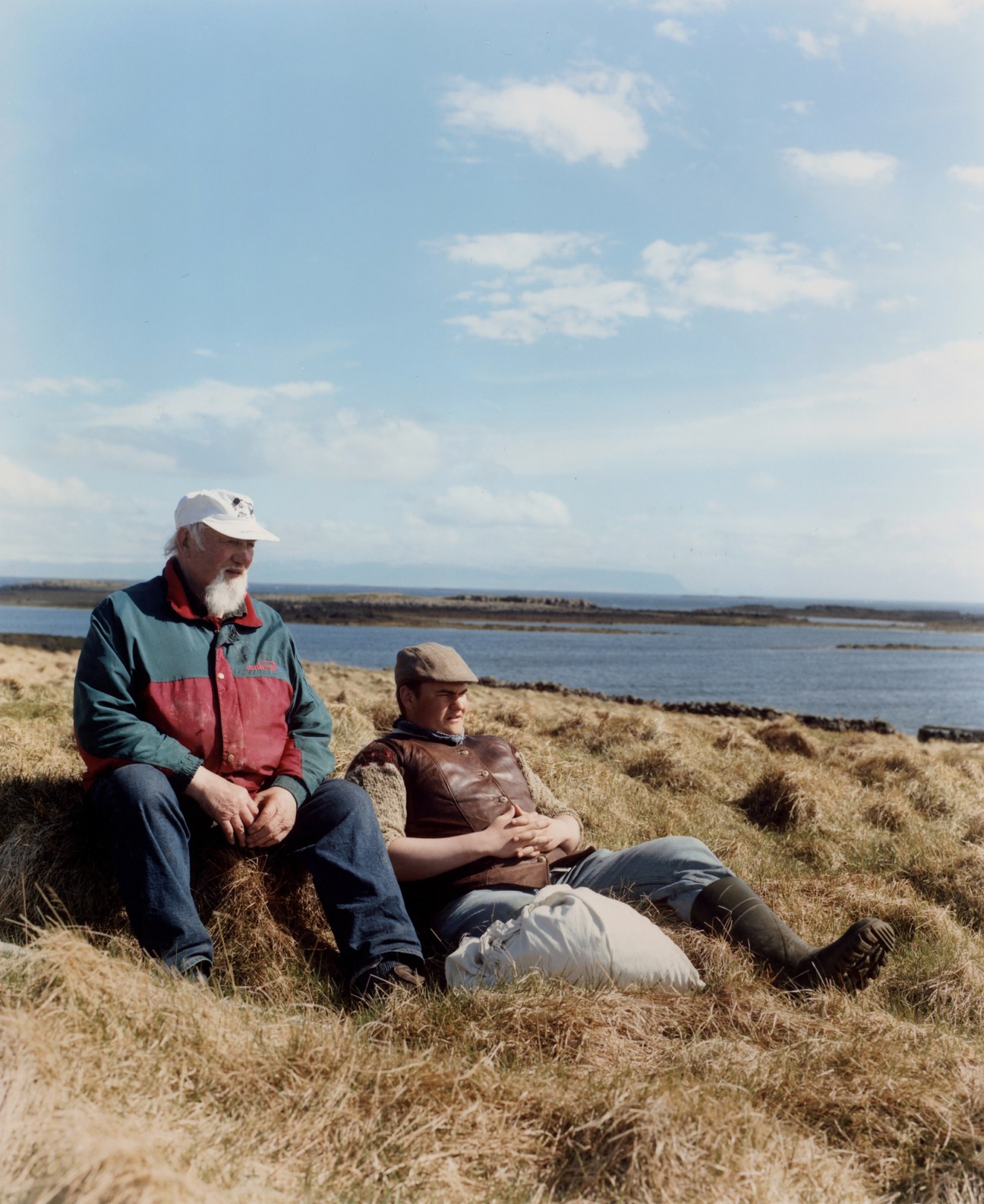
The company’s next step will be a collaboration with partners in Europe to grow eiderdown’s consumer base, says Örvarsson. He adds that Icelandic Eider currently has four projects in the works with companies abroad. Tie-ups with Danish clothing brands Nordisk and Härkila have already been announced.
“For our outdoor market, sustainable and natural has been essential before it became a thing in fashion and politics,” says Valdemar Bardram, CEO of Härkila, whose products come with a life expectancy of more than 10 years. “Adding eiderdown will definitely improve the sustainability offering, as it has a significantly longer expectancy.” Bardram adds that creating clothing that reuses eiderdown while only exchanging the shell of the product might also be an option.
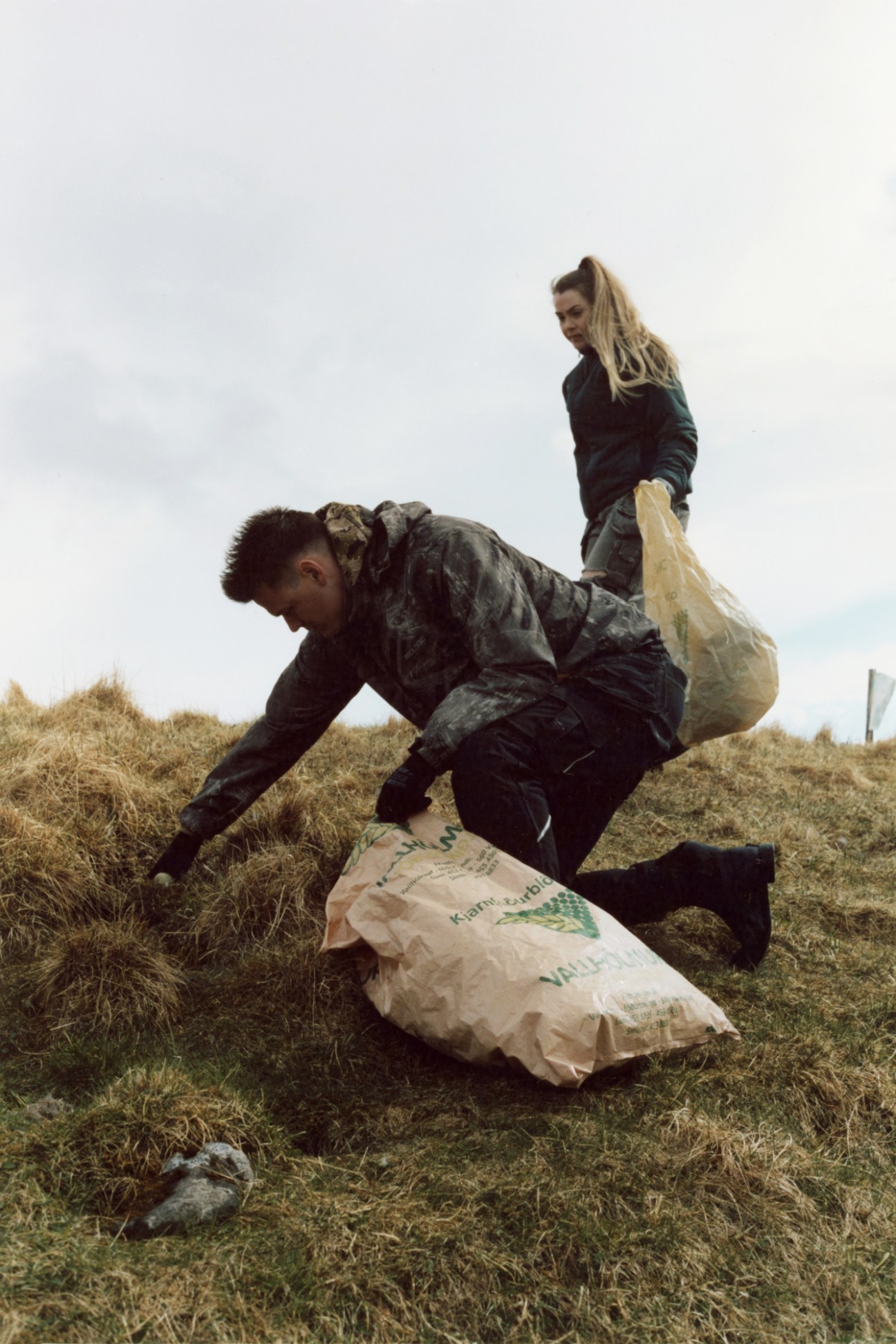
Just like its Danish partners, Icelandic Eider is also focusing on outdoor gear alongside its duvets. The brand is launching a collection later this year in collaboration with travel photojournalist Chris Burkard, who met Örvarsson while cycling across Iceland. “I visited his production centre and saw how the material expands, how it’s naturally water repellent and how light it is,” says Burkard. “It has the wherewithal to become extremely useful.” Just as attractive, the photographer adds, is the 1,200-year-long story behind people’s use of eiderdown to protect themselves in the harshest environments. “As consumers, we’re constantly reinventing the wheel. But this has been out there forever.”
Burkard exaggerates – but only slightly. Icelanders have used eiderdown to keep warm in biting temperatures since about 800ad, when the first Vikings landed on the island’s ink-black volcanic beaches. Folk tales say that without eiderdown, the settler ancestors of modern Icelanders may not have survived the country’s unrelenting winters. If companies such as Icelandic Eider succeed in their mission to bolster and protect the supply chain of clean eiderdown, the Icelanders of today may yet safeguard the craft for generations to come.
icelandiceider.com

Natural materials on the market
Yak wool: Yak-fibre wool comes from the undercoat that grows beneath the bovine’s shaggy hair. Found in the Himalayas, Tibet and Mongolia, the coat protects yaks during extreme winters and is shed in spring. Tengri, launched by Nancy Johnston in 2014, connects Mongolian herders who produce yak wool with UK craftspeople.
houseoftengri.com
Mongolian cashmere: Harvesters search for a specific breed of goat whose wool is second to none. Oyuna is a London-based brand, which has partnered with the Sustainable Fibre Alliance to produce ethical cashmere in an environmentally friendly way that safeguards the livelihoods of the herding communities and protects the fragile environments in which they live.
oyuna.com
Peace silk: The ethics of silk production – silkworms’ cocoons are boiled in order to obtain silk strands – have long been contested. Peace Silk, however, leaves the worms to hatch, which yields shorter strands. This makes it more expensive too. Mother of Pearl created an ethical-silk capsule collection for Net-A-Porter in 2019.
motherofpearl.co.uk
Camel hair: Camel hair’s hollow structure regulates the temperature of the wearer better than many other textiles. It’s gathered in spring from the Bactrian camel (native to China and Mongolia) as it moults its thick winter coat. Italian fashion brand Max Mara collects camel hair by hand to spin into fabric for its Manuela coat.
maxmara.com
Public accounts
Oslo in early spring can look fairly monochromatic – leaden skies end in a slate-grey sea. But bright-red electric buses and powder-blue trams stand out as they cut through the city centre; add to these a rainbow of electric scooters and fluorescent child trailers attached to bicycles and the Norwegian capital looks like a city where the move away from fossil fuels is already well under way.
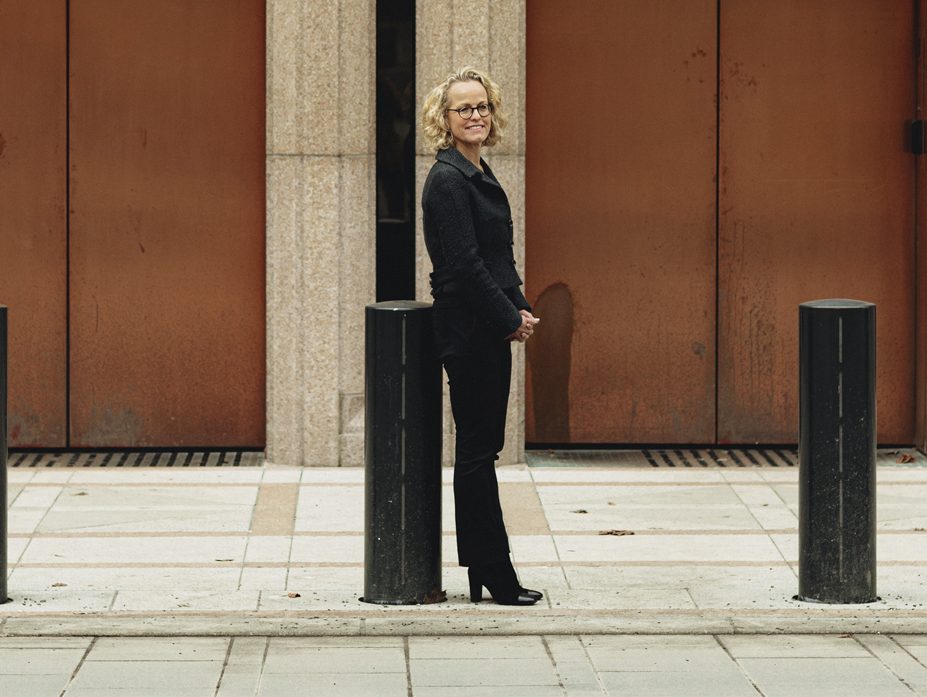
By many measures, Norway is a leader in the global march to phase out fossil fuels. Last year it was ranked second after Sweden in the World Economic Forum’s energy-transition index and about two thirds of the new cars bought in the country were electric – a far greater proportion than in any other country.
And that’s just at home. Overseas, Oslo has no greater tool to achieve its political ends than the Government Pension Fund Global, a €1.2trn sovereign wealth fund that is overseen by Norges Bank Investment Management (NBIM), part of the country’s central bank. The fund manages assets that are worth about the same as Australia’s 2021 GDP and owns about 1.4 per cent of all shares in the world’s publicly listed companies.
Started in 1990 to invest the revenues of the country’s oil wealth, the fund is intended to benefit future generations of Norwegians. Politicians are forbidden from using more than the expected return on the fund, estimated to be about 3 per cent a year. That sliver is enough to contribute about a fifth of Norway’s annual budget, so Carine Smith Ihenacho, nbim’s chief governance and compliance officer, is well aware of the importance of her work.
Yet two paradoxes lie at the heart of the Government Pension Fund Global. Directed by the state, can it be truly apolitical? And can the bank’s oil-revenue-funded investments contribute to environmental progress?
The hushed offices of nbim’s Oslo HQ, across the road from a neat, green square and a few blocks west of the city’s opera house, feel like a cross between a university library and a dated but well-kept hotel. From there, Smith Ihenacho, who has shoulder-length blonde hair and is wearing thick-rimmed glasses and an immaculate black trouser suit, speaks to Monocle about the bank’s policies.
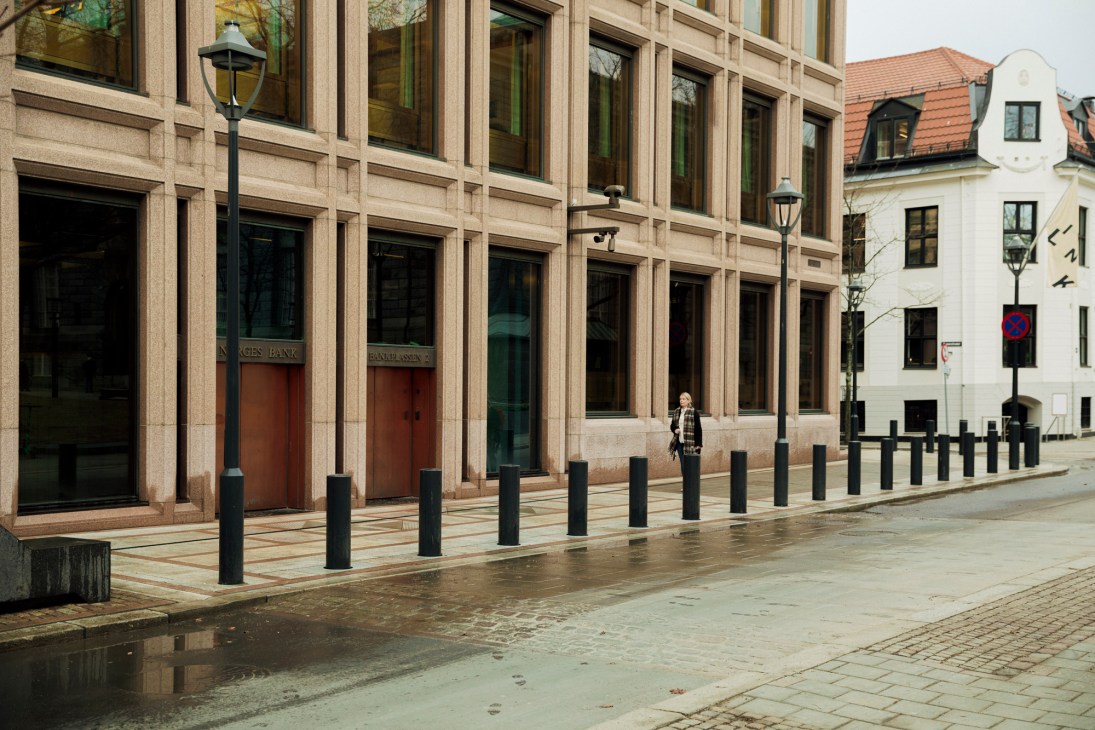
The Government Pension Fund Global was founded on and enriched by oil and gas revenues but now it’s starting to move away from fossil fuel. Is that contradictory?
We don’t see that as a contradiction. Yes, the revenues that started the fund were from oil and gas production, and the inflow continues to come from the sector. But that doesn’t mean we shouldn’t manage the fund responsibly. We have divested from [firms whose sole role is to explore for] oil and gas. That’s a sound move from a financial-risk perspective because maybe it doesn’t make much sense to invest in pure upstream companies; that’s where our revenue comes from. We still hold stakes in companies such as Shell and BP [which have renewable energy divisions]; we strongly believe that they have a major role to play in the transition to a low-carbon economy. It will require huge investment and they will be part of it. We want to push companies in the right direction, rather than walking away.
You won’t invest in companies that sell tobacco, landmines or nuclear weapons. Is there anything in which you strictly won’t invest for environmental reasons?
Coal just isn’t a business that the nation wants to be in. It’s more about ethical considerations than stranded assets [investments devalued by changing attitudes]. But one of the things that we do with the fossil-fuel companies that we still own is to ensure that they have a plan, so they don’t sit there with stranded assets when we reach net zero. It’s clear that the world will still need oil and gas for quite some time. It’s more about having a view of how long that will be.
You’re a non-political organisation but one that’s government-controlled. How do you square that circle? And how did it inform the decision to divest Russian assets, following the invasion of Ukraine?
The framework for the fund is set by parliament, by the politicians as representatives of the people. They make the big allocation decisions. We get a mandate but how we execute that is non-political. We are professional investors, following our ambitions for long-term returns. The invasion of Ukraine was a dramatic shift, with huge effects on markets. The government made the decision that we should freeze all of our assets in Russia, then sell them in a manner that’s realistic and practical. We as a fund have to make sure that we don’t break any sanctions.
You’re putting increasing emphasis on investing in stocks that score well in terms of environmental and social responsibility, as well as corporate governance [ESG]. There are so many ESG measurements. How do you ensure that your definition is meaningful?
We have mainly been concerned with companies reporting what’s financially material. We take all of the information that we get from them, the rating agencies [and especially the International Financial Reporting Standards Foundation’s sustainability measures], as well as information that we get from company meetings. Then we do our own internal rating. We basically start with the UN’s guiding principles for business human rights, so I’m not simply setting my own framework here.
In a post-Wirecard world [the payment processor collapsed after scandals over missing cash], has Norges Bank changed its practices for identifying fraud?
We had sold out before the scandal really broke. We had a portfolio manager who thought, “Something funny is going on.” It has changed how we work because we’re focusing even more on auditing and fraud, and going deeper into companies’ accounts.
Opportunity spotting
Massimiliano Castelli, head of global sovereign markets strategy at UBS Asset Management, on…
The fund’s importance: “It’s one of the most transparent funds. The media can see what’s happening when there is market volatility. Many other sovereign institutions look to Norges Bank because it replicates the global stock market index; given its size, it’s a way of indicating where markets are going. It has built a framework for incorporating sustainability and you can see which sectors or companies are excluded.”
Where it might invest next: “Political scrutiny hasn’t prevented the fund from taking risks. About 97.5 per cent is invested in stock and bond markets, with a bit of property and infrastructure. That’s different from typical sovereign wealth funds. Inquiries in Norway have asked, ‘Should we invest more in private equity or in venture capital?’ It has started investing in unlisted property and infrastructure; I believe that it will continue to do so. With interest rates rising, it might soon be more challenging to generate good returns by investing only in public markets. Returns will be much lower – and venture capital and green infrastructure represent important opportunities.”
Paradise found
Longtime residents and recent arrivals echo one another when they say that George Town in Malaysia offers the best of both worlds. It boasts the conveniences and connectivity of a major Asian metropolis but hasn’t lost the warm community feel and relaxed pace of a small town. The city of 228,000, perched on the northeastern corner of Penang Island, might be small by regional standards but it is large enough to have cultivated a vibrant arts and hospitality scene. And its economy is thriving.
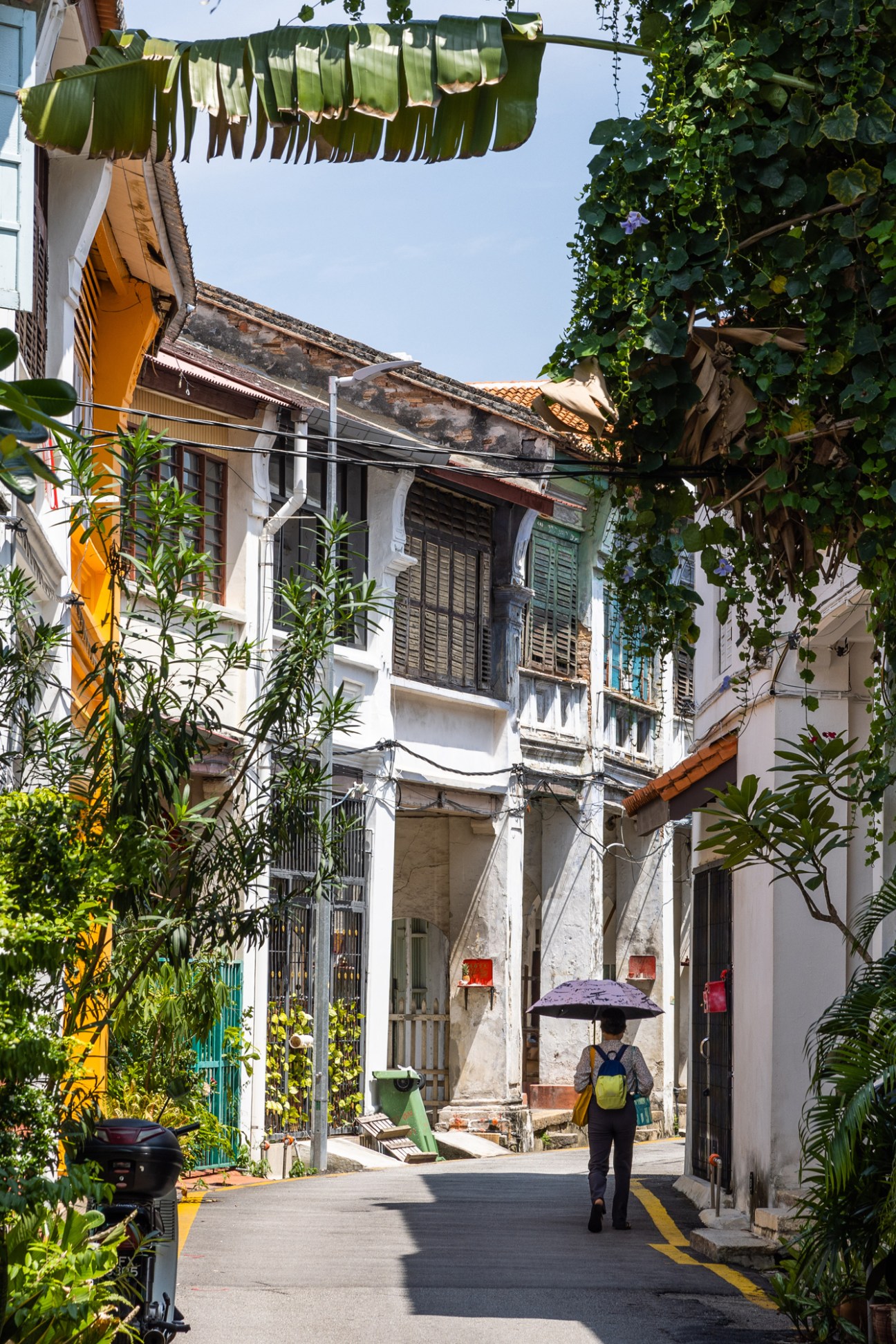

George Town is the regional home to large multinationals, fledgling start-ups and remote workers keen to escape the confines of more homogeneous, skyscraper-packed urban centres such as Kuala Lumpur, Bangkok and Singapore. The city is also the capital of Penang, the second smallest of Malaysia’s 13 states but one that attracts more foreign investment than any other and contributes the fifth biggest share of the country’s GDP. George Town has been an economic powerhouse since the 18th century, when its location on the Strait of Malacca made it a vital trading port for British and Chinese merchants.
Central George Town is a Unesco World Heritage Site; its streets are lined with colourful shopfronts, some with ornate façades. A little further out, the roads widen into tree-lined avenues populated by detached family houses with lush, gated gardens. In the nearby suburbs, high-rise flats with swimming pools afford their residents stunning ocean views.
The whole island is fringed with beaches and the interior is dominated by Penang Hill, a range of rainforest-covered peaks with hiking trails, colonial-era resort hotels and a nature reserve. The equatorial climate ensures hot, sunny weather all year.
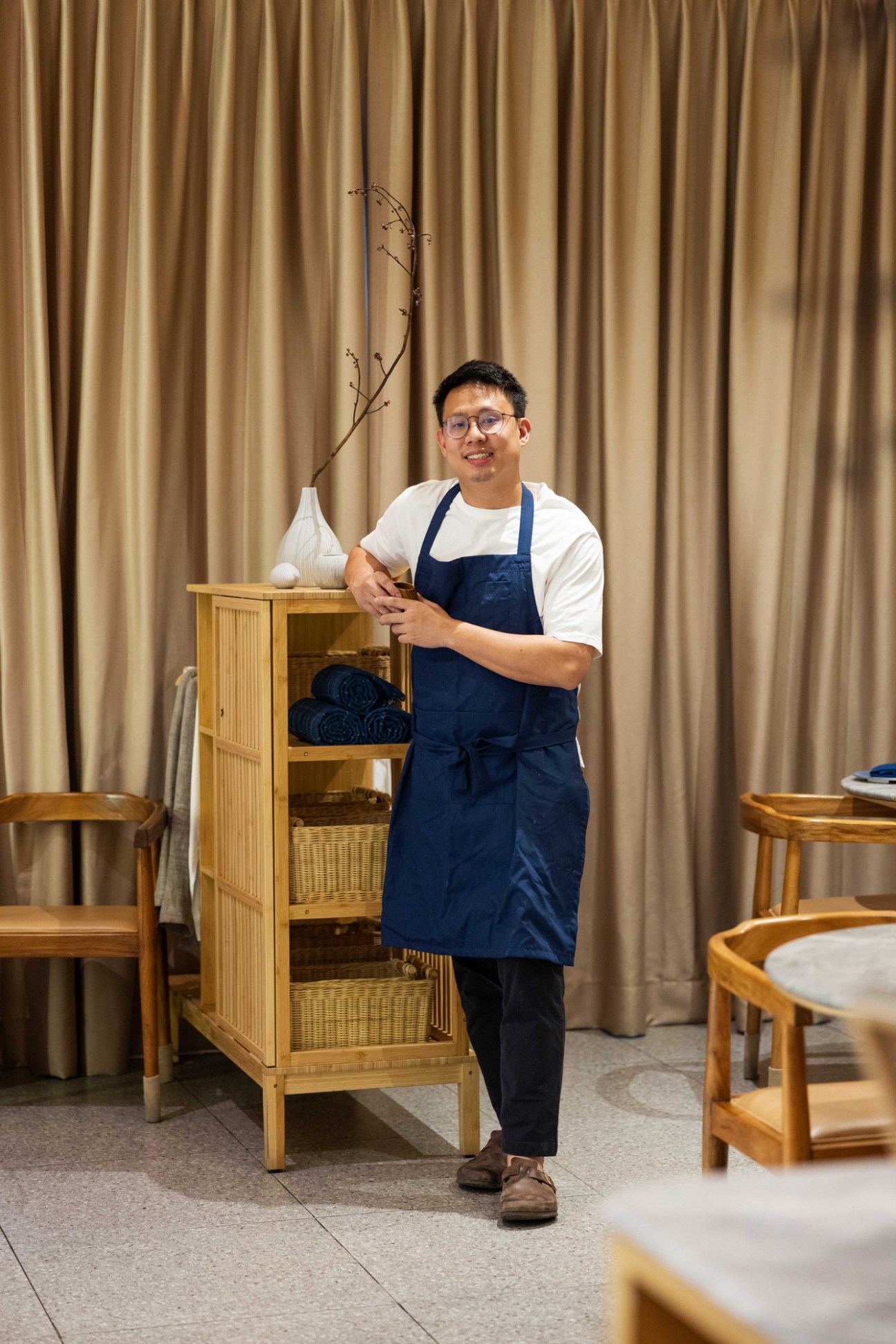
“The town has largely avoided the curse of developers,” says Guillaume Kuhlmann, an architect who bought a house in George Town in 2010. “Instead of high-rise buildings and shopping complexes, much of the original architecture has been preserved.” Kuhlmann spent five years renovating his home in the city, a mid-19th-century shop house in the Little India neighbourhood. When he bought it, the house was so dilapidated that it lacked a roof but still had its original wooden shutters and wrought-iron decorative panels. Kuhlmann walks everywhere; cars are unnecessary for city-centre residents. The things he enjoys most about his adopted home town include eating at the many food stalls and watching artisans make rattan chairs and zinc buckets.
Since 1972, when Malaysia’s first free-trade zone launched in Penang, multinational companies such as Dell, Intel and HP have opened offices and manufacturing facilities on the island; today about 7 per cent of the global semiconductor trade flows through the country. Alongside those global brands, technology and service-oriented start-ups have also flourished, with young Malaysian and foreign entrepreneurs attracted to George Town by its cost of living and business-friendly government. “We’re getting a lot of inquiries from start-ups around the world – even companies from Kuala Lumpur are moving here,” says Sivavenayakam Velayutham, director of industry development and marketing for Digital Penang, a government-backed non-profit launched in 2020 to attract investors and entrepreneurs. Digital Penang has a large office in George Town offering mentorship programmes and funding. While George Town was a popular remote-work location even before the pandemic, the agency is in discussions with the federal government to pilot a new one-year visa for digital nomads to live and work in the city. Now that Malaysia’s borders are open again to fully vaccinated travellers, Velayutham is looking forward to a fresh wave of itinerant entrepreneurs. So is Malaysian co-working space Common Ground, which opened its George Town branch in 2019. Young local talent and newcomers might have to fight for a desk, though. Even before the international border reopened on 1 April, the building had an occupancy rate of more than 90 per cent, its 1,672 sq m bustling with technology firms, wedding planners and graphic designers. Crucially, it’s right next to a food market and numerous kopitiam (local coffee shops that serve drinks and cheap, delicious breakfasts).

“Penangites take a lot of pride in their food,” says Arthur Wilkinson, co-owner of Heap Seng at 29, a popular oyster bar in the heart of the city. “It’s a competitive industry.” This crowded field makes George Town one of the best places to eat and drink in food-obsessed Malaysia. Still, the city’s restaurants and bars were forced to adapt to life without tourists, who had streamed into the city in record numbers immediately before the pandemic.
At the end of 2019, Audrey Lim opened Archipelago, a hidden courtyard bar off Armenian Street. The first lockdown arrived just months later. Lim, who also runs an antique shop and a boutique hotel in George Town, has nevertheless managed to cultivate a loyal following that includes customers who travel from Kuala Lumpur just for a drink at her bar. She takes pride in George Town’s close-knit community and local flavours – the ginger beer that goes into Archipelago’s George Town Mule is made with ginger grown on the hills just across the island.
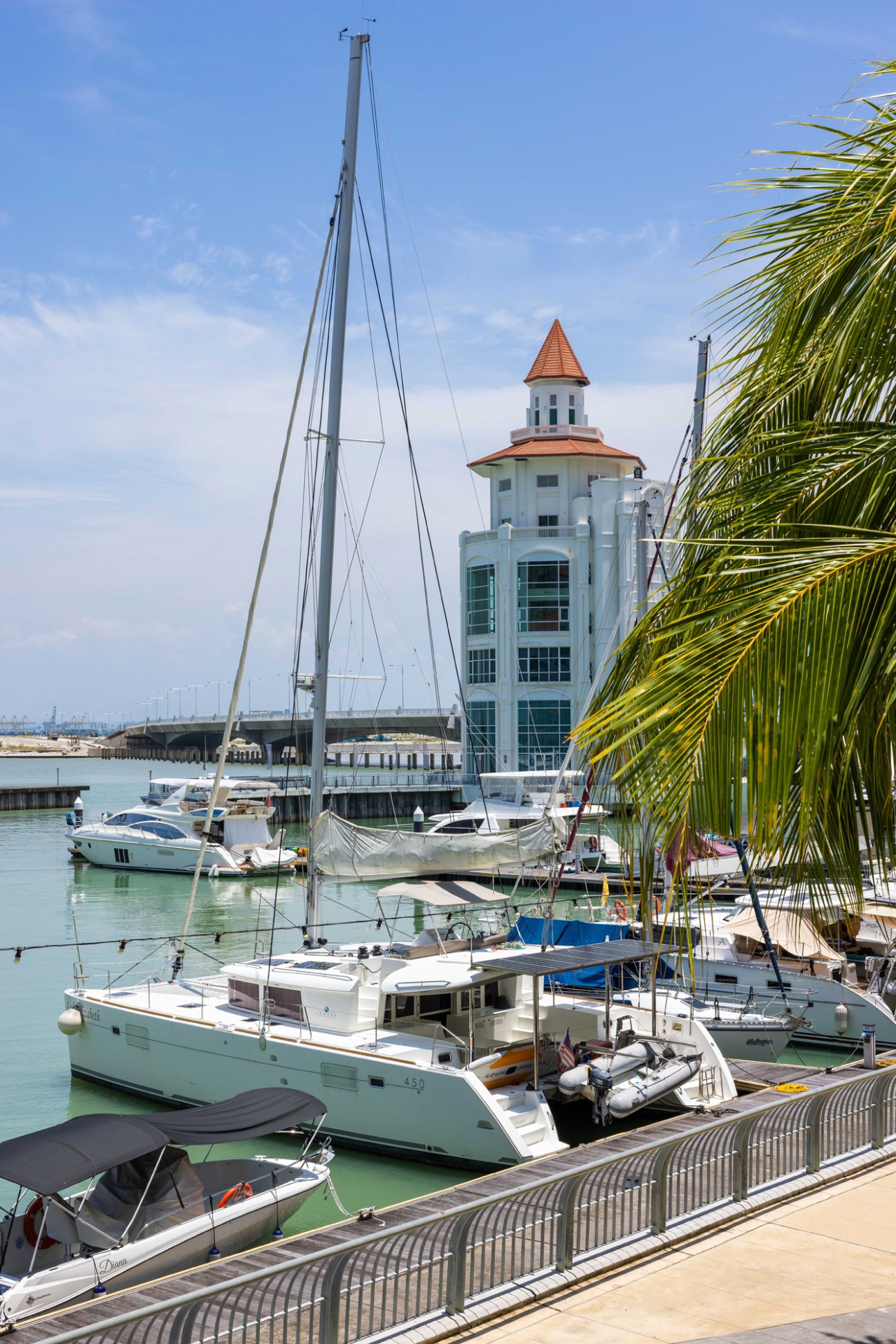

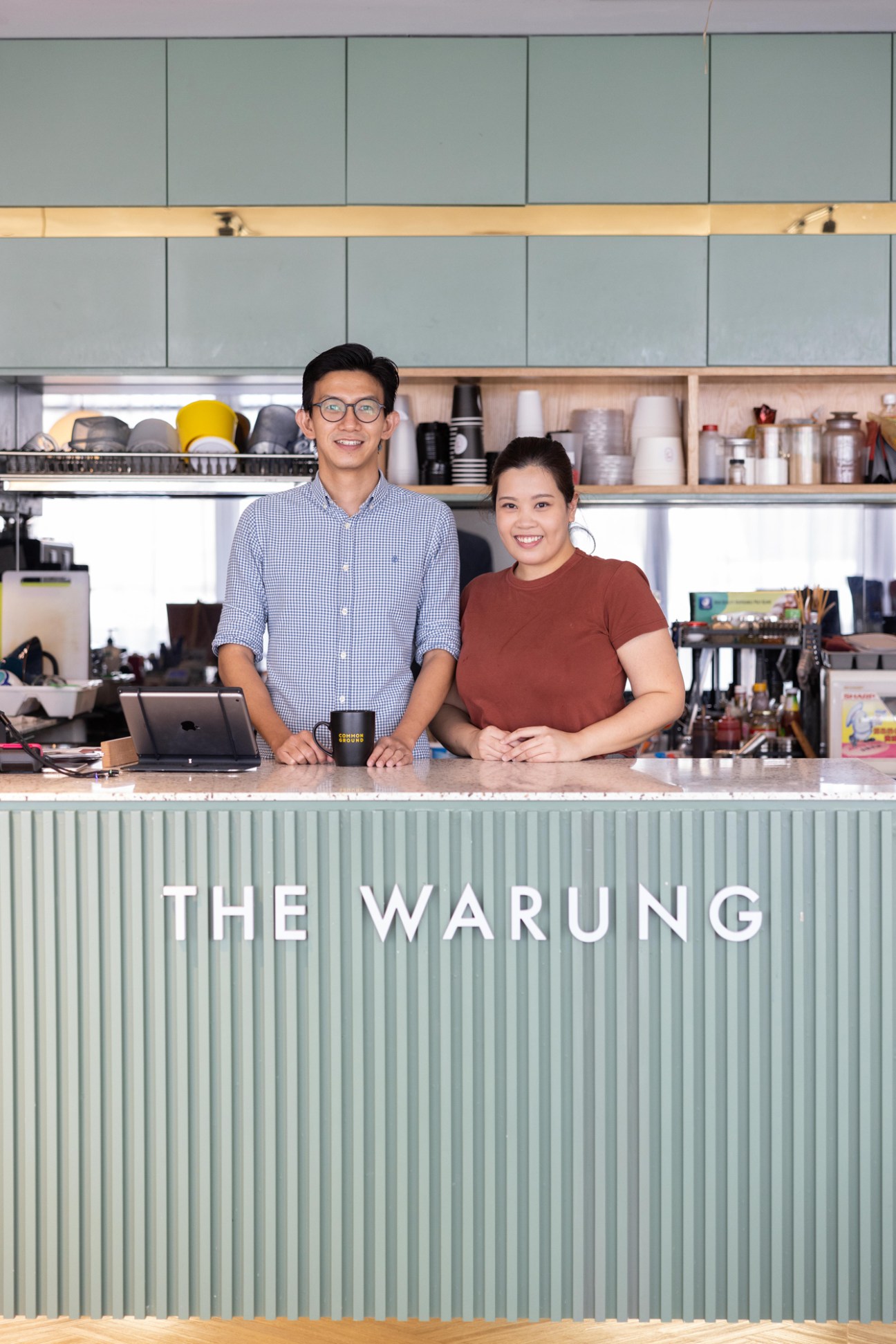

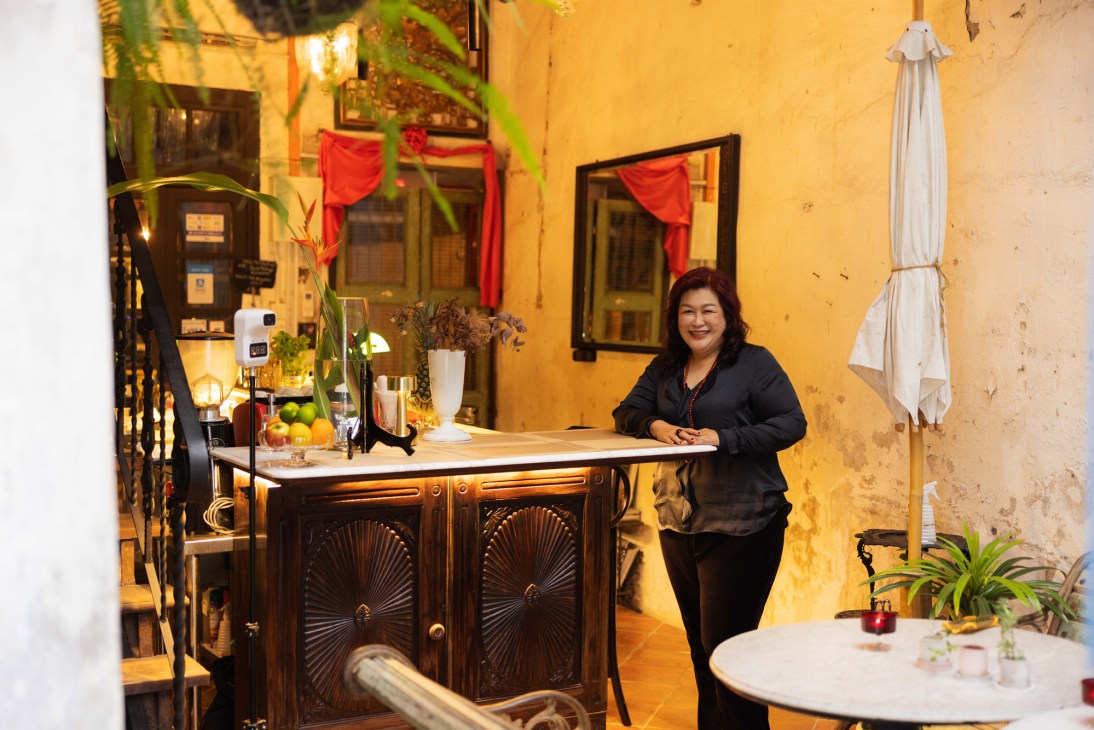

George Town might be a tropical paradise but it by no means exists in splendid isolation. After 15 years in Singapore, Antoine de Juge, Asean operations manager for optical-retail software firm Cosium, moved here to live somewhere more relaxed but just as connected as the city-state. Penang International Airport is a 30-minute drive away and offers direct flights across Asia and to the Middle East, after which it’s a straight skip to De Juge’s native France and elsewhere in Europe.
The Frenchman is one of many to make the move. George Town’s liveability – it is safe, close to nature and boasts good schools and healthcare – means that expatriates often extend their stays. Many live here with their families and commute to Singapore or Bangkok during the week.
Penang Island’s mayor, Yew Tung Seang, wants to continue improving his city’s liveability. The local government plans to build more bicycle lanes, expand the number of parks – there are currently about 300 across the island – add a citywide internet connection and revitalise George Town’s underused back lanes. “And we want to make sure that there are more habitable units available in this whole Unesco site for people to live, learn, work and play in,” he says.
Like the hospitality industry, George Town’s globally renowned arts and culture scene was forced to make do without foreign visitors during the pandemic. Popular annual attractions such as the George Town Literary Festival and the broader George Town Festival temporarily went online. Now, though, artists and organisers are raring to go.
“We have programmes filled up until the end of the year – exhibitions, film screenings and performances,” says Wanida Razali, gallery manager at Hin Bus Depot, an arts hub occupying more than 5,570 sq m in a former bus station. Since its inception in 2014, it has grown from a bare-bones exhibition space to a multidisciplinary micro-neighbourhood with restaurants, shops and artist studios, let below market rate to support artists and small businesses. The walls of the old bus station’s mural garden are adorned with colourful paintings. People wander the grassy open area, studying the latest exhibits, sipping coffee, picnicking and reading under the trees. Fine-dining establishment Restaurant Au Jardin recently expanded its space at Hin Bus Depot and a building under construction will host a digital and creative co-working space that’s due to open in the second half of 2022.
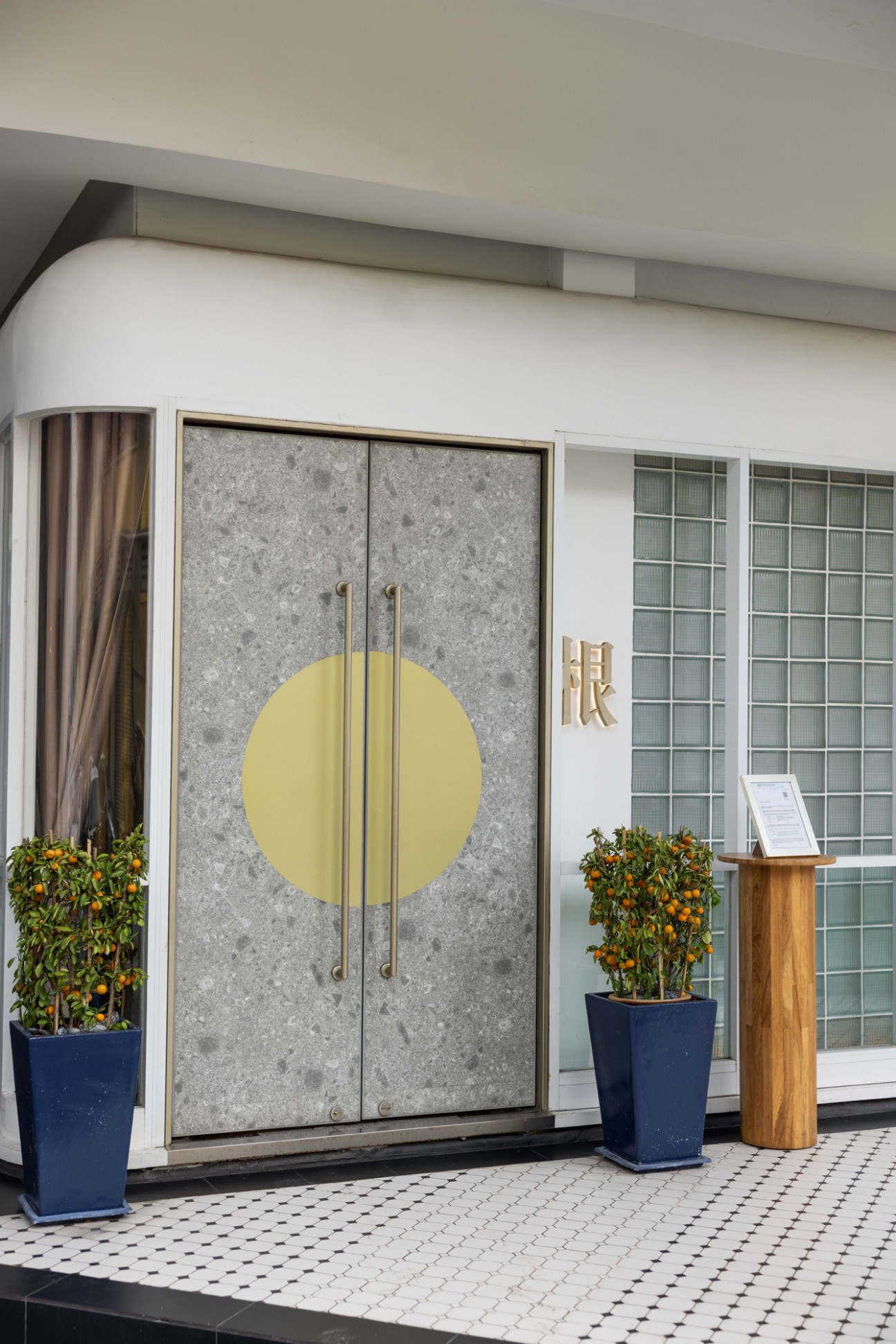
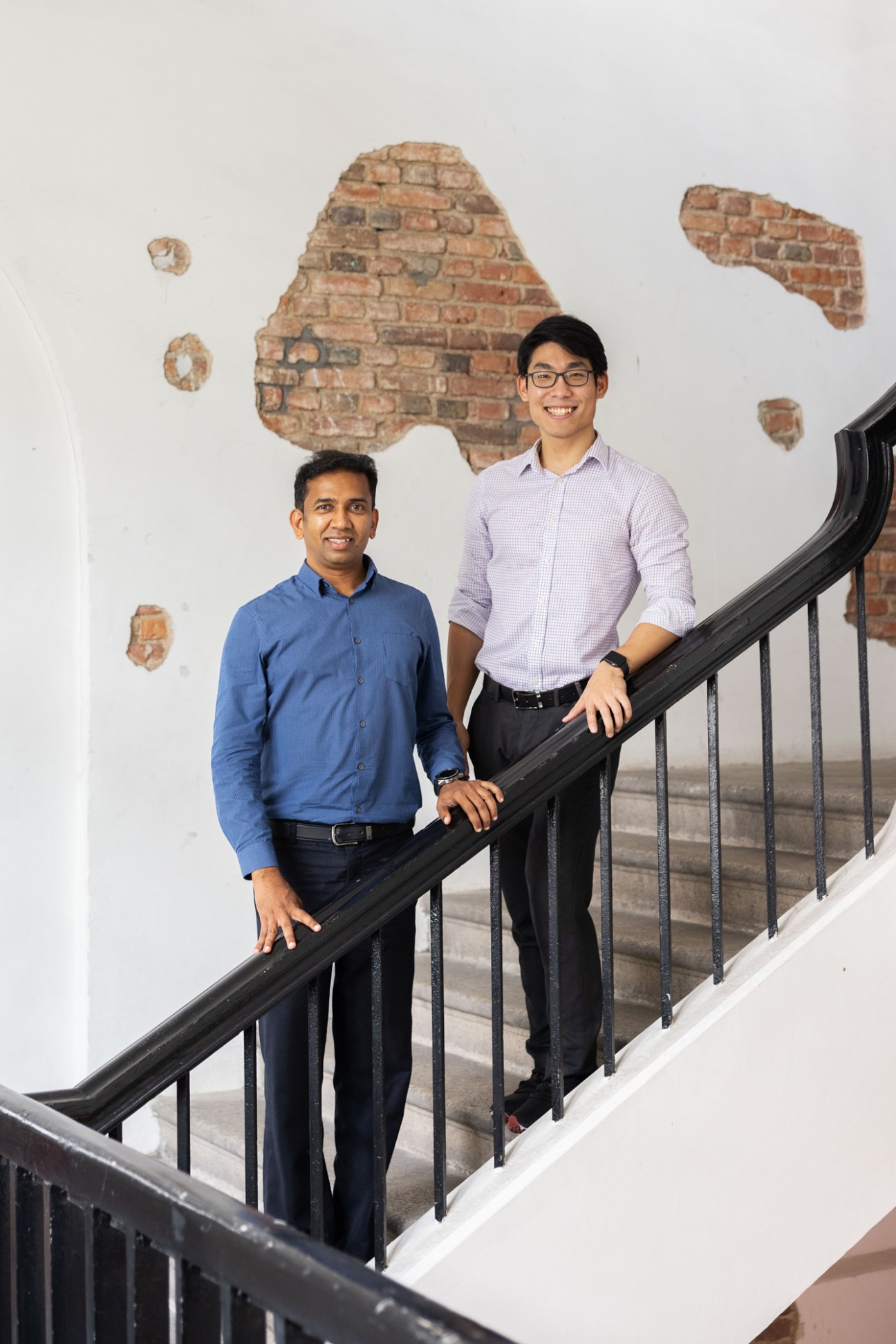
George Town’s small-town feel, especially in its creative community, has made it a collaborative hub. Just 20 minutes’ walk from Hin Bus Depot is Form, a light-filled former warehouse that’s home to a bar and restaurant, a florist, an interior design firm and a creative consultancy called Double & Two. The tenants have come to know each other and sometimes work together on projects.
Yenhong Koh, CEO and co-founder of Double & Two, describes Form as “a space for creatives to set up, share, develop and showcase their ideas and work collectively and individually”. Koh, a graphic designer by training, launched Double & Two in March 2020 with three friends. They look for work that showcases George Town’s offerings to the rest of the world; in a recent project they designed merchandise and online promotional material for a traditional Chinese pastry shop.
“George Town has a lot of different artists,” says Koh. “We want to use our creativity to bring more people here, especially young people.”
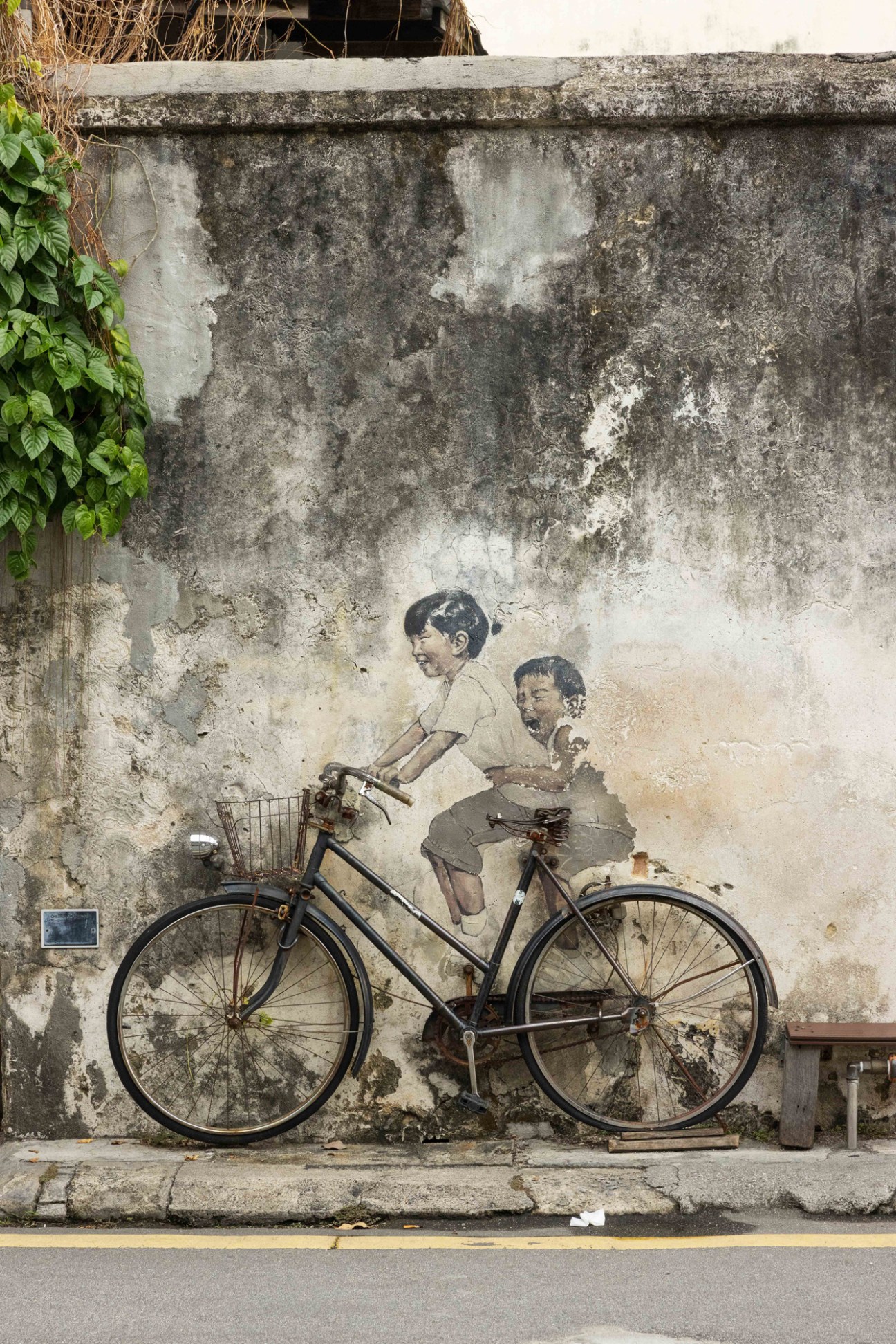

Insider knowledge
Who lives here?
Architects and artists, innovative chefs and tech entrepreneurs, families who want to raise their kids in a safe, multicultural and friendly place.
What businesses are booming?
Electronics manufacturing is still going strong. Boutique hotels and eco-tourism firms are gearing up for the return of international travellers later this year.
Where could I find the proverbial gap in the market?
There is plenty of room for sustainability-minded businesses and technology start-ups.
How welcoming is the city to entrepreneurs?
The state government is eager to attract home-grown and foreign talent. Agencies such as Invest Penang and Digital Penang offer funding, networking, other incentives and, soon, digital-nomad visas.
Will my quality of life improve?
Unless you already live on a tropical island with all the conveniences of the world’s biggest cities, it probably will.
And what about the cost of living?
Lunch at a local hawker centre won’t set you back more than 10 ringgit (€2.15). Rent a three-bedroom flat with a sea view in Batu Ferringhi for 2,500 ringgit (€537) or a two-storey refurbished shop house in the heart of the heritage zone for 2,200 ringgit (€473) a month.
Can I escape the city at weekends?
Fly to Singapore, Vietnam or Thailand in about two hours. Mainland Malaysia is just across the bridge and the pristine beaches of Langkawi are a 40-minute flight away.
What about a fun night out to finish the week?
Aperitifs at Archipelago or Magazine 63, followed by shared plates at Communal Table by Gen and then upstairs for an impressive selection of natural wine at Wine Not.
Honestly, should I move here?
George Town is one of the most affordable and vibrant cities in Southeast Asia. Book your tickets.
Happy medium
On a quiet street in Tai Hang, a residential neighbourhood in Hong Kong, 31-year-old film-maker Steve Law is sitting in his director’s chair as scenes for a television drama are being shot. A young actor is skipping merrily along the pavement and carrying a rabbit-shaped paper lantern, while crew members watch for traffic – a cheaper option than applying to shut off the road. The scene features in an episode of 940920, a sequel to Law’s hit series Leap Day. “Hong Kong people love to see Hong Kong shows,” says the director.


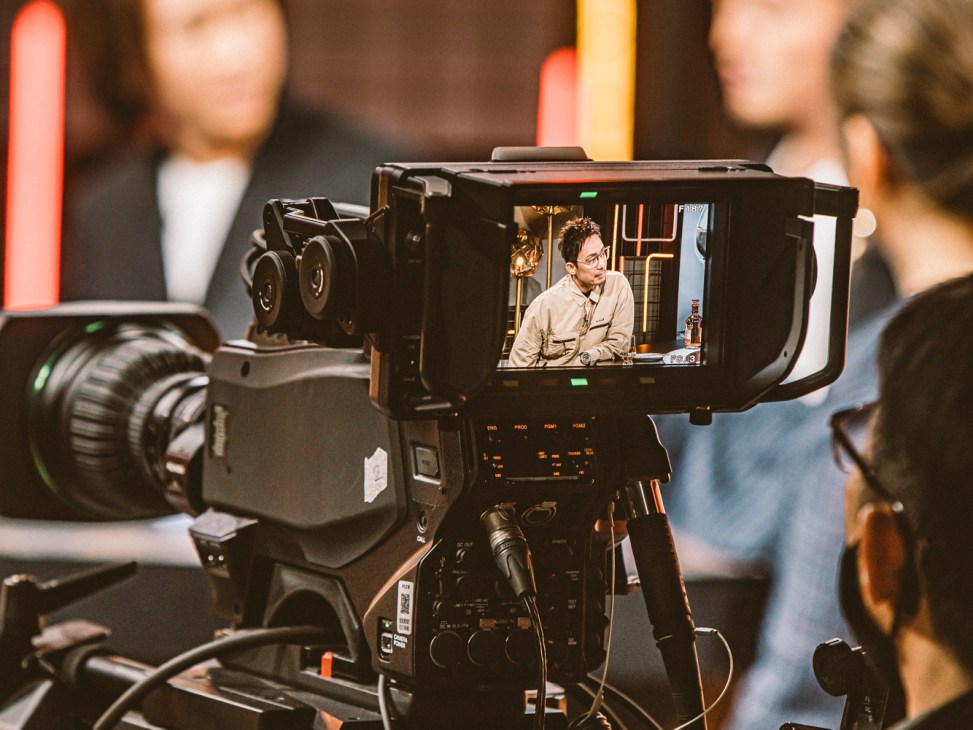
Law is part of a new wave of creative talent working at Viutv. The free-to-air channel, controlled by telecoms billionaire Richard Li (son of Hong Kong’s richest man, Li Ka-shing), has risen in popularity since its launch in 2016 by creating must-watch entertainment for an audience in desperate need of some escapism, from Law’s time-travel drama 940920 to the phenomenally successful singing contest King Maker, which was produced by senior producer Ahfa Wong. Six years on, the station now reaches more than 60 per cent of Hong Kong’s population of 7.6 million.


“The growth of Viutv has brought about positive competition and brought in new artists,” says Wong, who began her television career at the industry leader tvb in the 1990s, when Hong Kong’s pop culture peaked and then started a steady decline. “Before Viutv came along there was only tvb. The standard of Hong Kong television dropped because of underinvestment but now it is slowly going up again.”
From its studios in Kowloon Bay, the upstart broadcaster creates a mix of light entertainment, comedy and reality programmes. During Monocle’s visit, a group of female contestants are rehearsing on stage for the fourth season of King Maker, while nextdoor the presenters of Chit Chat Drink are getting progressively more drunk as they film back-to-back episodes of the late-night chat show. The beaming smiles, alcohol-fuelled good cheer and energetic dance battles feel like a world away from the never-ending gloom of Hong Kong’s real-life drama.
Ever since the pro-democracy protests ended in 2020, the city has watched its vaunted freedoms wither under the weight of the national security law. Media quickly came under the spotlight and public broadcaster rthk was an early scalp: a satirical show was cancelled after it lampooned the police force, then a government “review” hollowed out its editorial independence. Newspapers have shut, political cartoonists have gone into exile and simply asking a question has become a risky business.
Silencing the present
Earlier this year, Viutv’s sister company Nowtv issued an apology for supposedly upsetting the public: during a televised press conference, one of its reporters had asked Hong Kong’s chief executive, Carrie Lam, a routine question that incensed state-owned newspaper Ta Kung Pao. It was a sign of the times. Ta Kung Pao, together with sister publication Wen Wei Po, has become adept at silencing anti-government voices by publishing editorials that raise the spectre of the national security law without having to go through the courts. The prospect of Ta Kung Pao policing the newsgathering of mainstream channels casts a cloud over Hong Kong’s press freedoms. According to Lam, none of this had anything to do with press freedom, which is enshrined in Hong Kong’s mini-constitution. She said the same thing after Apple Daily closed in June and Stand News shut in December.
News desks have borne the brunt of the media crackdown but entertainment channels such as Viutv are also having to adjust. Reality show Travel with Rivals was an early success that demonstrated the channel’s creative approach and good humour. It sent two bickering politicians on a foreign trip together, one a pro-Beijing “blue”, the other a pro-democracy “yellow”. This type of show could not be made today, not least because the opposition camp has gone on permanent holiday.
Police dramas, the bread and butter of Hong Kong’s film and television industry, are also effectively off-limits. Criticise the force and face shutdown; cast the cops as the good guys and you’ll probably turn off your audience. Even filming on location in Hong Kong has become a headache. “Nowadays it’s harder for us to shoot scenes outside,” says Law, citing reservations from the government and the public alike. “People who rent their places to us would like to read the script first.”
Some critics may recoil at the inevitable self-censorship this involves; others may understand that staying neutral and avoiding certain topics is a survival instinct for a privately owned television station. At Viutv, senior executives see it as their responsibility to deliver hope to viewers, who still have a right to laugh, sing, dream and dance – just not to vote. It’s an argument that is winning the hearts, minds and eyeballs of Hong Kong, especially its younger citizens.
Trainee nurse Yanice Ng, 21, says that she watches the channel six days a week. “When I switch on the television I immediately turn to Viutv because its programmes are more attractive to me now,” she says. In a city that grew up watching tvb, this equates to a revolution in viewing habits. In 2019, many viewers switched over from TVB because its news coverage of the anti-governmentprotests was perceived to be sympathetic to the mainland-backing “blues” and critical of the pro-democracy“yellows”. The legacy channel is controlled by mainland Chinese media mogul Li Ruigang (no relation to Viutv’s Richard Li).
Li Ruigang is often referred to as China’s Rupert Murdoch for his expansive media empire. He bought into tvb in 2015, when the broadcaster dominated a shrinking industry. Since then, tvb has become a media dinosaur: newscasts look like archive footage from pre-handover Hong Kong and its old Hollywood-style studio system is another hangover from that era. The channel reported record losses last year.
By contrast, Viutv injected money and new ways of doing things that gave directors the final say over casting decisions, allowed collaboration with external talent and set out to challenge its audience on social issues. Law describes the production process as a “focus on ideas first”. “Our flow is very spontaneous,” he says. “After we made Leap Day, people said, ‘That’s great, because tvb definitely can’t copy you.’”
Viutv’s success is encapsulated by – and inextricable from – its most valuable creation: Mirror. The 12-member boy band emerged from the first season of talent show King Maker in 2018 and hit the big time in the past two years, amassing hyper-dedicated fans. “Hong Kong people think that Mirror walks with them,” says Wong, who also manages the band for the company’s artist management arm.
Led by Keung To, Edan Lui and Anson Lo, Mirror members are almost everywhere you look in Hong Kong, endorsing luxury brands and Big Macs, appearing on the side of buses, trams and, increasingly, on television. A comedy-drama called Uncle’s Love, starring Edan and Anson as friends-turned-lovers became appointment-television last year. The 15-episode series, a remake of a Japanese “boys’ love” show, attracted a multi-generational audience of mothers and daughters, and challenged a long-held belief that Hong Kong society was too conservative to accept same-sex relationships.
“I was sweating for a whole year about whether I’d made the wrong decision,” says Wong, who had to convince Anson Lo’s mother that it was worth taking the risk. “I have a crazy boss who gives me a lot of freedom,” she says. A self-professed “hothead”, Wong left tvb after a fight with a producer. “Sister Fa”, as she is popularly known, came back to television at Viutv after a foray in live-music production and has become an unlikely on-screen star, appearing on King Maker in casual clothes.
Her “crazy” boss is director and general-manager Lofai Lo. A 43-year-old industry outsider, Lo comes across in person as a child prodigy and cuts an incongruous figure on the red carpet in his trademark head-to-toe black. He took charge of building Viutv 22 months before launch, having moved back to Hong Kong from California. His rise to the top of the media industry reads like a remarkable made-for-TV story, featuring a boy escaping poverty on the streets of Hong Kong via a scholarship at a prestigious school, a career in advertising and a stint at Apple.
“I come from a creative background in advertising so my professional training is to think up ideas,” says Lo, who says “yes” or “no” to every script and idea for a show. Viutv broadcasts more than 5,000 hours of programming every year and 60 per cent is now produced in-house. Live programmes, such as late-night music show Chill Club, have increased as the station’s confidence and equipment list have grown.
The shows that Lo has greenlit include a programme called Backup Memory, recreating memories on film for dementia patients, and weight-loss game show Chubby Honey, pitting dieting couples against each other. “We try to put human truths in a lot of our programmes, which means relationships or people with a dream,” he says. “That’s one of our cornerstones.”

Western audiences would baulk at these themes, but Lo, Wong and Law are unashamedly making programmes for viewers in Hong Kong. Viutv’s audience wants stars to be approachable and just like them – and it is paying off. Revenue grew by more than 150 per cent last year and advertising more than doubled to hk$615m (€71m).
Budgets are tight but, for Wong and Law, creative freedom is more valuable. Lo’s mantra to his writers, producers and directors is: do whatever you want, just don’t land me in jail. What started as a joke has become more serious since the national security law was introduced. Lo claims to worry as much about it as he does about advertising laws; Wong knows that the channel must stay neutral.
As for Law, who dreams of directing full-length feature films, he filters out problematic ideas at an early stage, out of concern for the channel as much as himself. Were Viutv to close, it would end a lot of careers and remove a platform for young talent. “As long as I’m here,” he says, “I’m optimistic that we can make some good things for the Hong Kong audience.”