Issues
Urbanism
The urbanist
Ex post facto
Houston
When the Barbara Jordan Post Office at the edge of Houston’s downtown came up for sale, prospective buyers might have been tempted to tear down the sprawling three-storey structure to make room for a collection of more profitable, densely packed buildings. It is, after all, a prime parcel of land, the size of 10 football pitches, which sits on the city’s Buffalo Bayou waterway. But when developer Lovett Commercial bought the site in 2014, it decided to shirk convention and, working with architecture firm OMA, chose to keep the 1960s building, which has been renamed Post.
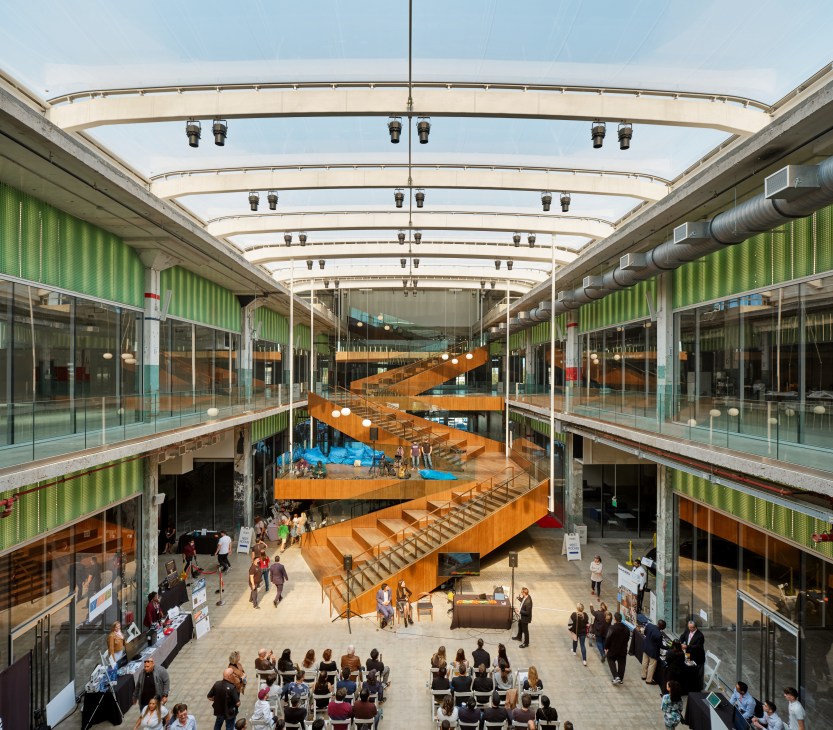
“Others thought, ‘This is prime land near downtown and a good space for a tabula rasa where we can build some towers,’” says lead architect, OMA partner Jason Long. “But existing structures offer potential that you wouldn’t have conceived otherwise. The sheer scale of the post office offered us and Lovett the chance to do something really different that you would never normally have developed on the site.”
That “different” look involved transforming the existing building, which was little more than an enormous, windowless shed that had been used as a sorting centre by the postal service, into a mixed-use structure housing a theatre, offices, food hall and cultural institutions. Opened to the public in November 2021, the complex is now flooded with light thanks to the careful insertion of three atriums with floor-to-ceiling staircases connecting the ground floor with a public rooftop park. From there, visitors can enjoy views over downtown and, Long hopes, see the role that the building will play in the gradual transformation of Houston.
“Like many American metropolises, downtown Houston has historically been used primarily for office space, without the full 24/7 activation that we hope for in successful cities,” says Long. “Post will be a dynamic attraction and, together with other residential developments, hopefully it will be a catalyst for bringing more activity to the area.”
At the very least, it’s a reminder that cities don’t need to rase their existing building stock to enjoy exciting new additions to the cityscape. That’s building back better.
F&B
Taste of Japan
London

For the interiors of newly opened Roketsu restaurant in the London neighbourhood of Marylebone, head chef and owner Daisuke Hayashi looked to the craft traditions of Japan. Hayashi, who trained under multiple Michelin starred chef Yoshihiro Murata at Kikunoi restaurant in Kyoto, commissioned celebrated architecture firm Nakamura Sotoji Komuten, which hails from the same Japanese city.
The entranceway is enlivened with blue and green iridescent floor tiles from Kyoto and an engraved decorative stone basin. Inside, every aspect of the interior evokes traditional Kyoto architecture, with the texture of the panelled walls finished using a Japanese hand-trowelling technique. The real showstopper, however, is the massive timber dining counter made from a single plank of hinoki (Japanese cypress) wood, which had been preserved for more than 100 years before finding its new home here.
roketsu.co.uk
Architecture
Open learning
Denmark
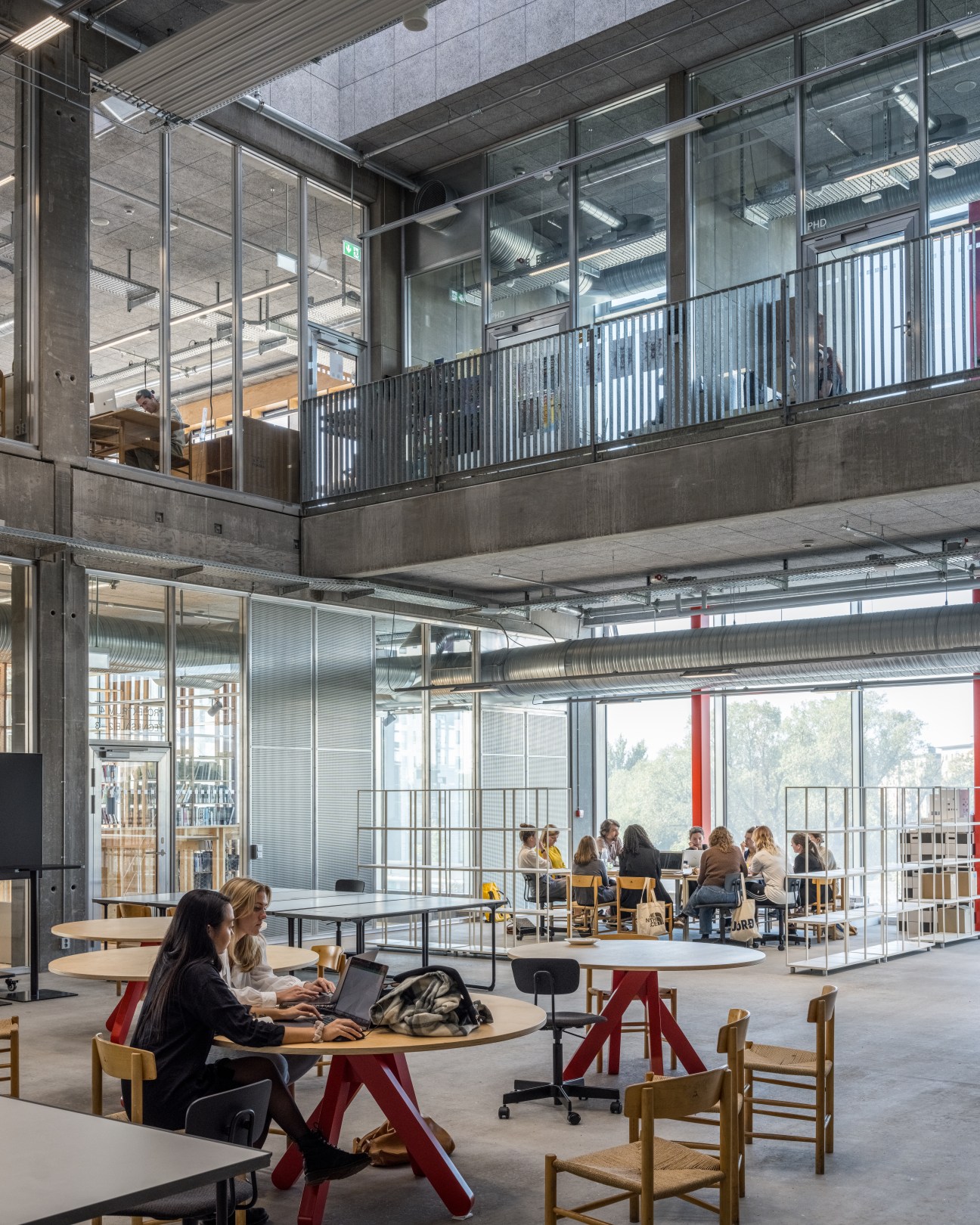
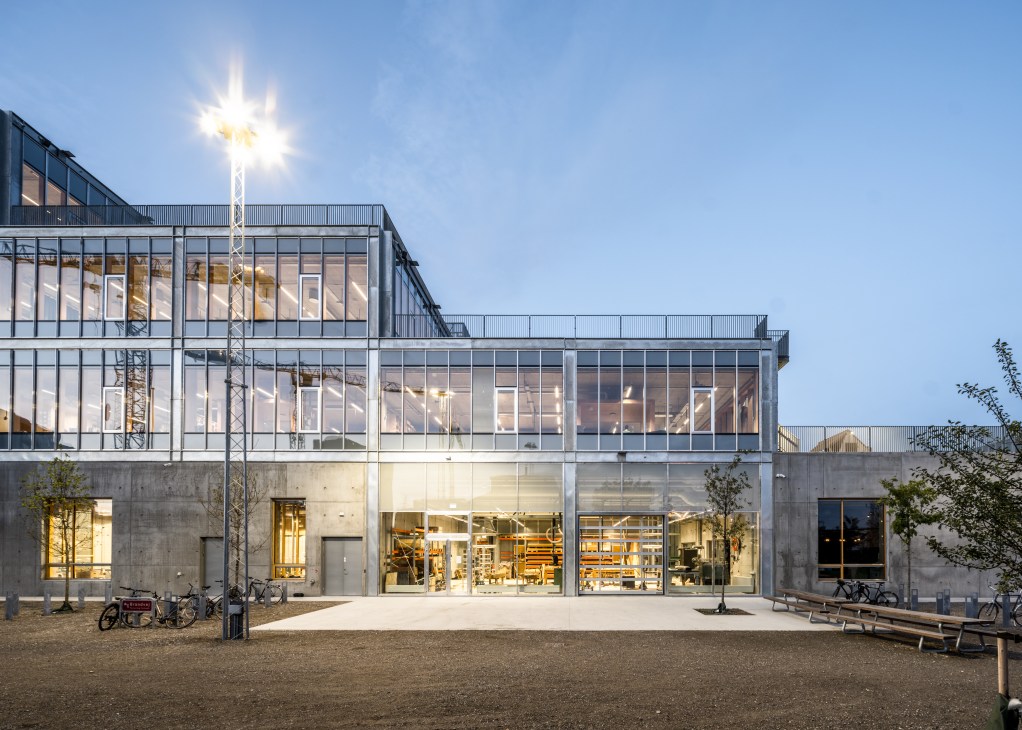
When Martin Krogh was tasked with designing a new building for the Aarhus School of Architecture, he knew that what the students needed was open space for collaboration. That’s because years before becoming a partner at Copenhagen firm Adept, Krogh had studied there himself. “The old school was spread across 10 different addresses in the city,” says Krogh. “There was not much synergy because it would have been almost wrong to enter another faculty than your own.”
Every one of the 600 students still has their own dedicated desk and there’s now ample space to socialise in vast atriums, modular meeting rooms and across stepped outdoor terraces. Non-architects are welcome too; there is a public library constructed entirely from timber. Visitors are greeted by the sight of students tinkering with models in glass-walled studios and in summer, the building’s façade can be raised to let the workshop space spill out onto the pavement. Adept’s design has a pared-back, almost unfinished feel. “The building only feels complete when it’s in use,” says Krogh. “It’s like a huge factory for architecture.
On Design
Nolan Giles on
Great trains
From Japan to Amsterdam, the world of long-distance rail journeys is becoming an increasingly exciting market, with services tailored for tourists and business travellers. At the top end is JR East’s exclusive Train Suite Shikishima, conceived by former Ferrari designer Ken Okuyama, a creative respected for his work shaping elite super cars. The sleek train service, which accommodates discerning guests in its 15 cosy sleeping quarters, will return from its pandemic-enforced hibernation to Japanese tracks in July. Offering two or four-day trips to scenic rural locations across Japan, travellers can enjoy blissfully minimalist and spacious interiors alongside incredible views and service.
On the continent, a more modestly priced Dutch-Belgian project dubbed the European Sleeper will soon hit the rails, offering overnight journeys from Brussels to Prague via Amsterdam and Berlin. Another sleeper hit comes courtesy of Austrian Federal Railways, known as ÖBB, which will substantially increase its night services in 2022.
Beyond the fact that this mode of transport is more carbon-light than flying, what’s exciting to me is the potential of this renewed interest in the sleeper to inspire more design-led offerings. A rail ride, even in the most humble carriage, can be an inspirational way to travel long distances and the best route to beat the queues, security and border interrogations at airports. Wide windows frame constantly changing views, while modern technology allows for cabins to become mobile offices. Within the small footprint of a train, sleeping space can be a touch on the tiny side and admittedly a little bumpy. But even for a lanky lad like me, the squeeze is a small price to pay for the feeling and sheer convenience of shutting your eyes in the centre of one city and opening them somewhere entirely different.
With the business of rail travel in a healthy place, the opportunity now exists for designers to get creative in reimagining how we will travel by train. At present, the industry itself is driving the momentum but a few star turns from architects and designers in the rail business might emphasise its allure (in a manner similar to the way Marc Newson glamourised aircraft-cabin design). It need not all be luxury. A smartly crafted experience for all those creatives bouncing between meetings in Copenhagen, Berlin and Amsterdam would be widely welcomed, something on which the entrepreneurs behind the European Sleeper should capitalise. And it’s not as though those pioneers looking to shape the future of rail travel need to start from scratch. Simply surveying the glory days of rail travel – when the Orient Express offered long-haul luxury from London to Istanbul and travellers sipped champagne in the grand 19th-century carriages of Austria’s Semmeringbahn – would be a smart start.
Images: Leonid Furmansky, Rasmus Hjorthøj
Culture
Art
London
Moving pictures
Despite the nft boom, most artworks still do travel the world with the aid of elite shipping companies. It’s a business where speed, care and environmental issues all matter. Be it because of supply-chain hiccups, reduced air traffic or environmental concerns, working in logistics has not been easy of late – and even more so in the UK, where Brexit threw an extra spanner in the works. For art shipment companies, certain issues became almost existential; with people questioning the need to attend art fairs, would sending works to exhibition halls around the world become futile?
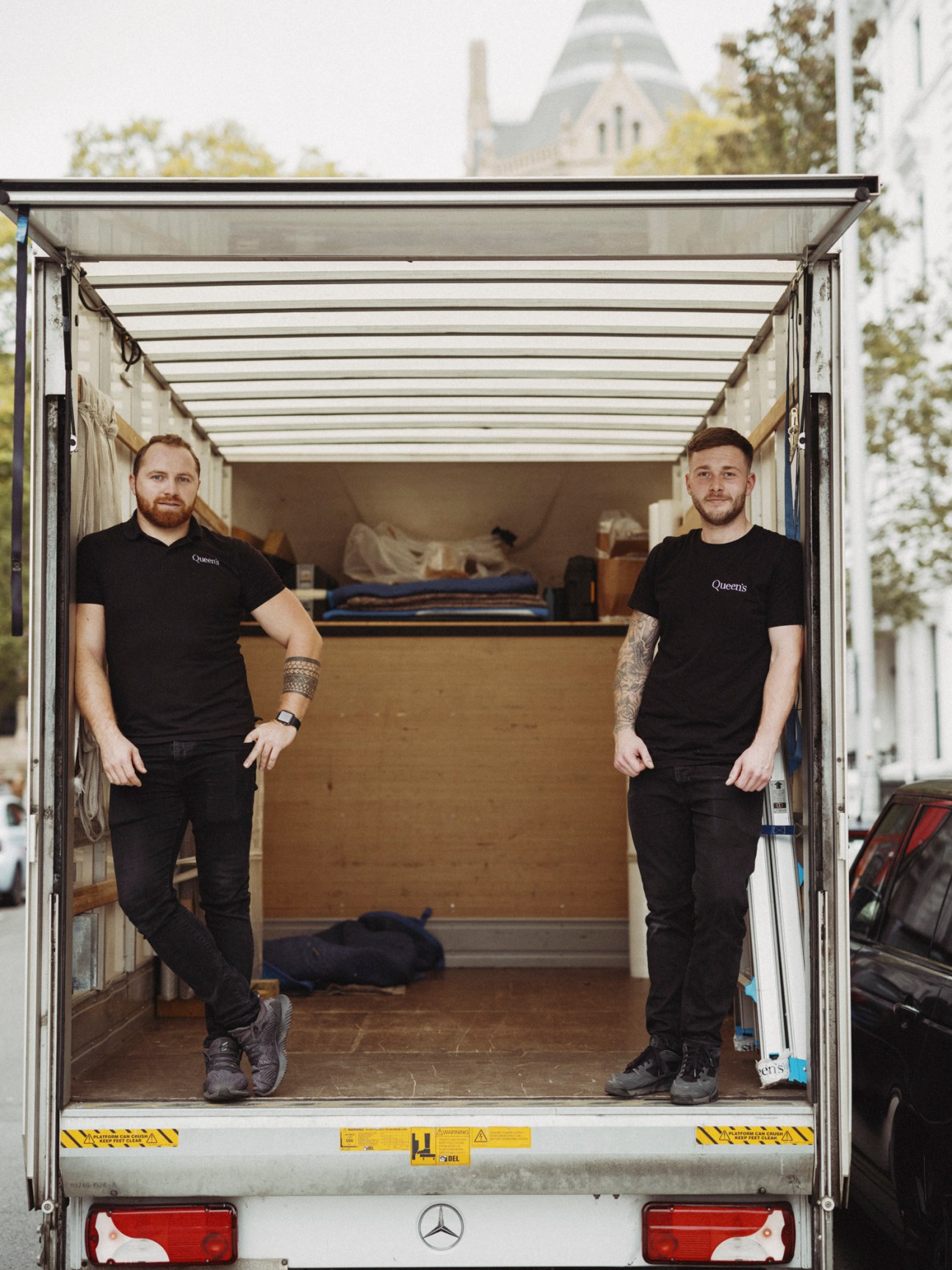
London-based art logistics firm Queen’s has remained undeterred and grown. “Working with Frieze, it was as busy as ever,” says managing director Mark Quail, who founded the company with art advisor Jamie Gourlay in 2018. “It’s hard to suggest that things are slowing down.” The team comprises 16 people, who handle an artwork from the moment that it is sold to when it’s installed on the walls of a gallery or private home. “Jamie had had some poor experiences with shipping, logistics and storage and identified a gap in the market,” says Quail. “We discovered that it was an ageing industry with quite a few larger incumbent players that had been around for up to a 100 years. The industry had become stagnant and there was little innovation within it.”
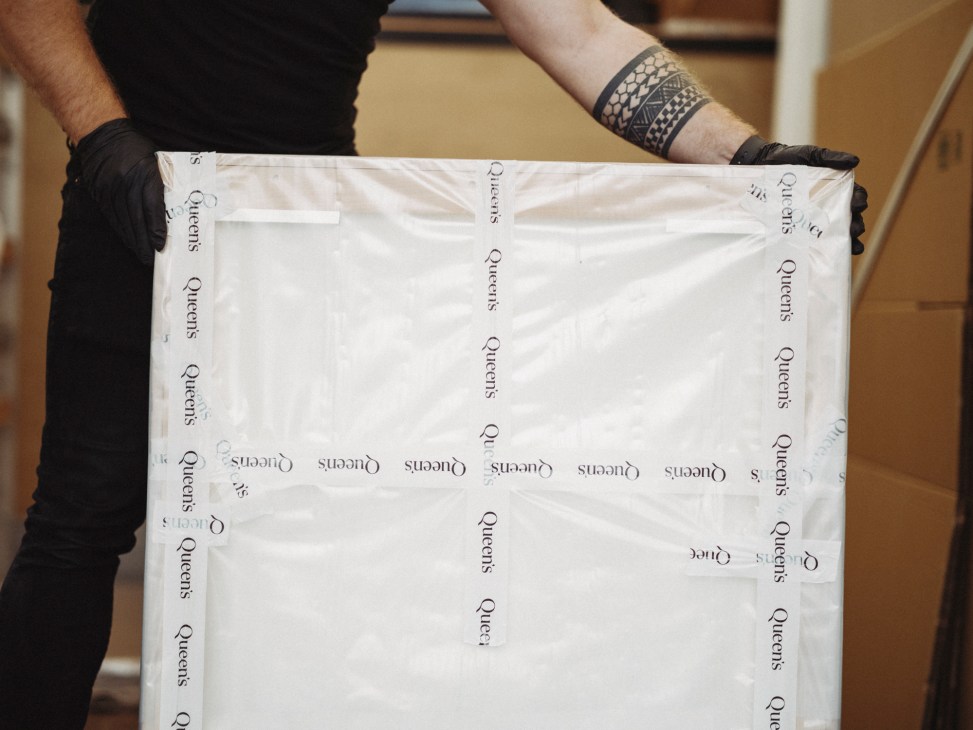
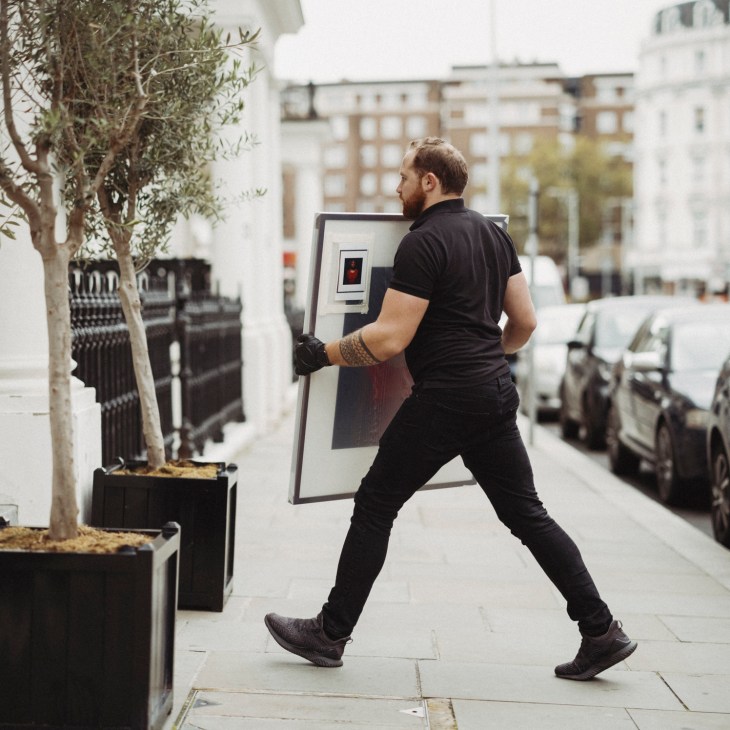
The firm set out to provide attentive customer service and to cut some of the inefficient paperwork. A willingness to offer eco-friendly shipping options also helped them stand out. “It’s something that has been on the agenda for the art market for the past couple of years but in the past 18 months clients started to drive the conversation, which is what’s necessary,” says Quail. “In the long run, there will be very little resistance. If there is an option with packing materials that are more expensive but more sustainable, it’s a no-brainer.”
Things get more complicated when time is of the essence: Queen’s offers more environmentally conscious shipments by sea freight for jobs that are not urgent but the pre-fair rush means that sometimes works need to be flown. In those cases, Queen’s calculates an offset fee that is donated to climate organisations. But client expectations about the speed of their delivery are what’s going to make the real difference – and the projects are only getting more complex. “There’s just a lot more involved with each booking,” says logistics manager Sandra Williamson. “Once you sense that you’ve seen it all – then here comes a new thing. Artworks are never the same, so every booking is going to be different.”
Working with all the players in the business, from auction houses to museums, galleries and private collectors, Queen’s carries out up to 60 jobs every week. They range from moving a few paintings to tackling 6 metre-tall sculptures, always handling these valuable, fragile objects with the care and precision that they deserve. Queen’s has also launched a relocation service for clients whose homes are packed with precious furnishings and objects. Some people might be filling their portfolios with jpegs but for all of those who like a painting hanging in the dining room, bring on the padding and packing tape.
Magazines
Q&A
George Blaustein, Editor
European Review of Books
After an ambitious crowdfunding campaign last year, the European Review of Books is ready to launch. The idea for this new title, which will appear triannually on newsstands and online weekly, is to create a cultural voice for the whole continent. Rather than focusing on rankings and bitty reviews of new releases, it will opt for long-form essays published in both English and the writer’s own language. Initial contributors include Italian novelist Paolo Giordano, Turkish-British writer Elif Shafak and Dutch architect Rem Koolhaas.
What does it mean to be a pan-European publication?
We are committed to a literary culture beyond the nation and the metropolis. The European intellectual atmosphere is strangely thin. We want to thicken it. More writers, more intelligent dissent, the good kind of disharmony.
“The ubiquity of English can give the deceptive impression of a lingua franca. But an English- only intellectual space is inevitably provincial”
Essays will be available in English and their original language. Why?
The ubiquity of English can give the deceptive impression of a lingua franca. But an English-only intellectual space is inevitably provincial. We can both resist and play within English’s seeming hegemony.
You will not publish opinion pieces. Why is this?
We’re saturated with opinions. They’re predictable and exhausting. A good essay is the antidote: an avenue to the arcane, the profane, the grand.
europeanreviewofbooks.com
Comment
Ageing gracefully
Monocle’s Tokyo bureau chief and senior Asia editor Fiona Wilson on Japanese men who refuse to die young.
Life expectancy in Japan soars well above global averages for both men and women. Within the country, the region that holds the top spot for male longevity is Shiga, a prefecture of 1.4 million people that has a low profile, even in Japan. Yet it’s clearly doing something right. While the global average lifespan for men hovers at about 70, those in Shiga typically survive to nearly 82.
Getting there is easy. A bullet train will take you from Tokyo to Kyoto; then a 10-minute ride on a local line will deposit you in Otsu, Shiga’s compact capital, which lies on the southern edge of Lake Biwa, Japan’s biggest freshwater lake. Even on a bracing winter’s day you’ll spot residents out and about on the pine-fringed sand of Sunshine Beach.
There are several possible reasons why men in Shiga live longer than their peers elsewhere. The prefecture has the lowest number of male smokers in Japan, the second-highest number of men who play sports and a strong culture of volunteering, which studies have associated with longevity. Shiga’s older population is clearly brimming with ikigai, the sense of purpose that helps to keep the country’s seniors in good shape.

Another potential factor is the slow pace of life, which Taizo Mikazuki, the prefecture’s governor, calls “Shiga rhythm”. The authorities in Shiga have been exploring in depth the connection between health and lifestyle since the mid-1980s and Mikazuki, who worked for a train company before moving into politics, has taken on the task with enthusiasm. In 2017 he set up a division that promotes healthy life expectancy, which currently consists of a team of 30 bureaucrats.
Japan’s demographic challenges are mirrored in countries across East Asia. People are living longer and their children are reproducing in ever decreasing numbers. Administrators in Shiga have taken the view that the best way to prepare for the future is to keep the elderly active and independent to ensure that they will need fewer of the services that the working population will struggle to pay for.
The 200km bike course around Lake Biwa might be too ambitious for some pensioners but Mikazuki’s team has drawn up a list of some 200 healthy spots in the prefecture to encourage people to hike, relax in hot springs and eat well. Meanwhile, two-year courses, from gardening to environmental studies, are on offer at Shiga Lacadia University, where retirees can learn new skills and continue to play a vital role in their community.
Some attribute Shiga’s rude health to its people’s love of fermentation, which was popular here long before scientists discovered the importance of gut health. Sakamotoya, which claims more than 150 years of history, is the place to come for funazushi, fermented fish from Lake Biwa. It’s an acquired taste that even its fans would put in the “smelly cheese” category. It is thought that the people of Shiga have been salt-curing and rice-pickling this delicacy for a millennium. Sour with lactic acid and good bacteria, it’s also full of vitamins, calcium and protein.
Nearby, pickled vegetable shop Yaoyo has been perfecting its craft since 1850 (house favourites include turnip pickled with kelp); at Kokonoe Miso, soybeans are fermented using traditional methods and sold by weight from large tubs. Riverside café Kissako offers yakuzen, food prepared following the principles of Chinese medicine, with highly nutritious ingredients such as cauliflower mushrooms. But you don’t have to go to speciality shops for good food; the area’s many farm supermarkets stock fresh fruit and vegetables, from red turnips and persimmons to pesticide-free strawberries, as well as sacks of rice.
Around the lake pensioners play tennis and gateball, Japan’s answer to croquet, and campers cook on open braziers. Shiga’s health success might not be such a mystery after all; perhaps it’s simply the result of nutritious food, plentiful outdoor activity and the prefecture’s enviable distance from the stresses and strains of metropolitan life. Now that the elderly are thriving, Mikazuki’s next mission seems clear: to work on that diminishing birth rate.
Business
Transport
Norway
Vertical planning
There’s much scepticism about evtol aircraft (the name stands for “electric vertical take-off and landing”) but many manufacturers insist this is the next frontier in aerospace. Everyone seems to be designing their own flying people carriers, from the likes of Airbus to little known start-ups. evtols are generally battery-powered, often pilot-less and have zero emissions. They promise to be cheaper and more accessible than helicopters, not to mention quieter and more comfortable.
That’s why the partnership between Eve Air Mobility, the evtol company spun off from Brazil’s Embraer, and Widerøe, the Norwegian regional airline, is intriguing. The companies are looking to bring electric, autonomous mobility to rural settings, as electric aviation will be most practical initially over short distances. Norway is the perfect proving ground because even short distances can take a long time to traverse on the ground, meaning huge time-saving potential.
“You just have to capture a small fraction of [public transport] to create a huge market,” says Eve CEO André Stein. Eve is able to leverage Embraer’s know-how to tackle certification of an aircraft, as well as to develop everything that needs to exist alongside the aircraft to make this a reality. That’s one reason its entry-into-service date of 2026 is later than many of its competitors – because it has a realistic plan, says the CEO.
“We’re confident that it’s happening, not only because of us but because we’re seeing the whole industry moving in that direction,” says Stein. “We have partnerships with energy companies and we’re working on the air-traffic control side. The ecosystem is being created.”
Others getting in on the game:
1.
CityAirbus NextGen
Airbus’s answer to the evtol market is a four-seater with an 80km range. The result of several years of r&d, it is unique in that it has no tilting or moving parts. The craft’s first flight is planned for 2023.
2.
Lilium
Germany’s best-known and best-funded evtol company is also well on its way to having its planned seven-seater aircraft ready, and is laying the groundwork for certification in both the US and Europe. The company says it can be ready for commercial operations by 2024.
3.
Joby Aviation
California-based Joby already has 800 employees, a market cap of €4bn and a prototype of its evtol built. It’s confident that it will have a working plane ready.
Fashion
Japan
Loose change
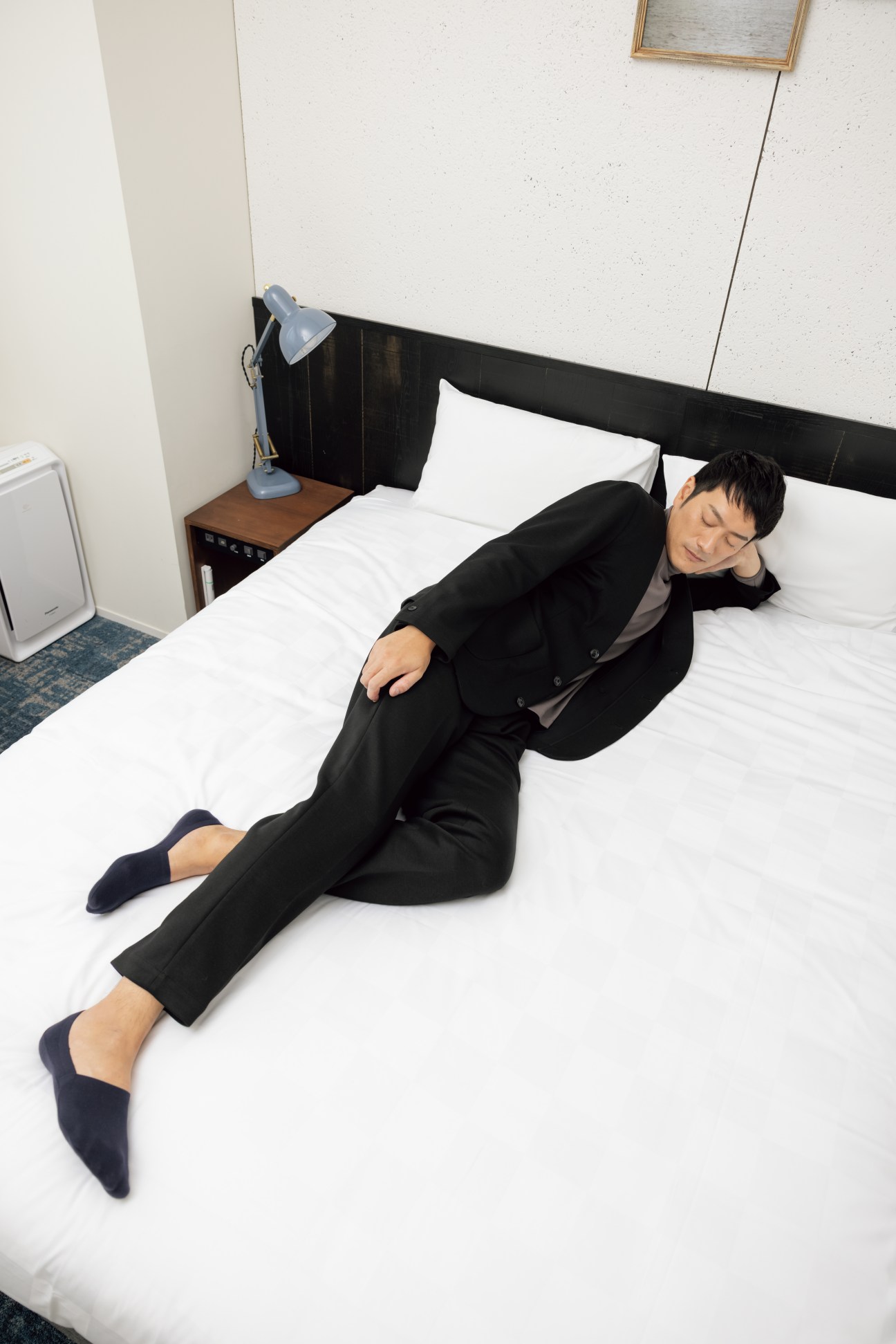
Japanese suit giant Aoki was ticking along nicely. Its annual revenue in 2019 was ¥98.3bn (€749m) and the brand had 600 shops across Japan, as well as a lively e-commerce site. In short, the company was suiting up workers across the nation. But then the pandemic hit and business stalled as people started to work from home and meetings shifted online. A pivot was needed – and the Yokohama-based company did just that.
“We constantly pick up customer feedback from our shops,” says Shota Akita of Aoki’s project team. “And many of our customers weren’t sure about what to wear at home for online meetings.” Aoki saw an opportunity and launched a company- wide project to develop a versatile garment for this new type of work life. In November 2020, after less than five months, two types of easy to wear (and wash) pyjama suits were released for men and women. Suitably smart for on-screen meetings, they are also relaxed enough to serve as at-home attire. “When there is a need, you have to supply it immediately,” says Akita. “Our customers wear the pyjama suits for everything from online meetings to dining out, shopping and housework.”
Aoki has sold 80,000 of these suits in Japan to date and they are one of the clothing hits of 2021. The collection is growing and orders are coming in from overseas. “We had a sense of urgency about the decline of the suit business,” says Akita. “But now the pyjama suit has created a whole new market for us.”
aoki-style.com
Milan
Q&A
Giovanni Vitaloni
President, Mido
We talk to the man who heads up Mido, the world’s leading eyewear tradeshow, held every February in Milan.
How resilient is the Italian eyewear industry?
I’m cautiously optimistic. Italy is Europe’s leading producer of eyewear and after a difficult 2020, when we saw a 26 per cent decline in exports, by the start of 2022 we forecast a return to pre-pandemic figures [the industry had a turnover of nearly €4bn in 2019]. Prescription glasses are doing well, although the sunglasses market is lagging somewhat.
How important is Mido on the industry calendar?
It’s a global event with brands from around the world and more than 55 per cent of visitors come from abroad. Italian firms export 90 per cent of their production as buyers are hungry for our models and want to touch and try on pairs. Face-to-face meetings are hard to replace.
What trends are you seeing in the sector?
There’s a move to more environmentally friendly materials in frames, while 3D-printed eyewear helps customise models and enables lower production runs, cutting down on waste. We’ve noticed a reshoring trend as more production returns to Italy from Asia. Importantly, firms in Belluno and Treviso have continued to maintain the know-how of eyewear culture here – one that focuses on quality production.
mido.com
Brands to keep an eye on:
LGR Rome-based company with chic, timeless designs.
lgrworld.com
Retrosuperfuture Contemporary eyewear made in Italy.
retrosuperfuture.com
Aether Audio eyewear start-up with fashion-oriented models.
aether-eyewear.com
The Comment
Technology
UK
Under pressure
Nathan Smith on why an app that he helped to develop to monitor the mental state of remote teams could give entrepreneurs a boost.
In 2021 I founded Stirland Research, a psychological and behavioural science company that I run alongside my academic position researching security and emerging technology at Coventry University. Before that I was at the Ministry of Defence in the UK, where I specialised in supporting people working in challenging operational environments and how to help them stay happy and healthy under extreme pressure. I developed Drift, an app that can be used by those who are working for long stints in remote locations, such as Antarctica, to help them monitor their mental state.
Isolated teams struggle to access tools that can help them keep an eye on how they are feeling. In most organisations you can speak to a health and wellbeing adviser or an occupational health specialist but that is not an option when you are off the grid and relying on expensive satellite phones to contact the outside world.
We have projects that are now funded by Nasa and the European Space Agency, and the Drift app provides them with a library of resources, including cues to help steer difficult conversations between colleagues. There is also a daily log function that remains private – otherwise people struggle to use it honestly – as we want to empower people through self-regulation to make better decisions. Many don’t want to discuss their mental health so we approach it as behavioural health. We talk about performance and sustaining your functioning because it is what people who are interested in achieving goals prefer. If you say, “Do this because it will help you perform better and keep you safe,” they will be more receptive than if you say, “Do this because we care about your mental health.” (Of course, we do care about this.) It helps you get to the same place but with different messaging for people who have been selected through arduous programmes and who have put themselves forward to do difficult missions.
That’s why in parallel to these more extreme projects, we are now working closely with entrepreneurs and new venture teams who also operate under immense pressure. A special forces unit on a virus mission, for example, might be faced with unusual and uncertain situations in which they must solve problems. Similarly, a new venture team must overcome issues and innovate constantly. Psychologically it’s a comparable experience; it’s fast-paced with significant deadlines to hit and lots of pressure.
Our goal now is to adapt the model for all mission-focused teams, for all people who are on a quest. We are conducting research with entrepreneurs and emergency workers in blue-light services. Our hope is that an app that started out with the aim of helping physically remote teams will also be able to keep fledgling entrepreneurial companies focused, happy and able to deal with the pressures of running a business.
Film
Seattle
Set for action
When Seattle shines on the silver screen, the set is more likely to be in Atlanta, Portland or Vancouver. This sleight of hand, while common practice in Hollywood, frustrated officials in King County, the metropolitan government for greater Seattle. Its response? Last year the county opened Harbor Island Studios, a vast former flour warehouse that had been transformed into a movie-production studio with two soundstages to film in.“Having a facility where film professionals can produce content is a key component of a healthy film industry,” says King County’s creative economy and recovery director, Kate Becker.
Two years ago the county convened an advisory board tasked with revitalising the region’s flagging cinema industry. Though King County alone can’t sustain the state-level subsidies that drive film production, the board recommended a state-of-the-art soundstage as a strategic investment and the county allocated $3m (€2.6m). The former warehouse – close to downtown but isolated enough for soundproofing purposes – proved ideal.
Harbor Island Studios has already attracted A-list talent. Comedian Amy Poehler wrapped an episode of Three Busy Debras in November, while director Steven Soderbergh scouted the soundstage while filming Kimi, a new thriller starring Zoë Kravitz, in Seattle. These productions are breathing new life into a dormant film hub that has been without a proper soundstage since the Alaska-themed television series Northern Exposure went off air in 1995. “Harbor Island Studios is what has been lacking in our regional infrastructure for decades,” says Becker.
Fabrics
Portugal
Never say dye
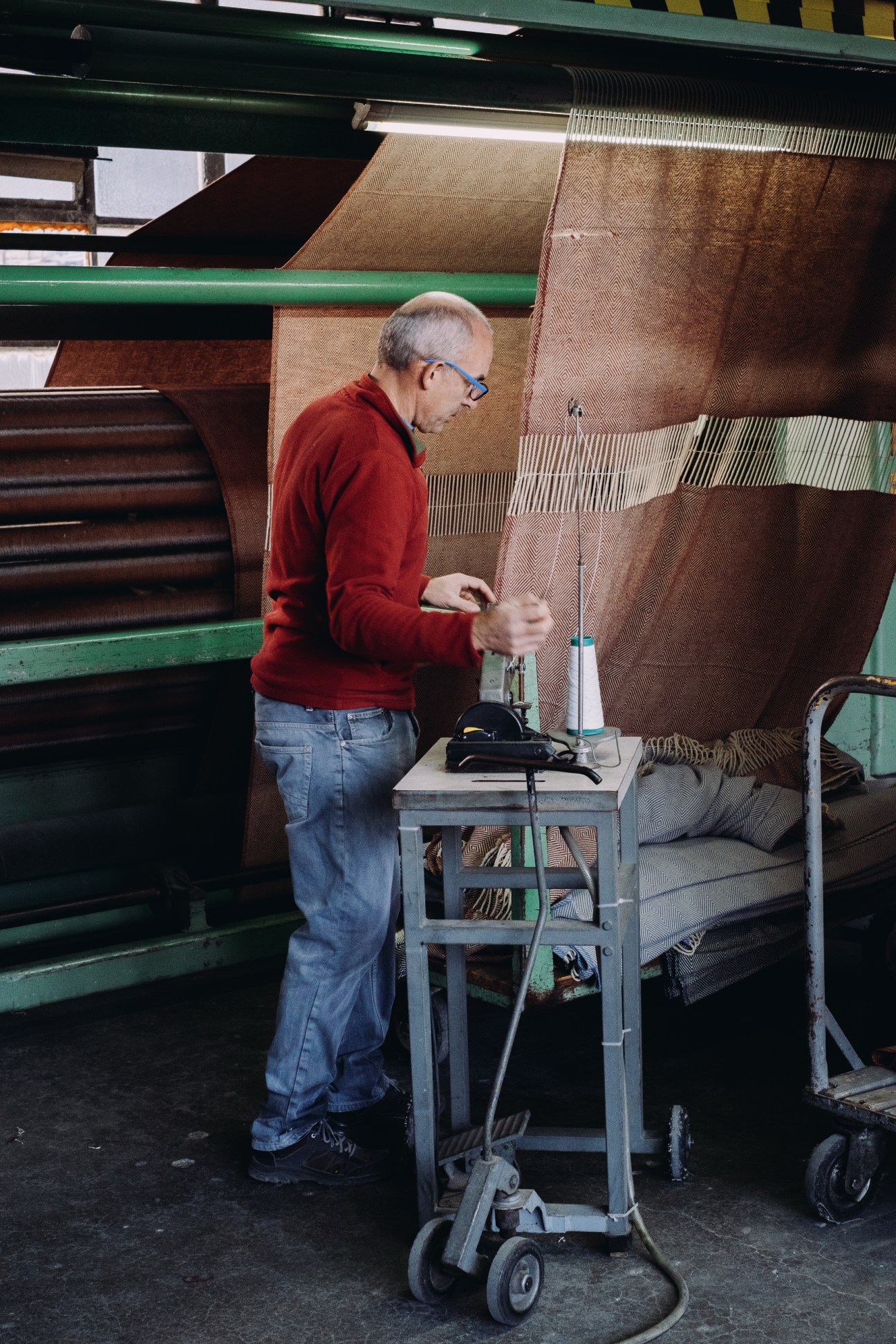
Against the backdrop of the snowy Serra da Estrela mountains, the compact city of Covilhã was once the wool capital of Portugal. Now its many factories lie abandoned after financial crises and foreign competition pushed most of the family-owned businesses into bankruptcy. The same demise recently befell A Transformadora, Fábrica do Pisão Novo, one of the last remaining factories transforming raw, woollen material into traditional felt. But the ending here is a happy one. In September 2021, Isabel Dias da Costa and João Tomás, from the successful Burel textile factory and wool brand, not only bought the factory but also rehired the complete team of 17 and reacquired all the old, traditional machines.
“We’re already teaming up with three universities in Portugal to experiment with natural colourants and studying old recipes in collaboration with nearby museums”

“Burel was a major client of A Transformadora, so when it closed down there was nowhere to go in Portugal to wash, colour and transform our wool,” says Da Costa. For the Portuguese entrepreneur and her husband it was a logical step to scale-up their existing textile business and save a part of Covilhã’s heritage. “Our aim with A Transformadora is to industrialise natural dyeing. We’re already teaming up with three universities in Portugal to experiment with natural colourants and studying old recipes in collaboration with nearby museums.”
Burel is also talking to farmers and the regional food industry about buying fruit and vegetable waste to extract colours, and exploring how tree bark such as oak can be used as a natural glue to fix colourants to fabric. “We are also looking at how we can wash and dye linen and cotton,” says Da Costa. “At present, many companies in Portugal send their fabrics to Spain and Italy. Keeping it local will benefit everybody.”
atransformadora.com
Under the umbrella
In February 2020, with the culture and hospitality sectors approaching a precipice that few could foresee, the chair of the world’s largest photography gallery and the CEO of a private member’s club met on the fringes of Frieze Los Angeles. A few weeks later, during an unprecedented global shutdown, they decided to form a new company, Cultureworks.
That shrewd business minds would spot an opportunity amid disquiet shouldn’t be surprising. However, that they would choose to invest in the profitability of large social spaces and late-night hospitality at a time when it was forbidden for a sizeable proportion of the world’s citizens to mix outside their households might raise a few eyebrows.
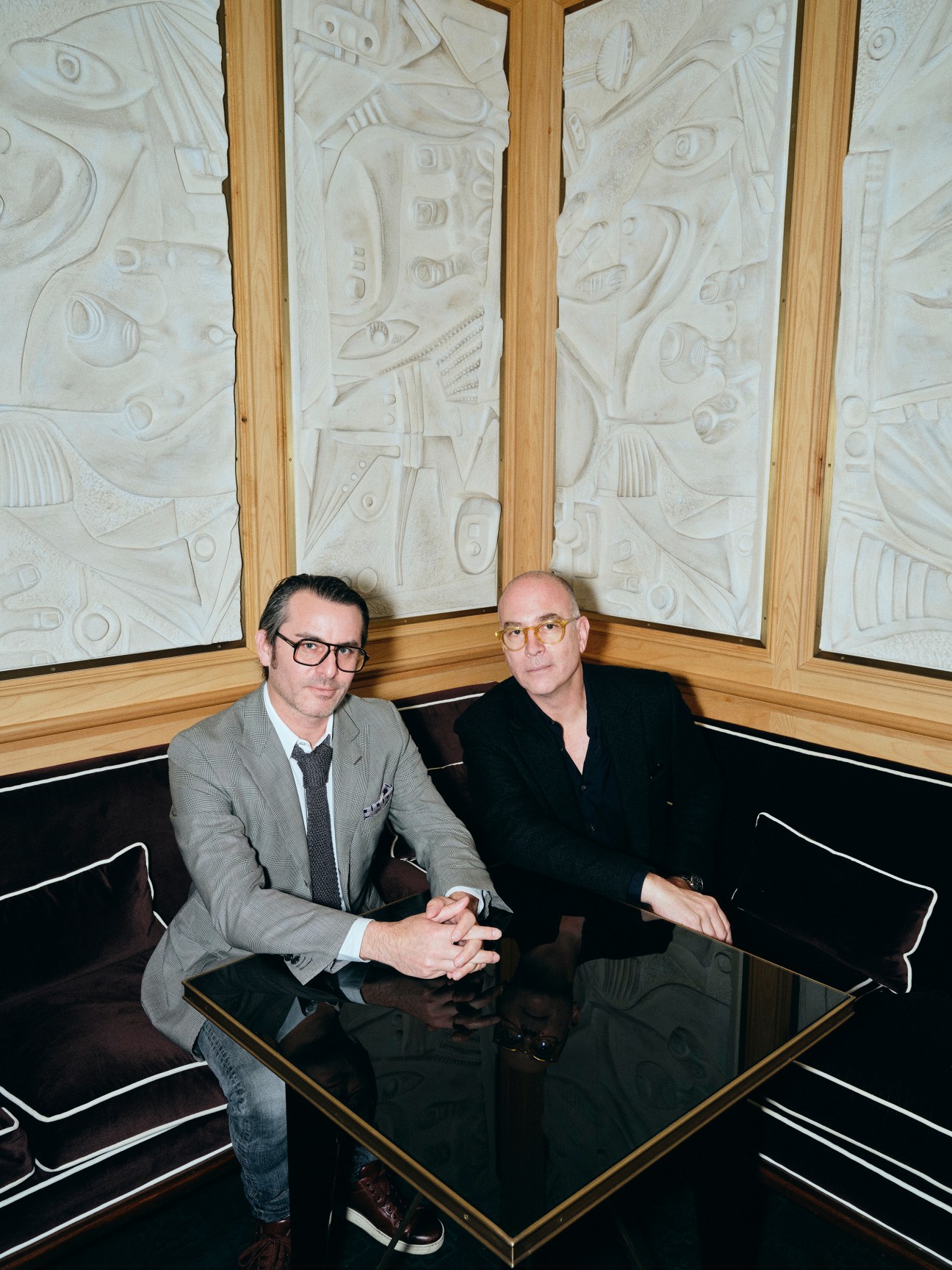
“When Yoram pulled this off, it was a seminal moment,” says Josh Wyatt, CEO of member’s club Neuehouse and co-founder of Cultureworks. He’s sitting, alongside his partner in the venture, Yoram Roth (pictured, on right, with Wyatt), executive chairman of Fotografiska gallery, in Hoxton hotel on the fringes of another art fair, Paris Photo. Outside, the bars are full; a queue snakes around the Grand Palais. After months of lockdowns and closures, the two men’s confidence seems to have been justified. “People have had time to think about what they value, what makes them happy,” says Wyatt. “For many, it’s a good personal and social life.”
Yet it must have been tough to come up with an idea only to see it almost immediately, perhaps permanently, shelved? “As far as business goes, the pandemic was about three words: survival, pivot and innovation,” says Wyatt. “Cultureworks is a pivot for both of us. We have these two great companies that are almost like siblings separated at birth, so we thought, ‘Let’s put them together.’”
With their pseudo-European names, Neuehouse and Fotografiska seem aimed at a similar clientele: mobile, successful people living in the world’s wealthiest cities. And it’s not difficult to see what Wyatt and Roth have in common. Though they have a divergent dress sense – Wyatt in a Prince of Wales check jacket; Roth in the monochrome look popular in his hometown of Berlin – they speak with the same persuasive Manhattan drawl.
So, what will Cultureworks actually be? Wyatt calls it a “high-performance creative platform for the future”. It is, in essence, an umbrella company, in the mould of lvmh or Kering, for a number of brands in the “cultural space”. “We see it as a platform to incubate or acquire other cultural brands,” says Roth.
But before any hypothetical brands can be incubated or acquired, the two co-founders are focusing on those that they already have. When it opened in 2013 in Manhattan’s Gramercy Park neighbourhood, Neuehouse was one of a wave of member’s clubs catering to the 21st-century urban entrepreneur. Its slick, varnished space contained both bars and meeting rooms, intentionally blurring the line between work and play. Today it has three clubs, one in New York and two in Los Angeles; another two, in Miami and Venice Beach, are on the way. Membership costs begin at $3,000 (€2,645) a year, plus a $200 (€175) joining fee, and is based on an application system.
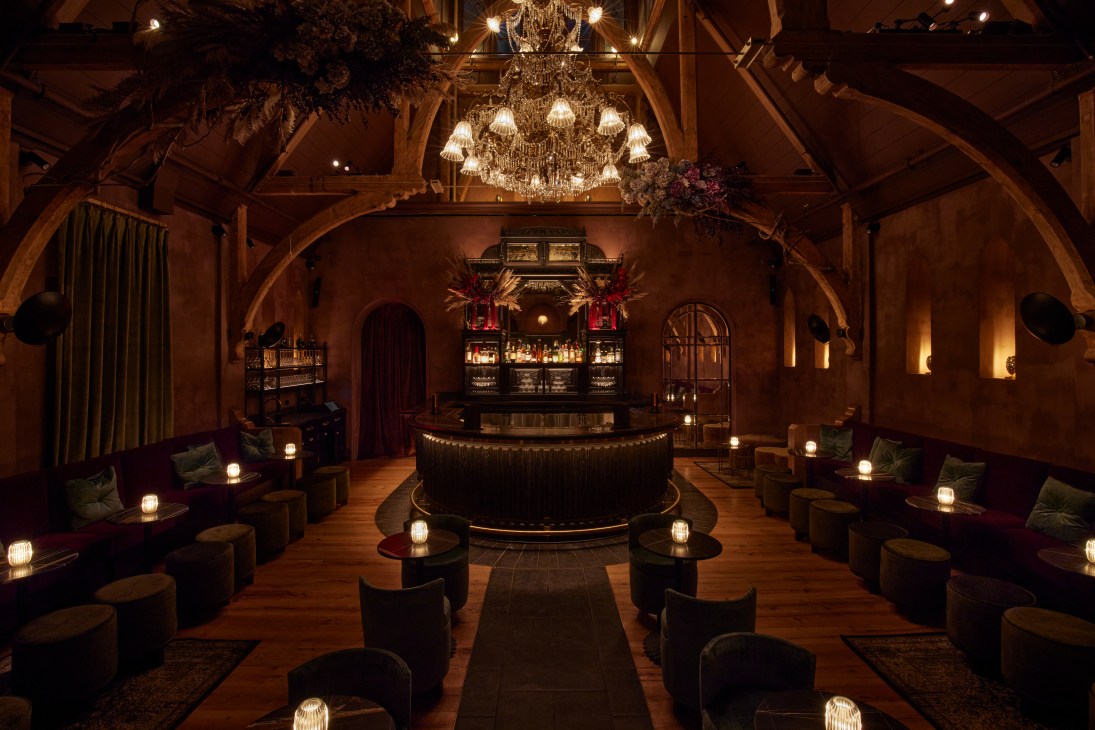
Chapel Bar
New York
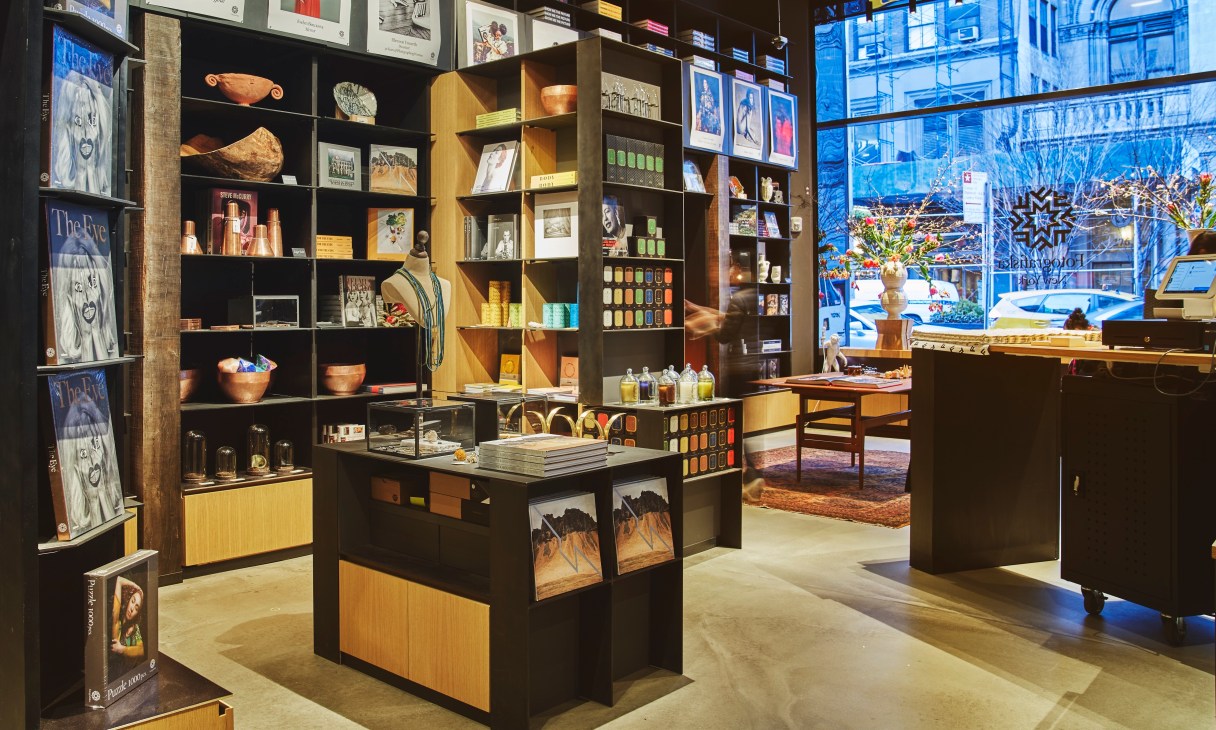
The first physical collaboration between Neuehouse and Fotografiska is housed in the jewel-encrusted crypt of a church in the heart of Manhattan.


Fotografiska
New York
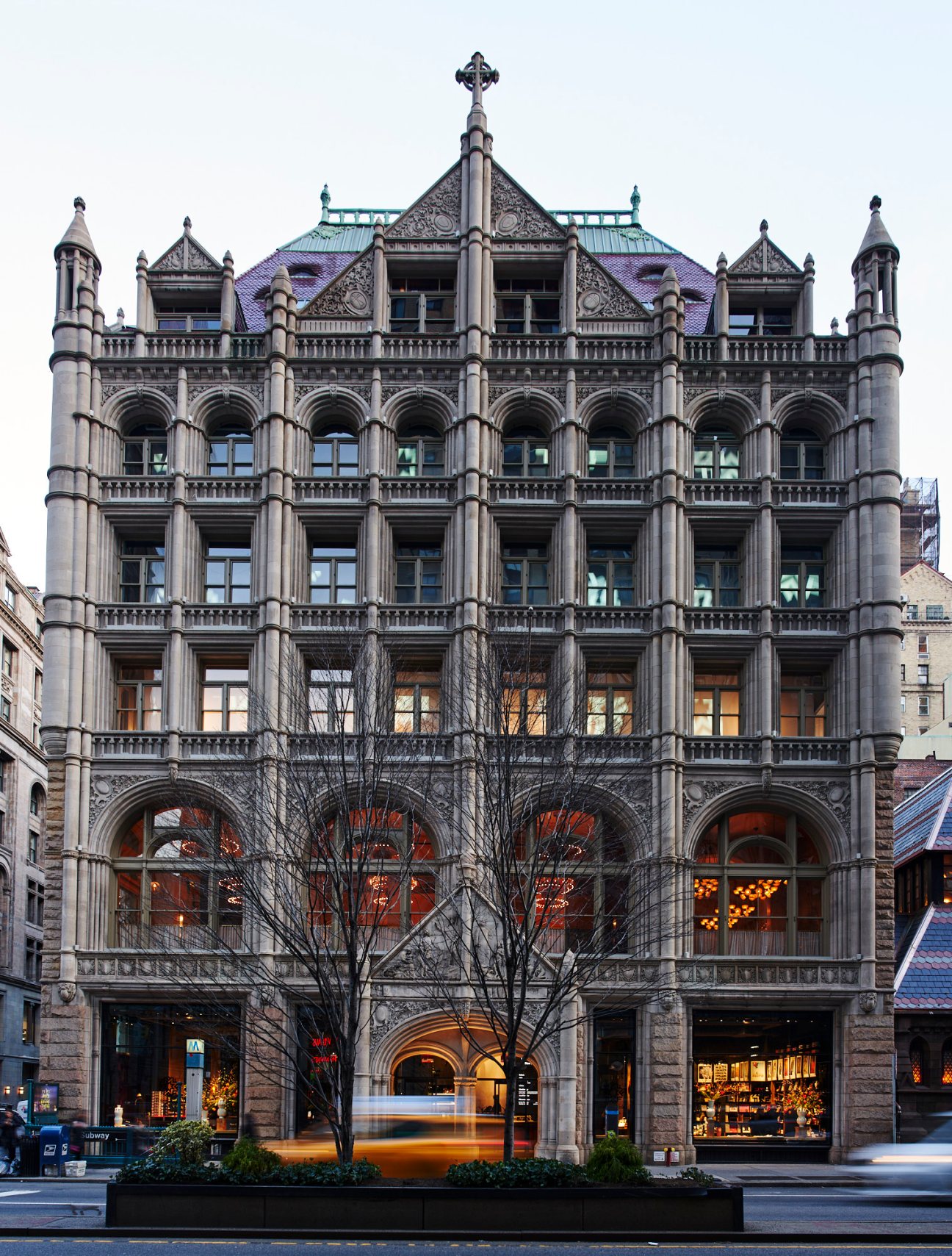
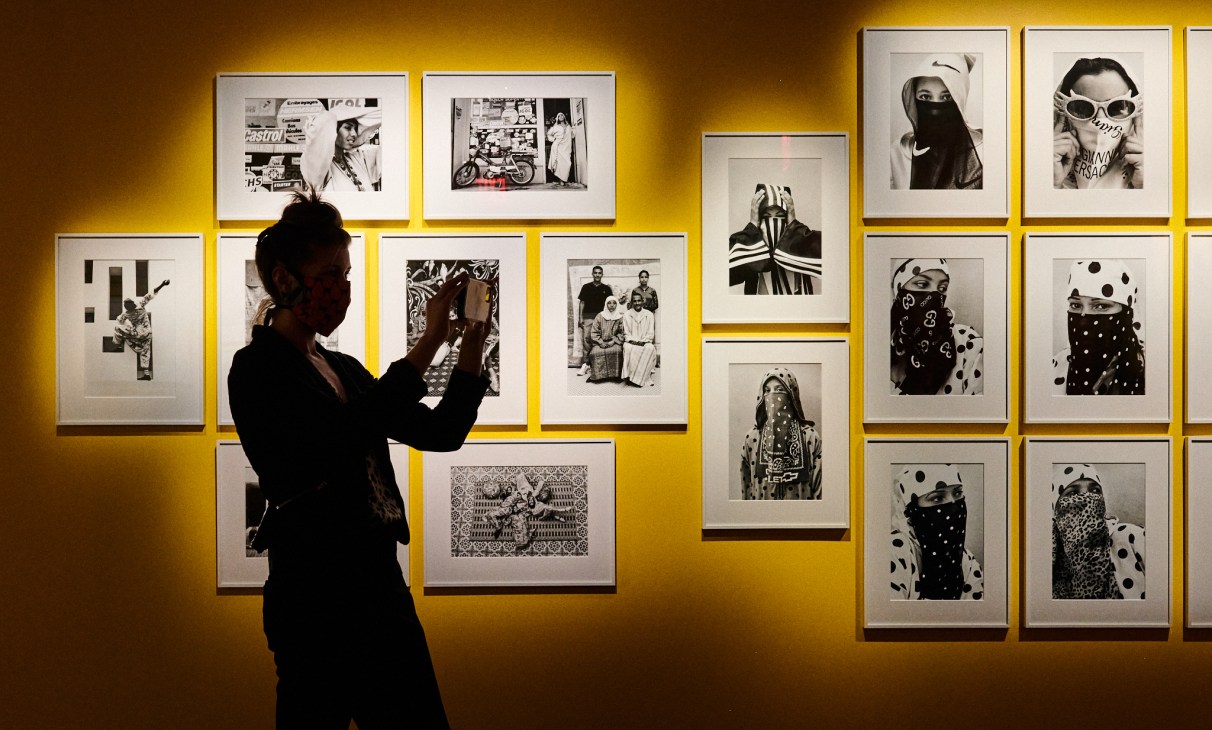
This gallery in Church Missions House, a six-story 45,000 sq ft New York landmark, features event spaces, restaurants and boutiques.
NeueHouse
Los Angeles
Pop corks not cyborgs in the Bradbury Building in Los Angeles, which was featured in Blade Runner. This NeueHouse’s club contains studio and screening rooms.

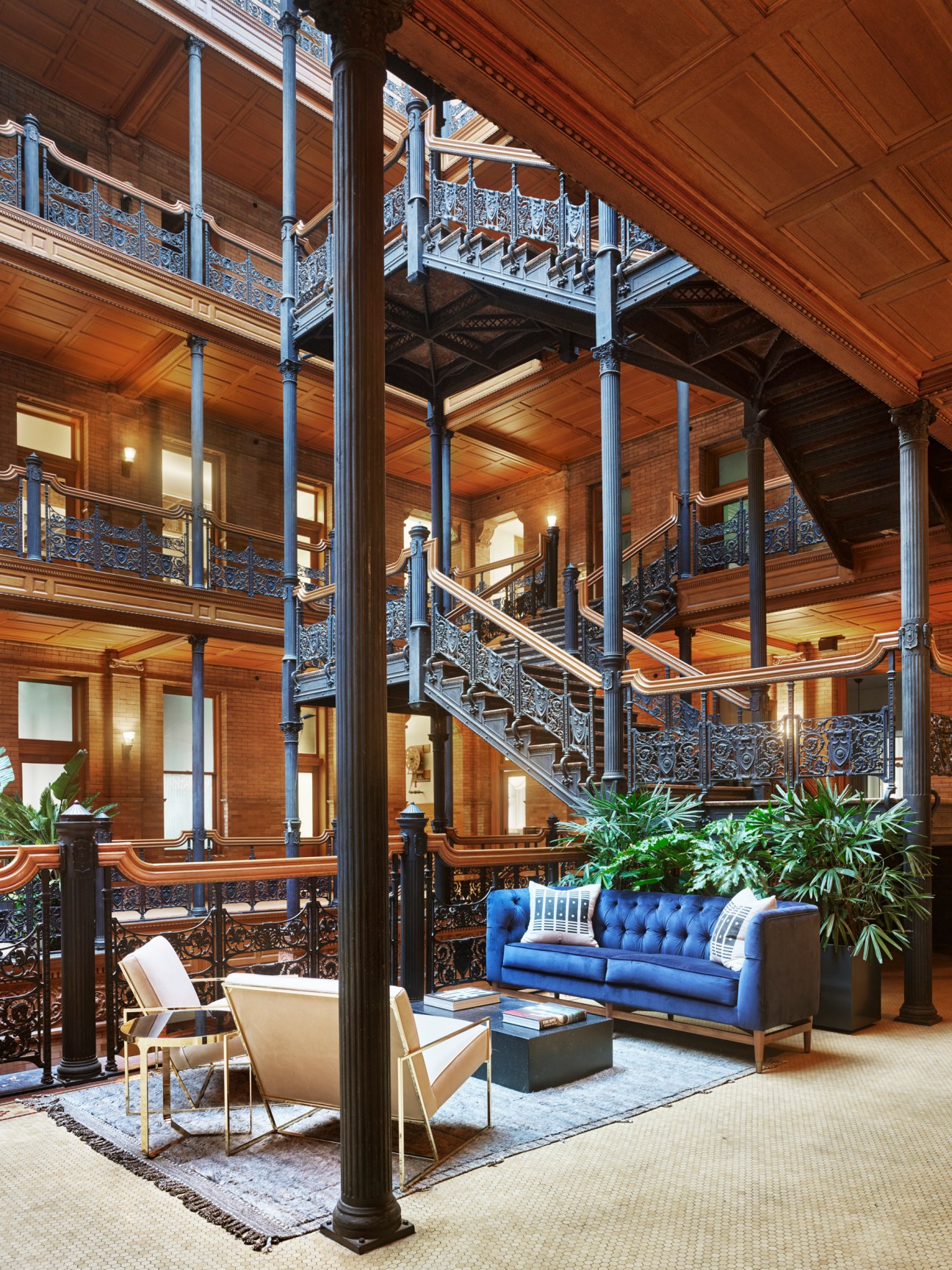
Neuehouse New York is in the Flatiron district, home to one of the city’s most iconic edifices, while the new club in Los Angeles sits in the Bradbury building, made famous by the 1982 film Blade Runner. Leasing spaces based on architectural merit is a tactic also employed by Fotografiska and reflects the desire of both brands to attract what Roth calls “culturally minded people”.
Fotografiska was founded in 2010 by Swedish brothers Jan and Per Broman. Roth came in as majority shareholder and executive chairman in 2017; the Bromans left the business in 2020. Its flagship location is a Victorian customs house on the Baltic coast in Stockholm, which welcomes 500,000 visitors a year. Today, Roth describes it as “the biggest photography museum in the world” in terms of exhibition space. Its locations in Talinn and New York, the latter of which is housed in Park Avenue’s 4,180 sq m Church Missions House, are run not as commercial galleries but as museums and member’s spaces. Money is made from ticket sales, subscriptions – ranging from $89 (€80) a year for a student “apprentice” to $2,000 (€1,765) for a “patron” – and on-site hospitality.
A 5,400 sq m Berlin museum scheduled to open in 2022 could offer the first test for the new umbrella company. Roth and Wyatt will hope that it doesn’t suffer the same fate as an 8,270 sq m museum that was mooted for east London in late 2020, only to be scrapped as a result of coronavirus and Brexit. The virus has taken a sledgehammer to museum and gallery revenue and footfall; in London, the Tate Group welcomed more than seven million fewer visitors in 2020. But a backlog of big-name shows and the return of international tourism is expected to inspire a resurgence in numbers.
How does Fotografiska aim to stand out? “If we’re talking about how a museum reaches its audience, the first thing I would ask is, ‘What time are you open until?’” says Roth. “On weekends we’re open late every day. The only time when people think about going to a museum is when they’re a tourist in another city and that’s sort of a bummer.”
By opening large galleries in a number of cities, the two aim to rotate major shows while keeping programming fresh. Given the rising value of the cultural sector and the success of luxury conglomerates, it’s surprising that this hasn’t been tried before. “Some have flirted with the idea but no one has got to the point of pulling it off,” says Wyatt. A guess at who those flirtatious few might be would include Soho House, arguably Neuehouse’s most prominent rival. How does Wyatt intend to grow while staying distinctive? “The difference is that Soho House focuses on the social side. Our focus is on work, social and culture. We’re open at 08.00 and we’re programming throughout the day and the evening.”
Another pitfall of intercontinental expansion can be bland uniformity. Many member’s clubs and hotel chains can make even the most exotic destination feel like Rotterdam or anywhere. “You have to respect the local culture,” says Wyatt. “It informs everything, how we hire people, what the place looks like… We don’t believe that we’re a huge conglomerate.”
But surely a big conglomerate is the aim? “Cultureworks is the holding company on top,” says Roth. “When someone goes to Fotografiska, they’re not thinking about Neuehouse. You look at Disney, which owns Marvel, espn, Fox… People don’t need to know. That’s our job. These will be different brands but they’ll understand one another.”
Wyatt and Roth insist that Cultureworks need not be visible in the marketplace. “When people buy a Louis Vuitton handbag, they don’t know they’re buying an lvmh brand,” says Wyatt. They’re right to put their faith in the heft offered by conglomerates; for better or for worse, the fluidity of international markets rewards behemoth collectives with factories in the labour-cheap East. But could this model work for a culture/hospitality brand? Well, were one to argue the case, they might look at the expansion of prestige galleries (such as the Louvre) and member’s clubs (like Soho House) into vast markets in Asia.
So which companies does Cultureworks consider to be its rivals? Disney? Soho House? Hauser + Wirth? “Our competitors aren’t other galleries,” says Roth. “They are Netflix, Xbox and Tiktok. We’ve got to get people off the couch. If we can get them to spend time among other people, that’s a win.”
Talking funny
For Athenian Katerina Vrana, a career in comedy beckoned in the midst of her auditions for dramatic roles after a theatre degree in London in the mid-1990s. “I’ve got a big-haired but fairly general ‘Med’ look so I was in a few things as ‘Greek wife’ or ‘Italian tourist’,” she says. “But I was always in it a bit too much, if you catch my drift; I wasn’t designed for being in the background.” Varna chuckles as she recalls the cheap-and-cheerful British TV dramas of the era that snubbed her talents. “It seemed as though everyone – every actor who wanted to – could get cast as a shoplifter in The Bill or fall down some stairs for Casualty,” she says. “But I remember auditions where they would end up saying, ‘OK, Katerina, now let’s try doing that a bit less sarcastically. So it was pretty obvious what I’d try next.”
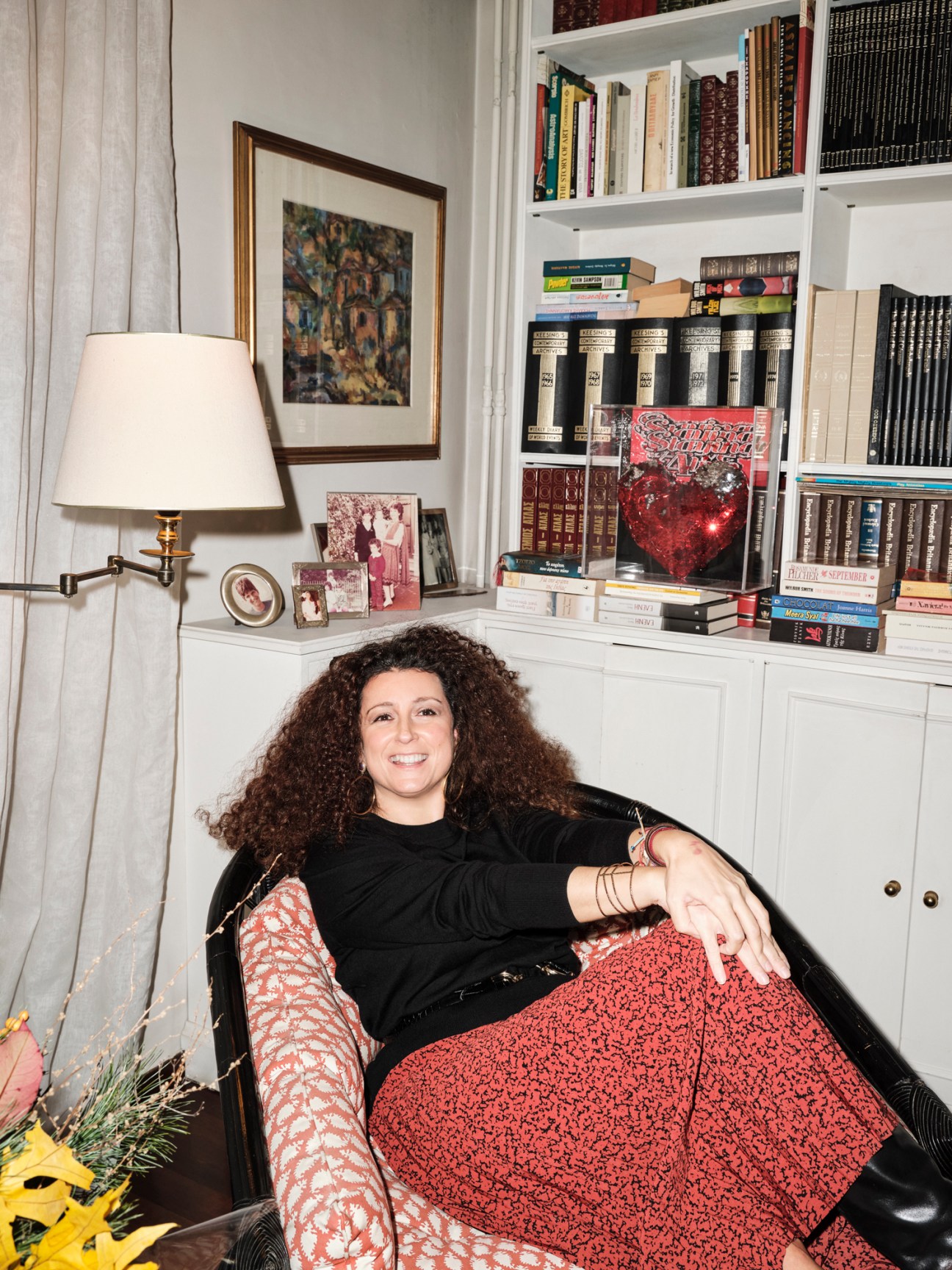
Next came improv, sketches and, finally, stand-up in 2009. Vrana was enchanted by a UK in thrall to comedy in the late 1990s, in which sketch and panel shows ruled the airwaves and every venue, from Wembley Arena and grand theatres to the backrooms of pubs, clamoured to cater to the resurgence of stand-up. “Jokes were in and I had lots of them,” says Vrana. “I mean, it started off a bit basic, with stuff about Yoda being the best sort of boyfriend a girl could have,” she says. “If you want a recap: he’s just the right height to go down on you for hours without hurting his neck; he has those big, dextrous ears; and he has 900 years of experience. What’s not to like?” A lot? “Well, yes, after that it got a bit more sophisticated,” she says. “I like playing on my status as a bit of an outsider to break down stereotypes and play with language. Of course, on stage, with an audience enjoying themselves, unsophisticated always works too.”
Vrana began to tour internationally, across India, the uae and East Asia, and soon she co-founded the Angel Comedy Club in north London in 2010. Her career was motoring along nicely when, on tour in Malaysia in 2017, she fell seriously ill – or, despite what was written at the time, “not quite literally gravely ill”, as she says. An intestinal perforation led to complications including paralysis, temporary blindness, loss of speech and months in hospital. Surely, there was nothing funny about it. “Don’t be so sure,” says Vrana. “For one thing, I’m a Greek woman trying to speak English with these lovely Malaysian nurses. You realise after a while that you have to ‘do the accent’ to communicate that you need turning or that you’re in pain,” she says. “I know; it’s bad. We’re not supposed to do that in comedy any more but in real life when you can hardly move your eyebrows? That’s a different matter.” The crowning glory, says Vrana, was that she got sick in the coastal city of Malacca. “It’s famous for its straits and the fact that in Greek it means ‘wanker’,” she says. “I mean, it’s too perfect for a comedian, isn’t it?” Vrana’s hospitalisation made the news across Greece, boosting her profile and leading to crowd-funding websites donating money for her return to Athens in a wheelchair. “It must have been a very slow news week,” is all that she will say in elaboration.
The next move was the riotous gallows humour of her Staying Alive show, the poster for which depicts her raising a toast with the Grim Reaper. “I didn’t beat Death,” she says. “We had a great time; he just left the party early.” The infamy of Vrana’s incident has had one genuinely positive side-effect: that elusive career as a dramatic actress after years of flying under the radar has finally begun. “From my comedy audiences, I would like empathy rather than pity,” she says. “But from my theatrical audiences, I just want pure adoration. I like being dramatic; it’s faithful to my character.”
The CV
2010: Co-founds the Angel Comedy Club in north London
2011: Starts performing in Athens
2013: Begins to tour internationally
2017: Suffers a serious illness while on tour in Malaysia
2019: Performs Staying Alive in Greece
2021: Stars in the Peter Quilter play Glorious! at the Ivi theatre in Athens
Affairs
Diplomacy
News in brief
1.
Good excuse
Beijing
As in Japan last year, Chinese leaders see it as a point of pride that its Winter Olympics go ahead. With regards no-shows, they have a ready-made excuse: “The pandemic provides perfect cover,” says Isabel Hilton, founder of China Dialogue. “However big the diplomatic boycott, the government can blame it on the pandemic.” Others will benefit from this excuse too. “It’s useful for those unwilling to join a US-led boycott but who don’t want attendance by prominent statespeople to appear as an endorsement of China’s many problematic policies,” Hilton adds. “So it’s convenient for everyone.”
2.
Home truths
Ethiopia
At Ethiopia’s summit of 31 African Union (AU) leaders in February, the hosts could be the main subject of discussion. Olusegun Obasanjo, the AU’s special envoy for the Horn of Africa, has been working to broker a ceasefire between the Ethiopian government and rebels in Tigray. The rebels retreated in December but the conflict continues. If anyone can help to agree a truce, it’s the AU and Obasanjo.
3.
Second to none
Berlin
German president Frank-Walter Steinmeier looks set to be elected to a second five-year term on 13 February. Despite his role being largely ceremonial, the re-election of a president is rare, with only three in the postwar period. With chancellor Olaf Scholz leading an experimental three-way coalition, Steinmeier offers a measure of the political stability Germans crave.
Soft Power Icon
Full of Bean
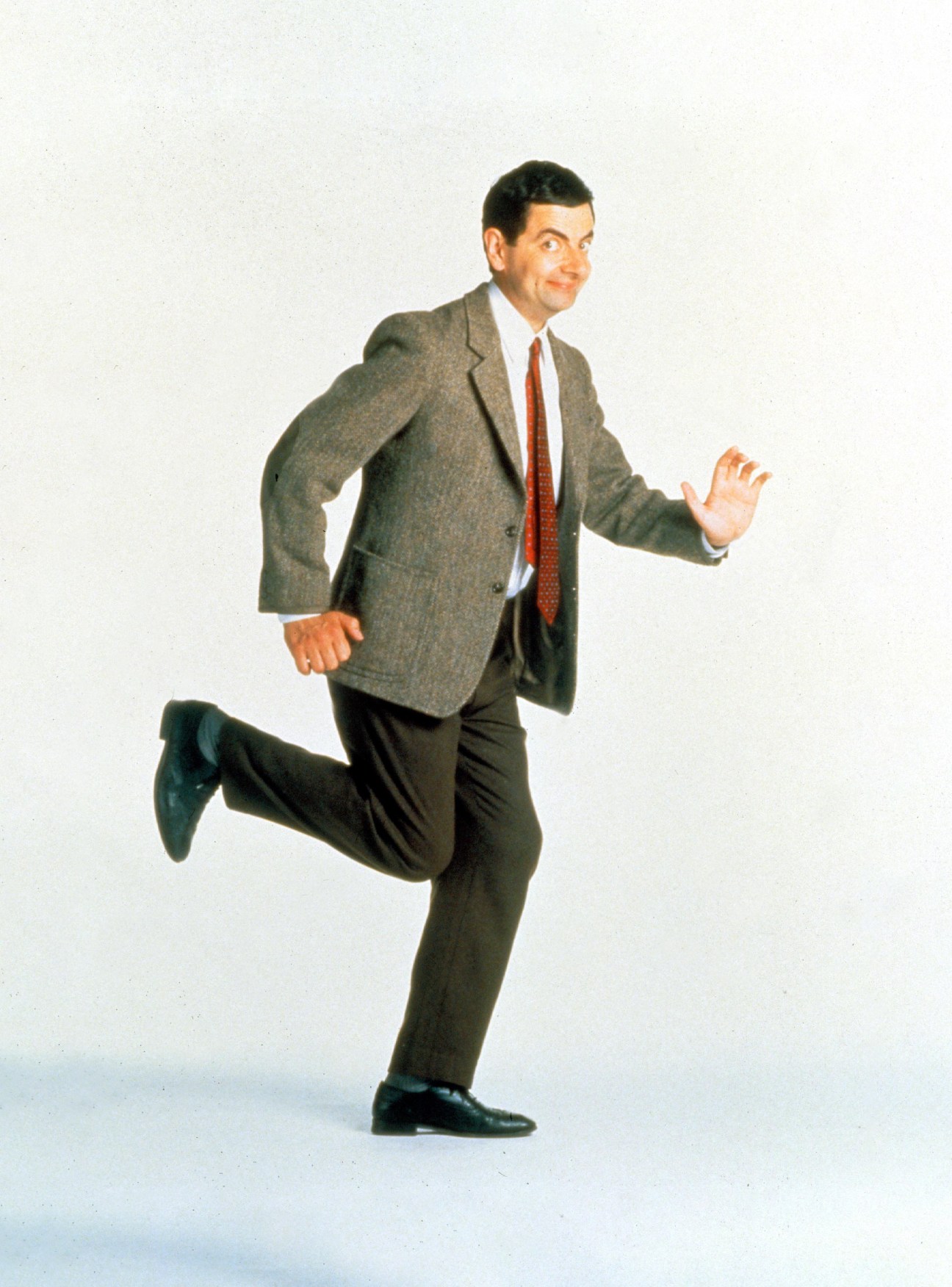
The British pride themselves on their sophisticated sense of humour: the perfectly timed witty rejoinder, say, or the irony-laden work of literature. But ask the average Malaysian, Nigerian or Frenchman who or what is the UK’s greatest comedic export and it’s unlikely they’ll reach immediately for Stewart Lee, Jane Austen or Private Eye.
No, when it comes to flying the flag for British wit, there is only one man who can lay claim to ruling an empire in which the smiles never set. I speak, of course, of Mr Bean (or, as a Spanish fan I met once called him, with more than a hint of veneration: “Señor Bean”). It’s all the more remarkable because the original TV series aired in the early 1990s and there are just 15 endlessly repeated episodes.
The character, a creation of actor Rowan Atkinson, is no purveyor of the acid-tongued bon mot. Indeed, he rarely speaks at all, instead industrially farming laughs using pure slapstick (and plenty of nose-picking), while always wearing his signature ill-fitting brown suit.
Most Brits, if they’ll admit to liking Bean, will file his oeuvre in the box marked “guilty pleasure”. Yet the character’s immense popularity and soft-power credentials are nothing to turn one’s nose up at – unless, of course, there’s a finger in there too.
The Foreign Desk
Andrew Mueller on…
Sportswashing reputations
Last year, Qatar and Saudi Arabia hosted their first Formula One races. In February, China will host its second Olympic Games – this time the winter variety. Later this year, Qatar, not hitherto known as a footballing hotbed, will host the World Cup. These events, and similar forays by regimes rarely praised for their enlightened attitudes, are damned as “sportswashing”: the laundering of political reputations by association with the virtues of the playing field. It is a sleight as shabby as it is obvious but there is an argument that sportswashing should nevertheless be encouraged. Because it doesn’t work.
Indeed, not only does sportswashing not do what sportswashers hope it will – that is, somehow make people adjust their thinking from, “I used to think this mob were a miserable sack of thugs, crooks and oppressors but now that they’ve staged a car race I reckon they’re a cracking bunch of lads” – it does precisely the opposite. The trouble with inviting the world to pay attention to you is that the world pays attention to you.
The Saudi Arabian Grand Prix drew focus to the country’s myriad malfeasances. China will spend its Olympics rebutting criticism of its treatment of its Uyghur minority. Ahead of the World Cup, Qatar’s PR people will earn their doubtless large retainers. It is difficult to imagine these countries emerging with their reputations enhanced.
The sportswashers should, therefore, be permitted to persist with their folly. But the world’s major sporting bodies have the option of maintaining ethical standards regarding the kind of countries with which they’re willing to do business. The Women’s Tennis Association’s recent withdrawal from China over the muffling of Chinese player Peng Shuai could serve as a benchmark.
Sport’s superstars can also make things difficult for sportswashers. Ahead of the Saudi Arabian Grand Prix, then-reigning champion Lewis Hamilton spoke of his discomfort at competing in Jeddah. Though the race could probably not have taken place – and certainly could not have been taken seriously – had Hamilton refused to participate, his choice of a rainbow-patterned helmet was a significant signal if it caused even a fraction of Formula One’s colossal global audience to wonder why he was wearing it.
The people with the real power to undermine sportswashing, however, are the fans, on whose unreasoning sentimentality the tactic depends. It would be too much to hope that Saudi Arabia’s recent purchase of English Premier League club Newcastle United will cause a wholesale desertion of its stadium, St James’s Park. But it would be something if it did cause, in the stands, a widespread swapping of black and white stripes for red, orange, yellow, green, blue, indigo and violet.
Diplomatic spat
Stone throwing
Who vs who: Croatia vs Austria
What it’s about:
Croatia’s putative concern over human rights in Austria, and Austria’s umbrage at this somewhat startling insertion of Croatia’s oar. Croatian president Zoran Milanovic teed off at Austria’s lockdown of the unvaccinated, describing it as “reminiscent of the 1930s”, after which Austria summoned Croatia’s man in Vienna to receive an indignant earful. Austria, for obvious reasons, is touchy about invocations of fascism. (And Croatia, given its own record in the 1940s, should be cautious about flinging rocks around this particular glass house.)
What it’s really about:
President Milanovic feeling that Croatia and other recent EU members are frequently patronised by their westerly comrades. Milanovic also spoke of his weariness with the sanctimony, as he sees it, routinely directed at Hungary and Poland, and went on to suggest that if the Dutch can comment on events in Bosnia-Herzegovina, then he’s entitled to a say on, for example, recent anti-lockdown riots in Rotterdam. He’s not altogether wrong but could have phrased it more gracefully.
Likely resolution:
Milanovic announced that Croatia’s foreign ministry would summon Austria’s man in Zagreb. (“Our ambassadors are constantly summoned over some nonsense,” said Milanovic. “So we will summon theirs.”). We might see both ambassadors trudging wearily from embassy to foreign ministry to smile politely through readings of aggrieved communiqués but serious escalation seems unlikely.
Military
In the basket: Plane sight
In the basket: Hurkus turboprop trainer and light-combat aircraft
Who’s buying: Niger
Who’s selling: Turkey
Price: Undisclosed
Delivery date: From 2022

Niger is the first foreign buyer for the Hurkus, a product of Turkish Aerospace Industries – indeed, Niger is the first foreign buyer of any Turkish-built fixed-wing aircraft since the 1940s. The 12 planes thought to have been sold are part of a sale of Turkish kit to Niger, including armoured vehicles and Bayraktar TB2 drones – the same type deployed by Ukraine against Russian-backed separatists. The purchase suggests that Niger’s president, Mohamed Bazoum, is seeking an advantage in its conflict with Islamist militants.
Counter-insurgency
Taking leave
As the US demonstrated in Afghanistan last August, ending a counter-insurgency mission is no straightforward task. West Africa is not Afghanistan, and the French-led anti-terrorist mission in the Sahel has not been strictly akin to America’s attempts at nation-building in Central Asia, but Operation Barkhane will wind down in early 2022, after nearly eight years.
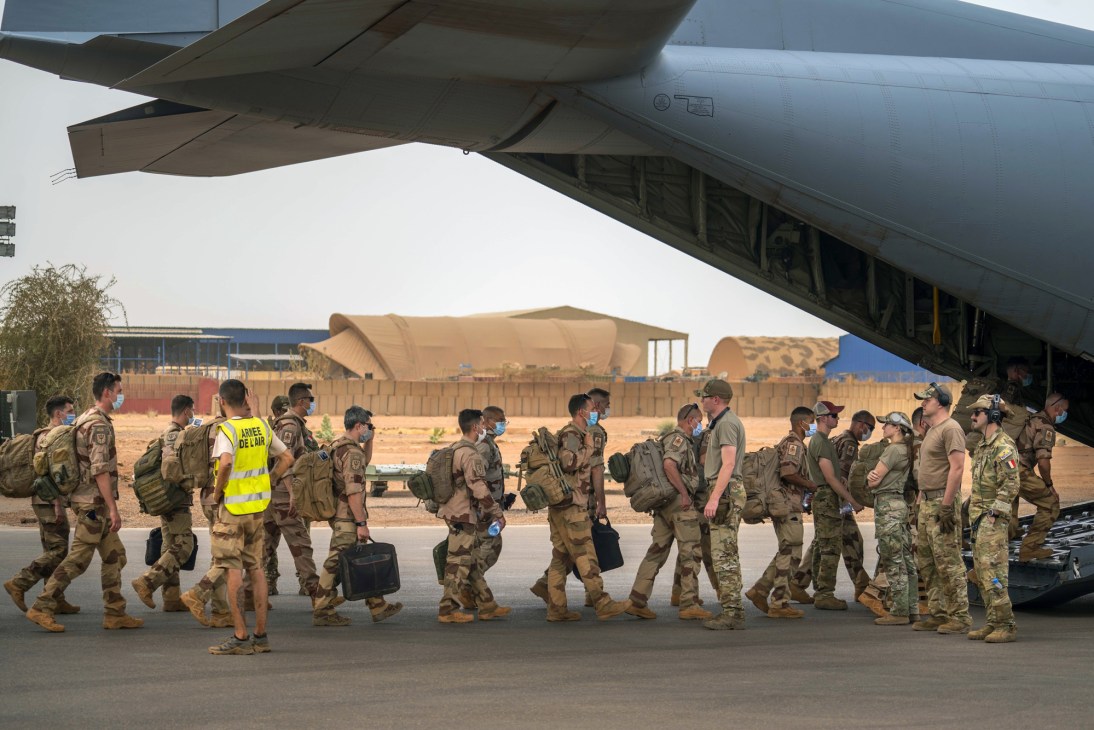
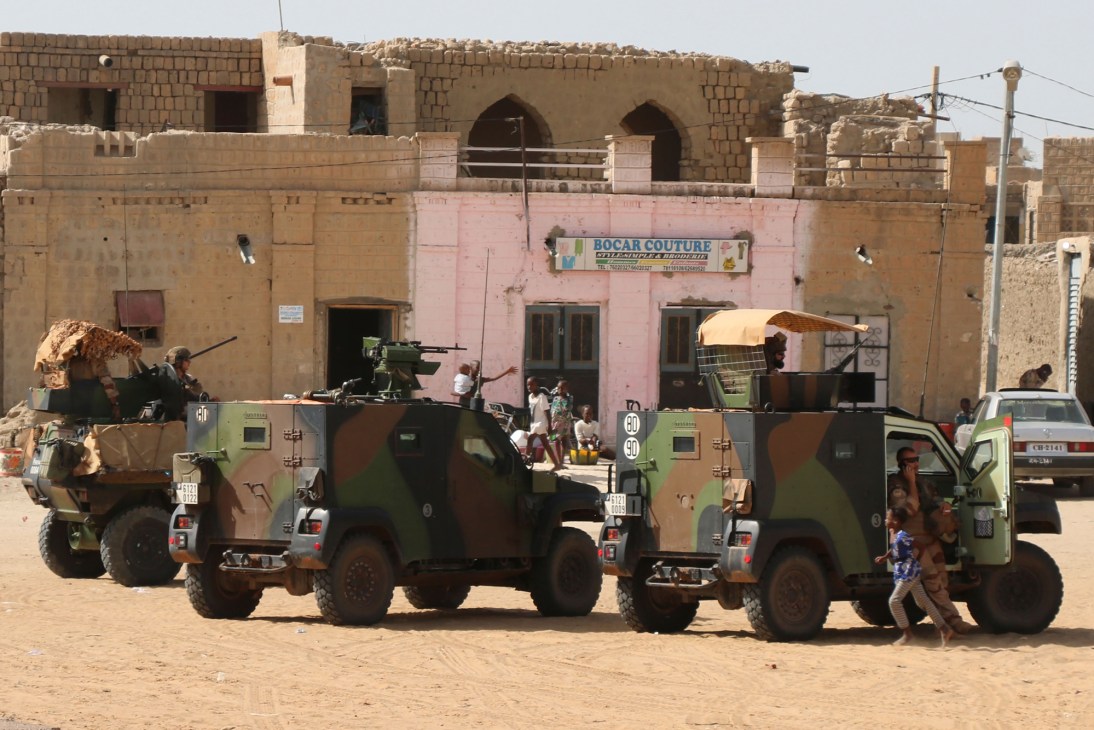
The withdrawal of 5,000-odd French troops is “mainly strategic”, according to Michel Duclos, special advisor at the Institut Montaigne, former French ambassador to Syria and Switzerland, and author of France in the Midst of Global Upheaval. “But there is a need for Emmanuel Macron to make the position clear before the presidential election,” he says. “Barkhane is not really a big issue but that could change if there is a major incident.” (Forty-two French troops have been killed serving on Operation Barkhane, including 13 who died when two French military helicopters collided in Mali in 2019.)
As is often the case with counter-insurgency operations, the enemy has adapted: the Islamist groups that France set out to tackle have spread themselves more widely around the region. And, as Duclos notes, the political situation in Mali, in particular, has changed: when France launched Barkhane, Mali was a democracy, under imminent threat from militias, and broadly friendly towards France. Since the coup d’etat of May 2021, Mali’s co-operation cannot be counted on.
“The new Malian authorities don’t like France,” says Duclos. “And there is a risk of a rise in anti-French sentiment in Mali.” More discouragingly still, persistent reports suggest that the Malian junta plans to outsource the counter-insurgency work to the Wagner Group, the Russian contractor that has supplied mercenaries in Libya, Syria and the Central African Republic. “Russian support for Mali’s military would mean that the military has no intention of returning power to civilians,” says Duclos. “There would be no trust between them and Paris.”
Barkhane’s responsibilities will be substantially shouldered by Takuba Task Force, a multi-national European taskforce first deployed to the Sahel in 2020. “It’s a change of tactics,” says Duclos. “It will be fewer people but more inserted in local armies.”
Images: Shutterstock
English in Danish
Take a walk through central Copenhagen these days and it isn’t just the tourists speaking English. The Danes are increasingly incorporating English words and phrases into their everyday conversation. This is particularly the case with the young, much to the chagrin of older Danes – not to mention immigrants to the country who haven’t spent bloody years learning to speak bloody Danish only for the Danes to start speaking bloody English!
Sorry, got a bit carried away there.
But Danish is a hellishly difficult language to master. And I’m not just saying that because I have clawed my way up the north face of that particular Everest, enduring years of public humiliation along the way. Experts agree; a group of cognitive and language scientists from Aarhus and Cornell universities in New York recently concluded that Danish children take two years longer to learn the past tense than their Norwegian contemporaries, though the two languages are closely related. The Danish kids’ vocabulary is significantly smaller too.
The problem lies with Danish vowel sounds. In written Danish there are eight of them (the usuals, plus å, ø and æ) but these somehow multiply to about 40 in spoken Danish, every one virtually indistinguishable to the unacclimatised human ear. Indeed, spoken Danish can sometimes sound as though it is entirely made up of vowels, as the consonants are either replaced by glottal stops or cut entirely, presumably to save time. This is frustrating because in its written form there are what non-Danes would consider to be normal levels of consonants. It’s only when spoken that Danish sounds like something that an angry Norfolk farmer fresh from the dentist with a mouthful of anaesthetic would shout across a field. While vomiting.
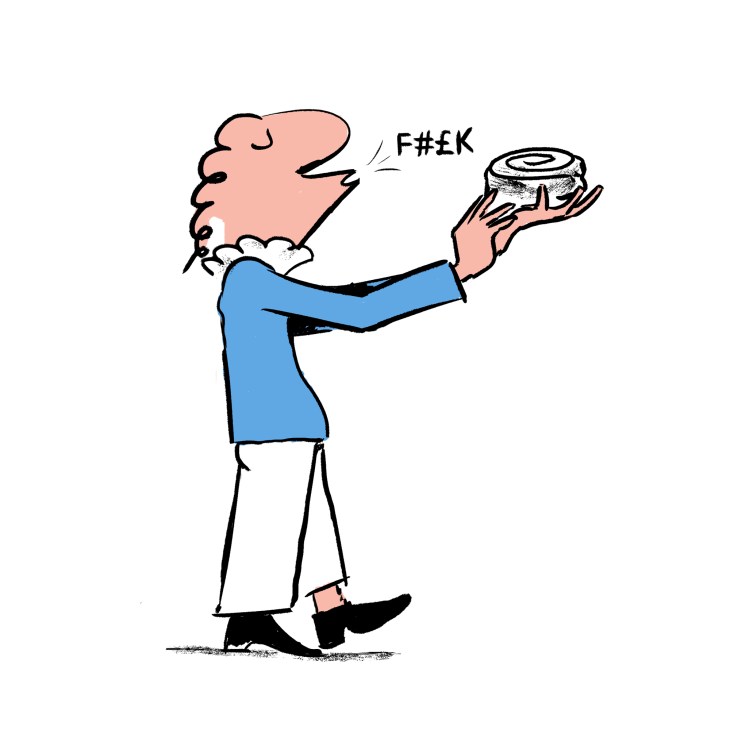
These days even their Swedish and Norwegian neighbours, with whom they have conversed relatively easily for centuries, seem to find the Danes borderline incomprehensible. It’s no wonder that young Danes are turning to English. But for a native English speaker there is no small measure of cognitive dissonance to hearing a Dane in full guttural, glottal-filled flow suddenly refer to their “roomie” or describe someone as “cringe” or “super nice”.
University of Copenhagen researcher Henrik Gottlieb describes the English influence on Danish as “a snowball that’s not going to stop”. Among his compatriots English has, he says, moved from efl (English as a foreign language) to esl (English as a second language). He often meets young Danes who find it easier to use English words than their Danish equivalents. Soon, he says, it won’t just be the odd word, it will be entire sentences in English. When I heard this, I was really, really cross.
What is to be done? Denmark does have a Danish Language Council (Dansk Sprognævn) but unlike its French equivalent, the Académie Française, which dreams up new words for Anglophone inventions such as email (“courriel“) and drive-through (“point de retrait automobile“), the Danish body merely monitors what’s happening in the language.
Yet more vexing is the Danes’ misappropriation of English. Their indiscriminate overuse of one word in particular has weakened it to the point of meaninglessness. I’m talking about the F-word. I do not hesitate to deploy the F-bomb when required. But I do lament its dilution.
Here “fuck” appears – as a filler – in adverts and newspaper headlines; it is spoken on television and radio at all times of the day. At Danish music award shows popstars seemingly compete to see how much of their acceptance speeches can be replaced by the word. Teachers accept it; indeed, they use it themselves in classes. I still remember my confusion when my eldest son came home from school when he was about seven with his first English-language textbook and the F-word appeared in the very first line.
I suppose there is one thing for which I should be grateful in all of this. For now at least, the youth of Denmark don’t seem to have learned about the C-word.
Joke alarm
We are going to save the big celebrations for next month (we launched with a March issue in 2007, so that’s the official mark of 15 years in business) but still 150 issues is a remarkable achievement, especially in such a choppy world and when it’s all been done with a tight, nimble team. It’s also worth noting that we have been able to keep the founding principles of Monocle intact: a belief in the power of print, of having journalists and photographers on the ground, speaking to a global audience in English and that good journalism should not be given away free.
And there’s something else from the early days of Monocle that still informs what we do: knowing when to laugh at yourself; bringing some wit as well as wisdom to the recipe. During those early days of the magazine, when we were often in the office late at night and back again at dawn, you needed to keep a sense of humour about you to get through it all and I remember many funny moments – the odd beer or bottle of white also undoubtedly helped. Yet getting that same wryness and knowingness on page took more effort than you might imagine. Jokes are often the first thing a time-pressed editor cuts when copy is too long. Things that would sound funny when said can look laboured in print. Perhaps the big breakthrough came when we started The Monocle Weekly, a podcast, which would later grow into a radio station, Monocle 24. Suddenly people could hear the team talking, being irreverent, corpsing on air and teasing each other, and that changed the relationship with our listeners, and readers, in numerous positive ways. Humour let people know us; it helped Monocle connect with its audience.

Yet speaking with various people in recent weeks about the state of humour, you wonder if the thought of being funny, let alone telling a joke, is now perceived as a danger zone. People seem to think that wit, especially in the workplace, could be a career-ender. This is not about cancel culture or championing humour that mocks people over, say, their heritage or weight; it’s just a feeling that being funny is not a good idea. That’s why for this issue we decided to ask serious people to tell us a joke (read here) and I am delighted that a former UK defence secretary, numerous professors and a host of diplomats have obliged – and made themselves seem more genuine in the process. But what might have been equally funny, if a little mean, would have been to publish the responses from the grandees who declined to step up to the mic. There were lots of responses along the lines of, “The minister does not know any jokes,” and, “The general asks if you could explain what you mean by ‘a joke’.” Now you might think that this was a wise move on their part but surely a good diplomat or politician should know how to ease the mood with some humour every now and then?
Of course, there are many people who risk more than failing to make a colleague laugh when they tell a joke. This issue also looks at the satirists, comics and cartoonists (read here) who are trying to shift opinions in deeply conservative societies, to hold up to ridicule the corrupt and to lampoon the powerful. These are people who in some instances face jail for being funny. Or even the prospect of being killed. They aren’t going to keep quiet and know that laughter can change the world.
Although sometimes the joke can backfire. Ukrainian author and reservist Artem Chekh writes in this issue about living with the fear that a war with Russia could break out at any moment (read here). But also about the strange story of his country’s current president, Volodymyr Zelensky, a comedian who starred in a television show portraying a schoolteacher who becomes the president and who has ended up playing the role for real (with many wondering whether he’s just saying the lines that he thinks fit the part). It’s a frank account of a nation living on the edge.
There will be more in-depth reporting – and some wit – in our special anniversary issue next month when we will both look back at the past 15 years and make some predictions about the future too. Come and join the party. Meanwhile, if you want to drop me a note about Monocle, share a joke or anything else, send an email to me [email protected].
Wood intentions
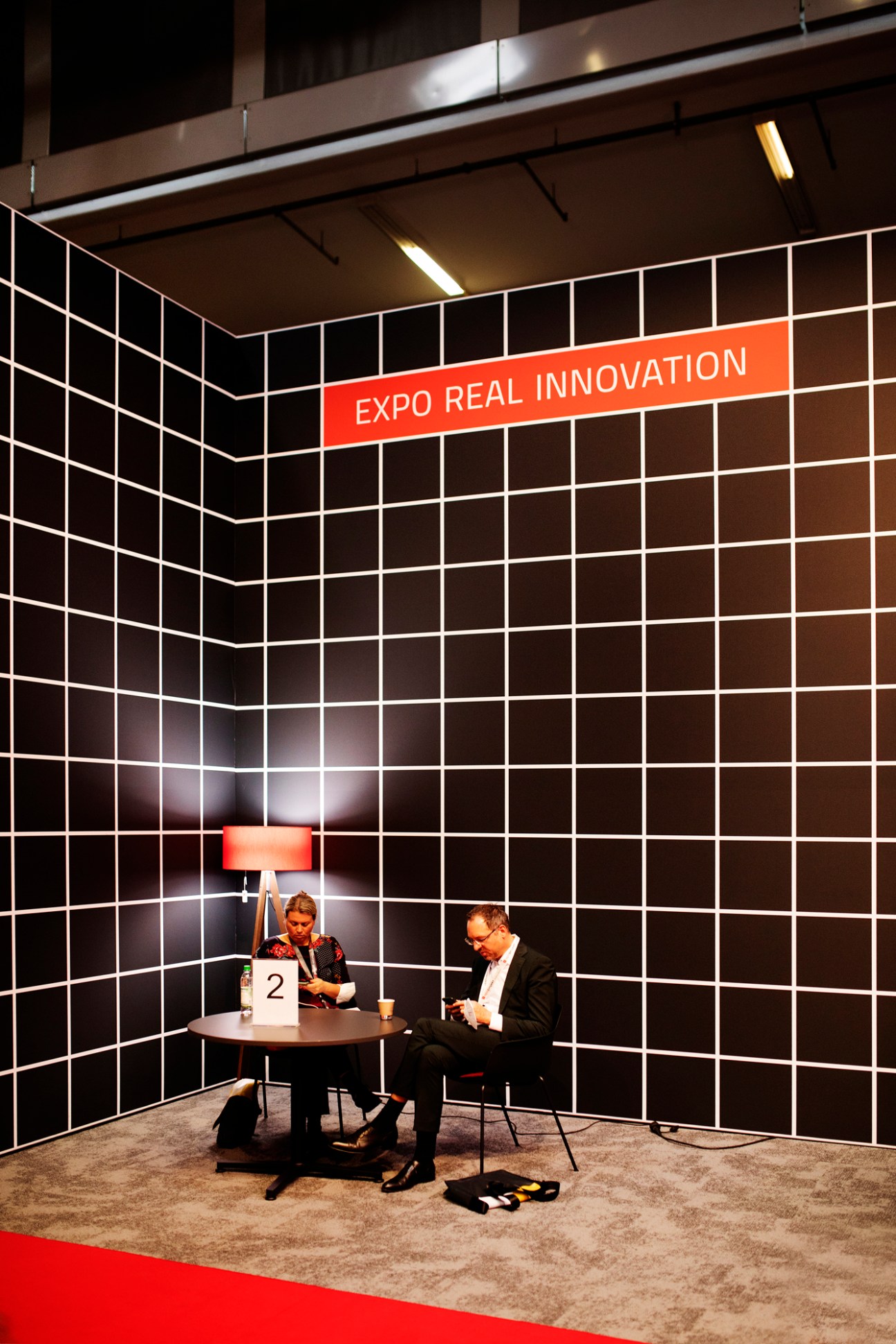
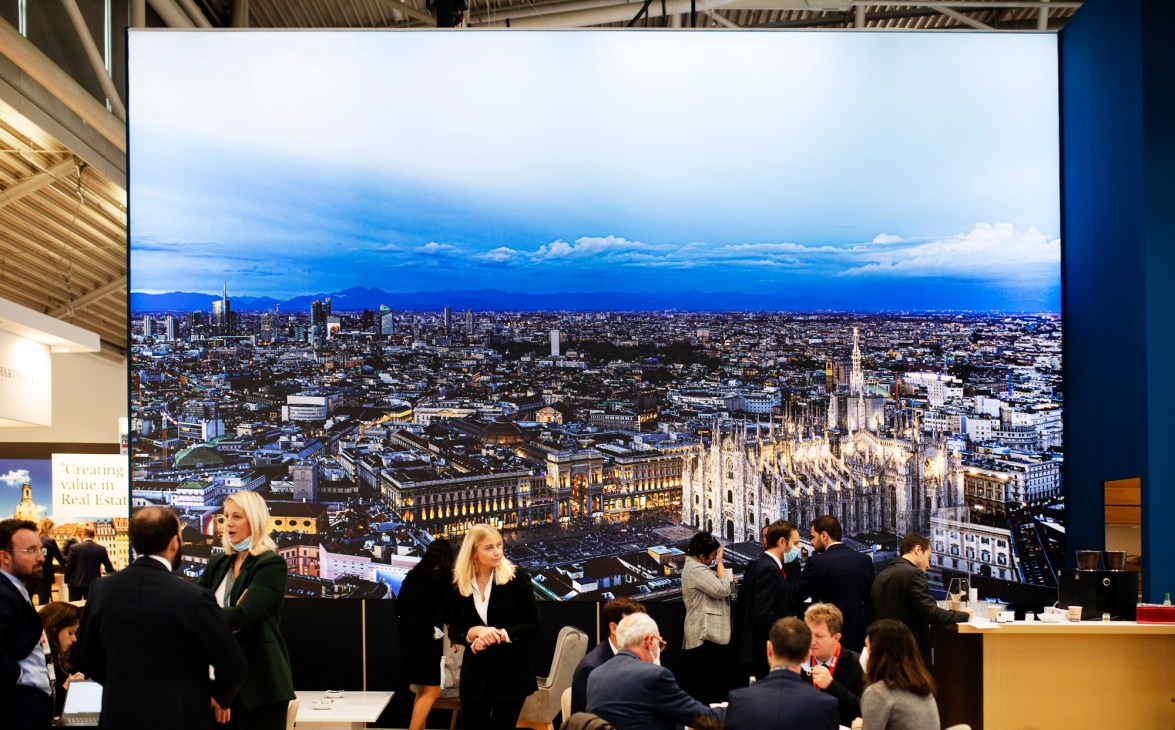
The organisers of Expo Real, Europe’s largest property fair, could not have chosen a more interesting time for their annual event, which was held in Munich in October. Three factors had set the stage for a particularly noteworthy and potentially difficult show.
The first, of course, was the coronavirus pandemic, which led to the cancellation of all large fairs in the Bavarian capital for 18 months, including the 2020 edition of Expo Real. It also led to hotels remaining empty and work being postponed on construction sites, resulting in a difficult period for several sectors of the property market.
But there were other local issues too. In September, iaa Mobility, the first major expo to be held in Munich since the enforced hiatus period, had been met by unprecedented protest as environmentalists criticised the lack of alternative transport solutions on display. Then, two weeks before Expo Real, Berliners backed a referendum that requested their government draft a law to force 12 large private property companies to sell their 240,000 or so flats to the city for less than the market rate. The vote, which passed with a margin of more than 17 percentage points, demonstrated how the need for affordable housing has turned previously unthinkable measures, such as expropriation, into mainstream ideas.

Against the backdrop of this triple whammy, observers arrived at Expo Real with unusually existential questions on their minds. What sort of state was the property industry really in and how would it choose to present itself? Where is the sector heading? And how were key players meeting the challenges?
Those searching for answers to the wider health of the industry were given a succinct answer from one of the fair’s keynote speakers, Gertrud Traud, chief economist at Helaba, one of Germany’s five state-owned regional banks. Summarising her message as, “Housing strong; commercial weak,” she showed how the value for owner-occupied houses in Germany has continued to rise at pre-crisis rates, while the price of offices flattened in 2020. Retail fared worse, with prices below 2018 levels. The picture is similar in most Western markets. One concern across sectors is the rising cost of construction, driven by such diverse factors as labour shortages, high prices for lumber and steel, and post-pandemic investment programmes leading to increased demand.
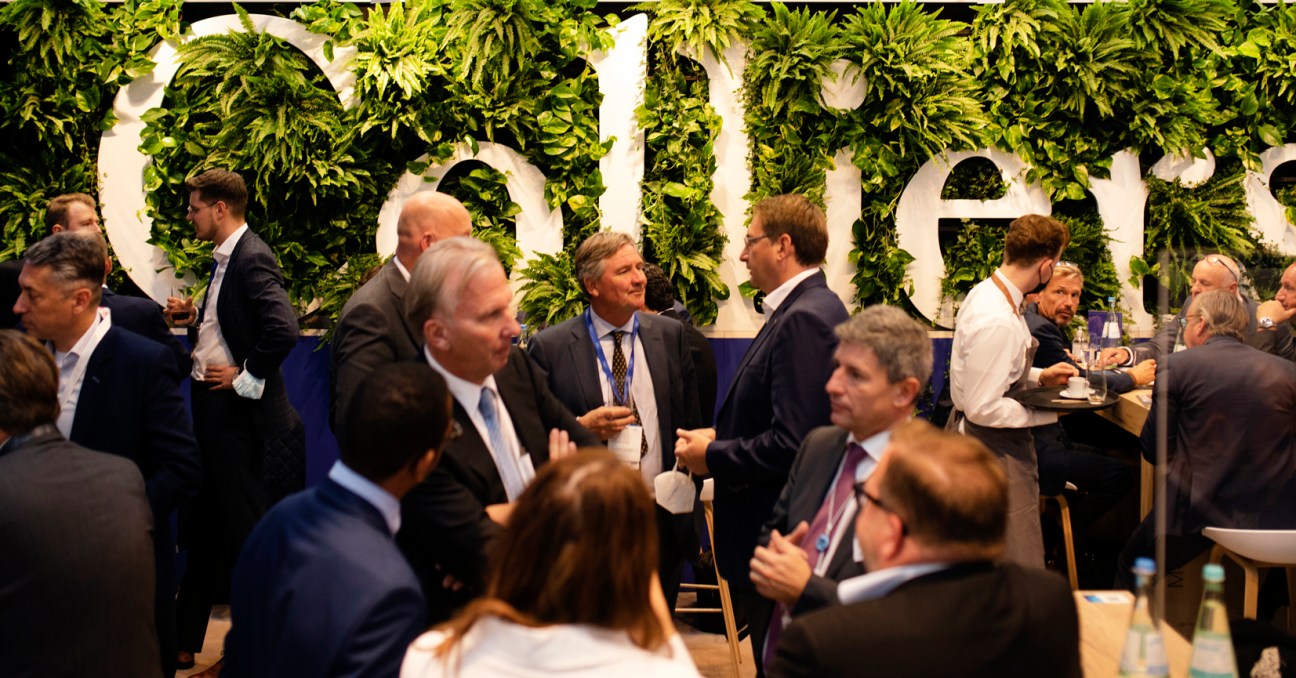
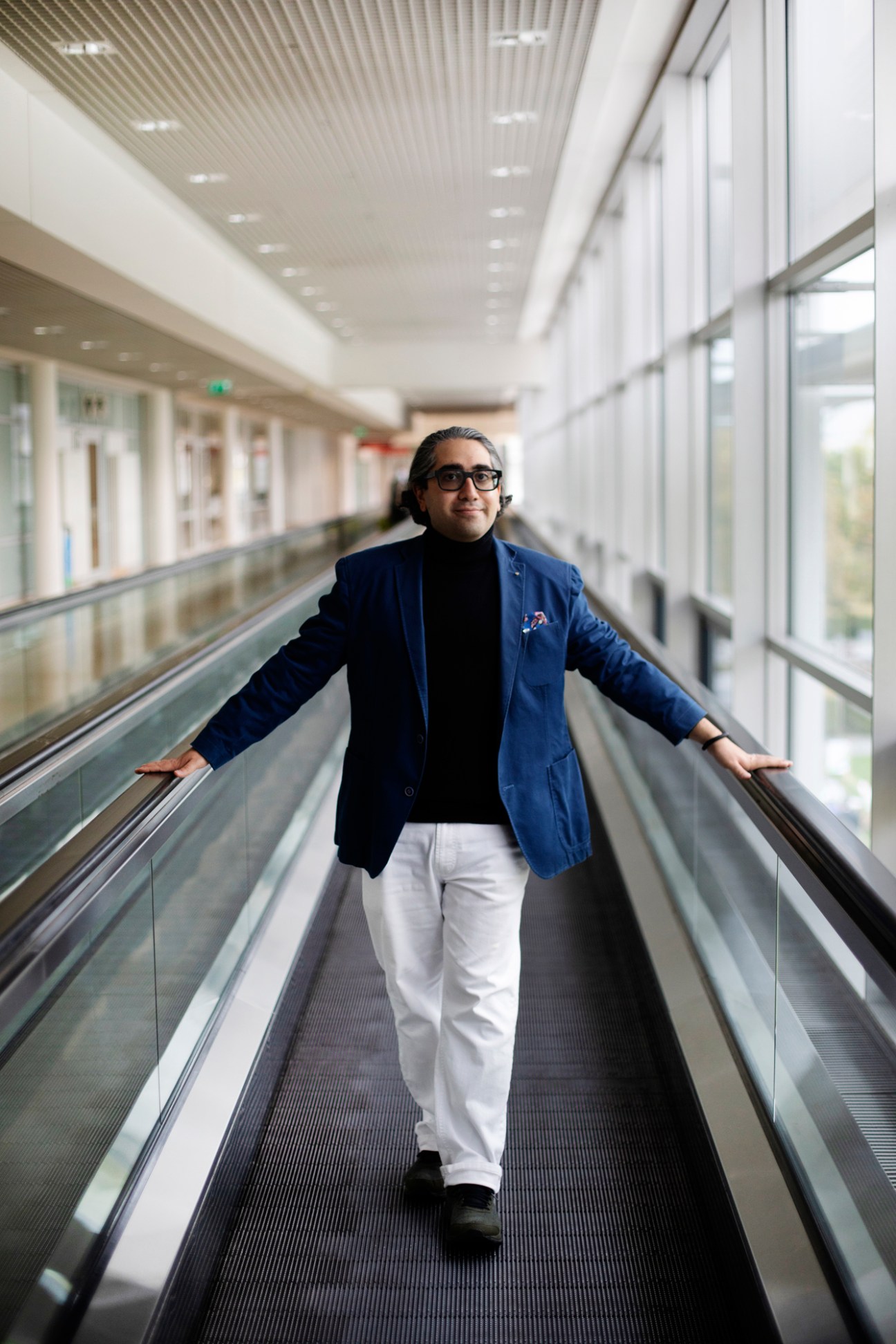
Manouchehr Shamsrizi is well positioned to assess emerging trends in the industry. A researcher at Humboldt University in Berlin who focuses on the interplay between technology and sociology, he takes people on tours to innovative exhibitors at trade shows in Munich. “At this year’s Expo, two things stood out; one was about the external perception and the other about the internal focus,” he says. “Real estate is responsible for 40 per cent of global greenhouse emissions and loss of biodiversity but the public controversy about sustainability during iaa Mobility was much louder than during Expo Real. Interestingly, for green pressure groups, property still seems to almost fly under the radar even though it is so important.” But that didn’t mean that exhibitors ignored the issue. “At the previous Expo Real in 2019, sustainability often seemed to be a nice bonus,” says Shamsrizi. “This year it moved centre stage.”
One visible sign of a green approach in the property sector is the trend towards wooden buildings, which has spread beyond the fair boundaries to around the Bavarian capital. Five kilometres northwest of Munich’s exhibition centre is Prinz Eugen Park, a recently completed development featuring about 570 wooden apartments – Germany’s largest timber housing estate. And this trend isn’t only happening in Munich. In Hamburg, city architecture firm Störmer Murphy and Partners is building the 19-storey, 65 metre-high Roots tower, which will be Germany’s tallest wooden high-rise when completed in 2024. “We are going to use 5,500 cubic metres of softwood, which is enough to fill two Olympic swimming pools,” says partner Jan Störmer. This benefits the environment in two ways: it minimises the use of energy-intensive material such as concrete and steel, saving as estimated 26,000 tonnes of carbon dioxide in production, transport and disposal throughout the building’s lifecycle; and it stores about a tonne of co2 for every cubic metre of wood.
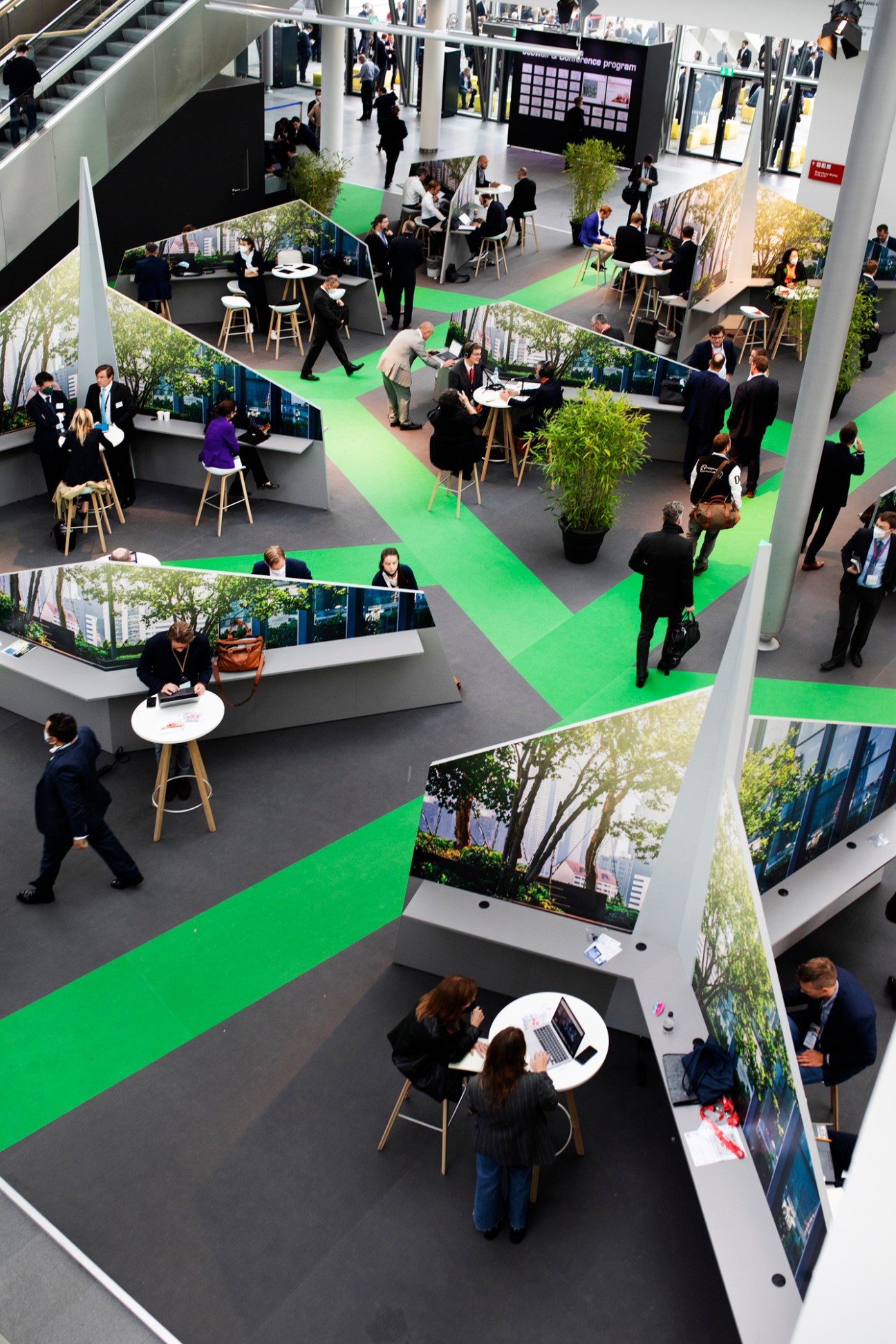
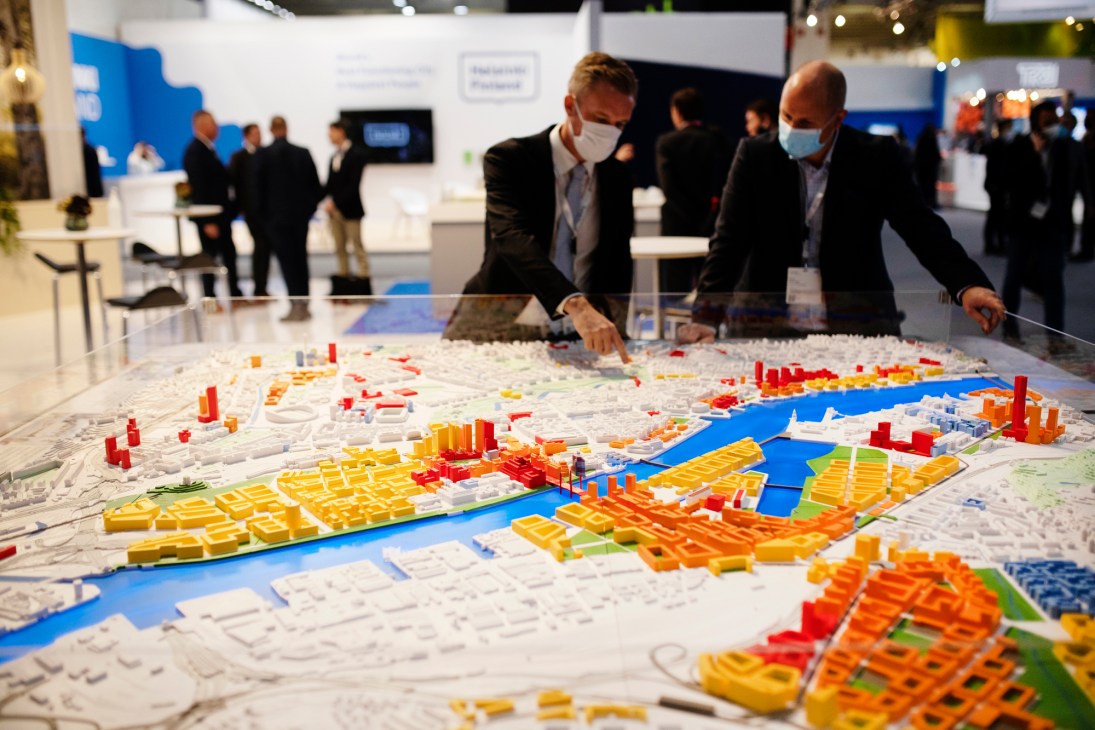
Even more ambitious construction is envisioned in Berlin. On the site of the recently decommissioned Tegel Airport, the city plans to erect 5,000 wooden apartments in the world’s largest residential district using timber as a primary material. Berlin hopes that new technologies will make the large-scale use of locally sourced wood up to 25 per cent cheaper than a conventional construction based on reinforced concrete, while saving 80 per cent on emissions. Nationally the boom in timber construction is evident too. According to the Federation of German Carpenters, the share of wooden houses among newly planned apartments has risen from 16 per cent in 2015 to almost 21 per cent last year.
“Another push for greener buildings will come from regulation,” says Tobias Just, head of the International Real Estate Business School in Regensburg and a panel moderator at Expo Real. In fact, Germany’s likely future government – a centre-left and green coalition – is expected to pass a mandate for most newly planned buildings to be fitted with solar panels. More concretely, the EU has made substantial progress in setting its so-called taxonomy, which grades investments according to their sustainability. “Banks will increasingly look at environmental criteria when they assess credit requests,” says Just. “That will reduce the borrowing costs for buyers of green buildings and possibly boost their value.”
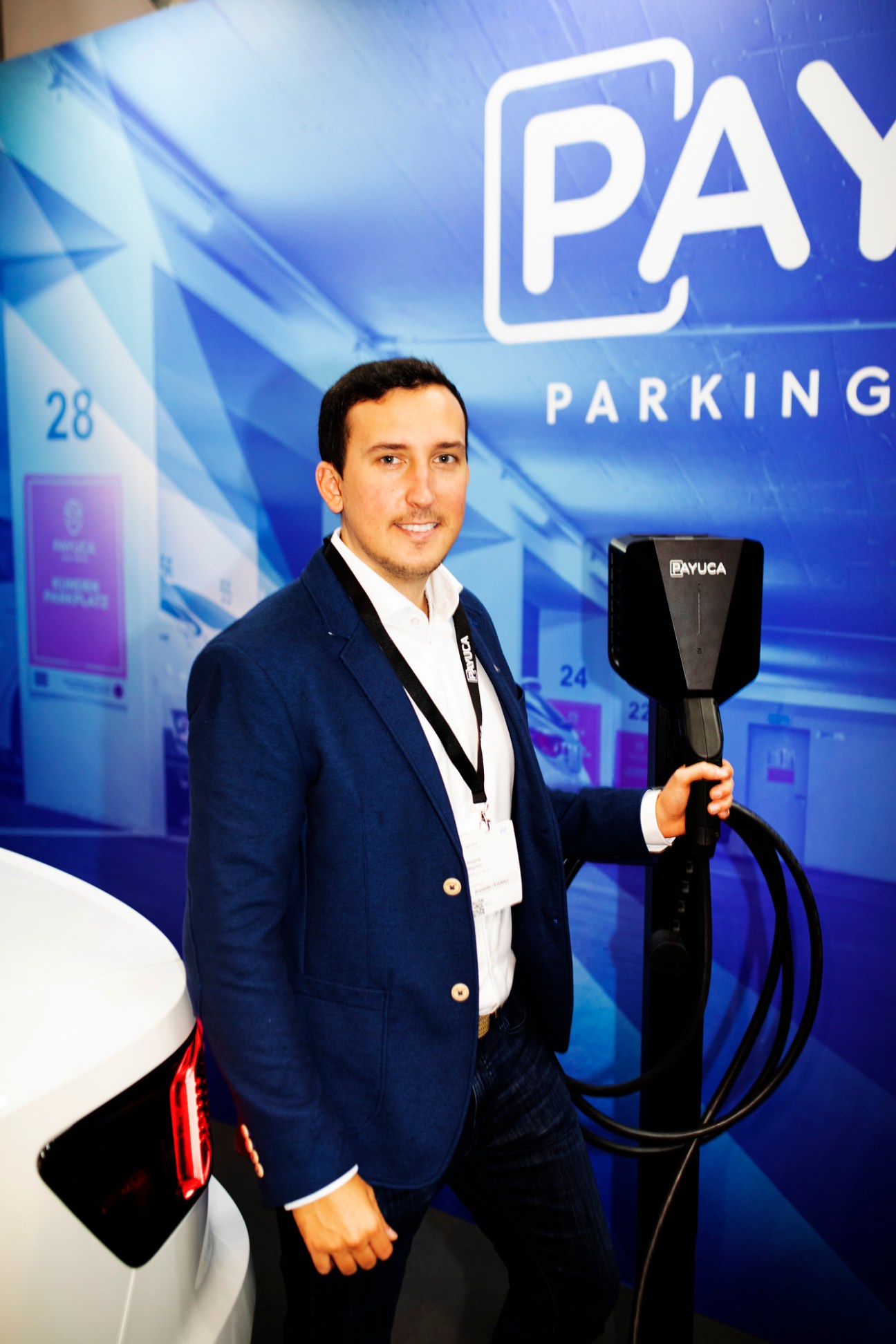
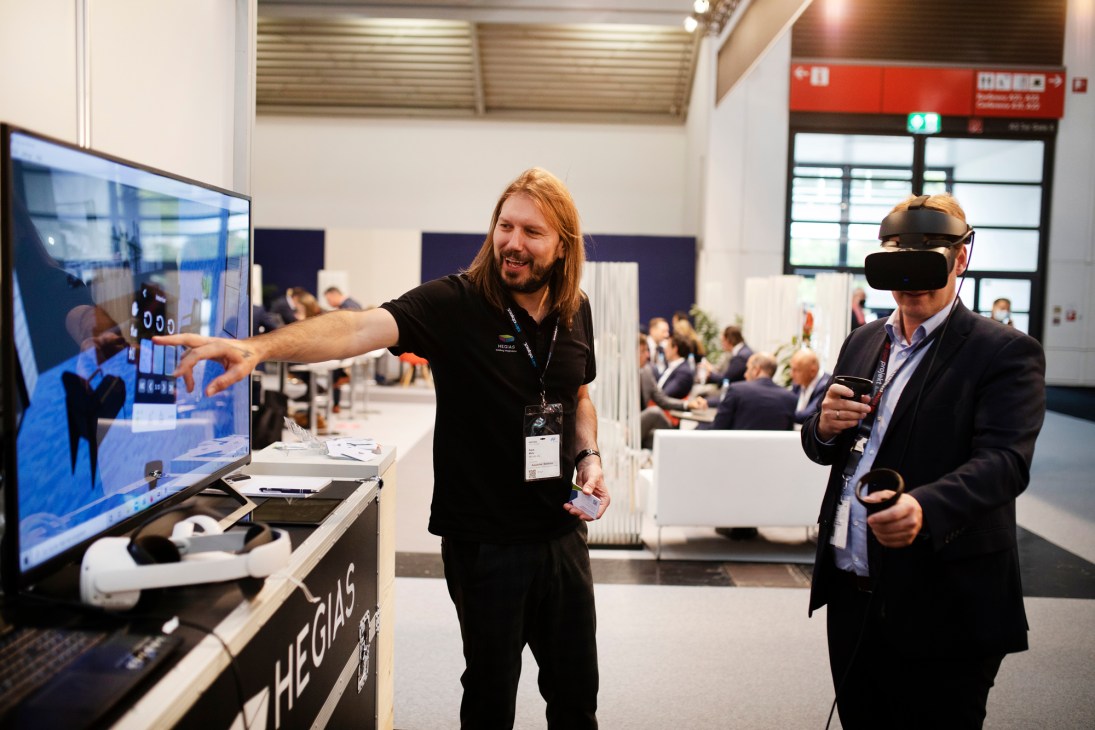
Several companies at Expo Real also presented integrated approaches towards the idea of a “smart city”. One example is Vienna-based Payuca. In 2017 the start-up launched an app to make the city’s estimated 17,000 unlet car-park spaces in underground garages available to motorists looking for short-term parking. At this year’s Expo it presented a new service that builds on its expertise and fits garages with charging stations for electric cars. “We are the equivalent of an internet provider but instead of wi-fi we provide a charging service,” says Wolfgang Wegmayer, Payuca’s CCO. “At the request of residential property managers, we lay electric cables and design the load management for a building’s power supply.” Long-term users of the carparks can then use newly installed wall boxes to charge their vehicles at Payuca’s subscription rate, starting at €30 per month. “Motorists get easy access to charging and property owners have no hassle with the billing,” says Wegmayer.
Another approach linking hardware and software to improve the efficiency of large buildings, such as shopping malls and factories, was presented by Munich-based Hiper IT. “We set up controllers to collect real-time information from sensors, measuring things such as electricity use, temperature and humidity,” says Arseny Tarasov, the company’s CEO. The firm uses that data to create a live digital simulation of the building, which helps to recognise patterns of operation, revealing which part of the ventilation or heating should be adjusted, for example, to save energy or improve air quality. “These adjustments make buildings more efficient, pleasant to use and easier to maintain,” says Tarasov.
These ideas are part of the industry’s new take on innovation. “A few years ago there was always a big hype about digitalisation at Expo Real,” says Just. “That has now been replaced by a more sober attitude – but also by far more mature and promising solutions.”
Trends to watch:
1.
Varied value
Property prices will continue to diverge between sectors. Whereas house prices in many attractive locations are likely to rise, those for retail property will, at best, stay flat for a while.
2.
Timber!
Cities, developers and private owners will increasingly rely on houses and entire neighbourhoods built from wood.
3.
Eco investment
Banks and investors will align their portfolios with the new EU taxonomy that classifies investments by their sustainability. That will raise the value of property with good esg (environmental, social and corporate governance) ratings and vice versa.
4.
Deutsch markers
German voters and politicians will continue to push for more rent control and ecological measures, such as mandates to install solar panels on most new buildings. These measures could set an example, boosting global investment in renewables.
5.
Smarter technology
Innovation will be driven not only by property start-ups, or “proptechs”, but increasingly by large players such as asset managers or developers who buy up these companies or start new ones (often with outside IT support).