Issues
Monocle’s Style Top 25: The best designers, makers and retailers redefining luxury
1.
H-O-R-S-E, USA
Fit for purpose
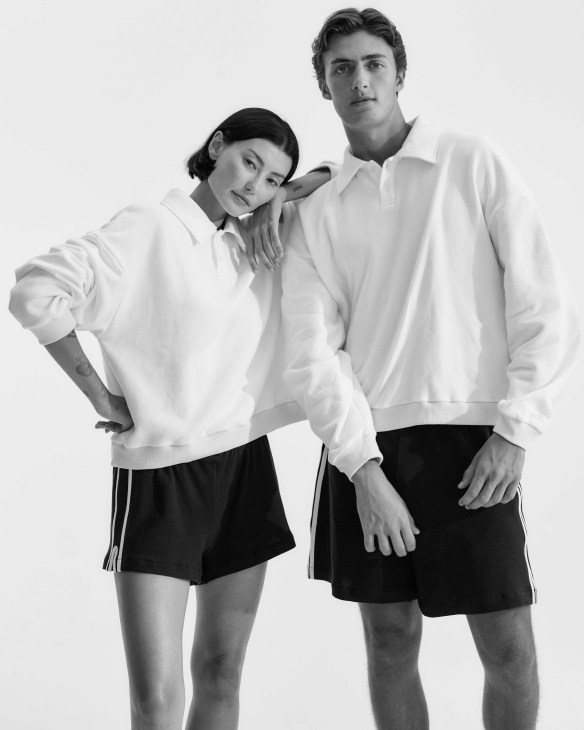
The perfectly executed basics and minimal silhouettes of California-based activewear brand H-O-R-S-E are made with the gym in mind. Inspired by PE uniforms and vintage sports clothing, the kits – including shorts, matching sweatshirts and T-shirts – are made using 100 per cent cotton fabrics. The results are light, breathable and practical, harking back to a time when going to the gym was a straightforward affair.
“Fitness has become increasingly regimented,” says the brand’s founder, Sue Williamson. “You might have to spend €35 on a class, schedule around it and commute. But real fitness is about moving your body, picking up something heavy, squatting and running. We’re making clothes for that.” In the future, Williamson hopes to launch new styles, explore other natural materials such as hemp and wool, and expand into accessories. For now, the brand is taking it slow. “We’re going at our own pace,” she says.
h-o-r-s-e.net
2.
Nitty Gritty, Sweden
Best in store
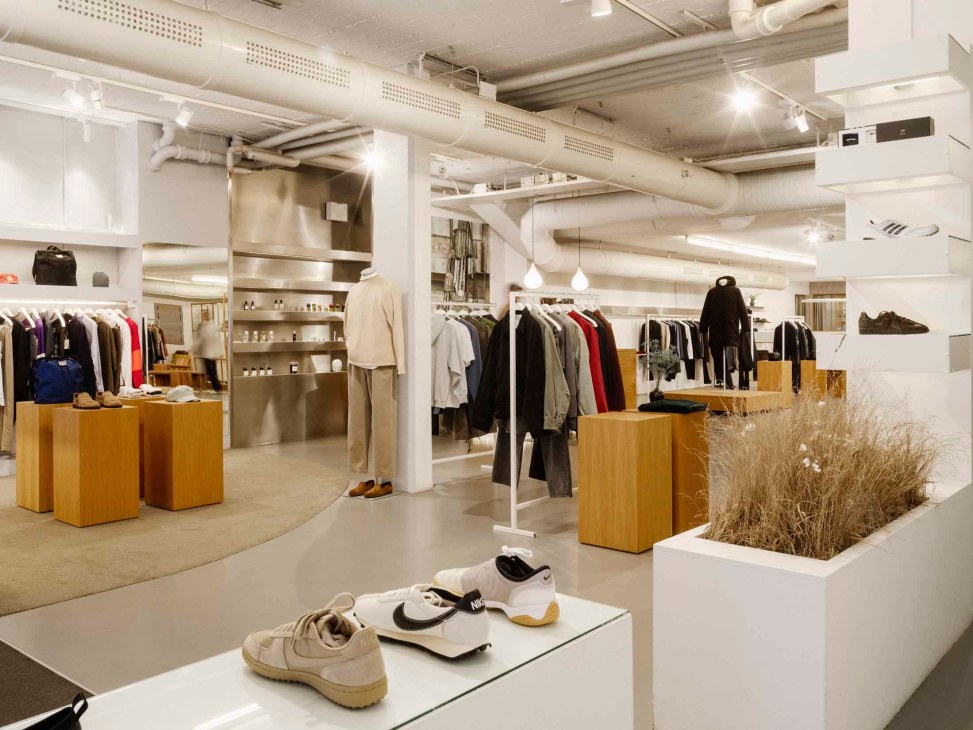
Tucked away in Krukmakargatan, a quiet street south of central Stockholm, multi-brand boutique Nitty Gritty was among the first to put the city on the fashion map. “We always try to find the most interesting brands around the world to present to Stockholm – and, through our website, to the world,” says Marcus Söderlind, the shop’s owner. His approach to curation prioritises labels that pay attention to the details and aren’t distributed too widely. Silhouettes tend to be loose, with oversized shirts, parkas and barrel-leg trousers in the mix.
For this autumn, Söderlind has picked up fellow Swedish label Salon C Lundman and Norlha, a yak khullu wool atelier from the Tibetan plateau. There’s also an in-house line, Nitty Gritty Worldwide, whose collections are built on a simple idea: every item should be made by the artisans with the most expertise, wherever they might be.
Nitty Gritty’s success is also down to the sense of community that it fosters in-store – every visit is an experience and there’s always something new to discover, including art exhibitions of emerging and established talent. Music is just as central: DJs and musicians perform there most weeks, reinforcing the shop’s status as a cultural hub.
nittygrittystore.com
3.
Nami, France
New to market
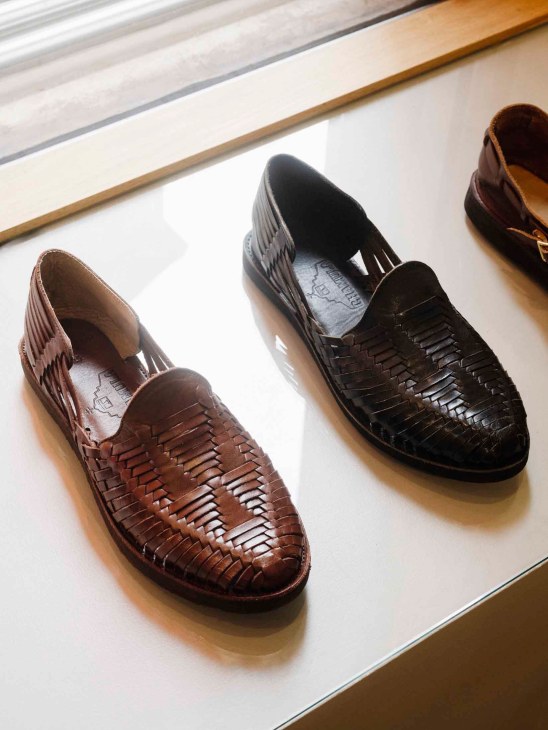
Every season, Paris-based Philippine Namy looks to Scotland to inspire her label Nami’s collections. References can vary from the architecture of Charles Rennie Mackintosh to golf or the uniform of a lighthouse keeper. As a child, Namy spent many family holidays in the Highlands, where her grandfather owned a house. “I find the folklore of Scotland fascinating,” she tells Monocle. “Every collection tells a story of the country, though I avoid gimmicks such as kilts.”
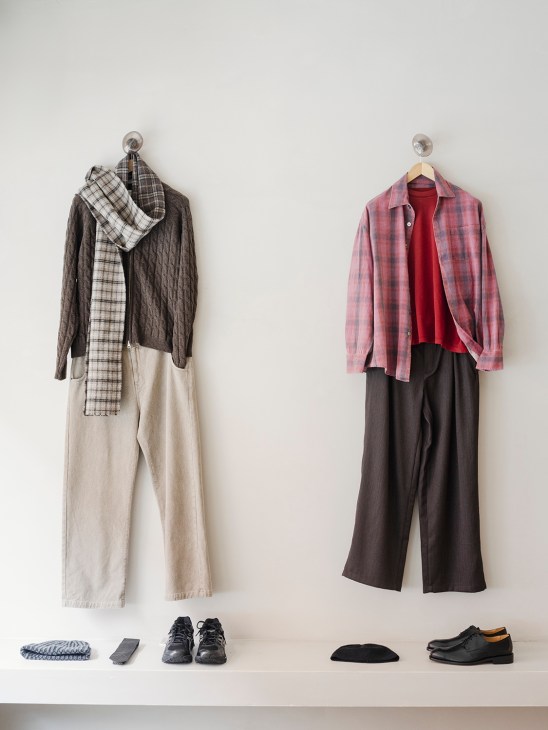
Instead, details carry a narrative. A side pocket on a pair of suit trousers is a reference to where golfers store their tees. A broderie-anglaise light cotton dress evokes Celtic tunics. The tailoring of wool trousers, flannel shirts and waterproof cotton-canvas jackets is kept sharp and a little oversized.
With extensive experience in the fashion industry, notably at French label Isabel Marant, Namy was well placed to build a sustainable supply chain. She began by sourcing deadstock fabric from LVMH brands when she launched the business in 2024. When demand picked up, she forged partnerships with Italian and Scottish mills, where she sources materials such as silk-and-cashmere blends, herringbone twills and angora mohair wool. “I want Nami customers to feel like they’re wearing clothes that have been passed down through generations,” says Namy. “It’s a homage to my family and our time spent in Scotland.”
namiofficiel.com
4.
Kiivu, Japan
The atelier brand
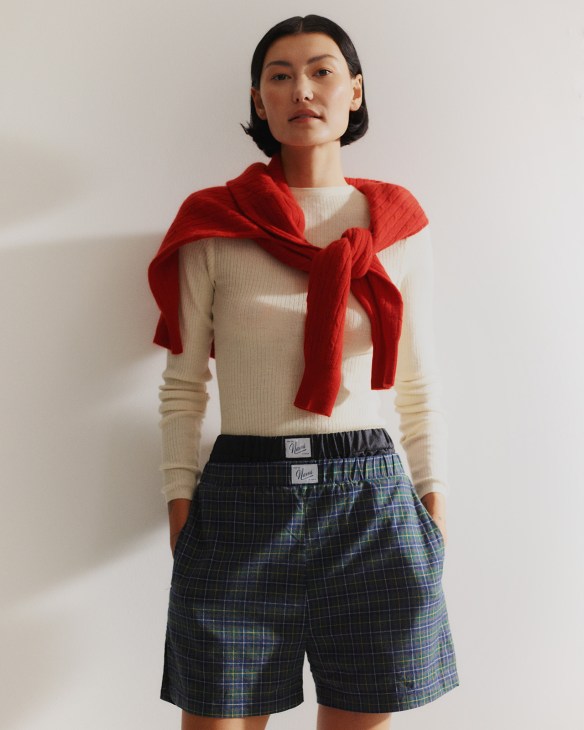
Tokyo might be Japan’s fashion capital but new brand Kiivu is making a name for itself in the small coastal town of Onomichi in Hiroshima prefecture. Its proposition is simple: unisex garments made with fabrics produced by Sanyo Senko, a century-old dyeing house from nearby Fukuyama, and sewn by a team of female seamstresses who migrated here from a nearby sewing factory that recently shut down. Sanyo Senko wanted to offer the women a space where they could continue their craft and the combination makes perfect sense – the women’s peerless sewing skills have been preserved and the dyeing factory can now produce fully fledged collections and show off its craft to the broader industry.
Everything at Kiivu begins with the fabric and continues in-house, from textile development to dyeing and sewing. Clean lines allow the fabrics to shine in corduroy shirt-jackets, pigment-dyed chinos and the softest indigo denim – the kind that could only be produced by an atelier brand.
kiivu.jp
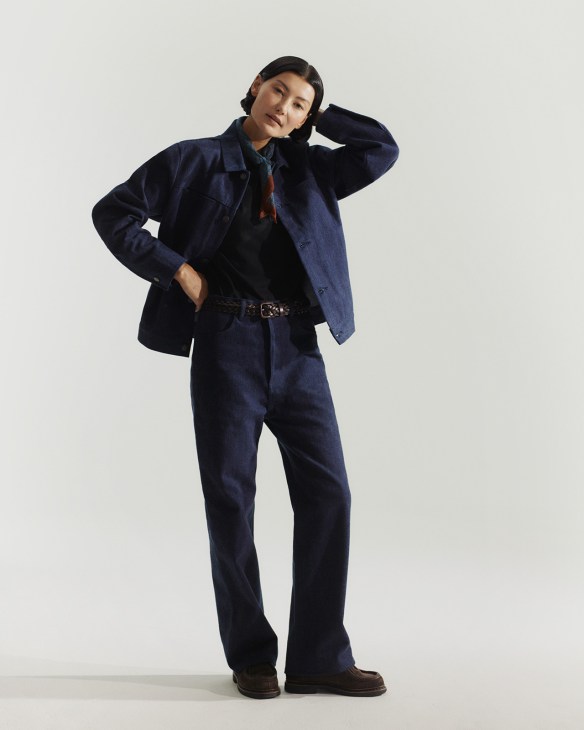
Belt by Giorgio Armani
Shoes by Paraboot X Sunspel
Scarf by Bigi Cravatte for Trunk
5.
Burberry, UK
The comeback
For autumn/winter, Burberry is returning to its roots: checks, rainwear and plenty of British charm. The brand’s creative director, Daniel Lee, has put particular emphasis on outerwear, including signature trenches (updated with embossed leather), intricate shearling and jacquard-weave floor-length coats – that he imagines Londoners slipping into before boarding the train and escaping to the countryside for the weekend.
“It’s that Friday-night exodus from London – long, rainy walks in the great outdoors and day trips to stately homes,” says Lee. Alongside the CEO, Joshua Schulman, he has been helping to put Burberry back on the map by turning every collection and brand campaign into a celebration of the city of London and all things British. “We’ve been looking at tropes of classic British film and television and all their deeply layered social observations,” says the designer.
burberry.com

Shoes by Paraboot
6.
Fendi, Italy
Fit for collectors
Edoardo and Adele Casagrande Fendi founded their eponymous brand a century ago. This year, Silvia Fendi pays homage to her family’s business with a collection that evokes Roman refinement: think A-line leather dresses, boiled-wool coats and oversized leather trenches. For her first womenswear collection, she wanted to relive her memories of growing up in the Fendi atelier and seeing Hollywood movie stars passing through.
fendi.com

7.
Luca Ferreira, Switzerland
Menswear maverick
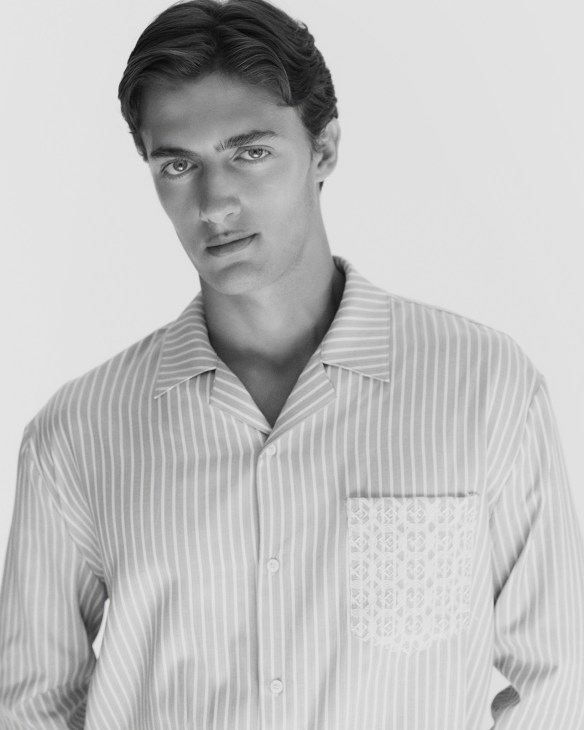
Luca Hasler established Luca Ferreira in his hometown of Zürich in 2022. “I wanted to show people that Switzerland can produce some amazing clothes,” says the founder and creative director.
Before launching his label, Hasler worked in a bespoke-suit shop, where he developed a sharp eye for made-to-measure tailoring. Those influences have helped to shape his brand’s signature two-piece wool sets. Working primarily with Swiss mill Schoeller Textil, the label’s bestselling knits are crafted from fibres such as merino wool, cotton and silk blends. Other pieces are produced in small factories in Italy and Portugal, where Hasler frequently visits to delve into textile archives and gather inspiration for his designs. “I call my clients first movers,” says Hasler. “They’re willing to try new things and have an instinct for well-made clothes.”
lucaferreira.com
8.
Olga Basha, USA
Best denim
Celine Eriksen, the founder of New York denim brand Olga Basha, understands that there’s such a thing as having too much choice. It’s why her label offers jeans in two made-to-order unisex styles: low-rise and mid-rise, both straight cut with a button fly. “Our focus might seem narrow but we find joy in obsessing over the details,” says Eriksen.
olga-basha.com

Pocket square by Bigi Cravatte for Trunk
9.
Bottega Veneta, Italy
Must-visit
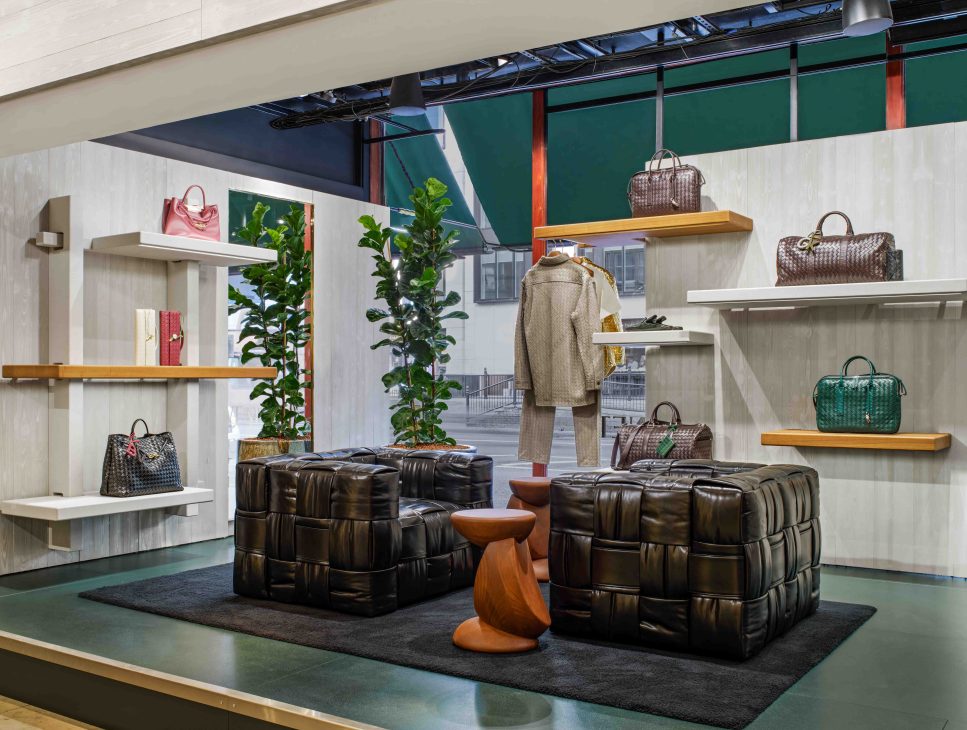
This autumn is a pivotal season for Bottega Veneta. The Italian luxury label is celebrating the 50th anniversary of its signature intrecciato (interwoven) leather, while preparing to unveil the first collection by its new creative director, Louise Trotter. To celebrate this milestone, the house has launched the “Craft Is Our Language” campaign, paying homage to Italian graphic designer Bruno Munari and highlighting the house’s commitment to handwork: intrecciato clothing and accessories require the expertise of artisans who weave the leather by hand. “For 50 years, intrecciato has embodied Bottega Veneta’s craft and creativity,” Leo Rongone, the brand’s CEO, tells Monocle. “From the start, the house was defined by the softness of its leather and the excellence of its craftsmanship.”
A pop-up space in London’s Harrods is in the works for September. The interiors will feature interlocking wood and concrete structures – another nod to the label’s signature style.
bottegaveneta.com
10.
Aimé, UK
London’s best-kept secret
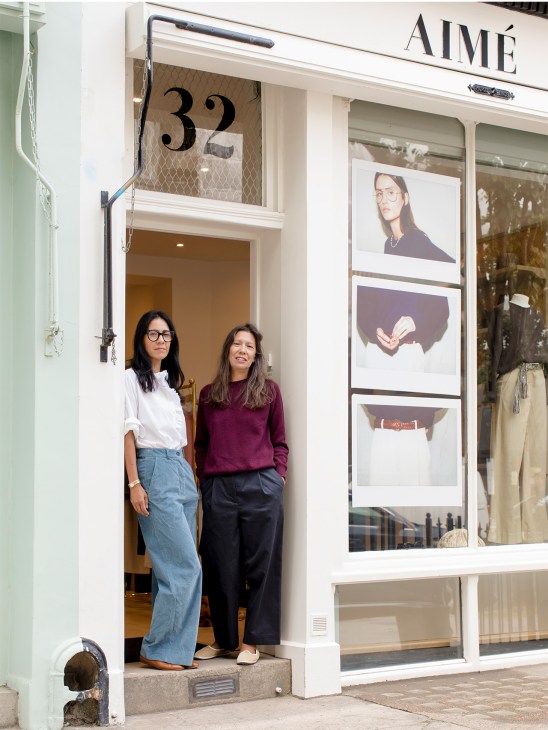
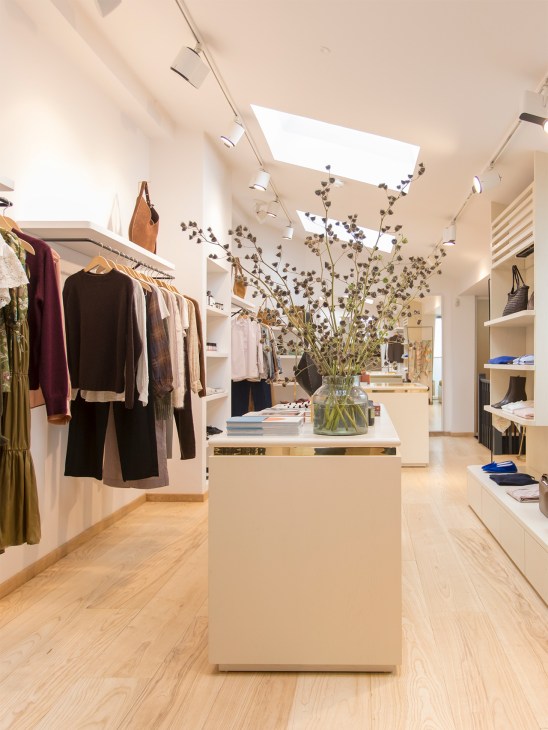
When French-Cambodian sisters Val and Vanda Heng-Vong moved to London from Paris in 1999, they found themselves missing the quintessential French brands that they knew back home. They took a big bet on Notting Hill’s Ledbury Road – there was little but antiques shops in the area at the time – and opened Aimé, stocking Parisian favourites from Repetto ballerina flats to APC denim and Isabel Marant’s breezy dresses. Twenty-five years later, the boutique is still in its original spot. It still stocks seasonal pieces by Isabel Marant, alongside elegant cotton shirts by Spain’s Masscob, woven Dragon Diffusion bags and tailored trousers by Los Angeles-based Jesse Kamm.
The business’s focus is firmly on the boutique. It’s why the duo recently joined forces with a local architect to refresh its interiors. “We take it personally,” adds Vanda. “It’s almost like opening the door to our house.” The duo have also begun developing an in-house line of seasonless staples – cashmere jumpers, ruffled shirts, waterproof trench coats – following research trips to India, Italy and Scotland. “We’re not trying to reinvent the wheel,” says Val. “We want products that don’t need to change every season. It’s a project that we want to keep small, luxurious and authentic.”
aimelondon.com
11.
Hitting the big time
In the bag
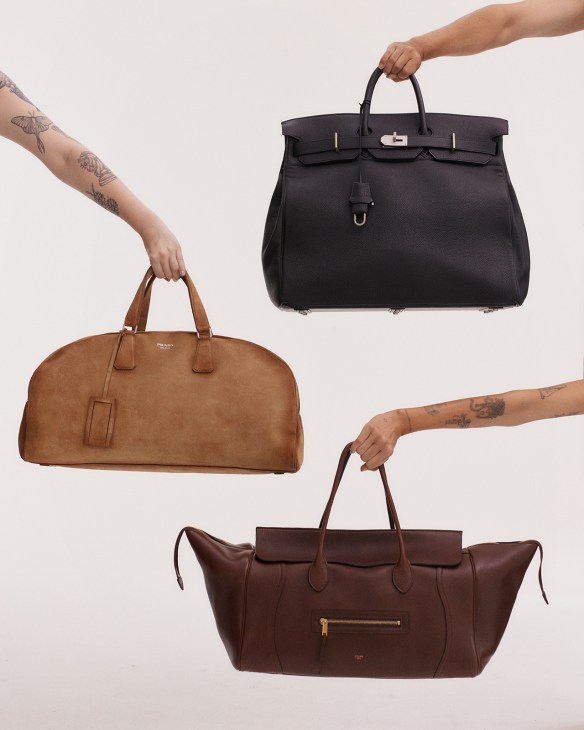
Autumn/winter is the season of the super-sized tote. Designers are leaving minaudières and compact crossbody bags behind and replacing them with extra-large totes that can double as elegant weekender bags. Prada has oversized, vintage-inspired bowling bags on offer, while Celine’s new artistic director, Michael Rider, has relaunched the label’s roomy Phantom bags. Meanwhile, Véronique Nichanian, the artistic director of men’s fashion at Hermès, generated enthusiasm for her large Birkin bags on her autumn/winter 2025 runway. “People joke that, despite my height, I’m designing such big bags,” she says.
12.
Sturlini, Italy
Tuscan touch
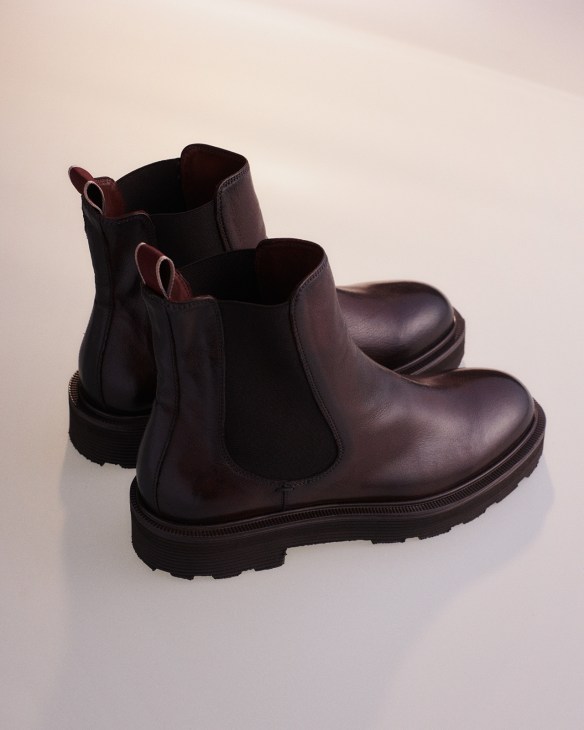
“I’m proud to be Tuscan,” says Alessio Sturlini, Florentine shoe brand Sturlini’s CEO. “We manufacture everything in Tuscany so that we can have control over every step.” Sturlini’s approach to dyeing leather consists of immersing shoes in tanning drums, using natural dyes and pigments. The result is a softer, more comfortable shoe that would befit a Florentine dandy.
sturlini.com
13.
Colin Meredith, Canada
Best performance
Having grown up on Vancouver Island and studied visual arts and technical apparel design in Montréal, Colin Meredith’s eponymous brand naturally takes its cues from the Canadian outdoors. “I also take inspiration from vintage sportswear and then combine it with newer technical fabrics,” he says. Since the brand launched in 2023, Meredith’s output has focused on base layers, insulated vests and sturdy shell jackets – ideal for cold-weather adventures.
colinmeredith.com

14.
Chopard, Switzerland
Stirling idea
A passionate car enthusiast, Chopard’s co-president Karl-Friedrich Scheufele has forged a longstanding partnership between the Swiss watchmaker and the 1000 Miglia, the iconic Italian motor race first held in 1927. The eponymous collection of timepieces has become a cornerstone of Chopard’s expanding offering of men’s watches. Pictured here is a stainless-steel model with a brown calfskin strap, created in tribute to Stirling Moss, who set a record in the 1955 Mille Miglia by winning the race at an average speed of 158km/h – a feat that remains unmatched.
chopard.com

15.
Celine, France
Best debut
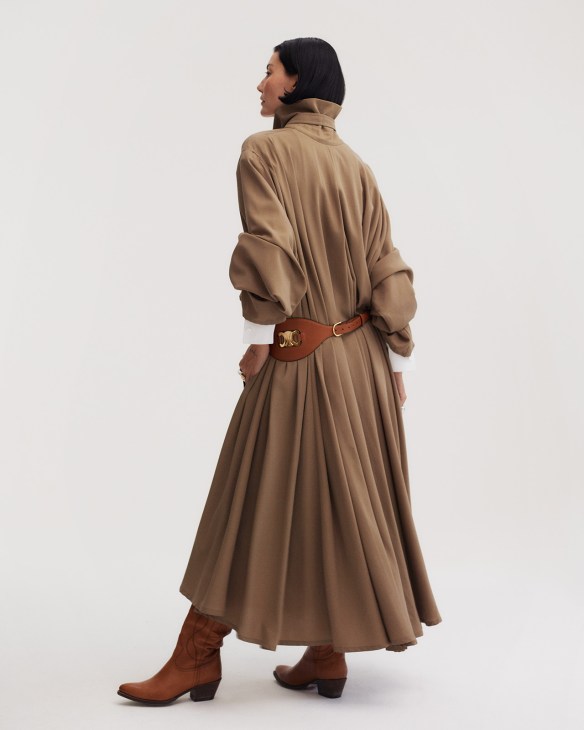
Celine’s new artistic director, Michael Rider, presented his debut collection in July at the brand’s HQ, Vivienne. It was a masterclass of rebranding, a vision of modern-day dressing marrying past and present, reality and fantasy. “Celine stands for quality, timelessness and style – ideals that are difficult to grasp,” he says.
celine.com
16.
Unlikely, Japan
New from Japan
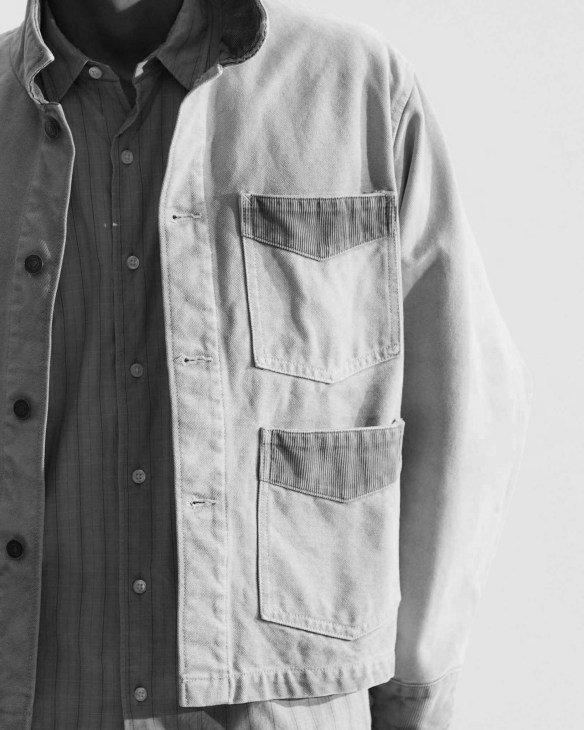
Shinsuke Nakada joined Japanese fashion giant Beams straight from college: he started on the shop floor and worked his way up to creative director over a period of 22 years. “After years of collaborating with different companies and manufacturers, I felt a growing urge to challenge myself [and create] something that was truly my own,” he says. Nakada took the leap in 2023, starting menswear brand Unlikely, which he envisions as a blend of US and Japanese styles, old-school workwear and menswear staples, all woven into something fresh. Some of its most popular garments include reversible outerwear, patched sweatshirts and sweaters inspired by natural landscapes. Its autumn/winter offering is looking particularly sharp, with a corduroy-cuffed, washed-canvas hunter jacket and twill trousers in faded navy. Unlikely is stocked in Japanese shops including Beams Plus and, with growing interest from overseas, it is officially going international this autumn.
17.
Mohawk General Store, USA
Best curation
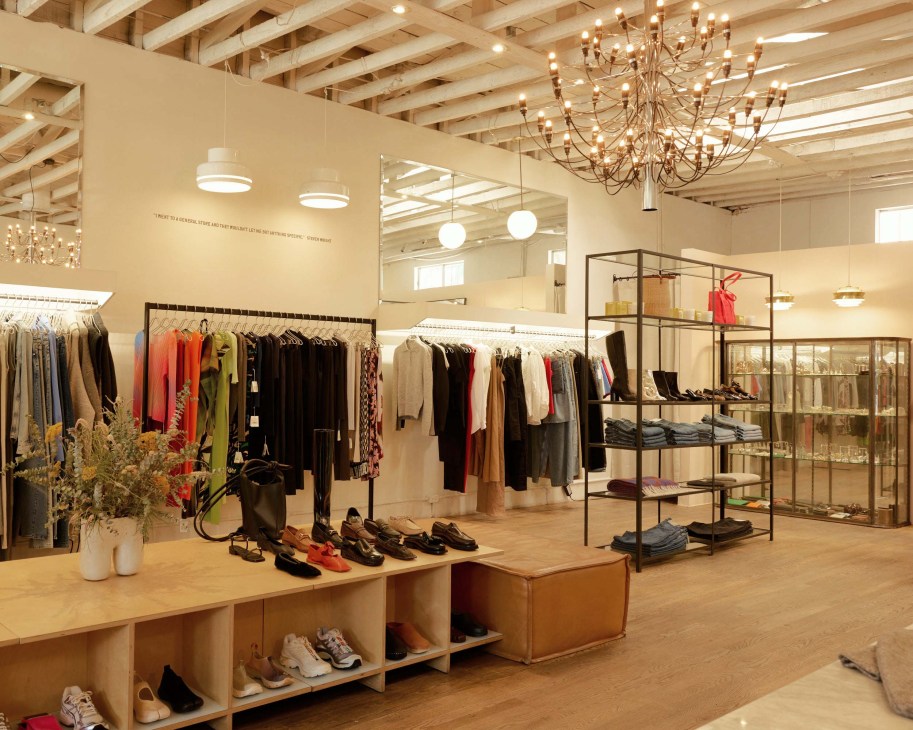
Bo and Kevin Carney’s Mohawk General Store in Los Angeles’ Silver Lake neighbourhood stocks seasonal ready-to-wear clothing, jewellery, home goods, books, apothecary items and its in-house menswear line, Smock. What these items have in common is that they evoke a sense of Californian cool, be it flax-coloured linen shirts or olive oil from the Big Sur.
This is especially true of Smock, whose breezy trousers, Velcro back cap and canvas jackets look as though they were made for sauntering underneath palm trees. Mohawk has an event space nearby and also partners with brands to host gatherings at its stores – a strategy that serves as a good reminder that fashion is often at its best when it’s rooted in a sense of place.
mohawkgeneralstore.com

18.
James Purdey & Sons, UK
Heritage revival
UK brand James Purdey & Sons is starting a new chapter in its 200-year history. Now owned by Swiss luxury group Richemont, it has tapped London-based designer Giles Deacon as its new creative director. His first full collection makes its debut in autumn 2025 and introduces the Tom Purdey House Tweed, inspired by the family’s chief salesman, who carried the Purdey name across the UK and US from the 1920s to the 1950s. The tweed uses 21 yarns and 16 twists to capture the colours of the Highlands. “We want to make timeless, elegant countrywear – clothes that you’ll wear for life,” says Deacon.
purdey.com

19.
Grey’s, USA
New talent
Los Angeles-born designer Emily Grey had spent a decade in London, studying fashion and planning the launch of her brand, Grey’s. But last February, New York came calling. From her Manhattan studio, she tells Monocle how being in England drew her attention to the singularity of US fashion. “It’s a little bit more real, designed for everyday life, without compromising on quality.”
Grey imagines her customers wearing her designs to attend soirées but also to lounge around at home. Her shapes are voluminous and comforting: a knitted wool sack coat has a drawstring hem that can be pulled into a bubble shape or left to fall naturally, while a coat is cinched by internal ties. “It’s all about ease,” she says. “Those details make [every piece] more functional and less precious.”
greys.studio

20.
Best in scents
Autumnal fragrances
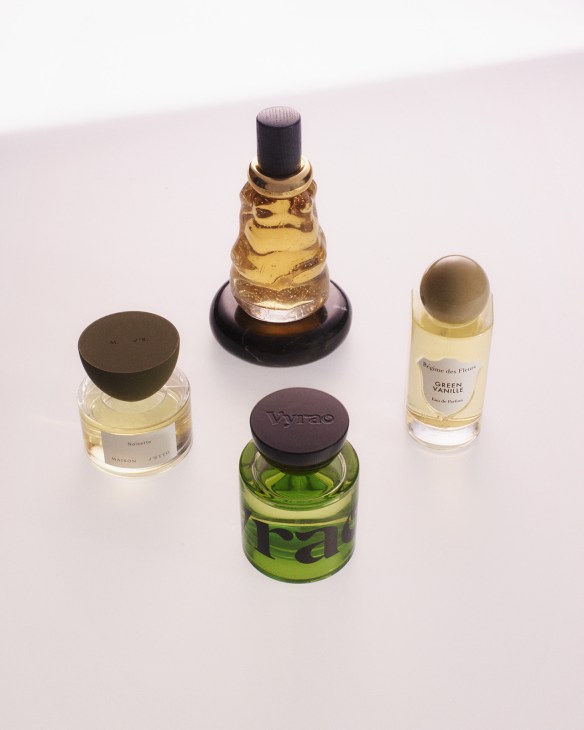
This season we’re adopting perfumes that offer complexity and freshness in equal measure. London-based perfumer Vyrao’s Verdant does exactly that, with notes of moss, Italian bergamot, frankincense and cyclamen that vibrate in unison. Meanwhile, New York- and Paris-based brand Régime des Fleurs’s Green Vanille eschews the cloying sweetness typically associated with vanilla perfumes by combining it with notes of coriander, sandalwood and vetiver – a compelling reinterpretation that might change your mind about what a vanilla scent can be. Bottega Veneta is expanding its range of perfumes with Mezzanotte, a collection of three new fragrances presented on marble bases. Our pick is Hinoki, a scent that harmoniously blends Japanese hinoki, fir and patchouli. Finally, US perfume house Maison d’Etto’s Noisette leaves lingering notes of French lavender, magnolia and orris wrapped in a grounding mix of musk and amber leaves.
21.
The Decorum, Thailand
Sharpest fit
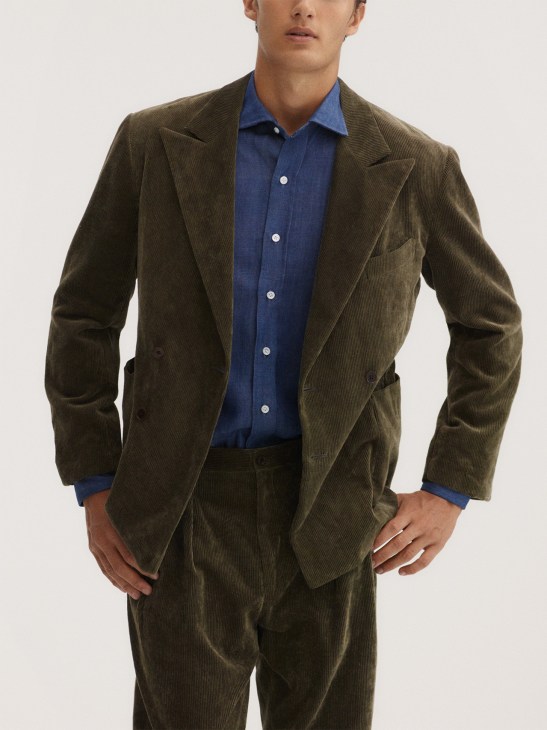
Bangkok-based menswear retailer The Decorum has been growing its label. The third season of the Decorum Continuum Collection continues a collaboration with Yasuto Kamoshita, co-founder of Japan’s United Arrows, who has led all three collaborations. “The collection takes its name from the way that we like to evolve,” says Sirapol Ridhiprasart, co-founder of The Decorum. “Our styles evolve season by season but they stay true to their roots.” Highlights from the new autumn collection include a stripped-back Harrington jacket and corduroy suits in forest green. “Fabrics and textures take centre stage,” says Ridhiprasart.
thedecorumbkk.com
22.
K-Way & Soeur, France
Collaboration to know
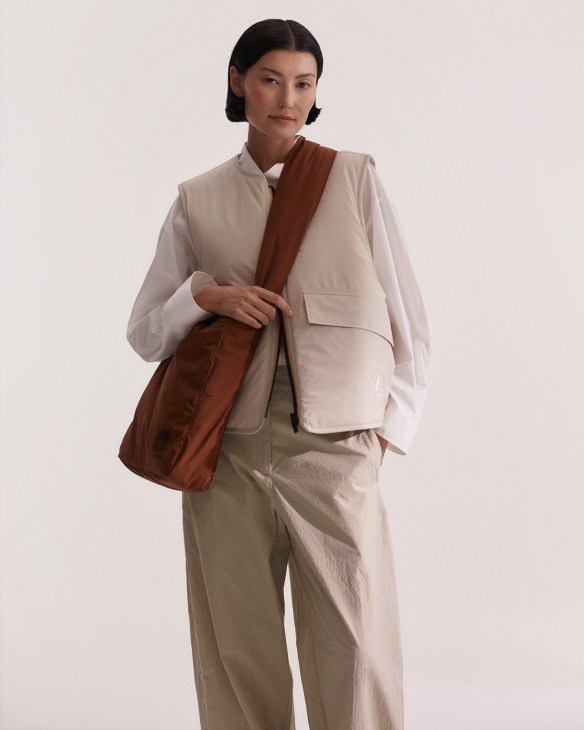
In this collaboration between French brands K-Way and Soeur, the former’s expertise in outerwear meets the latter’s Parisian flair. K-Way’s expansion plans have been turbo-charged by investment from private-equity firm Permira. “We believe that we sell products that are high quality and at a reasonable price,” says co-CEO Lorenzo Boglione. “And we have a strong narrative to tell.”
k-way.com; soeur.fr
23.
Begg x Co, UK
New beginnings
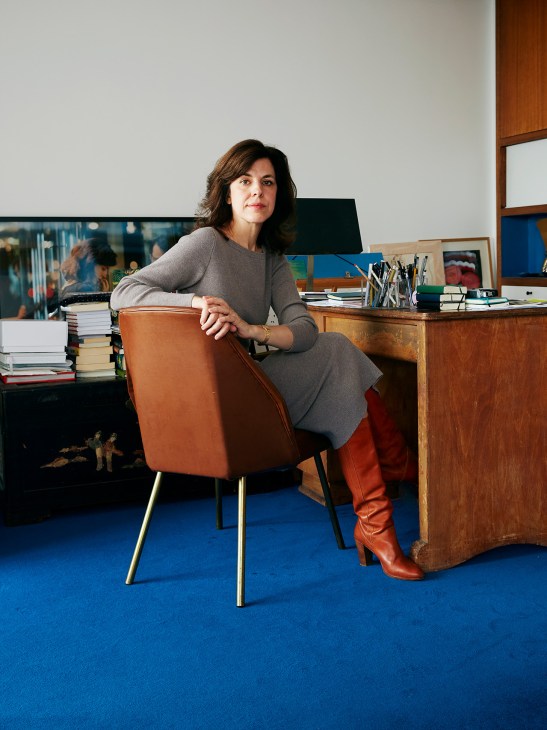
Buenos Aires-born and Paris-based designer Vanessa Seward is taking the reins as creative director of Scottish cashmere brand Begg x Co. As a preview, Seward – who has worked alongside Karl Lagerfeld at Chanel and Tom Ford at Yves Saint Laurent – launched a capsule collection. It features striped cardigans, elegant polo sweatshirts, a cape and marle jumpers, all made from cashmere.
beggxco.com
Begg x Co represents a slice of Scottish manufacturing history. What does it mean to become the new custodian of the brand?
I have always admired Scottish culture and heritage from afar. So I can dare to go further in [highlighting] this Scottish identity: when you’re approaching it from the outside, you can bring freshness. As creative director, I want to help make Begg x Co the go-to Scottish cashmere brand.
Where did you turn to for inspiration when creating your first capsule collection?
I started with the idea of what my ideal cashmere wardrobe would look like. I designed staples for men and women, with a Scottish touch that comes through in the knits, particularly in the stitching. And the colours are to die for. We created a bespoke marle inspired by the moors.
What’s your philosophy around clothing?
Clothes have to enhance a personality. They need to be flattering and give you confidence. I never design something that can’t be worn – that’s absurd. I believe in clothes, rather than fashion.
24.
Morrow, Australia
Sydney’s finest
After working for Sydney-based brands Jac + Jack and P Johnson, Ryan Morrow launched his own label in May. “I spent my weekends escaping from the city to the country to go camping and couldn’t find clothes that were able to seamlessly transition between the two,” says Morrow. “I realised that I needed to build this brand myself.” Colour palettes are usually neutral, allowing the construction of the garments to take centre stage. “Silhouette makes the difference between something looking sharp or falling completely flat,” he adds.
morrowaustralia.com
25.
Kilentar, Nigeria
Rethinking craft
Up-and-coming designer Michelle Adepoju had no intention of working in fashion – let alone launching her own brand. After a year spent travelling around West Africa, from Senegal to Burkina Faso and Nigeria, she was captivated by the textiles that she discovered in markets and started asking more about how they were made. In Burkina Faso, for instance, she learnt about faso dan fani, which translates to “woven cloth of the homeland” and is usually hand-woven on looms, while in Nigeria, she began building relationships with artisans weaving the region’s traditional aso-oke fabric. “I fell in love with the ways in which these fabrics are made and knew that I could use them to create styles that are more wearable for the women of today,” says Adepoju, who began to learn Mossi (Burkina Faso’s most widely spoken language) to convince local artisans to work with her. “It was through that sense of curiosity and experiencing the beauty of craftsmanship that I got inspired to start a fashion brand.”
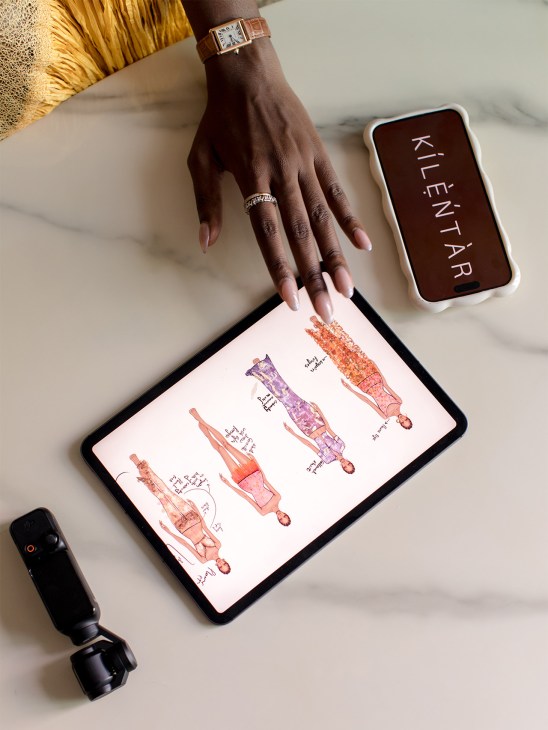

Kilentar – which translates to “What are you selling?” in Yoruba and is often heard in the markets of Nigeria) now offers one-of-a-kind garments that are hand-woven, hand-dyed and hand-finished, from tweed suiting to patchwork column dresses for the evening. “We only make two collections per year because of how time-consuming the process is,” adds Adepoju, pictured here wearing her brand’s clothes. “We want to respect the process and educate our audience about how each garment is made.” This involves holding workshops at which people can try their hand at weaving and meet artisans. “Craft is about more than just techniques,” says Adepoju. “It’s a language that unites communities.”
kilentar.com
Stylist: Kyoko Tamoto
Hair: Hiroki Kojima
Make-up: Irina Cajvaneanu
Models: Amalie G, Antonio Pinto
Welcome to Muscat, Oman’s quietly evolving capital
Some pre-award videos are spoilers. As Muscat’s great and good wait to hear who has triumphed in the city’s inaugural architectural-design competition – the winner of which will receive a commission to construct a new landmark building – the opening promo comes with more than a hint of what’s coming next. It describes the Omani capital as a city that is “embracing the future” while “preserving tradition” and then as a forward-looking place that is nonetheless steeped in “ancient history”.
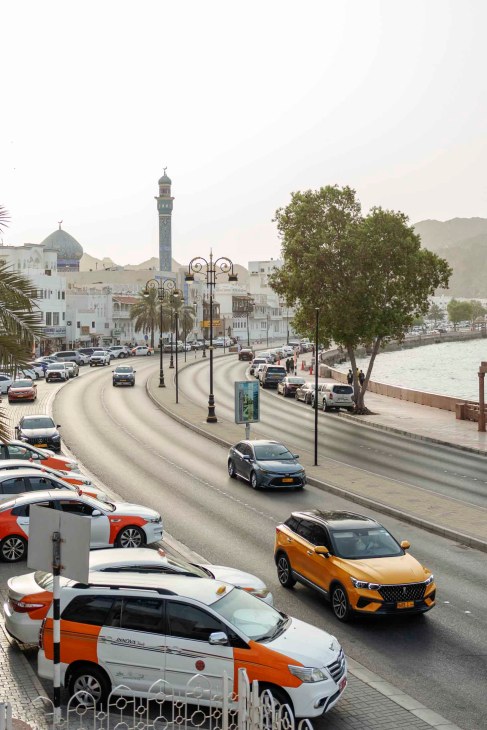
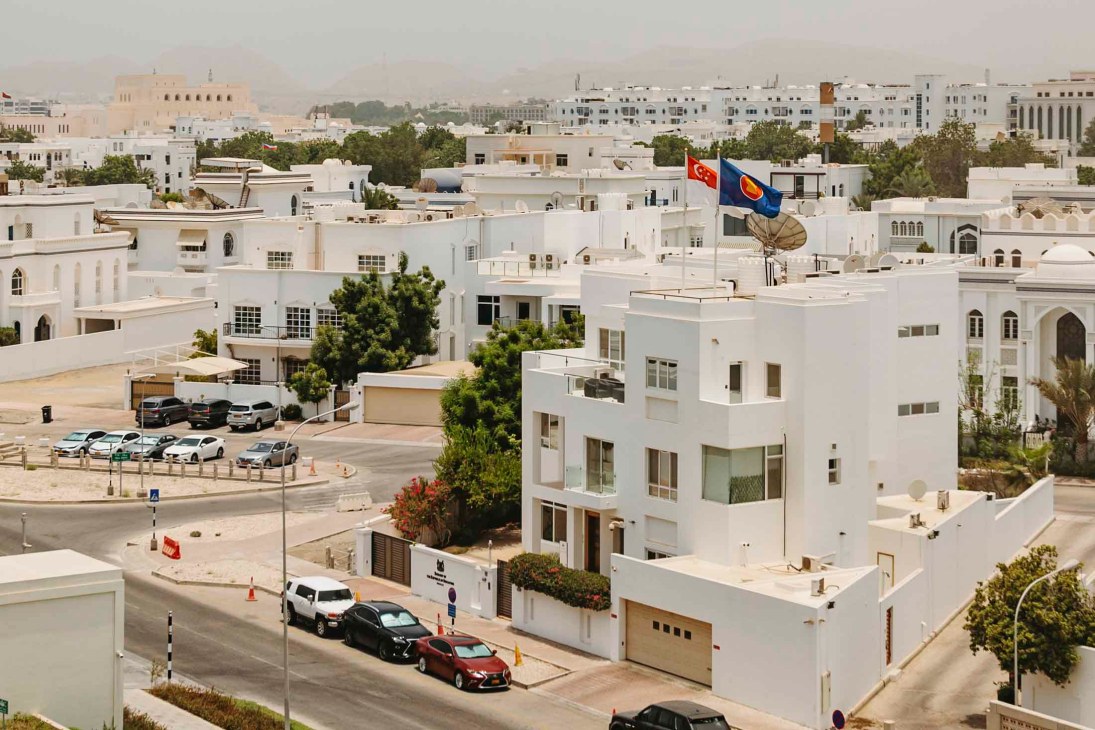
Despite the 42C heat outside the quadruple-glazed windows, Muscat isn’t your typical Gulf capital. If you blur your camera lens, a contemporary photo of this ancient port, situated between the Hajar mountains and the Gulf of Oman, could pass for a 19th-century daguerreotype. The city’s near-immutable face has been government-mandated, with strict building regulations introduced at the behest of former Omani leader Sultan Qaboos, enforcing a maximum height (40 metres) and a general design aesthetic (whitewashed, Arabic vernacular) since the 1970s. But change is afoot.
As part of the Vision 2040 economic plan, launched by the country’s new ruler, Sultan Haitham, the rules that have preserved Muscat in early-20th-century aspic are being relaxed, with the intention of using vast new building projects to attract foreign investment and increase tourism. Still, old regulations die hard and, as the aforementioned video makes clear, this particular revolution will not be of the Maoist variety.
So the lovely couple from Brussels-based practice Samyn and Partners probably won’t be winning for their eye-catching polychromatic design. After a seemly hush and the appearance of a minor royal, the winner is announced: Frankfurt-based KSP Engel, with a sandstone-hued, mid-rise office, hotel and entertainment complex that looks like, well, many of the other buildings in Muscat. “The best designs always come when you have the most restrictions,” Thomas Busse of the winning firm tells Monocle in a room ringed with gilded chairs. “That’s when you really have to be creative in order to solve different problems.”
The Muscat Municipality Design Competition, with its many caveats and stipulations, is a microcosm of Vision 2040 – an economic plan seeking to generate creative solutions to Oman’s looming problems. Like its Gulf neighbours, the country is aiming to attract more foreign direct investment (FDI) as a way of diversifying its economy away from fossil-fuel extraction, on which it has long been over-reliant. Some 70 per cent of Muscat’s revenue comes from oil or natural gas, which is scarcer and dwindling far more quickly than elsewhere in the region. In common with Saudi Arabia, the UAE and Qatar, the country is preparing for a future in which these resources are less accessible and valuable.

But as it has done for much of its modern history, Oman is looking to forge its own way forward – pursuing incremental, not drastic, change and doing things such as introducing the Gulf’s first income tax. Most Omanis meet comparisons between their country and other Gulf nations with a courteous rebuke.
“We leave it to others to figure out the difference,” says Muscat’s mayor, Ahmed Al Humaidi, the architecture competition’s sponsor. The affable president of the municipality is at the vanguard of what the country’s rulers hope will be an economic transformation similar to that experienced shortly after Qaboos ascended to the throne in 1970. When he came to power, the country’s average life expectancy was in the late forties, slavery was still legal and Oman was blighted by poverty, illiteracy and disease. When he died in 2020, having become the Arab world’s longest-serving leader, most Omanis could expect to live well into their seventies and literacy rates were close to 90 per cent.
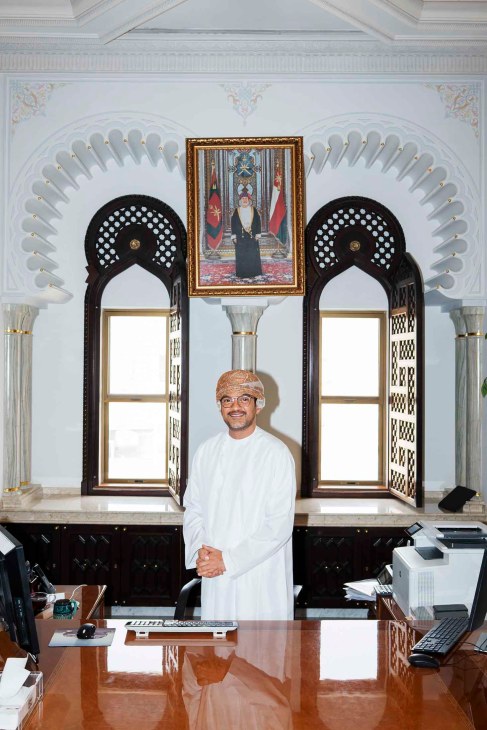
Al Humaidi was plucked from the private sector to lead the only Omani municipality that is entirely self-funded – a city with a population that is expected to double from 1.5 million today to three million by 2040. Monocle meets him at the echoey, marmoreal municipality offices a few hours after the design award ceremony. A bowl of treacly Omani dates remains untouched until we avail ourselves, after which the mayor gratefully takes one and smiles.
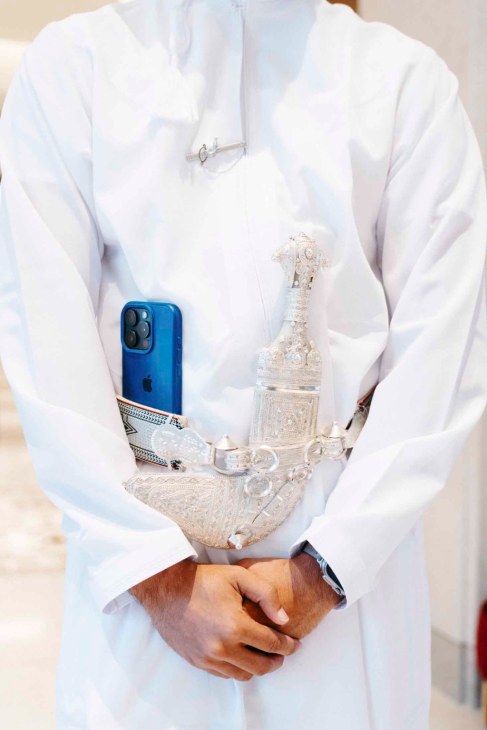
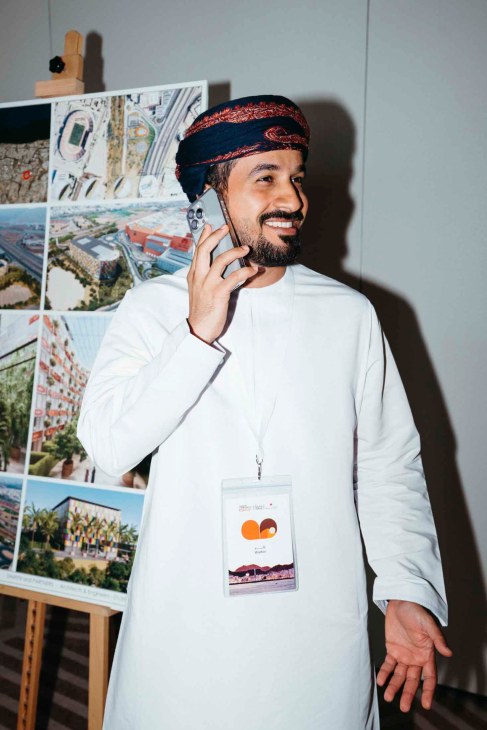
In common with their Gulf brethren, Omani men usually wear an ankle-length white dishdasha or thobe but things diverge up top. On their heads, you’ll find an embroidered skullcap called a kummah, shrouded by an intricately wrapped, usually patterned turban or ghutrah. The least elaborate national dress in the Gulf region, the outfit’s modesty aptly reflects Oman’s regional role. As well as eschewing the development models of its oil-rich neighbours, Oman has been diplomatically neutral since the 1970s, pursuing a foreign policy that’s encapsulated in the mantra “Friend to all, enemy to no one”.
In a region riven by enmity, both ancient and modern, Muscat’s neutrality has enabled it to act as a broker between Iran and other Gulf states (as well as the US), and as a mediator between Qatar on one side and the UAE and Saudi Arabia on the other. It helped Qatar to circumvent a Saudi and Emirati-led blockade between 2017 and 2019, a move that surely had a bearing on Doha’s $1bn (€860m) bailout of Muscat in 2020 – money that helped Oman to avoid a severe economic crisis. Muscat’s increasing closeness to Doha has jeopardised its prized neutrality and now its drive to attract investment that might otherwise be bound for Dubai or Riyadh has put it into competition with its neighbours.
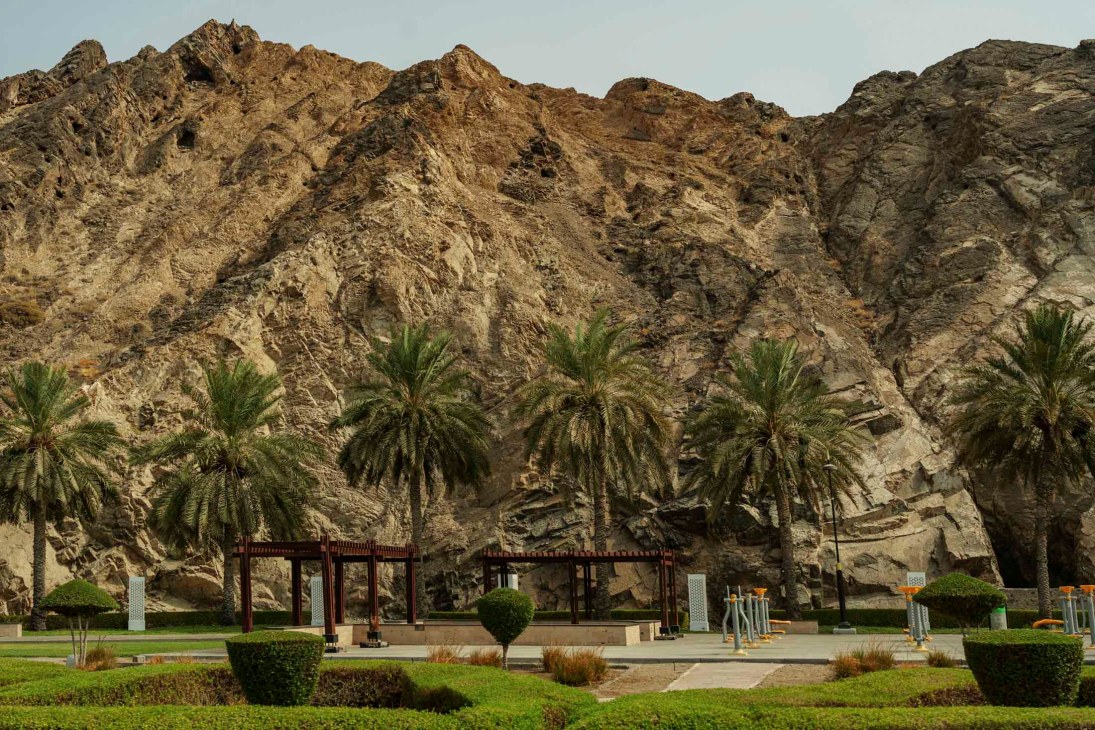
But there we are comparing the Gulf nations again. “We never look at it as a competition,” says the capital’s mayor. “We complement each other and have our own identity and position in the region.” Monocle’s guide from the municipality, Waleed Al Balushi, had earlier told us, “You will never hear a harsh word from an Omani,” and we are beginning to think that he might be right. The mayor’s mission for Muscat seems to be much the same as the government’s agenda for Oman as a whole: to transform it at the same time as keeping it largely unchanged. In this respect, he believes that the mild relaxation of building regulations – or what the country’s housing minister, Khalfan Al Shuaili, calls “improvements” – is actually an advantage.
“Having an architectural identity doesn’t stand as an obstacle to urban planning,” says the mayor. “When you have a distinctive identity, it makes it easier to innovate.” Indeed, the development unleashed by Vision 2040 involves far more than just tinkering with building regulations. Oman is presently engaged in a number of what might be called “giga projects” if they were happening elsewhere. The most ambitious of these is a new “futuristic, modern and sustainable city”, Sultan Haitham City, built on 14.8 million sq m of undeveloped land in Al Seeb, a Muscat suburb. When it is completed, it will contain enough homes for as many as 100,000 people. Then there’s the Al Khuwair Downtown and Waterfront development, a Zaha Hadid Architects-designed 3.3 million sq m neighbourhood that will include new homes for about 65,000 people and even – at least, according to the renderings – Muscat’s first large skyscraper.
Both of these projects and several others were conceived by the country’s powerful Ministry of Housing and Urban Planning, whose headquarters Monocle visits on another searingly hot afternoon. At the age of 18, every Omani is given their own plot of land and the country has one of the world’s highest homeownership rates (89 per cent).
In Muscat, where many have built palatial, US-style villas on these plots, urban sprawl has put huge strain on the city’s infrastructure and resource management. As well as seeking to build enough homes for a population of which more than 40 per cent of people are under the age of 24, the ministry has tinkered with land distribution laws. “Now we provide our citizens with a variety of options,” says Al Shuaili, the housing minister. “They can still get a plot but there are limitations on how that can be used and when it should be used.” His aim is to “improve density” by creating “lower houses” and “less urban sprawl” but also to change a culture that views detached compounds as the ideal of city living.
This mission is already bearing fruit. The minister says that 50 per cent of Muscatis currently live in apartments and many of the new settlements planned as part of Vision 2040 are made up of multiple-occupancy units. “We don’t aim to reduce the size [of dwellings] but to keep them closer so that people can walk, work or study within their new communities,” he says. Again, much of the ministry’s success will be measured against that of Oman’s neighbours. Over several decades other cities in the region have suffered property busts, as well as the speculative construction of neighbourhoods that then remained empty due to a lack of interest. “As a ministry, we keep a very close watch on supply and demand,” says Al Shuaili.
As well as satisfying the country’s native-born housing needs, the building boom is intended to entice foreigners to invest in Omani property. While removing minimum capital requirements and allowing 100 per cent foreign ownership for Oman-based companies in many sectors, the country has also relaxed rules on non-citizens owning freeholds and the properties in all of the new Vision 2040 developments will be available for purchase from overseas. The property sector has shown strong growth in recent years (prices increased by 7.3 per cent year on year in the first quarter of 2025) and the minister hopes that the calibre of new developments, coupled with relatively low prices, especially compared with other Gulf states, will lead to more foreign purchases and strong returns for those Omanis who choose to buy rather than build their own homes.
Monocle is presented with several kilogrammes of promotional literature trumpeting dozens of new cities but the minister stresses the measured nature of Oman’s development drive. “When you look at these projects, you have to put them in the context of the next 15 years,” he says. “None of these cities will spring up all of a sudden. It takes time. And whether we begin building in 10 years or 20, that’s OK for us, as long as it’s sustainable growth and that nothing will be built unless there is demand for it.”
Though my Omani interlocutors refuse, for both diplomatic and decorous reasons, to see the regional competition for FDI as a zero-sum game, it is difficult not to view many of their plans and much of their rhetoric as an attempt to avoid the pitfalls that other Gulf states’ development drives have encountered in the past. In this respect, Sultan Qaboos left an architectural legacy that has put the country in a strong position. “I often compare him to Martha Stewart,” says Jim Krane, Middle East expert and author of City of Gold: Dubai and the Dream of Capitalism. “He just had a wonderful kind of quirky aesthetic and design sense. And he imposed it on the country for 50 years.”
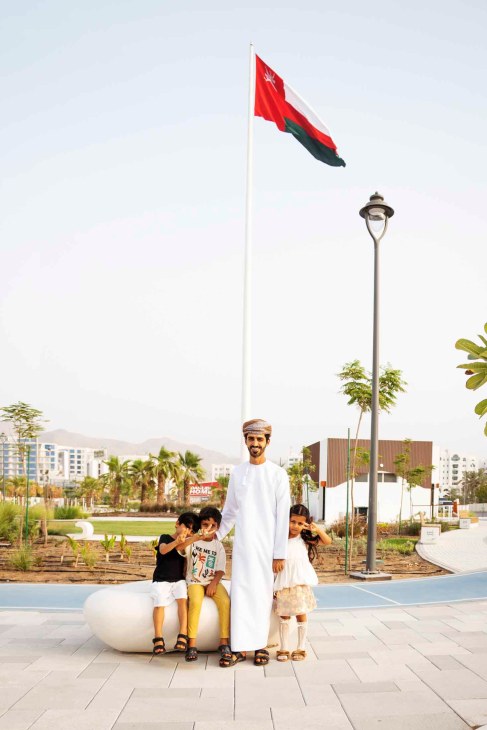
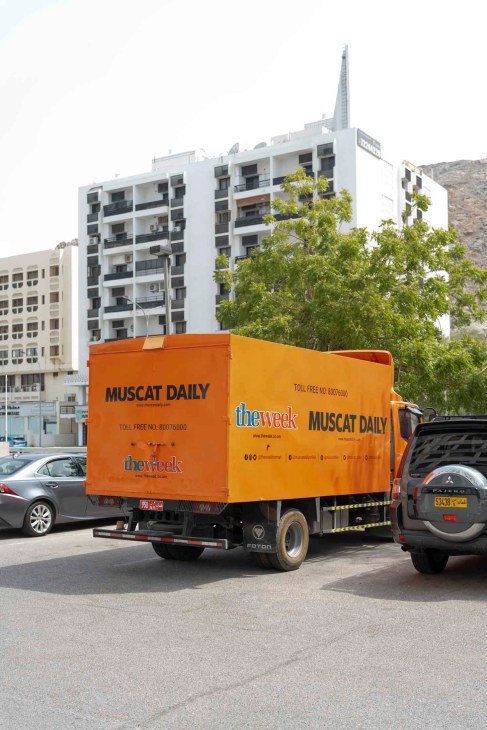
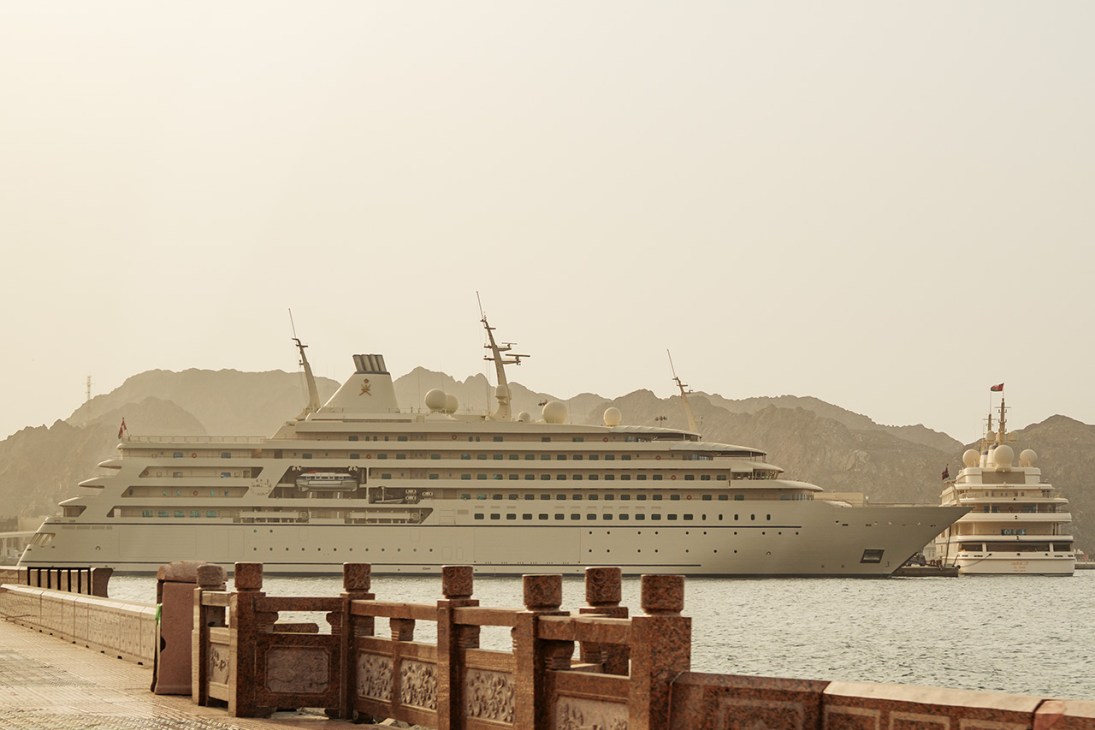
Oman’s aesthetic uniformity, coupled with its unparalleled and largely unseen natural beauty, is a huge boon for its tourism industry. Visitor numbers hit a record 5.3 million in 2024, a 3.2 per cent year-on-year increase. Both are consequences of the deliberately hesitant approach to FDI and large-scale development that pervaded in the late 20th and early 21st centuries. “Oman has been quite successful in being understated and following a very different approach to what the UAE and Qatar are doing,” says Mohammad Najmuz Zafar, the deputy editor of Muscat Daily, a national newspaper based in the Omani capital.
Then, of course, there’s the impact on the built environment. “It hasn’t gone through the same huge economic booms that have really shaped Dubai, Doha and Riyadh,” says Krane. “Those booms create these big, physical legacies, which is why you see so much brutalist architecture around the Gulf, because of the 1970s oil boom.” In her 1955 book Sultan in Oman, British travel writer Jan Morris wrote with great prescience, “Such was the character of Muscat, perched in the place where the Omani mountains reached the sea, that quaint old traditions could not only be honoured; they could also very easily be institutionalised.” As the country aims for its second great leap forward in a generation, it will be hoping to retain a large deal of that quaintness.
The Switzerland of the Middle East
In the seventh century the Omanis became one of the first peoples to convert en masse to Islam, leading the Prophet Muhammad to suggest in a prayer that they would never have any external enemies, only ones from within. The idea of diplomatic neutrality, present to various degrees throughout the country’s history, reached its apotheosis during the rule of Sultan Qaboos, 13 centuries later. Before Qaboos’s rule, Muscat had been largely content to stay out of world and even regional affairs, effectively ceding much of its foreign policy to the British Empire during the late 19th and early 20th centuries.
But in 1970, its new young ruler set out to take advantage of his country’s key geographical position at the mouth of the Arabian Gulf, a part of the world integral to global energy supplies. Under Qaboos, Oman joined the Arab League and the UN and became a founding member of the Gulf Co-operation Council in 1981. Despite its close relations with its Gulf neighbours, as well as the West, Muscat has also maintained friendly diplomatic ties with Iran, acting as a channel between the country and Israel and the US during this summer’s outbreak of conflict. Oman hosted the talks that led to the Iran nuclear deal in 2014 and has been mooted as the location for future negotiations involving Tehran.
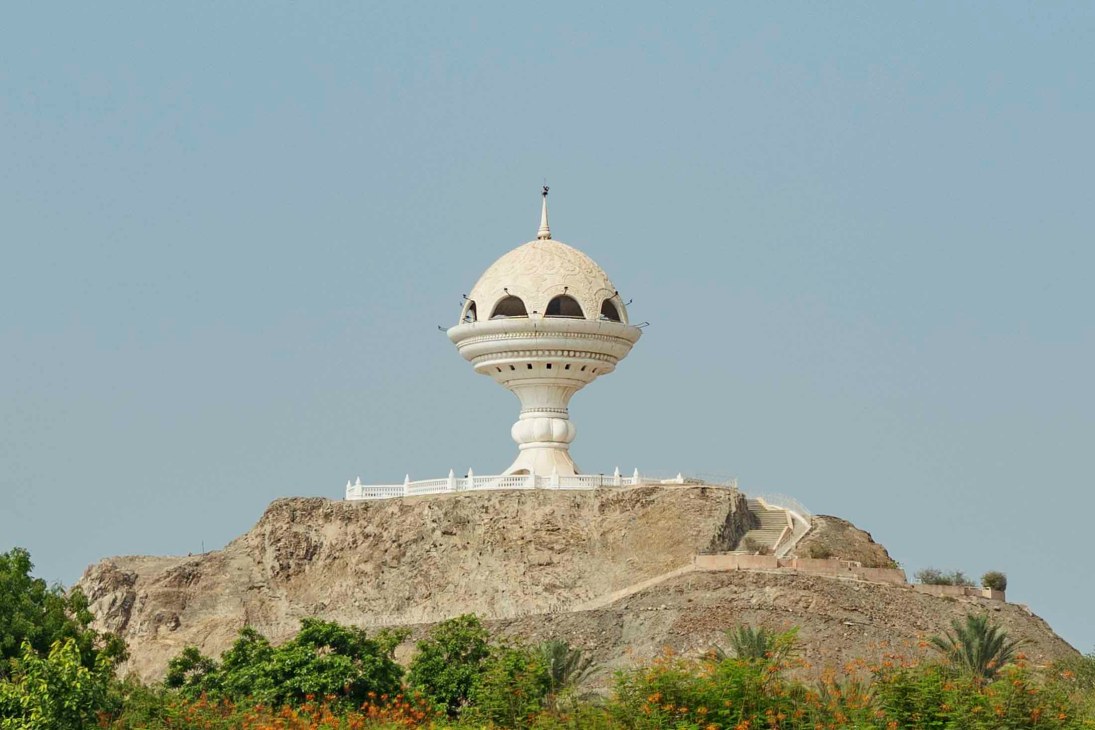
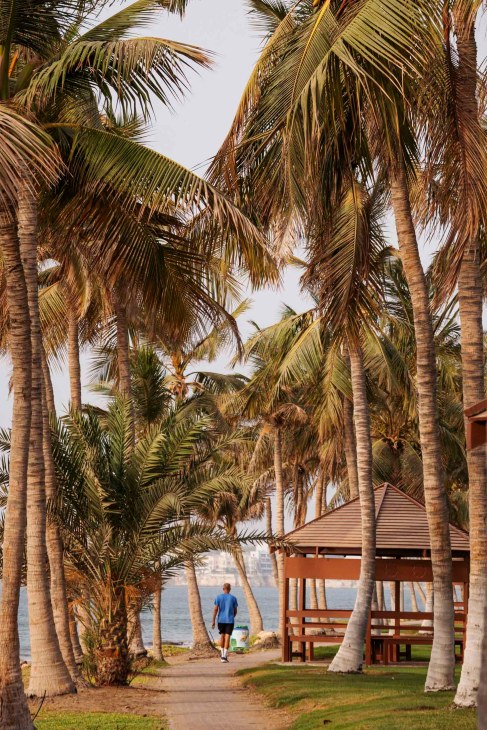
Qaboos also sought to bring the two parties in the Israel-Palestine conflict to the negotiating table. Benjamin Netanyahu visited Oman in 2018 and the country’s foreign minister called for the recognition of Israel, a rare statement from an Arab state at the time. Still, the nation didn’t participate in the Abraham Accords that saw the UAE and Bahrain formalise diplomatic relations with Israel in 2020. And under Qaboos’s successor, Sultan Haitham, relations have once again deteriorated with Tel Aviv, owing in large part to the war in Gaza. Oman’s prized neutrality has also been threatened by its growing closeness to Qatar, a neighbour that has recently fallen out with two others (Saudi Arabia and the UAE). As the Middle East once again roils in conflict, Muscat’s famed diplomatic nous faces one of its most serious tests.
Oman’s natural beauty
A camel slowly padding through a lush forest might sound like an AI-generated image but in Oman such fantastical scenes are an annual occurrence. Between the months of June and September, the Omani city of Salalah and the surrounding Dhofar region – at the southernmost tip of the Arabian Peninsula – see monsoon rainfall and a consequent explosion of wildlife. The Salalah Khareef (Arabic for autumn) is essentially an extension of northern India’s monsoon season into Oman, a meteorological phenomenon that has long drawn visitors from the region who are seeking respite from the punishing mid-summer heat. As the Omani government attempts to draw more tourists to the country, especially from Europe and North America, it is using its natural beauty and diverse wildlife as an enticement.
“Oman’s physical beauty is pretty much unparalleled [in the Gulf],” says Jim Krane, a regional expert. “The only place that comes close is Yemen, or maybe the very far southwest corner of Saudi Arabia. And you can see that the government is trying to lean on that.”

In 2024, visitors to Salalah and the Dhofar region exceeded one million for the first time ever, representing a nine per cent year-on-year increase – and this is counting only arrivals during the Khareef. The government has invested more than $200m (€172m) in improving tourism infrastructure around Salalah, alongside a pledge to build 40 new hotels across the country by the end of 2025.
As well as a hospitality drive, Muscat is keen to expand leisure and recreational attractions. Rising up from the desert on the outskirts of the capital is a development that will become one of the world’s largest botanic gardens when it opens in a few months’ time. The Oman Botanic Garden is both a tourist attraction and research centre, and perhaps the most straightforward example of the government’s attempt to harness its natural attributes for soft-power purposes. Its 420-hectare site will contain all 1,407 of the recorded plant species found in the country. Monocle visits on a scorching July morning and is amazed to enter its two massive greenhouses and find them cooled to a frigid 19C, with thickets of lavender, rosemary and olive groves, and songbirds flitting between trees.
Threads of power: How global leaders’ style shapes their influence
1.
Pope Leo XIV
Head of the Catholic Church
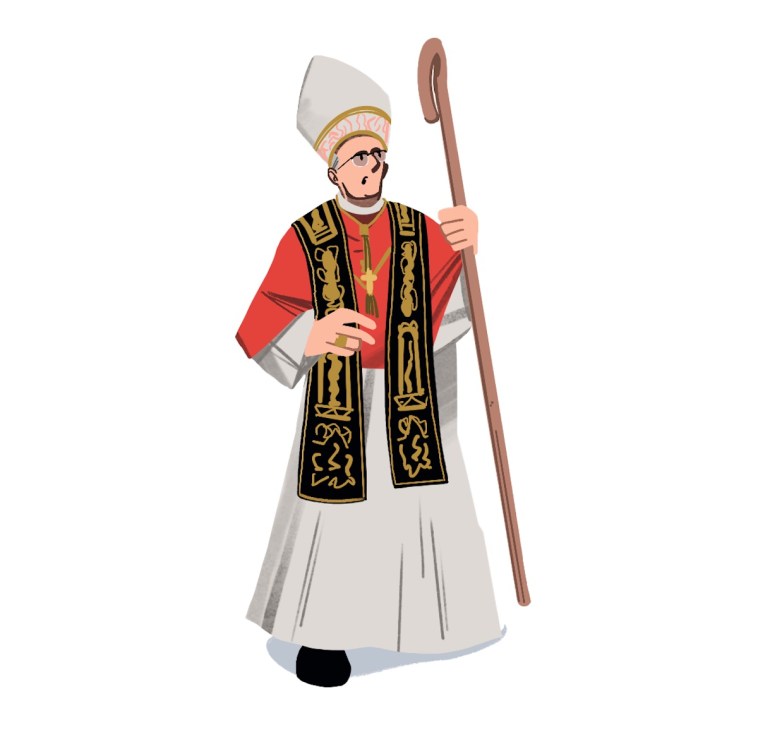
Leo’s predecessor, Pope Francis, made a virtue of simplicity: think plain cream cassocks and sensible black shoes. Since his election in May, the first American pope has re-embraced the gold, ermine and velvet adornments of previous pontiffs, suggesting a more traditionalist bent. As well as an amitto (a lacy neckerchief ), he wears a white tunic known as the alb and a braided belt called a cingulum. He has also displayed more whimsical tendencies. During an audience in the Vatican in June, a honeymooning American couple presented the Chicago-born pope with a White Sox baseball cap, which he briefly wore – and blessed – before returning.
2.
Ibrahim Traoré
President of Burkina Faso
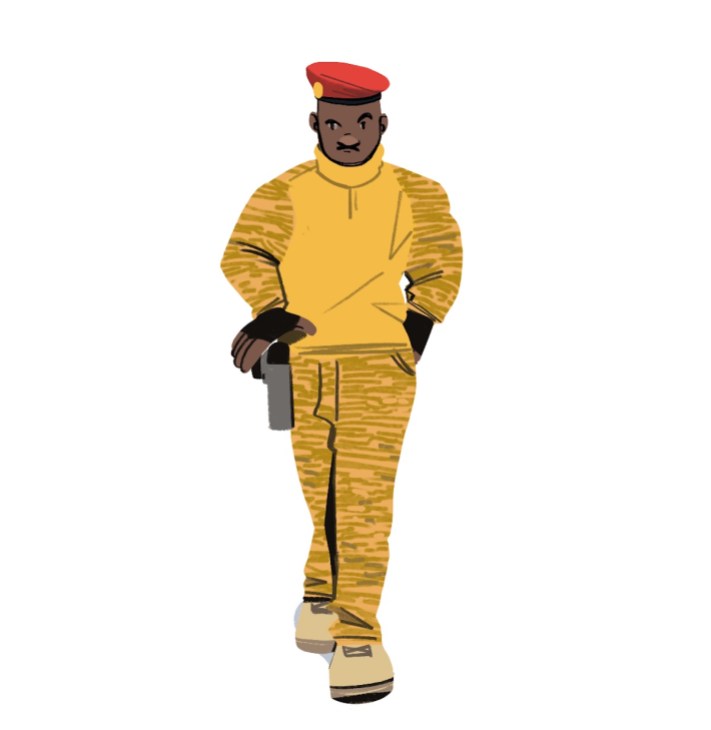
A military dictator has two fashion choices. The first is to ditch the fatigues and throw on a suit. The other is to go all in on the martial-tyrant shtick. Burkina Faso’s Ibrahim Traoré has chosen the latter, both sartorially and politically. Attending the inauguration of Ghana’s president, John Mahama, in January, Traoré wore not only his favourite orange-green camouflage but an ostentatious pistol in a holster too. He also appreciates a red beret. The scarlet hat has domestic resonance – it was the choice of 1980s Burkinabe leader Thomas Sankara – and it has also helped Traoré foster a global online cult proclaiming him a 21st-century Che Guevara.
3.
Kristrún Frostadóttir
Prime minister of Iceland
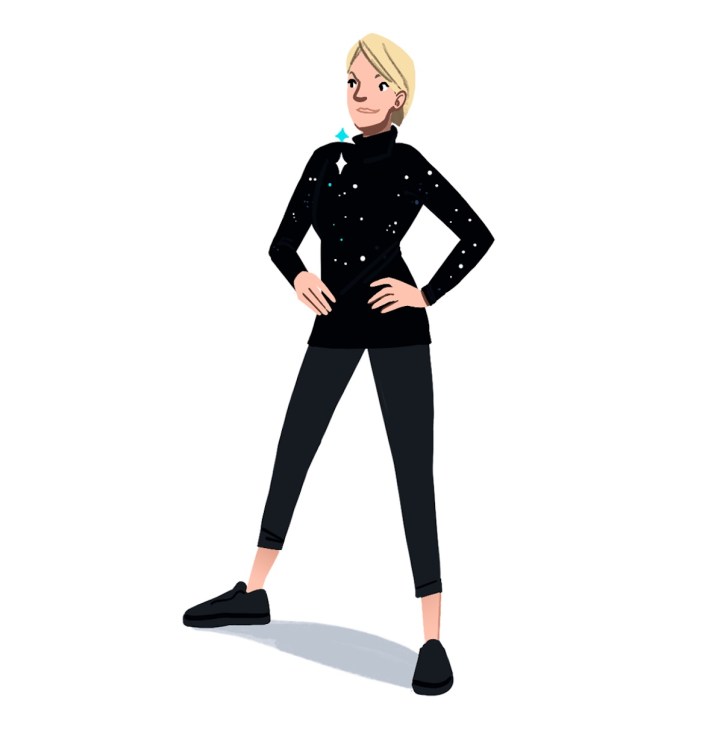
An ascent to national leadership usually takes a few decades, which is why the fashion sensibilities of those in such roles tend towards the middle-aged. Kristrún Frostadóttir was 36 when she became Iceland’s prime minister in December 2024 and so is able to take the (relative) liberties associated with (relative) youth. But she generally doesn’t, instead favouring the up-market end of the high street. Election night was spent in a sequined Ralph Lauren blouse; when she was sworn in, she wore a viscose dress by Italian label MSGM. As one Icelandic columnist noted, apparently approvingly, Frostadóttir “disproves the theory that Social Democratic Party women prefer to wear loose dresses with plunging necklines”.
4.
Claudia Sheinbaum
President of Mexico
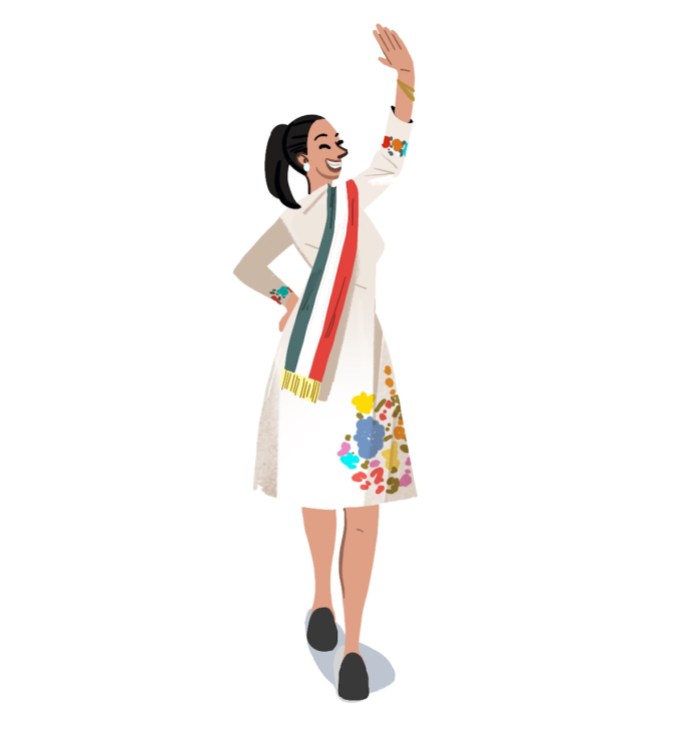
There are wretchedly few advantages to being a woman in politics but one is a licence to operate beyond the confinements of a suit and tie. Claudia Sheinbaum has seized upon this opportunity – and upon her country’s distinctive and admired Indigenous textiles. The visual signature of her 2024 election campaign was purple dresses, including one decorated with a spectacular floral breastplate on the day she won. When she was inaugurated last October, she wore an ivory dress with embroidered floral embroidery by Oaxacan designer Claudia Vásquez Aquino. Pairing stylish and stately isn’t easy but Mexico’s first female president has achieved it.
5.
Friedrich Merz
Chancellor of Germany
Friedrich Merz’s predecessor, Olaf Scholz, was an oddity among modern leaders for being boldly balding. Though clinging to a reasonable thatch for a man nudging 70, the incumbent cultivates a small frontal tuft to complement the wraparound. Merz is unusual in leading a government in glasses; Die Zeit newspaper believes that the chancellor sports a pair of Tom Fords bought at Rottler, an optician in his hometown of Arnsberg. They’re a daring (-ish) choice, perhaps signifying someone straining at the traditional strictures of his role. The same might be said for Merz’s selection of whimsical ties that feature turtles, flamingos or penguins.

Keen for a nuanced and knowing view of the world? Our global-affairs show ‘The Foreign Desk’ features expert guests, in-depth analysis and sharp commentary.
Inside Asmodee’s billion-euro business and the unexpected board game renaissance
“Tabletop games are eminently social,” says Thomas Koegler, the CEO of French board-game publisher Asmodee. “They’re an excuse to spend time with people.”
Monocle meets Koegler at the company’s development office in the Paris suburb of Boulogne-Billancourt. The space is teeming with employees who are play-testing sessions and rolling dice over laughter-filled lunches in the staff canteen.
As people increasingly seek out social interaction, Asmodee has capitalised on this, growing from a niche publisher of obscure role-playing games into a billion-euro company that produces popular board games. It’s behind global hits such as Ticket to Ride (which has sold 13 million copies so far), Dixit (12 million) and the acclaimed 7 Wonders.
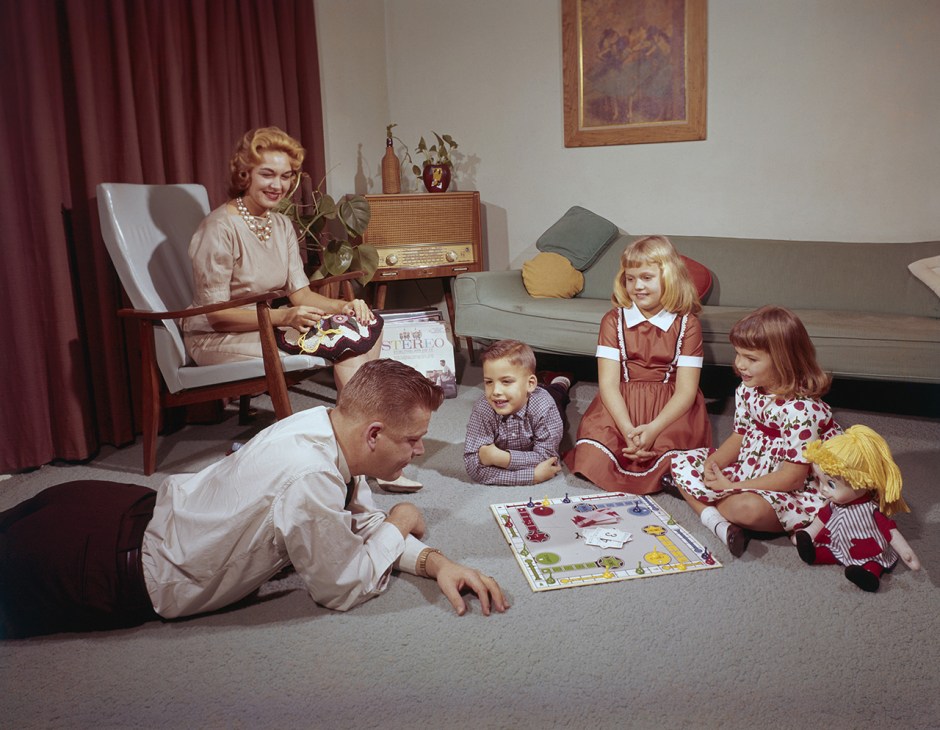
Though you’ll find Asmodee products on sale in 100 countries, the company’s home market is now the strongest in Europe after France overtook Germany as the leading continental consumer of board games. The coronavirus pandemic gave the industry a significant boost as households looked for in-home entertainment. “In most cases, when people buy a game, they have already played it or it has been recommended to them by someone they trust,” says Koegler. “This notion of transmission is extremely powerful.”
An expanding clientele of “kidults” – grown-ups embracing hobbies and forms of entertainment previously perceived as the domain of children – backs up Koegler’s claim that people no longer feel constrained by stigma around a board-game habit. “A good comparison is comic-book superheroes,” he says. “Being a fan of them used to be considered very nerdy, then it became part of pop culture. Now it’s completely mainstream.” These older players represent more than 30 per cent of the European market for toys and games, compared to 15 per cent a decade ago.
The spending power of kidults has been a boon for games publishers. Trading-card games in particular are having a moment. This includes Asmodee’s new Star Wars Unlimited collection, featuring characters from the franchise.
“We launched it about a year ago and the first Galactic Championships [a Star Wars Unlimited competition] that we organised in Las Vegas sold out,” says Koegler. More than 2,000 players travelled from across the world to take part in the event.
Asmodee also publishes the French version of the Pokémon Trading Card Game, making it a major player in a global trading-card market that’s valued at €6.6bn.
Koegler believes that the same thing powering analogue gaming’s ascent in Parisian living rooms is attracting enthusiasts to vast Las Vegas venues. “The more our societies become digitally connected, the more people will be looking for physical interaction,” he says. “That’s what is behind the success of board games.”
Preppi’s Emergency Radio aims to ensure that its user looks good in any apocalyptic scenario
There aren’t many products that you purchase in the hope that you’ll never have to use them. But as fears of disaster, either natural or manmade, once again enter the public consciousness, a growing number of companies are pitching products at “preppers” – people preparing for the worst. One of these is Preppi, a Los Angeles-based company whose handsomely designed apocalyptic products include medical kits, survival backpacks and emergency radios. The radio features a USB charger powered by a large solar panel (a wind-up arm can supply power if it dies in the dark), plus an SOS siren, LED torch and weather-band frequency functionality to receive updates if there is no internet connection.

“The fires in LA at the start of this year really opened some eyes,” Lauren Tafuri, who co-founded Preppi with Ryan Kuhlman, tells Monocle. “Lots of people realised that they were unprepared in a scenario like that.” The company has support in high places for their mission. In March the European Commission made an advisory statement that all of the bloc’s citizens should assemble a 72-hour emergency kit as part of its crisis-preparedness strategy. “Our backpacks matched the specifications perfectly,” says Tafuri.
Those preparing for disaster were once considered cranks but the wider availability and effectiveness of survivalist equipment, combined with a fashion for technological clothing, has encouraged a more discerning consumer. “Our products are built to be used. If required in a crisis, they must be functional as a priority,” says Kuhlman. “But why should that mean that they have to look like they’ve come straight from military surplus?”
preppi.co
Comment
Technology that once would have been considered too niche for general consumers is now readily available for purchase. So why not make it look good?

How Vibram’s shoes are treading from hiking trails onto runways
Italian manufacturer Vibram produces more than 40 million shoe soles per year but now it’s trying its hand at design and broadening its appeal. Its client list ranges from sports giants to outdoor footwear makers and includes Nike, Canada’s Arc’teryx and Japanese sandal specialist Suicoke. Vibram’s bright, octagonal logo has become a signifier of quality for hikers, alpinists and trail runners, who seek that flash of yellow on their soles to ensure that their footwear will live up to performance standards. The company also makes its own shoes.
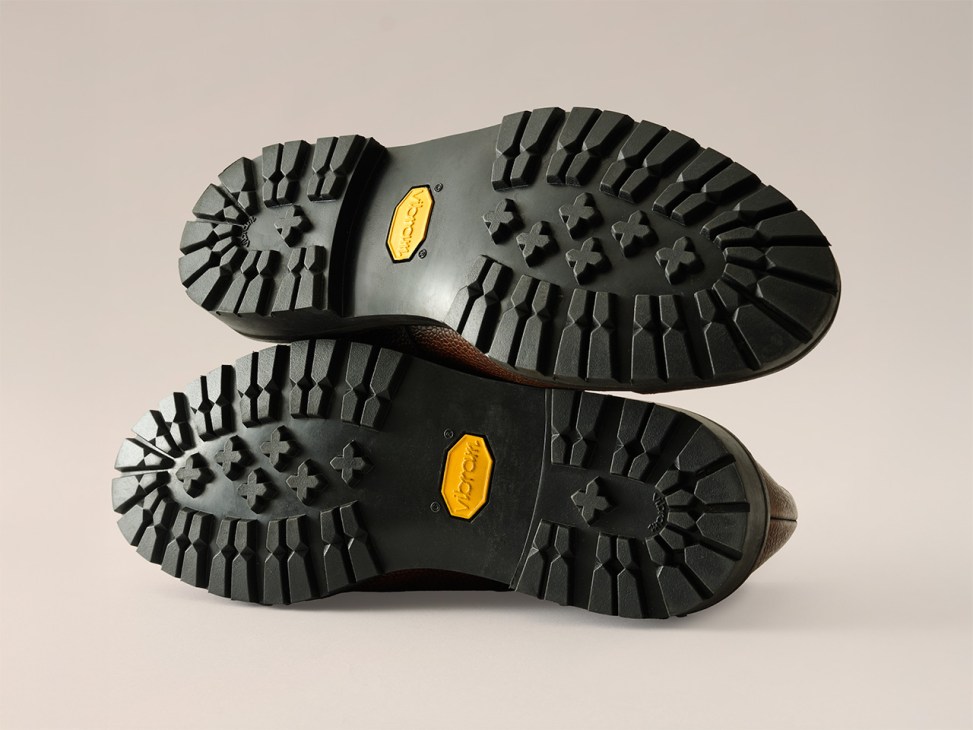
As Vibram approaches its 90th anniversary, it is working hard to stay up to date by investing in a series of design and innovation hubs in Milan, Boston and Los Angeles. At these “Connection Labs”, the company wants its creative output to match its technical standards. Several unexpected collaborations have been spawned, ranging from those with high-fashion houses Bally and Balenciaga to a link-up with trainers specialist Hoka.
The result? Vibram-soled shoes, including those in the brand’s five-toed neoprene style, are stepping into the fashion industry and appearing in streetwear looks as much as on slopes and hiking trails. The brand’s popularity has skyrocketed – there was a 110 per cent increase in online searches during the second quarter of 2025 (according to data platform Lyst), and its US business has doubled over the past four years. Vibram’s new credentials resulted in a first pop-up space at Paris Fashion Week in January, presenting specialist soles, as well as new footwear styles.
As the fashion industry moves on from a fixation with the logos of huge brands, a bigger role will be played by utility and performance wear in setting the agenda this autumn. We will be seeing more Vibram shoes on the runway.
Can a clothing company survive without new products? Asket is betting on a yes
This autumn, independent Swedish menswear label Asket will release its 50th and final product for men: a pair of Italian merino-wool trousers. The move is part of the brand’s ambition to refine its collection into a permanent catalogue. Instead of chasing novelty for the sake of catching customer interest, it aims to perfect the manufacturing of each piece. In other words, Asket is eschewing a business model followed by pretty much every other fashion brand.
“There’s talk about improvements needed to address sustainability in the fashion industry,” August Bard Bringéus, co-founder of Asket, tells Monocle. “But it all comes down to overconsumption and overproduction.” His business partner and fellow co-founder, Jakob Dworsky, agrees. “The industry hasn’t figured out how to make a business work by selling fewer but better products,” he adds. “There is short-term thinking in that sense. We put the product first because it’s what our customers come back for.”
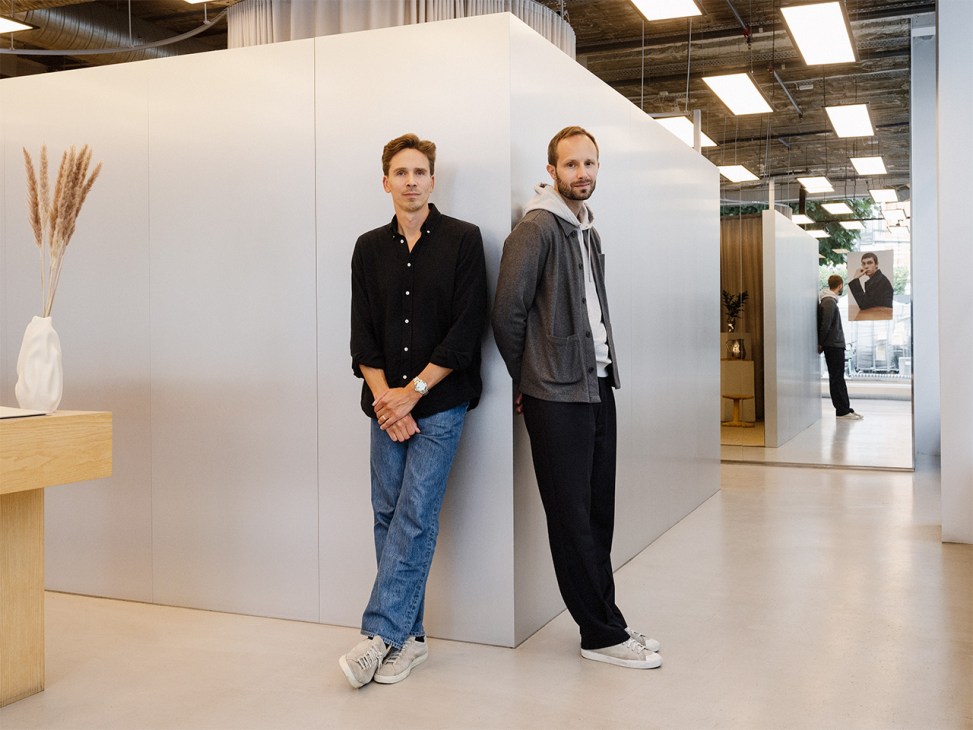
Since the brand’s founding in 2015, Asket has built a reputation for its European manufacturing, natural fibres and fair price point. The company’s 2024 turnover was SEK156m (€14.1m) and this year’s projected growth is conservatively pegged at 10 per cent. With a flagship in Stockholm and a new outpost in London, the brand is expanding its retail footprint, if not its inventory. Still, minimalism remains the order of the day, and the aesthetic – plain white T-shirts, straight-leg jeans and neutral knitwear – most definitely reflects the philosophy. “It’s easy to get distracted but we’ve stayed disciplined when it comes to sticking to what we said we’d do,” says Bringéus. “That’s part of the reason why we’re still around.”
asket.com
Calonge: The Spanish village given a fairytale ending by bookshops
Four years ago, Meritxell Ral was watching the news when she heard that Calonge, 90 minutes north of Barcelona by car, was offering €10,000 grants to anyone who wanted to open a bookshop there.Though only a few kilometres inland from Costa Brava, the medieval town was facing depopulation and shuttered shopfronts as businesses and young people gravitated towards the coast. In response, local leaders launched a bold initiative to reinvent Calonge as Catalonia’s first permanent “book town”. Ral jumped at the chance to start her own business. “I didn’t know the village but I needed a change,” she says. She wasn’t the only one. Within 24 hours, more than 270 people applied.
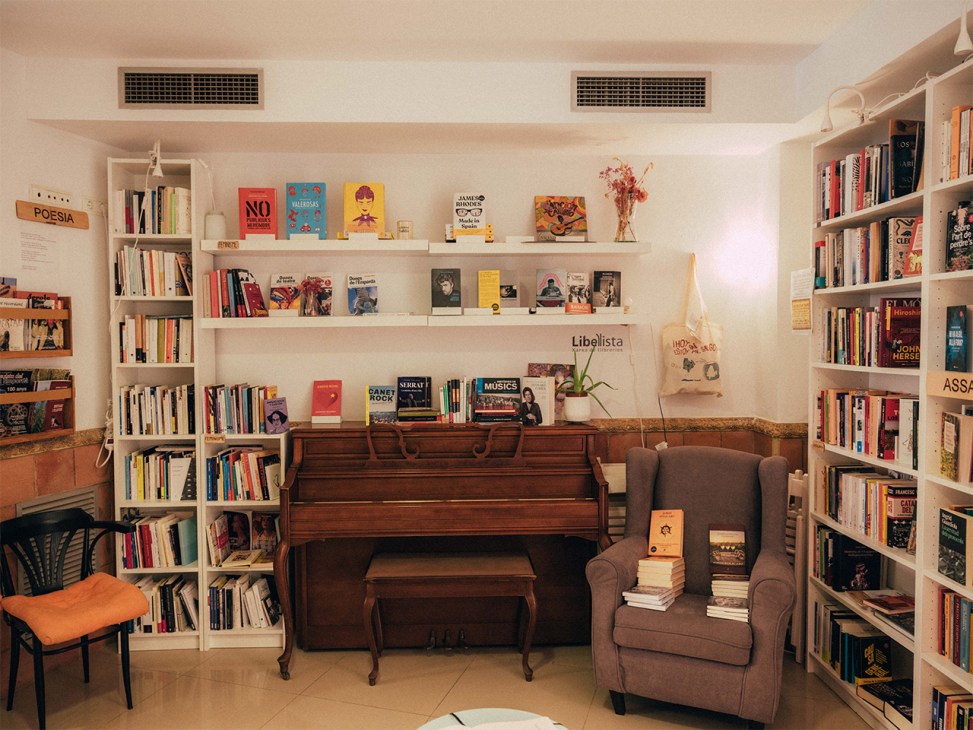
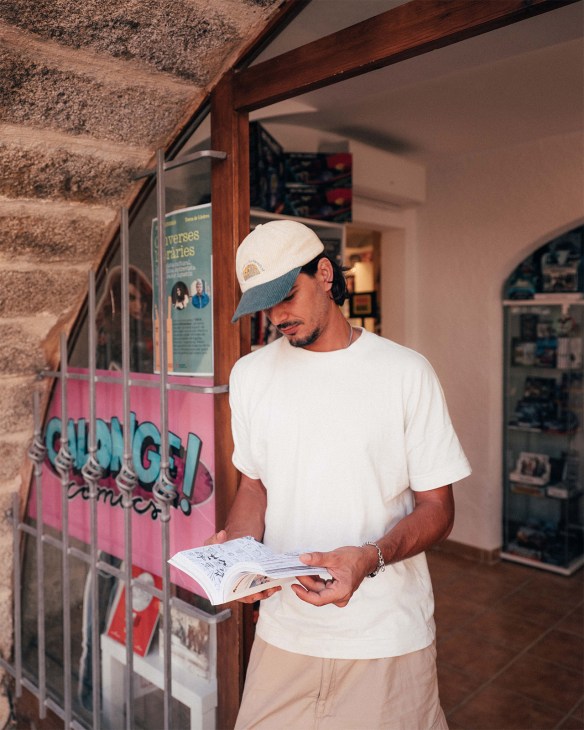
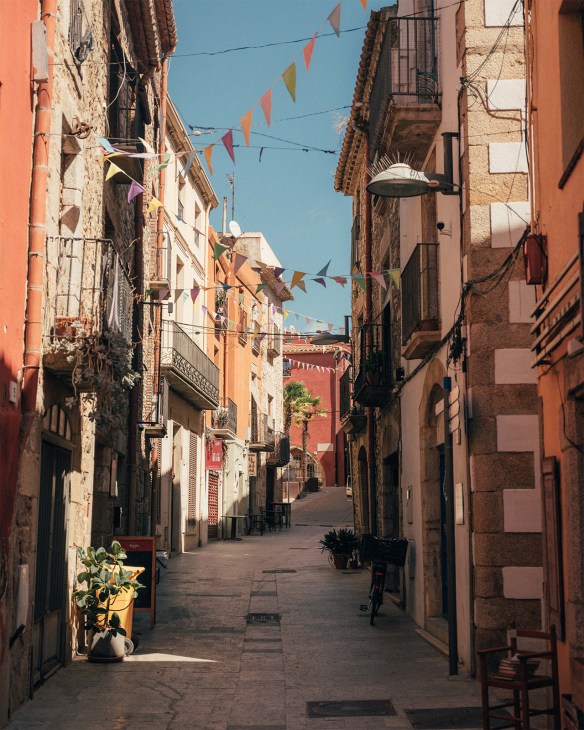
Today, Calonge is home to six bookshops, including Ral’s generalist Rals Llibres and others specialising in comics, music and history. The town attracts foreign and local visitors all year with literary events, poetry readings and a wine and theatre festival. “Over the past four years, Calonge has come back to life,” says its mayor, Jordi Soler Casals.
Calonge isn’t the world’s only book town. The concept emerged in the 1960s, when Robert Booth began filling empty buildings with books in the Welsh town of Hay-on-Wye. Now the International Organisation of Book Towns connects 25 locations worldwide, including Montolieu in France and Urueña, the first in Spain. In Calonge, the project has revitalised the local economy and attracted investment; there are now two new restaurants and a 12-room hotel. “We were surprised by the power of books to create synergies between people,” says Soler Casals.
As coastal resorts become overcrowded, Calonge offers a quieter, more thoughtful experience – a cultural model that could help to reshape the region’s future. “We need to learn to diversify,” says Soler Casals, highlighting the potential of Catalonia’s inland regions to offer culture, wine, hiking and historical heritage. “Sol i platja are important but they shouldn’t be everything.”
pobledellibres.cat
The best bookshops not to miss in Calonge
1.
La Fàbrica
This music-themed bookshop, run by a composer and singer, is also a wine bar.
1 Plaça Major
2.
Calonge Còmics
There are drawing classes and a space for board games at this comics bookshop.
27 Carrer Major
3.
Rals Llibres
This generalist bookshop has a particularly good offering of illustrated titles and those for children.
13 Carrer Major
How Acne Studios turned a historical Paris building into a playground for creativity
“The customer is addicted to design in whatever shape it takes,” says Jonny Johansson, the creative director and co-founder of Acne Studios. The Stockholm-based fashion label’s attention to the spaces that it inhabits, from runways to its shops and offices, is indicative of the increased overlap between design, architecture and fashion. Nowhere is this more obvious than in Paris, where part of its womenswear team and a sewing atelier are based, and where the Acne Paper Palais Royal – a permanent gallery space owned by the house – opened in the first arrondissement in June. Now it is consolidating its Parisian presence with a new, design-forward headquarters on Rue des Petites Écuries.
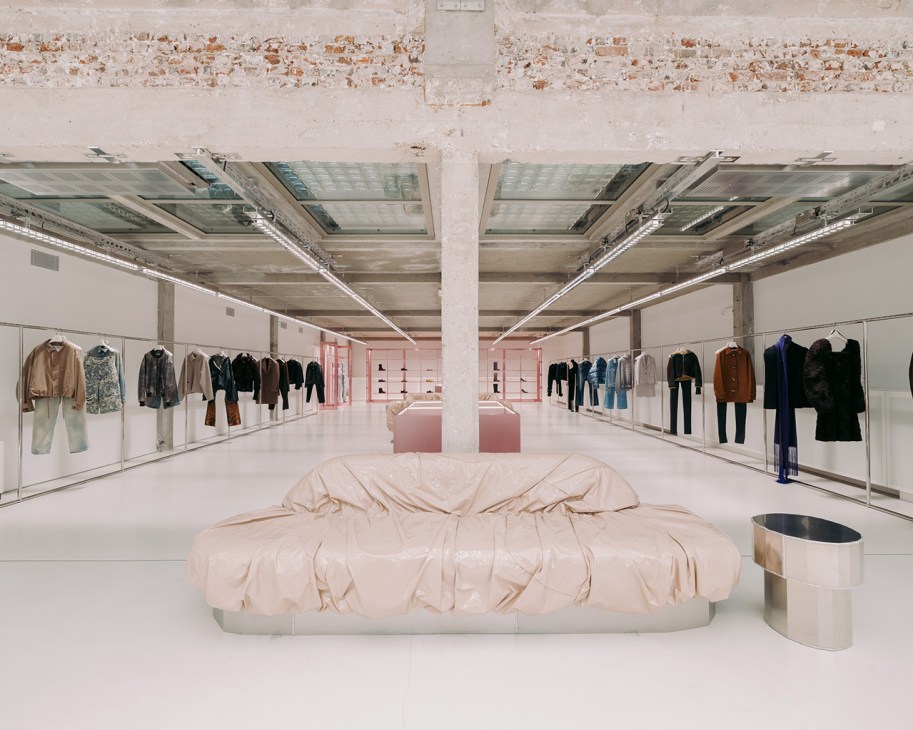
Johansson led the repurposing of the former 1930s laboratory of French cosmetics brand Gomenol, in collaboration with Swedish design studio Halleroed. “We talked about everything, including the sinks,” he says, adding that, having known Christian Halleröd, co-founder of Halleroed, for more than 30 years, there was an ease of understanding to their collaborative process.
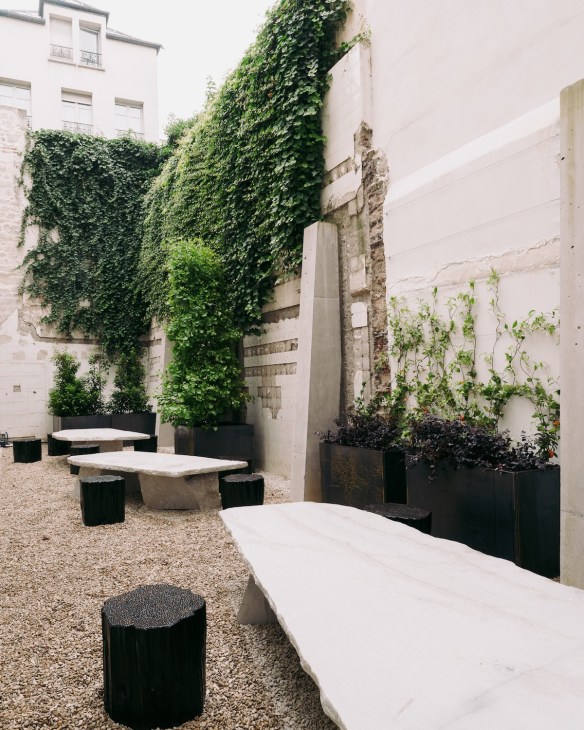
About 80 employees work in the Paris headquarters, spanning womenswear, merchandising, buying, finance, HR and wholesale, as well as part of the Acne Studios atelier. “We planned the layout so that there was a flow from one department to another, from the fabric developers to the designers, for example,” says Johansson. The structuring of the building’s spaces needed to account for a showroom and a fitting area, as well as the more traditional office set-up. Communal spaces such as a courtyard with a seating area and a canteen were central to his vision of what a headquarters should provide for its employees: a place to gather and discuss creative ideas. “Conversations and employees interacting make a company interesting,” he adds. “I always think that it’s a good investment.”
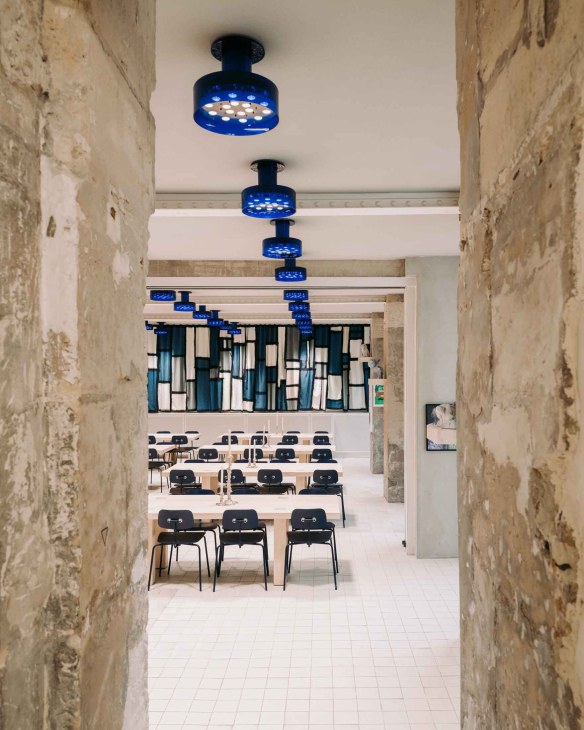
Throughout the space, original features such as parquet floors, a vaulted glass-tiled ceiling and gold-painted mouldings have been preserved and juxtaposed with exposed concrete and modern furniture by the likes of Lukas Gschwandtner and marble sculptures by London-based artist Daniel Silver. A pair of sofas upholstered in light-pink vinyl by UK designer Max Lamb sit in the showroom; an ultra-contemporary series of light fixtures by French artist Benoit Lalloz illuminate the canteen. “I like contrasts and buildings with history, where the past, present and future are contained in one space,” he says. “To gut out a building is like erasing history.”
“In the future, if you looked back at our brand and why we did certain things, you would see that it wasn’t just to sell clothing,” says Johansson. “There’s also the idea of being a sign of the times in a way. I’m not saying that we’ve succeeded yet but that’s the obsession.”
acnestudios.com
Read next: The Monocle City Guide to Paris, featuring the best hotels, restaurants and retail spots in the French capital
How Montpellier’s mayor is leading Europe’s mobility transformation
“I have a carnal relationship with Montpellier,” says Michaël Delafosse, the French city’s 48-year-old mayor, in between sips of his morning coffee.This kind of statement would raise eyebrows coming from an ordinary local politician. But Delafosse, wearing a slim-fit suit and sporting a closely cropped beard, can somehow get away with it. Perhaps it’s because his style is backed up by a track record of undeniable substance.
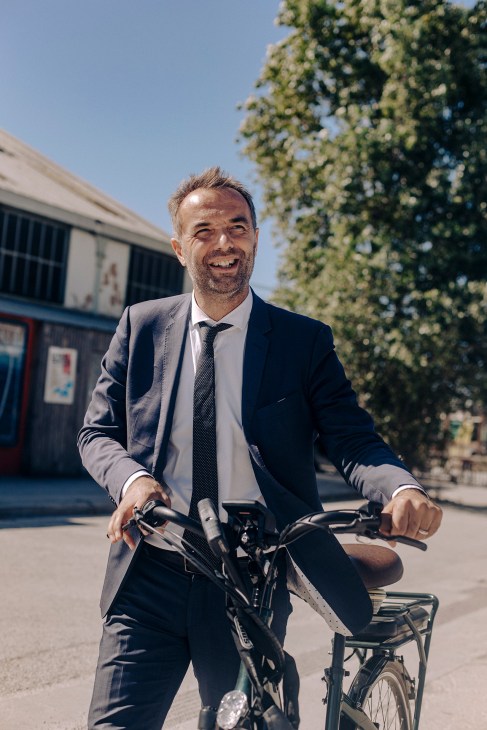
Montpellier is that rare thing in France, as well as the rest of Europe: a provincial city with a rising population and a flourishing economy. Nestled in the southern administrative region of Occitanie, about 10km inland from the Mediterranean Sea, it has been France’s fastest-growing city since 2000 and is now its seventh largest. The Montpellier Business & Innovation Centre (BIC), the city’s incubator, has fostered a bustling start-up scene that has attracted the likes of game publisher Ubisoft and the creative division of state broadcaster France Télévisions, both of which have relocated here.
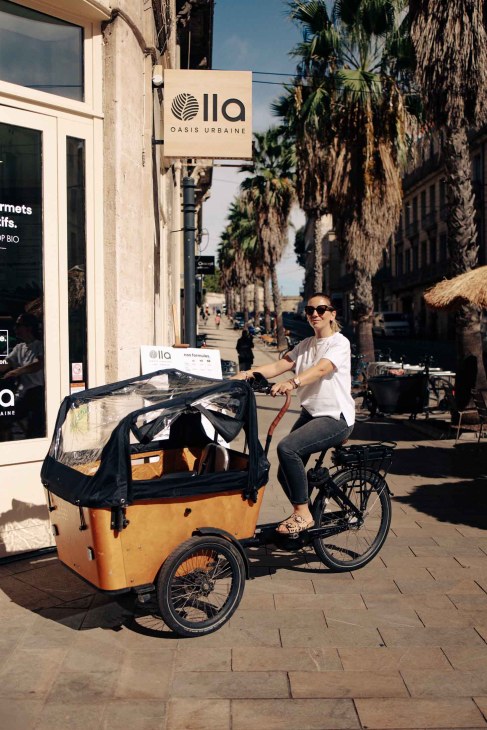
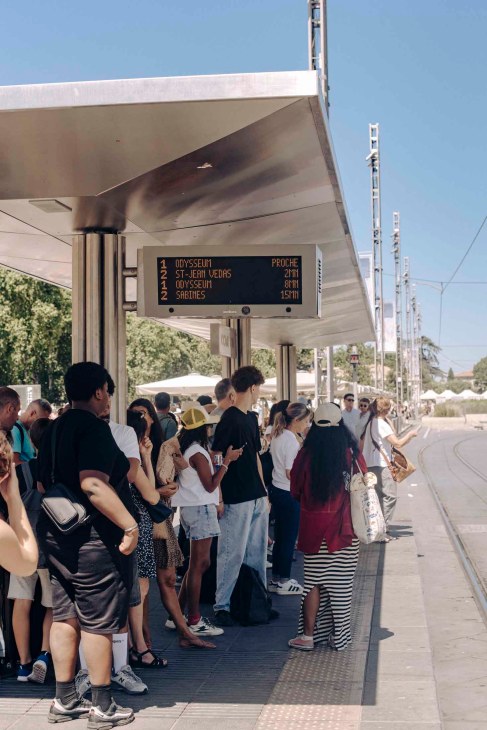
Montpellier has also positioned itself as a hothouse of avant-garde urbanism. It became one of the first cities in Europe to reintroduce trams in 2000, having abandoned them in 1949; in December 2023 it made public transport free for all residents. The latter was among Delafosse’s key campaign pledges during the 2020 municipal election, alongside a commitment to expand the city’s cycle-lane network (which now extends to about 235km) and turn central Montpellier into the continent’s largest pedestrianised urban area.
Despite his success on what could be called the radical side of urban politics, Delafosse – a history and geography teacher by trade and a longstanding member of France’s Parti Socialiste – isn’t a straightforward left-winger. He has taken strong stances on issues such as security, increasing police funding and CCTV coverage, tough-on-crime positions that have resulted in death threats from local drug traffickers. At the same time, he has pursued environmental and social-housing policies that have drawn criticism from opponents on the right. These moves, alongside his vocal rejection of some of Emmanuel Macron’s national policies, have seen him buck the trend of a Parti Socialiste that has appeared caught in a perpetual downwards spiral.
Delafosse has been marked out as a rising star in the party and is being talked about as a future presidential candidate. Though the mayor’s approval ratings hover at the 65 per cent mark – a rare feat in polarised France – Delafosse has his critics, many of whom argue that he has always had an eye on the Élysée Palace. In a 2022 profile in national daily Libération, an acquaintance described him as “hard to pin down”. He has refused to say whether or not he will run for a second term in March 2026, insisting that he has already achieved “two mayoral mandates in the space of one” – a claim that has led to allegations of arrogance in some local newspapers.
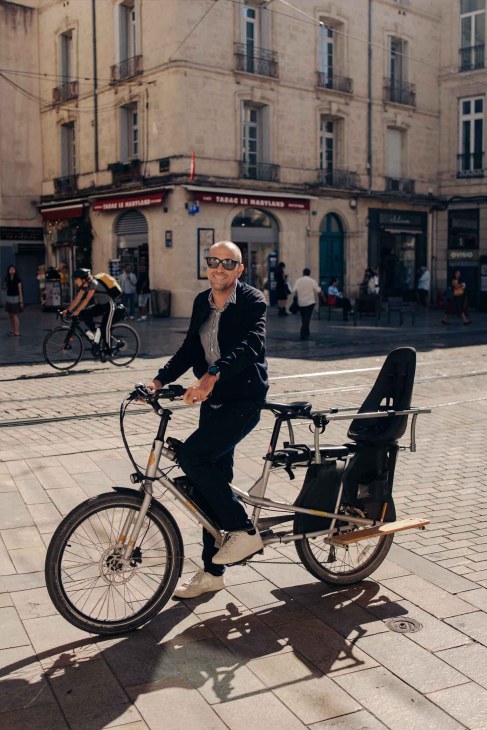
Before he commits either way, Delafosse wants to show Monocle around his hometown. After a morning caffeine hit, he hops on his electric bike. We are on the outskirts of the city in Halle Tropisme, a former military warehouse that was built in 1913 and now houses 10,000 sq m of space for artists’ studios, exhibitions and events. Nextdoor is an old military barracks that is being repurposed as part of an eco-district with 2,500 new homes, a third of which will be allocated to social housing.
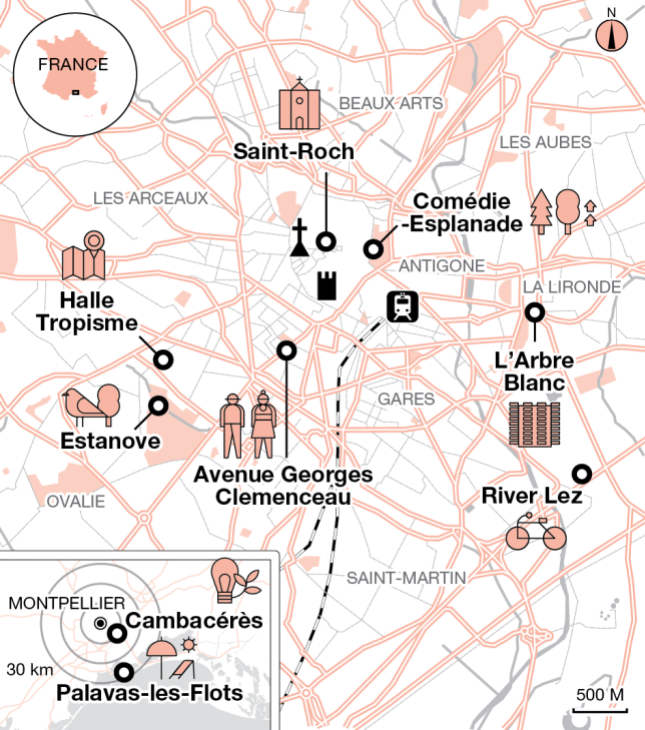
Together, the two former brownfield sites will form the heart of the new Cité Créative neighbourhood, which is slated for completion by 2027. From December this year, a 16km tram line will link it to the rest of Montpellier. The Cité Créative typifies Delafosse’s approach to urban renewal: developing brown-field sites rather than breaking new ground, while using buses, trams and trains as the engines of change. Not having to pay to ride into town should increase the attractiveness of the neighbourhood to prospective residents.
Perhaps more crucial to the mayor’s plans, though, is a pledge not to raise taxes on ordinary citizens to fund the city’s free-transport scheme. Its annual cost of approximately €40m is largely being borne through a mobility tax imposed on companies with at least 11 employees (which benefit from a more mobile workforce, according to Delafosse), as well as central-government funding. The mayor also points out that revenue is still rolling in from out-of-towners, particularly tourists, and that there have been savings from paring back the fare-collection infrastructure.
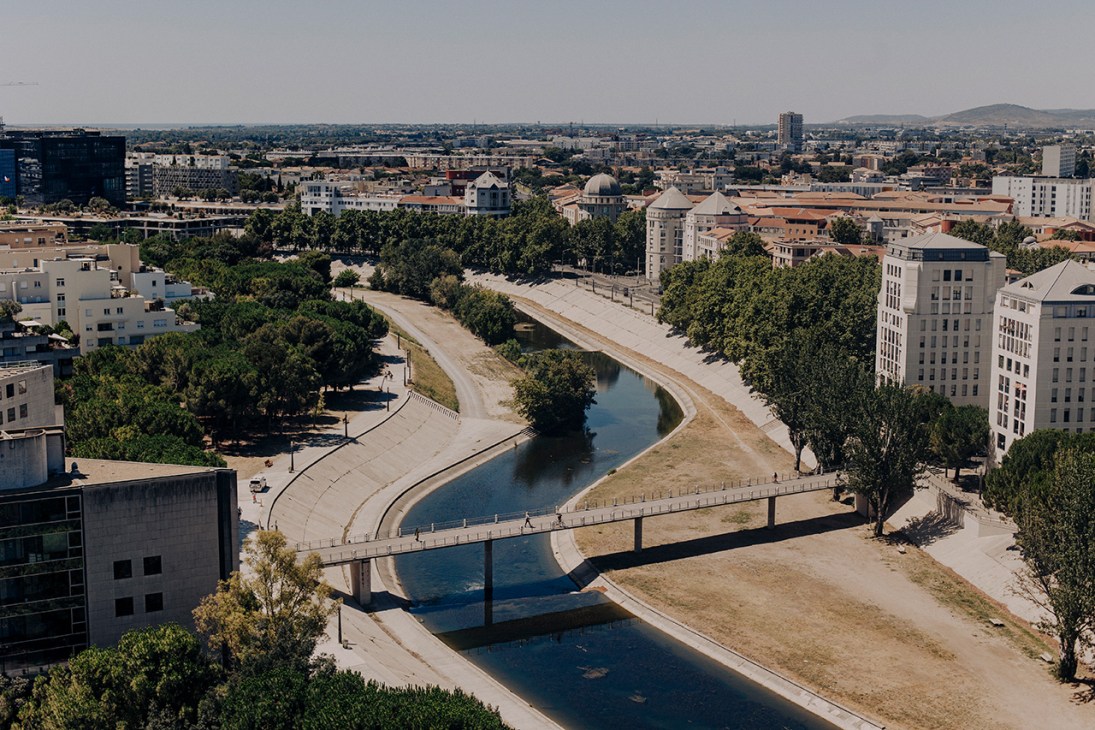
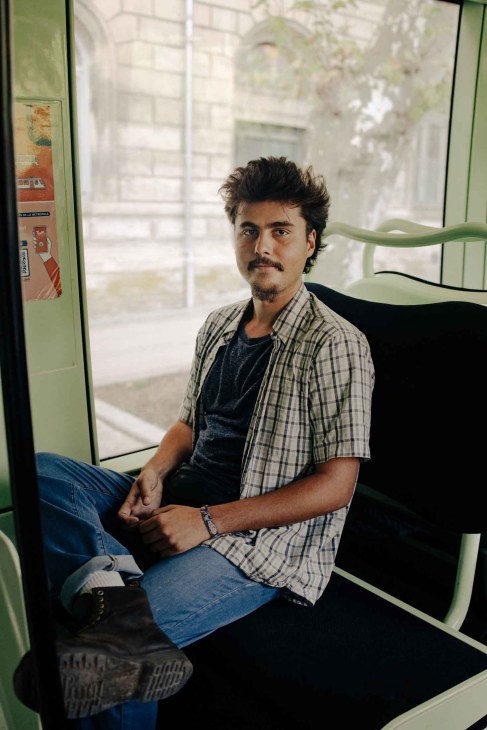
The city’s residents have mostly welcomed the scheme. Several informal surveys by local media suggest an overwhelmingly positive response from users, especially students, who make up about 17 per cent of Montpellier’s population. “It’s amazing,” teacher Fiona Joyce tells Monocle. “Everyone I know thinks that it is too.”
When he announced the plan, Delafosse said that he hoped to see an increase of about 20 per cent in the number of passengers on the city’s transport network by 2026. After just 12 months, the network reported a 33 per cent rise. Transport unions, however, disagree that this is unequivocally positive. Their members have decried a “degradation” of the overall service as a result of overuse, as well as the additional burden on drivers. Delafosse bats away such criticisms. “In Paris, the service is expensive and it is still overburdened,” he says. “In any case, cities that have implemented free transport don’t turn back.”
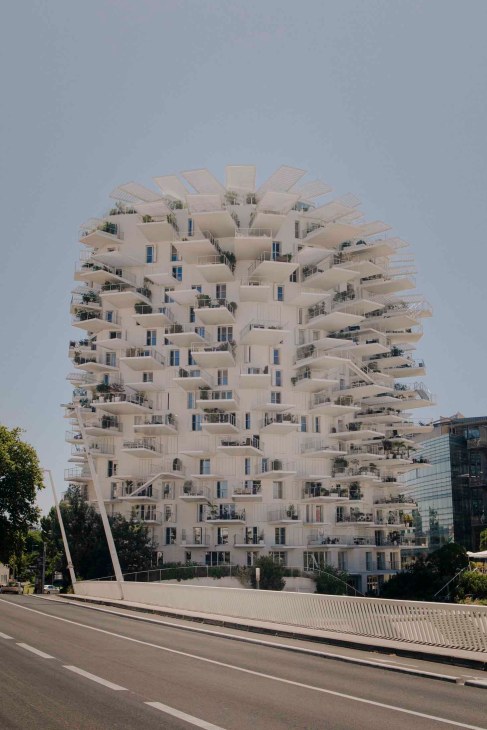
Laisné and Manal Rachdi in 2019
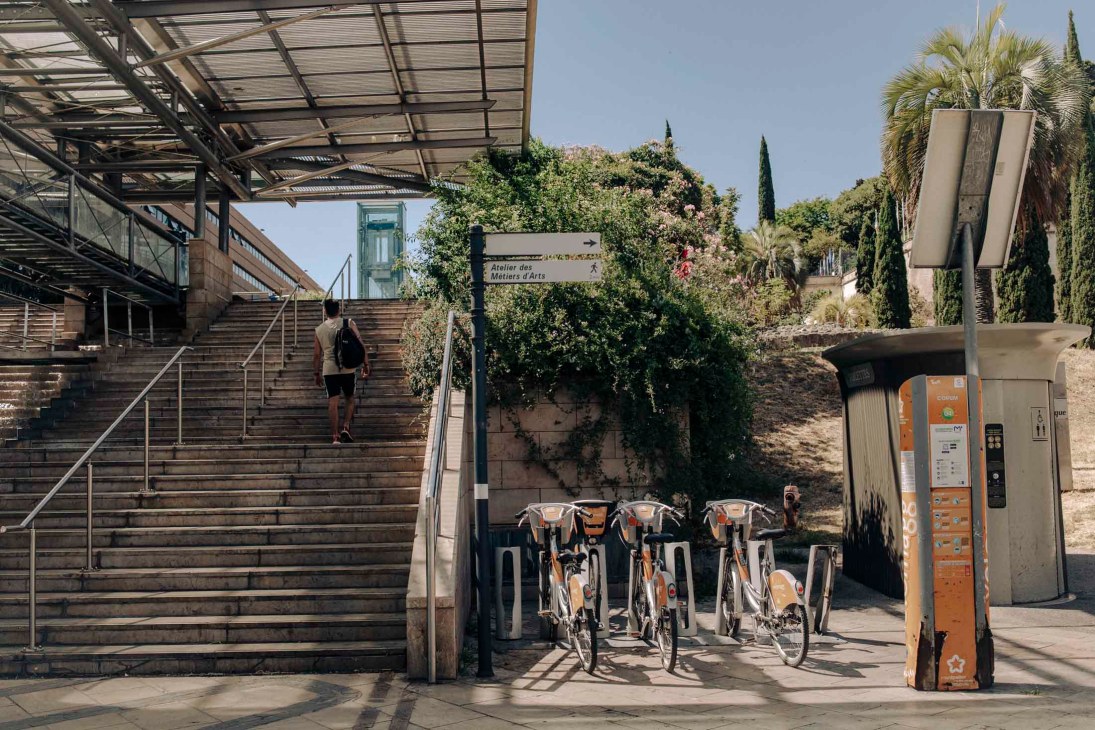
As in other places across the globe, Delafosse’s plan to pedestrianise the city centre by banishing most private cars has run into fierce opposition from shopkeepers who fear a decline in footfall. Newspapers in Montpellier have devoted countless column inches to listing noise complaints and roads closed due to construction. Though Delafosse’s enthusiasm is hard to resist, the frequent sight of cafés, épiceries and boulangeries standing empty behind metal sheets and pedestrian-diversion signs on a sunny July morning isn’t particularly reassuring.
“I was here when the first tramline was being built and we were complaining then too – but afterwards we all thought, ‘Wow, this has changed our lives,’” says Vincent Cavaroc, the director of Halle Tropisme. “We were also moaning that we would no longer be able to drive our cars into the city centre. But today everyone is happy to have one of the largest pedestrian centres in Europe. All of this has required a lot of audacity on the mayor’s part: after all, the best way to get re-elected is usually not to touch motorists. But he has carried out very important work.”
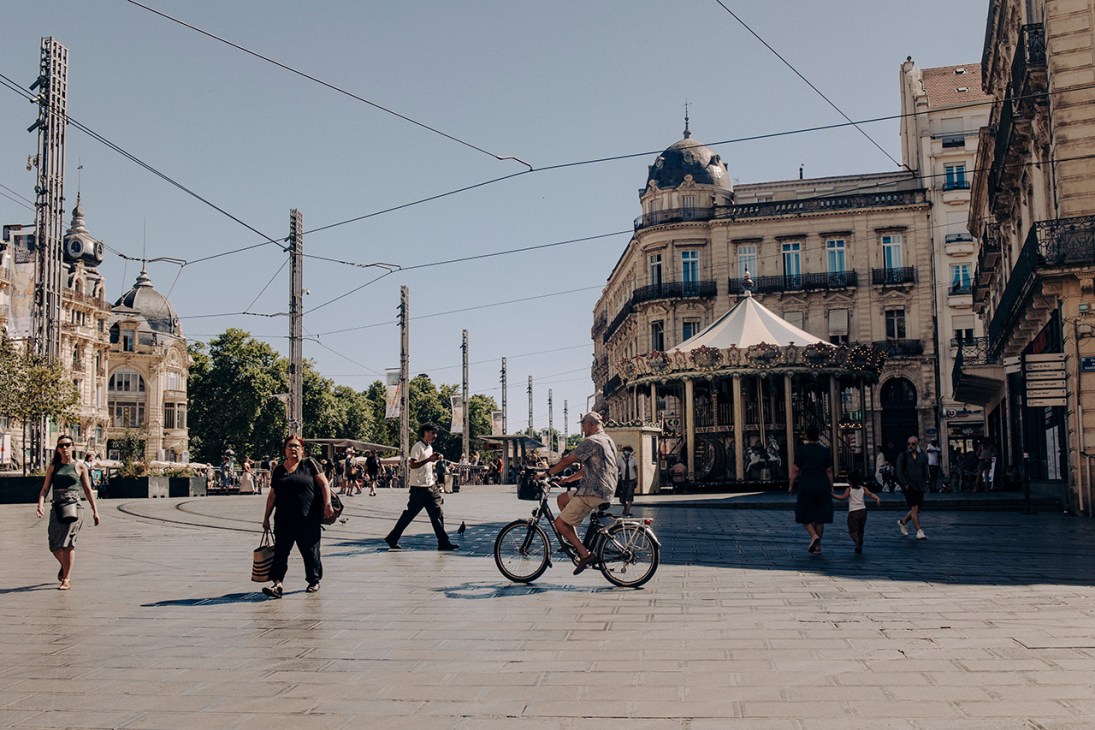
As recently as 2022, 40 per cent of journeys under 2km in Montpellier were made by car. Cavaroc echoes a common sentiment when it comes to the pedestrianisation of city centres: before it happens, some people vociferously object but many erstwhile opponents are later won over by a transformed urban space. To force through such radical change, politicians need charisma and conviction, both of which Delafosse has in abundance. The debate, however, is often divisive.
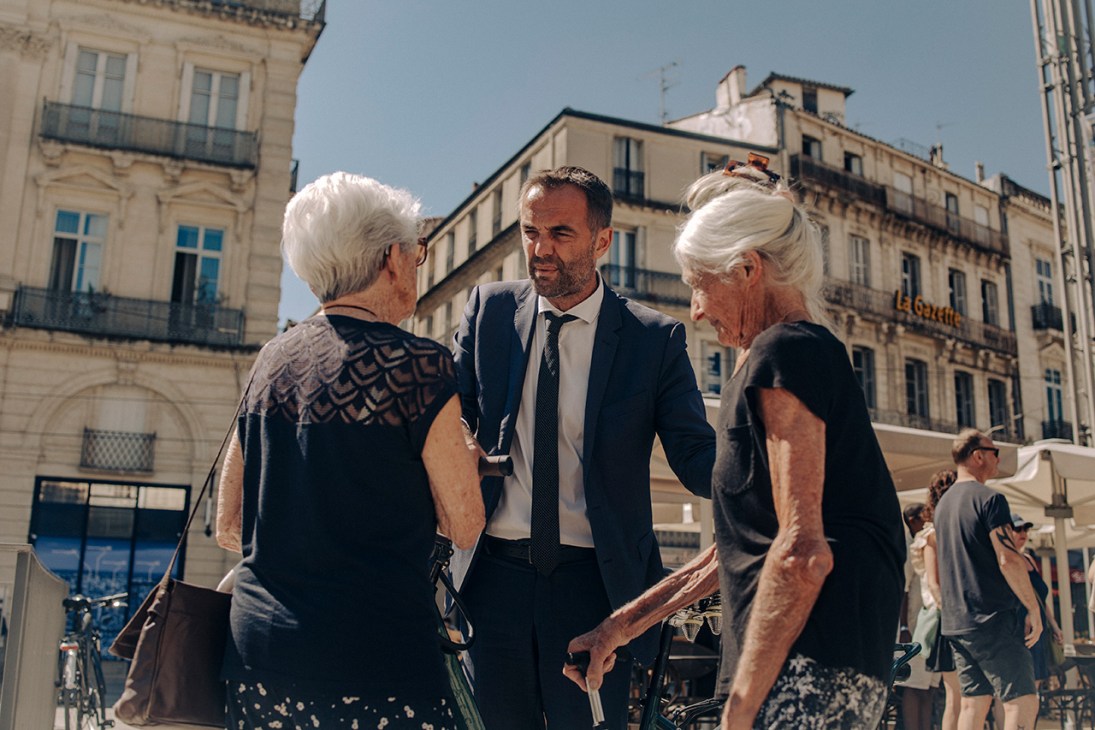
“If we want ecology to be a common concern, we must include everyone,” says the mayor as we stroll down the Esplanade, Montpellier’s historic central boulevard that makes up the main artery of its new pedestrianised zone. “That’s why free public transport is such a powerful lever. It reconciles respect for the planet with the social dimension of having accessibility for all.” A family of four, he explains, can make savings of €1,470 per year thanks to the scheme.
Under a canopy of towering elm trees that flank the main walkway, Delafosse pauses for a moment to watch a couple of children playing in water jets as their mother watches on from a nearby bench. Behind him, a few spindly specimens of the 50,000 trees that he has pledged to plant by 2026 sway in the breeze. “Show me where the children are and I will tell you what kind of city you are in,” he says. “A city that thinks of its children’s place in it is one that thinks of the future.”
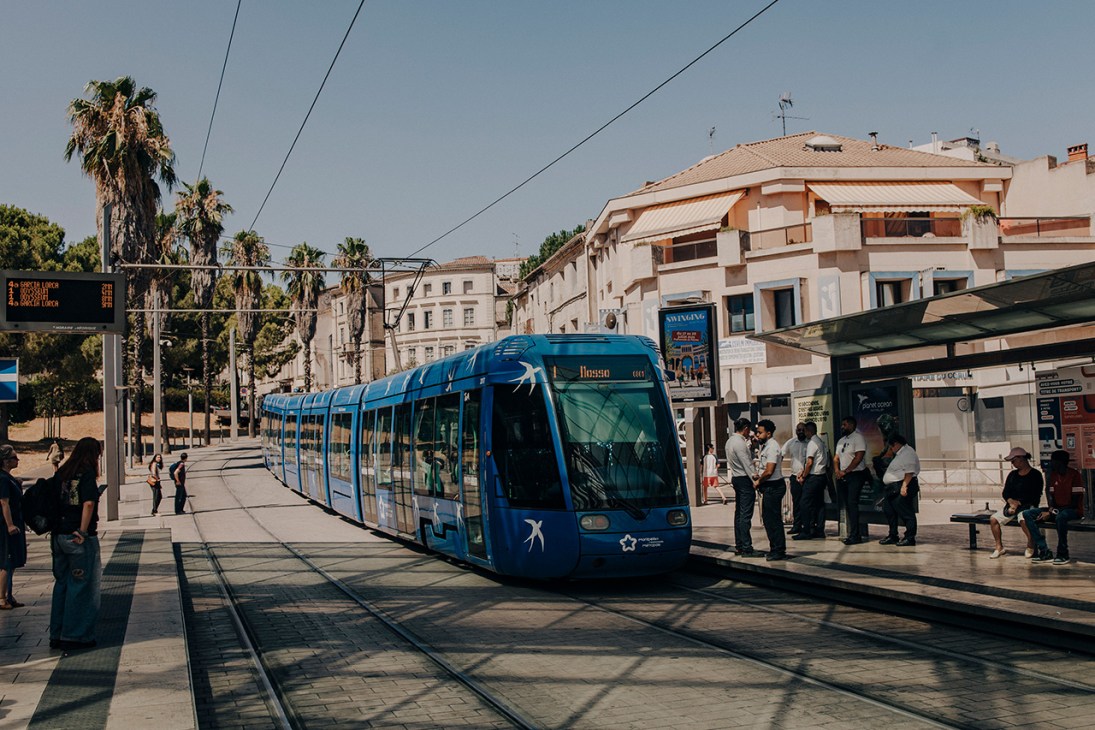
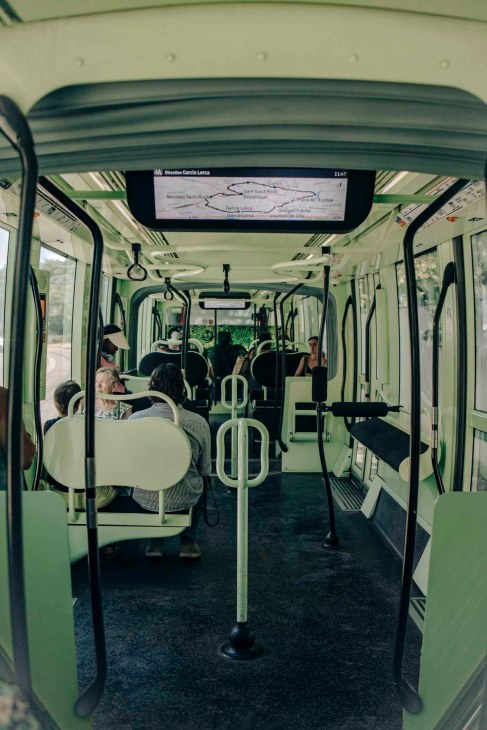
As to what he believes his own future holds, Delafosse keeps us guessing, saying only that he will announce whether he will run again after a period of “reflection” with his family. If Monocle had to guess, we would wager that Montpellier’s mayor will soon be hopping on the TGV to the Gare de Lyon. He has achieved a lot in just five years and exemplifies a certain type of ambitious 21st-century politician whose views on urbanism align with a populace that’s open to reimagining the urban space. But for now, he’s back on his electric bike, riding off into the afternoon.
Montpellier mobility in numbers

Green spaces
About 500 new trees, 2,000 shrubs and 700 bushes have been planted in Parc Georges Charpak, creating wildlife corridors and boosting urban biodiversity. In Parc Marianne, wildflower grasslands now cover 1.5 hectares.

Buses
The first line of a new Bustram network opened in May. Manufacturer MAN Truck & Bus France, which has supplied 70 electric buses, commissioned illustrator Alain Le Quernec to create a design for each of the five planned lines.

Cycling
Under Delafosse’s administration, more than 150km of new cycle paths have been integrated into the city’s network. A 384-metre underground cycling tunnel will also connect the Comédie and Antigone areas of the city.

No cars
The city’s main thoroughfare, Avenue Georges Clemenceau, was fully pedestrianised in 2022, removing the some 11,000 vehicles that drove along it daily. A low-emission zone has also been implemented across most of the city.

Trams
Montpellier’s enviable tram network continues to expand. Line 1 has recently been extended to the city’s Sud de France TGV station, while a new station has been added to Line 3 to provide better service.