Neighbourhoods
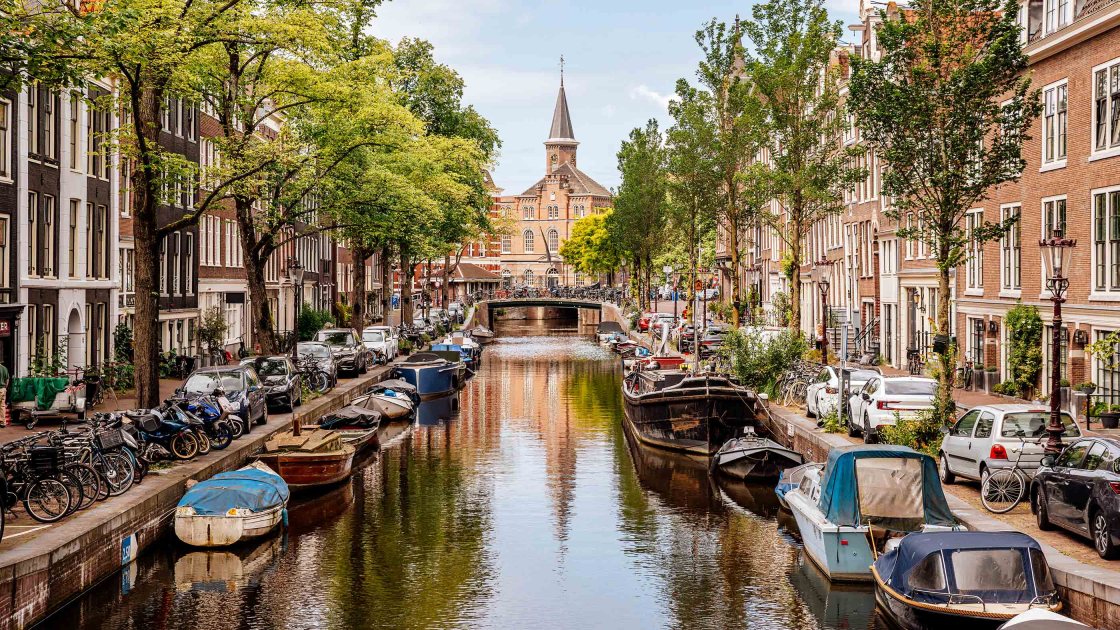
Amsterdam-Noord
A nonchalant district by the water
Take the free GVB ferry from behind Centraal Station and within minutes you’ll arrive at a former industrial district that has rewritten itself with confidence. The Eye Filmmuseum, which offers a programme of film retrospectives, restored classics and film-related exhibitions from the likes of Tilda Swinton, sits directly on the north bank. On warm evenings, Pllek, a beach hangout and restaurant assembled partially from recycled shipping containers, draws a mixed crowd of creative freelancers and young families.
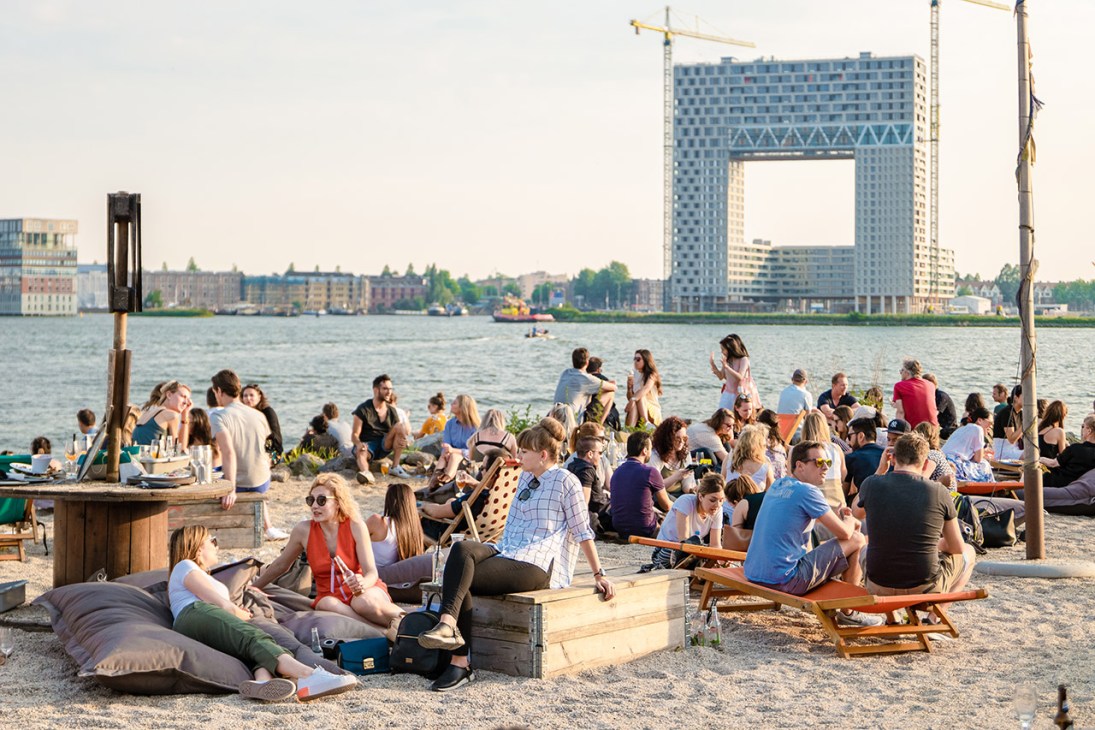
The true anchor of the neighbourhood is NDSM-Werf, a decommissioned shipyard two kilometres west of the ferry that houses artists’ studios in a vast steel-framed boat shed, one of Europe’s largest outdoor street-art installations and a flea market with approximately 750 stalls selling everything from vinyl to vintage clothing. For lunch, try IJ-Kantine for stamppot (potatoes, vegetables and sausage), open sandwiches and soups. Café-Restaurant Stork on the eastern edge of Noord is a reliable spot where oysters, sole meunière and Dutch classics are served in a large industrial room with excellent harbour views.
Jordaan
Every corner of this picturesque neighbourhood is a sight to take in
Despite its chocolate-box aesthetic and the fact that it has been ultra-gentrified, Jordaan still delivers more per canal than anywhere else in Amsterdam. You’ll come across independent galleries set in former mechanics garages and carpenter’s workshops, such as Galerie Fons Welters and Tegenboschvanvreden; the city’s cosiest brown cafés; the Saturday Noordermarkt for antiques and organic produce; and a density of 17th-century canal houses and hofjes (hidden courtyard gardens) that makes every turn a sight to take in.
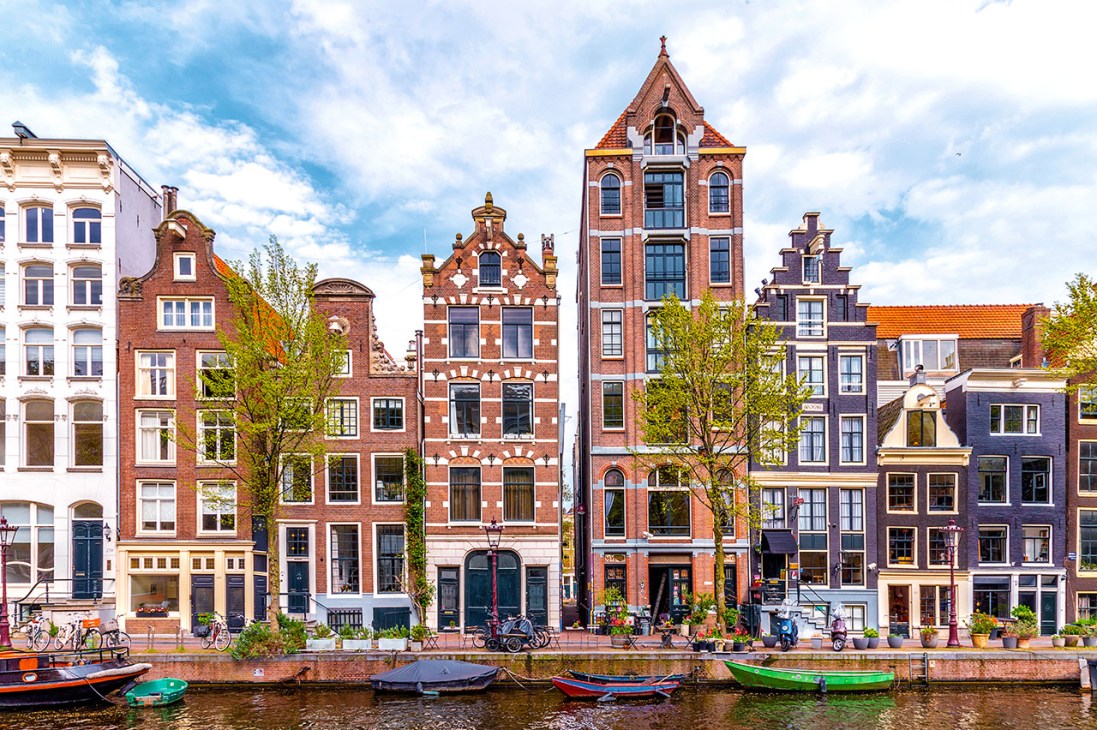
Start at the Westerkerk and head west toward the smaller cross-canal grid. Stop for lunch at the convivial Bagel Boy on Tweede Goudsbloemdwarsstraat. Café ’t Smalle on the Egelantiersgracht is the essential brown-café stop; the canal-side terrace is one of the city’s loveliest summer spots. For dinner, book a table at Toscanini on Lindengracht, an understated Italian restaurant since 1985. The menu changes but signature dishes include the hand-rolled pappardelle with wild boar ragù. End your night at Café de Tuin, a cosy spot a five-minute walk away on Tweede Tuindwarsstraat.
De Pijp
Discover the many faces of this free-spirited neighbourhood.
Once a 19th-century working-class district, De Pijp became the city’s bohemian heartland in the 1970s and is now evolving into something harder to categorise (it’s still creative but is becoming increasingly affluent). Better still, it has a food scene that many see as rivalling Jordaan’s. The Albert Cuyp Market (one of Europe’s longest street markets, open Monday to Saturday) anchors the neighbourhood and the streets around it contain some of the city’s best independent restaurants, including a slew of Surinamese roti joints such as the excellent Roopram Roti. The area is also an odds-on bet for having more coffee roasters than any other Dutch postcode.
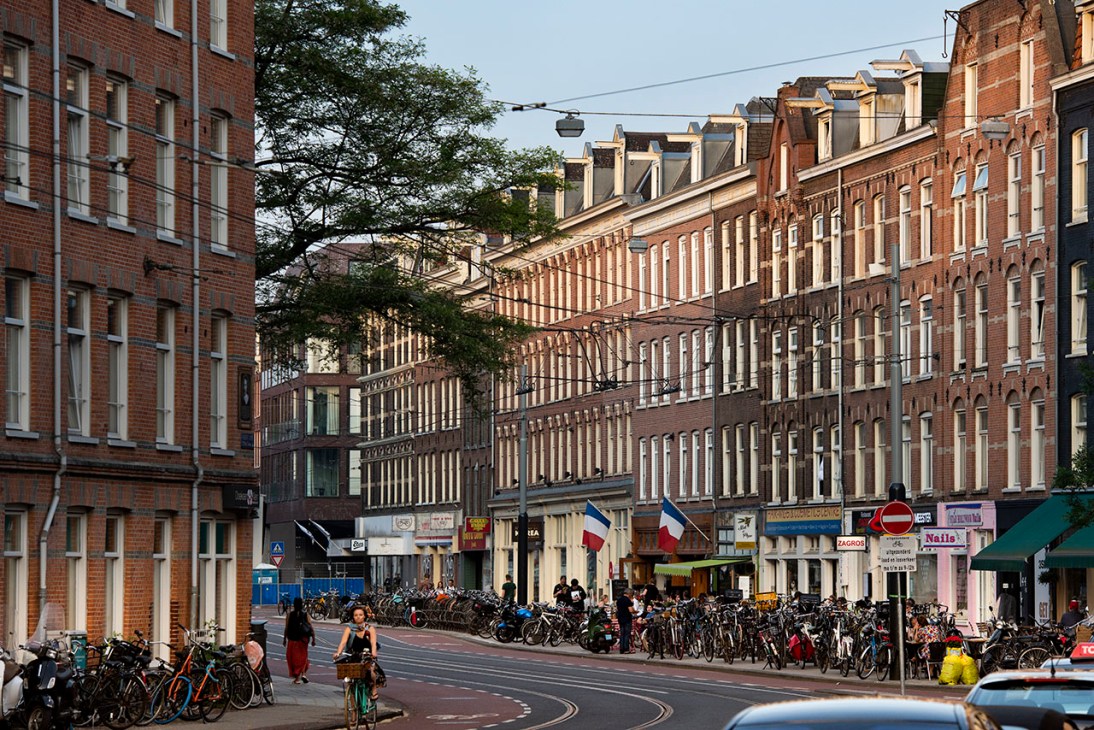
Begin with a brew at Scandinavian Embassy on the compact Sarphatipark – this is perhaps the neighbourhood’s spiritual centre, with exceptional filter coffee in a relaxed setting – and head north from there. When needing to refuel, loop back round to Ceintuur Theater, a converted cinema turned all-day rotisserie overseen by chef Atti de Moll. Petit Caron on Frans Halsstraat is a warm, unfussy modern French bistro that serves late bites. Bar-wise, Café Sarphaat is ideal for an end-of-evening beer. But generally speaking, De Pijp is perfect for off-the-cuff plans.