
Bars and restaurants
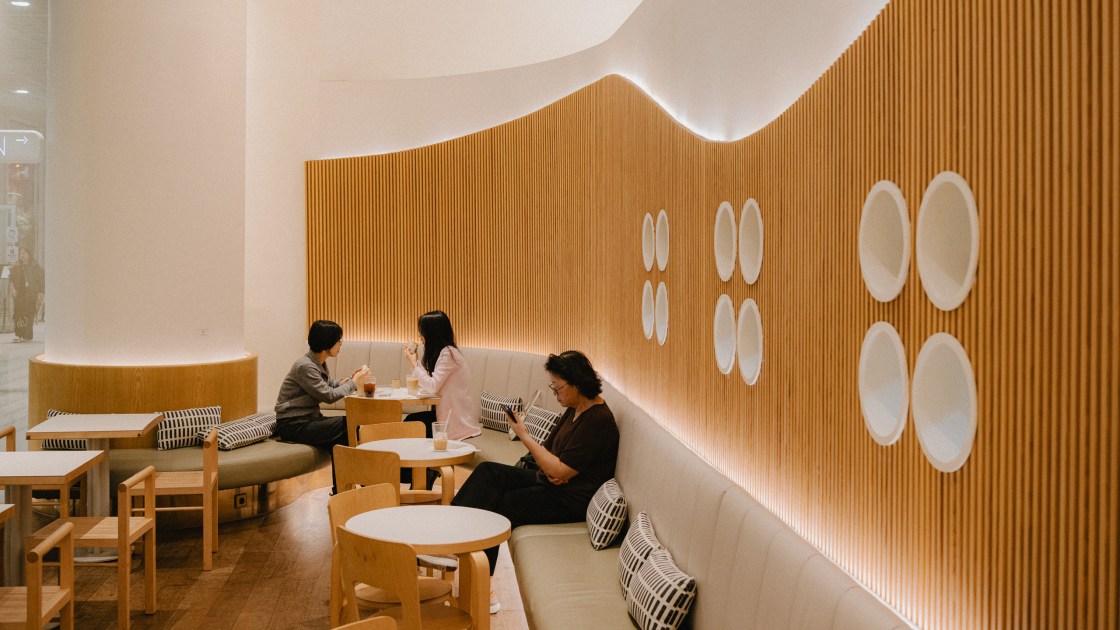
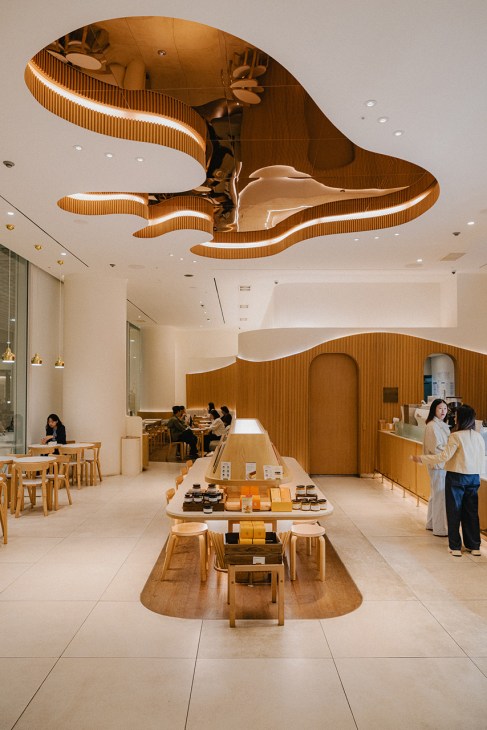
Cafe Aalto by Mealdo, Sinyongsan
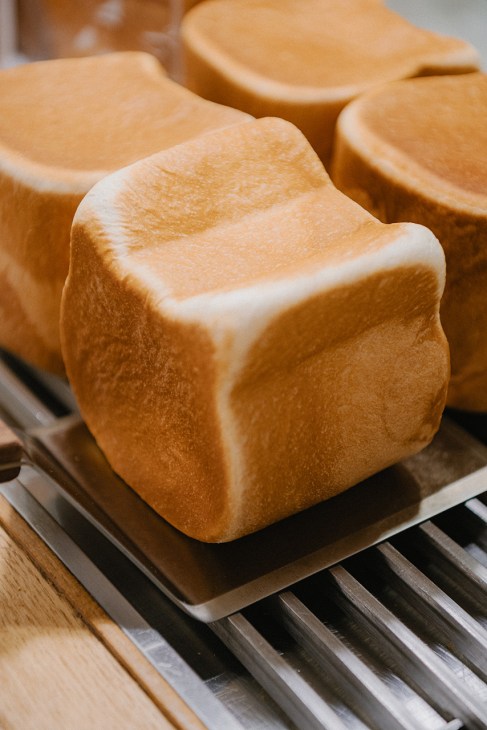
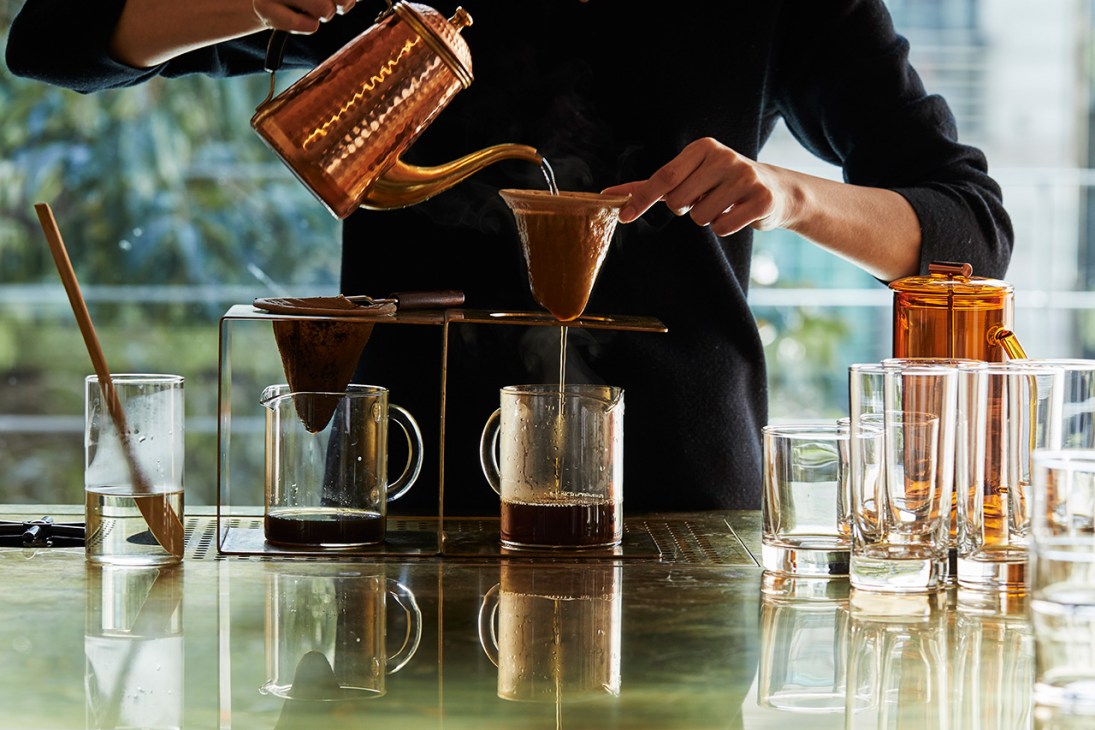
This bakery-café is tucked away in the basement of the HQ of Amore Pacific, South Korea’s largest cosmetics company. The design is refreshing and clean, taking inspiration from the works of Finnish designer Alvar Alto as evidenced in the birch decor. Order the milk bread and the signature Aalto Coffee, which uses a speciality roast from Finnish barista champion Lauri Pipinen and is topped with a sweet chestnut cream.
Keunkiwajip, Bukchon
This maze-like restaurant is known for its raw crab, sourced from Seosan in the South Chungcheong Province, that’s been marinated in soy sauce. True to South Korean generosity, Keunkiwajip also offers a variety of banchan (side dishes) – including seasonal vegetables such as bean sprouts, peppers and lotus roots – as well as steamed pork with kimchi and doenjangjjigae (a classic soybean stew). Walk-ins only.
MAP
Dooreyoo, Bukchon
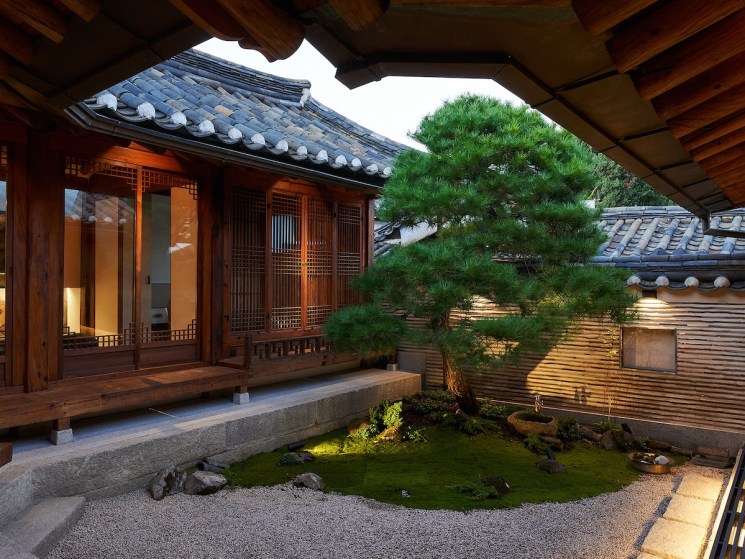
Though situated in the noisy, historic neighbourhood of Bukchon, Dooreyoo offers a sense of calm. Set inside a wooden hanok, its large windows provide ample natural light and a view of pine trees. The restaurant, which is run by chef Yoo Hyun-soo, serves classic dishes including dongchimi, a variety of kimchi that’s been placed inside ceramic pots and left to ferment on the rooftop. The menus make use of traditional produce (stingray, beef, silver pomfret and clams) and there are also less familiar ingredients such as rabbit and pheasant.
MAP | WEBSITE
Zest, Gangnam
One of Korea’s best bars, Zest is known for its sustainable mixology that uses locally sourced ingredients. It makes the most of the hallabong orange, for instance: its juice is incorporated into the Jeju garibaldi, its peels are redistilled into the bar’s house gin and leftover pulp is incorporated into cordial and sauerkraut. The interior is dominated by wood, stone, clay and earthy textures, and the spartan aesthetic directs your attention on the bartenders and their craft.
Yunjudang, Haebangchon
Taking inspiration from Joseon Dynasty-era travel lodges while still maintaining the look of a typical wood-and-brick Haebangchon villa, Yunjudang specialises in traditional alcoholic drinks such as soju and makgeolli (rice wine). Delicious sides common in Korean bars, including steamed pork and potato pancakes, are also on offer. Owner brewmaster Yun’s rice wine are homemade varieties that you can’t find anywhere else – try the Evening at Namsan and the Yunjudang Takju.
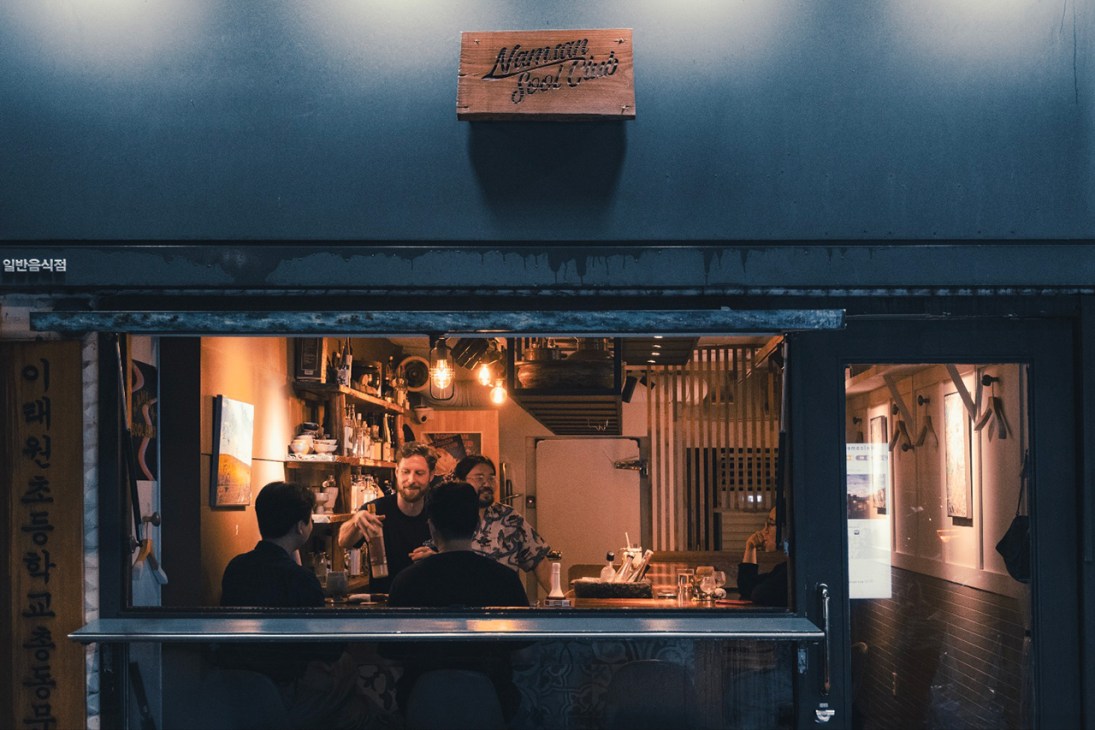
Namsan Sool Club, Gyeongnidan
Launched by American-Canadian expat Dustin Wessa, a certified traditional sool (alcohol) sommelier, this beloved neighborhood bar can be found next to the historical US military base near Itaewon. This cosy joint offers more than 100 varieties of Korean alcohol, from takju (unfiltered rice wine) and cheongju (filtered rice wine) to distilled and undiluted soju.
O’neul, Yongsan
Specialising in Joseon-era royal cuisine, this restaurant is where celebrations occur. Many dols – first birthdays – are held here. You’ll find many classics elevated with fine-dining techniques, such as acorn jello, japchae and a variety of seafood and meats that are grilled, boiled and added to soups.
MAP | WEBSITE
Gowooga, Yeouido
This omakase restaurant is celebrated for its premium Korean beef, which can be enjoyed several ways, including raw, inside perilla-oil noodles, or marinated in soy sauce and grilled. The large private rooms often host business meetings and gatherings of the country’s lawmakers after a day at the nearby National Assembly.
Eulmildae, Mapo
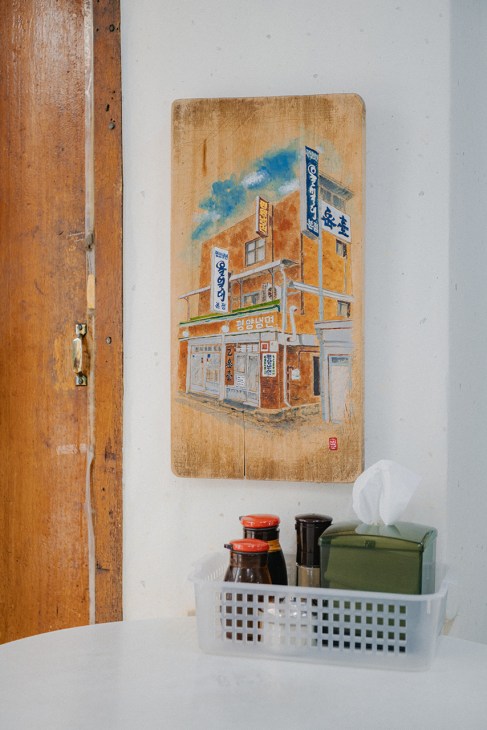
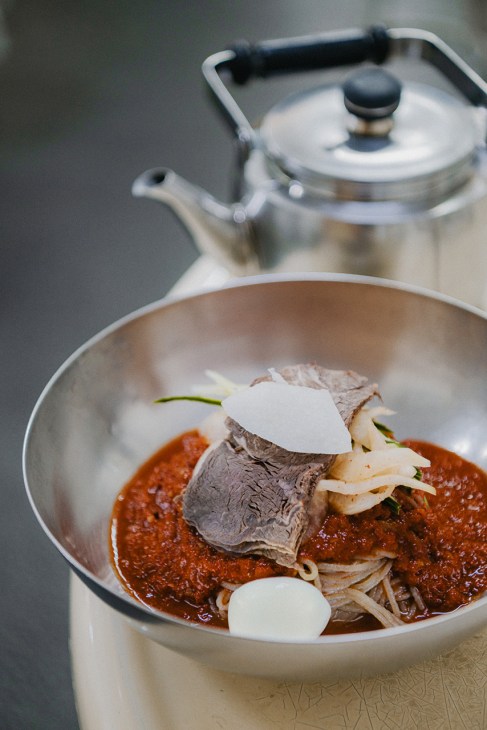
This restaurant is legendary among Seoulites for its Pyongyang naengmyeon – cold buckwheat noodles with a mild meat broth. It’s said that the dish originated in North Korea nearly a millennium ago. In South Korea, this is a beloved summer specialty, as demonstrated by the queues at Eulmildae, which has been serving customers for five decades and continues to press its own buckwheat dough and brew its signature beef broth, which comes with a refreshing hint of dongchimi (radish-water kimchi).
Anmok, Seongsu
Pork gukbap (broth with rice) originated in Busan during the Korean War, when refugees used pork scraps discarded by the US military. Anmok, which holds a Bib Gourmand, elevates this beloved comfort food. The broth is silk-smooth and the meat is incredibly tender. Unlike at other high-end restaurants that put a spin on everyday cuisine, the dish here retains a warm, familial quality.
Redoobooro, Seocho
At the foot of Cheonggye Mountain, Redoobooro is the perfect place to end a casual hike near Gangnam. Here, you can enjoy several varieties of homemade tofu dishes paired with drinks brewed by regional masters. For something warm, try the tofu with kimchi; for a refreshing summer dish, order the cold noodles. Make sure to try the Winter Child Donggukyi, a premium makgeolli (rice wine) that’s infused with chrysanthemum.
Cafe Onion, Seongsu
Often called the “Brooklyn of Seoul,” Seongsu is an old industrial hub that’s now favoured by the city’s creatives. Cafe Onion, which has contributed to the area’s growing popularity, is situated in a building dating to the 1970s (it’s had many lives, including as a supermarket, restaurant and shoe factory) and has retained its rusty pipes and cracked cement. There’s an array of pastries and desserts – the signature is the pandoro, which is best paired with an Americano while perched on the café rooftop.
MAP | WEBSITE
Anthracite Coffee, Hapjeong
This popular coffee stop has branches all over the country but the original Hapjeong shop, set in a former shoe factory, is still one of its best outposts thanks to its industrial fit-out. The various blends on offer showcase Anthracite’s love of literature: the Pablo Neruda is a sweet medium-light roast made with beans from Guatemala and Ethiopia; the William Blake is darker and heavier, with hints of dates and blackcurrants. Make sure to order a strawberry cake too.
MAP | WEBSITE
Jinju Hwegwan, Jongno
Though there are framed autographs from heads of states, CEOs and billionaires all over the walls of this restaurant, its menu and decor still feel humble. The signature kongguksu (cold soybean noodles in white soybean broth) look deceptively simple but with incredible depth in flavour. Don’t forget the kimchi for an extra kick.
Paul’s Diner, Gyeongnidan
This is the type of restaurant that might be easy to spot in Europe but is hard to find in Seoul. Paul’s Diner excels in classic, seasonal pastas made from scratch – try the lemon pecorino with shrimp. It’s also worth leaving room for the refreshing Mediterranean octopus salad and the hearty, whole-roasted lamb. Ask the owner, Paul Kim, for his natural-wine recommendations.