Neighbourhoods
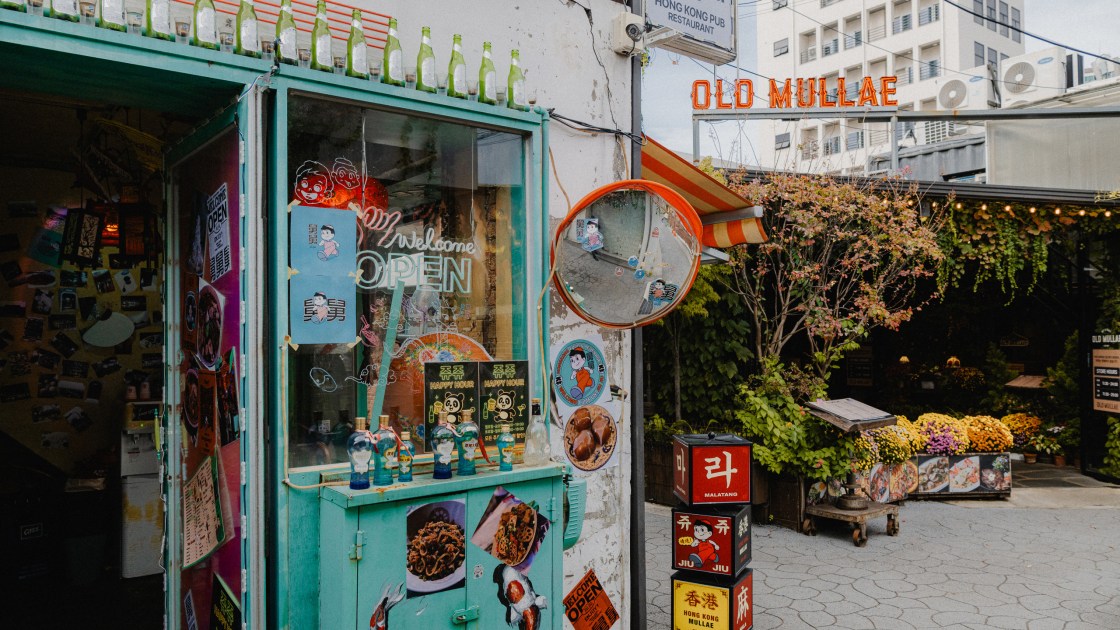
Mullae Creative Village
An industrial hideout for Seoul’s creatives
This neighbourhood in southwest Seoul feels like two different worlds were layered on top of each other. On the surface it is still an old industrial district, where workers have been fabricating steel parts since the 1970s. But in recent years, a vibrant arts district known as Mullae Creative Village has been woven into the fabric of the scene. Compared to more gentrified neighbourhoods, such as Hongdae and Seongsu, Mullae comes across as less performative and unpretentious.
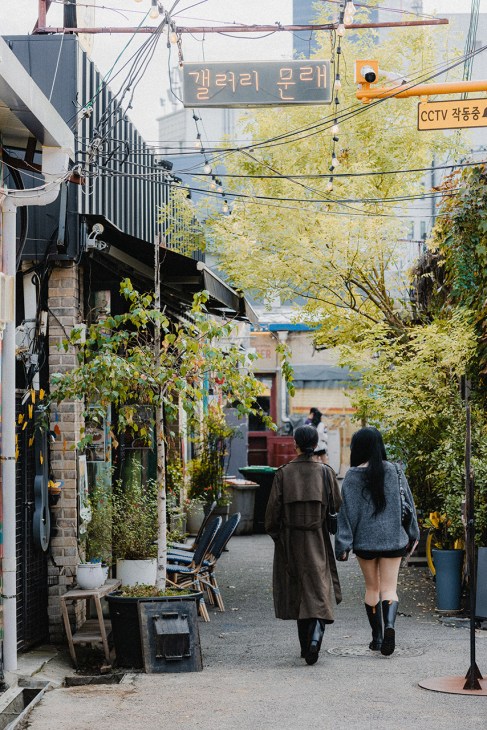
Here you can listen to live music performances by various indie artists at Gallery Mullae, which is located next to a small industrial-machine manufacturer. It’s also worth checking out the area’s murals and installations, including those by artist Wezt, which are peppered throughout the streets and alleyways. Pick up fresh pastries at Rust Bakery, situated in a converted factory, have a glass of wine inside the dimly lit Bricks Boxx and make sure to sample the wide variety of food on offer – for lunch, we recommend a bowl of ramen at Roramen, and for dinner, head to Jamsugyojib for soju and Korean barbecue.
Seongsu
A hip neighbourhood where concrete warehouses are home to the latest trends
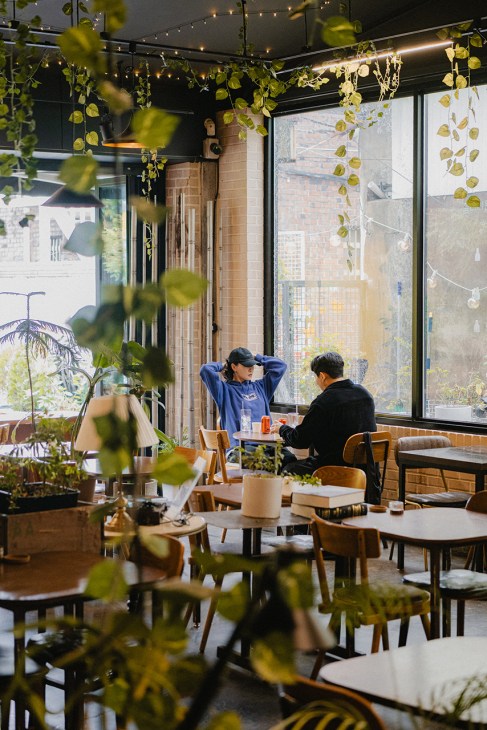
Located in east Seoul, on a triangular wedge of land between the Hangang and Jungnangcheon, Seongsu was overrun in the 1990s with ironworks, printmakers and cobblers. Since about 2010, however, artists, designers and social enterprises have been moving into the area, ensuring that excellent coffee, artisanal ceramics, cool galleries and stylish brands are staples here.
The cafés to check out are Daelimchanggo, a former rice mill that offers a great espresso served with sparkling water, and Onion. To fuel up for a few hours of exploring, head to Soba Mae for its delicate buckwheat noodles, which are paired with smoked herring. Or stroll down the beloved Galbi Alleyway, which offers a line of barbecue joints specialising in soy sauce-marinated beef. Visit the D Museum for contemporary art and photography, or Groundseesaw, an artists’ space that also offers temporary exhibitions ranging from South Africa’s Werner Bronkhorst to Jo Eun and Lee Gi-hun from South Korea. Finish off with a walk to the nearby Seoul Forest Park, a welcome reprieve of greenery in the middle of the city. We also suggest seeking out a bicycle at one of the many Seoul City Bike stations scattered throughout the neighbourhood and cycling around.
Seochon
Pockets of heritage alongside ritzy modernity
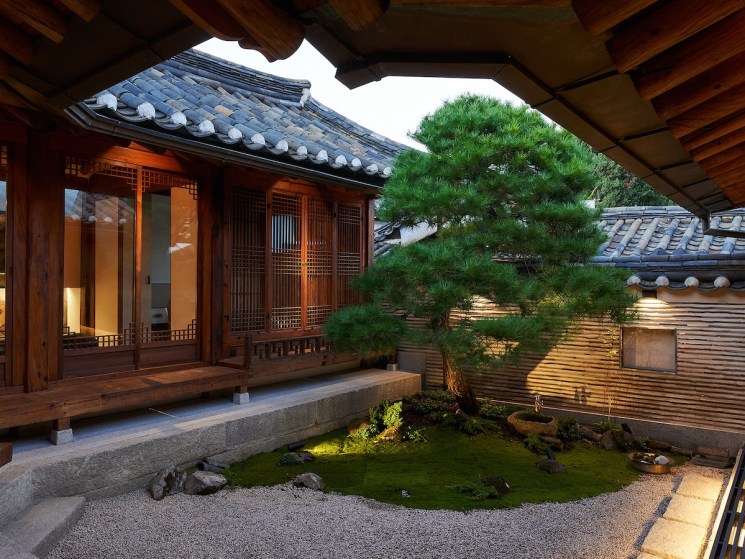
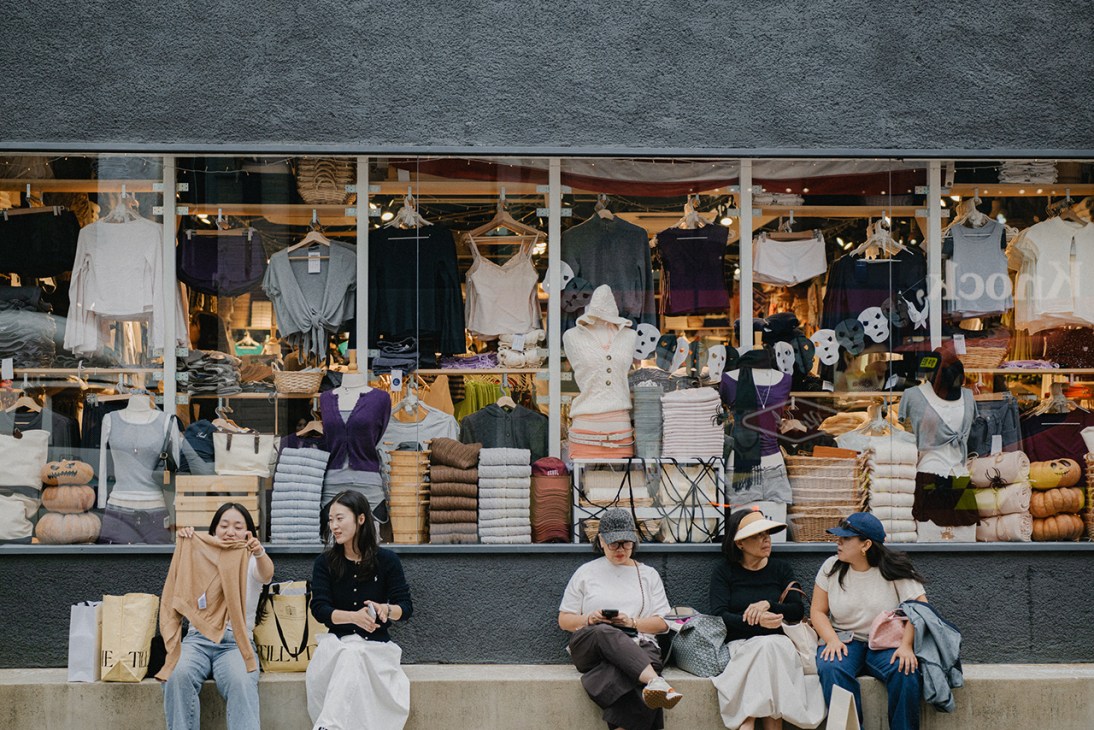
During the Joseon dynasty, nobles lived in Seochon to be in proximity to Gyeongbokgung Palace. The neighbourhood, which lies to the west of the palace gates, was also the home to intellectuals, mid-level officials and artists; nowadays it is populated with writers and creatives wanting to be within easy reach of nature, with Inwangsan Mountain forming the backdrop to this urban village. A stroll around the area will reveal hanoks and outposts of contemporary brands – including clothing labels Rola Rola and Ofr Seoul, and jewellerymaker Oene – coexisting in tight lanes, one of the key features that makes both Seochon and the rest of the city so alluring.
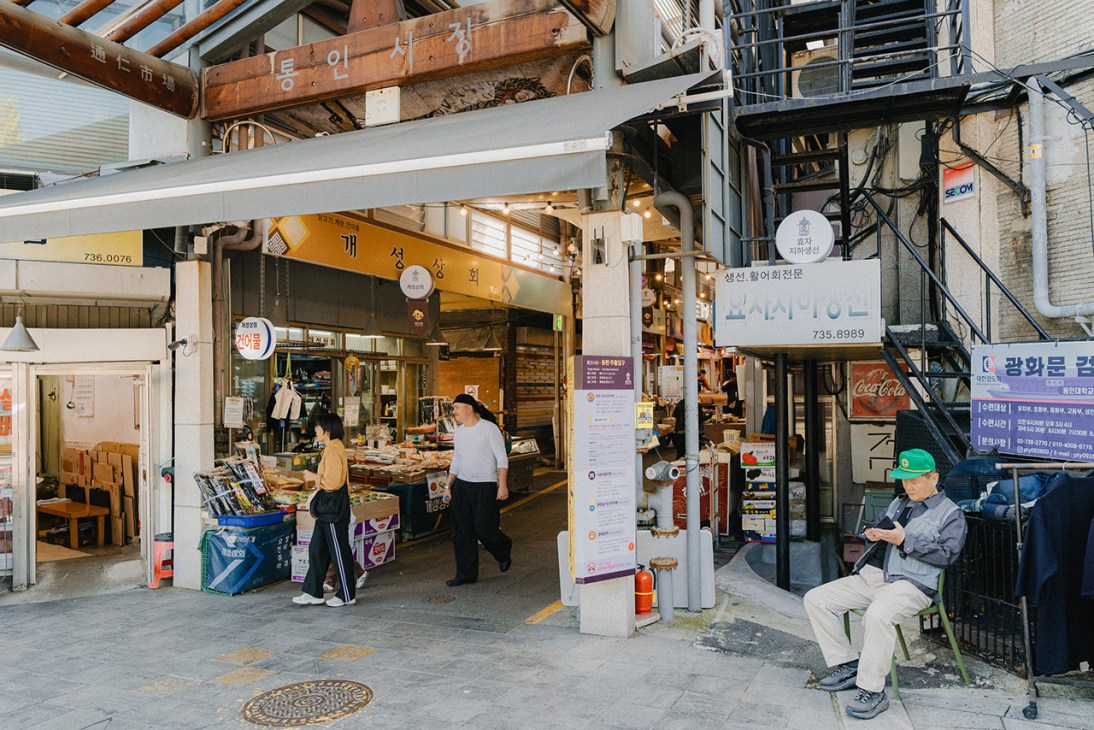
Though you might initially be put off by the long lines at popular restaurants, the wait is often worth it. Try Korean-Chinese Younghwalu; Kanda Soba, a Tokyo-style mazesoba; and Tongin Gamjatang for its hearty pork-backbone stew and hole-in-the-wall feel. Stroll through Tongin Market, a lived-in neighbourhood marketplace selling street food, pre-made banchan (side dishes) and produce. At the western end of the market, stop by Jamindang and try the fluffy ggwabaegi (twisted donuts). End the day at Bar Pomme, which offers creative cocktails that use local ingredients – try the amaretto sour, which combines Korean plums and Cheongyang chilli peppers into a surprisingly smooth, sweet and sour blend.