Hoshino Resort’s OMO7 Yokohama hotel gives new life to the former city hall
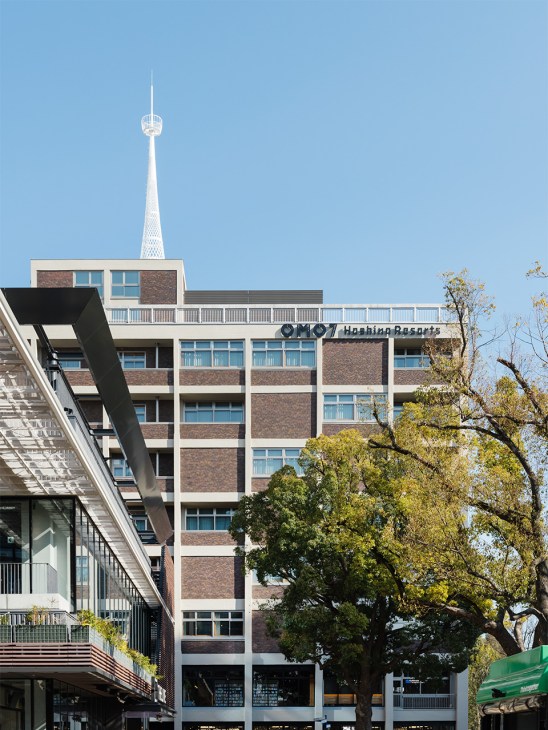
A new hotel in Yokohama’s former city-hall complex makes striking use of its spacious building designed by celebrated architect Togo Murano, preserving an old-school charm rarely found in contemporary builds.
In 1959, Togo Murano, one of Japan’s greatest modern architects, built Yokohama’s much-loved city hall. The complex has now been remodelled and renovated, with its old administrative building converted by Hoshino Resorts into a 276-key hotel, OMO7 Yokohama.
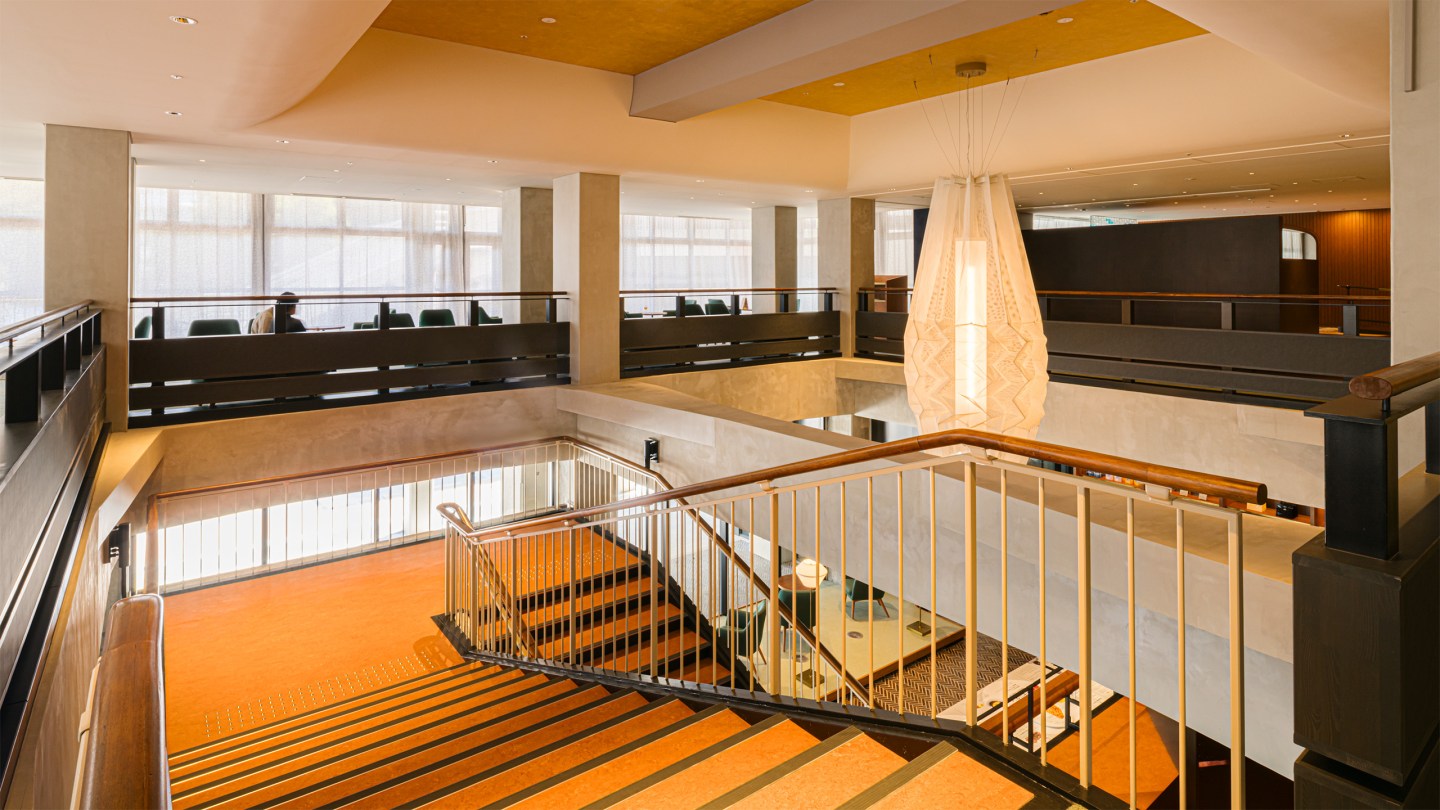
The renovation design was handled by Takenaka Coporation, with interior design and supervision by Naruse-Inokuma Architects. The team did its best to keep what it could and accentuate Murano’s design. “Developers would never build like this now,” says Yoshiharu Hoshino, the CEO of Hoshino Resorts and operator of OMO7. “The empty atrium space doesn’t make sense in modern business terms but it adds so much value. Nobody would agree to a staircase taking up so much space now but the atmosphere is wonderful. Togo Murano’s imagination allowed us to create this hotel.”
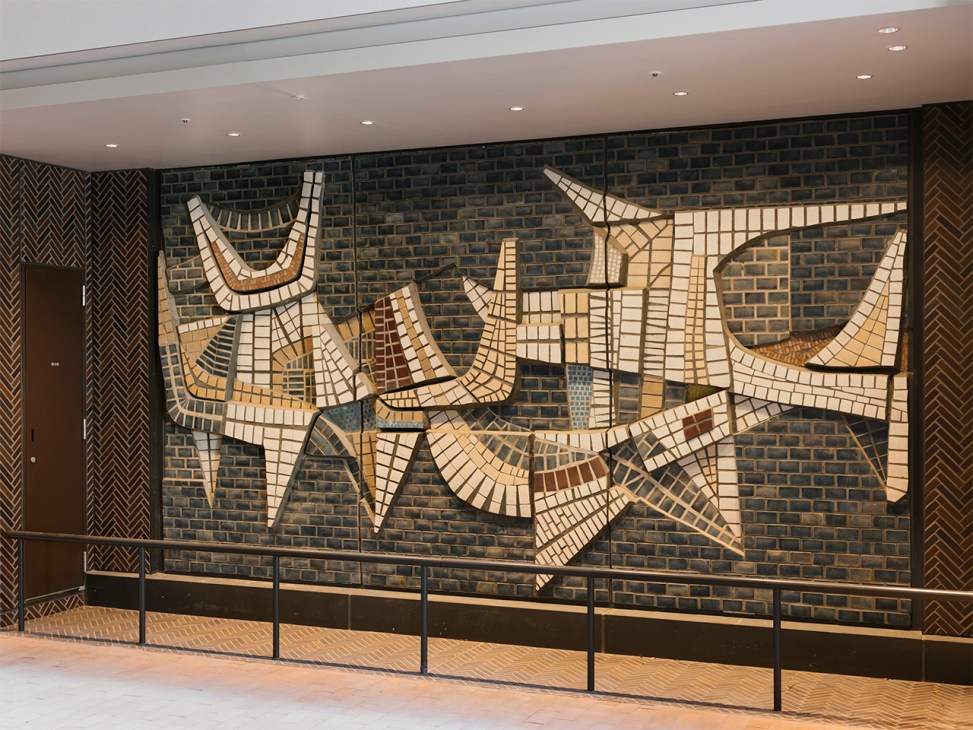
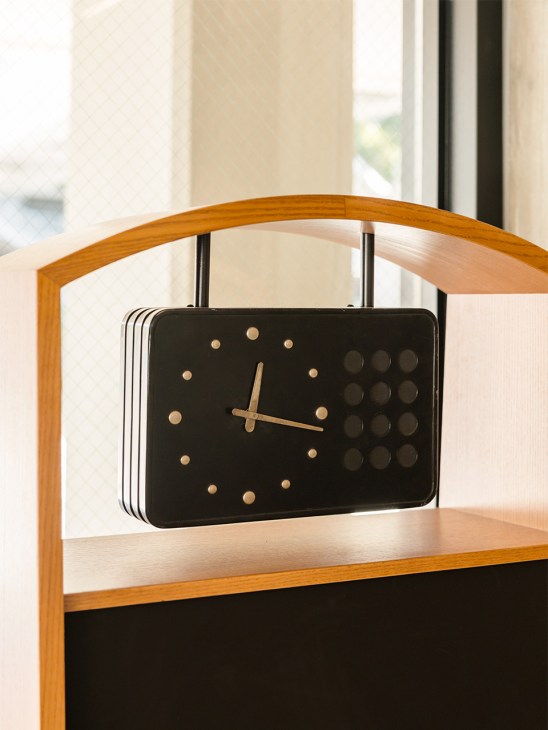
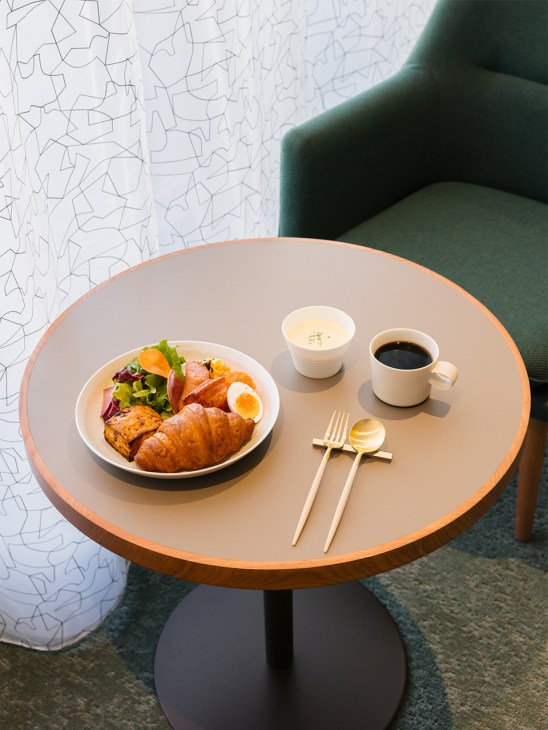
Original floor tiles, door handles, lights and clocks have been given a second life, while new elements are infused with colours and materials in keeping with Murano’s vision. “Where possible, we preserved and reused items in their original location,” says architect Jun Inokuma. The atrium’s handrails were repurposed, while the green chairs on its upper floor have been reupholstered. City-hall artworks have been repaired and, in some cases, moved. A prominent ceramic mural, “Sea, Waves, Ship” by sculptor Shindo Tsuji, is now on the bakery wall.
The interiors were inspired by the bold hues that Murano used in the old city hall: green in the council chamber, red in the speaker’s office and vivid blue wall tiles. One floor is dedicated to dogs and includes a grooming area and special quarters in which they can sleep. Meanwhile, the hotel’s restaurant reflects cuisines popular in Yokohama, including yoshoku (Western-inspired cooking) and Chinese (Yokohama has a historic Chinatown).
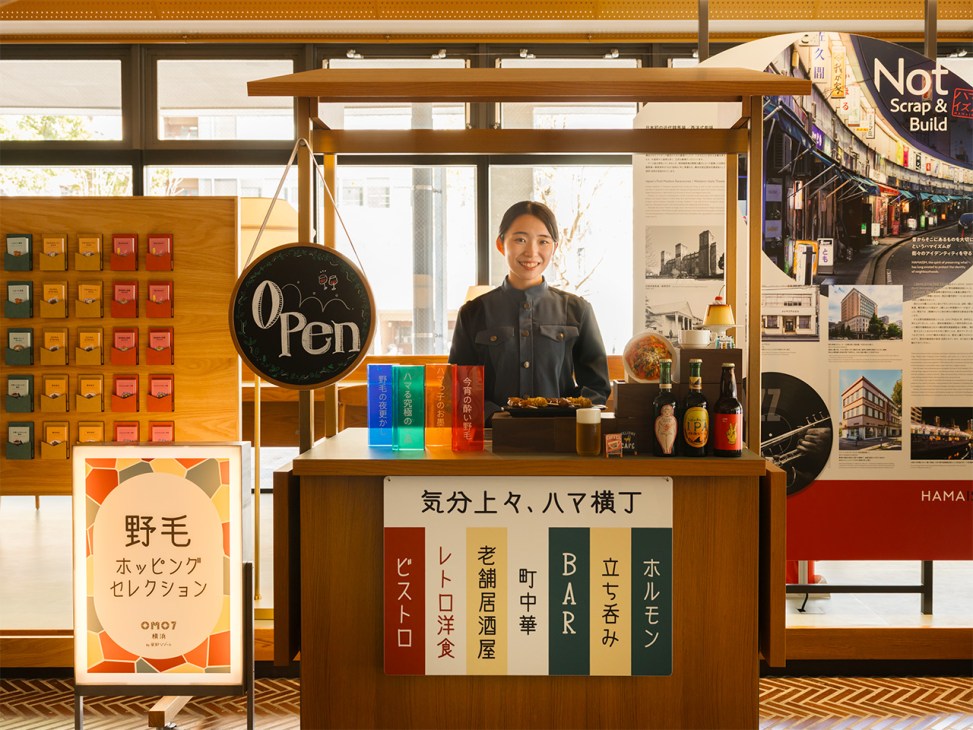
OMO is Hoshino’s city brand, while the “7” denotes “full service”. The area beyond the hotel, now renamed Basegate, has been redeveloped and offers shopping, food and offices. Chinatown, the waterfront and Yokohama Park are just a stroll away. Hoshino is now working on another renovation in Nara – converting the city’s former prison into a hotel. “I’m fighting against design driven by space efficiency,” he says. “One of the best ways is to use old buildings and give them new value.”
yoshinoresorts.com
Yokohama: A city of firsts
Japan’s second-largest city was one of the first to open up after the country’s mid-19th-century isolation. It was also the first in the country to have a commercial beer brewery (Kirin) and ice cream. Today, on one side of OMO7, rooms look out on Yokohama’s 34,000-seat baseball stadium. The roof terrace (with a bar) offers a striking view of the action.