Muh Shoou’s latest hotel is a sanctuary for Shanghai’s city dwellers
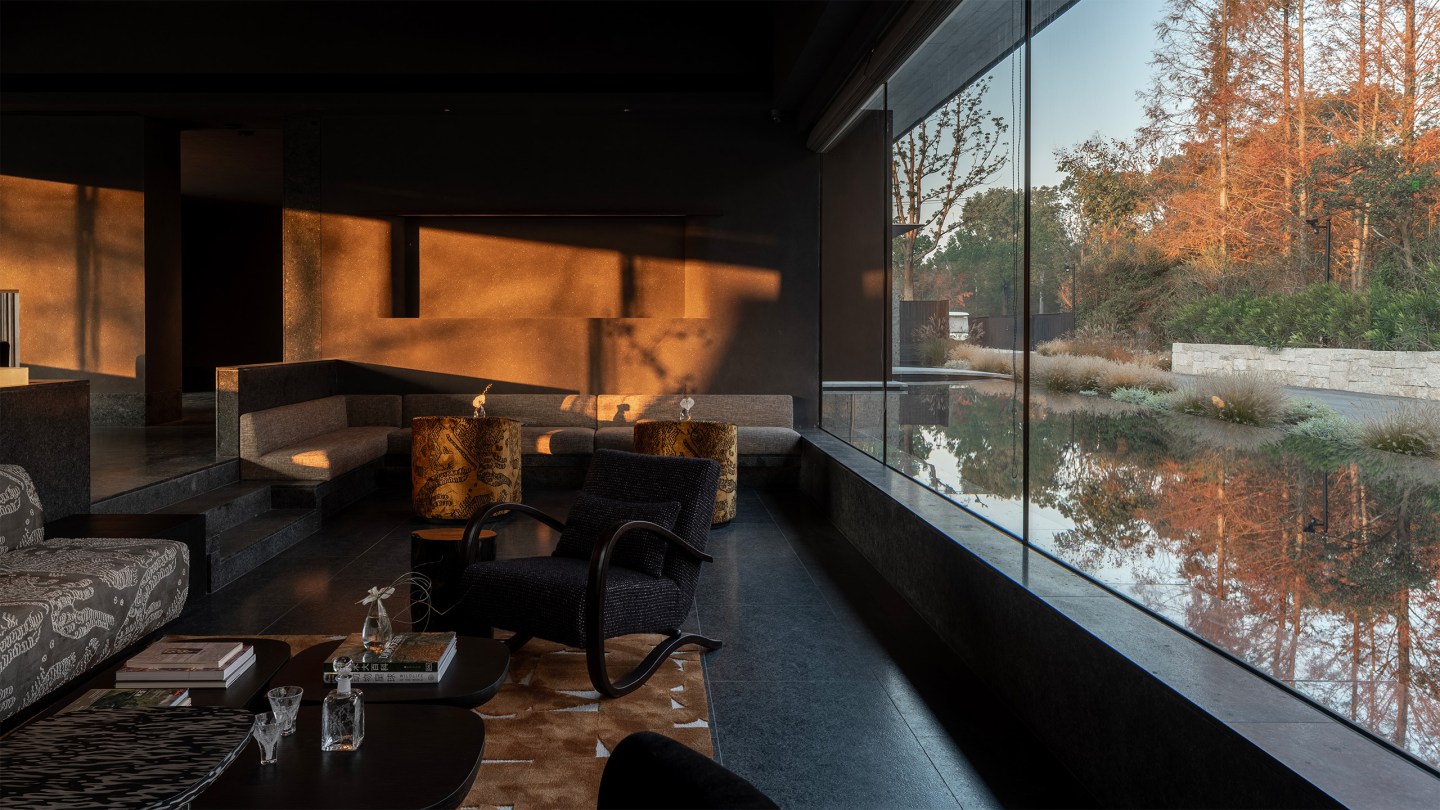
Muh Shoou Zhujing is the kind of urban bolthole that manages to feel bucolic and traditional without sacrificing a single creature comfort.
Independent, design-led hotels are booming in China thanks to strong demand for domestic travel and a growing number of visa-free international arrivals. Many of these properties are next to postcard lakes and mountains but not all require boarding an internal flight or high-speed train.
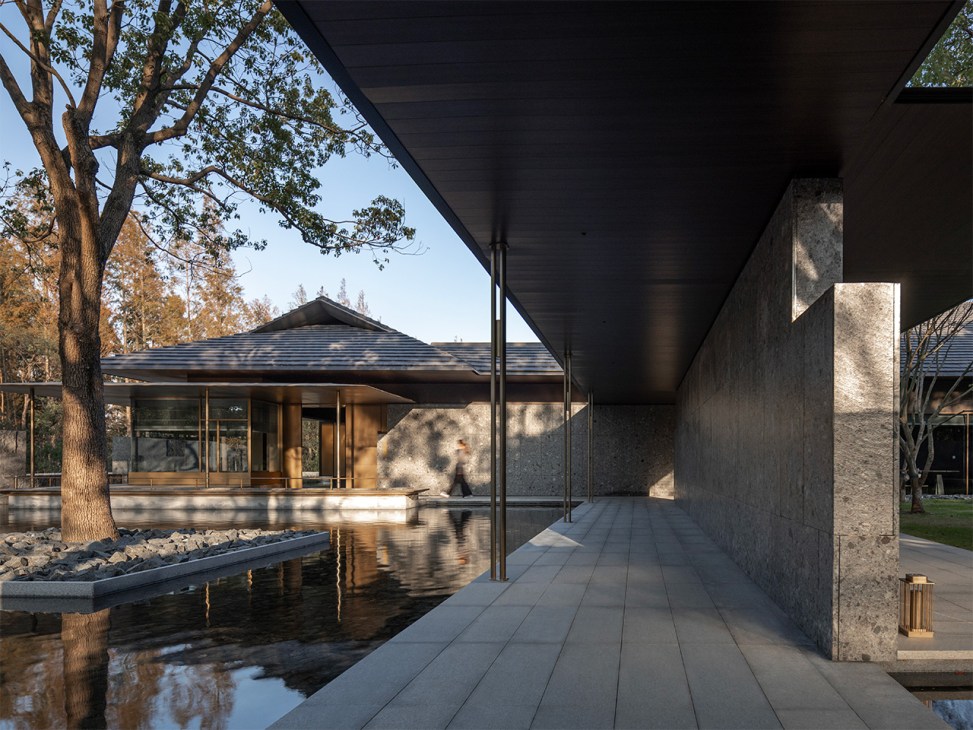
An hour’s drive from downtown, the 65-key Muh Shoou Zhujing hotel opened earlier this month in Zhujing, a scenic water town in Shanghai’s southwestern Jinshan district. It’s a quiet escape among rice fields, waterways and forest paths, where each room boasts its own garden. It’s a far cry from the country’s commercial hub up the road, with the highest building being a modest two-storey teahouse and a neighbouring flower park sitting beyond the walled compound.
For general manager Alex Li, a 23-year veteran of Aman, Four Seasons and Hyatt, this is his first time working for a local brand. Why the change? “The project and the owners,” he tells Monocle during a tour. Muh Shoou Zhujing is the second hotel under the Muh Shoou brand. The first, Muh Shoou Xixi Hotel, is in the wetlands of Hangzhou. Both were designed by Group of Architects (GOA), which is headed up by Zhang Xiaoxiao, who is also the co-founder of Muh Shoou.
According to Zhang Xiaoxiao, chief architect on the project and co-founder of Muh Shoou, the design philosophy is a “way of seeing the land”. Replicating a successful template isn’t in their remit – GOA and Muh Shoou want to celebrate the hotel’s unique surroundings. He compares the “wild, cold, seclusion and quiet” of the award-winning Hangzhou property to the “misty rainforest and marshland” of Shanghai’s new outpost.
Zhujing might be distinct from Shanghai’s Bund-era glamour but “the contrast is the charm,” says Xiaoxiao. “It’s the hinterland for a global metropolis – an answer to urban nostalgia.” The architecture at Muh Shoou Zhujing avoids literal Chinese motifs, drawing instead from the classical garden tradition. From the courtyard to the lobby, guests can meander as the architecture conceals and reveals pockets of nature. “Changing scenery with each step,” adds Xiaoxiao.


Private courtyards and standalone bathhouses invite guests to reconnect at a slower rhythm but Muh Shoou Zhujing isn’t intended for the reclusive city dweller. The emphasis here is on conviviality, from the tea lounge and poolside bar to the eight private dining rooms for family and friends to gather. Common areas are deliberately compact, eschewing the expansive lobbies popular in many international resorts. After all, “small spaces bring people closer,” says Xiaoxiao.
This design ethos extends to service. For the founders, the term “Chinese hospitality” translates to a respectful, equal exchange between guest and host. Service corridors sit alongside guest paths, shunning the stark hierarchies found in traditional luxury hotels, while the restaurant is sunken below the manicured garden to give diners the sense of sitting on the ground. The kitchen’s menu changes with the harvest, drawing on premium ingredients from nearby farms.
Just as independent luxury hoteliers are attracting talent such as Alex Li, they are increasingly enticing China’s wealthy urbanites and international travellers craving a quieter stay.