How investing in staff wellbeing generated higher revenue at the Maldives’ Patina Hotels & Resorts
Hospitality staff are more likely to stick around if their accommodation offers them a chance to relax and recharge – which is why the Capella Hotel Group is rethinking its behind-the-scenes design.
Where do hotel staff go after their shift? Too often, it’s a cramped, forgotten corner at the back of a resort, where fluorescent-lit quarters suggest how little thought has gone into their wellbeing. But some high-end hospitality players are looking to change that. “We ask our teams to create transformative experiences but they’re living in conditions that we would never show our guests,” says Evan Kwee, the vice-chairman of Singapore-headquartered Capella Hotel Group. “That contradiction troubled us.”
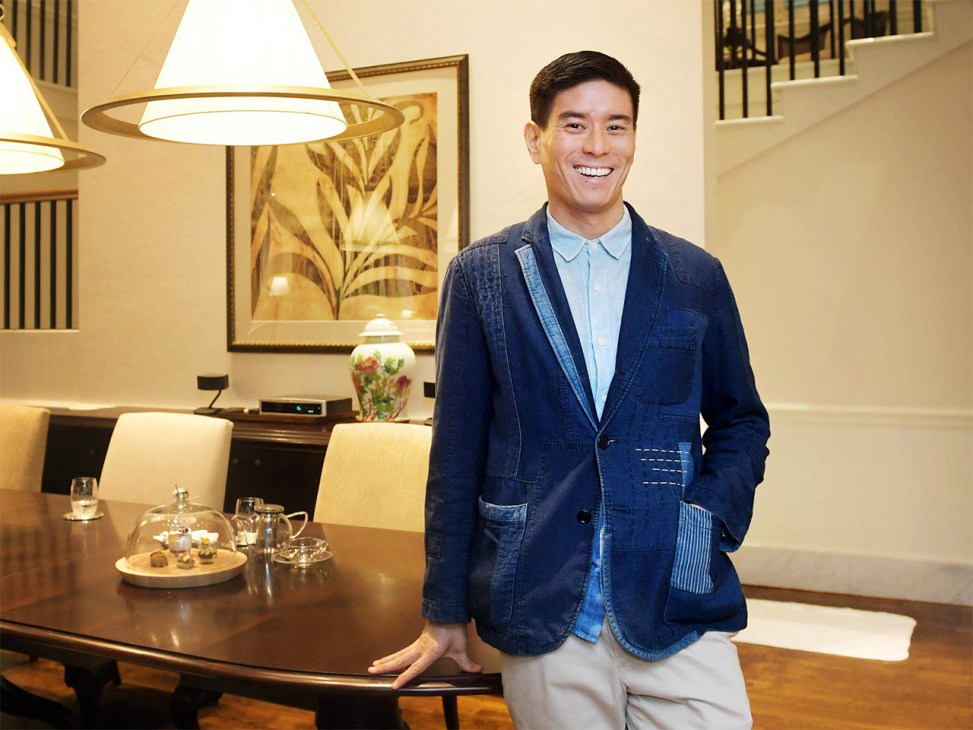
What is often at the heart of the decision to focus on staff’s quality of life is the ability to retain talent. Hospitality businesses have a notoriously high turnover with the annual rate in the US estimated at 70 per cent. As the mastermind of Capella’s Patina Hotels in the Maldives, which focus on wellness and renewal, Kwee embraced the opportunity to practise what he preached with the creation of Fari Campus in collaboration with URBNarc founder Gaurang Khemka. Based on a separate island in the Maldives, Fari Campus caters to employees of Patina and The Ritz-Carlton’s neighbouring outposts. “Hoteliers are realising that investing in staff wellbeing is about more than just goodwill,” says Dave Moore, the global CEO of WATG, the Hawaii-founded hospitality-design firm behind the Fari Islands’ master plan.
The benefits of Fari Campus are clear: at 13.3 per cent, Patina Maldives’ annual staff turnover is lower than all its competitors. A 15-minute boat ride away from their workplaces, staff have a clear distinction between work and leisure with a full-sized football field, volleyball courts, two restaurants, a private staff beach and even more at their disposal. “The staff feel like they’re really at home after they leave the [hotel] island,” says general manager Anthony Gill. “They know that they are not going to be called back; no guest or senior manager will be disturbing them.” Importantly, family members are granted access during certain seasons – a factor that is often overlooked in a demanding and anti-social industry.
The new standard set by brands such as Capella means that businesses in the sector will have to think more carefully about design beyond the guest quarters. “Engaged staff deliver better service,” says Moore. “This drives repeat guest visits, loyalty and, ultimately, higher revenue.”
Read more about workplaces that centre employee wellbeing:
‘The perfect kitchen is where there is no fear.’ Seven global chefs share their tips for running a successful restaurant