‘In turbulent times, the bistro is a tonic.’ Can Unesco save this famed Paris institution?
France’s bistros are on the decline but a new generation of young restaurateurs in the capital is proving that the appeal of the bistro remains in its dependability.
“The bistros and cafés of France are the guardians of time,” said Emmanuel Macron earlier this month when he threw his weight behind a national campaign to add bistros to Unesco’s intangible cultural heritage list. The plea is telling. The institution appears to be in steady decline: where a century ago France boasted about 500,000 bistros, now only some 40,000 remain.
Leisurely lunches are giving way to delivery apps, produce costs are soaring and gallic gastronomy seems increasingly at odds with modern-day dining. And yet, in Paris at least, a new generation of restaurateurs is quietly proving that the bistro’s greatest strength lies precisely in its predictability.
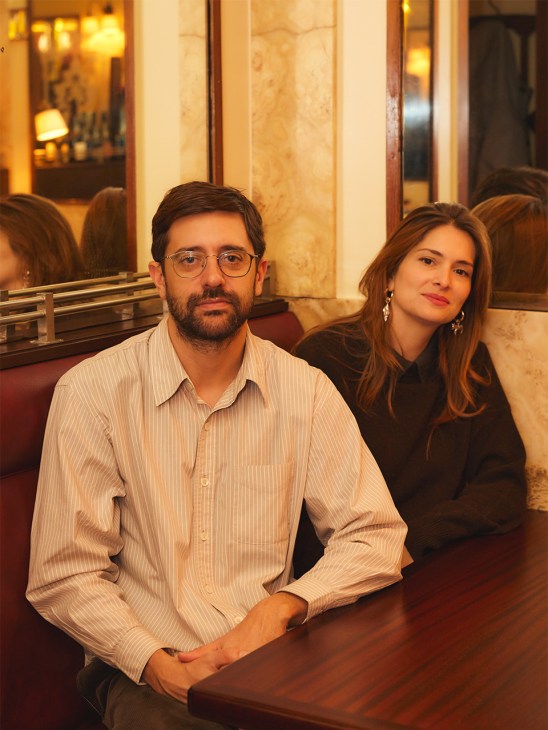
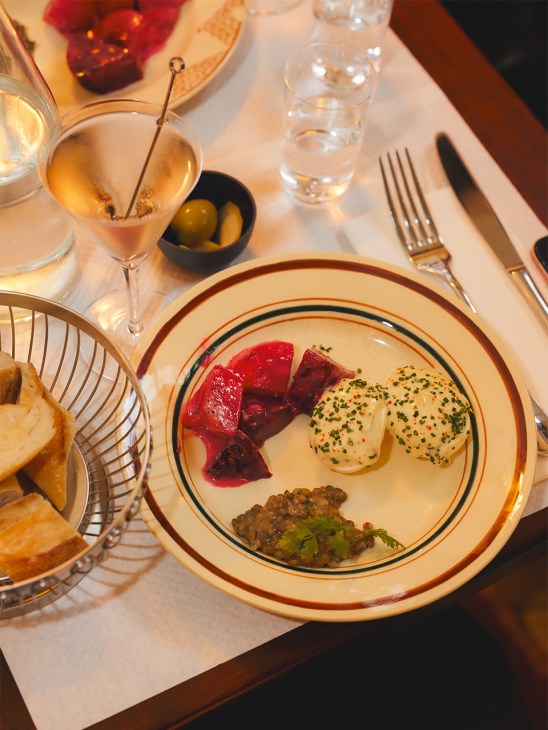
“We think of the bistro as a living space for the neighbourhood,” says Colombian entrepreneur and restaurateur Carina Soto Velásquez, who took over bistro-café A La Renaissance with American business partner Josh Fontaine in September 2025. The duo also runs the popular Mexican taquería Candelaria in Le Marais.
“Domestic spaces in Paris are small, so residents tend not to host at home,” says Soto Velásquez. “The bistros that sit below their apartments become an extension of their homes.” That’s why the revived establishment in the 11th arrondissement is open from 08.00 until 01.00, seven days a week, carrying its patrons through their morning espresso to their evening digestif. Crucially, prices are modest: the set lunch menu comes in at €23.
But it’s not just the unwavering dependability of the bistro that, in Macron’s eyes, deems it worthy of Unesco’s lofty ranks. The recognisable zinc counters, upholstered banquettes and bentwood chairs that make these establishments a comforting proposition. Predictable, yes, but this is arguably the key to its staying power. “A La Renaissance has been a bistro since 1919,” says Soto Velásquez. “We see the same locals here two to three times a week.”
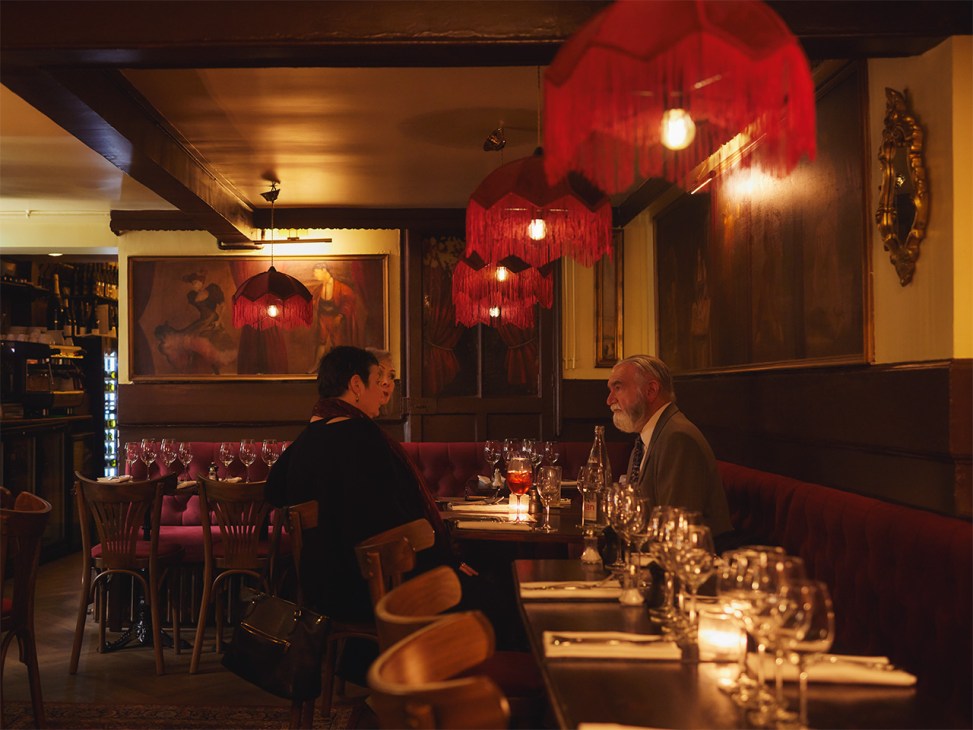
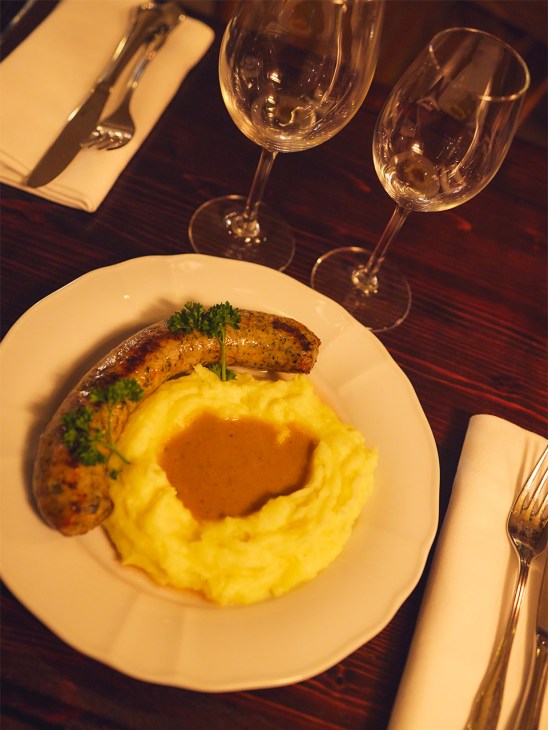
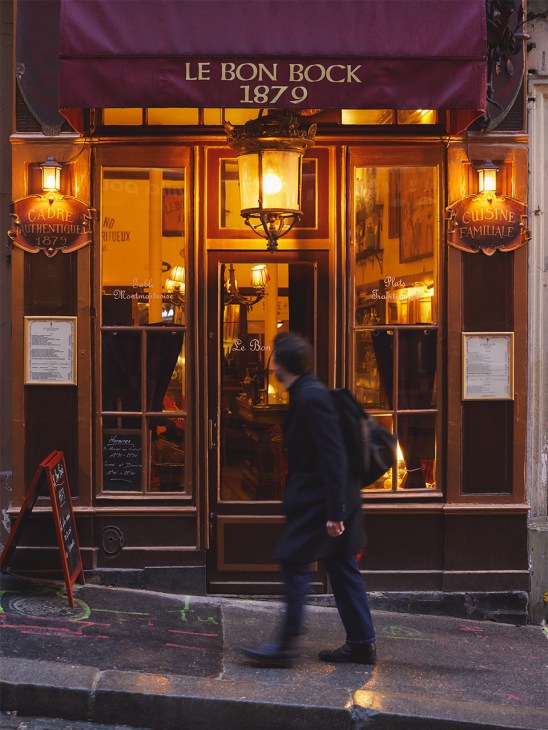
In Montmartre young restaurateurs Benjamin Moréel and Christopher Prêchez are committed to preservation over innovation. The pair took over Paris’s oldest bistro, Le Bon Bock, in June 2025. Established in 1879, the traditional decor stops just short of cliché: there is antique woodwork, stained-glass windows and red curtains at the entrance for discretion. “The drawers only close halfway and the shelves are wonky,” says the restaurant’s 27-year-old manager, Adrien Chiche. “We decided to leave them be.” The same rustic spirit extends to the menu. “We stick to accessible recipes,” says Chiche. “You’ll find œufs mimosa, pâté, tarte tatin – dishes that our parents made for us growing up.”
A relic of belle époque Paris, it is said that the likes of Toulouse-Lautrec, Picasso and Van Gogh frequented this eccentric watering hole for a glass of absinthe. “Patrons would pay in the form of a painting,” he says, motioning to the walls laden with the bistro’s healthy profits. It’s this laid-back approach that makes Le Bon Bock a leveller. “During service, I look around the room and see young people on dates, families, elderly people, tourists and, of course, lots of Parisians,” says Chiche, the latter being an important barometer for the bistro. “We want to retain this mixité; the bistro doesn’t discriminate.” It’s a credo established by the previous owner of 15 years, who would invite the city’s homeless into the building on Christmas Day for a hot meal.
In the 20th century, as the artistic elite moved from Montmartre to Montparnasse, Rosebud cocktail bar became a new bohemian hangout. “It’s a slice of old Paris,” says co-founder Lionel Guy-Bremond, who took over the Rosebud in January 2025 with six creatives. Established in 1962, Samuel Beckett, Jean-Paul Sartre and Marguerite Duras would frequent this speakeasy-style, art deco watering hole, which stayed in the same family for six generations. There is even a portrait of Duras on the wall as if to validate its literary heritage. “We did a lot of renovations but you can’t tell,” says Guy-Bremond. “We have clients who have been coming for 60 years, who say they that can’t tell the difference – that’s the highest praise.”
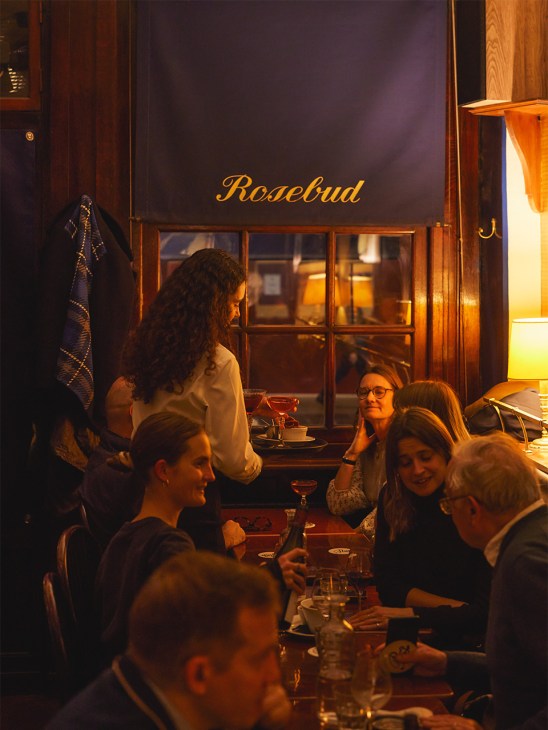
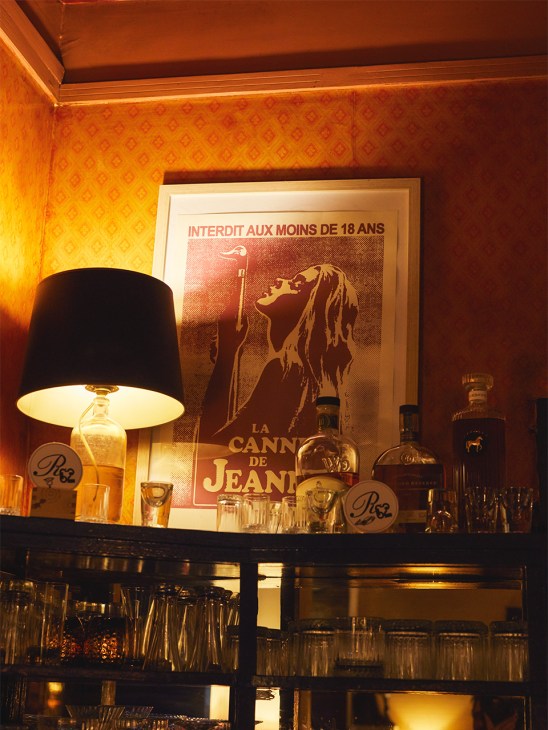
Inside the modestly lit, mysterious interiors, the lighting, chairs and tables remain identical to the original Rosebud. The retro Citizen Kane cocktail (a nod to the film in which the last word is “rosebud”) contains champagne, gin, crème de rose and lemon juice, while bar snacks include popular classics such as œufs mayonnaise and foie gras. “We’re not into mixology or natural wines,” says Guy-Bremond. “We’re an old-fashioned cocktail bar.”
Unesco’s intangible cultural heritage status is a coveted accolade that was awarded to Italian gastronomy in December. Whether Macron’s plea for the same constitutes an admission of his own malaise or a genuine coincidence is unclear. But one thing is for sure: Unesco’s blessing would be a balm for France’s fragile political ego. “In turbulent times, the bistro is a tonic,” says Soto Velásquez. Maybe Macron has a point.
87 Rue de la Roquette, 75011; 2 Rue Dancourt, 75018; 11 Bis Rue Delambre, 75014
Read next: The Monocle City Guide to Paris, featuring the best hotels, restaurants and retail spots in the French capital