Raising the bar in Bangkok: How Sitthan ‘Turk’ Sa-Nguankun reshaped the city’s drinks scene
We meet the Thai bar and nightclub entrepreneur to find out about his latest opening and why he keeps his establishments welcoming to all.
When US comedy The Hangover Part II hit cinemas in 2011, the Bangkok-set debauchery played into the Thai capital’s reputation as a cheap destination to get drunk in. What Hollywood missed, though, were the subtle changes that were happening in neighbourhoods across the city.
About the same time, craft cocktail pioneer Sitthan “Turk” Sa-Nguankun opened a small bar in Thong Lo called Sugar Ray, You’ve Just Been Poisoned (a name that he had lifted from a friend’s skateboarding T-shirt). The 20-seat space quickly became a hit with Bangkok’s international crowd. “No one else was serving proper drinks at that time,” says Sa-Nguankun. “If you ordered a Manhattan, the bartender would ask you what that was.”
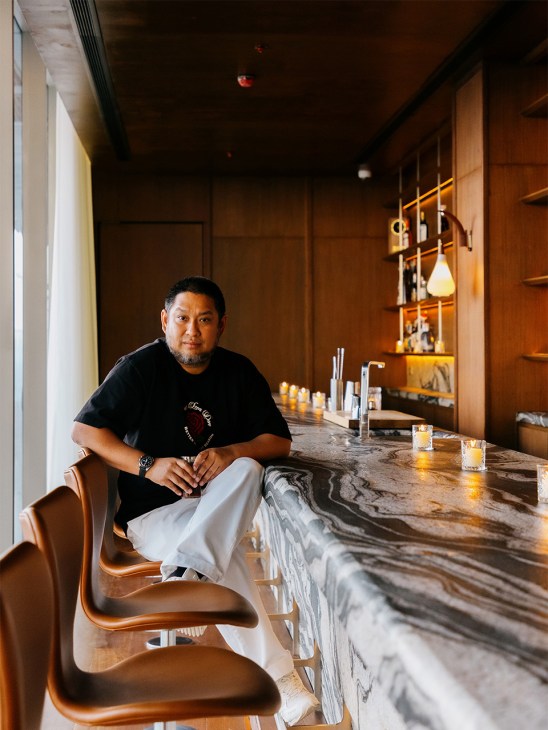
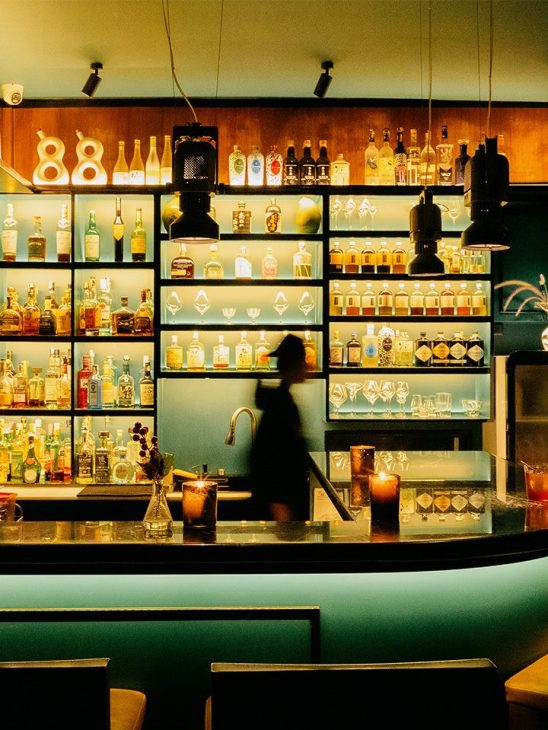
That’s no longer the case – thanks, in no small part, to Sa-Nguankun, whose group, Sugar Ray, is behind more than a dozen bars and clubs in Bangkok. Thaipioka on the first floor of the Salil Hotel appears on most lists of the city’s top watering holes, while jazz bar Alone Together is a Monocle must. “Every time I open a new bar, I try to create something different,” says Sa-Nguankun.
His lifelong penchant for bars was ignited when his family started taking him to the Mandarin Oriental, where they would have a drink at the beloved Bamboo Bar, Bangkok’s first jazz venue, which opened in 1953. After studying music in Bangkok and mixology in New York, Sa-Nguankun ran the bar at storied Bangkok nightclub Demo.
He quit after a few years to open his own place that served serious drinks and later opened a nightclub, Rim, a popular destination among the in-the-know party crowd. “I have friends who fly in from Seoul, Manila, Kuala Lumpur and Singapore just for the nightlife here,” he says.
Sa-Nguankun’s latest opening, his first rooftop bar, shows that he’s aiming higher than ever. The Norm is on the 42nd floor of Dusit Central Park in Silom, Bangkok’s business district. The new mixed-used complex includes the flagship Dusit Thani hotel, branded residences, a shopping centre and an office tower.
The rooftop bar offers views of the meandering Chao Phraya river, the Royal Bangkok Sports Club and the Skytrain gliding over traffic jams. A restaurant such as Zuma or Nobu would have been a fitting tenant here but Sa-Nguankun convinced the landlords to opt for a local.
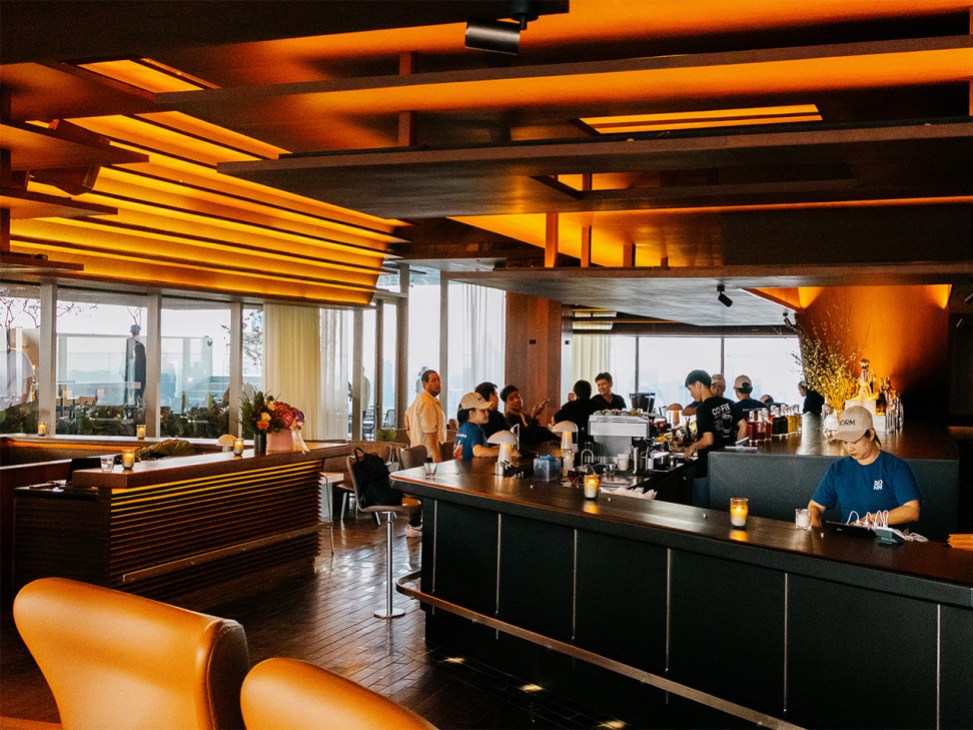
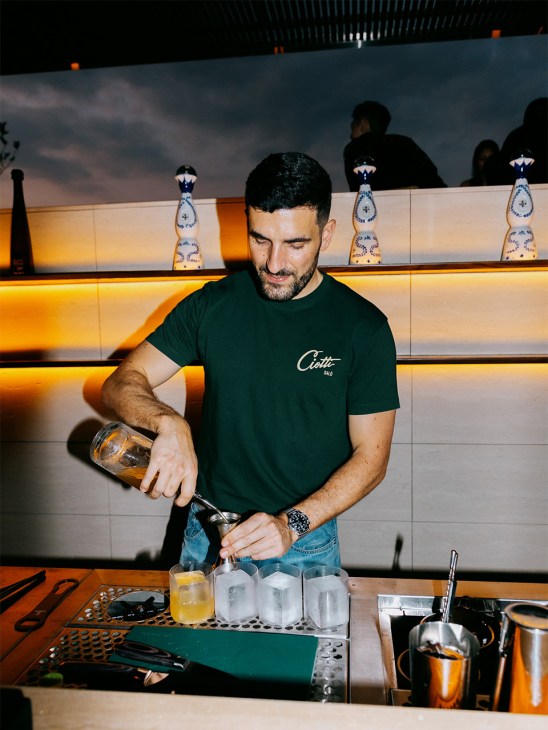
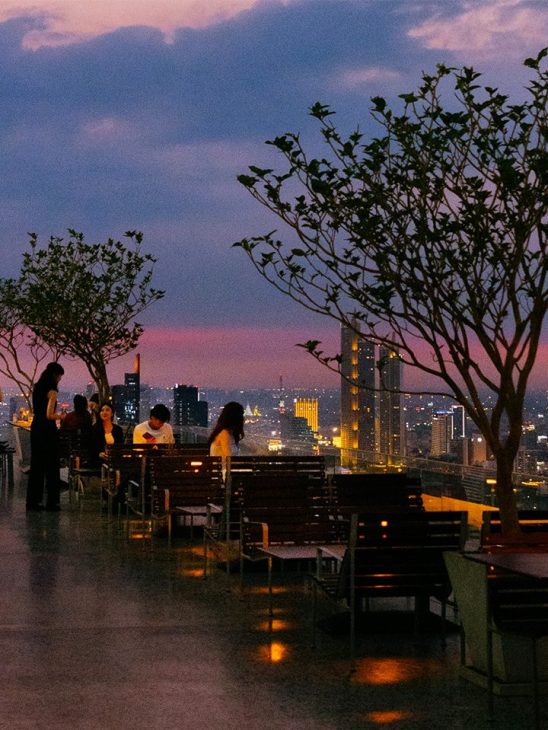
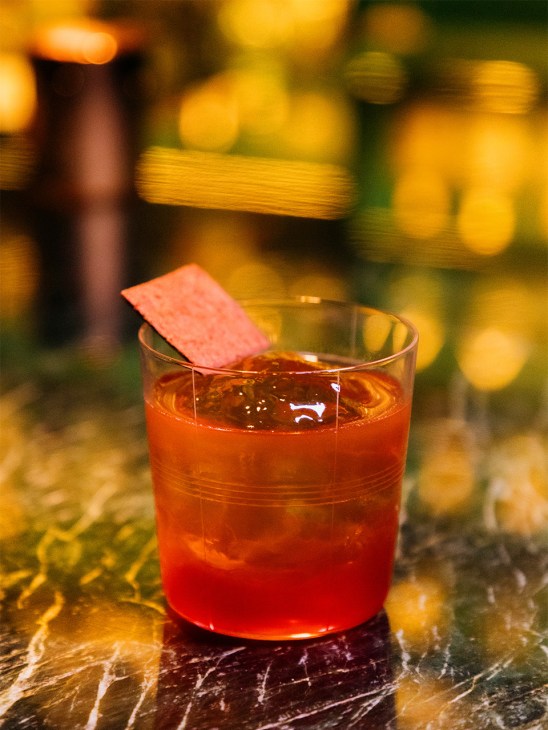

When Monocle arrives to meet him, he is deep in conversation with his team of DJs, huddled in the Whispering Room – a speakeasy that serves Japanese whisky and plays vinyl jazz. On big nights, there will be three decks spinning at once: one in the main lounge, a second by the outdoor spritz bar and a third inside the intimate, 60-capacity club that will open later this year.
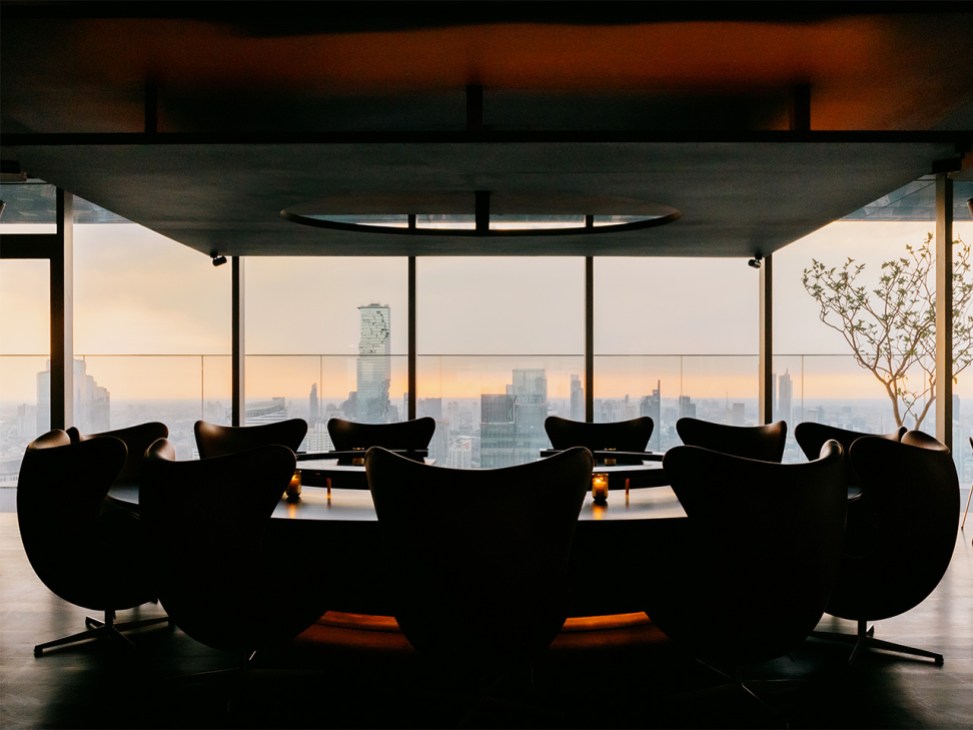
Everything from the music to the dress code and the reasonable prices has been designed to make The Norm feel inviting. “We are in a super-expensive building but I don’t want this to feel exclusive,” he says. This cosy feel is reflected in the wood-panelled interior design by Thai architecture studio Ekar.
All of the indoor furniture, meanwhile, is by Fritz Hansen. A furniture collector, Sa-Nguankun describes his acquisition of a set of PK31 lounge chairs for The Norm as a dream come true. “A great bar is a place where people arrive in one mood and walk out feeling better,” he says. “We are not saving lives. Our job is to serve the soul.”
Dusit Central Park office, Rama IV Road, Si Lom, Bang Rak
Sitthan “Turk” Sa-Nguankun’s rules for better venues
1. Know your customer. I own bars, I run bars but I’m also a consumer so I create bars that people like me are happy to go to.
2. Be real. I have to feel that it’s genuine. I’m Thai so I’m not going to open an African-themed or a super-serious saké bar.
3. Dim the lights. “Lighting is one of the most important things for me, along with music and scale.
4. Invest in the sound system. I use Void almost all the time. They custom-made our speaker system at The Norm because I wanted a vintage look to match the Scandinavian-style interior.
5. And the people. Uniforms are important but not nearly as much as the personality of the person wearing them. Staff at some places can look nice but it’s no use if the clothes and charisma don’t match.
Read next: The Monocle City Guide to Bangkok, featuring the very best hotels, restaurants and retail spots in the Thai capital