‘The right hotels find their way into the community’: Design Hotels’ Stijn Oyen on re-entering China
Design Hotel’s managing director, Stijn Oyen, shares insights on how the hotel collective adds new establishments and why now is the right time to include Chinese locations.
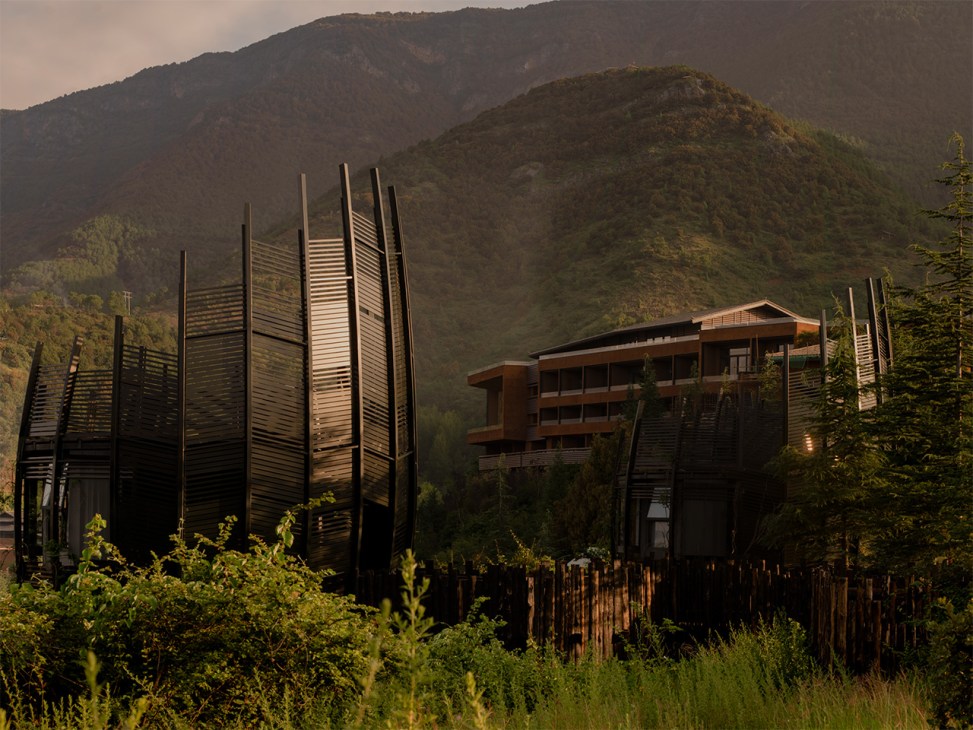
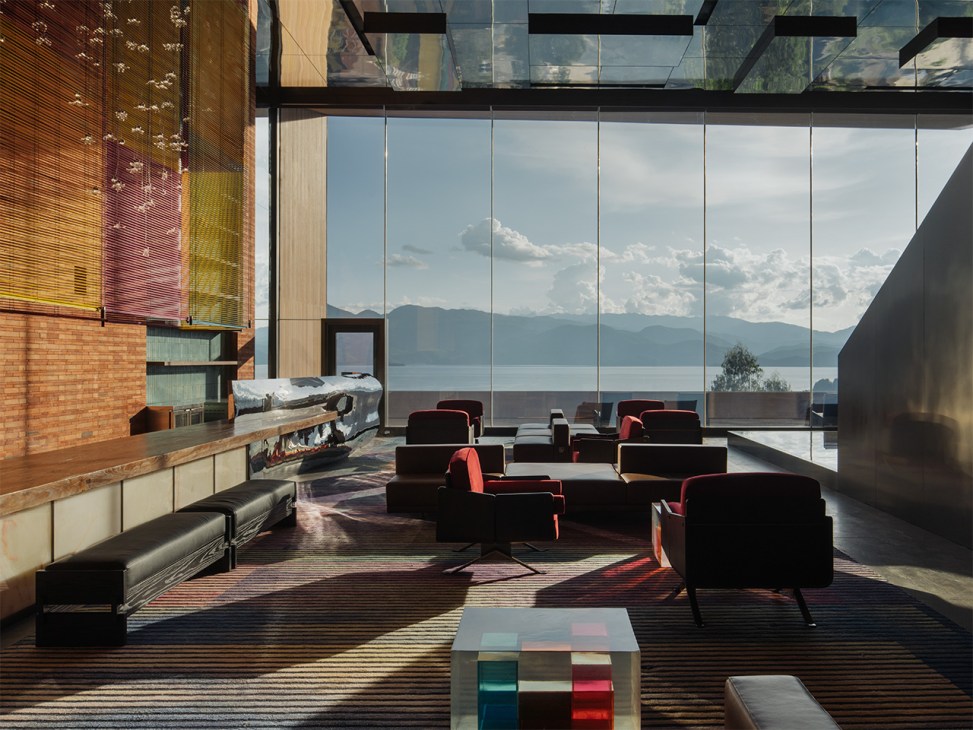
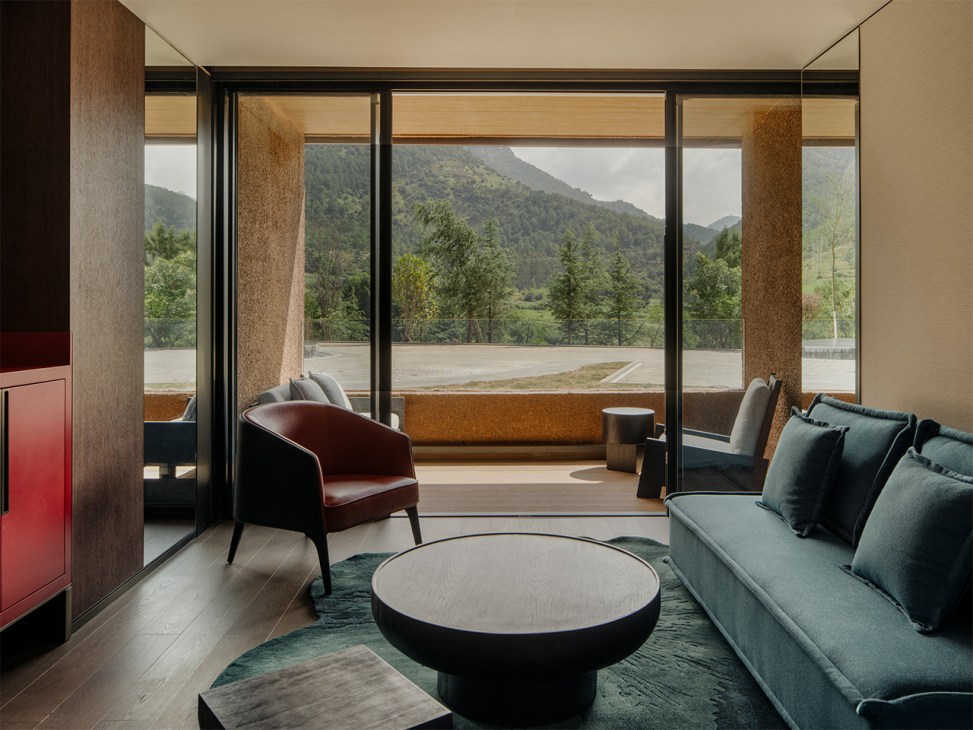
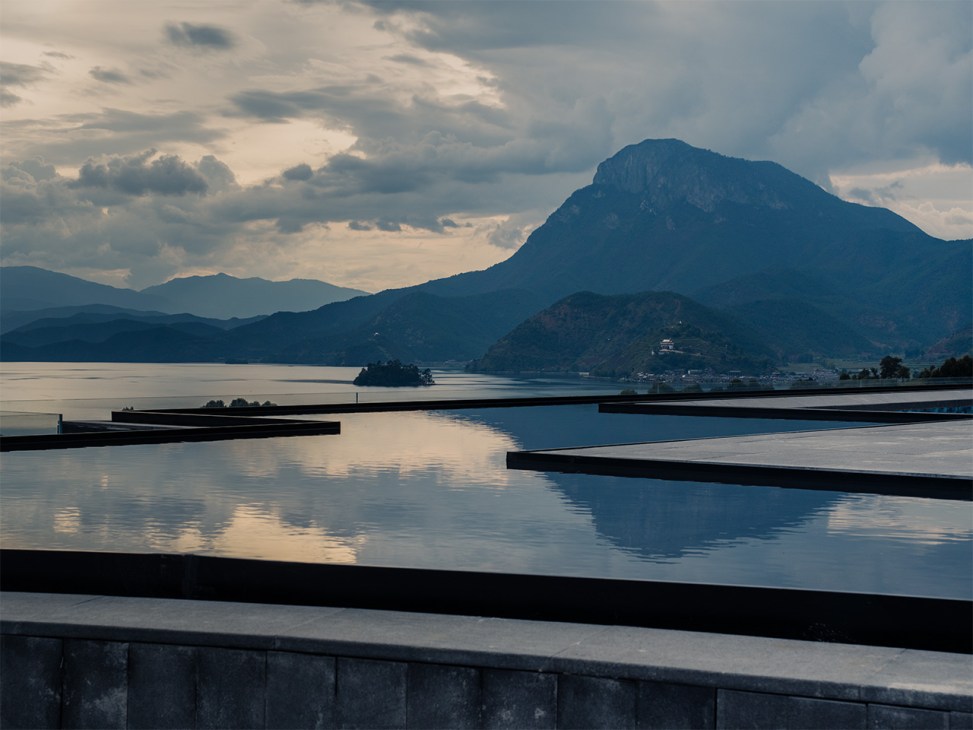
Design Hotels re-entered mainland China last year after having exited during the coronavirus pandemic. The Berlin-based travel company signed four member hotels in 2025, starting with The Arcadia Place, Lugu Lake (pictured below) – an idyllic mountain property in Sichuan province. Managing director Stijn Oyen has played an instrumental role in putting China back on Design Hotels’ map. The Belgian hospitality chief is a former hotel operator and a 25-year veteran of Starwood Hotels & Resorts and Marriott International, owners of Design Hotels since 2011. Monocle spoke to Oyen about “an extremely healthy pipeline of stunning projects” in China, demand for unique travel experiences and the next untapped tourist destination in Asia Pacific.

First of all, how’s business?
We’re keeping a close eye on the very unfortunate developments [in the Middle East] in the past few weeks but we are coming off a really strong 2025. It was our best year yet and close to 30 per cent of our growth came from the Asia Pacific region.
How does your business model work?
We operate on what I would call a ‘pay‑for‑play’ structure. The fixed cost [for member hotels] to be part of Design Hotels is kept deliberately low. Beyond that it’s like sitting down with a chef in a good restaurant and choosing from a very long à la carte menu: content creation, branding, creative direction, digital, distribution support. Together with each hotel we build a plan for the year based on what makes sense for its location, its story and its ambitions.
How do you find new hotels?
About 80 per cent of new properties that join us come through our network – recommendations from existing [establishments] or people in their extended circles. It’s not a top‑down, brand‑rollout driven by a map of target cities. A good example is a new project in Bali that came via long‑standing Italian members; they were school friends with the Bali owner. We also receive a huge amount of applications each year. We go through them all and accept a small percentage.
No one minds being a part of the Marriott group?
It did take time for both sides to find the sweet spot. Many members joined Design Hotels precisely because we were an independent movement, so there was understandable concern, but we’re now in a very good place. Our headquarters is in Berlin, and our culture and curation remain our own. Marriott understands and respects that uniqueness. At the same time, our members benefit from having Marriott behind them. Our latest member survey in 2025 was the most positive [that] we’ve ever had.
Where have you made your mark?
Re‑establishing ourselves in mainland China is a big one. We’ve also extended our in‑house creative agency, which now develops everything from campaigns to websites for member hotels. And we’ve relaunched two key print pillars: the book, Designed to Stay, and our magazine, Directions, which is now a twice‑yearly newspaper. In an ever more digital world, these tactile projects have actually become more precious.
Let’s talk about China: why was it important to check back in?
When I arrived [at Design Hotels] and saw that we had no presence there, it felt completely illogical. I went out there with the team, we visited properties and I was blown away by the quality and the vision. Independent hotel projects are really blossoming in mainland China and there’s so much creativity. It became obvious that we had to return but carefully. We didn’t say, ‘We need X hotels by Y date.’
How much domestic travel is there inside China versus inbound international visitors?
It’s a healthy mix and depends on the location. In places such as Lugu Lake, we see both international guests and Chinese travellers leaving the big coastal cities in search of something more authentic. The shift in visa rules for a number of European countries has clearly helped inbound interest but it’s difficult for us to quantify and compare because we only came in last year.
What’s the ambition for mainland China over the next few years?
I’m convinced that we’ll reach – and probably surpass – our pre-coronavirus pandemic footprint. But again that won’t be because we’ve set a target of 15 hotels by 2027. It will be because the right hotels find their way into the community. The early feedback from our existing members in China has been excellent. That success naturally sparks new conversations and we have an extremely healthy pipeline of stunning projects coming our way.
What other Asian destinations do you have your eye on?
India is an obvious one. We recently signed a winery hotel near Pune and it’s a destination where we’re having an increased number of conversations. We will develop Japan a lot more and we are very excited about Vietnam. There are a lot of amazing visionaries out there and that gives us a lot of opportunity.
Join Monocle’s editors in Shanghai for The Entrepreneurs Live on 29 April, a conference built on nearly two decades of reporting on how businesses are built, branded and run.