Amid the chaos unleashed by Trump, Greenlanders are taking a pragmatic approach
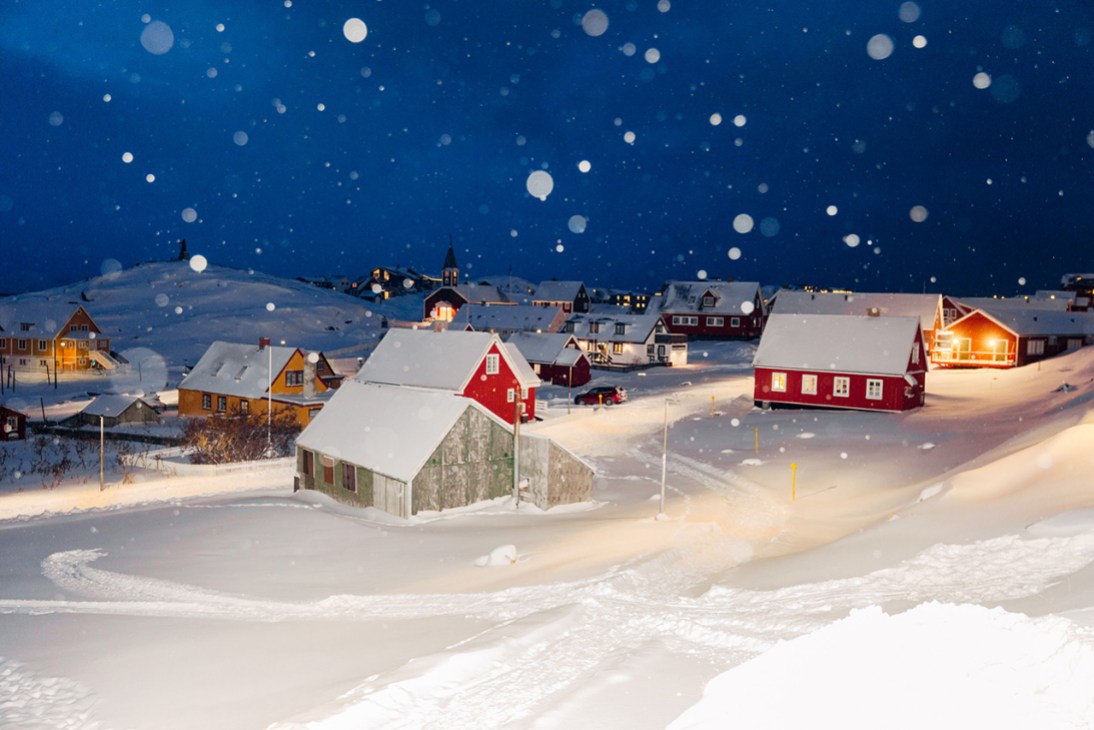
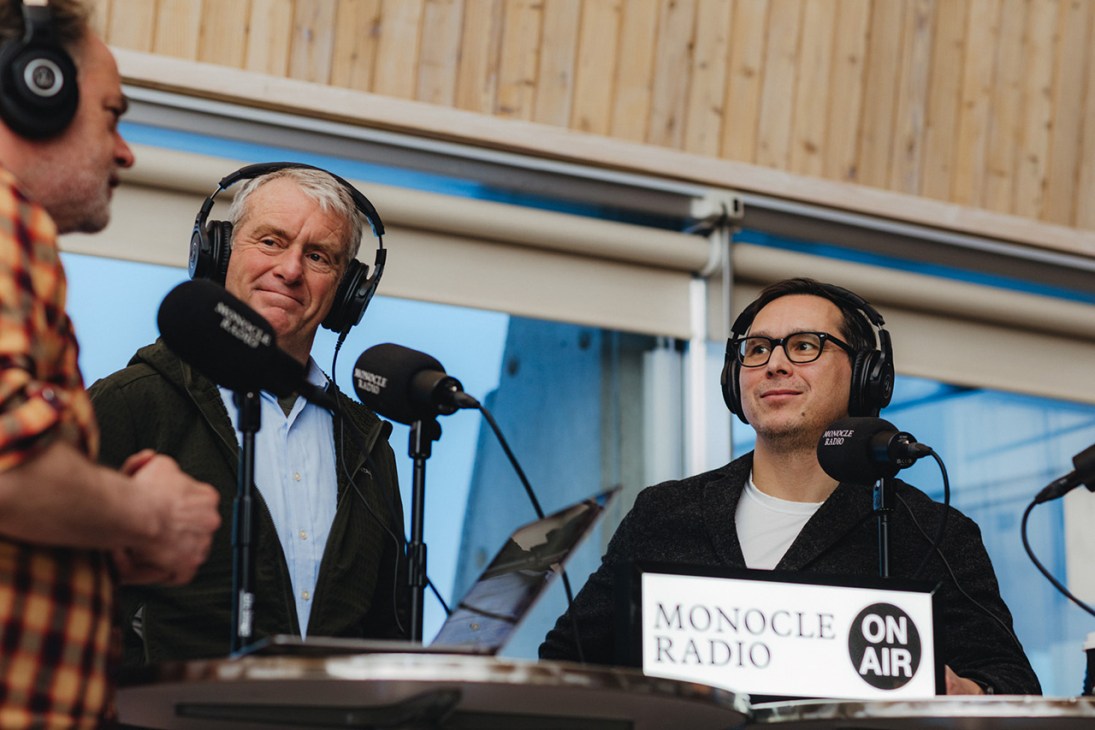
When Monocle Radio’s team arrived in Nuuk last Monday, anything seemed possible. Greenland’s prime minister, Jens-Frederik Nielsen, was warning his fellow citizens to prepare for the possibility of invasion by the US. Denmark, of which Greenland is a part, had deployed extra troops to the island – and so, by way of solidarity, had several Nato allies. Donald Trump was threatening a trade war with Europe and declining to rule out the prospect of an actual war over Greenland.
But by Thursday afternoon, it seemed – at the risk of tempting fate – to be over. At the World Economic Forum in Davos, Trump said that he wouldn’t seize Greenland by force and later claimed, as he so often does, to have lit upon “a concept of a deal”. Every indication is that this deal will be similar to the extant arrangements, under which the US can build military bases on Greenland anyway. In short, a classic Trump manoeuvre: create a crisis, resolve it, then claim credit. He probably thinks that Nobel Peace Prizes are awarded for ending fights that you started yourself.
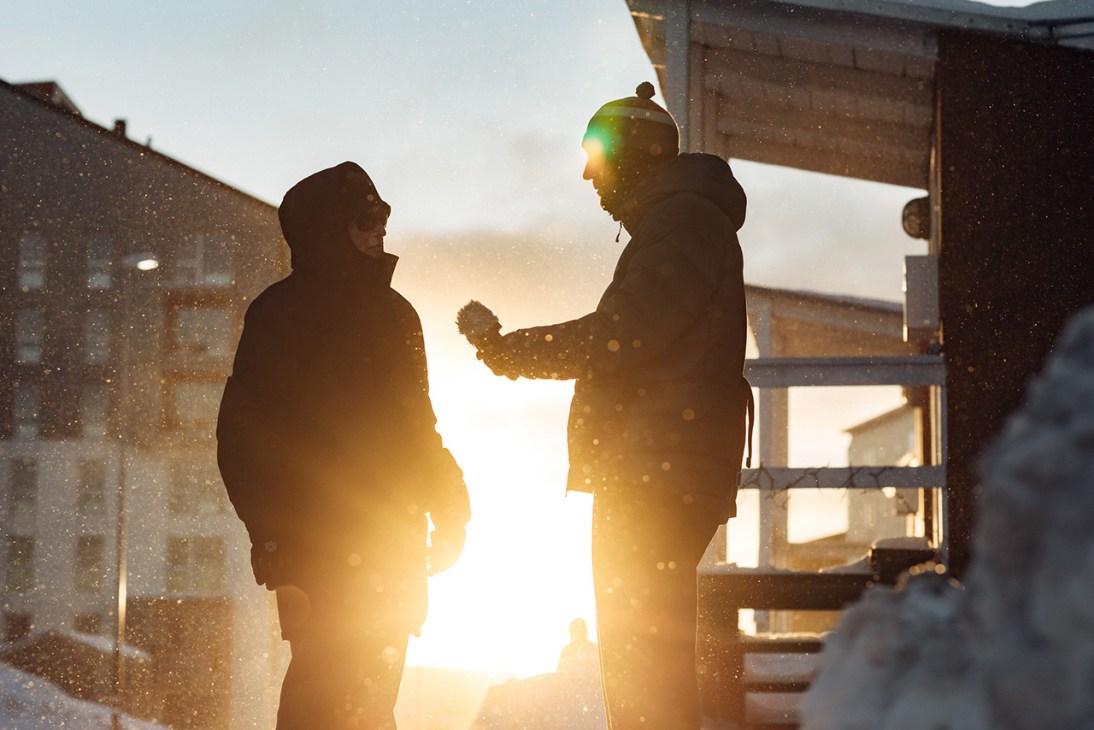
For the many Greenlanders we met, none of this was academic. Monocle’s team spoke to politicians, musicians, hoteliers, curators, entrepreneurs, tour operators, designers, bartenders, shopkeepers, passing pedestrians and carvers of tupilait. These are Inuit charms whittled from whale teeth, walrus tusks or reindeer antlers, believed to possess formidable powers of deterrence vis-à-vis one’s enemies. We visited the workshop of one tupilak sculptor, Kim Kleist-Eriksen, who trades as Eriagsiaq. He said that he had created and quickly sold a tupilak depicting the vanquishing of Trump.
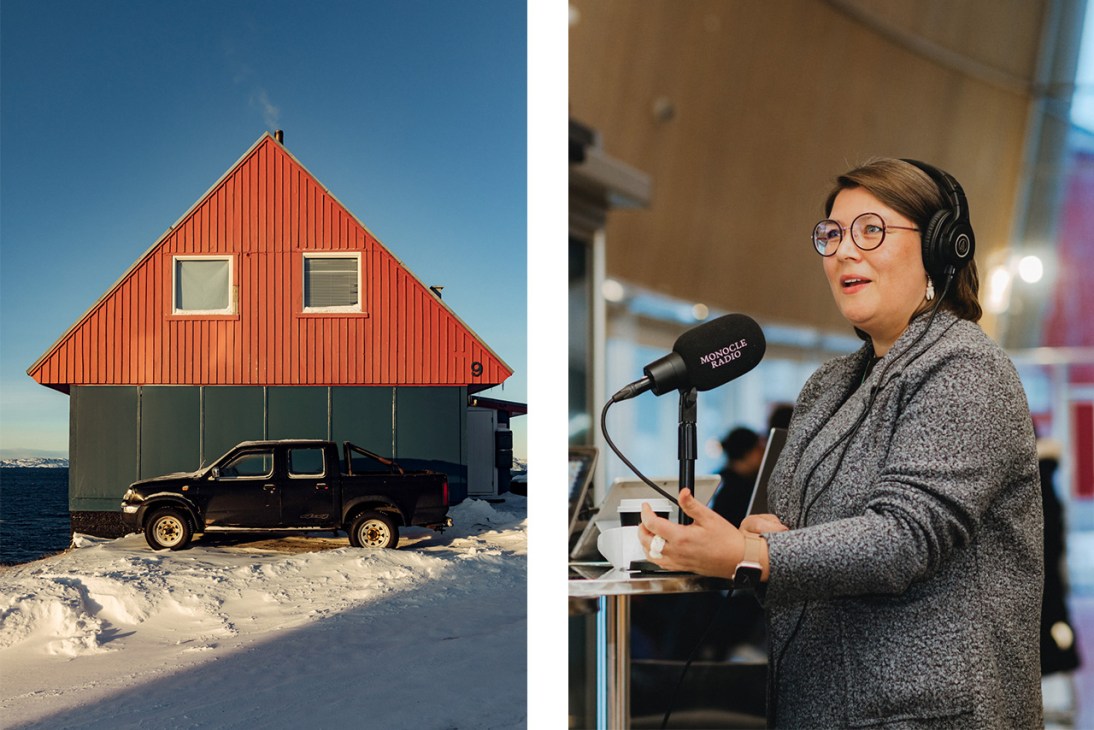
Yet the purchaser of that particular totem, whoever they were, seems like an outlier. Over the past week, Greenlanders took a pretty philosophical view of the diplomatic crisis – perhaps living in such a wild and unforgiving environment conditions you towards pragmatism. Everyone we met was at pains to stress that they bore no animus towards anyone: political declarations, such as the “Greenland is not for sale!” posters in the window of the Bibi Chemnitz boutique, were pro-Greenland, not anti-American. There were occasional expressions of irritation towards Denmark but, given the history, it is safe to assess that these are not new.
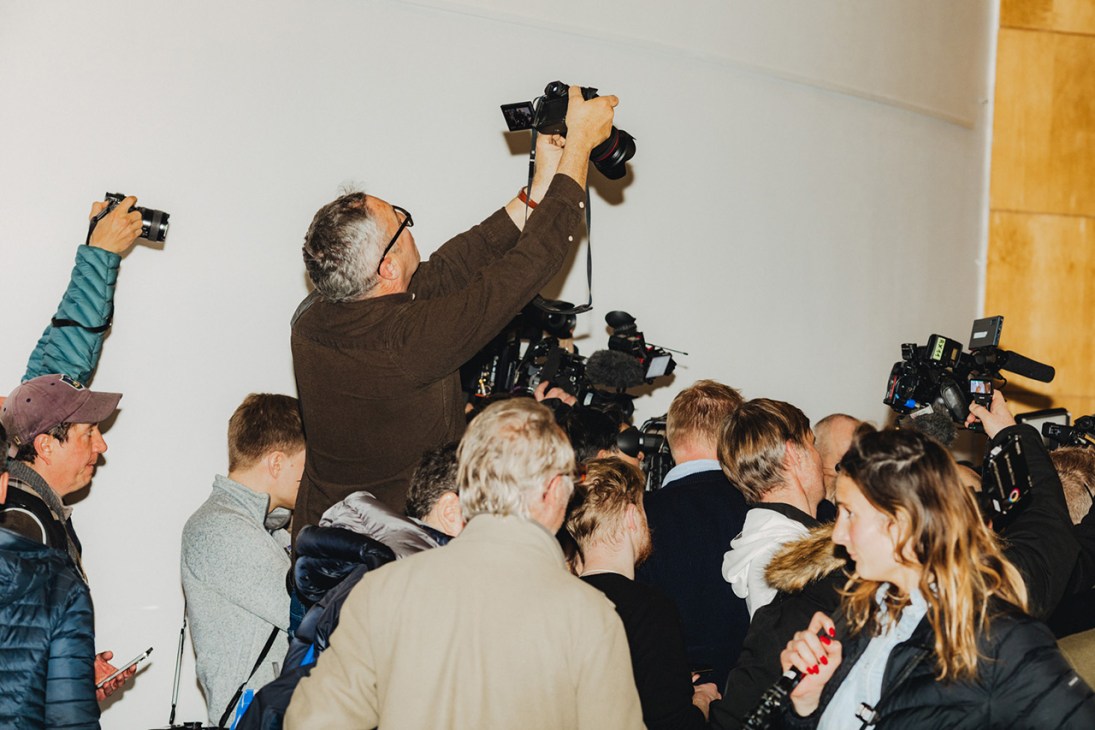
And we found that some Greenlanders even saw the uncertainty as an opportunity of sorts. We were told more than once that it had been a pretty good year for business. Nuuk’s hotels were heaving not only with international media but also tourists whose curiosity had been piqued by Trump’s delirious aspirations of conquest. This influx had been, by and large, cheerfully and gratefully absorbed, though the novelty of being cornered by foreign journalists pursuing the vox populi had long since ebbed. The ratio of press to locals in Nuuk when we visited was such that this correspondent was approached four times by camera crews while ambling around town. Tempting though it was to assume some atrocious facsimile of a Greenlandic accent and say something outrageous, honour compelled me to disappoint them.
Greenlanders understand that there is no returning to their previous anonymity. Whatever happens now, the strategic importance of their island has been brutally emphasised and the complications that go with that exposed. As one Greenlandic politician told us, “Nothing can be the same after this.”
Andrew Mueller is a leading Monocle contributor and the host of Monocle Radio’s ‘The Foreign Desk’. For more on Greenland and in-depth analysis of global affairs, tune in to the latest episode here.