Spain’s summer of protest is the political lifeline that could save Pedro Sánchez
After months of anger over immigration, housing and tourism, Spaniards are pushing these issues up the political agenda. Now, with a snap election looming, their concerns have become impossible to ignore.
Summer in Spain is normally a time for switching off but this past season felt more heated, fuelled by a swathe of hot-button scandals around immigration, housing affordability and the use of public space. Long-simmering frustrations saw protests spill onto pavements and plazas around the country. But in stark contrast to fiery student demonstrations that gripped France over the weekend, protestors from Valencia to the Balearic Islands and Madrid found more artful ways to agitate. They were organised, packed clear proposals for policy reform and, in many instances, a picnic basket.
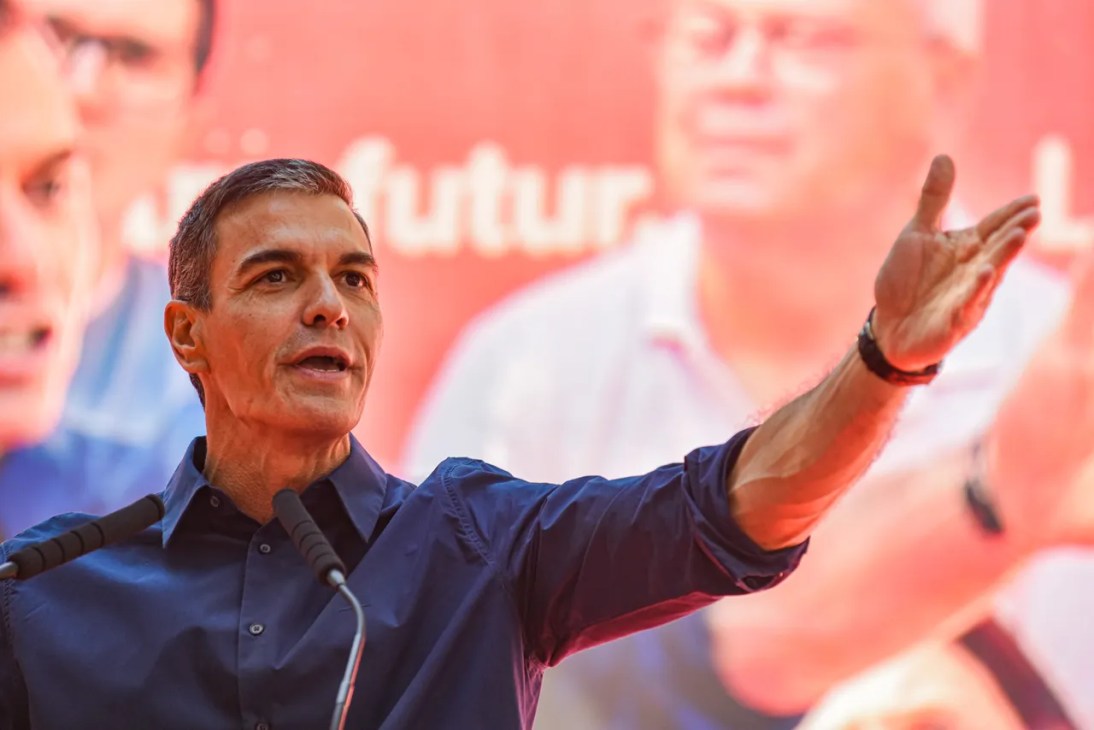
Yesterday morning, Spain’s prime minister, Pedro Sánchez staked his political future on their cause. Standing before the nation and admitting to three years of “difficulties and hostilities” heading a minority coalition government, he announced plans to dissolve the national parliament and called snap elections for 29 November – nine months ahead of schedule.
There are echoes of 15 years ago, when another left-wing government was hanging onto power and the angry Indignados movement erupted onto the streets, protesting bipartisan malaise and the squeeze of austerity. That movement went on to transform the political landscape, helping to propel a new generation of left-leaning leaders into power in six of the country’s biggest town halls. Now, in 2026, is Pedro Sánchez agile enough to capitalise on a similar wave of momentum and salvage his own fragile political future?
Let’s wind the clock back to June. In Valencia the city’s mayor, María José Catalá, had just announced an ambitious plan to redesign a 5km stretch of the city’s seafront. Some restaurants floated the idea of designating specific picnic zones for locals, suggesting that their presence along the promenade was making the scene unsightly for tourists. The comments quickly – and understandably – caused a stir. In Valencia the beloved tradition of sopar a la fresca – a kind of outdoor supper – has long brought the esplanade to life, with residents making the most of the cooler evening air, sitting on deck chairs and feasting from Tupperware. After the row caught fire on social media, five neighbourhood associations banded together to stage a protest picnic on the balmy night of 5 September. Hundreds turned up, including politicians suddenly eager to reaffirm their defence of a popular custom that has been a part of culture toda la vida – that’s the Spanish way of saying, well, forever.
Throughout summer, similar protests – and delectable spreads – were staged in other tourist hotspots, where locals were also feeling the squeeze. In August, Palma de Mallorca’s Plaza Mayor filled up for sopars a la llesca (Catalan for eating alfresco), an annual dinner demonstration that started in 2025 to reclaim public space. Diners were encouraged to bring beach coolers and folding tables, as well as boardgames and musical instruments. Leave it to the Spanish to protest and still make it fun. Other picnics popped up around Ibiza’s marina and along a street in Madrid’s Lavapiés district. Their message was clear: listen to us; we’re fed up; we’re being priced out of our homes and barrios.
Spaniards welcomed record numbers of international visitors in August – up 9.2 per cent to 12.3 million – bringing the total for the first eight months of 2026 to 70.4 million. It’s part of a wider statistical success story that includes increased foreign investment and growth. For many, though, there is another side to the story: rising rents, noisy tourist apartments and officials who seem more willing to trumpet market-force rationale than defend basic rights.
In September, an 87-year-old disabled pensioner became the face of Spain;’s long-simmering housing crisis. Maricarmen Abascal was evicted from the home she had lived in for more than 70 years via stretcher after it was bought by an investment fund that tripled her rent. Her case had been playing out in the courts for several years but images of police forcing their way through protestors to forcibly remove the grandmother struck an incendiary chord.
For weeks, Madrid’s streets have been dominated by right-leaning protestors upset about the Sánchez government’s handling of a months-long migrant crisis in Ceuta, the Spanish enclave on Morocco’s northern coast. Suddenly, another movement was surging into view, refocusing the nation’s attention on issues closer to home.
Backed by the well-organised Tenants’ Union, the mainly youth-led movement poured into the capital’s central Puerta de Sol plaza. Jangling keys and holding placards decrying “Your profits, our misery”, protestors built a symbolic encampment of some 1,500 tents. Now entering its second week, the standoff shows no signs of ending, with activists erecting makeshift street signs and even setting up their own co-working centre.
Unlike the Indignados movement, which erected a similar tent city in the same square 15 years ago, this time organisers arrived with a specific list of reforms: freezing evictions, building more social housing and enacting rental price caps. A legion of well-versed spokespeople parroted their demands to TV cameras across Spain.
Latching onto the momentum, the prime minister announced an emergency relief package but Sánchez’s latest legislative lifeline failed to pass on Friday. He does, however, have a reputation for remontadas (unlikely comebacks). The next few weeks will be especially tough. His party and minority coalition partner, Sumar, are both down in the polls, while fending off several corruption scandals and facing incumbency fatigue after eight years in power. Rolling the dice to call snap elections might be a bold move, switching a much-anticipated electoral battleground away from immigration and toward cost of living, housing reform and the defence of basic rights. During Sánchez’s tenure, rental prices have risen by 80 per cent, while a poll last week found that two-thirds of voters now support greater government intervention in the housing market.
We live in an era of increased street protest that increasingly goes nowhere. Modern historian Anton Jäger’s recent book, Hyperpolitics: Extreme Politicization without Political Consequence, touches on this modern dilemma, arguing that dwindling political membership has been supplanted by chronically online activism, all while governments drag their feet on delivering substantive change. As tempers fray over rising costs, it’s no wonder many furious voters are radicalising.
Which is why Spain’s summer of people power matters. Around the world, some savvy leaders and parliamentarians have begun to focus on bread-and-butter issues – see recent mayoral results in New York and Berlin – but Spain’s example, combining creativity with a sense of comity, offers lessons for an exasperated electorate, too. Taking a stand on pavements and in plazas is one way of voicing or venting frustrations. But real change is more likely when movements articulate a clear vision for the future – and find a government willing to listen. Now, in Spain, the entire population has a chance to put that vision to a vote.
Liam Aldous is Monocle’s Madrid correspondent. For more opinion, analysis and insight, subscribe to Monocle today.