

Spain’s second major train crash of 2026 has put the country’s railways back under the spotlight
The high-speed collision near Toledo follows a similar incident in January. Where do Spain’s rail operators go from here?
Spain is reeling from another high-speed rail accident – the second major crash of 2026. With 68 confirmed dead and 138 injured, both numbers are expected to rise but this is already the country’s worst train crash in more than a decade. Calling the two-train collision “a significant tragedy”, Spain’s health minister Mónica García Gómez warned the nation to brace for more bad news.
Political parties swiftly announced the suspension of scheduled election-campaign events. Now the national government and Spain’s high-speed rail network are facing renewed scrutiny – and plenty of anger too. There are painful echoes of the high-speed crash near Adamuz, Andalucia, which left 46 dead in January. Then, like now, the collision was attributed to human error.
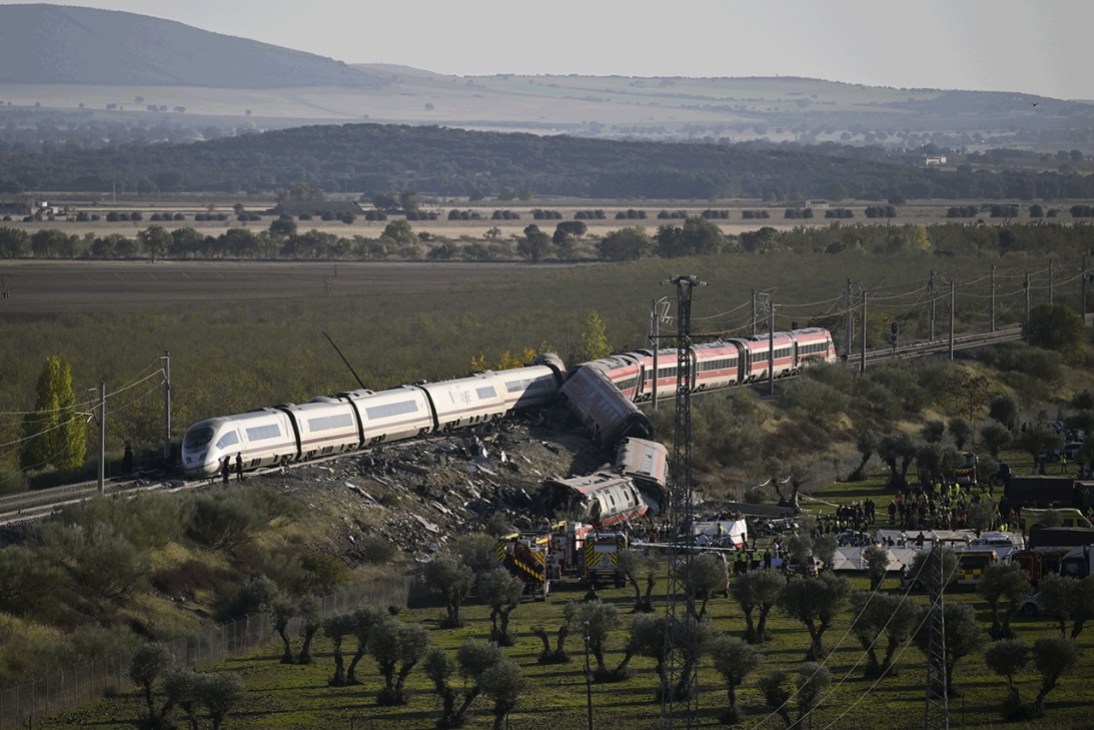
Early reports suggest that a state-operated Alta Velocidad Española train with 397 passengers on board was not warned that a private Iryo train with 140 passengers had stalled ahead. The LZB signalling system, which should automatically employ brakes upon detecting any obstacles ahead, seems to have malfunctioned, though the controller in Madrid also appears to have failed to warn of any danger. It’s perhaps worth noting that Spain has been transitioning to the European Rail Traffic Management System to bring it in line with the rest of the EU.
Aerial footage taken from a Guardia Civil helicopter indicates the intensity of the crash, with at least four carriages derailed; one is completely obliterated, while a section of rail line appears to be piercing another. Among the unaccounted for is Fátima Báñez, Spain’s former national employment and social security minister.
With yet another crash on the same Madrid-Seville line, questions are being asked about whether any of January’s hard lessons about maintenance and communication had been implemented. Safety concerns from the Spanish Union of Railway Drivers have remained a sticking point – a partial strike is, in fact, scheduled for tomorrow morning over these very issues.
Spain’s high-speed rail network is a source of national pride. With more than 4,000km of track, it is the largest in Europe. In the first half of this year, an estimated 25 million passengers used the rail network. Train journeys account for 57 per cent of national travel.
In recent years a diversification push has added more low-cost options, providing Spaniards with more competitive pricing and increasing rail travel by 40 per cent from 2019 to 2024. This year it’s the cohesion between these services and the state of the network that’s back under the spotlight.
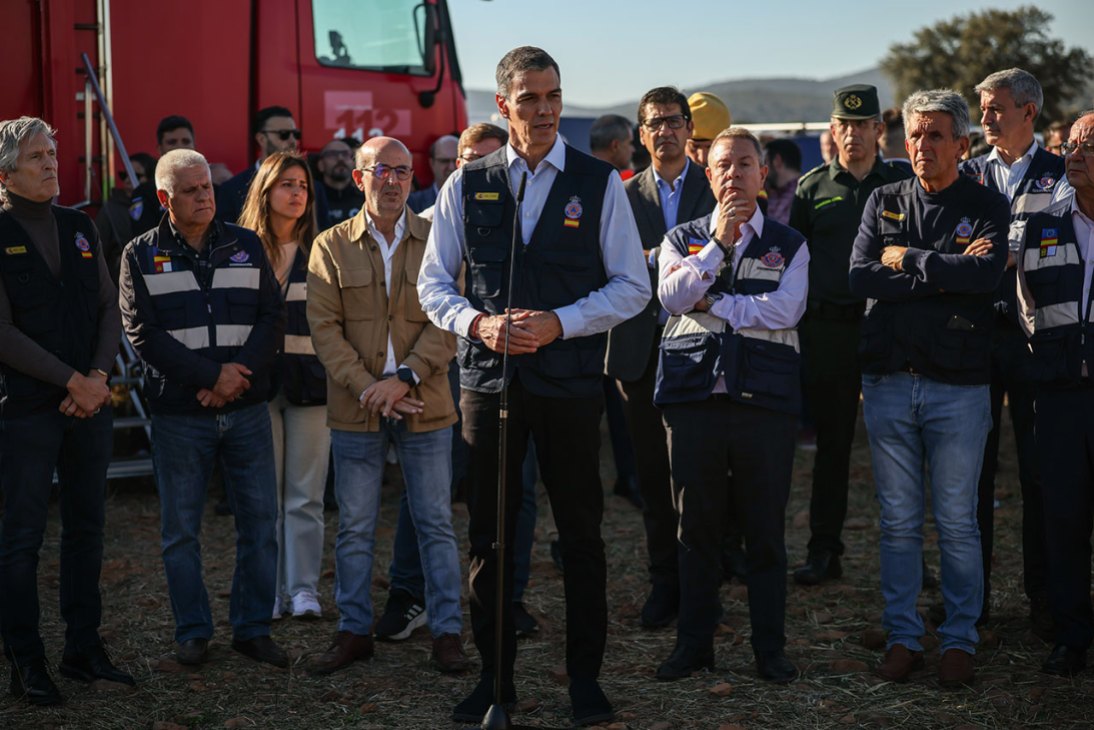
Growing frustration with transport minister Óscar Puente, who, apart from his troubled ministerial portfolio, has a reputation for getting into petulant fights on social media, will surely flavour the political fallout. During his first press conference since the crash, Puentes called it a “truly implausible accident” but with only a month before the national election, the entire country will surely be demanding more answers and, indeed, consequences for what seems to be a horrific case of déjà vu.
For now, though, emergency services and the surrounding towns south of Toledo are rallying together and attending to the devastating scene unfolding in the Spanish countryside.