The art of diplomacy
In his three decades of foreign service, the US ambassador to the UAE has learned that art can play a powerful part in diplomacy, communicating in a way that transcends culture and language.
Abstract light installations and photography are the favoured tools of Ambassador Michael Corbin, US envoy to the United Arab Emirates. Art, he says, creates empathy, a dialogue between people that strengthens the bond between states.
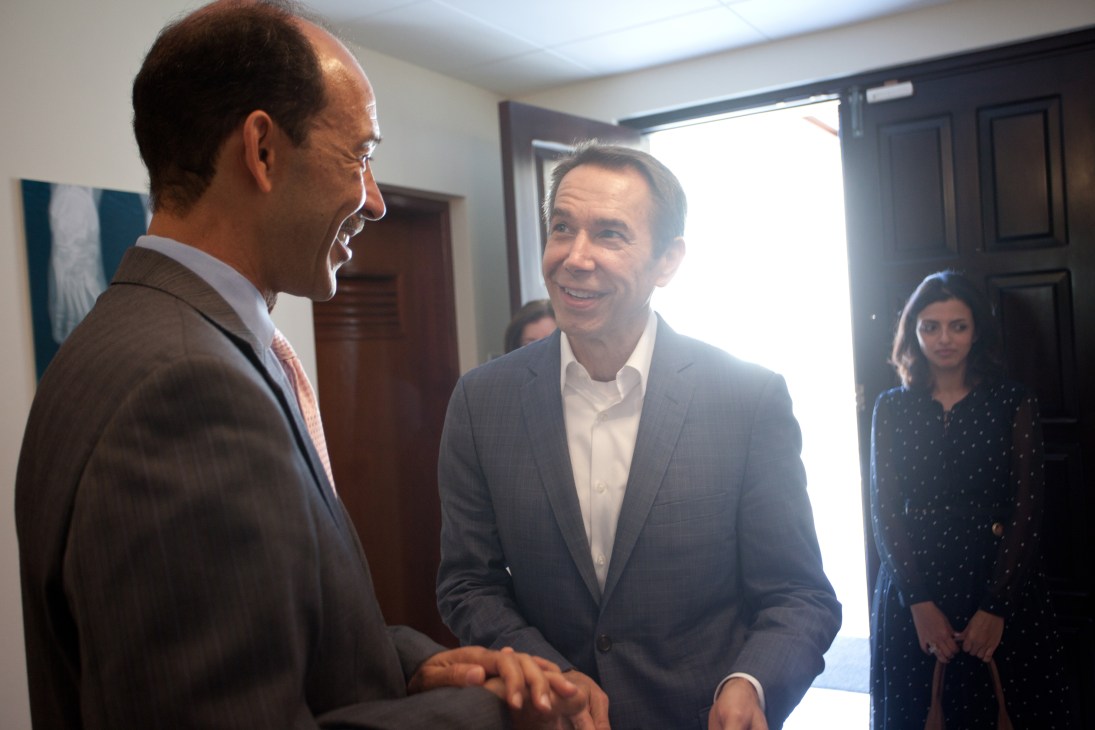
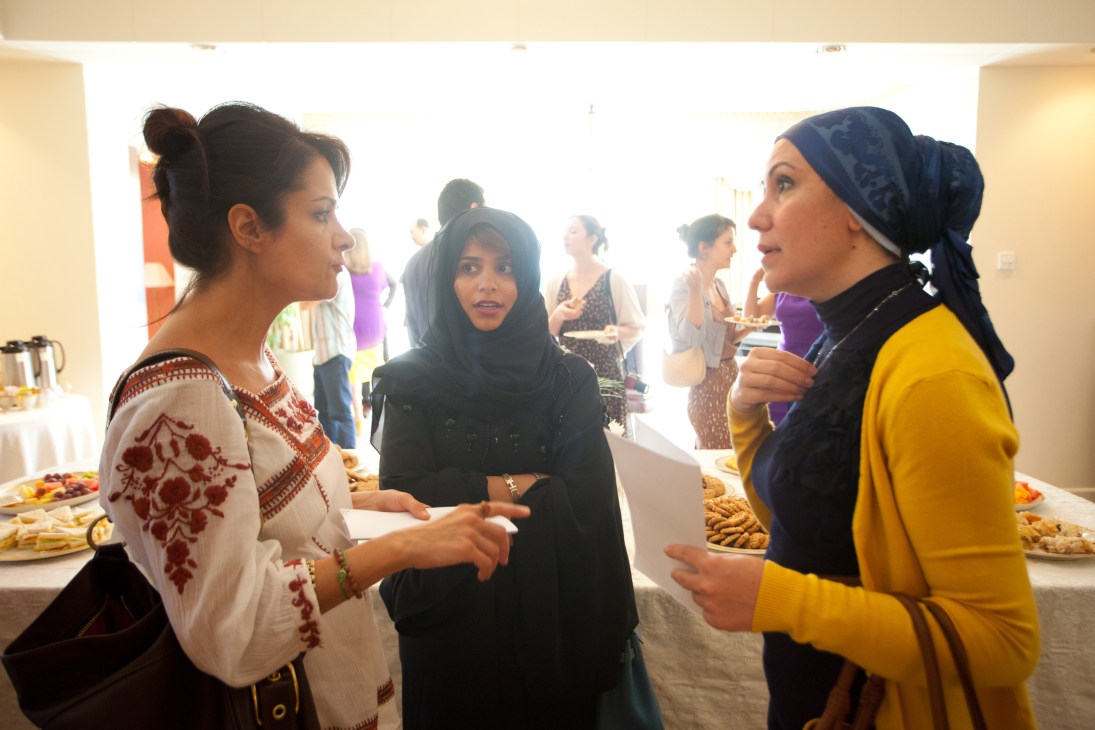
“Art offers hope, a means of communication. It does what diplomacy is all about.” At his official Abu Dhabi residence Corbin walks Monocle through the opening of his at-home exhibition, Beyond the Frame, featuring Emirati and American works. Visiting star artists Jeff Koons and Kurt Perschke mingle with Arab collectors, nibbling on baklava.
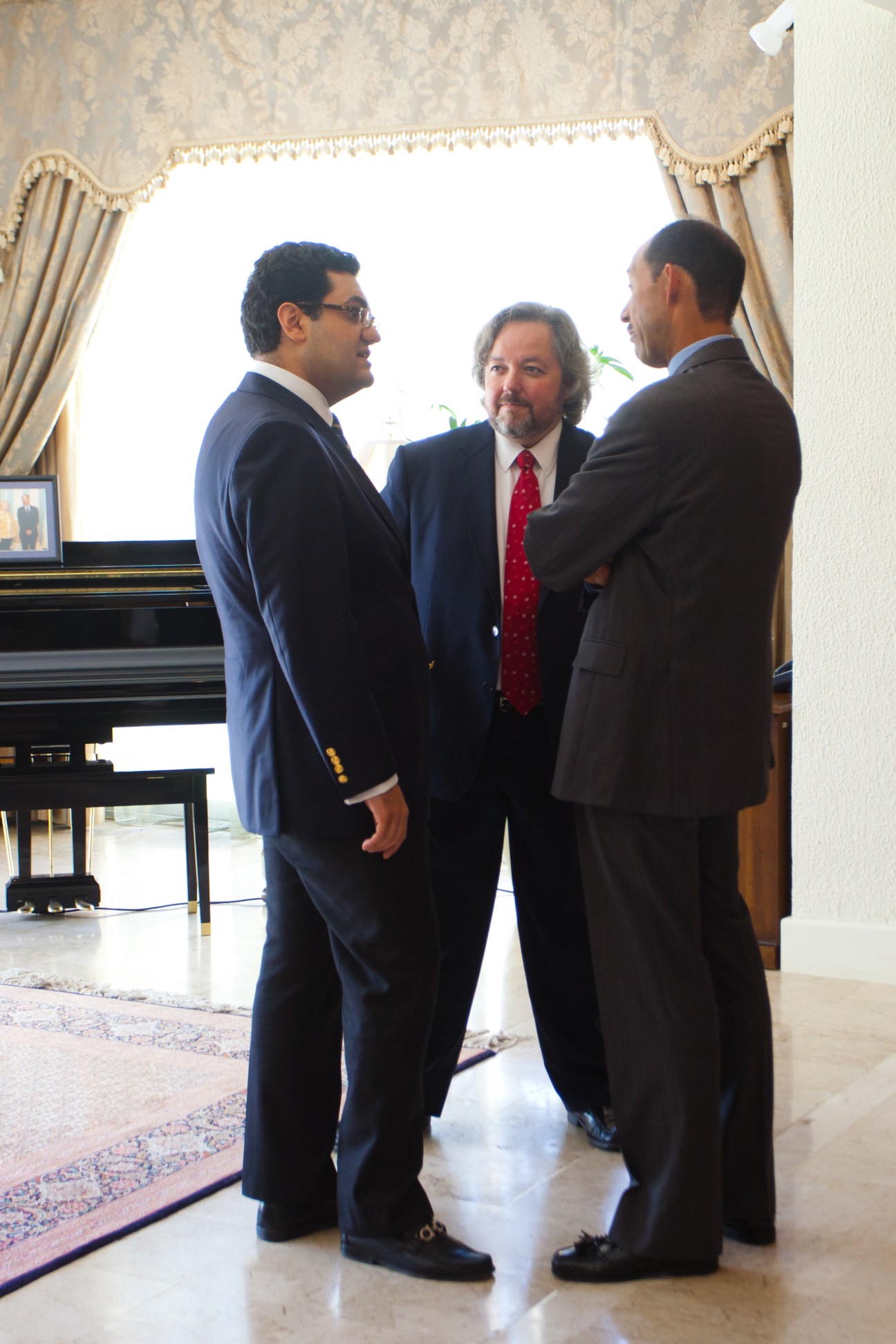
Sitting under a piece by Emirati Maitha Demaithan, Corbin weaves through his three decades in foreign service. He’s collected modern works from around the Middle East, aided by his wife, a fellow diplomat (they met while working the US visa line in Kuwait). Corbin was later posted in Hosni Mubarak’s Egypt and served as Charge d’Affairs in Syria, then the highest US post in Damscus, as bilateral relations fell apart.
“The Syrian government did everything possible to make it difficult for our embassy,” he says of the 2006-2008 tour. “I couldn’t talk to the media in Syria, I couldn’t publicise anything, the artists were under threat for working with us. It was very challenging.”
Corbin sees the likes of Dubai-based James Clar, whose light installation glowed over our interview, as an emerging breed of envoy: the artist-diplomat. Given a waning US budget for foreign programmes, Corbin says their role is rising and requisite. Art is such a soft power priority for the US that State Department runs an “Art in Embassies” programme to send American works abroad – a global museum culled from a stateside art bank.
As for the hard fact of US interests in the Middle East – what comes from the political vacuum and Islamist ascent – Corbin is optimistic. “People don’t choose Islamic extremism. They want jobs, they want food, they want an education so their kids can have a better life,” he says. “They’re looking for the centre. The question is will it develop soon enough.”
Arab awakening
Through the Arab uprisings, Ambassador Corbin sees an artistic flourishing – a potential return to the booming Beirut, Cairo and Damascus of the 1960s. Political change then stirred a new round of Arab creatives, by killing the censorship and fear that had suffocated them.
“People are thinking of things in ways they couldn’t conceive of before, of expressing long bottled-up passions,” explains Corbin. “It’s wonderful to see it happen.”