It takes a village: Three new co-living developments that are bringing generations together
From a Sydney high-rise with a clubhouse and church to mahjong in a Malaysian lounge, these new developments are designed to foster connections between generations and enhance the lives of their elderly residents.

Coop MIL
Montréal
The oldest residents in Montréal’s Coop mil are a globe-trotting bunch. Monocle is lucky to catch 80-year-old Monique Rouxel, who spent half of the harsh Québec winter in Vietnam and Thailand, days before she embarks on a cycling tour of the Laurentian region. The Brittany-born former restaurateur retired after a career serving crêpes to hungry Montréalers (plus a few stints cooking aboard yachts in the Caribbean) that enabled her to transform a one-room village school into her dream retirement home. When grandchildren entered the equation, though, she found it hard to visit them as frequently as she wanted, as the journey to Montréal took three-and-a-half hours. Rouxel decided to move to the big city but much of the property she found there was prohibitively expensive. While she could afford extra-care housing, conversations with visiting friends who lived in such digs confirmed that she had no desire for the rigid pensioner’s life.
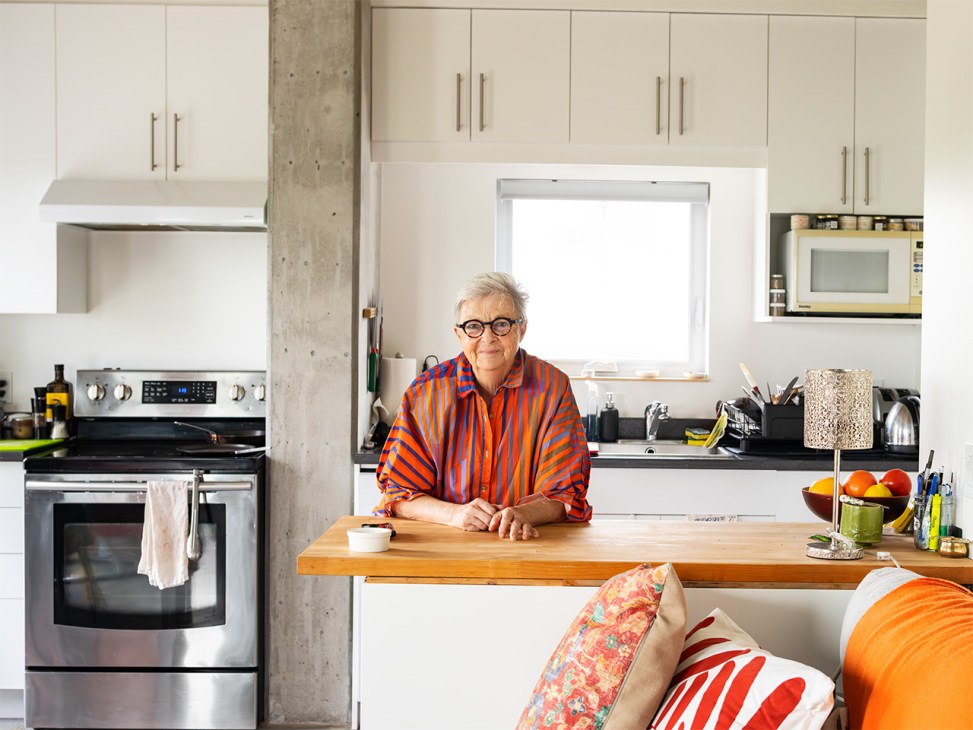
“Lunchtime is 12.00 sharp every day because that’s the business model,” she says. “You can count the walkers. The big, heated pool is a plus but I wanted something more dynamic.” Rouxel found what she was looking for in 2016 when friends recruited her to join a planned residential co-operative. The idea appealed to the self-described hippie who left France 50 years ago to join a commune in Québec. “Self-management creates stronger ties than just being neighbours with people who you only cross paths with in the lift,” she says.
Québec is the most co-op friendly province in Canada and Greater Montréal is home to more than 15,000 housing units of this kind. Building one from scratch, however, is no mean feat. Rouxel says that she spent about 500 hours in meetings and workshops to realise the 91-unit project, which opened two years ago in the Outremont area. Now, instead of gripping a walker, Rouxel mounts her bicycle for the 10-minute ride to her son’s house.


Rouxel’s 78-year-old neighbour, Denise Poirier, often walks to the Université de Montréal campus nextdoor, where she is auditing courses on neuroscience. For the retired Radio Canada presenter, now serving on the co-op’s communications committee, co-op life provided an affordable way to return to Montréal after several years of rural life. She revels in the intentionally intergenerational demographics. “Only living among older people isn’t stimulating,” she says. “Being around parents with kids yelling in the courtyard, a mother rocking her baby in the community room – that’s truly living.”
While Rouxel says that she burnt out after five years as co-op president, she is invigorated by phase two: a wing for those with limited mobility. The spirit is co-operative but her involvement is understandably selfish – when built, it’ll allow her to spend even more years happily cooped up in the co-op.
Date opened: 2024
Architects: Pivot – Coopérative d’Architecture
Residents: 150 to 200
Cost of apartment: CA$849 to CA$1,569 (€526-€972) a month with required committee service
Key amenities: Courtyard, community room, bike garage and storage lockers
The Cambridge
Sydney



Date opened: November 2025
Architects: Architectus
Number of independent retirement living units: 158
Residential aged-care beds: 132
Price of apartment: Starting at AU$769,000 (€473,000) for a one-bedroom apartment
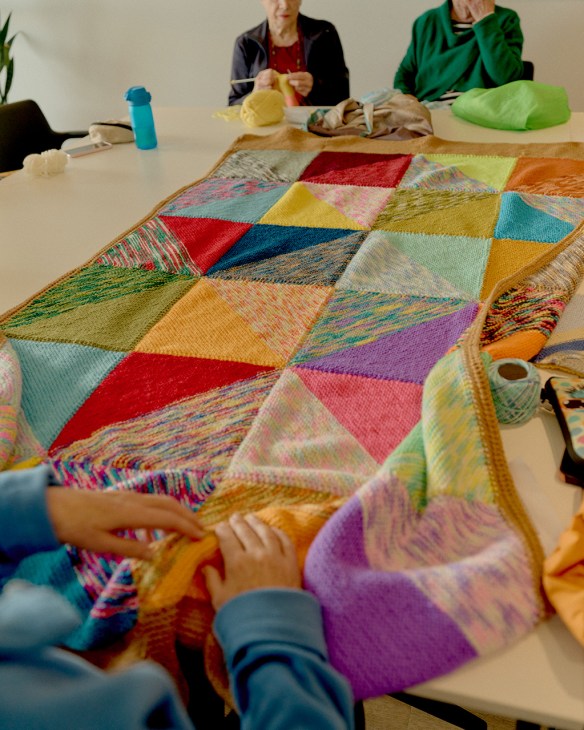
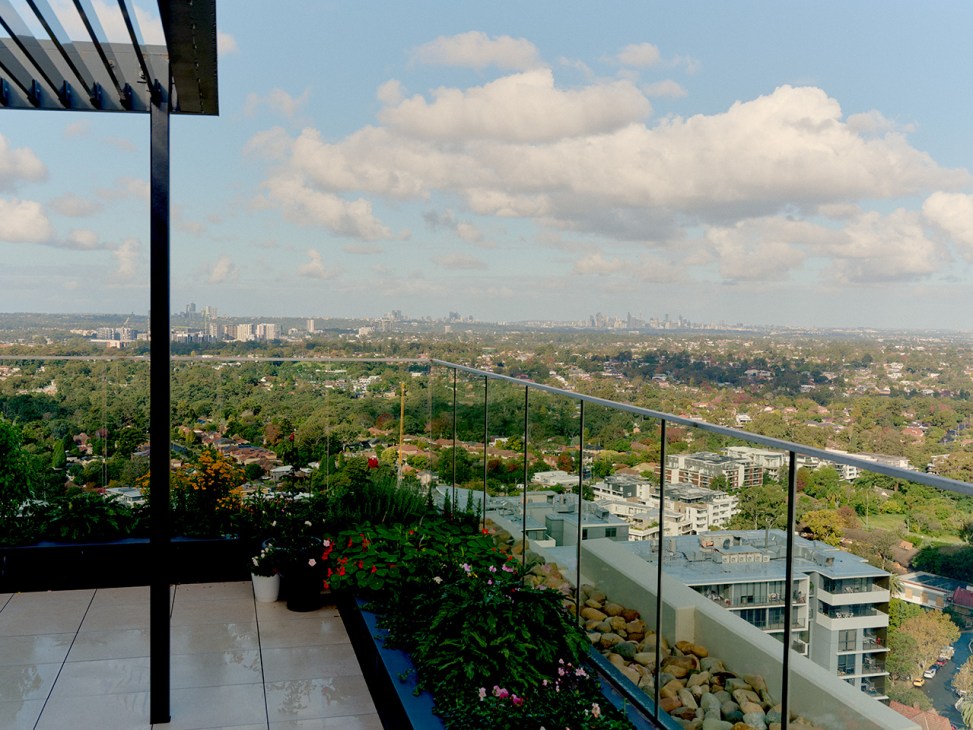
Key amenities: Pool and fitness centre, hair salon and nail bar, clubhouse and bar, cinema and games room, library and crafts studio, workshop and garden and alfresco lounges
Millennia Village
Seremban, Malaysia
Malaysia is undergoing a rapid demographic shift: by 2048, it is estimated that 14 per cent of its population will be aged 65 or older (up from 8 per cent today). And yet, unlike in many similarly ageing nations, retirement and nursing homes still carry a stigma in Southeast Asian cultures, where it’s traditional for the elderly to live with their younger relatives. While there’s growing demand for purpose-built senior housing and assisted-living residences, these too often fall short on delivering a feeling of community and connection.
“Designing for older people isn’t only about safety features – it’s also about joy,” says Diane Chia, the executive director of Millennia Village, which opened in Seremban, a city about 60km south of Kuala Lumpur, in 2023. The 13-hectare retirement village and lifestyle resort sets itself apart from conventional care homes by catering to visitors as well as residents.
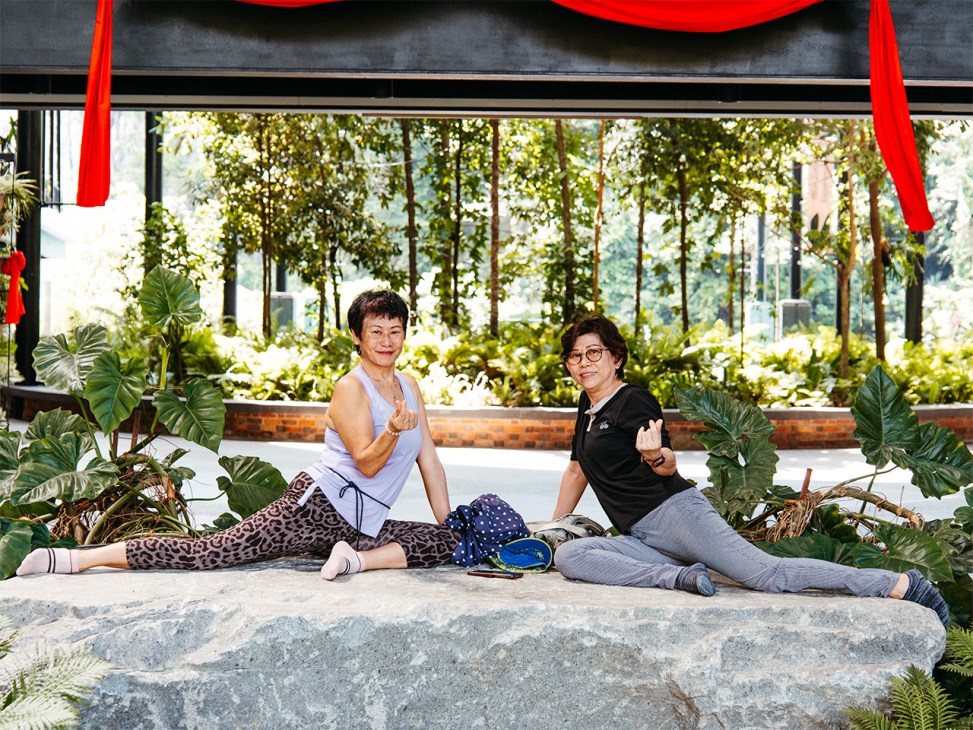
Established by three members of the Chia family and siblings Peter and Susan Ho, the development was conceived as Malaysia’s first active senior-living resort. “The words ‘retirement home’ carry so much weight,” Chia tells Monocle. “They conjure images of people waiting, not living.” Activities (which are open to both residents and visitors) include jungle hikes, yoga, art classes, aqua aerobics and gardening, while the evenings benefit from a focus on socialising, with competitive mahjong sessions taking place in the lounge room and late-night karaoke getting people on their feet. Though people aged between 50 and 75 remain the property’s core demographic, short-term stays, corporate retreats and private events bring in younger visitors, as well as those from further afield.
“When you have different generations living and engaging together, the mood stays vibrant,” says Chia. “Our senior residents are constantly energised by younger guests and family visitors, and there’s something beautiful about that exchange going both ways.”


The village is immersed within the surrounding jungle. “When I first walked through this old granite quarry land, there was this raw, dramatic beauty and I thought that it could be extraordinary,” says chief architect Peter Ho, who used circular clan dwellings of the Hakka Tulou in China’s Fujian as a reference point for the design of the open-air central courtyard that functions as a social anchor. “Fresh air, greenery and birdsong aren’t luxuries,” he says. “They’re fundamental to human wellbeing, especially as we age. When you breathe clean air and move through natural spaces every day, it changes you.”
The village’s 344 guest rooms come in the form of loft-style serviced apartments and multi-room family suites. Materials are selected for both tactility and safety, from slip-resistant flooring to functional but warm lighting. For those who require regular help, plans for a 75-unit assisted-living residence are in the works, along with a plan to build an on-site medical clinic and traditional medicine centre in collaboration with a local hospital.
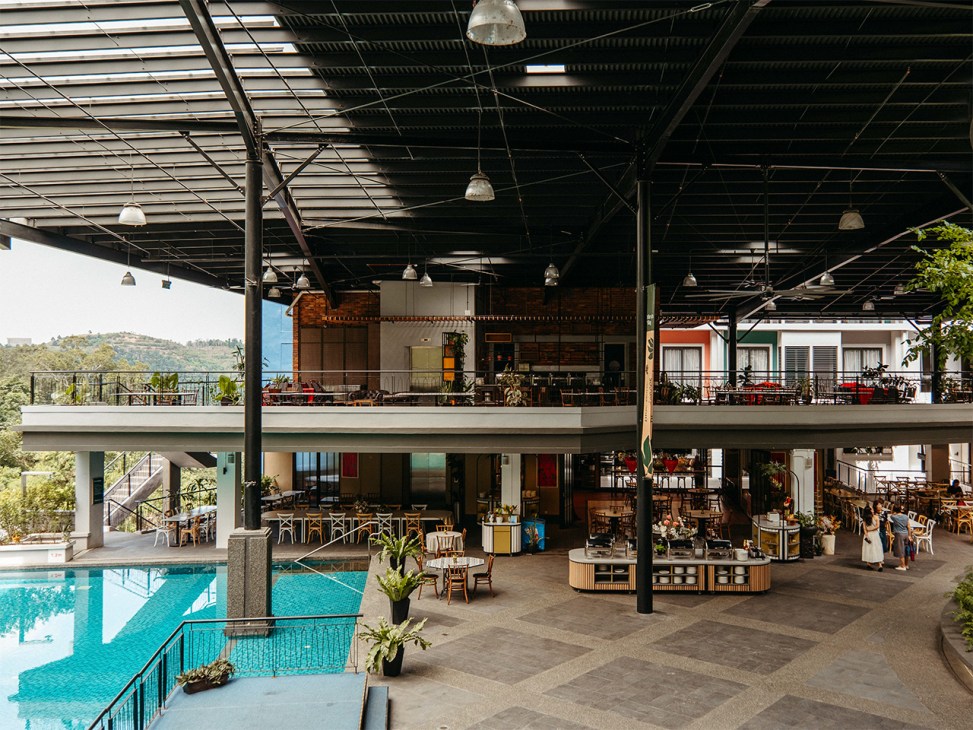
The result is a positive approach to senior living that’s not only attracting locals but also international guests who are looking for a holiday in a facility geared towards people of their age – or just a sunny post-retirement relocation. “The developers and management have decades of experience in building and operating hotels and it shows,” says German retiree Juergen, who is visiting with his wife, Marita. “We’re here for the third time now, each time a little longer than before, and we feel very comfortable. If we ever give up our house in Germany and move into a residence, it will be here.”
millenniavillage.com
Date opened: December 2023
Architects: Peter Ho Architect
Number of independent retirement living units: 344
Price of apartment: Starting from RM6,000 (€1,280) per month for a studio apartment
Key amenities: Wellness services from health consultations to physiotherapy, saltwater infinity pool, all-day dining, 1.2-hectare garden farm, forest trail and rooftop bar