Pack leaders
A photographer, a war artist, a special correspondent and a writer for ‘The New Yorker’ reveal what kit they take with them to the world’s conflict zones and how they work.
1.
Sebastian Meyer
War photographer
“I started photographing Iraq in 2010 and two weeks before my 30th birthday I went to Mosul to cover the US military operations. The units I was with came under an enormous car bomb attack. The bomb hit the vehicle I was in and I got my first taste of the real nastiness of war. My first reaction was to see if I was wounded. Then I wiped off my lens and started shooting, as if it was the most normal thing to do.
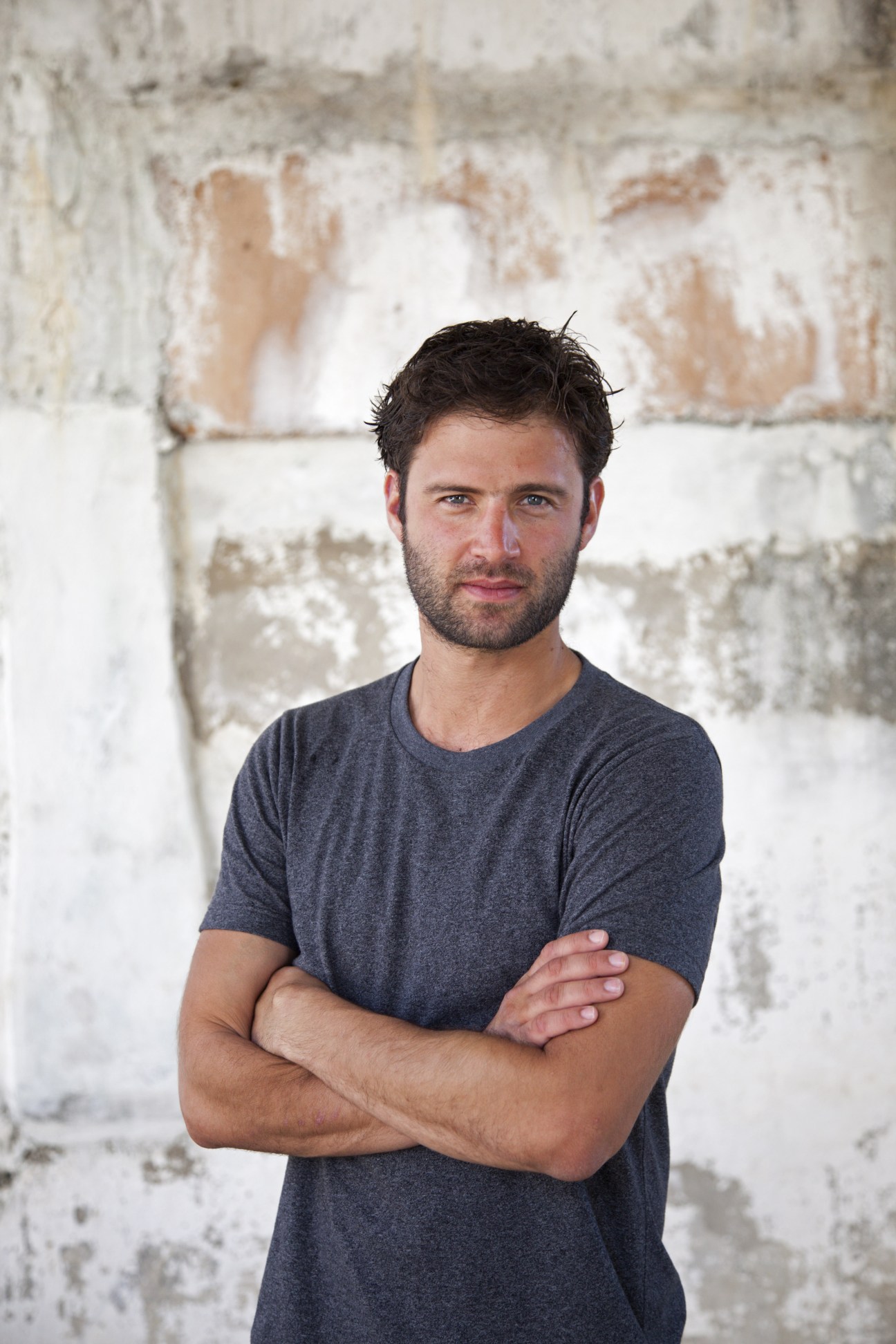
After Iraq, I went to Afghanistan, again to cover the US military offensive in the south of the country. The unit I was with was outflanked by the Taliban and we had to retreat under a lot of fire. Once the adrenaline had left my system I went through my photos. There was none of the noise, movement, or confusion of what happened. That’s when I started thinking about shooting video and recording audio.
When I covered the Libyan uprising last year I brought a sound recorder to the front line. The video I shot of street fighting in Misrata went around the world.”
Meyer works for Monocle, the WSJ, New York Times and the BBC among others
Essential kit
1.
Four grey T-shirts and jeans
2.
Pepto-Bismol
3.
Loratin for hay fever
4.
Condoms: you never know
5.
Condoms: you never know
6.
Toothbrush
7.
Headphones
8.
MacBook Pro laptop
9.
Notebook and pen
10.
US passport
11.
Earplugs
12.
Nail clippers
13.
UK passport
14.
US dollars
15.
Nokia cell phone
16.
BlackBerry
17.
Camera batteries
18.
Charger
19.
Canon 50mm lens
20.
Kindle
21.
Universal power adapter
22.
SIM cards
23.
Shoes
24.
ND filter
25.
Memory cards
26.
Family photos
27.
Passport photos I’ve collected of people
28.
Canon 24mm lens
29.
Card reader
30.
Wallet
31.
Air blower
32.
500GB hard drive
33.
Two Canon 5D Mark II
2.
Matthew Cook
War artist
“I only carry three paints – red, blue and yellow – a few favourite brushes and two or three sketchbooks. I never used to do line drawings but I had to in Iraq, for speed, and now I do them all the time. My painting in war zones started in 2003 when I was commissioned by The Times in London to give them a different way of telling the story. I was sending back sketches every night from a laptop and scanner I’d rigged up to the cigarette lighter in my car. I mainly work for myself now in Afghanistan and get invited out by the brigades themselves.
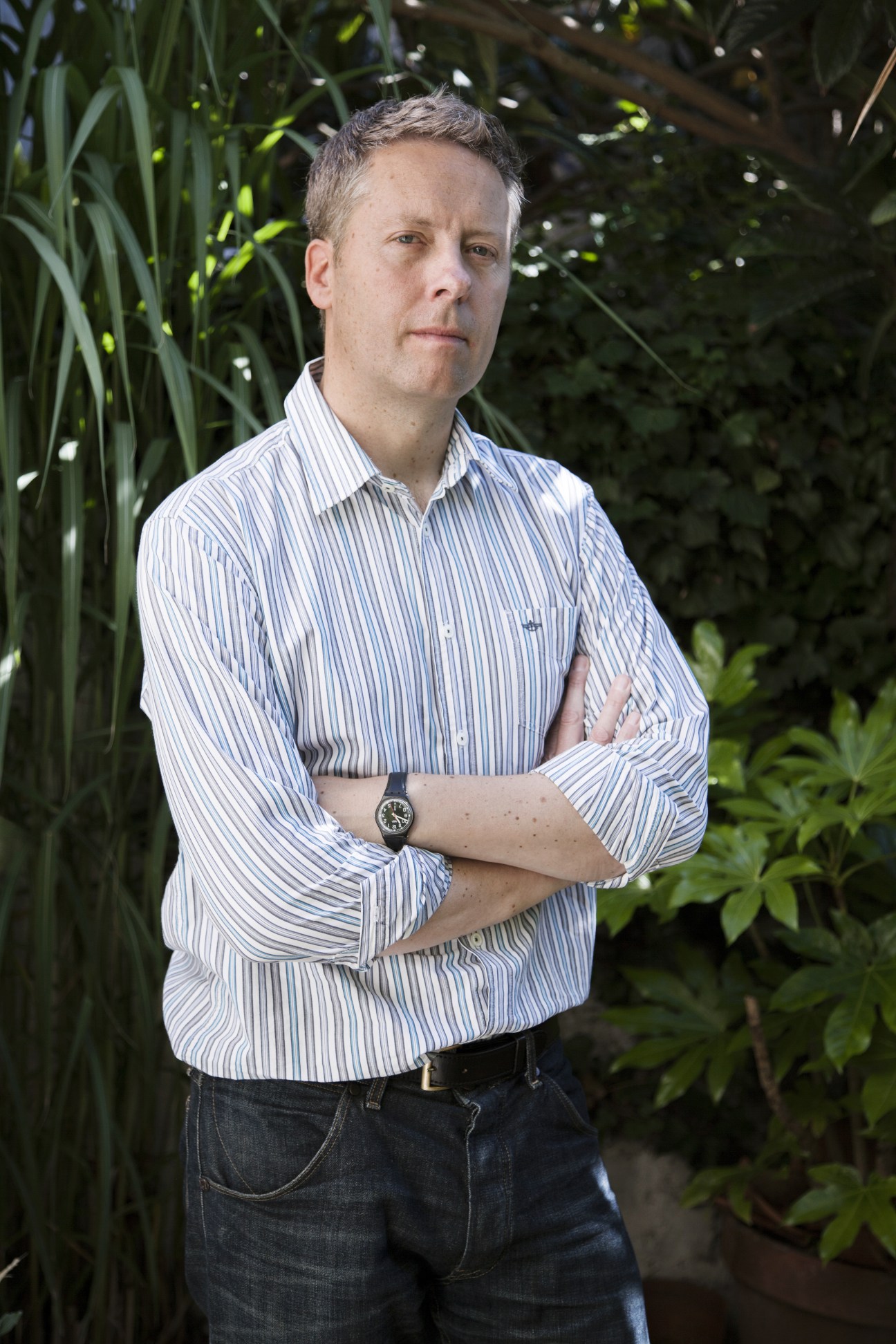
The armour here is the lightweight stuff used for flying in and out of Iraq or Afghanistan. The one I wear on the ground is 15kg heavier and gets a lot hotter, as does the helmet. The gloves make your hands sweat but I’ve just had to get used to drawing and painting with them on.
I try to paint everything as accurately as I can. I tend to do lots of line drawings and then decide what to put a wash over and make into a watercolour later on. Of course, many remain unfinished. There are stacks of sketches in the loft that were interrupted by a bomb going off or being rushed to the next checkpoint. Iraq looked like a film-set in many ways, with rockets flying overhead half the time but I often feel it’s a responsibility to draw the ordinary things, too.”
Matthew Cook has been commissioned by The Times, National Geographic, Royal Mail and Monocle
Essential kit
1.
Gloves
2.
First aid kit
3.
35 litre day sack
4.
Passport and family photos
5.
Tourniquet
6.
Battlefield Casualty Drills Aide Memoire
7.
Drawing water bottle
8.
Dehydrated rations
9.
Ballistic goggles
10.
Plastic palette
11.
Three primary colour inks
12.
Shemagh used as a pillow
13.
Enhanced combat body armour
14.
MK6A Kevlar helmet
15.
1 litre water bottle
16.
Metal mug
17.
Unisex pelvic protective anti-microbial drawers, army issue
18.
Tube to carry brushes and steel nib pens
19.
A4 sketchbooks
20.
A5 sketchbooks
3.
Alex Crawford
Special correspondent for Sky News
“I take as little as I can as it all has to be carried on my back; despite the fact the crew and I could be sleeping on floors for a week, there’s no space for comfort. In Syria we had to cross mountains and rivers over six days so we had to be light.
As a TV crew, we’re ver reliant on power and this means batteries for everything as power sources are often unreliable or non-existent.
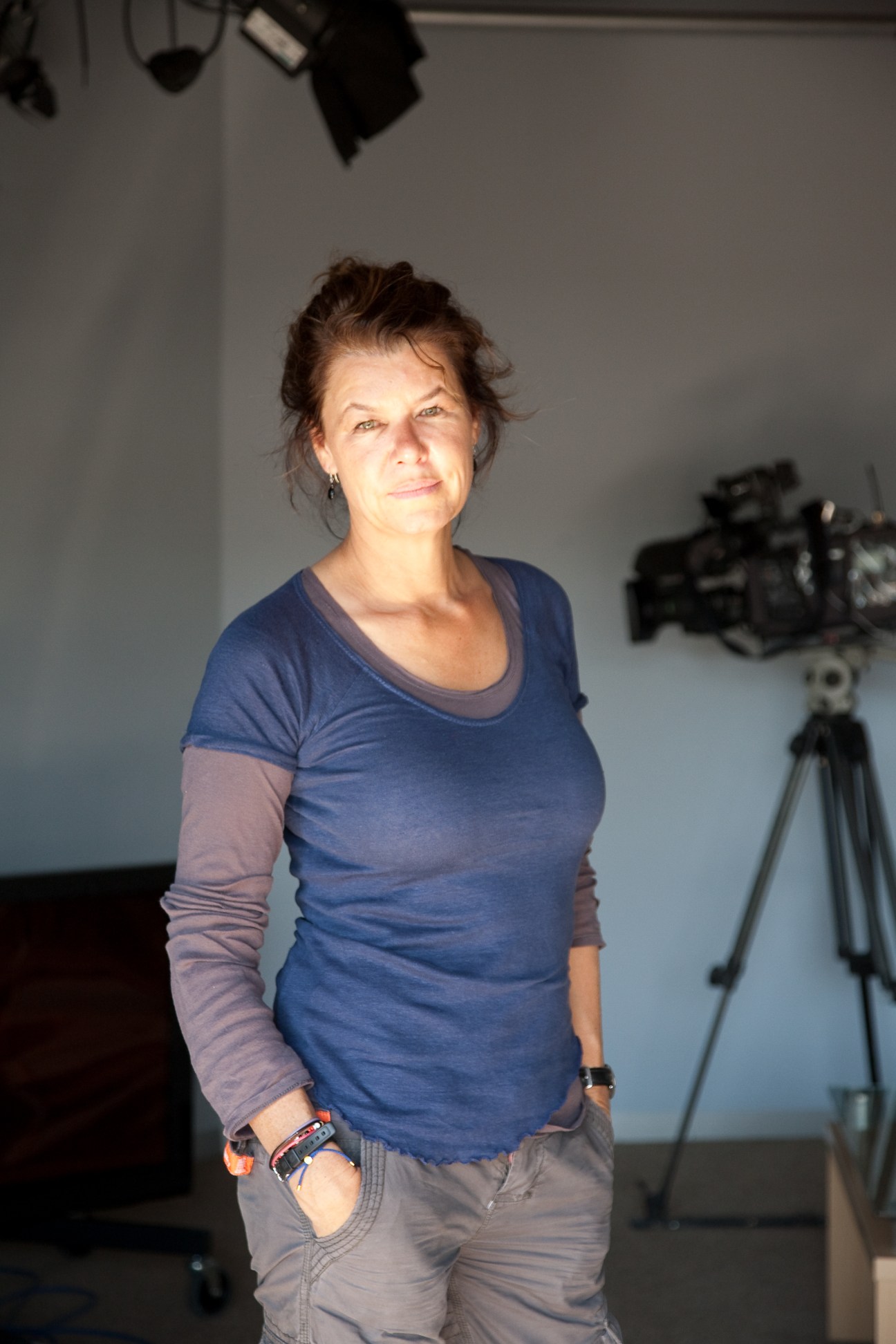
In Libya last March, we were holed-up in Zawiya, a town that had been blockaded by Gaddafi’s tanks. We’d shot footage of the Libyan Army firing on their own unarmed people and had to smuggle it out on memory cards in loaves of bread, in my bra, through checkpoints. We had to make it look like our camera had been broken in a blast to smuggle that through. Eventually we got to Tripoli and sent the images to London. They were used by the International Criminal Court when prosecuting the Libyan regime for war crimes and six days later Nato set up the no-fly zone and conducted the bombing missions that helped bring down Gaddafi.
The burqa’s been in my kit bag on many recent stories; in south Asia it’s a necessity as it is in Afghanistan, Pakistan and Syria, where I wore a full-length black hijab, too. There’s a way of walking that sets you out as a Western woman, so you have to learn not to do that and to walk behind my male crew, too.”
Essential kit
1.
Jack Ellis bullet proof vest
2.
Global Arrow helmet
3.
BGAN: satellite transmitting equipment; vital in August 2011. We transmitted live pictures showing the rebels had Gaddafi
4.
Medical Kit
5.
Mosquito net
6.
Burqa: bought in Afghanistan
7.
Boots
8.
Plastic mug
9.
Head torch
10.
Sleeping bag
11.
Hairbrush: this was my youngest daughter’s, hence the size
12.
Toothbrush and paste
13.
Goggles
14.
Tiny quick-drying towel
15.
Sunblock
16.
Purple multi-tool penknife
17.
Door wedge alarm: slide it under your door where it emits a high-pitched alarm against intruders
18.
Compass
4.
Jon Lee Anderson
Staff writer, The New Yorker
“I’m not very obsessive about what I write on… [but] I like the little Rhodia notebooks. I like pencils, though they’re no good for writing notes because it takes a lot longer than a pen. But I like taking reflective notes with pencil, or ordering my day with a pencil.
I have an ‘embed bag’: a black backpack with boots, headlamp, sleeping bag, flak jacket, sat phone, first aid kit. That’s the pro forma thing I just mustered. I usually take a pebble. They come from Chesil Beach [in Dorset, where I live]. My kids used to give them to me, and I would find them in my pocket whenever I was in Afghanistan in those early years, and also Iraq, and so I began to think they’re my good luck charm. And whenever I felt one in my pocket I felt really good.
I used to have a real craving for coffee. Through the Iraq war I carried my own little hotplate and one of those little Cuban coffeemakers, and I would carry in coffee. Even strangers would bring me coffee. They’d say, “Here Jon Lee, we heard you really needed coffee.” But I no longer have that craving, and I guess it’s just so that I don’t have any pathologies, or any obvious pathologies anyway.
When I was in Sudan, I forgot a headlamp so I was always stumbling around completely blind in the night. Boots, headlamp, and water, and something to write on – if you have those, you can do anything.”
Essential kit
1.
Sleeping-bag liner
2.
Rhodia notebooks
3.
Small metal pen
4.
Inmarsat satellite phone data transceiver
5.
Kevlar helmet
6.
Thuraya Hughes 7101 satellite phone
7.
Inmarsat phone and controller
8.
LaCie Rugged hard drive
9.
iPhone
10.
Double-SIM Nokia
11.
USB stick of carved wood
12.
Chesil Beach pebbles
13.
Power adapters (various)
14.
Durable hiking socks
15.
US passport
16.
Medicine/vitamin supply
17.
Flak jacket with ceramic plates
18.
Lifeventure Trek Towel
19.
Mini LED torch
20.
Ballistic goggles
21.
Hiking boots
22.
Document pouch
Reporters at risk
Since 2007, there have been 277 journalists killed reporting stories. In 2012 there have been 31 journalist deaths.
Source: The Committee to Protect Journalists