Not your average joe: 25 of the world’s best coffee shops, run by next-generation owners
The love of coffee traverses borders. Here are some of our favourite spots, run by people who deliver great brews, good design and a sense of community.
For our June issue, we’re exploring coffee on a global scale. Read about the project and join us as we visit coffee-shop brands both big and small with interesting and surprising stories to tell. We hope that you find it refreshing.
1.
Fuglen
Norway
The cross-continental champion
Founded in Oslo in 1963, Norwegian coffee brand Fuglen has focused on Asia instead of the big European or North American cities. This is thanks to the strategy of the current owner, Einar Kleppe Holthe, who bought the business in 2008. Fuglen’s first overseas outpost opened in Tokyo in 2012, followed by shops across Japan, Indonesia and South Korea. Last year there were openings in Kyoto and a second location in Seoul; new shops in Fukuoka and Bali opened this year. “We’re showing that you can build a very good business, based on values, that doesn’t only think about profits,” says Holthe.
fuglen.no


2.
Harlan Coffee
Philippines
The urban oasis
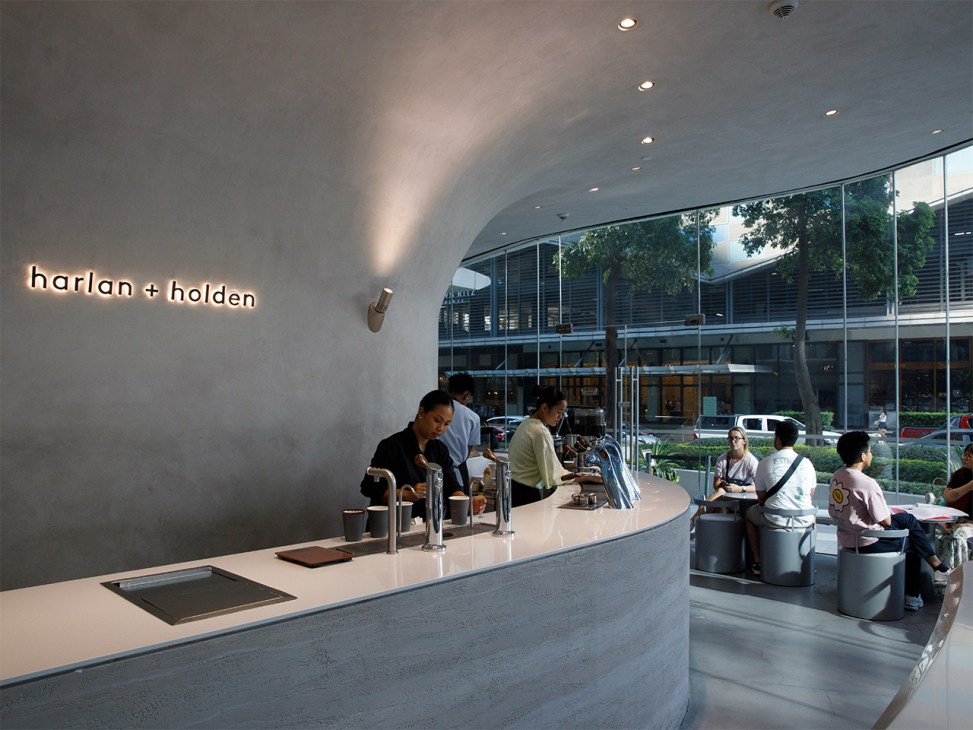
Catering to on-the-go professionals, Filipino entrepreneur Emmanuel T Pineda’s Harlan Coffee seeks to serve up re-energising experiences that fit into the rhythms of our working lives. Its priorities can be gleaned from its choice of locations: the first were near stock exchanges. It has 10 shops in its home city of Manila and 10 in Jakarta. The long-term strategy is international expansion, with ambitions to open a flagship in every Southeast Asian capital. Harlan Coffee is also being rebranded by Winkreative, Monocle’s sister company.
harlanholden.ph
3.
Sip
Lebanon
The creative choice
When Omar Jheir opened Sip in Beirut’s Gemmayze district in 2017, it was the city’s introduction to artisanal coffee. Now there are about 20 cafés on the same street. “In the past couple of years, there has been a coffee movement in Beirut,” says Jheir, who was inspired by the bean scene of Australia, where he grew up.
Sip’s original café is in a former upholstery workshop, with its industrial aesthetic preserved. A second Beirut branch is imminent at Ramlet al-Baydeh beach and there’s an outpost in Cairo.
Sip, Gemmayze Building 341, Beirut, Lebanon 1100


4.
Nuances
France
The aesthetic innovators
Founded by brothers Charles and Raphaël Corrot, Nuances has been turning heads in Paris with its retrofuturistic interiors. It has recently opened a fourth shop in the city: a cube-shaped outlet with dramatic lighting in Le Marais. Its Rue Danielle Casanova site is another visual highlight: a listed former creamery from the 1930s, its façade, floor and ceiling are historic treasures. “The contrast with the futuristic bar is striking,” says Charles. The appeal isn’t all aesthetic: house recipes such as the rose latte (eau de rose brewed with matcha and milk) and collaborations with a pâtissier give the brand extra, well, nuances.
cafenuances.com


5.
Alchemist
Singapore
The entry point
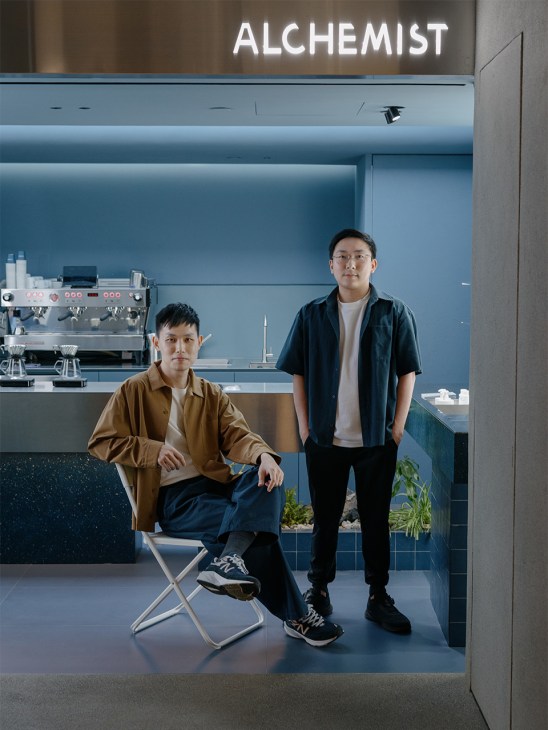
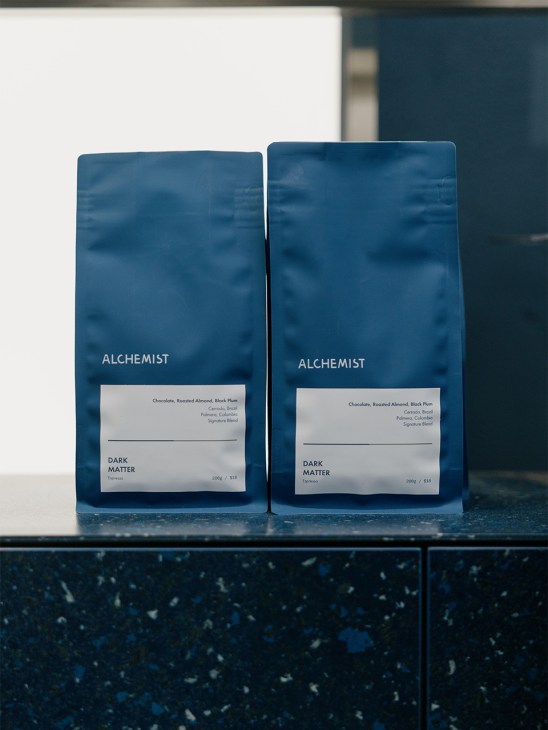
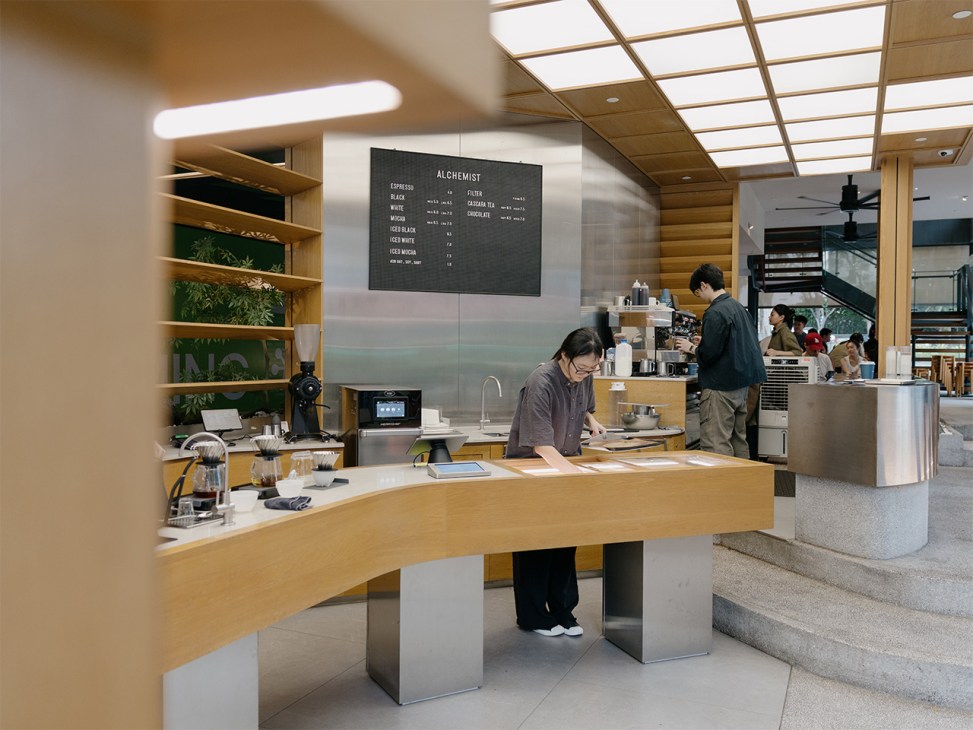
Singapore-based brand Alchemist, which recently marked its 10th anniversary, remains committed to its founding mission of making coffee approachable. “We have always offered a wide selection from around the world that’s high quality but not too expensive,” says Ang Wei Kiat, Alchemist’s director of coffee. Across 15 sites in Singapore, plus cafés in Taipei and Tokyo, the roasts on the menu accentuate sweetness and clarity. “No education or experience is needed to enjoy those things,” says the company’s founder, Will Leow.
alchemist.global
6.
Deluxe Coffeeworks
South Africa
The daily grind
When Carl Wessel and Judd Nicolay are choosing café locations for their South African brand Deluxe Coffeeworks, they look for spaces where people will want to return daily. “This allows us to become part of people’s everyday routines,” says Wessel. The business began as a coffee roastery in Cape Town 17 years ago but today the city hosts four of its cafés. There is also an outpost in Stellenbosch, as well as a roastery in Namibia. In Cape Town, you’ll often spot residents on the go sipping Deluxe flat whites. The roastery business has since expanded to supply 450 wholesale customers and coffee shops.
deluxecoffeeworks.co.za


7.
Abuelo
UK
The gathering place
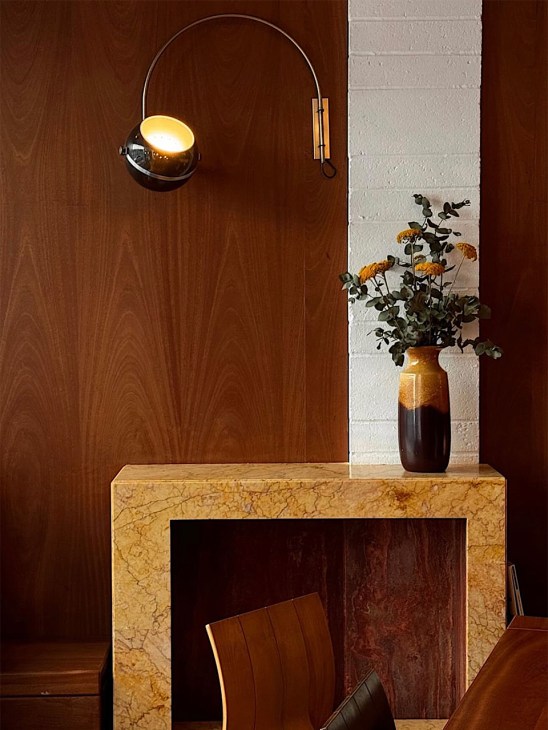
Combining speciality Latin American coffee with a strong visual identity, Abuelo has two outposts in London: its first opened in Covent Garden in 2018 and a Marylebone café followed in 2024. Its distinctive look draws on the architecture and design roots of the company’s mother-and-daughter founders, Lynette and Cloe de la Vega. “Many architects who design for hospitality can get it right for the photo but so wrong for how it feels to be in the space,” says Cloe. “We start with the practical elements before moving on to the workflow, how customers engage with the space and what we’re trying to communicate.” Featuring sharing tables, vintage furniture and wood-panelled interiors, Abuelo offers well-designed places that invite you to linger.
abuelocafe.co.uk
8.
Subko
India
India’s best brew
Entrepreneur Rahul Reddy’s light-bulb moment for Indian coffee brand Subko came when he realised that most speciality shops in the country relied on African and Latin American producers. “I asked myself, what about Asian coffee?” he says. Reddy opened the first Subko in Mumbai in 2020. Six years later, there are outposts in four cities across India, plus one in Dubai. He has expanded its repertoire to include South Asian inspired bakes and bean-to-bar chocolate too.
subko.coffee


9.
Koffee Mameya
Japan
The must-book bean house
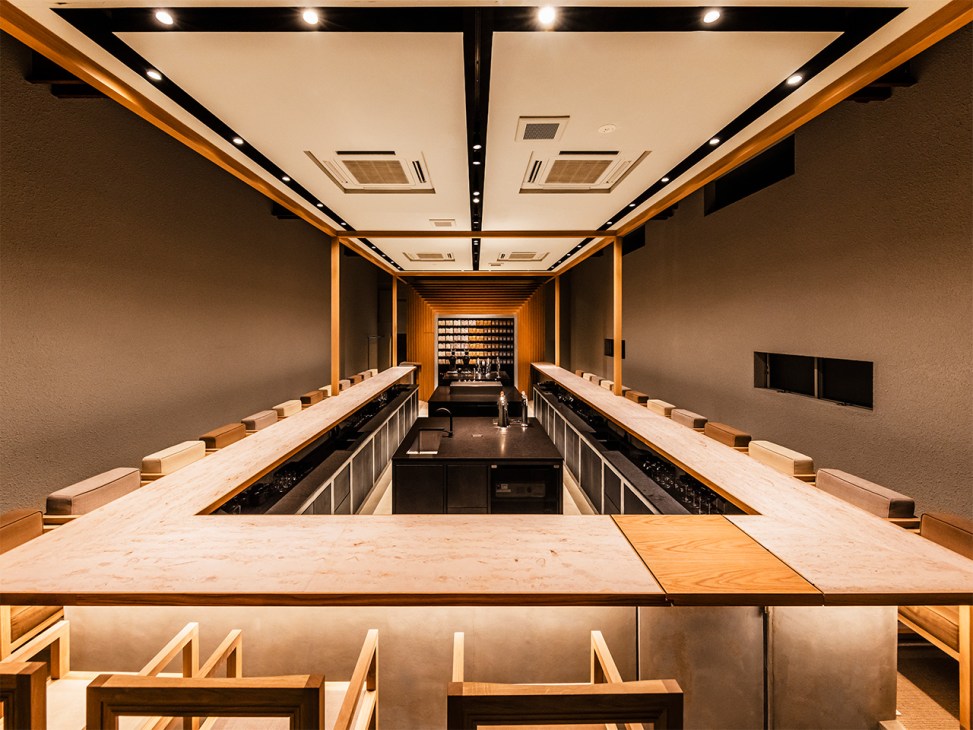
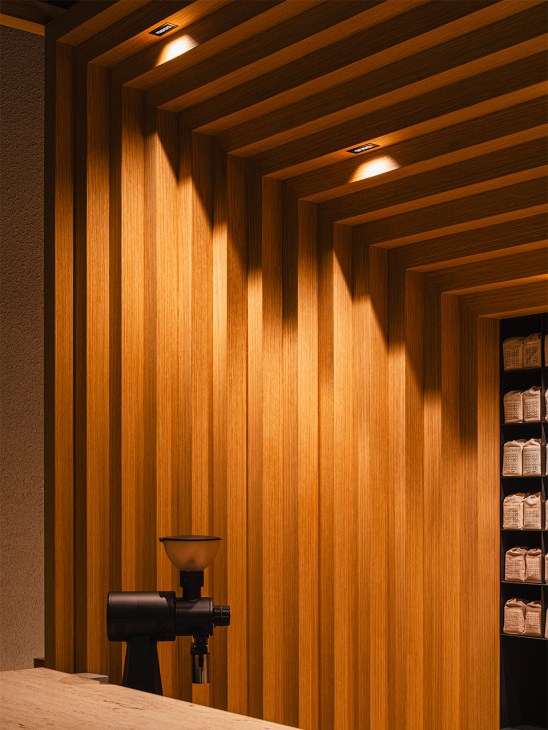
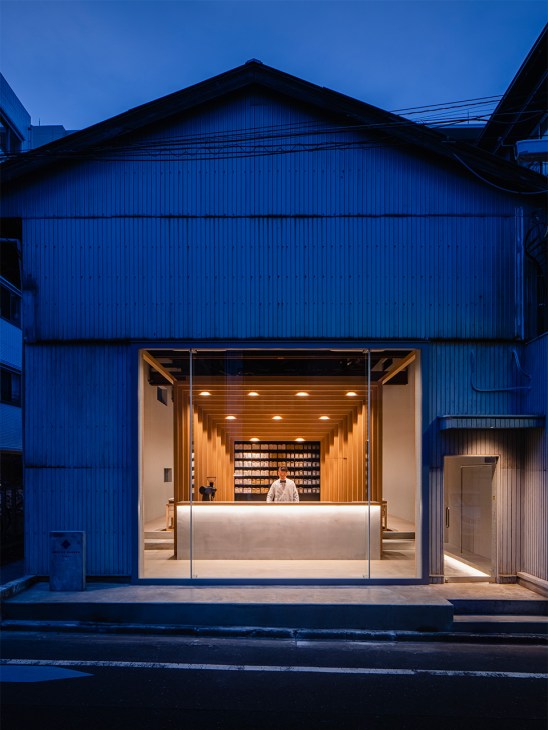
Founded by Eiichi Kunitomo, Koffee Mameya has carved out a niche in Japan’s coffee scene. First came a backstreet bean shop in Tokyo’s Jingumae in 2017. Four years later, Koffee Mameya Kakeru opened in a renovated warehouse in Kiyosumi-Shirakawa. This reservation-only shop embodies Kunitomo’s mission to elevate coffee through an experience akin to fine dining. These two locations, plus a third in Hong Kong, show the potential for businesses built on craft over convenience.
koffee-mameya.com
10.
Die Cafetière
Austria
The mid-century treasure
Die Cafetiére is a fine example of the espresso bars that emerged in the 1950s and 1960s as counterpoints to Vienna’s traditional coffee hubs. Originally an outpost of family-owned roaster Naber, Die Cafetiére was reopened in 2023 under the ownership of Peggy Strobel, who retained its original details – such as a brass-edged bar and the Naber logo on the façade – but updated the menu to put flat whites alongside the Wiener melange. “Though we have tourists visiting, we’re essentially a neighbourhood café,” says Strobel. In keeping with its design-forward charm, the back of the café also doubles as a furniture showroom.
diecafetiere.wien


11.
Hagen
UK
The Danish ambassador
Former Goldman Sachs banker Tim Schroeder founded Hagen in 2017, hoping to bring a bit of his native Copenhagen to London. “Our coffee culture is about a love for quality and individuality,” he says. With more than 20 locations spread across London’s smarter areas, Hagen now sits at the high end of the market. “Our brand is analogue – that’s a premium in a digital world,” says Schroeder. “Because we are located in affluent areas, we can ask for people’s time, which in turn creates brand loyalty.” In 2025, Hagen expanded to Amsterdam, a city that Schroeder says is close to Danish hearts. “We’re as obsessed with site selection as we are with the cities we want to share our coffee passion with.”
thehagenproject.com


12.
Kurukahveci Mehmet Efendi
Turkey
The heritage house
In the bustling backstreets next to Istanbul’s Grand Bazaar, the rich scent of coffee pulls customers to the Mehmet Efendi HQ. The brand has been roasting coffee here since it was founded in 1871. “It isn’t just part of our family business’s history; it’s also a cherished part of our customers’ personal histories,” says Mehmet Kurukahveci, grandson of Efendi, who now runs the business along with his brother Hulusi. Today it operates a café in its original headquarters, plus two further shops in the city. Its coffee is also available in all of Turkey’s major supermarkets, so you can take that iconic logo home.
mehmetefendi.com


13.
Samba Coffee Roasters
Greece
The ice-cold roasters
Though exporting beans remains key to Samba, a fixture in Athens since 1979, completing a flagship café in the Kolonaki district in 2020 gave its owner, Kostas Kalafatas, a deeper insight into Greek coffee preferences. The frappé – a frothy iced coffee created using instant granules that defined Greek café culture for decades – is now being replaced by the freddo espresso, made with two shots of freshly brewed espresso shaken with ice cubes. “It’s the main coffee now,” says Kalafatas. “Greeks drink it cold year-round, no matter the temperature.”
sambacafe.gr


14.
Sede Café
Mexico
The to-go go-to
Opening 59 branches in 27 months is no small feat. Founded in 2024 by former banker and one-time Blank Street intern Javier Arrigunaga, Sede Café has become a staple in the Mexican capital. It’s an almost entirely takeaway business: few tables, no lingering, just good coffee at the fast pace that the city demands. Sede has expanded beyond its roots in Mexico City’s Roma and Condesa districts. You’ll now see its blue branding in malls and neighbourhoods such as Vallejo. “Accessibility means two things: fair prices and proximity,” says Arrigunaga. You shouldn’t have to cross the city or spend too much to enjoy a good coffee.


15.
Koncrete
UAE
The cultural hub
Just off Jumeirah’s beachfront strip in Dubai, Koncrete is part-café, part-cultural anchor. Founded by Emirati entrepreneur Himyan Al Qubaisi, it reflects her long-standing interest in art, architecture and pared-back design. “Concrete is the foundation, the base layer,” she says. “Koncrete is a starting point for new ideas and connections.”
Polished concrete floors and exposed columns are offset by moss-green seating and sheer drapery, creating a space that feels both industrial and inviting. The menu, meanwhile, is focused and unfussy. Coffee is sourced with care, alongside a small selection of sandwiches, matcha, beans and branded goods.
Koncrete hosts low-key events with local and international brands. In doing so, it has carved out a loyal, design-literate following and a place in Dubai’s growing creative landscape.
koncretespace.com


16.
Doutor
Japan
The pup-friendly park spot
With 1,072 branches and revenues of ¥76.8bn (about €417m) in the last fiscal year, Japanese chain Doutor Coffee Shop runs a wide range of operations. Founded in 1962 as a roastery, it opened its first shop in 1980. But for one of its most recent projects, Doutor focused on something smaller – a café in Tokyo’s Yoyogi Park. Based on the site of the Dutch team’s lodgings for the 1964 Tokyo Games (when the park served as the Olympic Village), it features stone walls made from Japanese Aji granite and a large wooden table consisting of a slab of Zelkova wood. The menu offers Doutor staples, as well as park exclusives such as a fresh strawberry matcha latte and a Yoyogi Dog with Hokkaido four-cheese sauce. Real dogs lounge on the terrace, while an outdoor hatch serves their owners. “We wanted to provide a relaxing moment for everyone who comes to Yoyogi Park,” says Doutor’s PR officer, Yuko Maekawa.
doutor.co.jp


17.
Single O
Australia
The batch-brew trailblazer
Australia’s coffee cachet is built on espresso-machine mastery. But Sydney café and roastery Single O, founded by Emma and Dion Cohen in 2003, has a different calling card. The self-serve batch-brew bar, known as Freepour Batch, was co-created in 2018 with Sydney-based manufacturer Six Simple Machines. The system, inspired by craft-brewery taps, allows for the quick batch-brewing and dispensation of hot and cold speciality drinks, from rare Geisha single-origins to the bestselling iced-oat lattes. It accounts for almost half of all café sales at Single O. The brand’s expansion to Japan began in 2014; it now has five locations and 55 staff in Tokyo. “We’re giving more variety to the customer, as well as more innovative beverages and faster service,” says Michael Brabant, Single O’s CEO. “It’s not just lattes and flat whites.”
singleo.com.au


18.
Lap
Germany
The low-cost disruptor
“Germans drink more coffee than beer,” says Ralph Hage, who was born in Lebanon. “But unlike in London or New York, you couldn’t find good affordable coffee for the commute here.” So, alongside former start-up executive Tonalli Arreola, the ex-banker sought to remedy this. Since opening in Berlin in 2023, LAP has grown to have more than 30 outposts, with a further 20 poised to open this year. “Banks wouldn’t lend to me as a foreigner so I rang my investor friends,” says Hage. Critics accuse the venture capital-backed chain of undercutting independents but its cash-conscious customers are fans.
lap.coffee


19.
Pingado LX
Portugal
The mobile ‘bica’
Working in the tradition of the ice-cream carts that were once a common sight in the parks of the Portuguese capital, entrepreneurs José Galamba and José Paiva dos Santos founded Pingado LX. The brand serves bica espressos prepared on their bicycle cart. “With the rise of Nordic-style cafés, we felt that the Portuguese custom of picking up a bica on the street was slipping away,” says Galamba. “Someone told us that the smell of our coffee brought back memories of being at their grandmother’s house.”
pingadolx.com


20.
The Miners
Czech Republic
The franchise with ambition
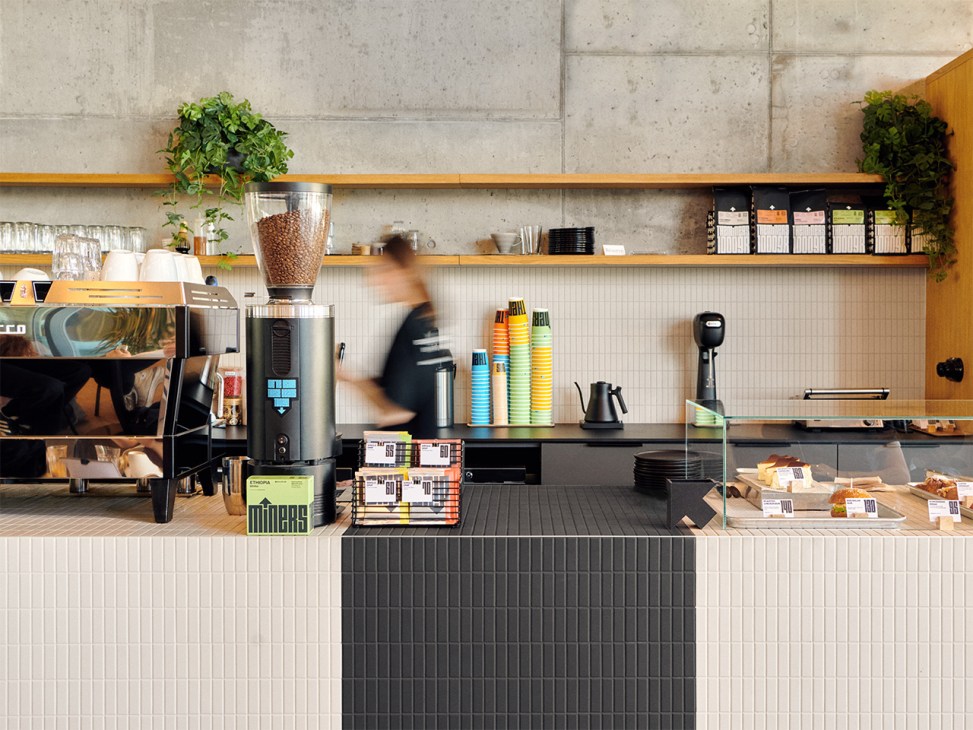
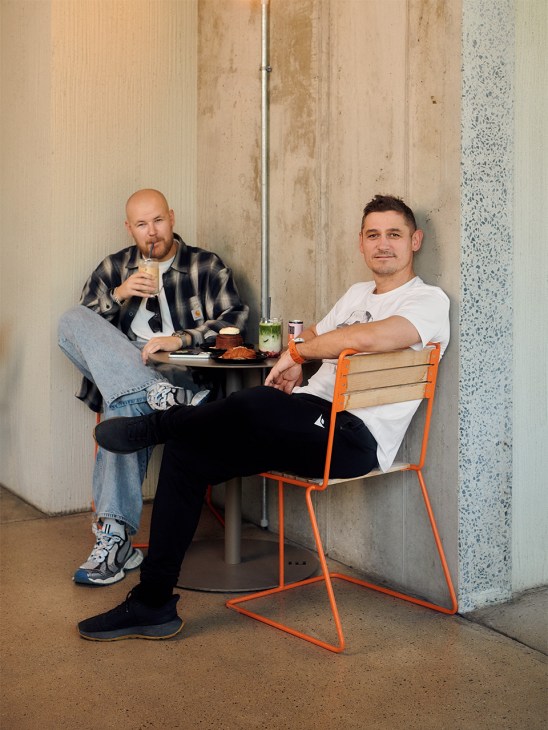
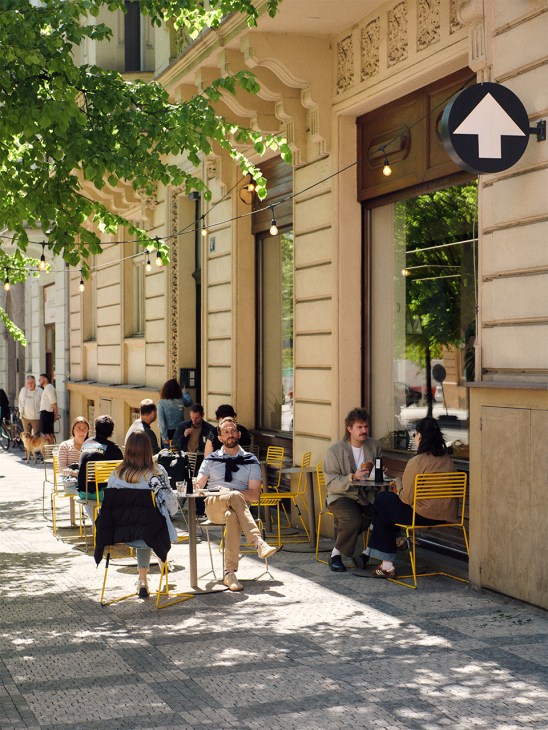
You might not have heard of it yet but this Czech chain has its sights set on conquering Europe. Launched in 2019 by Egor Kolpakov and Oldrich Valta, The Miners has opened 34 coffee shops in seven European countries, including the Netherlands and Germany, and is set to enter several more markets by the end of 2026. While most of the cafés are franchised, all are supplied with beans from The Miners’ Prague roastery. The cost of opening a new branch is high (an investor typically must commit between €200,000 and €400,000) but the rapid take-up shows that its high-quality beans and stylish design are worth banking on.
theminers.eu
21.
Canyon Coffee
USA
The neighbourhood hangout
When Casey Wojtalewicz and Ally Walsh co-founded Canyon Coffee in 2016 as a wholesale business (with the occasional pop-up), they had $5,000 (€4,250) in savings and a $10,000 credit line. Four years and multiple pop-up events later, the business had revenues of $1m (€850,000), giving Wojtalewicz and Walsh the boost to start thinking about launching a physical outpost. Their first café opened in Los Angeles’ Echo Park in 2022. A roasting facility in the city’s downtown followed, along with a café in New York’s Brooklyn neighbourhood. Another café in LA’s Eastside is on the cards for later this year. “There’s intention behind everything that we do at Canyon Coffee without it ever being ‘in your face’,” says Wojtalewicz. “People feel and appreciate that when they come to us and that’s the goal – to create spaces that are beautiful and easy to return to every day.”
canyoncoffee.co


22.
Allpress
New Zealand
The global giant
Part of Japanese drinks giant Asahi’s non-alcoholic beverage portfolio, Allpress operates 18 cafés in four countries, including the UK, Japan and New Zealand, where the brand was founded. The company also serves more than 2,000 independent cafés globally, including Monocle’s in London. “We don’t just sell bags of coffee,” says Agnes Potter, Allpress’s managing director for the UK and Asia. “If someone wants an extra-large latte with two sugars, we want to make the best one that they have ever had.” Allpress’s latest opening was in London’s Farringdon area in April.
allpressespresso.com


23.
Morettino
Italy
The belle-époque beanery
Caffè Palermo is just one of Sicily-based roaster Morettino’s three outposts but it serves a crucial purpose. Opened in 2024 after five years of restoration and based inside the 16th-century Palazzo Guggino Chiaramonte Bordonaro on Palermo’s Quattro Canti square, the café has allowed Morettino to enhance its offering in an area dominated by tourist spots. A Liberty-era outdoor kiosk will also open later this year. “It’s about creating a rapport,” says one of the owners, Andrea Morettino.
morettino.com


24.
Market Lane Coffee
Australia
The modern masterpiece
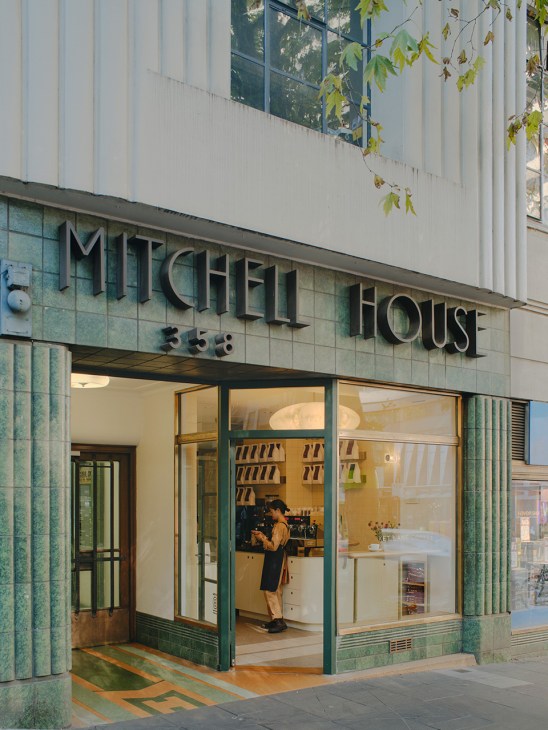
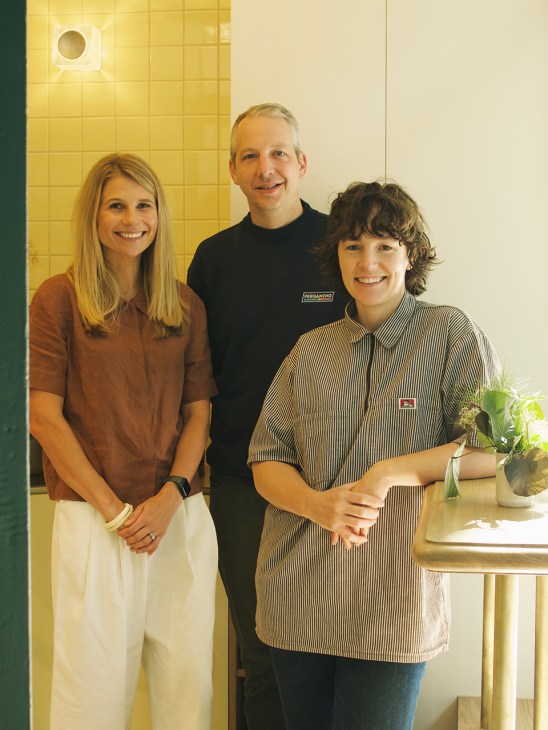
Melbourne is a city that helped to elevate the barista’s profession so entrepreneurs opening a coffee shop here can feel a little daunted. It was this challenge that Fleur Studd and Jason Scheltus decided to take on. Since opening Market Lane Coffee in the Prahran food market in 2009, the pair have expanded to nine shops in Melbourne. Its latest, in Mitchell House, is its most design-forward yet. It features curved, steel-framed windows and a standing bar facing the street.
marketlane.com.au
25.
Lalere
Switzerland
The one-off wonder
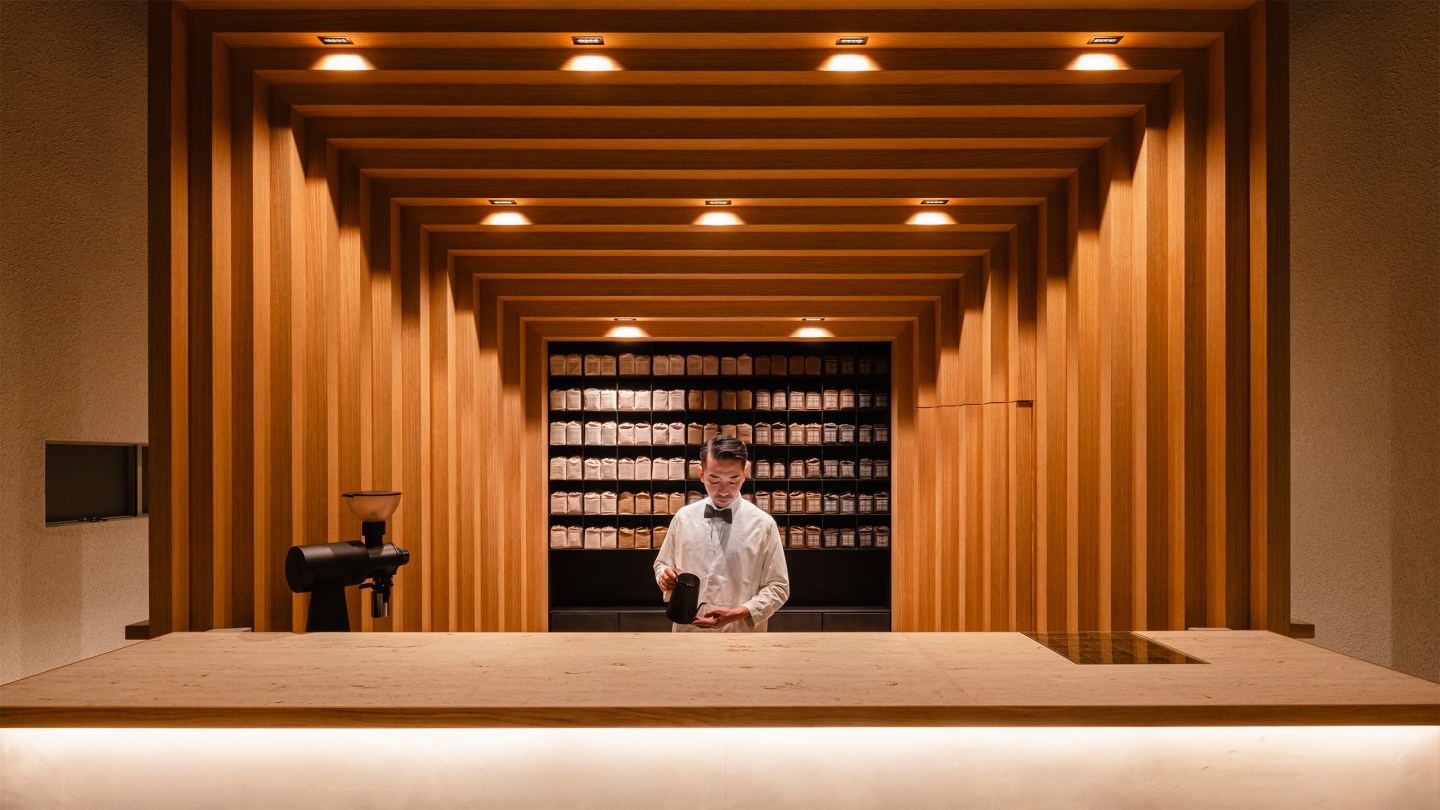
Founded by Fabian Gass and Eric and Luca Blum, Lalere offers an appealing mix of striking design and good hospitality. Gass, a certified coffee taster and Zürich-based brand Vicafe’s former roastery head, provides deep coffee expertise; his brothers-in-law Eric and Luca have brought their studio OnkaiArts’ design nous. The trio built Lalere’s wood-lined interior mostly by hand; almost every element of the space was made specifically for it, from its plaster finishes to its timber details. “The aim was to create something that would last and not distract,” says Eric. According to Gass, another goal was to build a social hub for the surrounding community. The curved counter, for example, encourages conversation. “We were trying to create the kind of place where we would want to go ourselves,” he says.
lalere.ch