What’s hot in the world of coffee? We spill the beans on the global market
Something is brewing in the coffee industry as entrepreneurs and investors take neighbourhood cafés global. We embark on an international journey to learn more.
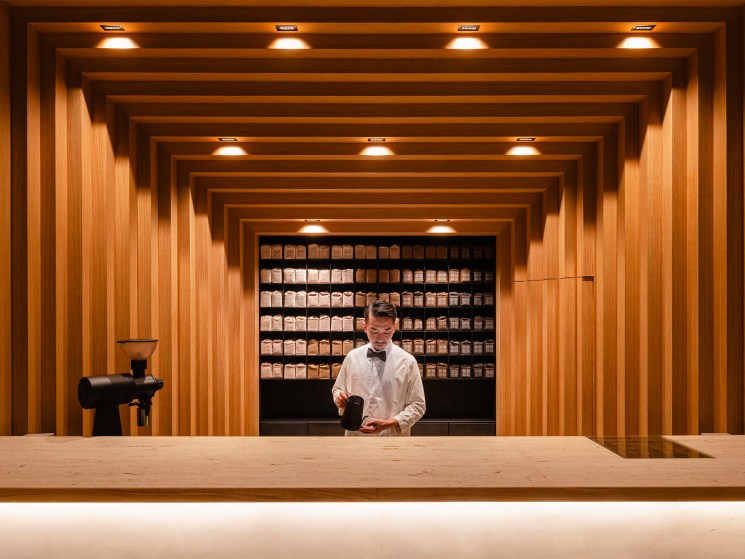
There’s a challenge for owners of coffee-shop brands who dream of taking their companies to the next level: how do you hold on to your independent, neighbourhood vibe and have 10, 20 or 100 outlets? It’s tricky to pull off – yet not impossible.
But before we tackle the intricacies of global marketing, a brief coffee break. Because how did we get here? How did we get to dinky coffee-shop companies being valued at more than $1bn (€850m) and becoming the investment darlings of venture capitalists and global food brands?
When Monocle launched some 20 years ago, the coffee story already seemed piping hot. It was a moment when the Aussies and Kiwis were perfecting their soon-to-go-global flat whites and defining a new coffee-shop aesthetic. It was a time when being a barista was suddenly one of the higher callings in the world of F&B. When “latte art” was taking hold – and finding many of its finest practitioners in Japan. And, in the US, it was when a new generation of coffee pioneers was out to break the Starbucks model.
A so-called third wave of coffee culture, with lighter roasts and intense bean knowledge, was coming to the fore. There were several components to this then-DIY world that were set to catch the attention of ambitious entrepreneurs and investors. Drinks brands wanted entry to a trade that served young people who were imbibing less booze. Fashion companies saw a way of making a community by using their brand’s halo effect in the world of coffee. And others spotted that coffee, served in an impeccable setting, could prove lucrative in markets such as the UAE and Saudi Arabia, where people gather and spend their social time not in bars but cool iterations of the café (though this is not a one-way street because Emirati and Saudi brands are now going global too).
This all means that there is a lot of money to be made if you can crack the coffee-shop conundrum of growing big while looking small. Luckily there are models beyond coffee that show how it can be done. Take Aesop, which was founded by Dennis Paphitis in 1987. Today the body-care brand is owned by L’Oréal (which paid over €2bn for the pleasure), yet Aesop retains much of its initial indie DNA by keeping its branding almost unchanged, investing heavily in good shop architecture and appearing at design events such as Salone del Mobile. UK coffee shop company WatchHouse is aiming for the big time but through good design (and coffee). And it still feels cool despite having raised money from Mark Bezos’s private-equity firm. There are lots more following the same playbook.
It’s stories such as these that made us intrigued and, below, we will take you round the world to visit coffee-shop brands both big and small with interesting and surprising stories to tell. After that, we take you to 25 nice cafés – just places that we like. We hope that you find it refreshing.