Auckland’s City Rail Link is putting the city on the right track for urban renewal
Long dismissed as a cultural wasteland, the City of Sails is seeking to switch up its reputation with the opening of a major new rail link.
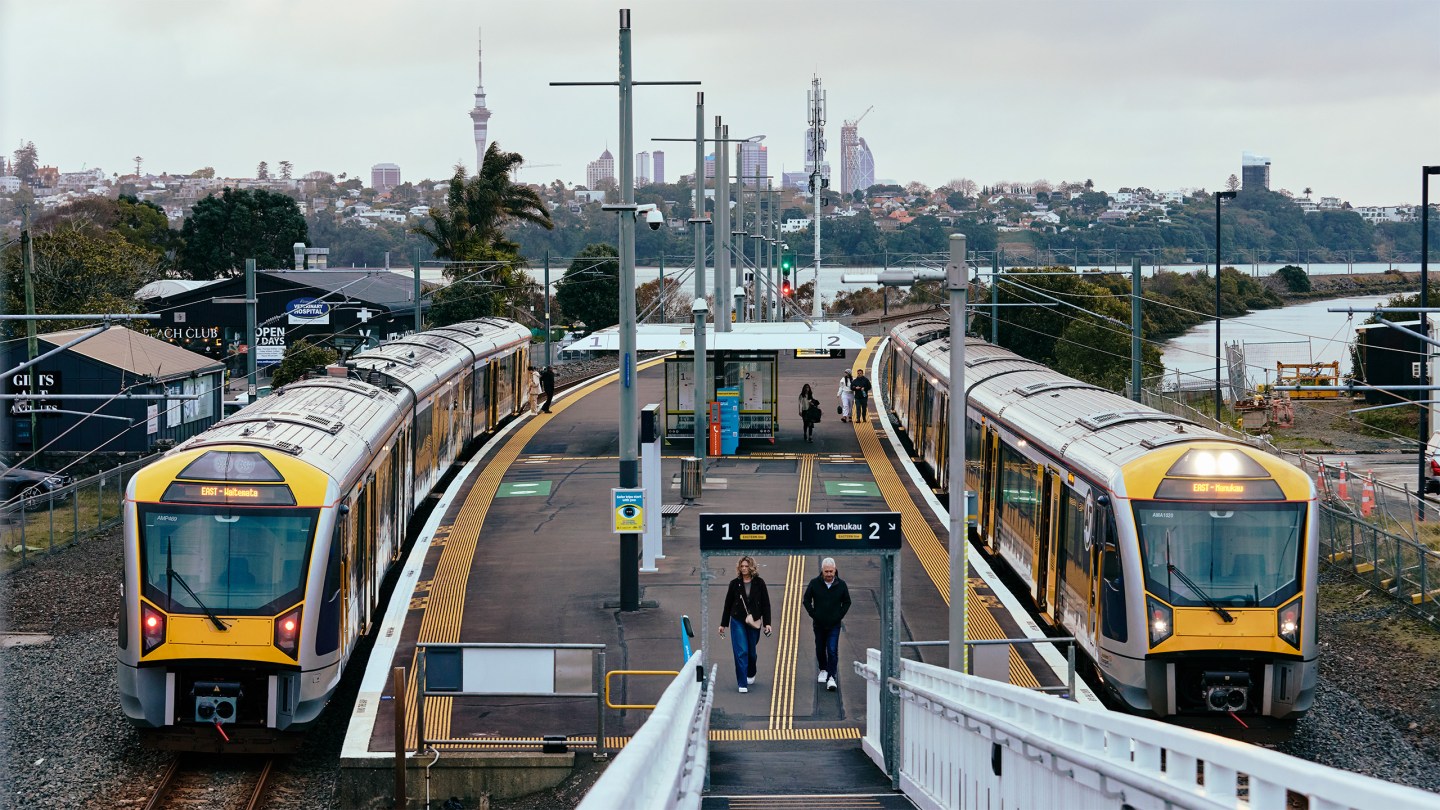
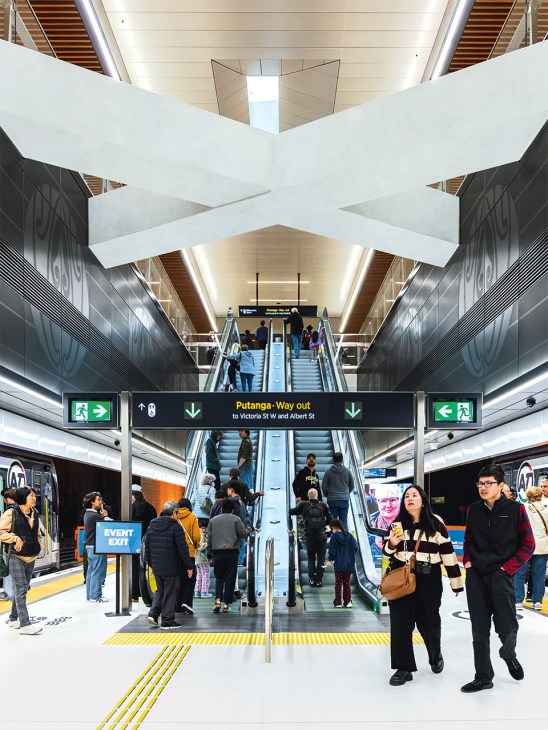
“This is the quietest that these places will ever be,” says Malgorzata Haley, a principal at architecture firm Grimshaw, as she guides Monocle through Te Waihorotiu station in Auckland. She is leading us on a tour of the City Rail Link (CRL), New Zealand’s first underground metro system, ahead of its opening on 13 September. The NZ$5.5bn (€2.8bn) network is one of New Zealand’s largest-ever infrastructure projects. When it’s running, its stations will link up with the wider rapid-transit network across the country’s largest city, whose area is greater than Tokyo prefecture. Haley describes the CRL as the missing piece of the jigsaw: its opening is intended to signal that Auckland is no longer a dowdy backwater.
Polish-born Haley is the local project’s design lead and can rattle off statistics about how the CRL will improve connection times. But she knows that the value of a project of this kind can’t be measured in numbers alone. “I have seen this city grow a lot in my time here,” says Haley, who relocated here in 2014. The arrival of the metro adds momentum to a broader campaign to bring a new buzz to Auckland that is already working. Young Kiwis are being persuaded to stay, while those who are slogging it out overseas are seeing enough reasons to return home.
Among the returnees is Paul Keating, a former senior official at the UN who now leads engagement on public policy for a large US company. Keating is among those helping the city to staunch New Zealand’s perennial brain drain – nationwide departures fell by 5 per cent last year, though 16 per cent of Kiwi citizens still live overseas – while drawing in foreign talent. “Auckland is home to many multinational companies that lap up international expertise,” says Keating. “There’s a lot of interesting work here.”
In 2025, Auckland had the largest net migration gain of any region in New Zealand and has become a beacon of opportunity for the wider South Pacific (its population of about 275,000 Pacific people makes it the largest Polynesian city in the world). Islanders come here for better-paid jobs, as well as the excitement and opportunities that come with living in a large, multicultural metropolis.
It wasn’t always this way. Travel writer Paul Theroux described arriving in Auckland in the early 1990s as like “touching down on a distant star”. An old joke goes that of its many roads, the best ones are those that take you out. “It’s bloody hard to change a narrative about a city,” says Ludo Campbell-Reid, who was Auckland’s inaugural “design champion” and worked for city hall from 2006 to 2019. Campbell-Reid, who offers consulting services to unloved cities worldwide, tells Monocle that when he initially arrived, apathy and indifference were pervasive. “People just didn’t think that the city could ever be cool,” he says. As befits a man who brands himself as a “city doctor”, he recommended the urban equivalent of open-heart surgery.
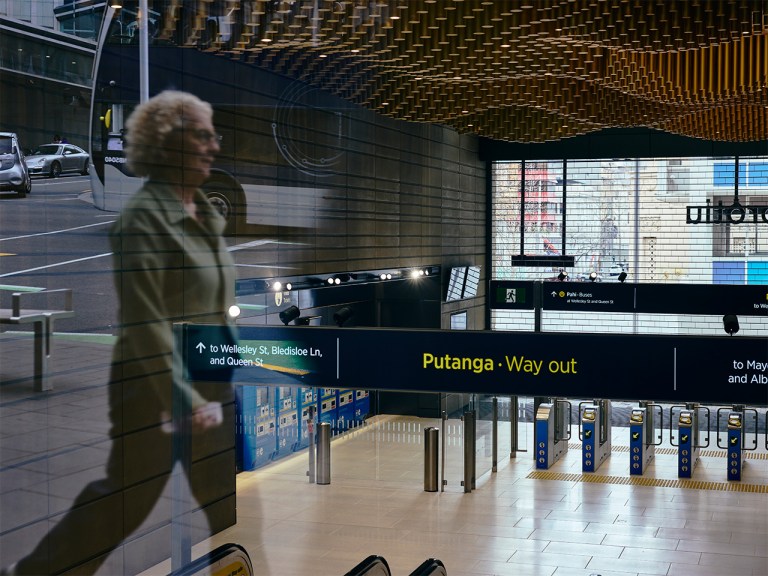


His team’s first intervention was to unblock much of the city centre’s transport arteries by introducing new pedestrianised “shared spaces”, building more bike lanes and reducing Aucklanders’ dependence on cars. Business owners and residents funded the moves through the City Centre Targeted Rate – a special property charge whose proceeds are used to fund urban renewal. Today an area that once emptied out on weekends is abuzz, while the number of people cycling in Auckland has grown by 5 per cent every year on average since 2023. That was tough enough, reflects Campbell-Reid, but relatively simple compared to his next challenge: an even more radical incision in a part of the city that was in very poor health.
Before the 2010s, Auckland Waterfront was a post-industrial nightmare, dotted with concrete silos and dominated by a contaminated petrochemical facility known simply as the “Tank Farm”. Only the foolhardy would linger on its streets or swim in its waters. If you walk around the neighbourhood now, you’ll find it hard to imagine that such a place ever existed.
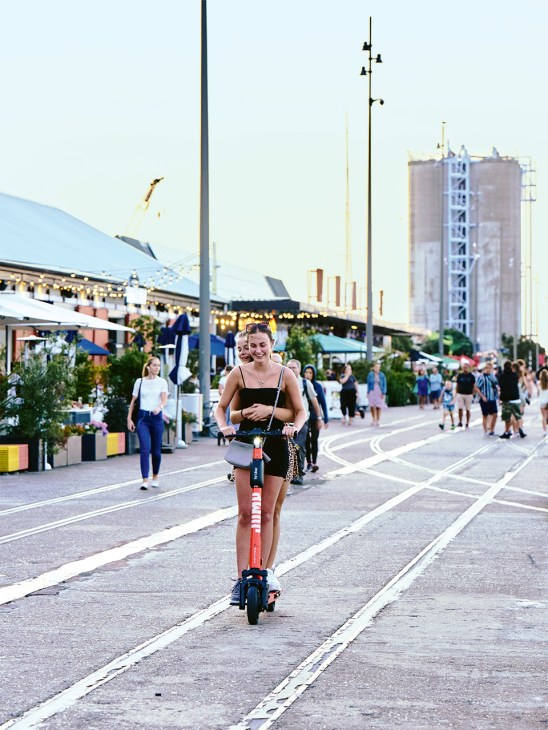
Today the Waterfront is one of Auckland’s most desirable areas, with some of the highest property prices in a city known for its expensive real estate. One new development, The Villard in Wynyard Quarter, has an entry price of NZ$5.4m (€2.7m), rising to NZ$29m (€14.7m) for a sub-penthouse. A few concrete silos remain but now serve as symbols of change around which have sprung scattered basketball courts, bars, night markets and, in the summer months, an open-air cinema. Despite this cultural efflorescence, some industry remains on the waterfront, including shipbuilding services and Titan Marine Engineering, a thriving repair business.
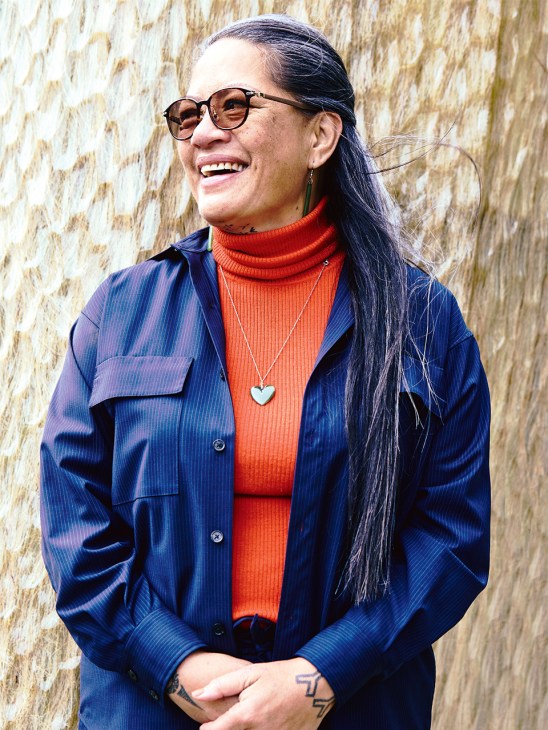
The Waterfront also nods to the deep relationship that Auckland’s Maori communities have with the area. Since the Treaty of Waitangi, signed with the British in 1840, the Maori have had historic and customary rights over land in New Zealand but generations of planners sidelined them for much of the city’s 180-year history. Campbell-Reid tells Monocle that celebrating Maori culture was a key factor in Auckland’s revitalisation, giving it a unique pull that no other city can match. Nowadays consultation with clans known as the mana whenua is standard practice for both Auckland Council and businesses. “We need to see our faces in the city’s stories too,” says Lucy Tukua, a member of the council’s Urban Design Panel, as she takes Monocle on a tour of the Waterfront.
In this diffuse city, neighbourhoods once felt isolated from one another but recent projects such as the Waterfront revitalisation are filling in the gaps. Waitemata CRL station connects with the new stops. The area’s apartment buildings become glitzier the closer you get to the city centre. Those in the shadow of the CBD’s skyscrapers look out onto a marina where superyachts are moored. Nearby is an area for swimmers willing to brave the Pacific chill. Known affectionately as Browny’s Pool, this facility, which hosts frequent “dive-bombing” competitions, in which thrill-seekers jump off a set of platforms into the blue, has become an unlikely attraction. “You should give it a go,” says Gyles Bendall, Auckland Council’s head of design.
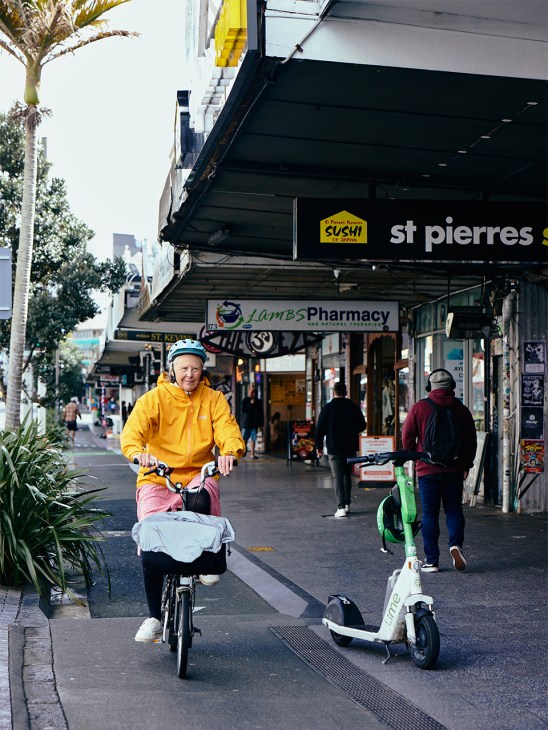

Two stops along from the Waterfront is Karangahape Road (commonly known as K’ Road), Auckland’s bohemian heart. At Bestie, one of its many independent cafés, nestled at the back of a Victorian arcade, Monocle meets 19-year-old fine art student Ngaio Dawson, who is drinking a matcha latte. Dawson moved to this city from Christchurch in the country’s south. “I can’t ever imagine being bored here,” she says. Isn’t she planning to join the ranks of Kiwis moving overseas? “Why would I?” she asks. “I have everything here.”
Jonah Merchant runs a renowned music venue in the neighbourhood called Neck of the Woods. Despite his natural optimism, the 54-year-old admits that recent times haven’t been easy. His business had to close for two years because of New Zealand’s coronavirus lockdowns, which were among the longest lasting in the world. Now that it’s back open, Merchant has an unusual sort of drinking problem: too few of his customers are buying alcoholic beverages. This, he feels, is partly attributable to the fact that Aucklanders often have to drive long distances home. The high cost of living also makes going out a luxury. The CRL, which will have a fare cap of NZ$50 (€25.30) a week, will help to solve both of these problems.
Merchant has seen K’ Road transform from a sleepy neighbourhood into arguably the South Pacific’s most lively urban hub. For him, Auckland has all of the ingredients to keep growing. “This city is a crazy melting pot of cultures, jammed onto this weird little isthmus between two seas,” he says. “We’re small enough that somehow we all seem to know each other but big enough, creative enough and diverse enough to consistently punch above our weight.”


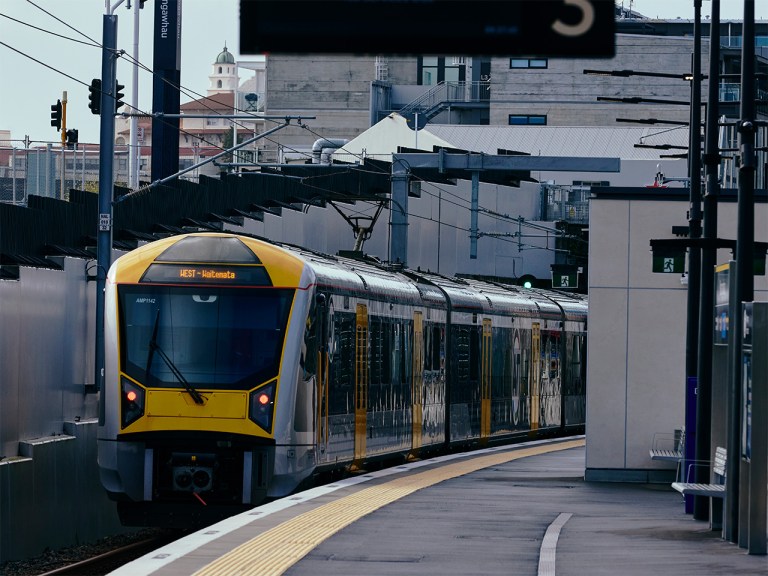
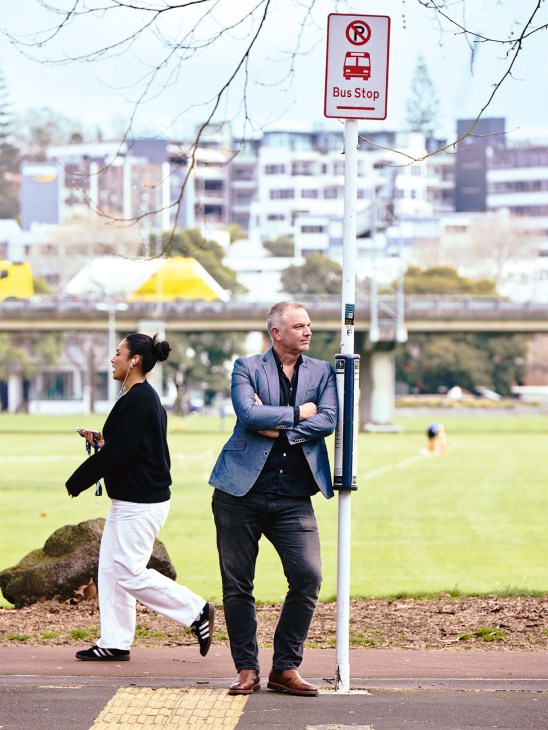
Up the line from K’ Road and at the border of the CBD is Uptown, a neighbourhood that aims to experience the same kind of transformation. Business owners here hope that its new station, called Maungawhau, will bring in more visitors. Brent Kennedy is the head of the Uptown Business Association and a former advertising man with a long stint in Japan under his belt. He is effusive about the economic dividends that the CRL could unlock, citing the 10,000 people who showed up for a first look at the new station at an open day in August. Kennedy says that grumbles about cost and the 10 years that it took to complete the project are starting to quieten. “It will just get people around the city more quickly,” he says. During the bad, old days of traffic gridlock, many were apprehensive about bar hopping or exploring the neighbourhood. “Now, with the rail link, you could have a drink on the Waterfront and then hop on a train to see a gig in K’ Street,” he says. One of the lines at Maungawhau station runs to south Auckland, where about a quarter of the city’s residents live. Until now, getting back there at night entailed a long ride on the bus or an expensive taxi ride.
While most Aucklanders, particularly business owners, are enthusiastic about the metro project, there are some who remain sceptical. One online wag suggested that all the talk about the CRL reflects the fact that there’s so little else going on in the city. Meanwhile, researchers have raised doubts about whether transport-planning and urban-development objectives have been sufficiently meshed to allow the project to fulfil its potential. In a recent report, Thomas Nash, who provides advice to cities, regions and businesses on transport and infrastructure, observed that most new homes in Auckland are not actually being built in rapid transit catchments. He observed that only one CRL station has a transit-oriented development plan in place. To prevent excitement about the new infrastructure from ebbing away, the next stage in Auckland’s journey must be to put schools, hospitals, shops, bars and restaurants around or near the circumference of those stations.
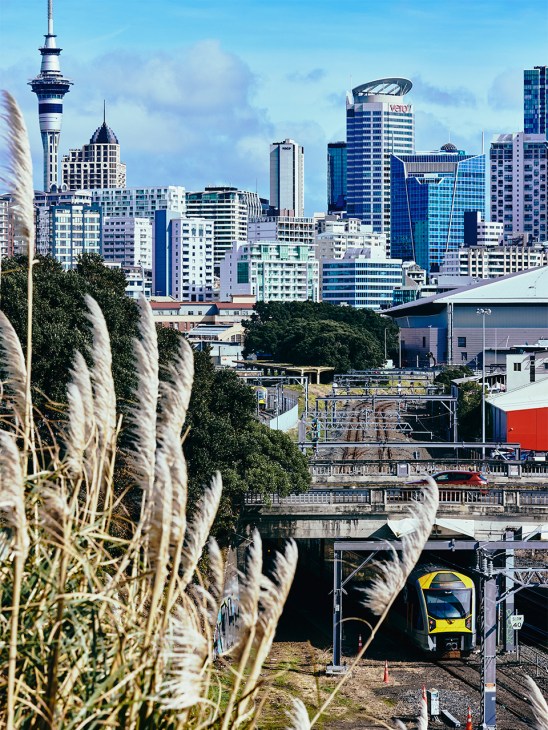
Like many New World cities, Auckland feels like both a fixed settlement and an ever-evolving experiment. For decades, it seemed comfortable with its reputation as a naturally blessed but culturally bereft city at the edge of the globe. But an influx of foreigners – 43 per cent of its residents were born overseas – and a burst of ambition from city hall have combined to create something exciting.
“Auckland is one of the most instructive laboratories for contemporary city-making in the world,” says Campbell-Reid. It also represents an antidote to the pessimism of naysayers elsewhere who don’t believe that their hometowns can be turned around. The city has come a long way from feeling “like East Berlin”, as journalist Simon Wilson once described it. New developments such as the CRL will only take it further along the line towards regeneration.
How to get a flavour of Auckland’s food scene
Even among starchy root vegetables, the taro stands out for its blandness – except, that is, when chef Henry Onesemo gets his hands on one. At Tala – the Michelin-starred Samoan fine-dining restaurant that he runs with his wife, Debby, in Auckland’s Parnell neighbourhood – Onesemo gives it a starring role. It pops up across the two tasting menus but to no better effect than in his whitebait-and-caviar palolo dish, in which the fishy fusion is served atop a taro focaccia.
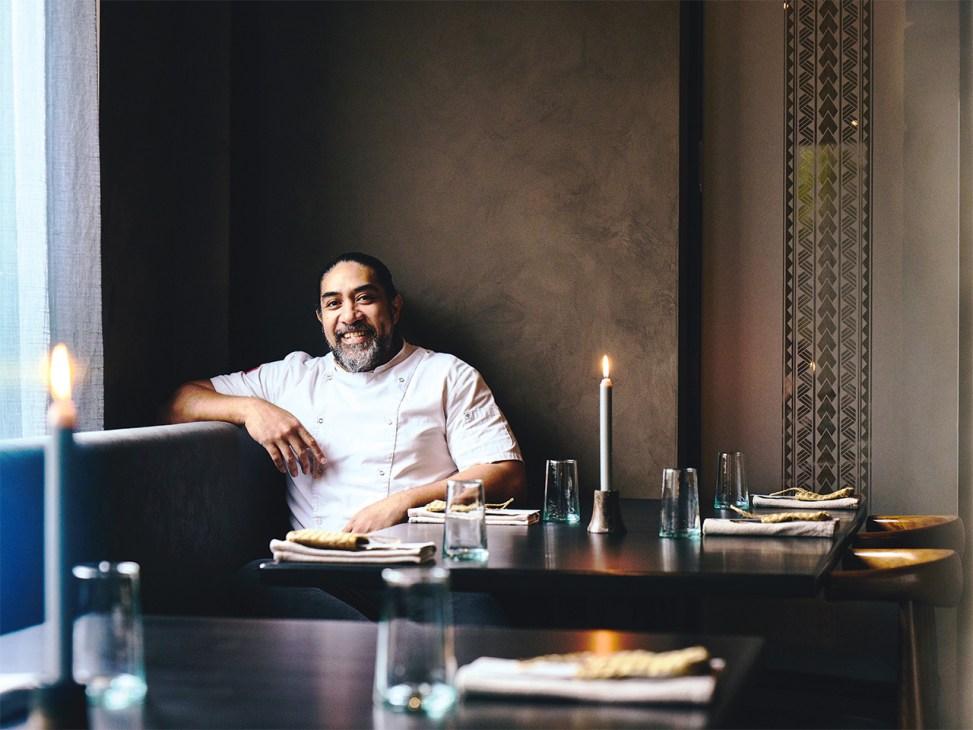
Playful, inventive twists on staples from the Pacific Islands are a feature of Auckland’s food scene and distinguish it from other Oceanic epicurean hot spots such as Brisbane or Sydney. In the world’s largest Polynesian city, Pacific culinary innovators are scrubbing away tiki stereotypes (spam fritters, pineapple fried rice) and substituting them with garlicky, soy-sauce-dappled backyard barbecue, coconut-infused curries and countless spins on ceviche.
When Monocle asks Onesemo where we should go to sample the tastes that the city has to offer, he directs us to Sandringham, a suburb of neon-beaconed food trucks and cosy spots serving a wide range of South Asian dishes. A culinary wonder waits for those who make it to Satya Chai Lounge, a curry house renowned for both its food and its fridge of 220 craft beers. Ask its owner, Samrudh Akuthota, for recommendations if he’s around.
In the mood for world-beating Chinese fare? Point yourself in the direction of Dominion Road. And make sure that you allocate a morning for a breakfast of briny kina (sea urchins) at Kingi at The Hotel Britomart, New Zealand’s first green five-star hotel.