Can a megacity with no history have culture? Shenzhen certainly thinks so
The Róng Museum of Art is one of the most anticipated additions to Shenzhen’s cultural landscape. Here founding director Pi Li speaks to Monocle about the city’s ambitions and arts allure.
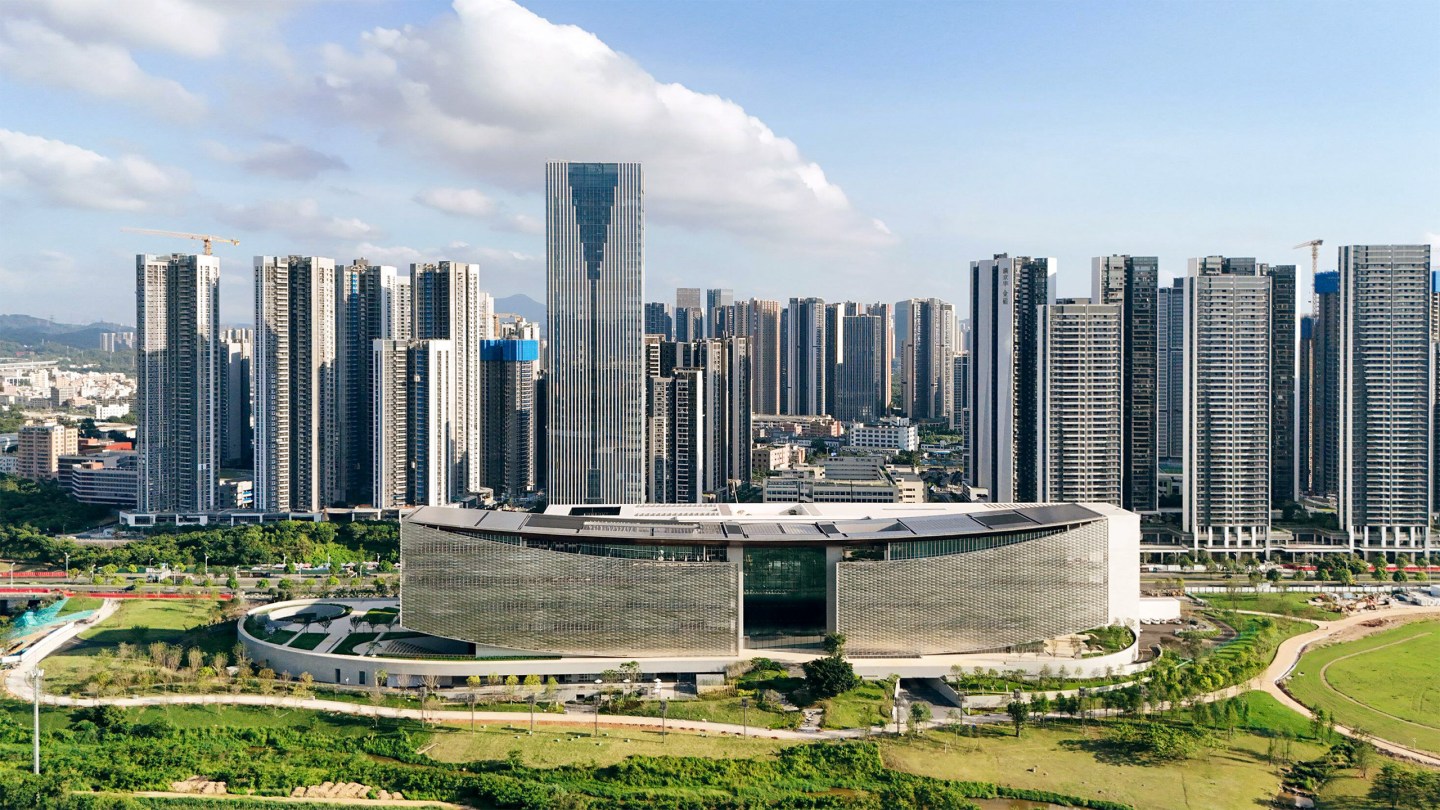
China’s high-tech supercity, Shenzhen, is experiencing a different type of boom: museums. The Shenzhen International Art Museum opened in May, accompanying the launch of two other state-funded institutions that cover everything from design to dinosaurs. The city’s trio of big-name openings is drawing in day-trippers from nearby Hong Kong and there’s more to come. If this cultural shift takes root, it could change perceptions of China’s Silicon Valley, which is often labelled as a city without a soul.
During the megacity’s short life so far, it has largely been a place that people have come to to get something: a factory job, a knock-off gadget or garment, a cheap manicure, a massage or a cut-price dinner. Until now, there was nothing to see and no one in the city – not even the founders of its famous tech giants, Tencent, BYD and Huawei – was actually from Shenzhen.
These companies have created giant fortunes over the past three decades, transforming the skylines of Futian and Nanshan. Their lasting influence extends to the legions of immigrant workers from across China, who have put down roots and started families. A new generation of natives, with different demands and expectations to those of their parents, is now entering a notoriously diligent workforce. Shenzhen is more of a workplace than a place to live, with drones, robots and other whizzy, AI-enabled gadgets forming part of the city’s work-orientated rhythm.
The Róng Museum of Art, which opens next year, is one of the most anticipated additions to Shenzhen’s cultural landscape. The private arts institution is backed by Tencent founder Pony Ma and will form part of the M80 complex designed by Ole Scheeren – a nod to the year when Shenzhen became mainland China’s first special economic zone.
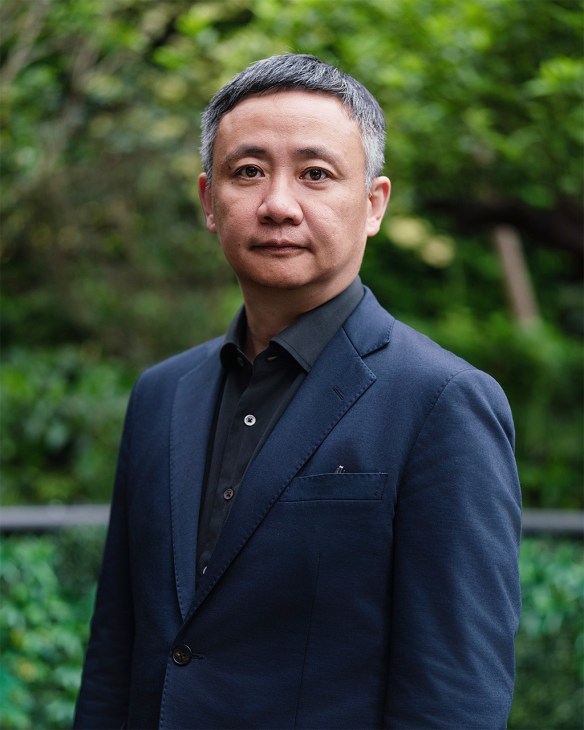
Founding director and first employee, Pi Li, has spent the past 12 years working at major Hong Kong arts institutions M+ and Tai Kwun. The Wuhan native spoke to Monocle about Shenzhen’s cultural vision and how the city managed to lure him back to the mainland.
It feels like Shenzhen is having a museum moment.
It doesn’t happen overnight. The government has made these kinds of cultural facilities a condition for development over the past 10 or 15 years. The Shenzhen City Planning Bureau is very ambitious. It wants the city to become an exhibition space for the best Chinese and international architects.
What is the relationship between Shenzhen and Hong Kong?
Shenzhen’s development is attached to Hong Kong. The most built-up places in Shenzhen are all close to the border. For many years, when young artists travelled around the world, they’d joke that when they said they were from Shenzhen, they’d always need to add an extra phrase – the city next to Hong Kong. But nowadays they don’t need to explain that as much.
Has Shenzhen built its own culture?
There’s a very popular term right now: shen er dai (“the second generation of Shenzhen”). Some of our staff who were born after the 1980s now refer to themselves as shen er dai. They were born to parents from other places but grew up in Shenzhen. The average age in the city is 32 or 33, compared to 47 or 48 in Hong Kong. Plus, 80 per cent of Shenzhen’s population is of working age, which is double the number in Hong Kong.
How does this affect your role as museum director?
We are located in a place called Houhai, which means “the back of the sea”. Walk down the high street before 14.00 and you will see no one on the pavement – everyone is at work. That’s a major challenge for us. Every museum needs an audience, so we are thinking very carefully about the right opening hours. Do we stick with a traditional 10.00 to 18.00 schedule or do we do 12.00 to 20.00 – or even midday to 22.00?
What tempted you to return to mainland China?
People are not afraid of the new. Even with all of the limitations, they want to make things happen in all kinds of ways. That energy is very important today, especially when you’re creating a cultural institution. I always call Shenzhen a twin city of Hong Kong but there’s a different vibe across the bridge that makes me feel as though I can do something different. Shenzhen might be the city next to Hong Kong but it won’t repeat its neighbour’s story.


How would you introduce the museum?
It’s a museum that focuses on 21st-century visual arts, performing arts and digital culture. The word róng has many meanings: merge, combine, harmony. In our case, we want to be an open platform where people can coexist and learn from each other. We plan to introduce international culture and creativity to Shenzhen, while also presenting local works that help audiences to understand the city’s cultural history in a global context, from being the world’s factory of shanzhai copy culture to open-source AI models.
Do you have a permanent collection?
Not yet. We will start collecting in the future but we want to focus on our programme and doing something different to the past. The first generation of private museums in the 1990s was supported by real-estate companies that wanted to convince people to purchase property in Shenzhen. The second generation was initiated by big collectors who wanted to open a space to share their collections with the public. Ours should be a part of the institution’s memory and not for the sake of collection.
What’s Shenzhen’s audience like compared to China’s other tier-one cities?
Beijing is a city of culture, where people worship artists and writers who they know by name. Hong Kong is a city of highly educated and well-travelled people who like to see the arrival of big international stars and who follow an authoritative voice. And Shanghai is somewhere in between. But people from Shenzhen tend to focus on what they feel and what they see. Big names won’t influence their decision to see a show, unless it’s Murakami or Nara. That curiosity allows us to try many interesting things.