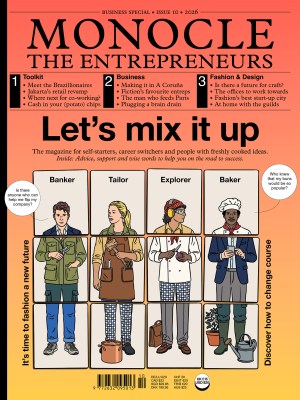
What Willy Wonka and 14 other fictional characters can teach you about business
Forget the usual business books. If you really want to get ahead, take some advice from Cruella de Vil, Tom Ripley and other entrepreneurial characters from the world of fiction.
Feeling lost and in need of fresh ideas? As well as entertainment and escapism, fiction can offer unlikely role models, cautionary tales and business proposals to inspire the budding founder. Stepping into Monocle’s office today for their annual appraisal are fifteen of literature’s most promising entrepreneurial minds.
1.
The solopreneur
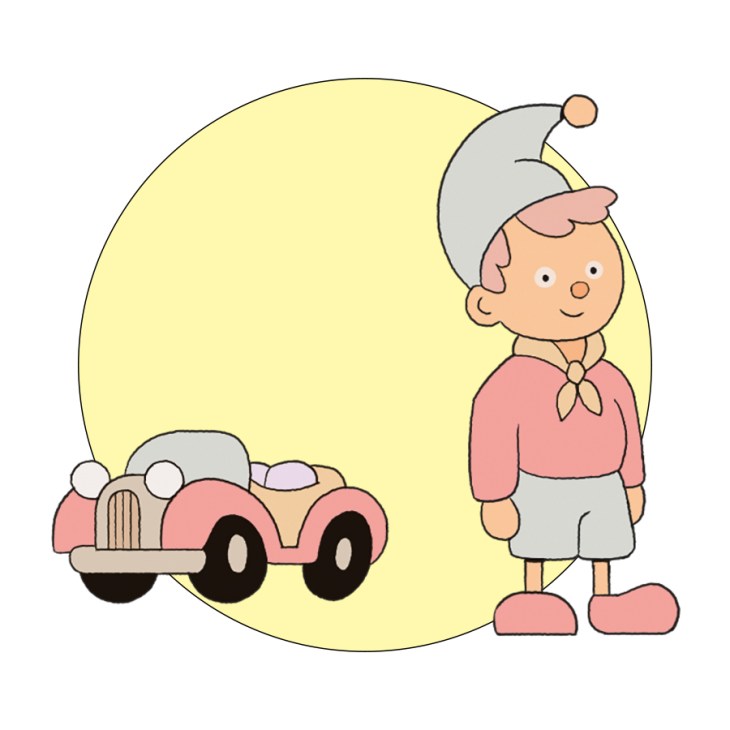
Noddy
‘Noddy and Friends’, Enid Blyton
Though Noddy arrived in Toytown naked as the day that he was carved out of wood, he’s soon joined by the incessant, irksome sound of the jingling bell on his hat. Noddy spots an opening for an affable taxi driver and, in his trusty colourful car, he drives his friends to the shops and pockets plenty of sixpence coins. Successful start-ups need sticky customers and a business moat. Noddy has both. Parp, parp!
2.
The boardroom bully
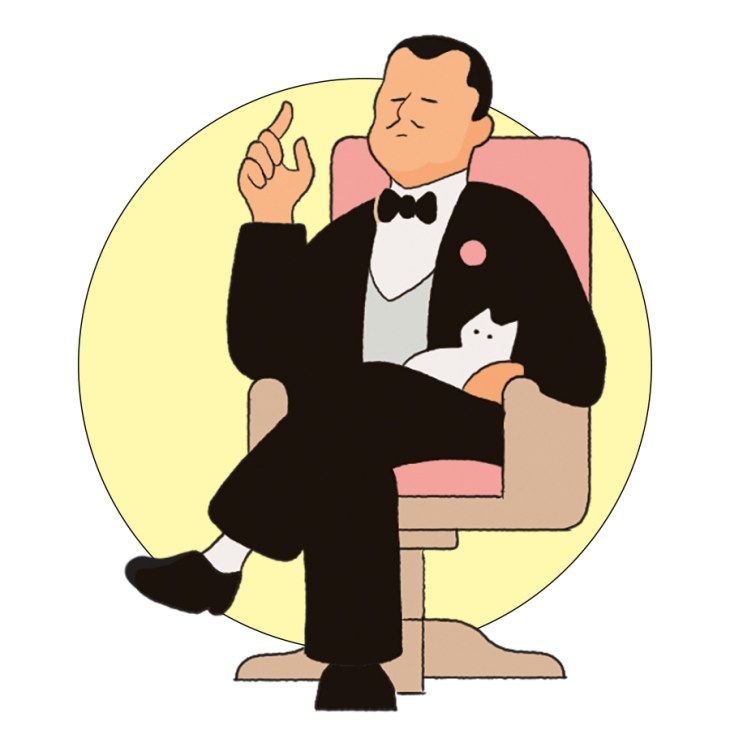
Vito Corleone
‘The Godfather’, Mario Puzo
Olive-oil importer and company co-founder Vito Corleone is a champion of “Made in Italy” products. His role as a community leader has helped to hone his investment instincts, giving him insight into a range of sectors, including cinema and hospitality (though he remains a sceptic of new pharmaceutical enterprises). Steering his corporation with a steady hand, Corleone is a formidable dealmaker and font of Old World business wisdom.

3.
The trend forecaster
Cruella de Vil
‘The Hundred and One Dalmatians’, Dodie Smith
London socialite, fashionista and original nepo baby Cruella de Vil has a penchant for extravagant outerwear and a gift for spotting trends. The quintessential disruptor, De Vil has a killer instinct – but a long-term strategist, she is not. Even so, while her procurement systems are resource-intensive, criminal and highly unlikely to be approved by Peta, there’s no doubt that she slays.

4.
The killer dealmaker
Patrick Bateman
‘American Psycho’, Bret Easton Ellis
Investment banker Patrick Bateman specialises in mergers and acquisitions. A natural dealmaker and sharply observant, he is ruthlessly efficient at identifying underperforming assets, particularly the competencies of other colleagues. Bateman has perfected the art of appearing extremely busy while doing remarkably little. With a deeply concerning work-life balance, however, the chances of him making partner are slim.

5.
The power broker
Mrs Bennet
‘Pride and Prejudice’, Jane Austen
Business is all about networking and no one knows that better than Mrs B. An eager micromanager, she puts her children on the only path guaranteed to pay-worthy dividends: marrying well. She does eventually yield excellent results: three out of five daughters married off; two of them, incidentally, quite content. And who cares if the family loses respect for you along the way?
6.
The idealist
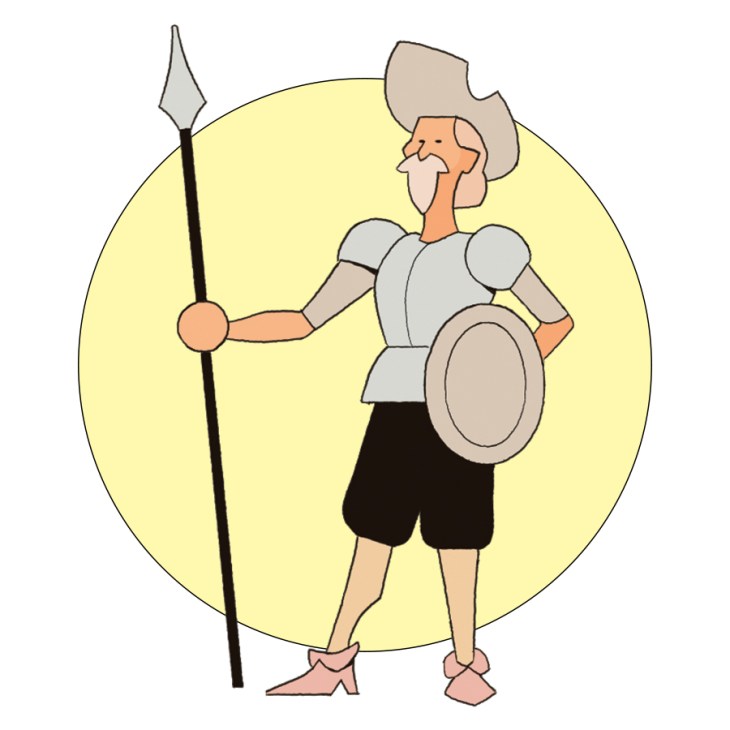
Don Quixote
‘Don Quixote’, Miguel de Cervantes
Despite having no qualifications or prior experience, Don Quixote has built an empire around solving imaginary problems. Services include giant-slaying and princess-rescuing. Commercial results are harder to defend, with most ventures ending in injury or property damage. While his initial goals might be described as quixotic, his brand has survived for more than four centuries and become an industry benchmark.
7.
The marketing maverick
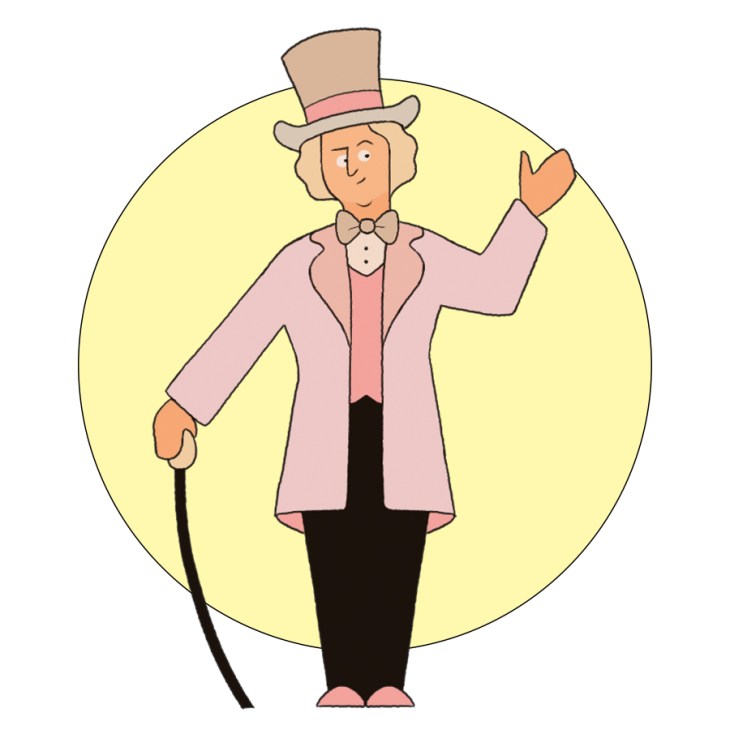
Willy Wonka
‘Charlie and the Chocolate Factory’, Roald Dahl
Willy Wonka’s (Great Glass) elevator pitch is simple: making and selling chocolate. When it comes to moonshot lunacy, coupled with a side order of unapologetic disregard for convention, Wonka was fiction’s pre-emptive answer to Elon Musk. Though a pioneer of experiential, immersive marketing, his disregard for health and safety protocols and contempt for workers’ rights surely mean that there’s a court case heading for Wonka Ltd.

8.
The scalable start-up
The Very Hungry Caterpillar
‘The Very Hungry Caterpillar’, Eric Carle
The Very Hungry Caterpillar runs a rapidly scaling catering company, developing all-you-can-eat dining concepts for social butterflies. Revenue is difficult to establish but consumption metrics are outstanding. Though the peckish larval hero has been occasionally accused of self-serving behaviour, he demonstrates an exceptional appetite for expansion. And when his business model becomes unsustainable, he always seems to find room to metamorphose.
9.
The hustler
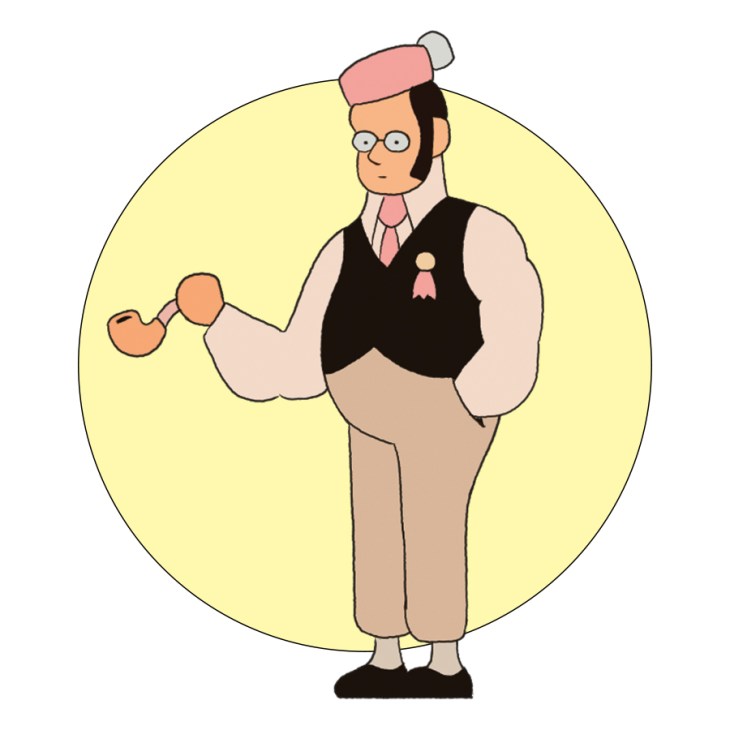
Monsieur Homais
‘Madame Bovary’, Gustave Flaubert
Thanks to his contributions to the local paper detailing his unquantifiable exploits, Monsieur Homais’s shop is also a burgeoning media empire. With a talent for self-promotion, it’s of little consequence that he unnecessarily amputates a leg or plays a role in the untimely death of Emma Bovary. Any press is good press and failure is no obstacle to professional advancement – nor to being awarded the Légion d’honneur.

10.
The suave strategist
Tom Ripley
‘The Talented Mr Ripley’, Patricia Highsmith
The founder of a personal-branding agency for high-net-worth individuals with entrepreneurial ambitions, Tom Ripley identifies the habits that got successful people where they are and offers clients an unusually immersive route to replicating their achievements. Ripley’s talent for spotting affluent markets is second to none and client confidentiality impeccable, though his approach to succession planning is somewhat questionable.

11.
The effective altruist
John Hammond
‘Jurassic Park’, Michael Crichton
The owner of genetic-engineering tech start-up InGen has never let the money change him. An animal lover – particularly of the primordial variety – John Hammond has realised his dream of giving back by opening a theme park. His maximalist approach has undeniably led to some slightly brash decisions around park safety but his R&D has produced invaluable lessons in navigating unpredictability.
12.
The big-picture visionary
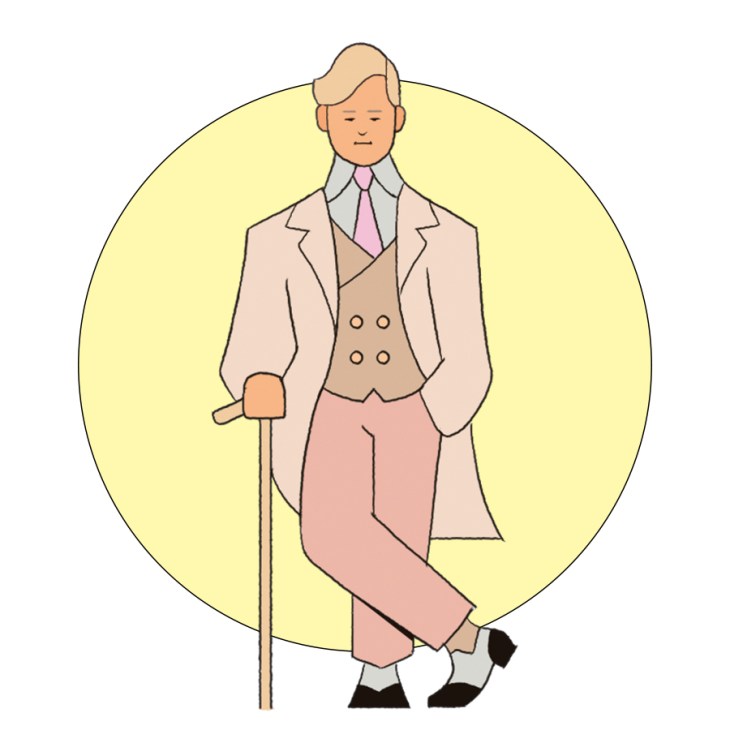
Jay Gatsby
‘The Great Gatsby’, F Scott Fitzgerald
Jay Gatsby understands that respectability can be bought, however squalid the means by which you made your stack. KPIs met include a fancy mansion in an up-and-coming district, a gleaming Rolls-Royce, a social circle of the wealthy and fabulous and, if only briefly, the woman of his dreams. All of which goes some way towards making up for the eventual realisation – in fact, as in fiction – that you can’t always have everything.
13.
The stress-management case study
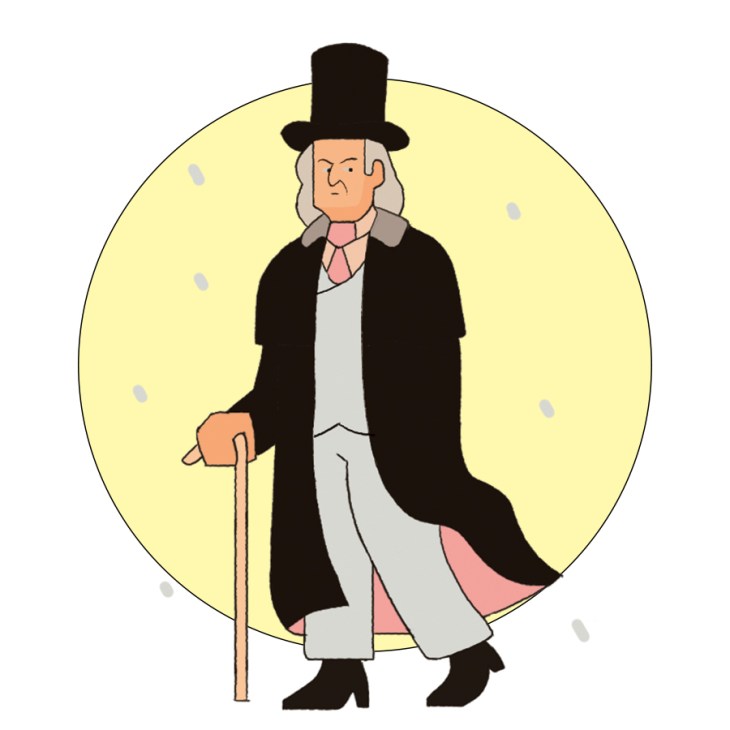
Ebenezer Scrooge
‘A Christmas Carol’, Charles Dickens
An early poster boy for The 5am Club, Ebenezer Scrooge is steadfastly devoted to the fortunes of his counting house. Ultimately, that dedication turns his story into a cautionary tale about the perils of workplace burnout. Finding the right business coach, whether of this earth or the spectral sort, can transform both personal productivity and office culture.

14.
The professional networker
The Wife of Bath
‘The Canterbury Tales’, Geoffrey Chaucer
Alison of Bath has established a strong position in the textile world, producing cloth good enough to rival the finest makers of Ypres and Ghent. But it’s her substantial parallel portfolio in marriage that is the story worth retelling on The Diary of a CEO. Five husbands have given her experience in assets and leverage, along with a sharp instinct for negotiating favourable terms.

15.
The sustainability champion
Mrs Lovett
‘Sweeney Todd: The Demon Barber of Fleet Street’, Stephen Sondheim and Hugh Wheeler
Mrs Lovett’s innovative supply chain offers hyper-local sourcing and negligible transport costs, fed by a steady supply of raw material. She has great success converting increased supply into consumer demand: footfall rises, margins improve, input costs remain low and waste is minimal. But in a world of heightened food-safety legislation, the principal risk here is regulatory.