Students were asked to imagine the future Louis Kahn Centre – their designs spoke to the architect’s enduring legacy
Inviting students to imagine the future Louis Kahn Centre has produced work that explores light, landscape and material — without freezing Kahn’s legacy in time.
Designing a centre dedicated to a renowned 20th-century architect such as Louis Kahn presents the challenge of honouring his legacy without making it static. This challenge will be addressed on Saaremaa, a Baltic island off Estonia’s west coast and Kahn’s birthplace. Rather than turning first to established studios, the Louis Kahn Estonia Foundation has begun with architecture students – and the results make a strong case for involving them in shaping public space more often. Three leading European schools – ETH Zürich, the Oslo School of Architecture and Design (AHO), and Tallinn University of Technology – were invited to explore what the future Louis Kahn Centre might look like.
“Students are freer,” says architect Mari-Liis Vunder of the Louis Kahn Estonia Foundation. “They are not yet constrained by reputations or expectations. We saw a range of ideas we could never have commissioned directly, and that helped us think differently about the centre.”
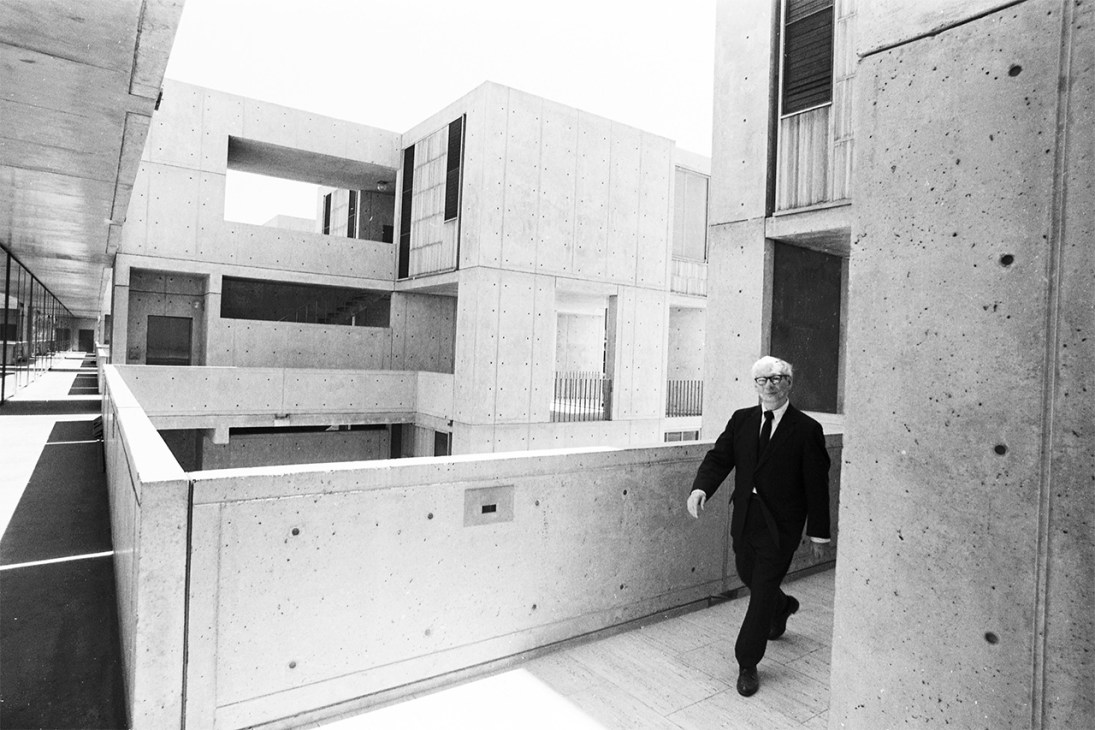
Some proposals imagine quiet, almost monastic structures embedded in the landscape; others are robust and monumental, made from stone, earth or reused industrial materials. What unites them is an engagement with space, light and materiality – central themes in Kahn’s work – without copying his formal language.
“These are not literal interpretations of Kahn,” says Kathrine Næss, associate professor at AHO. “We told the students clearly: this is not about copying Kahn. It’s about understanding his spirit.” She believes that spirit is found in space, light and place, not just in form. This is why it was so important that the students visited the Saaremaa site in the town of Kuressaare. It is large, coastal and exposed, shaped by changing light, strong winds and a feeling of remoteness. Students were asked to respond to the real location, not just an abstract idea. Some took photos of their models on site, while others studied weather, flooding and seasonal changes in the coastal reefs. “Nature is very present in these projects,” says Næss. “Many students wanted to avoid harming the landscape. That awareness is central to how young architects think today.”
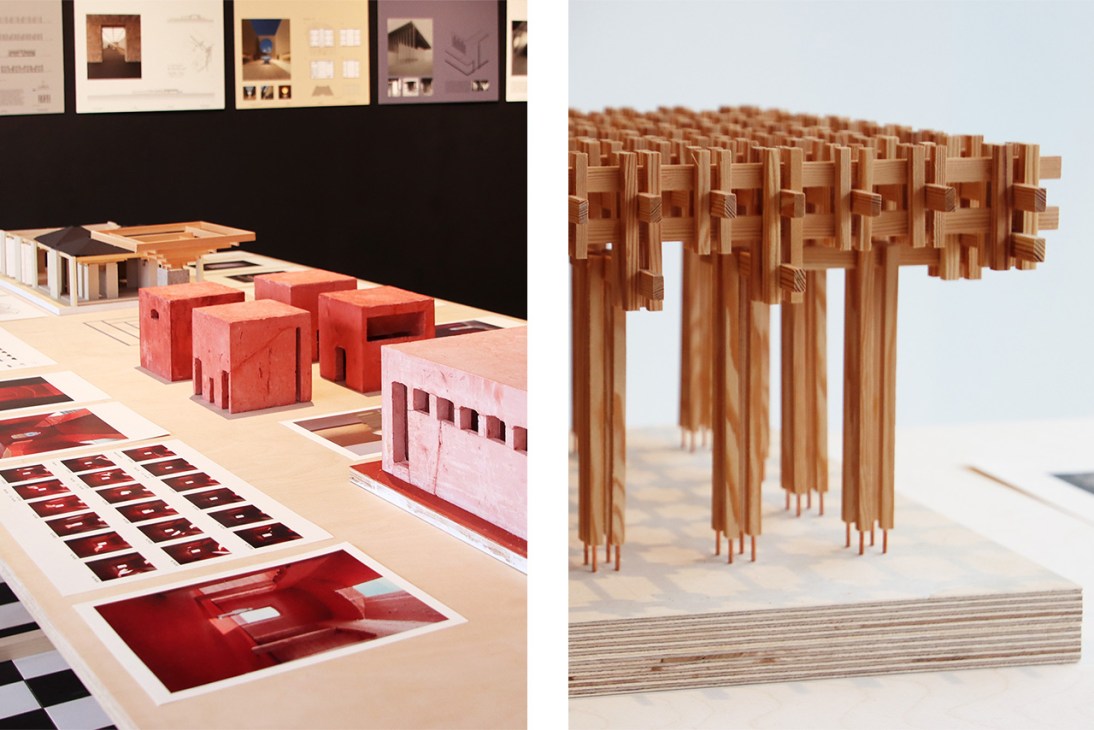
At ETH Zürich, professor Roger Boltshauser asked his students: “What would Kahn do today? He would be modern. He would care about materials and the environment.” Importantly, the students were not overwhelmed by Kahn’s legacy. Instead, they approached it in a practical way. Næss notes that “today’s architects question the greats more and more. At the same time, you build on their achievements. It’s a delicate balance.” For many students, the bigger challenge was ethical, not historical. “Building something new is questioned today,” she adds. “Reuse and repurposing are leading ideas. This was a big responsibility for them, but it’s part of their training.”
The future Louis Kahn Centre will reflect this way of thinking. It is planned not as a monument but as a working space for thinking, hand drawing, workshops, teaching and informal exchanges between disciplines. Craftsmanship, both in building and in use, is central to the vision and connects tradition with modern practice.
An international competition will follow but the student work has already done something vital by widening the brief and challenging assumptions. In an era of cautious, brand-driven public architecture, the foundation suggests a better alternative. Give students real sites and real responsibility – and pay attention to what they produce.