Beyond the Giga-Projects, a new generation of Saudi Arabian architects is getting introspective
As Saudi Arabia builds at breakneck speed, young architects returning from abroad are slowing down to ask what kind of places people want to live in, with a focus on landscape, life and memory.
The glimmering glass-and-metal skyscrapers jutting up around Riyadh’s King Abdullah Financial District (KAFD) feel like a declaration of intent. With Saudi Arabia starting to spend its vast oil wealth on architecture – much of it future infrastructure to accommodate the 150 million tourists a year that it wants to welcome by 2030 – cranes dot skylines from Jeddah and Diriyah to AlUla.
As the country opens to the outside world, design is becoming a greater part of national discourse (the Design & Architecture Commission was only created in 2020, part a Ministry of Culture that was established a mere two years earlier), and industry opportunities abound. This explains why Milan’s international design fair, Salone del Mobile, touched down in Riyadh last month. Located inside a partially open-air space in KAFD, turned a Salone shade of red for the occasion, it featured iconic pieces of “made in Italy” furniture from Poltrona Frau to Poliform.
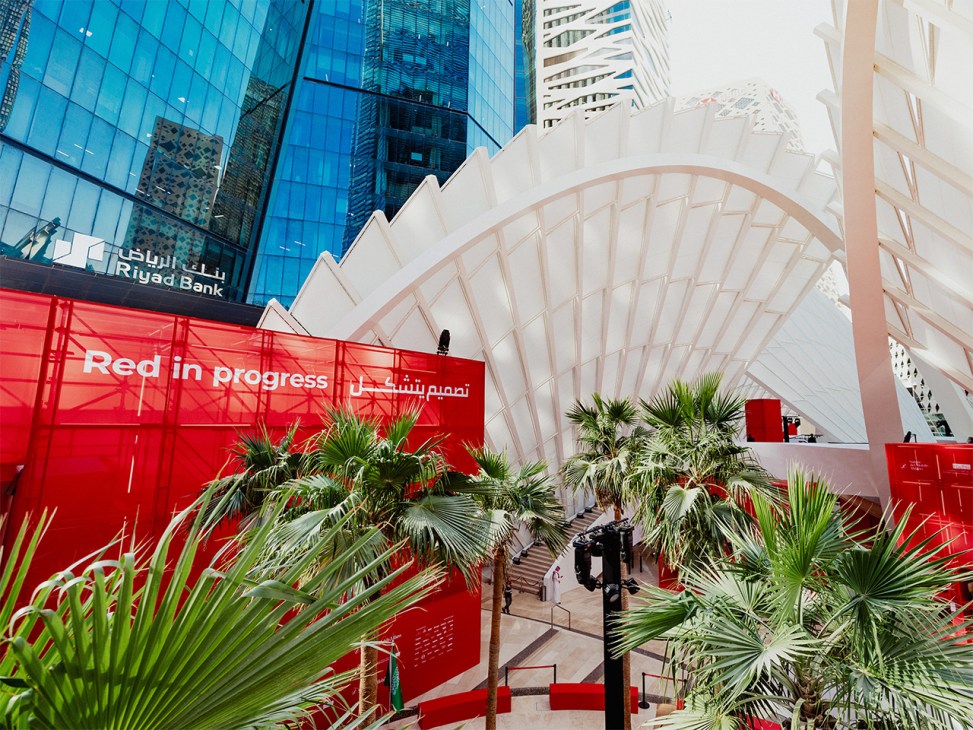
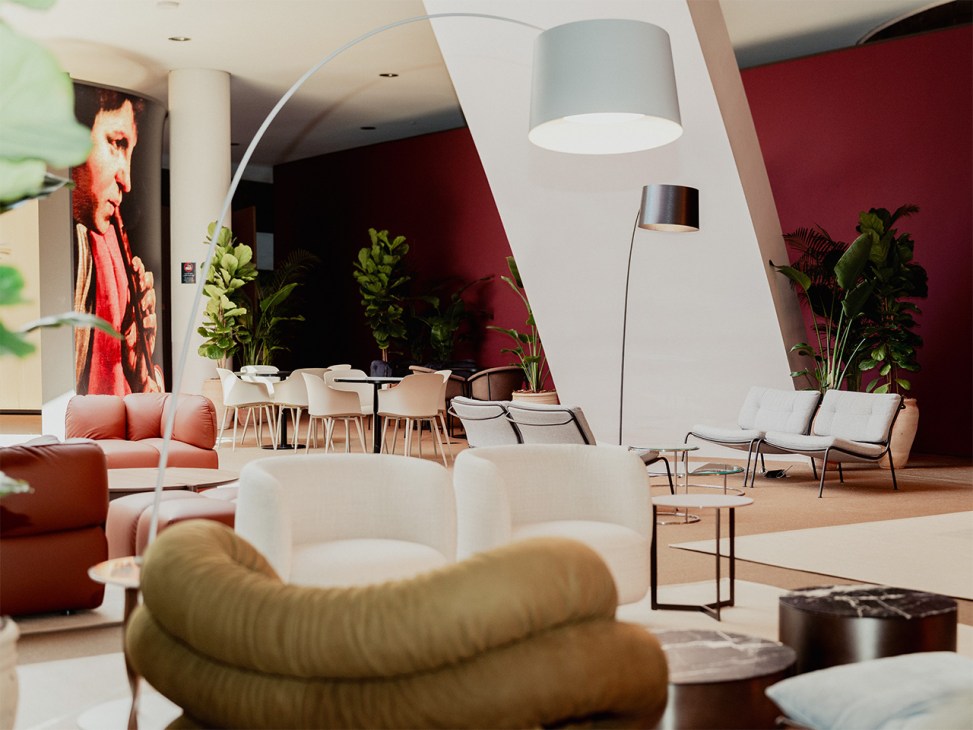
The three-day event, called “Red in progress. Salone del Mobile. Milano meets Riyadh”, set the scene ahead of a fully-fledged edition coming next year. The 38 Italian brands travelling with the delegation were hoping to make deals with local contacts to open Saudi retail outposts or furnish the interiors of new projects. But a series of panel talks organised at the same time as design brands were fleshing out deals in a nearby business lounge gave a fascinating window into the shape-shifting design scene and what Saudis are thinking.
Saudi Arabia’s emerging architectural voices
Away from the attention-grabbing headlines about Giga-Projects and big-name firms, a crop of young Saudi architects and designers – many of whom have returned from stints abroad in the US, UK or even Spain – are getting introspective about the sort of future they want to help build.
Landscape designer Lulu Almana recently moved back after a six-year stint at Arup in London. While working on Saudi projects from there, she realised that she wasn’t close enough. “I had a growing desire to just be here and be playing a more direct, active role in designing these spaces and shaping the cities that we live in,” she tells Monocle from KAFD. “As a designer, I felt like maybe this was the moment.”
This year, Almana worked on Saudi Arabia’s debut at the Milan Triennale, showcasing a project called “Maghras: A Farm For Experimentation”, co-curated with Sara Al Omran. About to start its second season of programming, Maghras is located on a farm in Al Ahsa, the oldest and largest oasis in the world, and mixes workshops, research, and talks from architects and designers as a way of looking at the changing landscape. In short, Maghras is deeply rooted in place – which is what Almana is looking to do for future projects as she gets stuck into “all of this soul-searching type of work”.
The designer is drawn to collaborate with communities to help regenerate public spaces. When Monocle meets her, she is only a few months into running her own practice but is already working on Rufaida Park in Dammam, in the eastern part of the country, which is due to open in mid-January. Looking to address the needs of an elder segment of the population, it includes native trees and medicinal plants, an outdoor gym and a tea-drinking area.
Since moving back, Almana says that she has had this strong desire to root herself “in this next context”. Part of that process is cataloguing what Saudi Arabia already has. “What do we have that we haven’t been paying enough attention to?” she asks. She doesn’t rule out taking road trips around the country to see what she can learn from certain landscapes. In truth, the seeds of her desire to catalogue started when she was in London and hired by the Architecture & Design Commission. She was tasked with creating a “very practical and process-based” manual for landscape designers that makes them think about sustainability and cultural continuity, among other ideas, when approaching a new project. It’s designed to be used in parallel with another new document called the King Salman Charter for Architecture and Urbanism, drawn up by the same commission. The latter has six core pillars, including liveability and authenticity, aimed at making designers ask themselves the right questions.
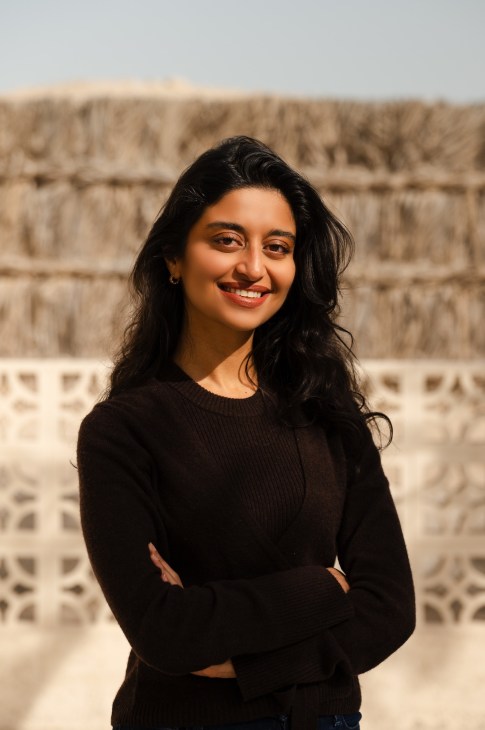
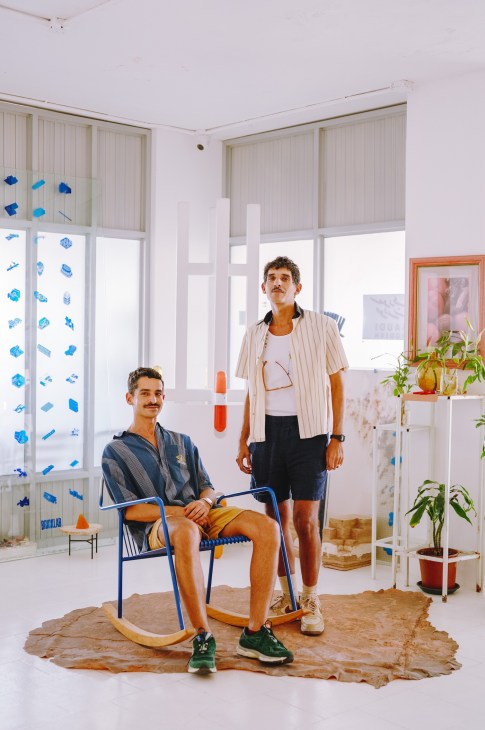
Abdulrahman Gazzaz, who co-founded Jeddah’s Bricklab alongside his brother, Turki, and spoke at a “Red in progress” talk about building in an extreme environment, is another architect looking to document what is happening around him. Part of his research has involved thinking about new ways to represent Saudi architecture – beyond the ubiquitous triangle motif that is inspired by ventilation windows on historic mud-hut structures. “There are so many different motifs to look at,” he says. “It’s just [about] trying to understand the banal and the mundane that you see in the city on a daily basis.”
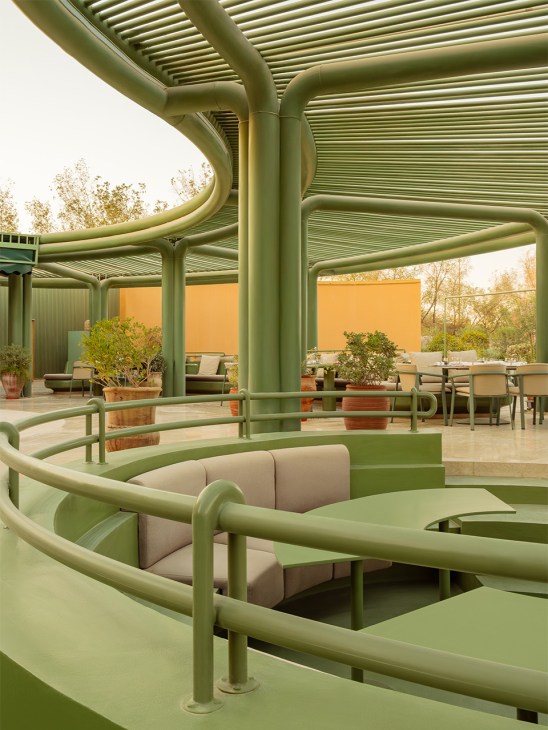

Gazzaz, who studied in Bristol in the UK, says that educational intuitions provide books on architecture from Germany or France but never Saudi Arabia. Which is why he set about creating a record through a book called Saudi Modern: Jeddah in Transition 1938-1964. Meticulous, research-led work like that has led to Bricklab focusing a large part of its energies on adaptive reuse projects – including Attaché, a redeveloped former stable in the capital’s Diplomatic Quarter – although Gazzaz doesn’t rule out working on new-builds, such as a recent project for the Ministry of Culture in Riyadh’s Jax neighbourhood.
Shaping identity in a fast-changing built environment
Thinking about big topics such as identity isn’t always easy in a country that seems in a hurry to leap forward and where projects go up at a breakneck speed. For Abdullah Alazzaz, creative director at Azaz Architects, which was originally founded in 2017 by his sister, Shahad, there’s a question of which historical moment you take as a starting point when searching for authenticity from your past. Alazzaz, who studied civil engineering in upstate New York and worked in finance in London before heading home, doesn’t think these references need to exist for the sake of them. He’s just happy to “get a front-row seat” on everything that is happening, working on everything from residential to Giga-Projects. “It’s very rewarding to feel like we’re shaping something for the future,” he says.


As the country continues to evolve, so too does the architecture profession. When Alazzaz’s sister started “as a one-woman show”, times were different – both economically and socially. Now, as more architecture departments and schools for women start to open, a whole new generation is set to emerge with a heightened interest in the built environment and ready to play an active role in Saudi Arabia’s development. “There is a huge need in the market for architects – especially female ones,” says Noura Ghabara, assistant professor in architecture at Jeddah’s King Abdulaziz University, from a red bench-seat in KAFD. “We look at things differently. I am not saying one is better than the other but it’s just about complementing each other.”
Ghabara, who gave a masterclass about reimagining the future of the built environment in which she constantly threw to the audience, believes – as you might expect given her academic position – that education is key as Saudi Arabia soul-searches for how it wants to develop. “We are realising that we can’t have the answers now,” she says. “This is something that will take time. But we have to lay the foundation for future generations.”
“Red in progress” ran from 26 to 28 November. Look out for Monocle’s report from Saudi Arabia in our ‘Salone del Mobile’ newspaper, published in April. The inaugural Salone del Mobile Riyadh will take place in November 2026.