Copenhagen’s 3 Days of Design proves that big things can come in small packages
The 2026 event comes to a close after attracting record crowds and transitioning from an informal gathering to a polished industry contender.
Today marks the end of Copenhagen’s annual citywide design fair, 3 Days of Design. This year, participants gathered under the theme “Make This Moment Matter”, reflecting the need to create products with purpose, putting the emphasis on “better” over “more”. It’s a sentiment that only a cold-hearted capitalist could argue against. But it’s also a telling sign that 3 Days of Design is reckoning with its own success. Each year seems to garner more interest, more objects and more parties. This latest edition is estimated to have brought 120,000 people to the Danish capital in search of new ideas and opportunities to network, and to conduct a general temperature check of the industry.
The informality that made up much of 3 Days of Design’s salad-days appeal when it launched in 2013 is dissipating, as a growing number of brands participate and compete for attention from press and buyers. Organisers have long feared losing the intimacy that smaller fairs offer and a sense of resigned acceptance has taken hold. It seems that the growing pains are over, the Rubicon crossed.
As a result, the fun is now organised. During the day, cafés in courtyards serve up flat whites and bolle med ost (an unbeatable combination of bread and cheese, abbreviated to BMO by Danes). Cocktail parties take place between the hours of 16.00 and 18:00, followed promptly by dinners in tasteful Copenhagen restaurants. A Lutheran restraint pervades, from minimalist interiors to acceptable Scandinavian dinner times.
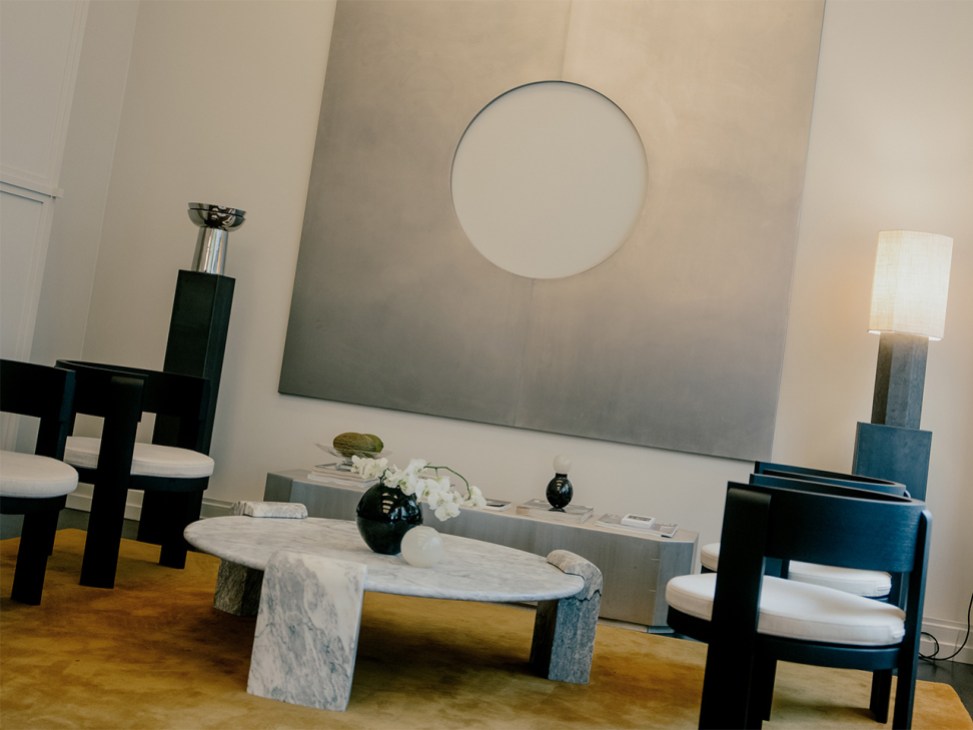
Today, Copenhagen’s brands and designers are beginning to show signs of maturation in their output. The upbeat pastels that dominated the fair just a few years ago are gone, replaced by a monochromatic palette and cold, aluminium finishes. Tadaima’s exhibition, Soft Monuments, captures the current appetite for fine silver tableware and low-slung chairs with a space-age bent. Design exhibition platform Other Circle, now in its second edition, is presenting work by independent designers alongside more established companies such as Muuto and USM. More generally, a fixation on Danish mid-century masters seems to have faded. The notable exception to this is Verner Panton, who is in the spotlight this year as Designmuseum Danmark celebrates the centenary of his birth – not to mention &Tradition’s reproduction of his classic Flowerpot lamp.
The international pull of 3 Days of Design is growing as countries gather their best and brightest to present exhibitions with a patriotic inflection. Sydney-based interiors stylist Claire Delmar makes a convincing case for Australian design with Latitude: 55°N Meets 12°S, a group showcase that includes pieces by Studio Henry Wilson and Jessie French. Elsewhere, the French Embassy opened the doors to its 17th-century palace to present Résurgences, an exhibition in partnership with the Mobilier National and Le French Design.
In the long term, it remains to be seen whether 3 Days of Design can compete in scale with industry behemoth Milan Design Week, though the event’s attendance and participation are increasing. What is clear is that Copenhagen has showcased steely resolve as it cements its rising status as a leading design destination – and for now at least, the Danes have managed to make the moment matter.
Grace Charlton is Monocle’s associate editor of design and fashion. For more opinion, analysis and insight, subscribe to Monocle today.