Why Copenhagen’s design culture is central to its high quality of life
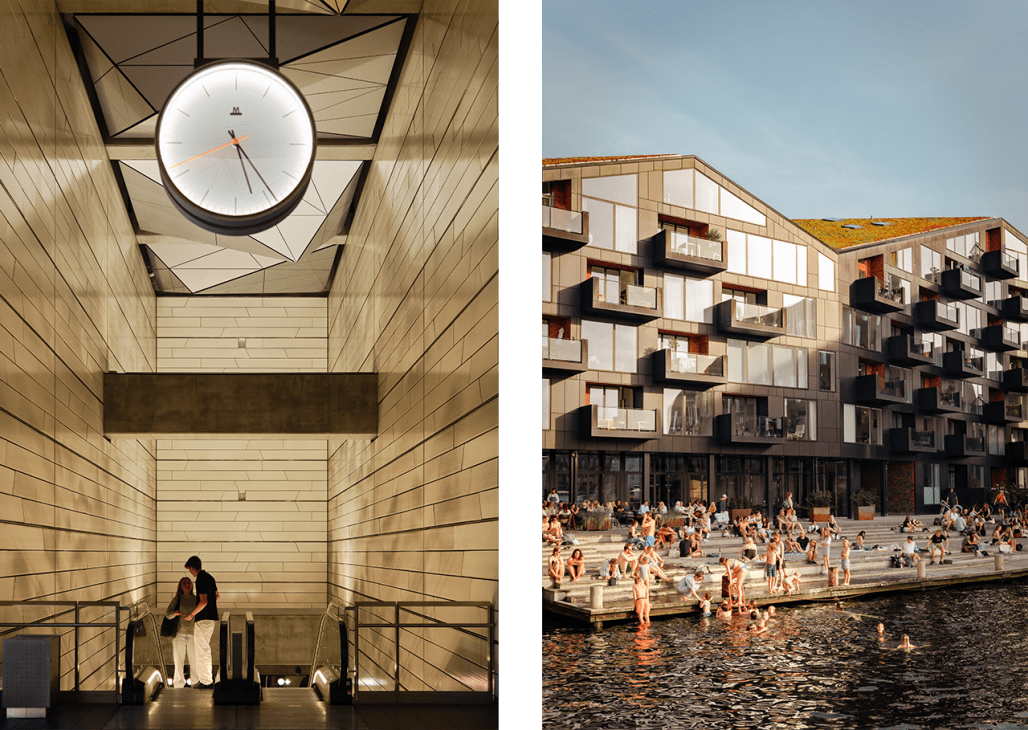
Copenhagen consistently ranks highly on Monocle’s annual Quality of Life survey. The listing appears in our out-now July/August issue, in which the Danish capital comes in second place. Key to its success as a liveable city is a thriving design scene that delivers considered public spaces, such as its metro stations and harbour foreshore, and well-furnished buildings. This design culture and ecosystem begins with free education, making creative pursuits independent of affordability, and it’s headlined by institutions such as the Royal Danish Academy. For students at Denmark’s historic institution for architecture, design, conservation and fashion, each project is an experiment. Spend enough time in Copenhagen and you will understand the academy in a wider context. Its brick buildings are more than a campus – they’re the foundation of Copenhagen’s creative innovation.
The country’s consistently strong economy not only encourages graduates to remain in the Danish capital but it also encourages them to stay and find work in their fields of study. Meanwhile, the design industry is steadily expanding its reach at home and abroad. For proof you need look no further than the growing international participation of 3 Days of Design, the city’s annual design fair. Equally important is the community that sustains it. Copenhagen’s scale allows a close-knit network of designers and makers to exchange ideas and foster a culture of experimentation and cross-disciplinary collaboration that extends beyond marketing gimmicks. This vibrancy prevents complacency or a too-heavy reliance on history. Instead, Denmark’s design heritage serves as a springboard: a set of values that gives new generations of designers a framework to build on.
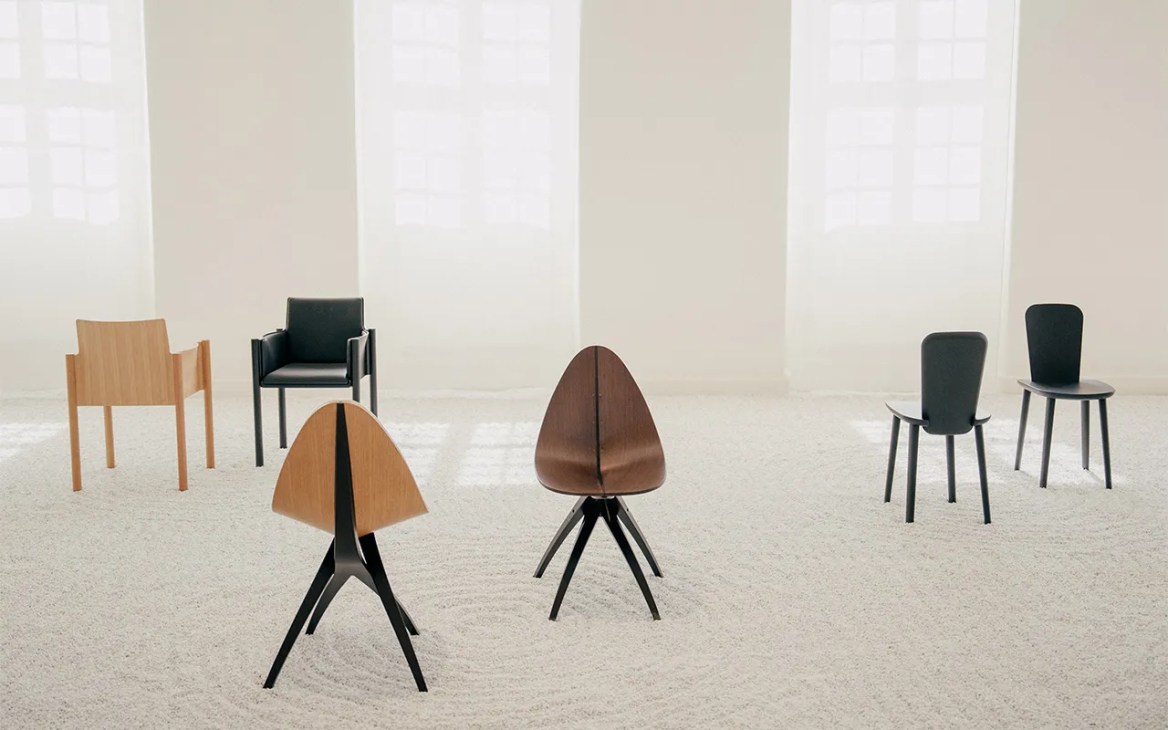
The persistent image of Danish design as monochrome and minimalist conceals a richer story. Alongside the popularised light-wood, pared-back furniture are Verner Panton’s exuberant palette and boundary-pushing creations; Finn Juhl’s sculptural forms shaped by surrealist art; Nanna Ditzel’s bold-patterned furniture. Today’s designers continue that evolution, finding strength not in muted palettes or the rejection of ornament but in something more enduring: a society that, ever since the postwar welfare state recognised design as a public good, continues to stand behind its creative class. It just goes to show that consistent quality of life doesn’t come by accident – it comes by design.