Urban renewal
What makes a busy city tick along? Here we outline some simple improvements we’d like to see shaping our metropolises into more inclusive places to live, from winding roads to rotating benches.
It’s funny how the smallest details can give a city a bit of a glow. A gleaming new opera house may be welcome but sometimes it’s the things that can go unnoticed – and that cost virtually nothing – that keep a city ticking along nicely. As Monocle’s editors travel the globe they see these minute interventions and also spot where some urban thought is still needed.
Here are some of the developments that we’d like to see shaping our metropolises. They run from simple planning ideas to changes in attitude; cities need to be more friendly and less likely to tell you off for locking your bike to railings, for example.
The encouraging thing is that plenty of people are changing their neighbourhoods for the better. The days when a lone Jane Jacobs challenged how our cities are being planned are long gone. Today modest projects, from ad hoc planting to seating outside shops, are being undertaken by all sorts of folk. Sure, mayors don’t always listen to their citizens but there’s a drift towards more inclusive cities. So gather up your checklists and lobby for the change you want in the place you call home.

1.
Shop with a difference
Kiosks
We’ve been living with container pop-up towns and urban markets for some time now and we’ve seen their success. Is it not time for clever cities to allow for all kinds of kiosks to provide space for start-ups along with essential services? Our favourite barbers in London, Munich, Tokyo and Milan all need two-chair spaces dotted around, which can sit alongside a florist, an espresso hutch, an Aperol bar and a used-book exchange.
2.
Get locky
Cycling
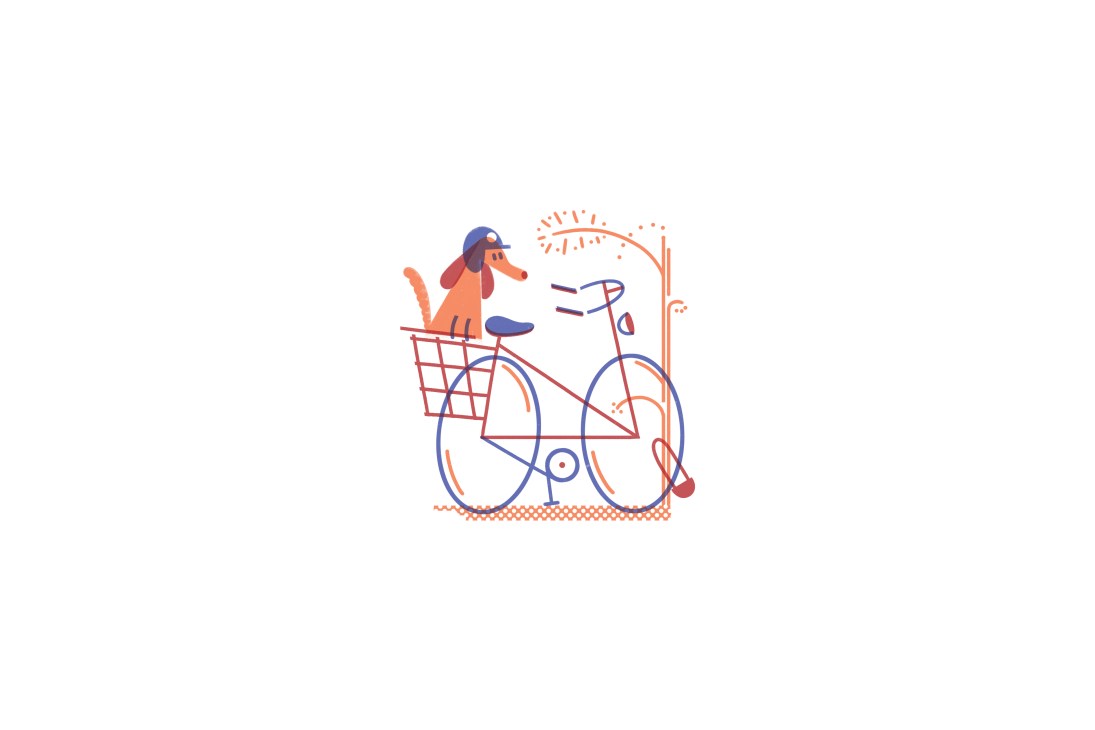
City officials are too often like purse-lipped parents, telling you not to do this, that and certainly none of the other. And one of the most common warnings is: “Don’t lock your bike to these railings or it will be removed.” But why? Railings are ideal for locking bikes and, once locked, said bikes never block anyone’s way. But what if park managers and the owners of grand banks and houses put up signs saying, “We’d love you to lock your bike to these railings”? Overnight any city’s cycling vibe would be transformed. And the people who owned the grand piles would do themselves some fine PR. In the same vein, how about signs that read: “Please come in to ask us for directions” or “Bring your dog in? Of course!”

3.
Safety first
Secure homes
Break-ins could be cut to a minimum in most cities if there were a basic building code that stipulated the right type of doors for dwellings, proper windows that allow for ventilation but don’t aid intruders and security features that prevent people from jumping walls to access open patio doors.
4.
Treasure hunt
Maps
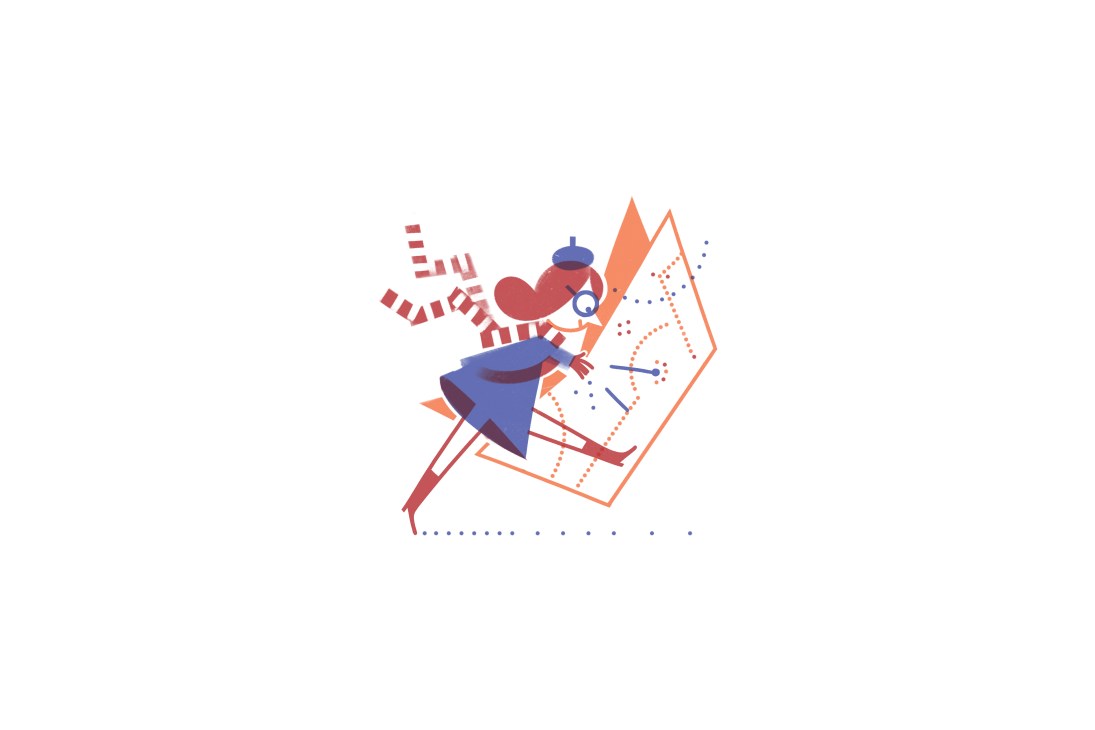
We’ve started printing small neighbourhood maps for our shops and it’s been fascinating to see their impact. In Tokyo, our shop is in the Tomigaya neighbourhood and you see people using the maps to navigate from our outpost to all the nice shops, businesses and cafés in the area. A simple, well-designed map gets people out and about. It’s more effective than any app. Cities need to invest in these physical maps to get us exploring on foot – and spending.
5.
Be more concerned
Airports
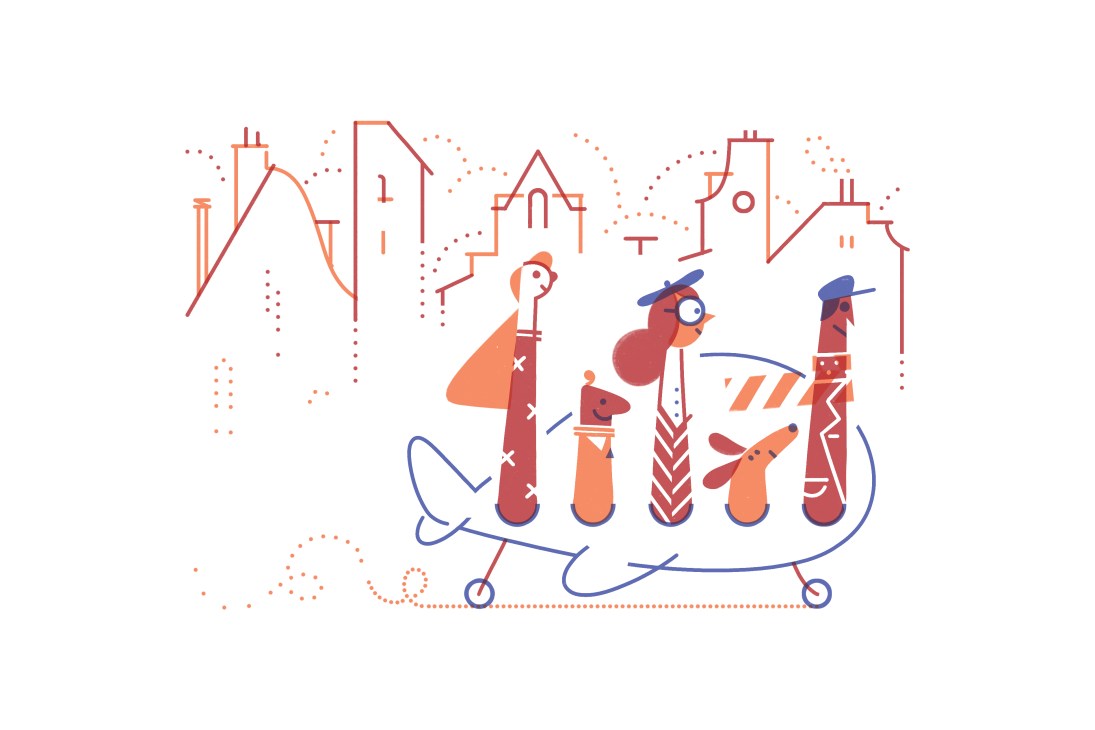
Too much time is spent talking about the environmental impact of airports being too close to where people live and work. Isn’t the whole point of a good airport its connection to commerce? As aircraft become quieter and infrastructure more expensive, we believe airports should stay put and even expand if they’re centrally located. Lisbon feels connected to its former colonial outposts with jets flying in from Luanda and Maputo over the city centre. Milan feels disconnected from the world with the dreadful trek out to Malpensa. We say lengthen the runway at Linate and expand the terminal.

6.
Badge of honour
City emblem
Every city should have an emblem. Pick an animal or a flower that is associated with your town and just go with it. The critter can inspire mascots but also inform conservation debates and the flower will make people think about their gardens and parks. For London we might go with the ring-necked parakeet: a plucky alien species that, against the odds, has built up an industrious and colourful community and sums up London’s love of a hardworking, international trendsetter.
7.
Listen up, look up
Announcements
How’s this for an idea? Bring back the public address system in busy areas rather than telling people to look at their phones. Just as church bells tell us the time without the need to look at our watches, PA systems in crowded areas are far more effective than the niftiest of apps.

8.
Swivel on this
Park seating
Why are park benches fixed facing in one direction? There you are taking in the sun when suddenly it has moved off your face (a face slathered in factor 100 sunscreen). What if you could have park benches that are fixed on a pivot and rotate to take in the sun or a cuter view? Patent pending.

9.
Sit back and relax
Commuting
While we’re all for effective rail connections to the outer suburbs and bedroom communities, we also believe bus companies are missing a trick shuttling commuters to and fro. Why not a tiered service that encourages executives to get out of their cars and sit back in comfort with an espresso and good connectivity? Schedules that allow for return journeys after dinner and when the bars close would make bosses and spouses happy as well.
10.
Lofty aspirations
Green roofs
OK, so you whacked down a blanket of sedum on your flat roof. But now what? It’s not exactly attractive. What we need is to force all new developments and refits to have truly lofty aspirations. Roofs need to be strong enough to support pots planted with trees and shrubs, as well as picnic tables, greenhouses and places to sunbathe. Let’s refuse planning consent for miserable pancakes of asphalt – and start saying goodbye to dull sedum, too.
11.
Take a stroll
Galleria
Why did the galleria and arched promenade go out of fashion? Cities such as Turin, Bolzano and Hamburg work well because there are properly covered areas that offer shade from the heat and cover from the downpour. On particularly grey days they also offer up a feeling of intrigue and mystery.
12.
Be kinky
Roads
Roads should kink and curve; you should wonder what’s around the corner. Grids may be efficient but they rarely induce much love. It’s the twist we respond to, the gentle arc.
13.
Spare change
Playgrounds
School playgrounds are untapped urban assets; most weekends they sit empty. It wouldn’t take much effort for a school to have a rolling programme where they are used for sport, community events and pop-up markets, or as picnic spaces and outdoor cinemas. Lessons must be learnt.

14.
Be organised
Common areas
It’s still staggering how many small apartment blocks don’t have a proper place to put rubbish, for post to be filed away or for prams and pushchairs to be tucked out of sight. You arrive to find industrial-sized bins or bags of rubbish left out as temptation for vermin. Visitors have to navigate avalanches of leaflets, mail gathering on doormats and pushchair pile-ups. Developers are lazy cheapskates when it comes to lobbies and common areas but they are the borderland between street and home.
15.
Think green
Urban gardening
People yearn to make a contribution to their communities, to find a small way they can shape their environment for the better. One of the best examples we increasingly see, in cities from New York to Tokyo, is citizens planting flowers around the bases of trees on their streets, adding a begonia here and few ferns there. It’s great. Let’s encourage it with the provision of free seed deliveries and How to be a Guerrilla Gardener guides.