Feel good summer fits: Three fashion designers defining warm-weather style in Rio, Milan and Palma
Sunny colour palettes, breezy fabrics and a carefree spirit define this trio of labels making clothes to pack in your suitcase this season.
1.
Escapista
Milan
For the Milanese, the arrival of summer means time away, typically spent at the beach, to escape the sweltering heat and humidity that envelops the Lombard capital. To explore these ideas of leisure and escape, fashion-industry veteran Leonardo Girombelli left his career with luxury brands – mostly in e-commerce for the likes of Yoox, Prada and Tod’s – and branched out on his own.
Earlier this year he debuted his menswear label, Escapista, with a 40-piece collection inspired by the colours and moods of Mediterranean life. “I wanted the name to be poetic and to hint at travel,” says Girombelli. It also pays homage to the Escapist, a superhero featured in US author Michael Chabon’s novel The Amazing Adventures of Kavalier & Clay.
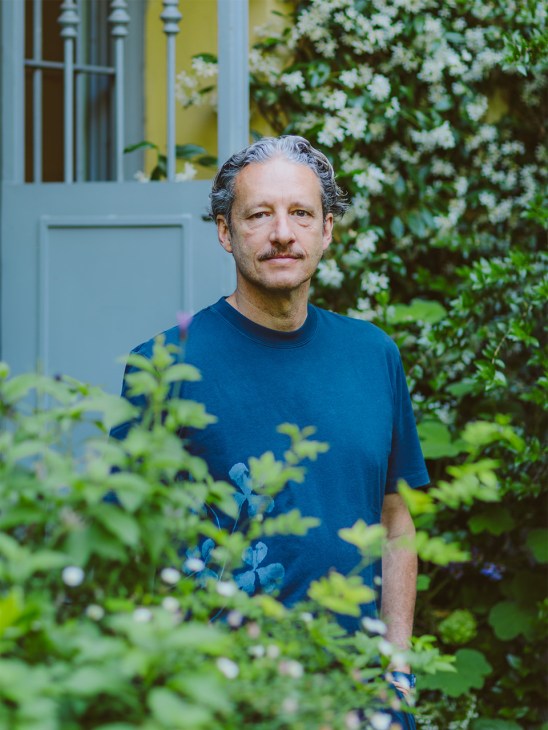
Girombelli grew up “immersed in textiles” in Italy’s Marche region, watching his parents run a clothing factory and produce seasonal collections for womenswear label Genny. By leaving e-commerce to launch his own resortwear label, he was coming full circle. “I wanted to create something authentic that would let me go at my own pace,” adds Girombelli, who has nurtured a network of trusted fabric suppliers and producers across Italy.
The brand’s T-shirts are cut loose to suit warmer climes and made from organic cotton in Puglia, then garment-dyed to give them a lived-in look. Collarless shirts are made using the same process, while the label’s Atlas bomber jackets are made from sturdy cotton sourced from the Marche region. For swimsuits, Girombelli turned to Portugal, creating trunks that feature playful details such as wooden beads on the drawstrings.
The collection also includes a range of bags – from totes with large external pockets to oversized duffels – designed for grab-and-go trips. “The aim was not to overdo it on this initial release and focus on making a small selection of well-constructed garments,” says Girombelli. “I wanted to create those evergreen pieces that become staples in one’s wardrobe.”
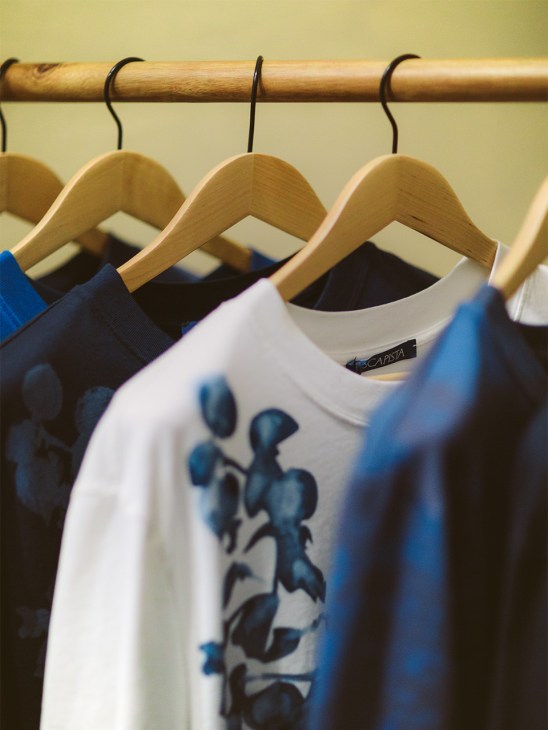
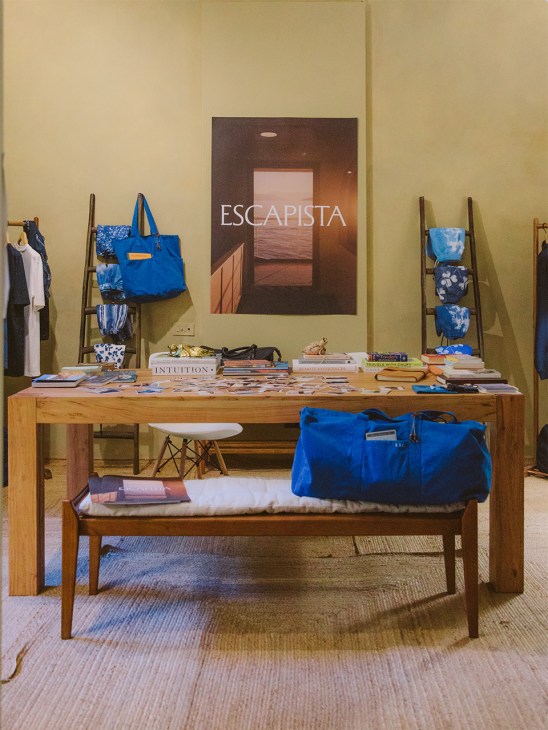
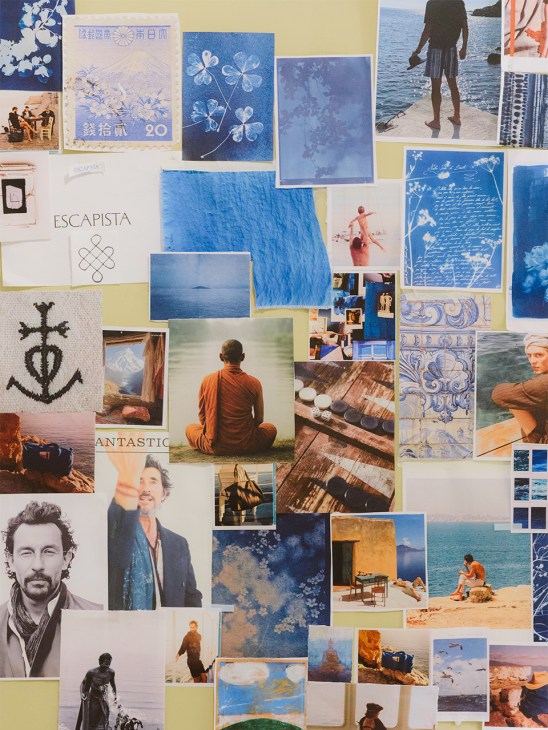
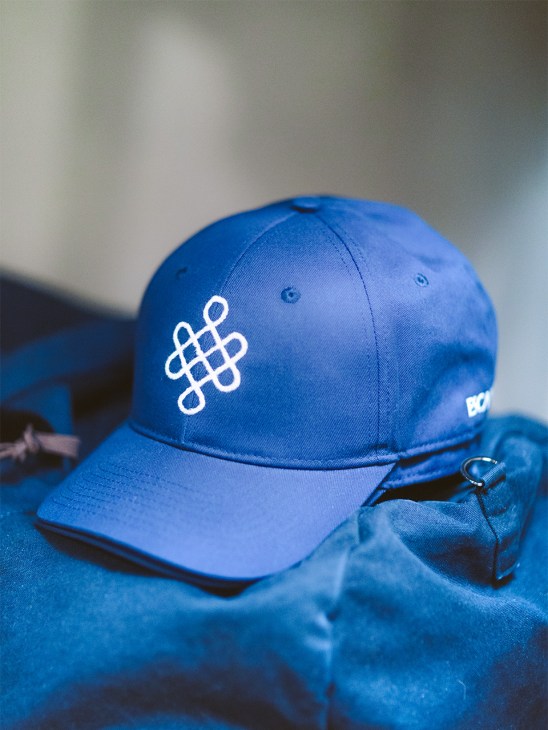
The blue colour palette, evocative of the sea and sky, was inspired by a mood board pulling together images of ferry rides to the Greek islands, with a touch of Morocco, Iberia and Italian summer haunts. As for the brand’s logo, a subtle “Esc” is discreetly embroidered on the hems of shirts or the sides of pockets – a playful nod to the escape key on computer keyboards.
So far, the market seems to approve of Girombelli’s sunny vision. In just a few months, Escapista has secured space in multibrand shops in Pantelleria, Toulouse and Rome, as well as in resort properties in Comporta, Bendor Island and Ibiza. There are many people, it seems, who harbour hopes of a summer escape.
escapista.com
2.
Lenny Niemeyer
Rio de Janeiro
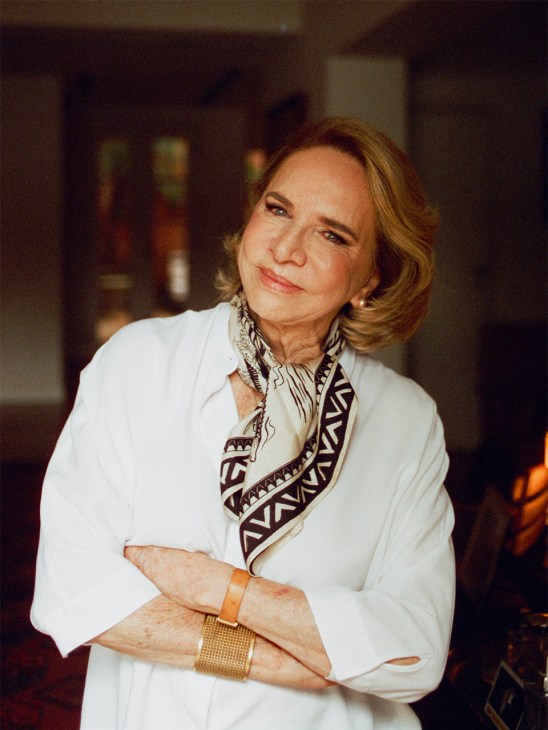
Since launching her eponymous label 35 years ago, Brazilian designer Lenny Niemeyer has helped to redefine the image of her home country’s swimwear, fusing elegance with a playful sense of joie de vivre. Niemeyer was born in Santos in the state of São Paulo but is Carioca in spirit – she is known for her love of good parties and days spent in the sun. She spends much of her time in Rio de Janeiro, where she lives with her family in a house overlooking the Rodrigo de Freitas Lagoon. It’s a popular spot in creative Carioca circles: Niemeyer often opens her doors to host gatherings for as many as 900 people. She recently celebrated the anticipated return of Rio Fashion Week, which injected a welcome dose of energy and money into a fashion scene that had been eclipsed by São Paulo.
Here, the designer tells Monocle about hosting, staying on top of Brazil’s swimwear market and what’s next for her brand.
Why did you start your brand in Rio de Janeiro?
After studying architecture and industrial design in São Paulo, I married someone from Rio and moved here. No company would hire me so I started making bikinis for some of my friends from São Paulo, purely for fun.
When did things begin to change?
It was around the time of the Collor Plan [economic reforms carried out in Brazil between 1990 and 1992], when a lot of people went bankrupt. I was working from my garage with a pattern maker, selling clothes to various brands. But they started cancelling orders, leaving me with more than 30kg of fabric. I was given the opportunity to take over a design shop that was closing in Ipanema and decided to take the risk. I started to establish a loyal customer base and opened shops in São Paulo, Rio and the south of Brazil.
How did you come up with your signature style of swimwear?
For me, beach fashion isn’t limited to the sand. I like experimenting with materials that are more commonly used for evening wear, such as silk, which is both natural and lightweight. My swimwear isn’t about being the sexiest or the most revealing. I focus on pattern making, colour and silhouettes with larger waists. When customers feel good in your designs, they will come back. I love it when I meet women who say that they still own Lenny Niemeyer bikinis from 20 years ago.
Why was it important for you to be part of Rio Fashion Week this year?
I had always fought to keep Rio Fashion Week running. When I heard that it was coming back, I wanted to have a retrospective. Our biggest challenge was using old designs but making everything feel new.
Tell us about your plans to expand beyond your home country.
We have a distributor in Europe but exporting our products is still expensive. I want to expand our retail network in Brazil first. International expansion will be a long process that I’m leaving to my daughter, Bel.
Tell us about your decision to bring Bel on board as creative director.
I’m at an age when I need to think about legacy. I want to ensure the company’s continuity. Bel has the same values as me. She has travelled a lot and now she’s back with a big desire to refresh the business.
Can Rio become a city that the world looks to for swimwear trends?
Definitely. Visitors are coming here wanting to buy Brazilian bikinis, including my designs. European women, in particular, are now more open to swimwear from this country.
What makes a good summer party?
It’s essential to have plenty of ice and all kinds of drinks. Your guests can help themselves. You then need good music and the right mix: journalists, artists, actresses, movie stars, bloggers. Sometimes, I meet people who were introduced at one of my parties and are still close to this day – and that means a lot to me. I don’t throw those very big parties anymore but I still think that it is important to help create connections between people.
lennyniemeyer.com.br
3.
Cortana
Palma
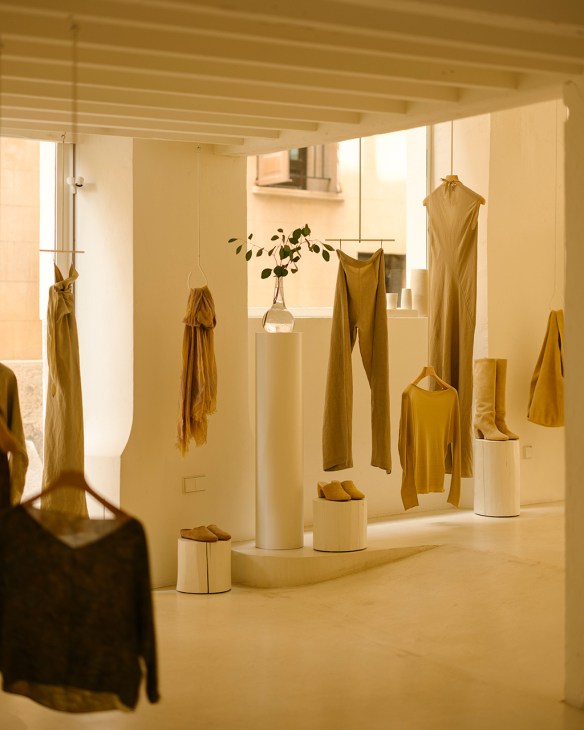
Cortana’s flagship shop in Palma stands apart from typical fashion boutiques. There are no mannequins in sight. Instead, soft linen trousers and silk crepe dresses hang at varying heights from the ceiling, like paintings in a gallery. “We work hard on every garment, fabric and print so I like to give my pieces a leading role,” says Rosa Esteva, who founded the brand in 2001. “I come from the art world and have been curating exhibitions from a young age. It’s about giving each piece the space that it deserves.”
Esteva, who grew up in Son Servera, a small medieval town in the island’s northeast, recently moved back to Mallorca from Barcelona. Since then, she has doubled down on her commitment to working with local artisans and has taken on projects beyond fashion, investing in the revival of hemp farming on the island.
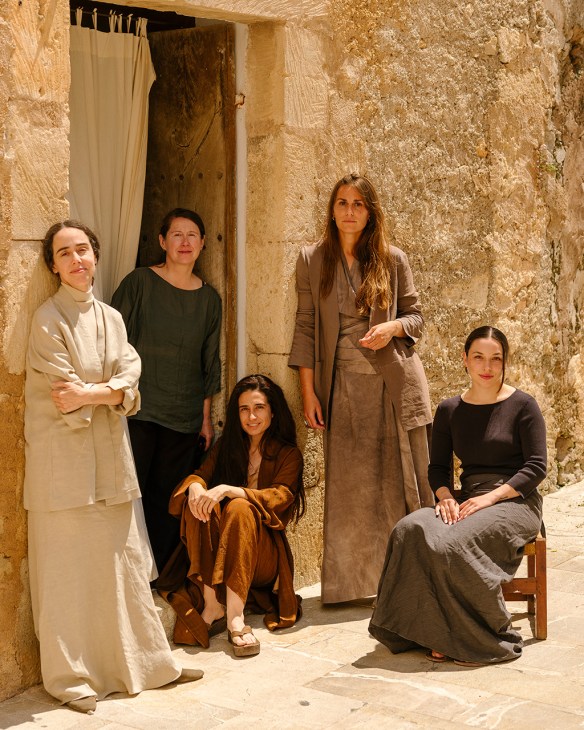
The Cortana shop is in a restored townhouse, a maze of rooms with whitewashed walls. A narrow corridor leads from cosy nooks to light-filled rooms and a garden shaded by palm trees. It was designed by architecture firm Esteva i Esteva, led by Rosa’s brother, Tomeu, and father, Antoni, known for working on the homes and ateliers of artists such as Miquel Barceló and Joan Miró.
Esteva emerges from a dressing room in a green linen ensemble that exemplifies her minimalist style: a boat-neck top with mid-length sleeves and a long fitted skirt. Each piece is anchored in references to art and nature, and created from fabrics such as silk, linen and cashmere. “I want my clothes to feel like a moment that people take for themselves – like eating a healthy meal or meditating,” she says.
This morning the shop is quiet. Browsing inside are regulars including Palma resident Joana Maria Vives. Esteva steps into the changing room to adjust the fit of a pair of cinnamon trousers. “I like to see how customers interact with the clothing,” she says, kneeling to pin a hem. “Whether it was deliberate or not, you have created a community,” Vives tells her. “We don’t come here just to shop. We feel part of a concept, a way of being.”
While some of the brand’s operations are in Barcelona, Cortana’s design studio is now based in Son Servera, where Esteva was raised in a creative household. During her childhood, her father was always sketching house designs. Her mother, a florist who now runs country hotel Son Gener, taught her composition through flower arranging. After studying art and then fashion design in Barcelona, Esteva launched several brands, selling her handmade creations at friends’ shops. She founded Cortana at the age of 26 but it was a different proposition back then – her first collection featured a series of haute-couture dresses and long velvet coats. Its pieces caught the eye of buyers at Jean Pierre Bua, one of Barcelona’s top fashion boutiques at the time, and quickly gathered a loyal following.
Cortana now releases four collections a year. Pieces cut on the bias – an artisanal technique that allows the fabric to follow the body’s contours – have become a signature. The label prioritises comfort and its designs are often multifunctional. Dresses can be wrapped in different ways, tops become dresses and bags become scarves.
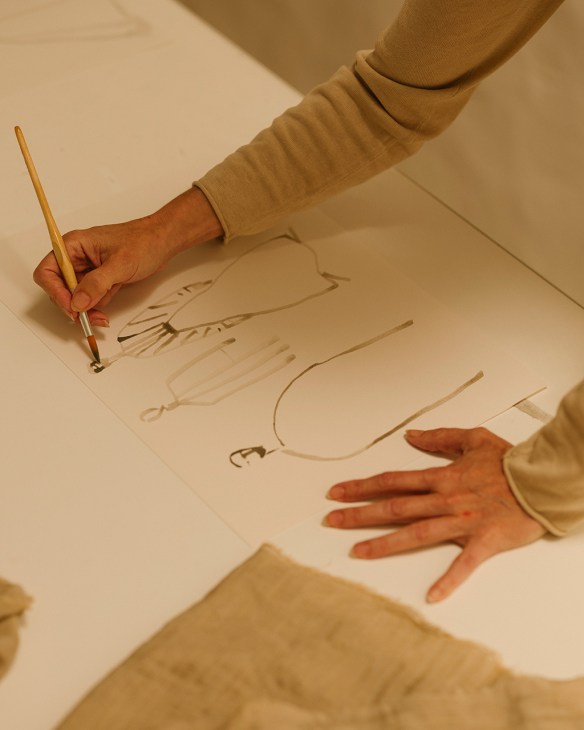
Monocle meets Esteva in Sa Pleta Freda, one of the oldest homes in Son Servera. Her father turned it into an art gallery in the 1970s and she has repurposed the upper floor as her studio. Here, she paints or sketches; her custom prints emerge from her watercolours. She makes full use of the space, pinning swatches of fabric onto the walls, picking up a pair of scissors and wrapping herself in fabrics to help her visualise the final design. “I find working on a computer impossible,” she says.
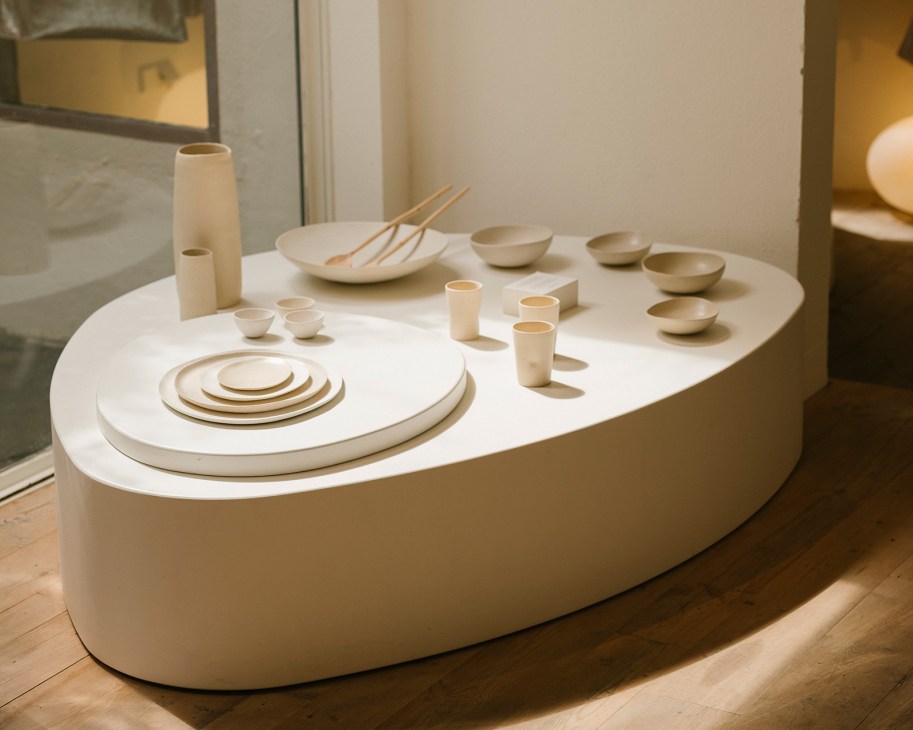
Esteva’s husband, Luke Matthews, runs Cortana’s business operations. He meets Monocle for breakfast at Es Racó d’Artà, a minimalist wellness retreat in an 18th-century farmhouse that is run by Esteva’s family. “Rosa designs very intuitively,” he says. “It’s more about how you feel in the clothes than how you look.” Es Racó d’Artà uses some of Cortana’s homeware line – ceramic cups, plates and jugs made by local artisans. Esteva also designed the staff’s linen trousers and tunics.
Interest in the brand has been growing, particularly in China, where Cortana is working with local partners to reach young, fashion-conscious consumers. There are plans to open outposts overseas and Esteva has been expanding into new categories. “We’re partnering with shops that we admire,” says Matthews.
Esteva has always drawn inspiration from Mallorca and its nature but this has been amplified since she moved back there. Living in the countryside has triggered a burst of creativity. The brand has since expanded into bags, shoes, homeware and perfume.
Her wellness-inspired approach starts with selecting natural materials. Back in the shop, Esteva runs her fingers along the racks in front of us: there’s a poncho in cupro (a regenerated cellulose fibre made from cotton waste) and a top crafted from ramie, a nettle-based fibre.
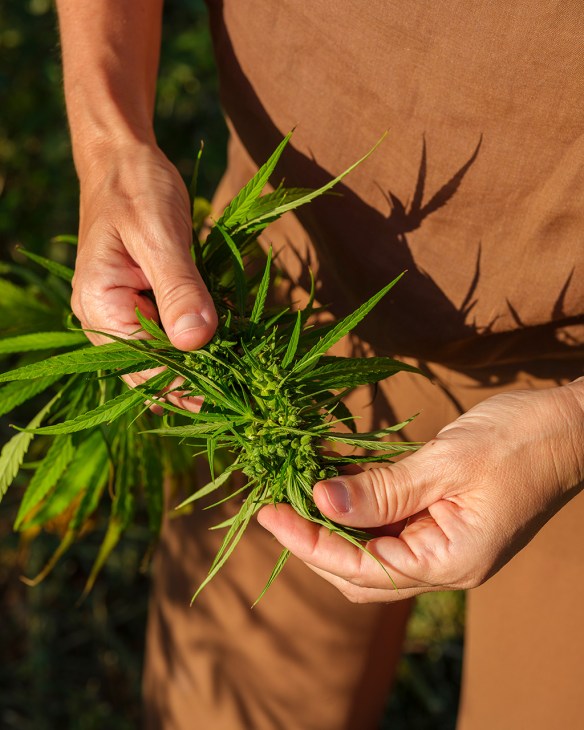
Cortana works with a local association to revive hemp farming near the town of Sa Pobla. Once widely grown on the island, hemp is known for improving soil, capturing carbon dioxide and filtering water. “Tourism is the dominant sector here so diversifying and giving opportunities to other business models that also have a future is essential,” says Marta Cabrero Iglesias, a childhood friend of Esteva who is helping to lead the initiative.
The idea was born when a woman gave Esteva hemp stockings that had been made in Mallorca some 200 years earlier. Her curiosity piqued, she began researching this lost tradition. Another turning point came when Cortana organised a weaving workshop. “It became a dialogue about Mallorca’s textile future,” she says. While Mallorcan hemp could eventually feature in Cortana’s designs, Esteva says that this isn’t the goal. “What matters is that we are doing something good for the land.” Her grounded vision is an example of how to run a growing business while still giving back – and making the most of sunny island living.