Eight elegant objects that will make your days feel more considered
From lighting to kitchenware to a truly unique watch, our editors are sharing the well designed , small upgrades that will make life more luxurious.
1.
No Ads Please: Stories from the Founder of the World’s Most Creative Agency
A new book by the co-founder of creative agency BETC offers hard-won lessons on how to make adverts that cut through the noise.
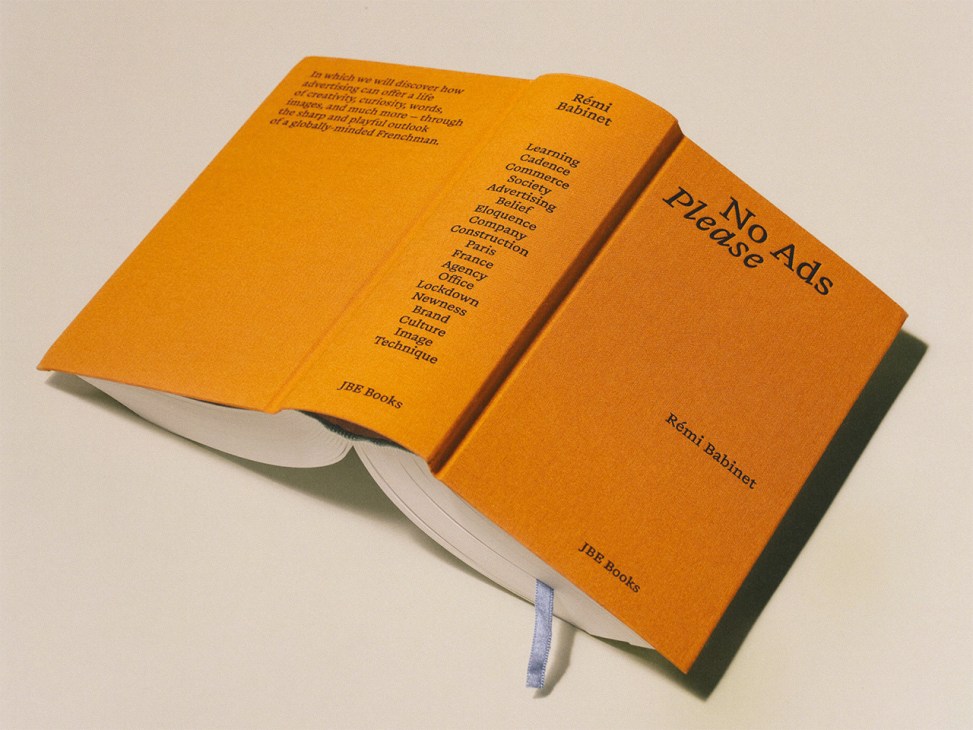
French creative director Rémi Babinet’s new book, No Ads Please: Stories from the Founder of the World’s Most Creative Agency, is packed with photos, campaign stories and reflections as it charts 30 years of his career running BETC, a firm with clients including Michelin and Evian. According to Babinet, No Ads Please is a manifesto for why advertising matters beyond the marketing bubble. “My goal is to reach everyone working in the creative Comment: Babinet isn’t concerned by the potential effect of AI on advertising. “Only humans can understand what will move people,” he says. industries,” he says. Babinet believes in the value of simplicity. “When people are overwhelmed with content and messages, it’s how you become memorable,” he says. “At first, I liked it for aesthetic reasons but [clarity] has a strategic advantage.” He adds that openness is key to creativity. “Listening is central. People think that our job is to talk but first it’s to listen – to consumers, social trends, culture and daily life.”
2.
A timeless timepiece: The Seiko SJE121
To mark 145 years, Seiko unveils limited edition King Seiko KSI969 honouring heritage.
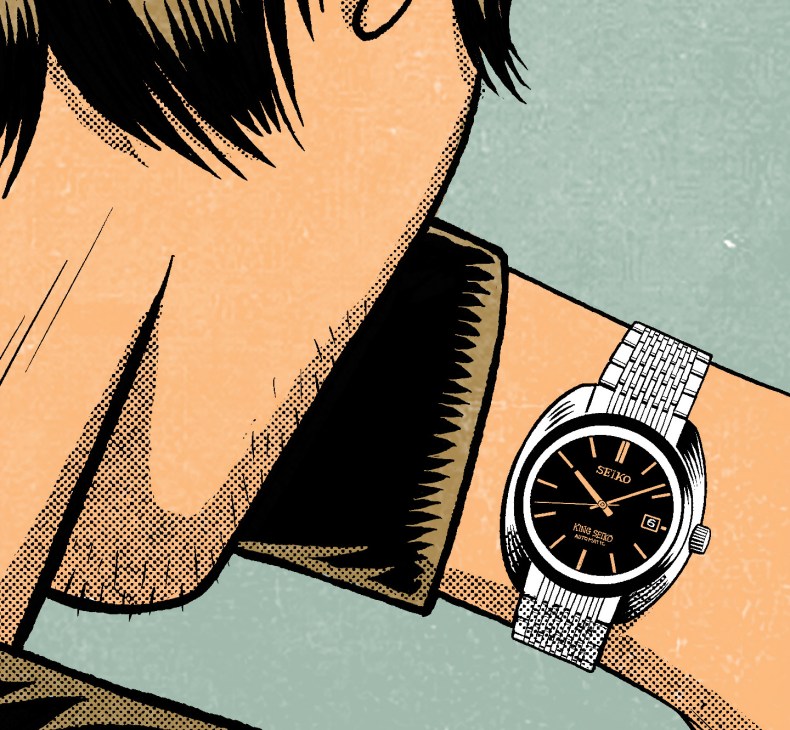
Seiko’s roots lie in a humble watchmaker’s shop opened by Kintaro Hattori in Tokyo’s Ginza district in 1881. As the brand celebrates its 145th anniversary, we have been admiring this commemorative release from King Seiko – its luxury brand, born in 1961, which sits between Seiko’s everyday watches and its premium handcrafted line, Grand Seiko. This special-edition KSI969 is an automatic that riffs on both the company’s origins and the King Seiko 45KCM, released in 1969. The dial’s design is derived from an intricate pattern that Hattori had engraved on imported pocket watches in Seiko’s early days. Its slim, stainless-steel case features a shield emblem inspired by the logo from the 1960s and is paired with a comfortable link strap. Only 800 of these have been made – so start shopping now.
seikowatches.com
3.
Berker’s Serie 1930 switch
Ideal for pre-war homes but also suited to those who don’t want to ask Alexa
In 1919 brothers Hugo and Robert Berker set up a light-switch factory in a town in North Rhine-Westphalia, Germany. Their workshop focused on rotary switches – ones that you would twist, rather than flip on and off. It was a novelty in many German households. The siblings found loyal customers in the Bauhaus school, founded in the same year, whose architects often installed Berker lights in their buildings.
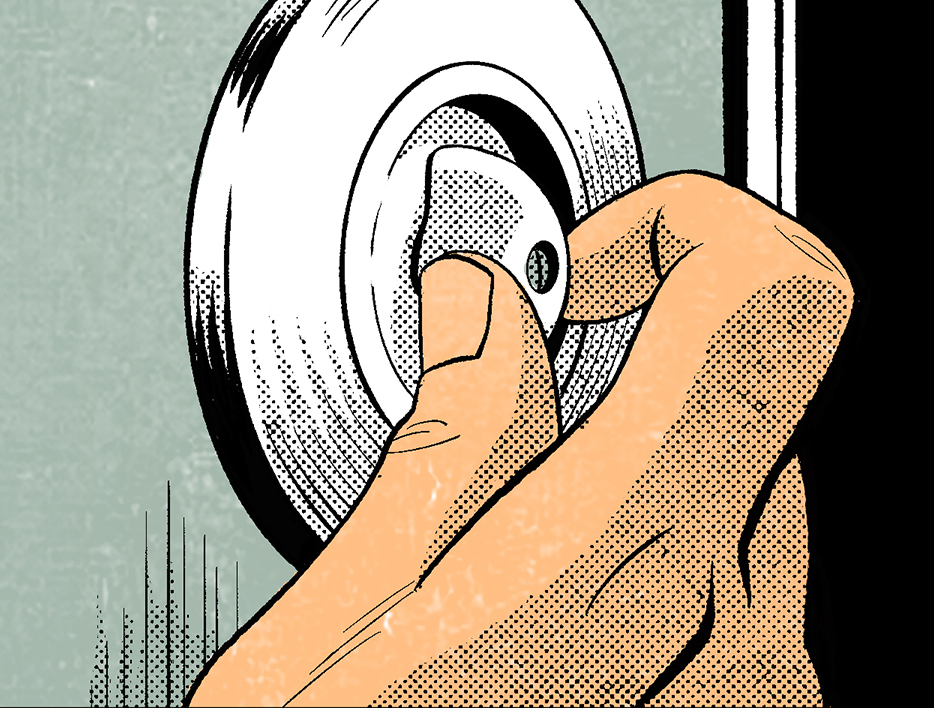
Fast-forward to the 1990s. When the Bauhaus school’s Dessau complex was restored and the interiors returned to their original condition – which, of course, included the switches – Berker faithfully recreated them by mining the archives. The result was launched as Serie 1930 in 1999. The Serie 1930 comes in several variations but the ceramic light switch in white is the most authentic. The design is ideal for pre-war houses but equally suited to owners of new homes seeking something distinctive – but don’t want to ask Alexa, clap their hands or tap at a screen just to get the lights on. The turn of the wrist is an analogue action that Berker has spent more than a century perfecting.
berker.com
4.
A furniture threesome to provide an instant upgrade
Good seating, soft lighting and a smart side table can liven up any living space. Here’s our perfect trio.
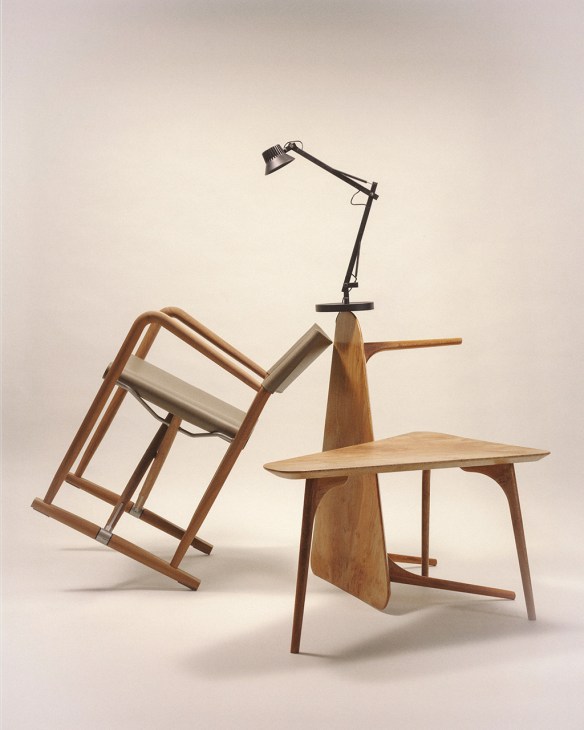
The ideal living room strikes a balance between relaxation and social interaction. A comfortable chair, such as the Flexform Luchino is essential. Sturdy but lightweight, it’s inspired by chairs used by film directors, giving those who sit in them a sense of control. It’s made from solid hand-turned and finished ash or walnut wood, with a seat and a backrest in durable cowhide.
The Muuto Dedicate Lamp casts a soft, flattering glow, with a classic spring-loaded articulated design, making it easy to rotate and reposition. A handsome side table is a must too – a surface on which to rest everything from drinks to magazines. UK-based studio Pirajean Lees recently released a furniture collection that includes this TC01 Coffee Table. Originally designed for a restaurant project, it brings a sense of hospitality and the bespoke to any space. Combined with the other pieces, it creates a space where you can retreat from the world – or a welcoming environment in which to gather.
flexform.it; muuto.com; pirajeanlees.com
5.
Waphyto, your skincare champion
Waphyto blends Japanese herbalism and botanicals into simple, plant-based skincare solutions.
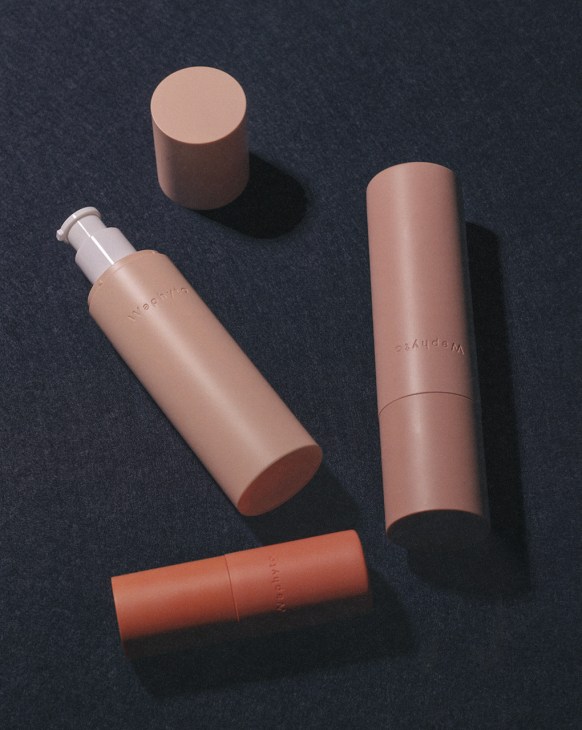
Beauty brands from Japan (also sometimes clunkily called J-beauty) are nonetheless gaining popularity as a simple answer to South Korea’s popular skincare, which often calls for complicated multi-step routines.
One niche, in-the-know brand is Waphyto. The idea for the business came to Atsuko Morita after a stint working as a flight attendant, which led her to develop asthma as well as dry skin and hair. After a friend recommended herbal medicines, which helped to alleviate her symptoms, she went on to study botanical therapy in France. She launched a series of plant-based beauty products that blend traditional Japanese herbalism with plant biomethodology in 2020.
The key to Waphyto’s products is using botanicals (think mulberry, chrysanthemum, mugwort and horsetail) sourced from Morita’s hometown of Mikawa and carefully extracted through a delicate steam-pressure method. It’s proof that the best ideas often come from finding solutions to genuine needs – and not overcomplicating it from there.
waphyto.com
6.
A Zuriga E2 for your daily grind
Zuriga champions Swiss-made, two-button espresso machines built with elegant, durable simplicity.
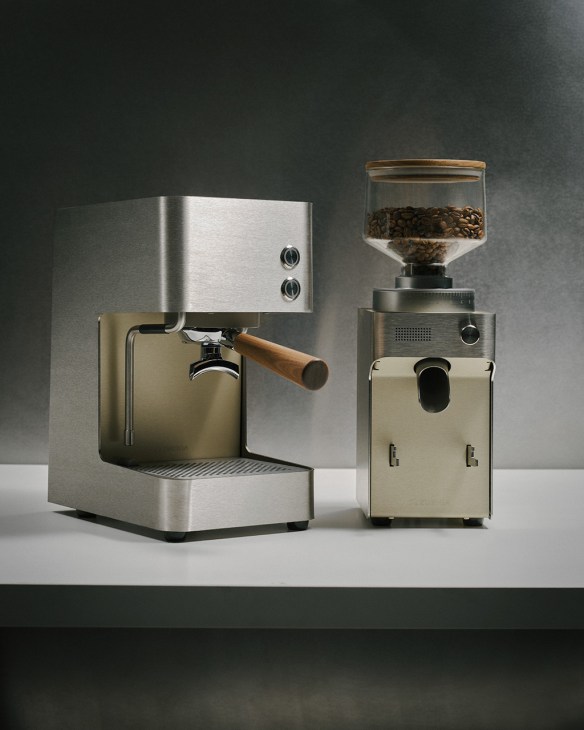
In a cluttered coffee market, this Swiss-made wonder wins by doing less than the competition. Imagine: a kitchen gizmo that doesn’t have a touchscreen or require an app. Zuriga’s machines are precise from manufacture to macchiato – all tough glass, stainless steel and walnut-wood handles. Oh, and there are just two buttons. The coffee market can be faddy but Moritz Güttinger’s firm, founded in 2016, presents a good argument for simplicity over gimmickry.
zuriga.com
7.
The stove-top staple from Alessi
An iconic 1980s stainless-steel kettle celebrating refreshingly non-automated design simplicity.
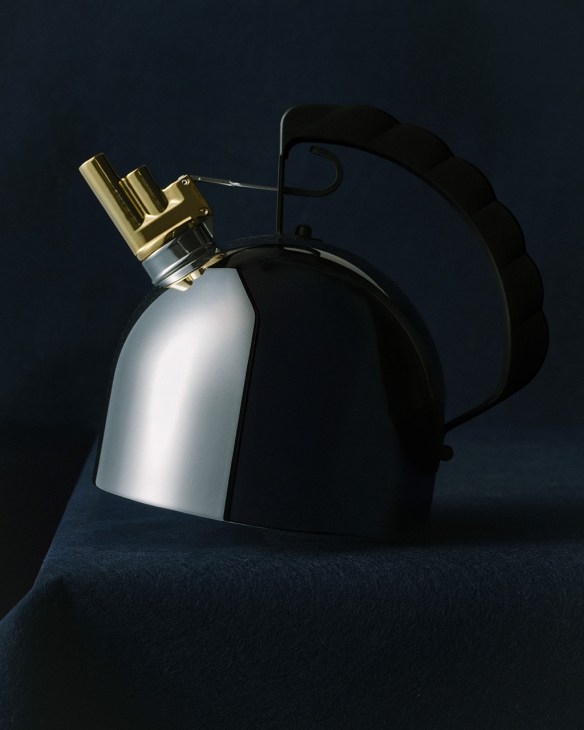
Not everything designed in the 1980s stands up today but in this age of fiddly taps shooting scalding water directly into the sink, this classic kettle feels like a welcome return to common sense. The Richard Sapper creation for Piedmont kitchen kingpin Alessi has aged well, thanks to its domed stainless-steel body, sinuous black handle and latch, plus brass pipes that whistle – the notes E and B, if you’re wondering – as the water boils. The sound was inspired by Sapper’s memories of riverboat sirens on the Rhine. This hints at an important truth often forgotten in the kitchen: not everything needs automating.
8.
The most cutting edge blades from Japan
Sharpness, effortless slicing and precision.
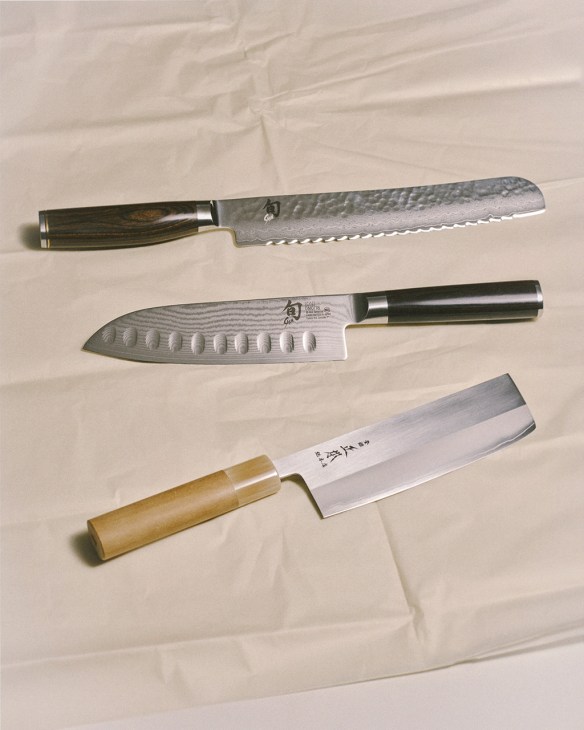
“When it comes to knives, I look for three things: sharpness, ease at which food releases from the blade and the feel of it,” says Justin Kowbel, co-founder of London’s handsome kitchenware retailer Borough Kitchen. For sourdough lovers, Kowbel recommends the Kai Shun Premier Bread Knife. “The direction of the serration changes at the midpoint, effortlessly cutting through tough crusts.” The Kai Shun Classic Scalloped Santoku (middle) slices through everything from vegetables to cuts of meat. And for something a little extraordinary, choose the Masamoto FS Series Nakiri. “A nakiri’s straight blade is excellent for fine chopping. There’s a reason why Masamoto is one of Japan’s most respected knifemakers.”
boroughkitchen.com
This article is from Monocle’s March issue, The Monocle 100, which features our editors’ favourite 100 figures, destinations, objects and ideas.
Read the rest of the issue here.