A taste of things to come
We’re more aware of what we eat but tend to think faddishly. Far from lauding lab-grown meat, our observations on what you’ll be eating more of in 2018 are of the common-sense variety.
1.
Hedgehog mushrooms
Taiwan
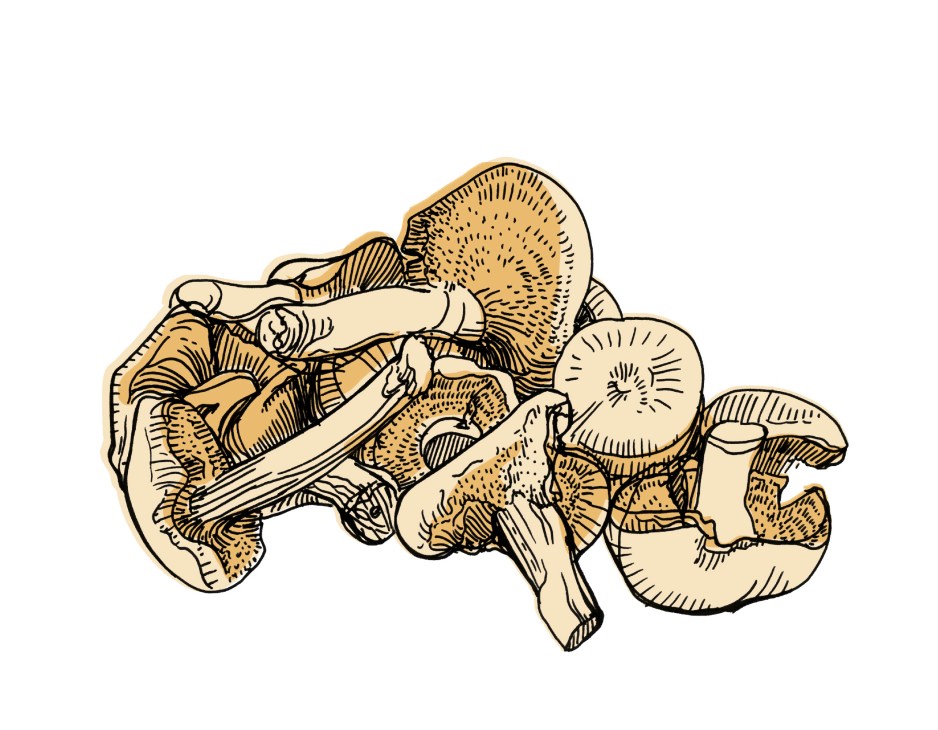
Meat substitutes are fearful things for the most part. Tofu can complement meat but it can’t replace it, and it’s time the world admitted that seitan, another poor excuse for protein, is the devil’s work. However, the Grassroots Pantry in Hong Kong is on to something by using meaty vegetables to elevate its fare and we’d like to see a few more of these fungi making it onto plates in the future.

2.
Ghee
Global
An Indian staple, ghee is a clarified butter, melted to separate the milk solids and water, to leave just the butterfat behind. The gloop has a higher smoke point and contains less lactose. It still has all the nutty richness of butter but more in the way of vitamins A and D than its less-clarified cousin. Australian cultured-butter peddler Pepe Saya produces a mean ghee and we’re banking on several others following suit in the months to come.

3.
Prawns
Switzerland
It doesn’t take a scientist to work out that if three quarters of the world’s prawns are exported from Asian countries (mainly Thailand) then a fair amount of preservatives are required to keep them fresh on transcontinental flights. Swiss Shrimp, based in Rheinfelden, is one of the firms now making a convincing case for farming crustaceans closer to where they are sold.
4.
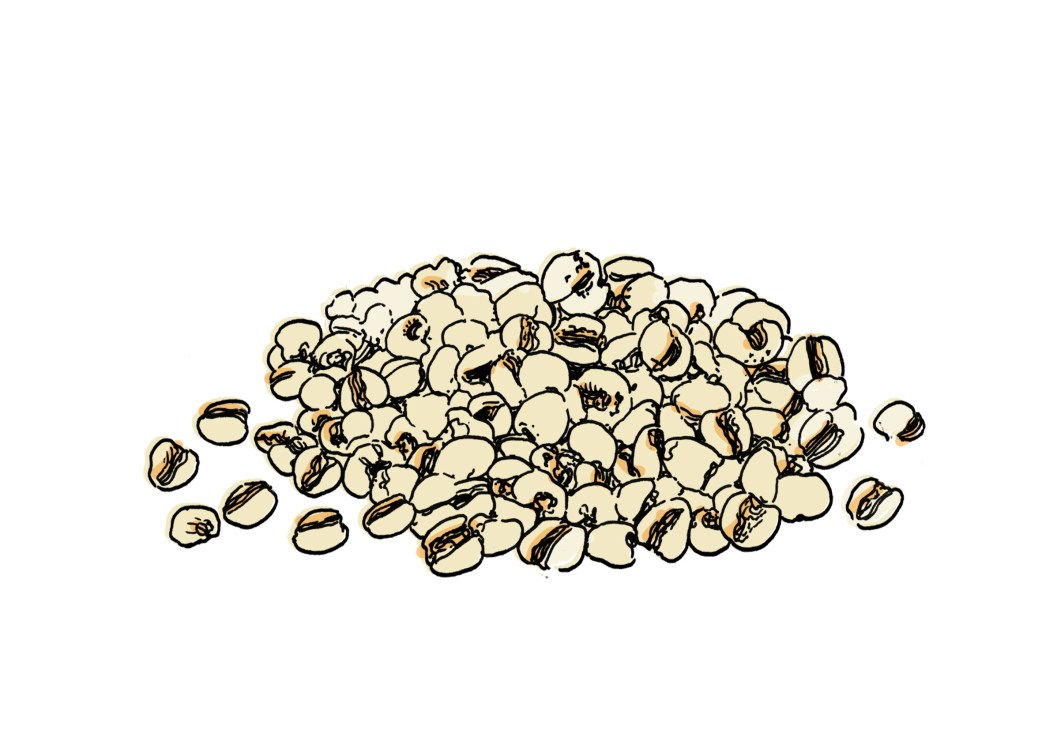
Adlai
Philippines
We’re suspicious of the procession of (often bad-tasting) grains claiming to remedy many ills but adlai is popular in Asia as a fibrous and gluten-free alternative to rice. The grooved grains are spherical with a dent in one end and have been used in everything from cold Vietnamese soups and South Korean liquors to dairy-free milk alternatives. It’s versatile in name too: it’s also called Job’s Tears or Chinese pearl barley.

5.
Pickles and ferments – continued
Global
South Korean kimchi (fermented vegetables, usually cabbage) has gone from obscure delicacy to menu mainstay over the past few years, and plenty of chefs are rediscovering the joy of preserving veg. Pickling and fermenting, though subtly different, riff on ancient methods of preservation. Once-scorned delicacies such as sauerkraut, live yogurt and kombucha (black or green tea served cold) will thrive in 2018.

6.
Ginseng
Ontario
Despite its association with Chinese medicine, ginseng has long been grown in Canada, from where millions of kilos are exported each year. It grows best in the sandy soil near Lake Erie, where Canadian Jesuits first recognised its commercial value thanks to an 18th-century trade deal with the Chinese. The ginseng industry’s growth will remain healthy thanks to the €370m that the Ginseng Growers’ Association is set to receive from the Canadian government.
7.
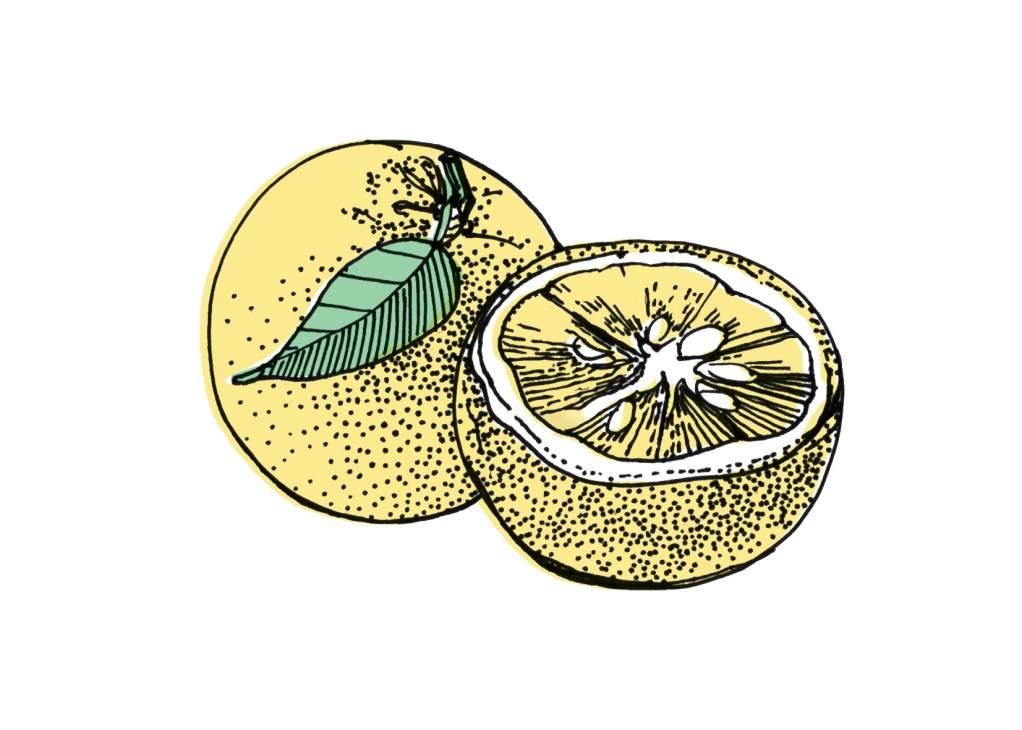
Yuzu
Asia
These rough-skinned citrussy orbs are somewhat similar to large lemons, with a hint of grapefruit in their bittersweet taste. Loved in Japan and South Korea, the fruit has now taken root in Europe thanks to a favourable climate in Switzerland’s southern Ticino region. Reto Eisenhut’s orchard on the shores of Lago Maggiore is one supplier to watch.
8.
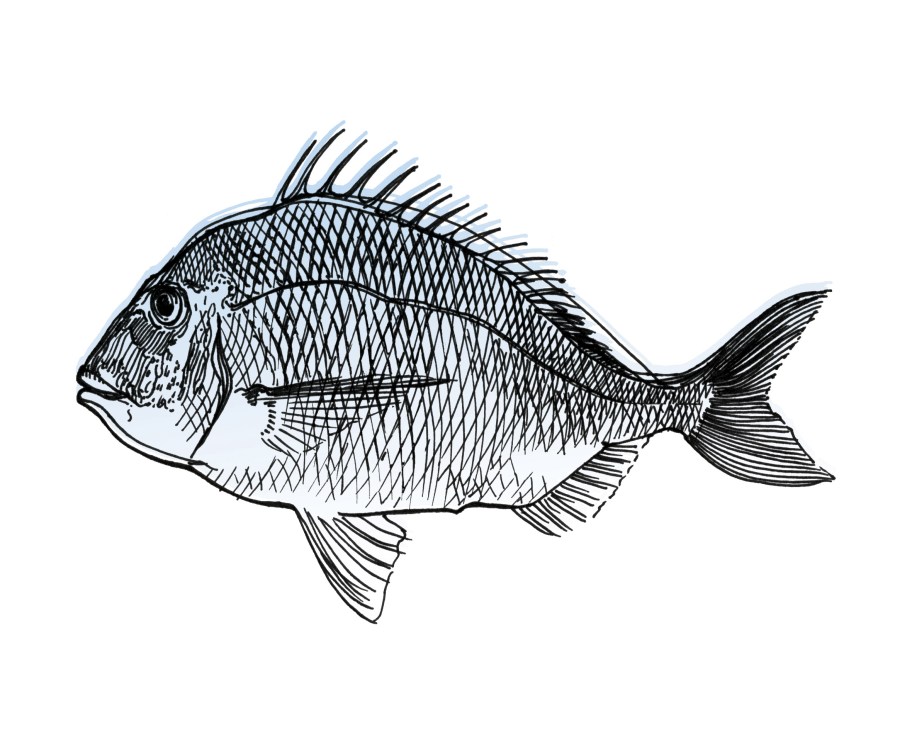
Porgy fish (otherwise known as sea bream)
USA
The porgy was once something of a second-rate fish – less desirable than bass or fluke, say. However, as overfishing threatens other species, it is set for an upturn in consumption. Be it scup, sheepshead or southern black bream, many species of this abundant fish are surfacing on menus throughout the US. Crave Fishbar in New York was one of the first to successfully show off the fish’s merits (we recommend the peerless poké bowl).

9.
Turmeric
Global
This richly red-coloured root is enjoying a renaissance in lattes and on seafood or chicken. A member of the ginger family, it’s praised for its anti-inflammatory and digestion-aiding properties. Here’s hoping its new popularity will prove a boon to the fortunes of its farmers in Southeast Asia, who suffer despite the salubrious items – ranging from coffee to cosmetics – that turmeric has found its way into of late.

10.
Cider
Global
Long viewed as a laddish tipple, cider has undergone a delicate rebrand as smaller-scale producers emerge. French brand Galipette (“somersault”) represents a vast jump in the standard of the Gallic brews, while bars such as Wassail on Manhattan’s Lower East Side have done much to showcase the subtleties of the drink.

11.
Pandan
Global
Rare in the wild but now widely farmed, this Southeast Asian plant has been working its way west in recent years thanks to nutty vanilla notes that work well with coconut. Available fresh, dried or frozen, the versatile blade-like leaves make excellent additions to bread, rice or cakes. The land-grab will be most evident in Australia; pandan lamingtons anyone?
12.
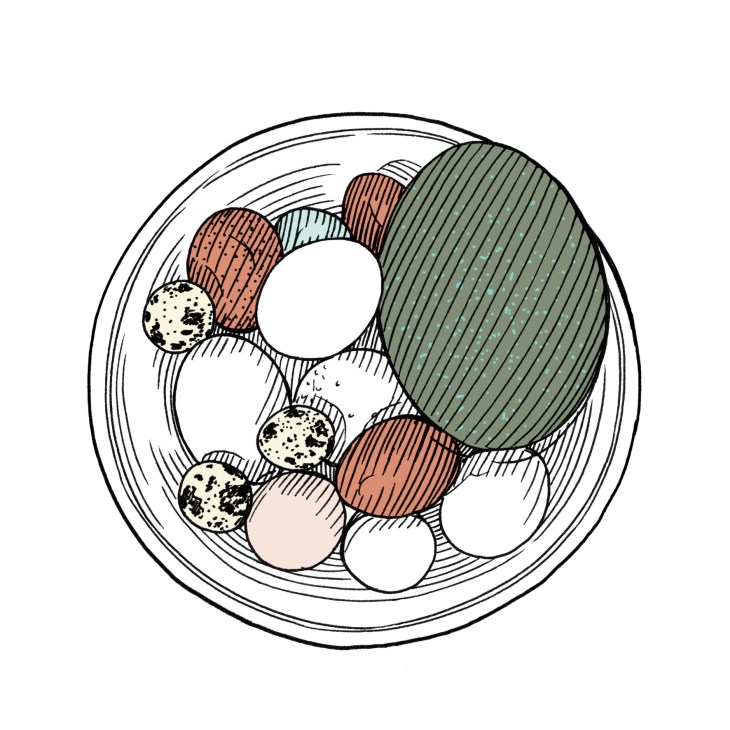
Emu
Australia
The world’s second-biggest bird (after the ostrich) yields beautiful, enormous emerald-green eggs, now being laid on tables throughout the Antipodes as a milder alternative to those of hens. Order them if you’re in Oz but be prepared to shell out for imported ones elsewhere. In addition, the iron- and vitamin-rich meat of these outback natives is lean and fine to eat.
13.
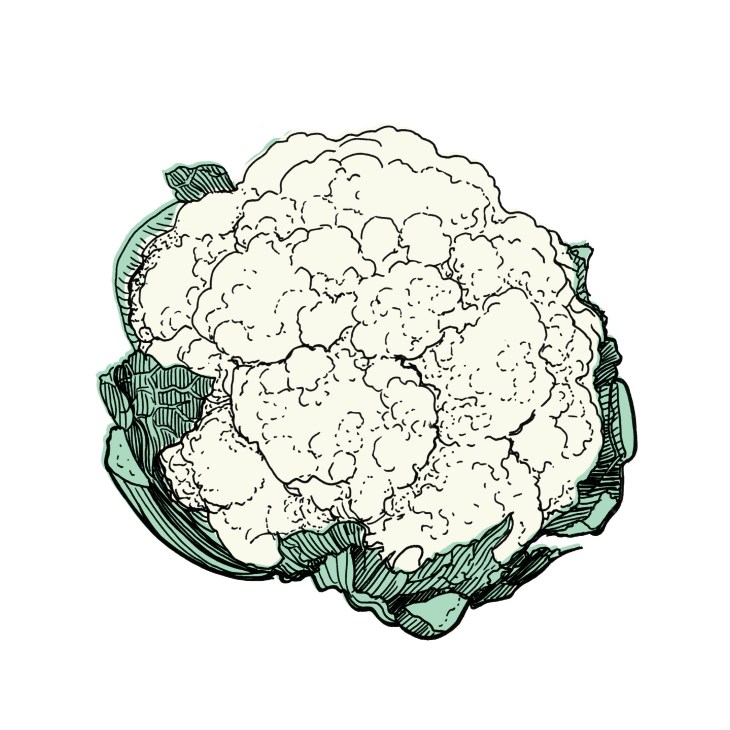
Cauliflower
The UK
“I happen to think the cauliflower more beautiful than the rose,” intoned Uncle Monty in Withnail & I (1987), but it’s taken the rest of the UK nearly three decades to catch up. Sales of the brassica have boomed in supermarkets; one large retailer reported a 15 per cent hike in 2016. Long slathered in cheese in the hope of masking its noxious-when-overcooked scent, the cauliflower is the main event at a few savvy restaurants; east London’s Berber & Q, for example, serves cauliflower shawarma with pomegranate, tahini and pine nuts.
14.
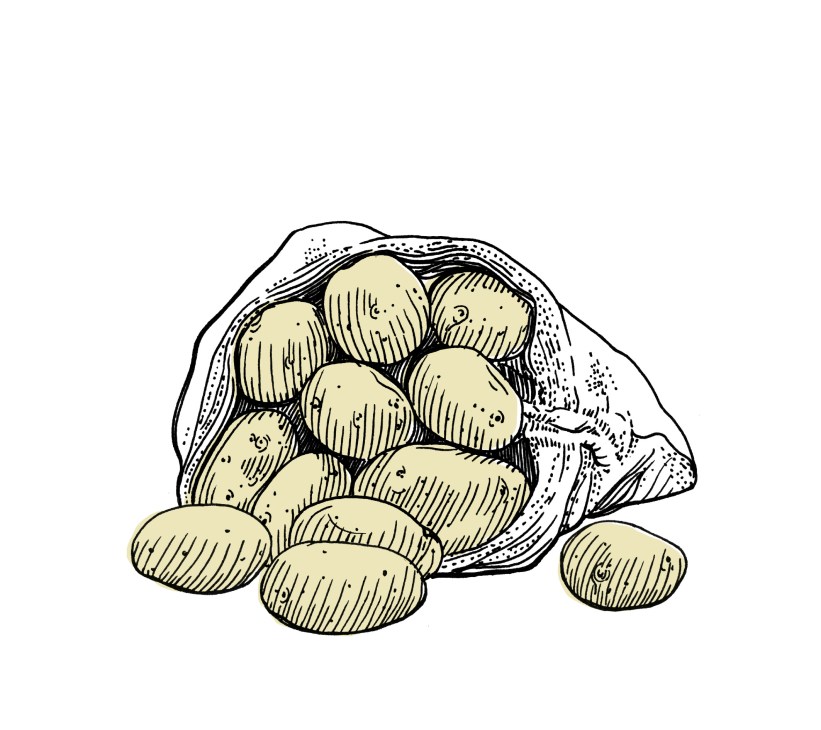
Yunnan potatoes
China
Spuds arrived in Europe from South America courtesy of Columbus’s transatlantic adventures and these starchy tubers have been a mainstay from Spain to Singapore ever since. One market they failed to crack was China but we’ve noticed a growth in restaurants churning out a Yunnan-style version served as a coarse mash with chilli and spring onions.

15.
Heritage brands
Global
Globalisation can be a good thing and it’s OK to enjoy Thai food in Tijuana or Italian in Iceland. That said, older brands that reveal a little about a nation’s history and provide a counterpoint to the ubiquitous will be bubbling up nicely in the year to come. Take Spain’s Cacaolat as a case in point.