Issues
Reshoring in action: Three mobility manufacturers betting on homegrown production
Faced with economic uncertainty and geopolitical tensions, mobility manufacturers are choosing to move activities closer to home. While nearshoring production to neighbouring countries has become a popular option, some are taking it a step further. Reshoring – bringing manufacturing home – often means that quality and supply-chain resilience are improved, though in wealthier nations, at least, this usually comes with attendant price increases. Here are three mobility makers that are homeward bound.
1.
Toronto railway cars
Canada
Toronto’s subway cars are rusty, noisy and in need of replacement. Amid ongoing tariff tensions with the US and the consequent “Buy Canadian” movement, the Toronto Transit Commission closed bidding to US manufacturers last year, instead signing a deal with French company Alstom to build a fleet of 70 trains in its Ontario factory. The deal has support from the provincial and federal governments, which have committed the funds needed to ensure the viability of the project.
2.
Britten-Norman aircraft
UK
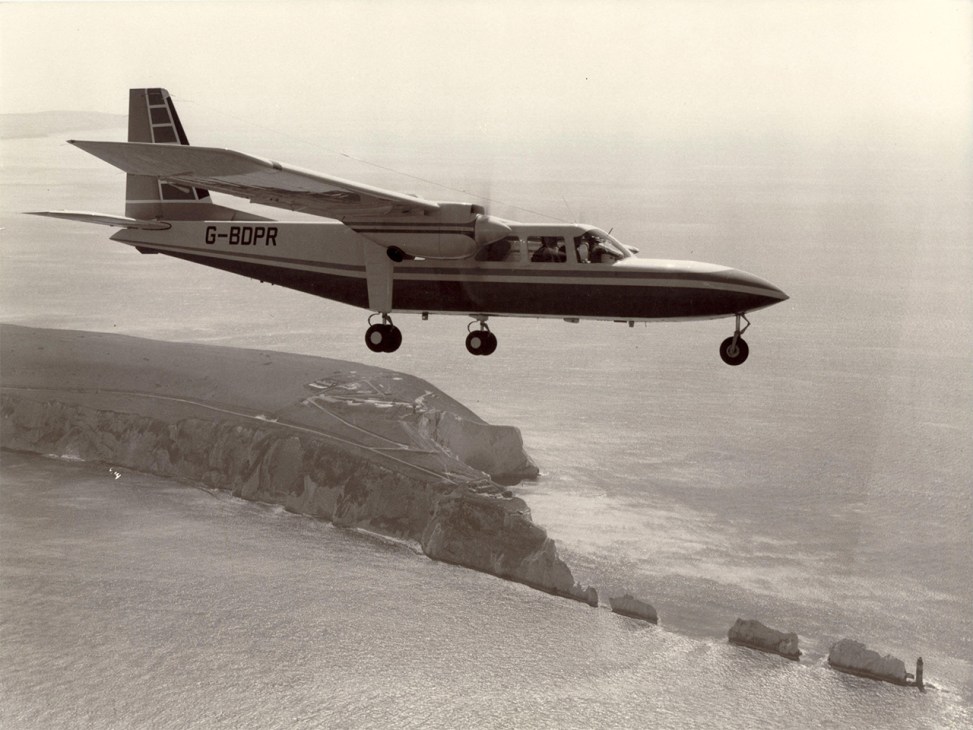
After five decades of outsourcing production to a factory in Romania, UK aircraft-maker Britten-Norman has moved its operation back to the Isle of Wight. Its short-haul, twin-engine Islander plane, made since the 1960s, can hold up to nine people. The move will make manufacturing more efficient while building resilience to increasingly erratic supply chains throughout Europe, boosting local employment and the “Made in the UK” label.
3.
Mazda battery modules
Japan
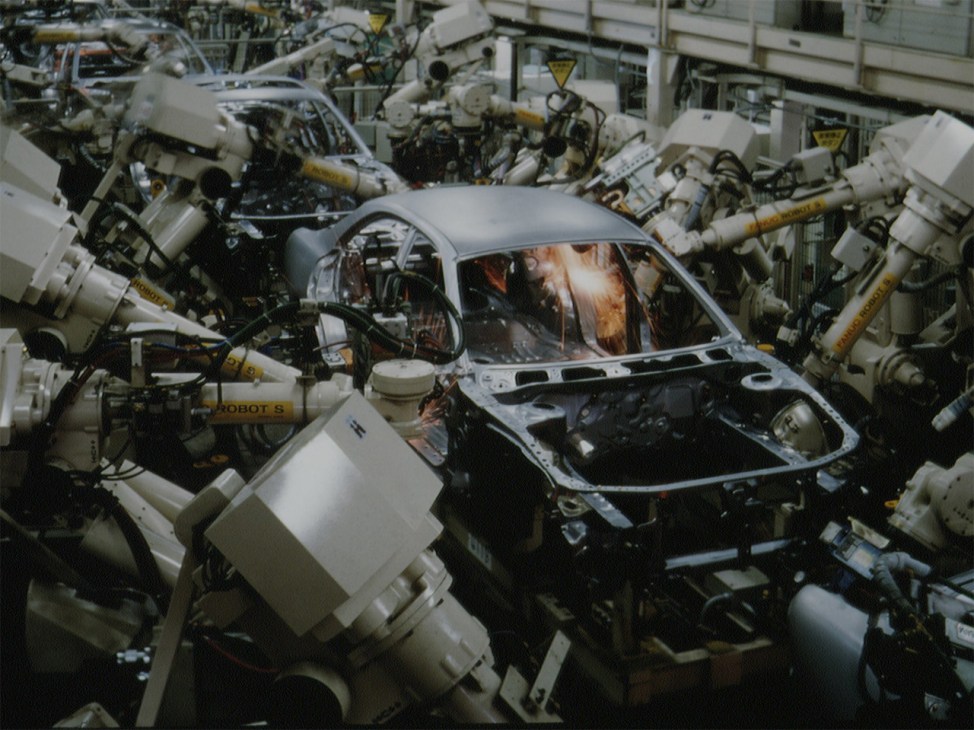
Mazda is building a new production facility for battery modules in Iwakuni, Japan. This plan to invest in its homeland was announced in 2025 and construction officially began in November, with the aim of firing up operations in 2027. Mazda has not opened a new factory in Japan since 1992 and today its global production network reaches from China to Thailand and Mexico. But with Donald Trump’s tariffs bearing down and Chinese competition stiffening, Japan’s automakers are striving to seize back their fate.
Comment
The ability to make everything from cars to jumpers domestically is important. Rapid 20th-century de-industralisation left many Western states out of practice but there are signs that nations are picking up tools again. One study from 2024 found that more than half of the UK’s manufacturers are now reshoring. It’s good for retailers, consumers and a nation’s brand.
A look inside Riyadh’s Diplomatic Quarter: A community of political transients
Traffic slows almost imperceptibly as the checkpoints come into view. Riyadh, a city that normally lurches forward on eight lanes of asphalt, pauses here. Armed guards check papers, barriers lift and the engine noise drops a register. Inside the Diplomatic Quarter – the DQ, as residents call it – the Saudi capital briefly exhales. Palm trees line the roads like honour guards. Satellite dishes peek above embassy roofs. Somewhere beyond the low-rise buildings, construction cranes continue to nibble at the skyline, a reminder that even this enclave is not immune to the kingdom’s permanent state of becoming. But compared to the rest of the city – abrasive, congested, relentless – the DQ feels almost improbable: clean pavements, a walkable trail, a wadi thick with greenery, cafés that you can reach on foot.
It is tempting to call the DQ an oasis. Many residents do. But oases can also be illusions – places that promise respite without offering a full picture of the terrain beyond. That tension runs through daily life here. The DQ was conceived in the 1980s as a secure, purpose-built neighbourhood for foreign missions after embassies relocated from Jeddah to Riyadh. You cannot buy property here – both locals and expats rent on one- or five-year leases, a detail that subtly shapes the psychology of the place. No one truly puts down roots. Everyone is, in some sense, passing through. For diplomats, transience is in the job description and, as several tell Monocle, embedded in the DQ’s design. It was built, says one ambassador, “to make diplomacy easier”.
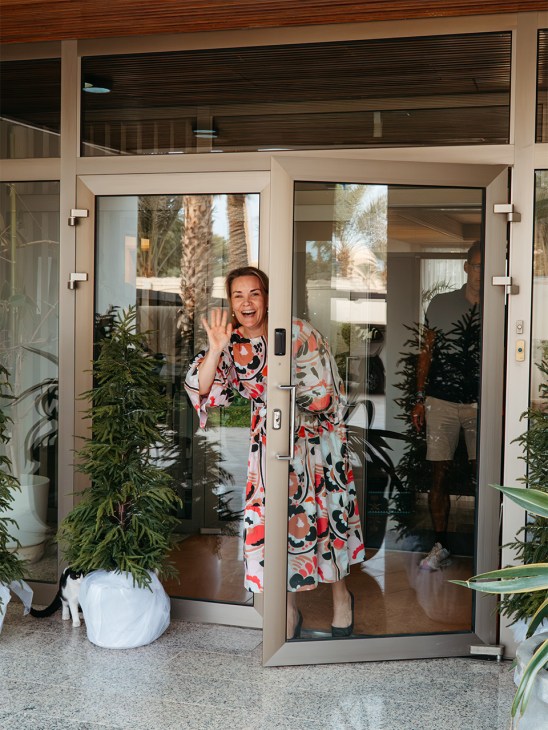
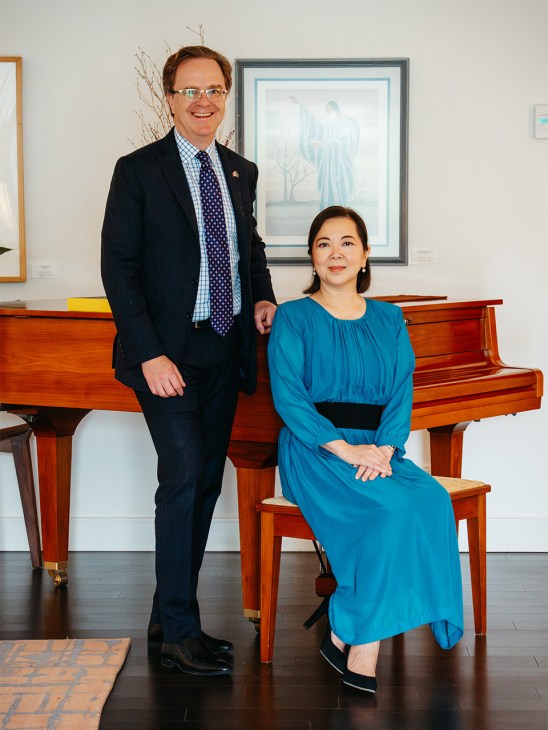
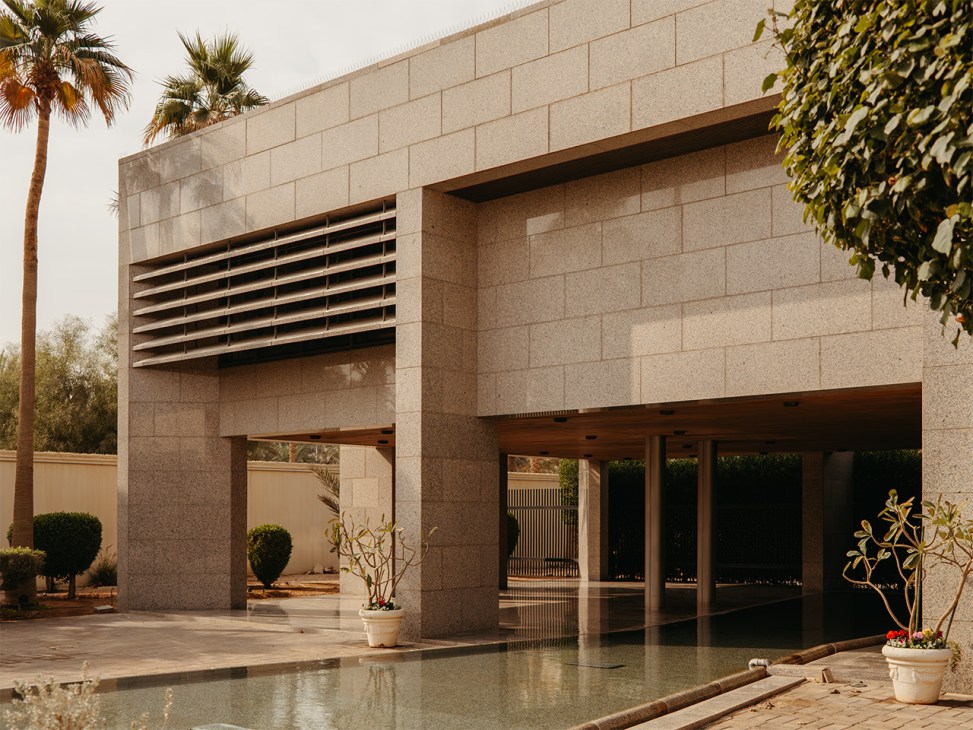
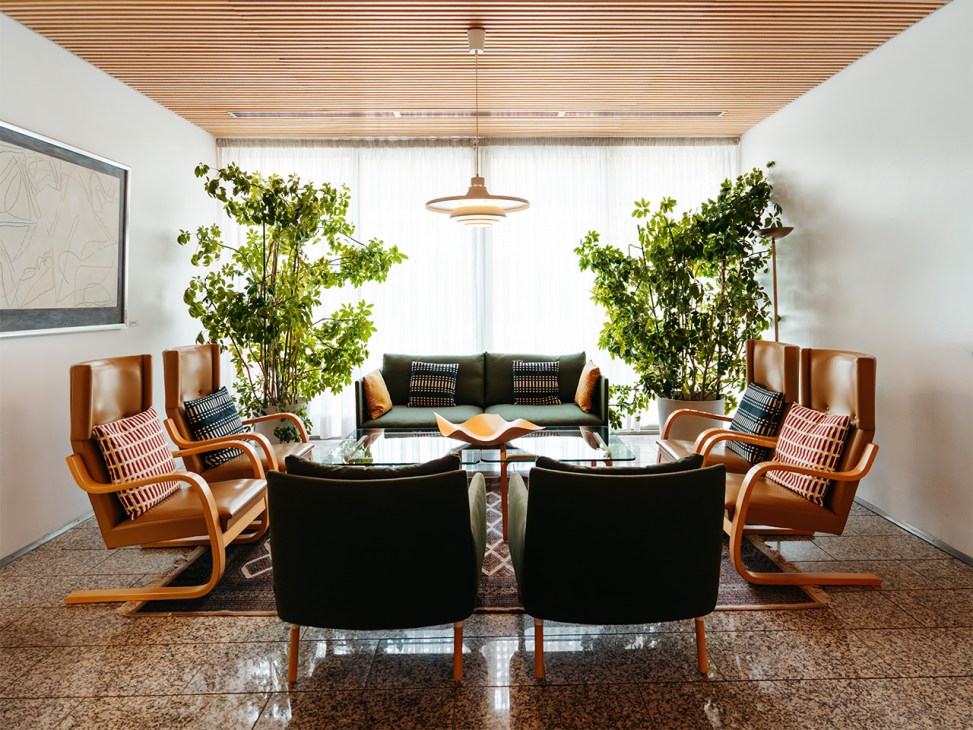
In a region shaped by flux, the DQ offers something rare: proximity. Ministries are minutes away. Colleagues are neighbours. Relationships form not only in meeting rooms but on evening walks, over coffee or on tennis courts. In Saudi Arabia, where trust precedes transaction, this matters. And nowhere is it more apparent than at the Finnish ambassador’s residence. Anu-Eerika Viljanen greets us in a pink-tinged Marimekko dress as two black-and-white cats weave between her ankles. The house, designed by architect Jukka Sirén, is an essay in Nordic restraint: birchwood ceilings, Finnish granite and a water feature that doubles as a subtle assertion of identity.
There is, of course, a sauna, which Viljanen’s husband uses every morning – a relic from when the residence was built in 1986. Strong coffee is served at 10.00, accompanied by sweets that feel defiantly out of place in the desert heat. Edgar, the Filipino butler, has been here for three decades; he has served seven ambassadors. He chuckles when we ask him what he has seen. “A lot of things.”
Viljanen arrived in Riyadh without a formal briefing on Saudi dos and don’ts. “You’re expected to learn,” she says. “Nobody can really know what Saudi Arabia is like today unless they come.” What makes a good ambassador, she suggests, is curiosity sharpened by experience. On paper, the contrast between Finland and Saudi Arabia could hardly be starker. The former consistently ranks among the world’s most gender-equal societies, with women long embedded at every level of political and economic power. It is also a country with a famously liberal drinking culture. Saudi Arabia, by contrast, is undergoing a highly visible and carefully managed social transformation.
Viljanen is acutely aware of how locals read her presence. She is one of fewer than 10 female ambassadors who are based in the DQ, a cohort that includes all four Nordic representatives. “This is actually the first time that I have ever thought about my gender,” she says. “In Finland, it’s not an issue. Here, it becomes something that people notice.” She doesn’t see that as a disadvantage. “Being a woman means that I can access both worlds,” she adds.
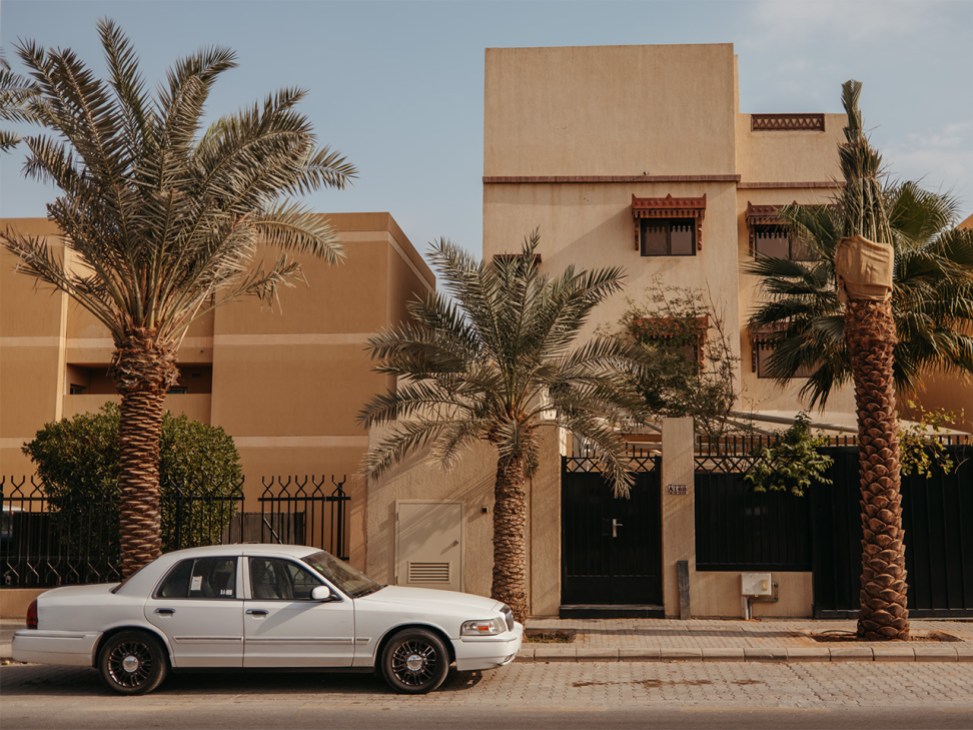
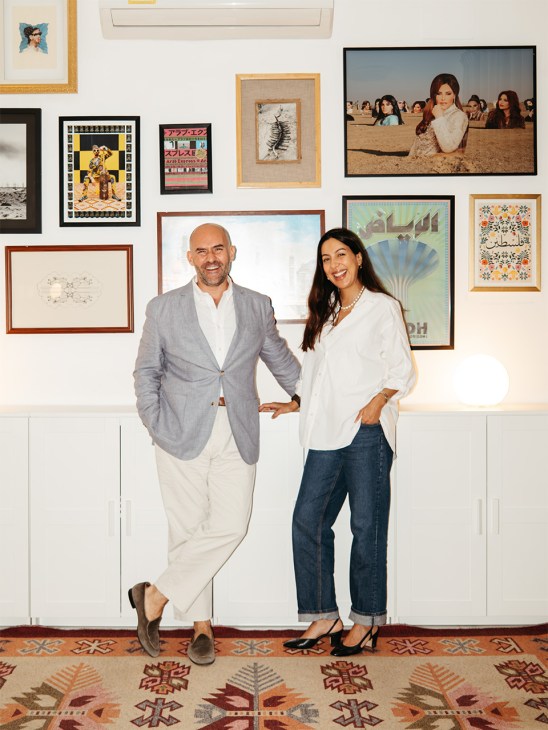
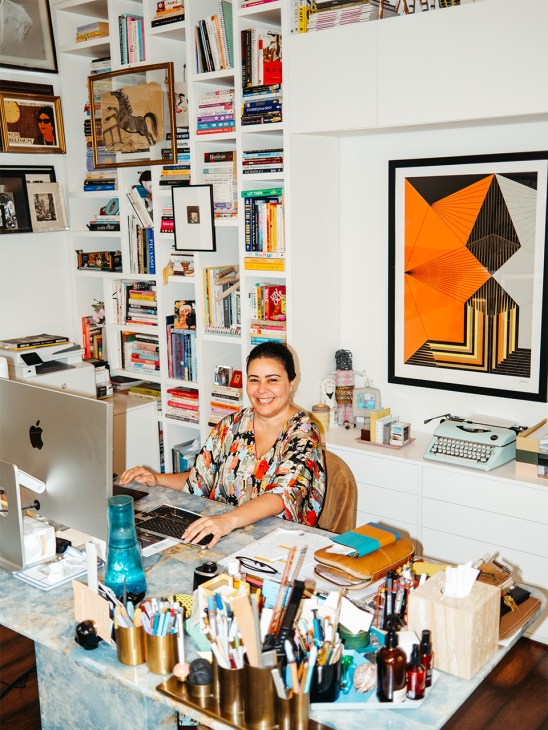
Finland’s relationship with Saudi Arabia is anchored by trade but increasingly entangled in geopolitics – peace mediation, Ukraine, Gaza. Much of the work, explains Viljanen, consists of building relationships rather than going through formal processes. “Here, everything is based on personal connections,” she says. “Without trust, nothing moves.” The diplomatic rhythm is markedly different here. “In Europe, you can get results without knowing people. In Saudi Arabia, friendship and trust come first.”
Differences in outlook are most apparent when it comes to how conflicts are perceived. The war in Ukraine, says Viljanen, is an existential issue for European countries in a way that is not always fully understood in the Gulf. At the same time, she says, European capitals have struggled to grasp the depth of feeling in this region over Gaza. “Countries are very concentrated on their own crises,” she says. “That makes it difficult to have the same conversations.” Her role, she explains, is to convey those realities in both directions – to Riyadh and back to Helsinki – even when the messages are uncomfortable. Those relationships are cultivated not only in the meeting rooms of ministries but on the pavement. “It’s like a village,” adds Viljanen, gesturing towards the trail outside. “You meet people all the time. That makes diplomacy easier.”
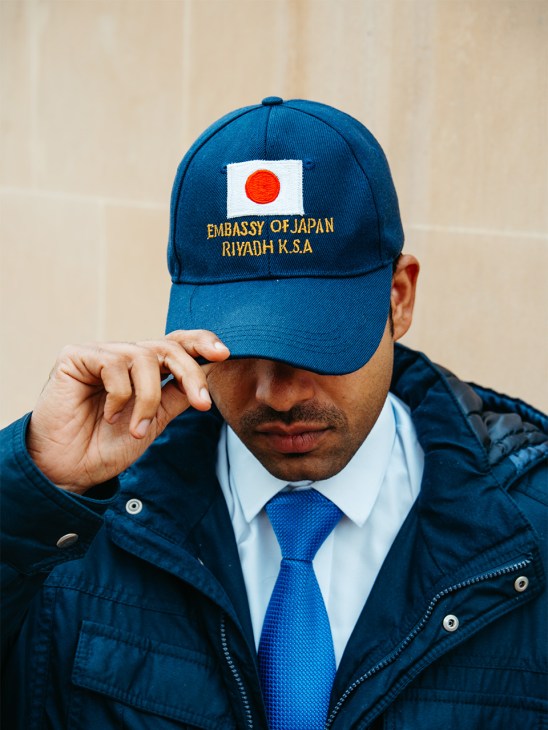
The Japanese ambassador to Saudi Arabia, Yasunari Morino, is one of those figures regularly encountered mid-stride. He plays tennis most evenings, runs at night and golfs with fellow envoys. His residence, designed more than 40 years ago by Kenzo Tange, feels remarkably contemporary. Double doors open onto a soaring lobby; purple carpets are laid beneath circular motifs representing the rising sun. Squares repeat throughout the interior, a quiet geometry of order and balance. A chef arrived from Japan with Morino in 2024; the residence includes a traditional tearoom and a tempura counter.
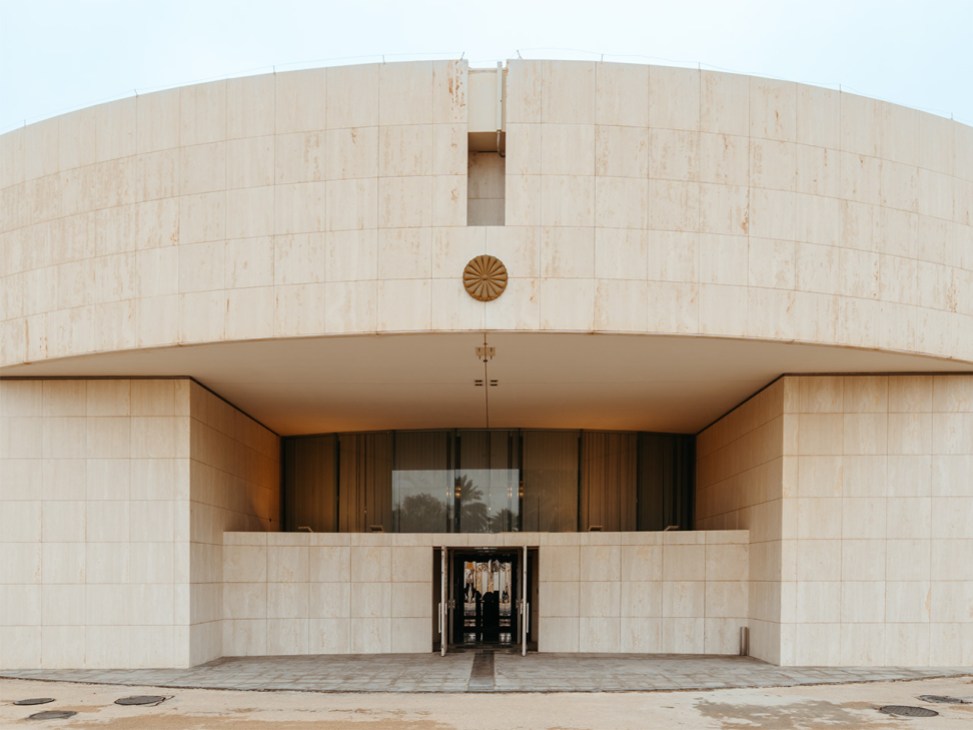
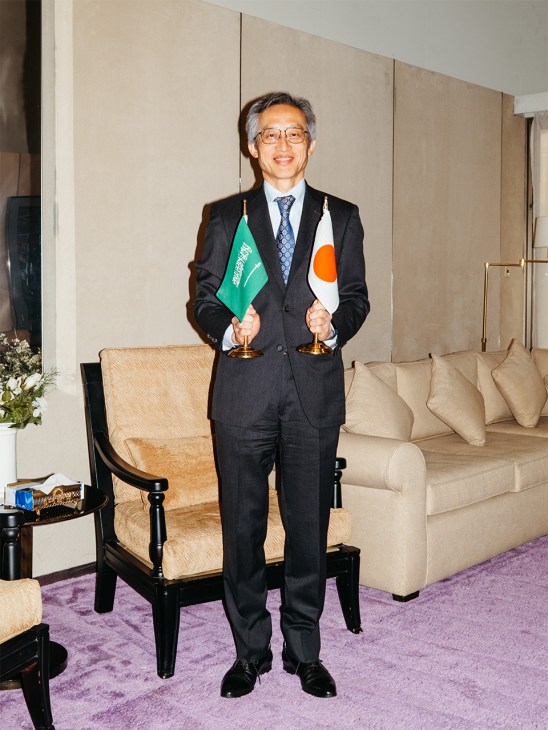
It’s a home but also a stage for cultural diplomacy – a place where business events and community festivals reinforce ties between Tokyo and Riyadh. “It doesn’t decay in terms of beauty,” says Morino of the building. The same could be said of the 70-year bilateral relationship, which now extends well beyond oil into tourism, culture and technology. “Many Saudis already love Japanese culture,” he says. “That makes engagement much easier.”
At the Canadian ambassador’s residence, the mood is different but no less revealing. It is raining – a rarity that lifts spirits across the capital. White clouds hang low as Ottawa’s man in Riyadh, Jean-Philippe Linteau, reflects on his posting. He is Canada’s first ambassador since diplomatic ties were abruptly downgraded between the countries in 2018 after a public dispute over human-rights criticism.
For five years there was no Canadian envoy here. “Between 2018 and 2023, Saudi Arabia changed faster than almost any country,” says Linteau. “When we came back, we had to catch up quickly.” Relations have normalised but perceptions lag behind reality. “People come and say, ‘It’s not what I expected,’” he says.


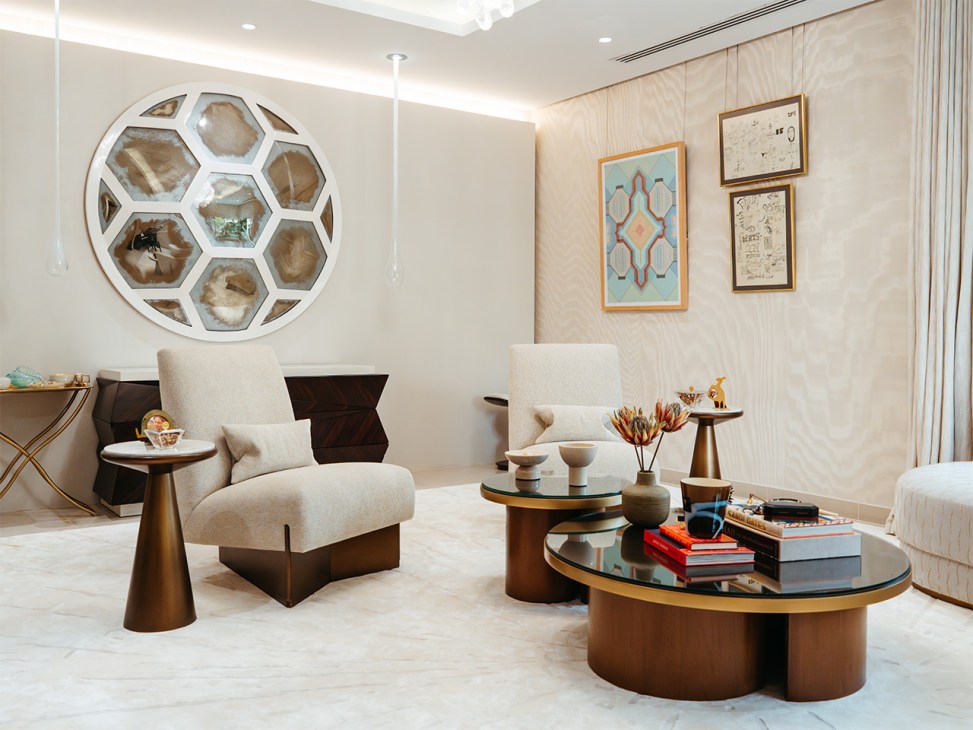
Linteau’s role increasingly resembles that of a translator as much as a diplomat, explaining the speed and scale of Saudi Arabia’s transformation to a sceptical audience at home, while conveying foreign concerns to his Saudi counterparts, who are navigating a more assertive global role. The residence includes a basement “in true Canadian style”, where alcohol is stored for official events and receptions. A white fluffy cat called Leo patrols the living room. From the windows, the DQ’s greenery looks almost temperate. Linteau calls the quarter “a village within a megalopolis”. His commute, he says, is unbeatable.
Not everyone here carries a diplomatic passport. Arts and culture executive Miguel Blanco-Carrasco lives in a ground-floor flat opposite the British embassy. He moved to the DQ in 2019. “It elevated my experience of the city,” he says. Blanco-Carrasco has worked on some of Saudi Arabia’s most ambitious cultural projects, including Noor Riyadh, and his home reflects that immersion. Walls are crowded with artwork collected through years of collaboration; even the shared entrance is decorated with vintage Egyptian film posters.
His wife, Maria, moved from Casablanca in late 2025. She runs a jewellery business and admits that she arrived feeling nervous. “I didn’t know what to expect,” she says. “I thought that it would be closed off.” Instead, she found a warmth that she hadn’t anticipated. “Here, people invite you into their homes. They share their networks. It’s priceless.” For Miguel, the DQ’s appeal is physical as much as social. The wadi is just 150 metres away. Within minutes, you move from neat landscaping to palm grove to near-wilderness. “It feels like a university campus,” he says. “You can walk everywhere. That’s a luxury in Riyadh.”
The DQ’s cultural life is increasingly outward-facing. At AlMashtal, a community space for art, design and ideas, creatives mingle with diplomats and policymakers. Princess Noura Al Saud, the space’s founder, drops in. Conversations drift from exhibitions to urban infrastructure. Food is another soft connector. The Lighthouse, which arrived from Dubai, has quickly established itself as a social anchor. Part restaurant, part café and part ideas hub, it draws a steady mix of diplomats and Saudi professionals. Breakfast meetings drift into long lunches. More than one of the ambassadors that Monocle speaks to mentions it unprompted.
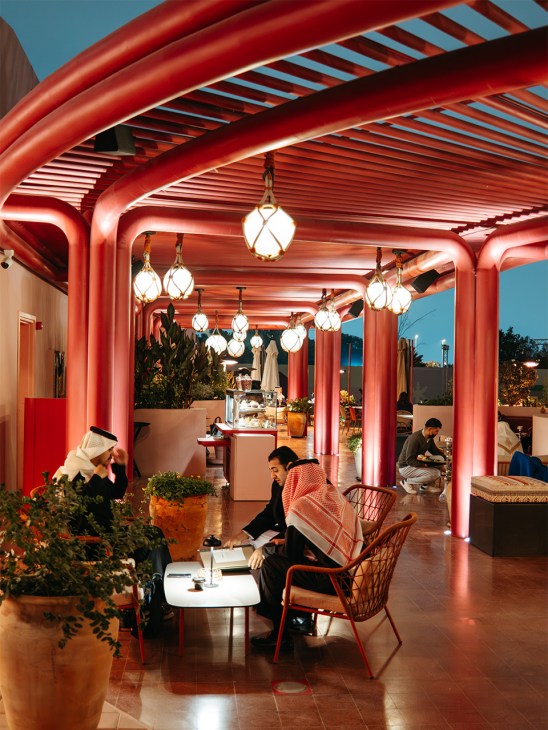
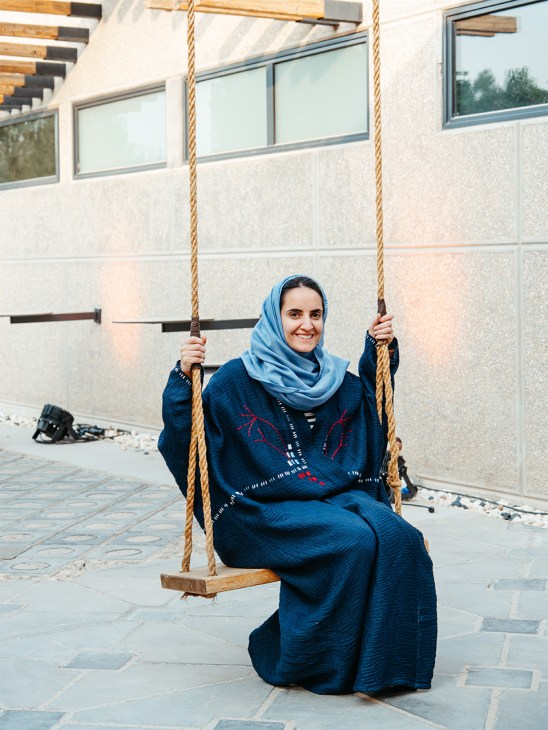

A short walk away is Parkers in the DQ’s Little Riyadh zone. When we visit, it’s packed. Saudis crowd around tables bearing club sandwiches, coffee and cake. From the terrace, we see a curving walking trail, joggers winding through the greenery and a fort in the distance. Nearby, the home of artist and gallerist Neama Al Sudairi feels expansive and personal. She has lived in the DQ for two years and speaks candidly about its contradictions. “Everyone wants to be here,” she says. “It’s safe, walkable, family-friendly.” She walks her dogs, meets friends at cafés and spends long hours at Core, the quarter’s members-only health club. But she is clear-eyed about the limits. You cannot own here, while changes to homes require permission and are often reversed. “It’s temporary,” she says. The DQ is not Riyadh as most residents experience it. Instead, it’s a carefully managed exception.
That management extends to leisure. Attaché, a former equestrian club turned nightlife complex, hums after dark. There’s a shisha lounge, an international restaurant, a DJ-led dance floor in the old stables and a pool club. Diplomats, royalty and long-term residents gather under soft lighting. It is lively, polished and discreet. For fitness, Core offers an annual membership that can cost SAR60,000 (€13,600) and includes access to tennis courts, studios and an outdoor running track. Inside, expats and Saudis move side by side – lifting, stretching, negotiating a new normal of shared space.
The government’s Royal Commission for Riyadh City now speaks the language of 15-minute neighbourhoods and elements of the DQ are being replicated elsewhere. Yet the quarter remains sui generis: a diplomatic experiment that accidentally became one of the city’s most liveable districts. But the DQ’s calm depends on exclusion as much as inclusion. Checkpoints are not metaphors. This is a negotiated space. Its greenery, cafés and trails highlight what much of Riyadh still lacks. Perhaps that is its key diplomatic function. The DQ is a buffer – between nations, between perceptions and lived experiences, between a Saudi Arabia rushing forward and a world that is still catching up. Life here is defined by movement: ambassadors rotating posts, designers arriving with new projects, families planning their next chapter. Nobody stays forever. As dusk falls, the call to prayer drifts across the wadi. Lights flicker behind embassy walls. Beyond the checkpoints, the traffic surges.
How a 25-metre-long beached whale made its way from Canada to the UAE
When the Natural History Museum Abu Dhabi (NHMAD) agreed to take on a 25-metre blue whale that had washed up on the Canadian coastline, it set in motion one of the most ambitious international relocations that any museum has attempted. NHMAD opened in November 2025 and for project manager Judith McAlester (pictured), who has stewarded the project since its earliest sketches, the timing of the whale’s journey was uncanny. “For me, the whale is particularly special,” she says.
McAlester is a blue-whale fanatic (she keeps a small figurine of one on her desk) and is unfailingly enthusiastic. “I joined this project when it was just drawings and plans. I feel like myself and the whale have been on the same journey.” The female whale was killed after a suspected ship strike and discovered in June 2021 on Nova Scotia’s remote Crystal Crescent beach. She was transferred to the region’s marine protection agency, before the case was taken up by Research Casting International (RCI), a Canadian family firm that specialises in fossil preparation and the salvage of large marine mammals. RCI approached one of the NHMAD’s early consultants, Professor Phil Manning (now the museum’s director of science), with an unusual question: would Abu Dhabi like a blue whale? “A dream come true for any museum,” says McAlester.
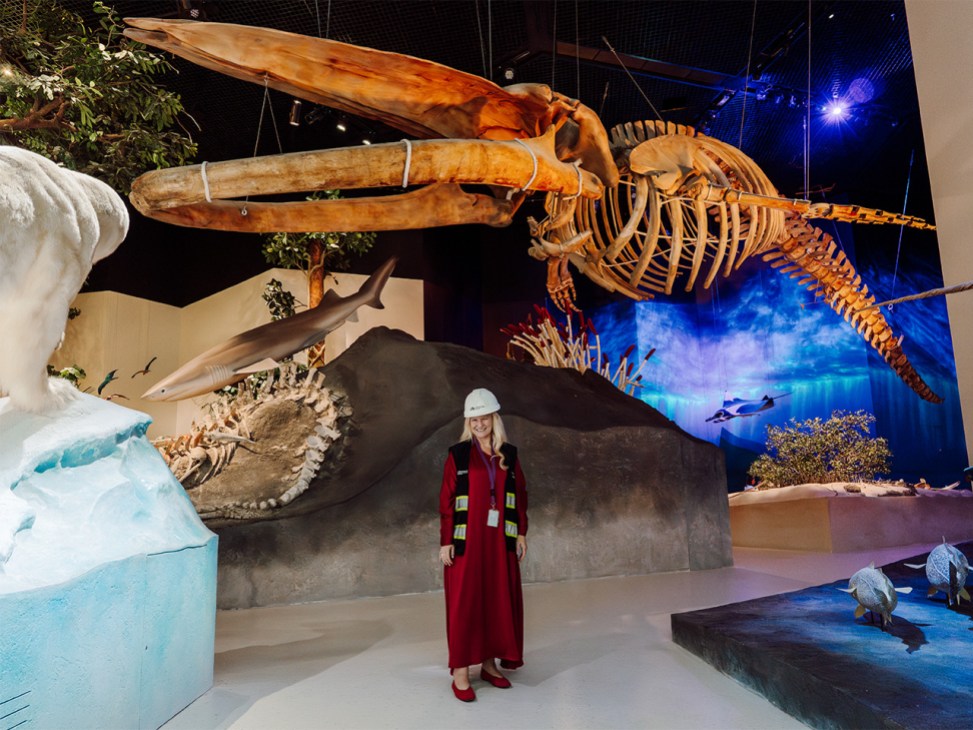
Meanwhile, the museum building was rising at speed. RCI cautioned that preparing a whale of this size normally takes five or six years. Abu Dhabi had a little more than two. There was also a pressing architectural dilemma. “The skull of the whale is so huge that it’s bigger than the opening of any of our doors,” says McAlester. “We had to get the whale into the building before we put up the final wall.”
RCI treated the bones in giant tanks to extract the oil that might otherwise seep out for decades. At the same time, 16 specially designed crates were built, one devoted to the immense skull. Under normal circumstances, such a specimen travels by sea but the three month voyage did not fit the museum’s construction schedule. It would need to go by air. “We reckon she is probably the only whale that has ever flown halfway across the world,” says McAlester.
Even then, the plan nearly fell apart. Flying a protected specimen requires permits from every country where the aircraft lands. The team secured approval to drive the crates across the US border and fly from there, until customs officials revoked clearance the day before departure. Now the only option was a refuelling stop in Azerbaijan, one of the few countries that allows such protected cargo to remain airside. “For that entire 36-hour journey I was awake, watching,” says McAlester. “I watched the whale fly over Ireland, where I’m from, over Europe and land in Azerbaijan. Until she got on that last flight, everybody was holding their breath.”
When the whale landed in Abu Dhabi, McAlester was waiting on the tarmac. The crates were moved to temporary storage where everything was unwrapped, registered and photographed “bone by bone by bone”, says McAlester. Then came the installation. A complex metal mounting structure went up first, resembling a second spine. While some bones were reproduced – sections that were beyond recovery – most are original, restored and positioned based on calculations prepared long before the whale arrived.
Now suspended in the museum’s soaring ‘Our World’ gallery, the whale has become both anchor and emblem for the institution. When McAlester brings visitors to see it, she stands beneath the vast skeleton with pride. For her, the project represents the ideal combination of science, logistics and purpose. “It was the biggest challenge,” she says. “But also the highlight of my career.”
nhmad.ae
New pastures by the sea: Meet the transplants who call Hakodate and Aoshima home
THE NORTH: Hakodate
Newcomers are helping a historic port city to reach its full potential with a fresh injection of ideas and enthusiasm.
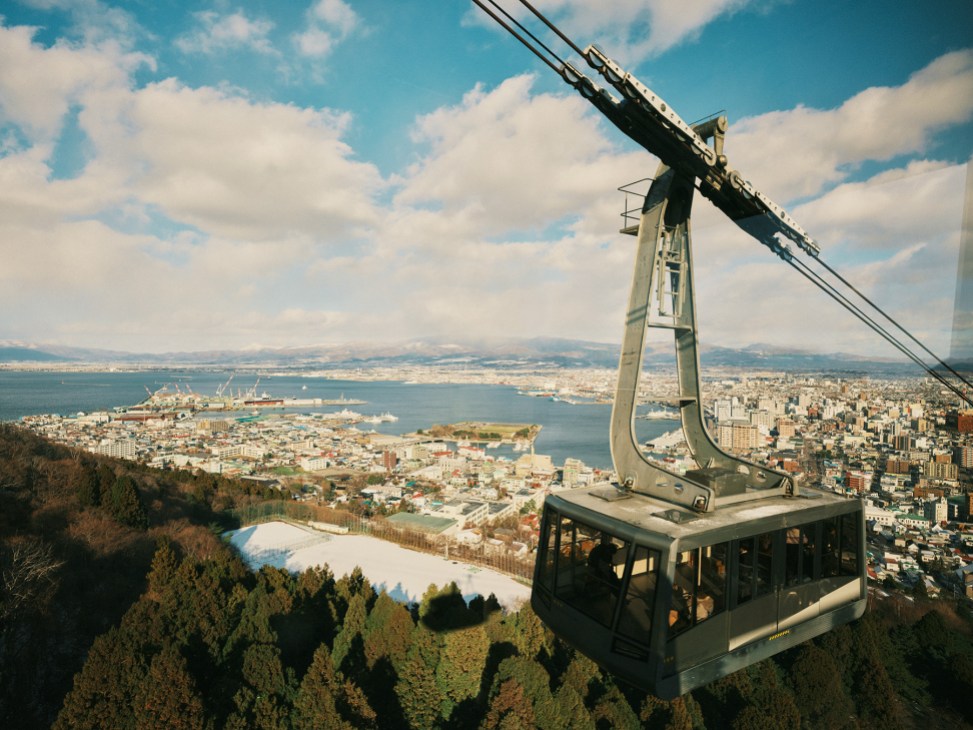
At the southern tip of Hokkaido, Japan’s northernmost main island, Hakodate has long welcomed visitors from near and far. In 1859, as the country worked to end its long period of isolation, it became one of its first ports to open to international trade, alongside Yokohama and Nagasaki. Hakodate’s cobblestone streets and picturesque hills are now home to a blend of Western and Japanese influences.
In this compact city of about 230,000 people, that heritage, as well as a growing range of culinary delights, has been a boon for tourism. More than six million visitors arrived in 2024, with more than a few making a pilgrimage to see locations featured in hit anime film Detective Conan: The Million-Dollar Pentagram, based on Gosho Aoyama’s manga and released that year.
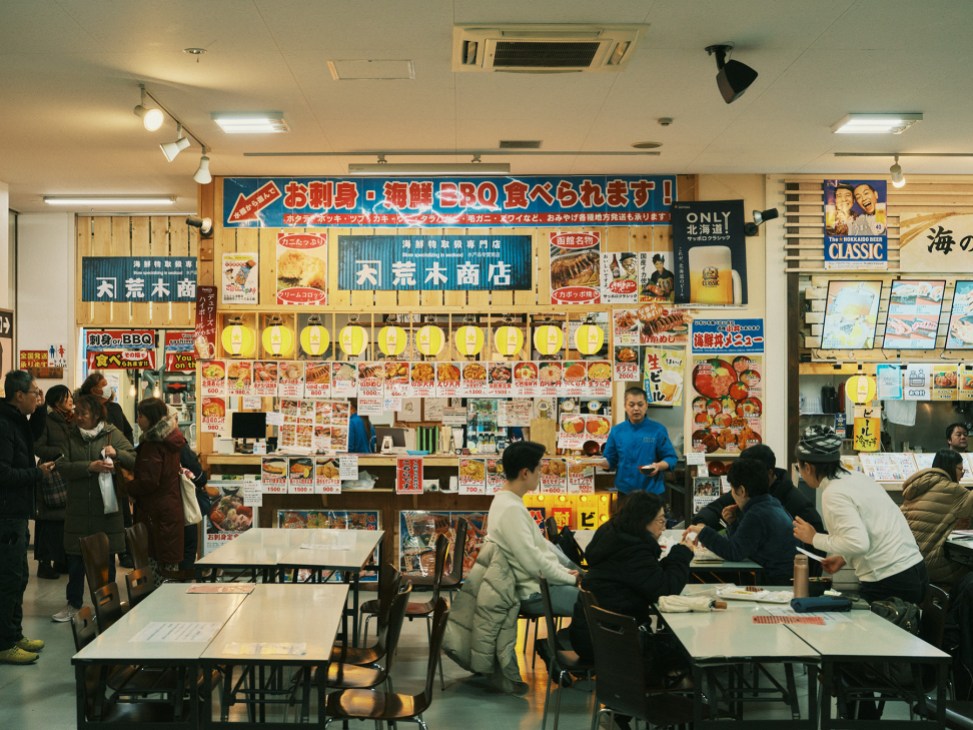
When Monocle alights at Hakodate Station on a winter morning, the streets are abuzz with tourists and day-trippers braving the cold market in search of king crabs, ducking into local chain Lucky Pierrot for a burger or seeking souvenirs from the red-brick warehouses that once housed wool, tea, seafood, flour or rice. But venture out to Motomachi, Omachi and the surrounding Western District and you’ll encounter a growing community of entrepreneurs and businesses bringing fresh life to historic buildings.


Down by the water in Irifune-cho, we meet Épuis & Co’s creative director, Joseph Kim-Suzuki, and his wife, Yuino, who serves as the business’s chief designer. The couple have been turning a century-old warehouse into a mixed-use gallery, studio and flower shop. A graduate of London’s Central Saint Martins College of Art and a costume designer by trade, Joseph has worked in the West End and with the Seoul-based Korean National Ballet. Yet Hakodate has offered him opportunities of a different kind.
“Working in London, one of the art hubs of the world, there are so many inputs that you can get ‘analysis paralysis’ at times,” he says. “But here, in this small town, I can magnify all of the life experiences that I gained at those renowned companies in my own creative output.” Renovating the warehouse has been a labour of love for the couple. “It’s a bit like carbon,” says Joseph. “Where some people just see a rock, others see the potential for a diamond.”
Almost everyone who Monocle meets mentions this sense of opportunity. Yuino is particularly heartened by the tendency of newcomers to see the port city’s best qualities with fresh eyes. “The Japanese can be humble about their hometown and that’s particularly true in Hakodate,” she says. “Those who move to the Western District are so passionate about this place. People bring ideas and inspiration with them, and we locals have been reminded of the architecture here that’s worth cherishing.”


Property agent Hiroyuki Gamo played a key role in locating the property. Born and raised in Hakodate, Gamo left the city in his twenties, before returning just over a decade ago to take over his family business. Building on the work of older generations, who endeavoured to protect historic buildings from bubble-era redevelopment, he is now dedicated to revitalising the Western District, which was home to the one-time foreign settlement. “I believe that Hakodate has some of the best historic buildings in the country,” he says. “Some people can feel quite intimidated by them so my aim is to make them more accessible.” This work extends beyond just selling and leasing properties. “Our company has renovated near-century-old buildings for uses ranging from hotels to restaurants and offices.”
Another company that sees plenty of potential in the city’s architecture is Japanese developer Staple, which specialises in projects that are rooted in their neighbourhoods. Welcoming a single group of guests every day, its Portside Inn Hakodate in the old town offers an intimate way to experience a heritage-listed building that was erected in 1885 as a ferryman’s shop. The hotel’s manager, Takuma Hayano, is originally from Chiba prefecture and moved north in 2024. “The community quickly made me feel that I belong here and I have since come to think of it like my furusato (hometown),” says the bright-eyed 26-year-old. “Many choose to live in the northern part of Hakodate for convenience when it comes to travel and amenities,” he says. “But the people who are here also share a love for its beauty and the desire to create something of their own.”
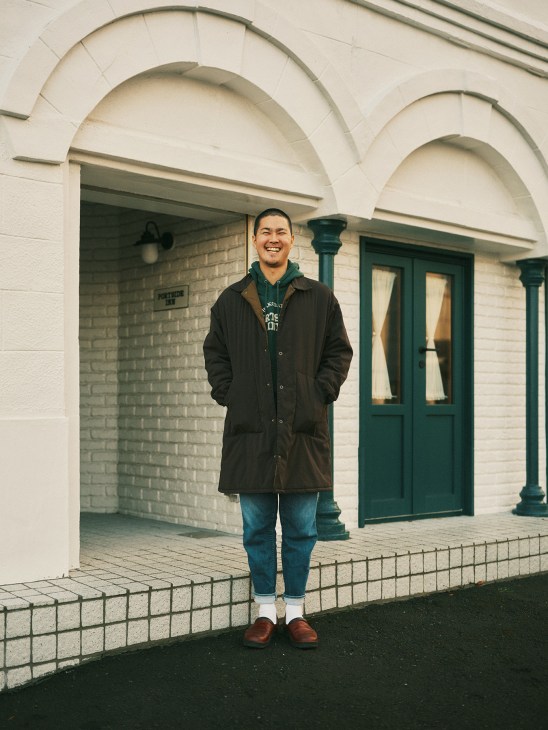
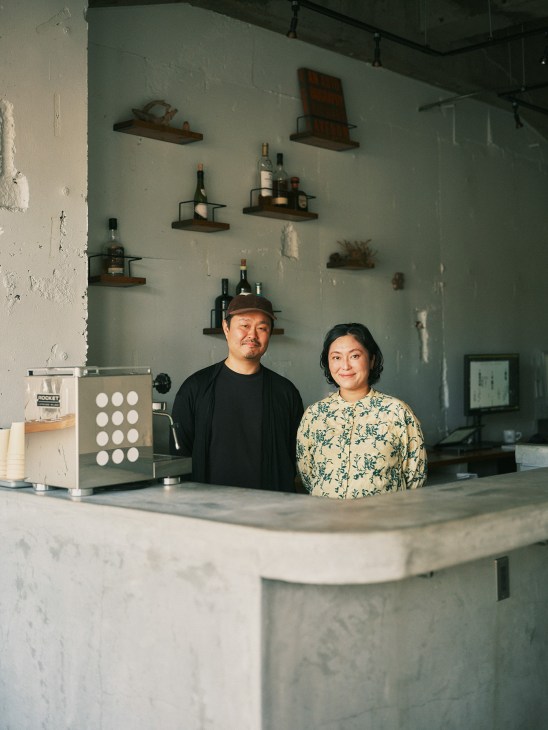
Working on projects including the revival of a summertime Bon dance festival, Hayano collaborated with another recent arrival: Yokohama-born designer Taku Fujii. Just around the corner from the inn, Fujii created a design studio and café in a former sushi restaurant along the route of the Number 5 tram. “My work means that I can be based almost anywhere,” says Fujii, who left Tokyo at the height of the coronavirus pandemic. Hakodate provided a quiet, close-to-nature setting for raising a young family. Hot springs, campsites and ski fields are all within easy driving distance, while the nearby airport and Shinkansen provide reliable links to Tokyo when the urge or need to return arises.
“Hakodate makes it easy to take on new challenges,” says Fujii. “In Tokyo, the rent is so high. I would be too busy working to try things out.” His wife, Noriko, a Hakodate local, nods. “There’s no shortage of empty buildings here,” she adds. “So if you can think creatively, the opportunities are endless.”
THE SOUTH: Aoshima
Surf’s up in this compact coastal town in Miyazaki prefecture – and so are the numbers of visitors and new openings.
Back in the mid-1990s, Keishi Watanabe was a twenty-something living in Osaka when he spotted US professional surfer Kelly Slater on a late-night Kansai TV broadcast. The setting was a small town by the name of Aoshima, about a 20-minute drive south of Miyazaki city. Watanabe decided to pack his bags and join the wave of surfers descending on Aoshima.
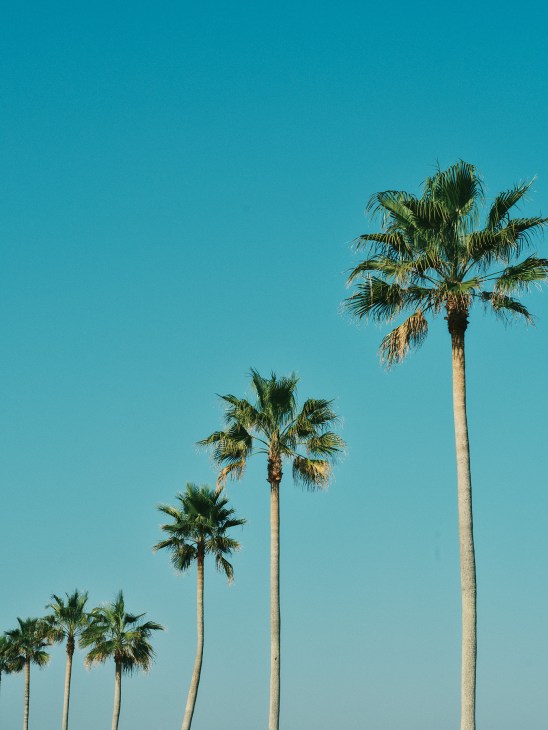
Three decades later, the allure of Aoshima’s beach culture remains as powerful as ever. Taking the palm-treelined route from Miyazaki Bougainvillea Airport, Monocle surveys the town’s low-rise strip of shops bathed in warm sunshine amid mild year-end temperatures. Beachside joggers dash past tourists on their way to Aoshima-jinja, an island shrine reputed to answer prayers for marriage, while local residents can be heard discussing the upcoming baseball camps that draw hundreds of thousands to the region every spring.
Land prices have been on the rise in the town of just 3,000 people, increasing by a prefecture-wide high of 5.5 per cent in 2024. A swath of waterfront land is currently under development for the expansion of a beachside precinct by Not A Hotel, a Tokyo-based company that creates one-of-a-kind holiday accommodation. Another property, Aoshima Grand Hotel, was recently acquired by a capital fund with renewal plans in the works.


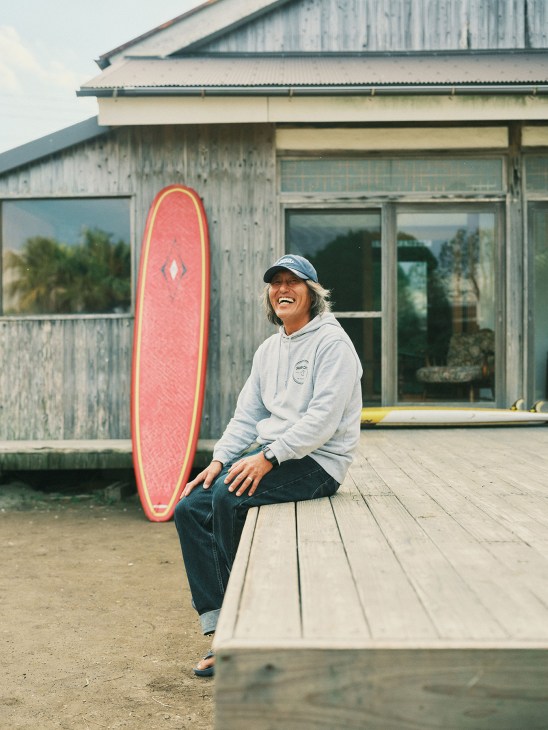
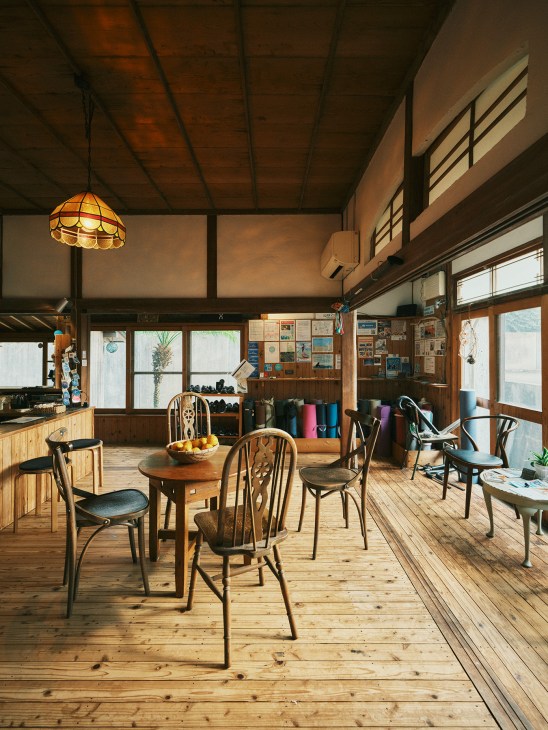
Watanabe’s Surf City Miyazaki is a key port of call for many arrivals. He co-founded the surfing and fitness club a decade ago in a Taisho-era house on the Aoshima beachfront. Even early on a Wednesday morning, it’s a hive of activity. There’s an exercise class in session, while instructors unload boards from the storeroom and locals savour a post-surf coffee. The club has about 300 paid-up members with unlimited access to some 150 monthly classes, including surfing, stand-up paddleboarding, yoga and running.
“Remote working and dual-base lifestyles mean that many members can travel here from Miyazaki city or further afield,” says Watanabe, who also hosts a radio programme and is documenting Aoshima’s surf history. “Rather than training at an ordinary gym, they come to enjoy the outdoors and relax.” He tells Monocle that life here feels far more natural than in a big city. “I don’t overdo things any more. I can live comfortably, surf and meet some wonderful people.”
It’s an outlook that is shared by second-generation professional surfer Taishi Kawabata of surf shop Killer Surf Miyazaki. “They say that Miyazaki gets the most sunshine in Japan,” he says, squinting a little in the glare. “When I look around, there’s no one looking depressed or down.”
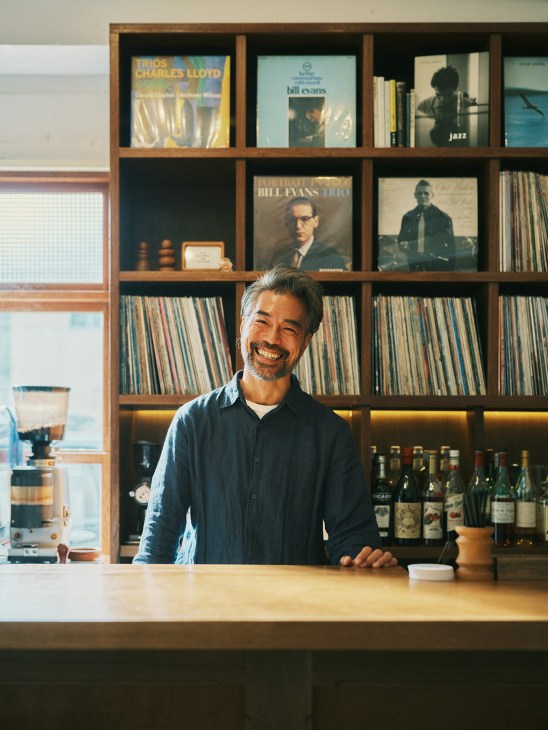
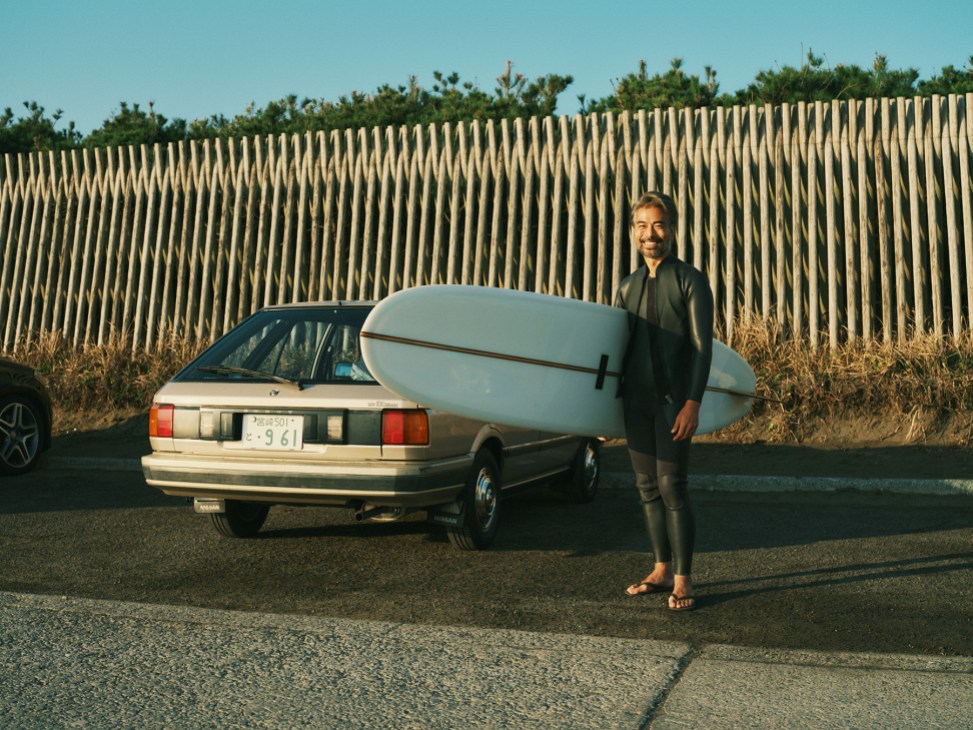
The following morning, the car parks at Kisakihama beach are filling quickly as the pre-dawn crowd rolls in. Perched on the boot of his 1983 Nissan Sunny California is 48-year-old Rintaro Higashiyama, who moved from Tokyo during the coronavirus pandemic. “I needed something to do when I wasn’t surfing so I began collecting driftwood and carving it into birds,” he says with a laugh. “Sales went so well that I decided to open my own record café and shop.”
Higashiyama says that one big advantage of life in Aoshima is that the cost of living is far lower than it is in the Japanese capital. He has started a family here. “At nursery, the children run around barefoot and eat brown rice for lunch,” he says. “Miyazaki has some amazing organic farms too.”
The region has also proved to be fertile ground for Ryosuke Ohue, the founder of Aoshima-based taco shop Sanbarco. Regional ingredients are the centrepiece of the seasonal line-ups of tacos, tostadas and fish and chips that have made it a must-visit destination since opening in 2022. “It’s truly a treasure trove of produce,” says Ohue. “Even after a decade here, I’m still delving deep into Aoshima’s potential.”


The town has struck a chord with others seeking a better work-life balance, such as Connecticut-born Sean Ryan. “In my early thirties, I reached a point where I was done with drinking and partying,” he says. “The surf brought me here but I have since been able to find such a fulfilling way of life.”
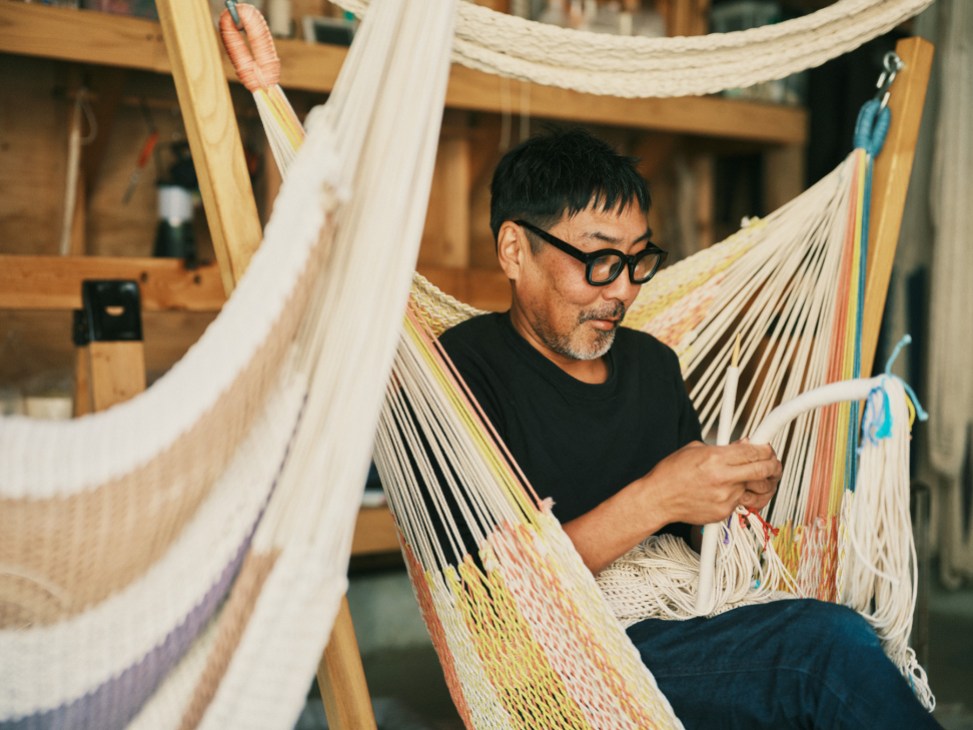
“You won’t find any of your typical office workers here,” agrees craftsman Noriaki Anan, who shifted his business selling hammocks from neighbouring Oita prefecture. “There’s no ‘on’ and ‘off’. Instead, every day feels like a holiday.” It’s an outlook shared by Nao Takashima, who can be found serving chicken nanban (Western-inspired fried chicken) and seafood bowls at local izakaya Onisen. “There’s always time for a surf between shifts,” says the Osaka native. “I keep an eye on the trees outside. If the wind is right, I pedal down the road to the beach.”
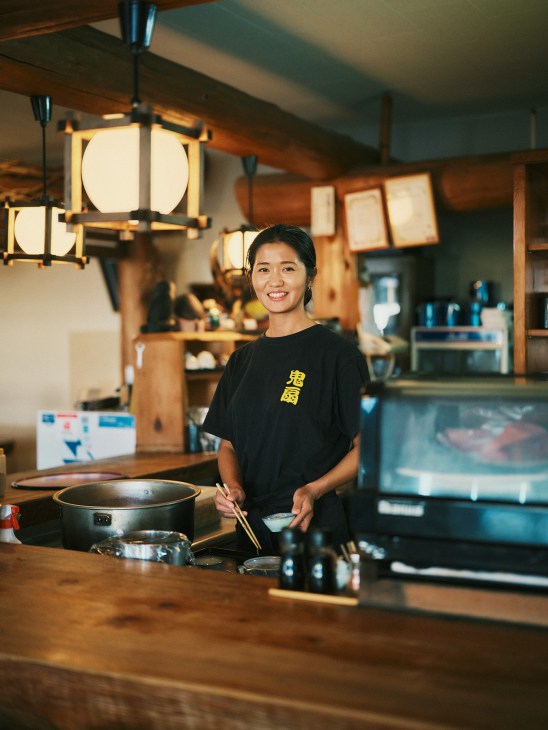
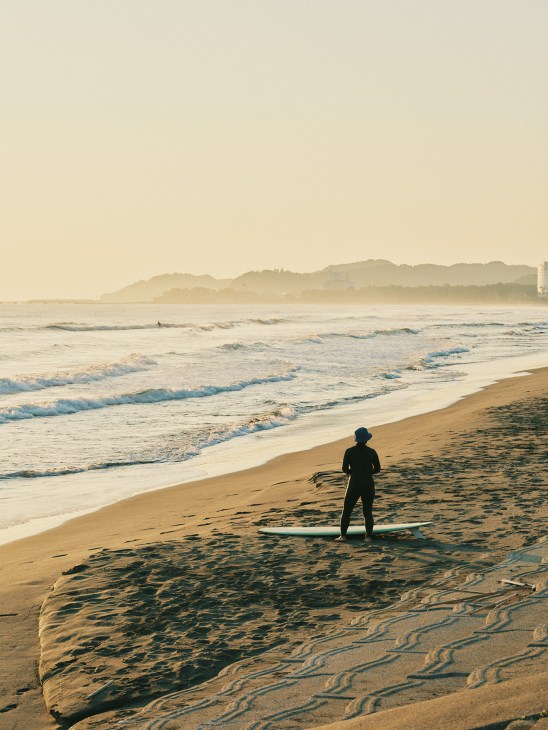
One cheerful local property professional explains it in the most succinct terms. “In some ways, we’re not so good at doing business here,” she says. “People don’t always view things through the lens of profit and loss.” Indeed, Aoshima is the kind of place that shows that there is, in fact, more to life – an idea that draws people from all walks of life. The swell is on the rise and the line-up uncrowded, so she picks up her longboard and dashes into the shore break. “Let me know when you move here. We’ll go for a surf.”
How nature-focused lifestyle brand Sanu is shifting Japanese perceptions of second homes
Less than a year after Takahiro Homma established Japanese lifestyle brand Sanu in 2019, a small house by the sea in Chiba provided the inspiration for what is now the company’s flagship second-home service. It was there that Homma escaped Tokyo life during the early stages of the coronavirus pandemic.
After a morning surf with fellow Sanu co-founder Gen Fukushima, he would spend the day working remotely before returning to the nature on his doorstep. He realised that this way of life would resonate with many people at a time when dual-base lifestyles were gaining traction and city dwellers – young families in particular – were seeking more access to nature.
Plans for a subscription-based service providing access to a network of villas were soon in the works, with Homma honing a model that would result in Sanu developing sites across the country, installing cabins that members of its network could rent or buy as a home away from home.
“In Japan, second homes have tended to be more luxurious – large villas with five bedrooms and marble floors in places such as Karuizawa or Zushi,” Homma tells Monocle from the company’s Tokyo headquarters. “Many were simply status symbols for the wealthy. But right from the outset, we wanted to go in the opposite direction and give more people easy access to nature, even those who hadn’t ever considered a second home. A simple cabin, well designed with the bare necessities, could make that a reality.”
When it came to giving physical form to these ideas, Sanu sought out the services of Kotaro Anzai from Japanese architectural collective ADX. Born and raised in Fukushima, the award-winning architect has, over the course of his two-decade career, become known for designing human-scale buildings using wood from Japan’s forests. Also an avid mountain climber, Anzai builds on the work of his father and grandfather, who constructed mountain huts across the peaks of the Tohoku region. “Wood was always the most readily available material in our town,” he tells Monocle. “There was a sawmill nextdoor to our family’s business, while lumber yards, furniture shops and forests were all part of the community’s essential infrastructure.”
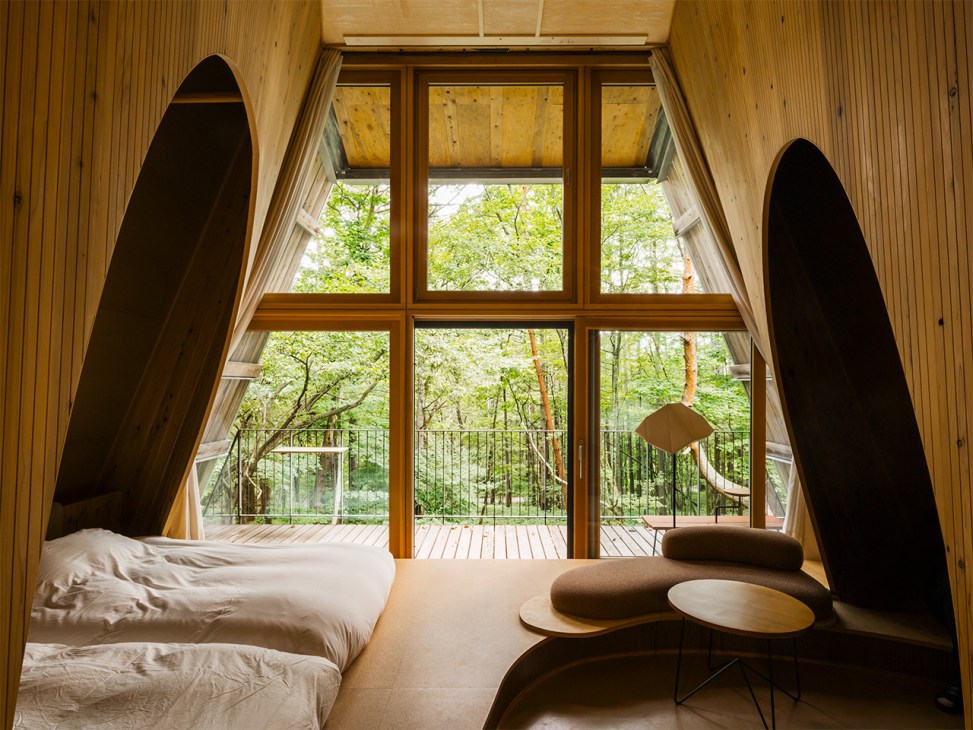
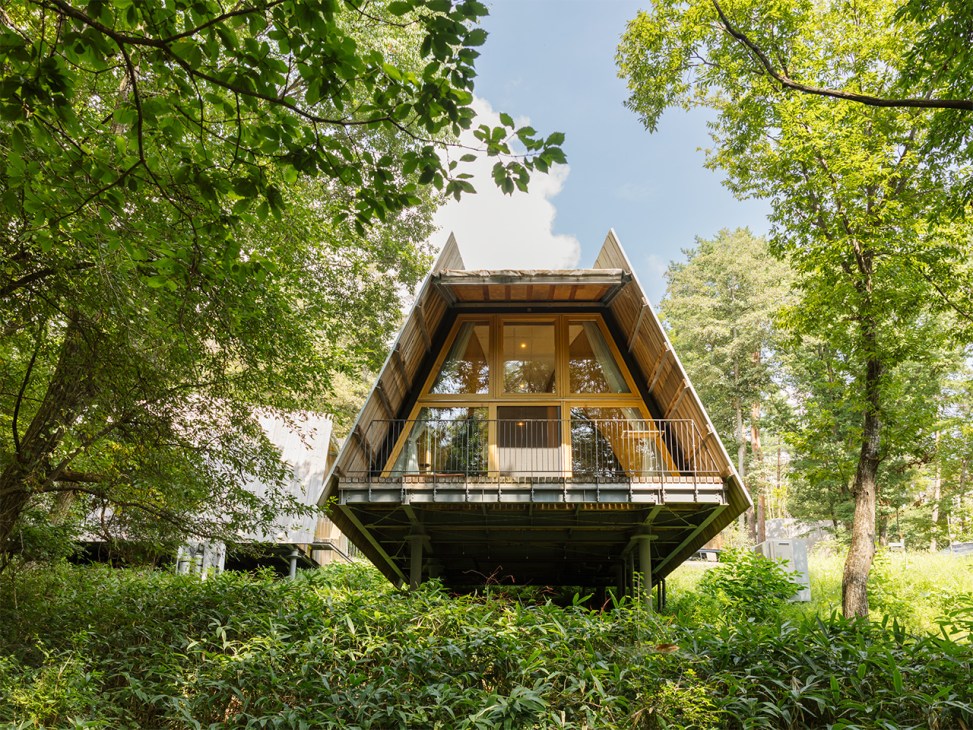
Presented with Homma’s brief for simple, refined architecture akin to a “white vessel”, Anzai developed a beehive-inspired structure for Sanu: Cabin Bee. This kit-model-style cabin features a distinctive V-shaped roof and raised pile foundations, designed to minimise clearing work and the impact on the surrounding flora and fauna. Made exclusively with Japanese timber, the interior draws on the concept of shakkei or “borrowed scenery”, where distant landscapes – mountains, trees, the sky – are framed by windows, making the spaces feel larger and more expansive. It’s an approach that also helps to bring a sense of the outdoors inside.
When it came to construction, Sanu’s initial aim of installing 100 buildings across Japan in its first year of operation required speed and scale. So Anzai completely modularised Cabin Bee’s design for mass production. He also sought to simplify construction work by creating a structure that could largely be assembled, rather than built, reducing the need for highly skilled labour. “The aim was to create architecture that wasn’t entirely dependent on carpenters being on site,” he says.
In addition to fast-tracking the construction process in the face of chronic labour shortages in Japan – where the number of skilled workers has fallen by 12 per cent in the past decade – the assembly-led approach allows minor enhancements to be made post-completion, improving both performance and longevity.
Starting with the inaugural deployment of five buildings across two sites in 2021, Cabin Bees have spread across Japan’s eastern Kanto region and become synonymous with Sanu’s pitch to nature-seeking urbanites. And with their domestic timber construction, among other sustainable features, they have also helped to establish the B Corp-certified company as a model for regenerative businesses.
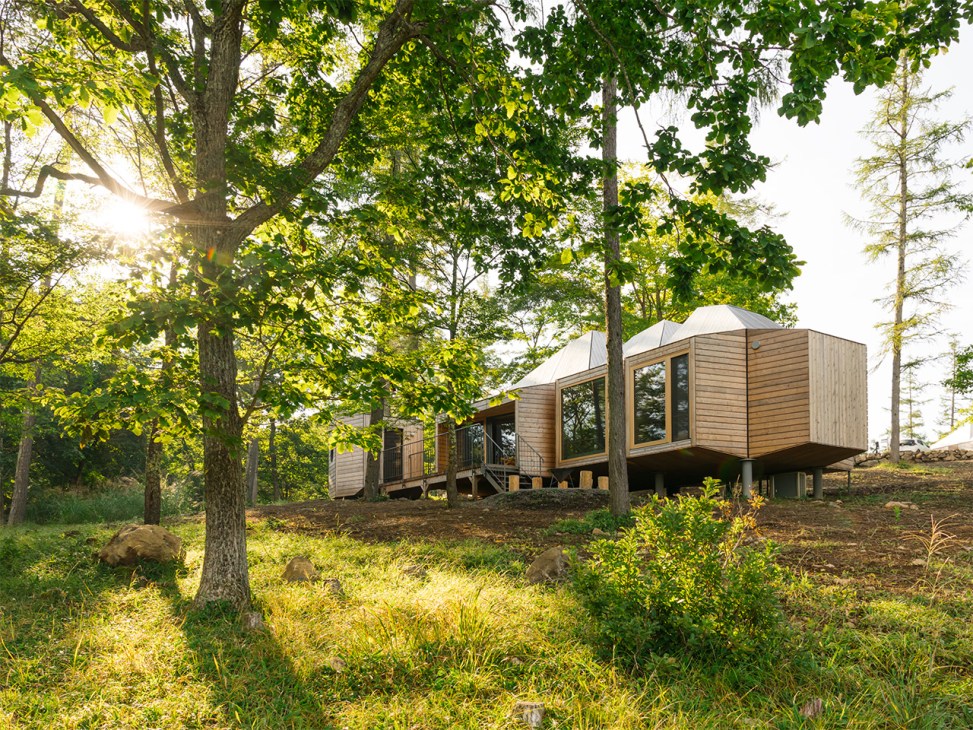
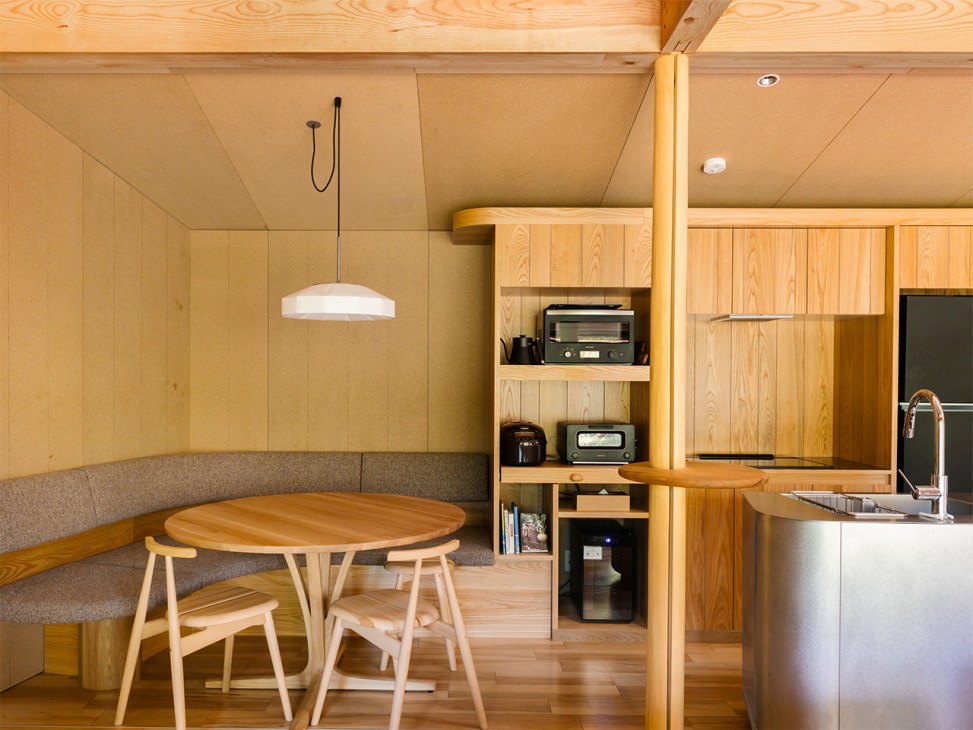
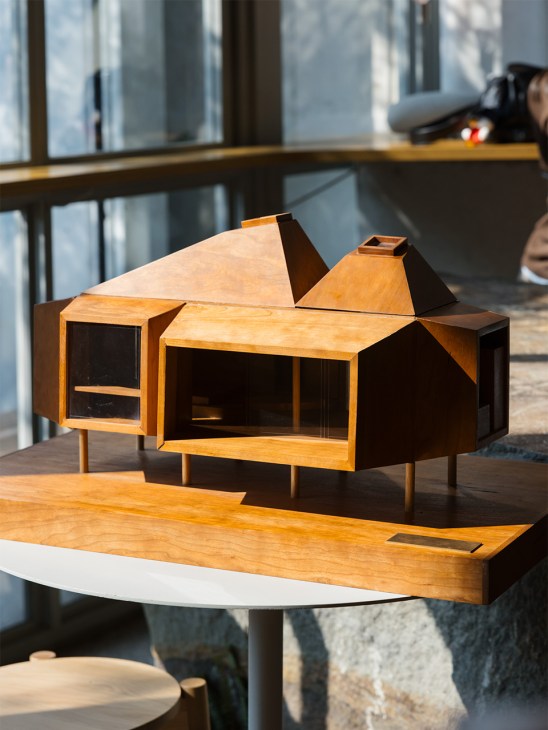
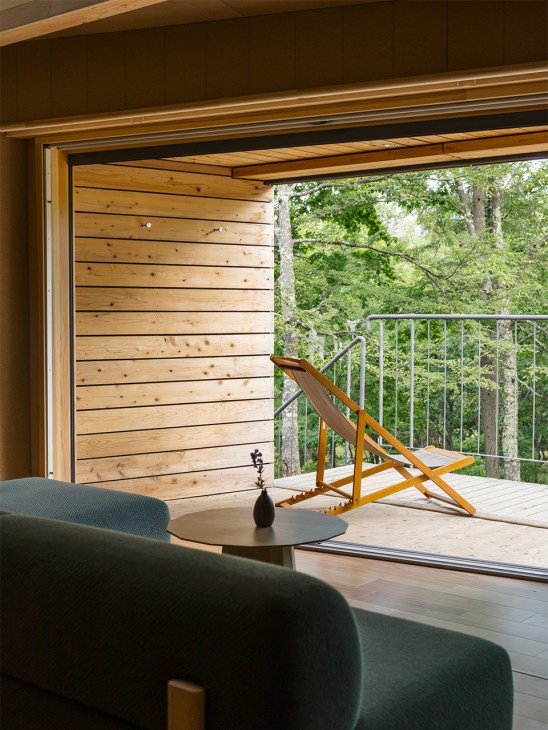
Rising demand for Sanu’s second-home subscription and co-ownership services has driven the company’s plans to expand. This growth has resulted in Sanu’s line-up of original architecture growing to include terraced-house designs by architects such as Keiji Ashizawa and Puddle, and a second modular-cabin commission for Anzai in 2024.
Sanu’s expansion to new locations throughout Japan called for another Anzai design to be tailored to a wider range of conditions, from the snow-laden mountains of Hokkaido to the subtropical humidity of Okinawa. The architect responded with Cabin Moss, a building made to perform under harsh conditions, ranging from 50c to minus 20c, while connecting with the landscape and providing a feel for the elements – rain, hail or shine. The variety of wood was also expanded, with Hokkaido elm, Aizu-Wakamatsu chestnut and Kitayama cedar from Kyoto among the species used as part of an effort to support regional forestry.
Another development was the modular design, which has been configured based on a 2.7-metre grid calculated with the most efficient freight transport in mind. “Construction-worker numbers are decreasing and, as we enter more remote locations where populations are declining, building not only becomes impossible but so does maintaining the finished product,” says Anzai. “Between 70 and 80 per cent of Cabin Moss’s construction is completed in advance, reducing site work to just two weeks.”
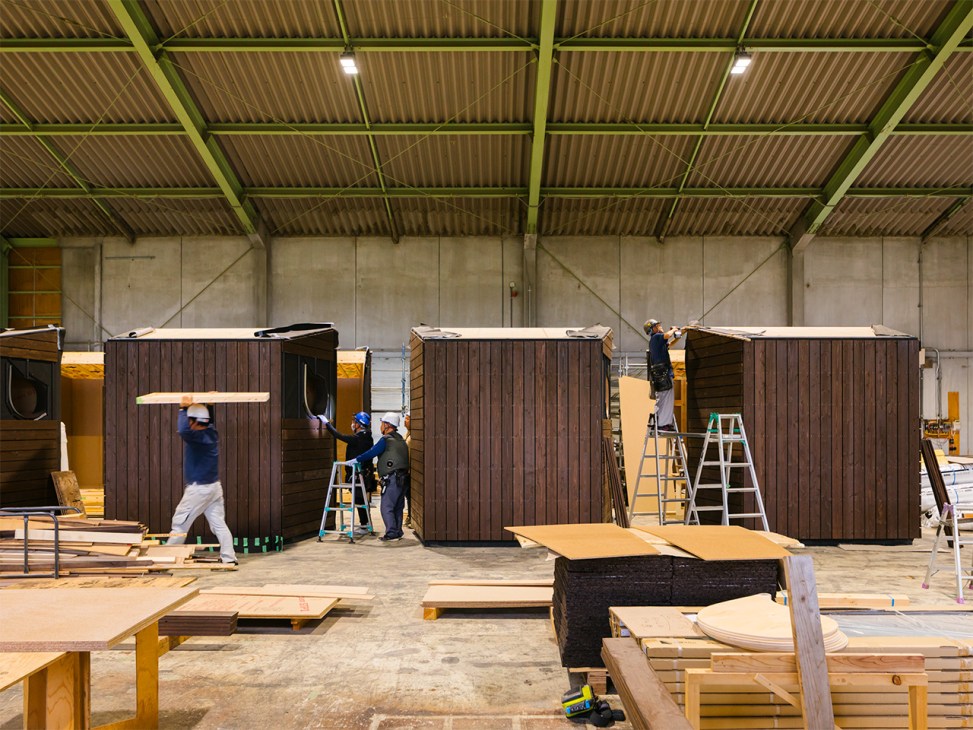
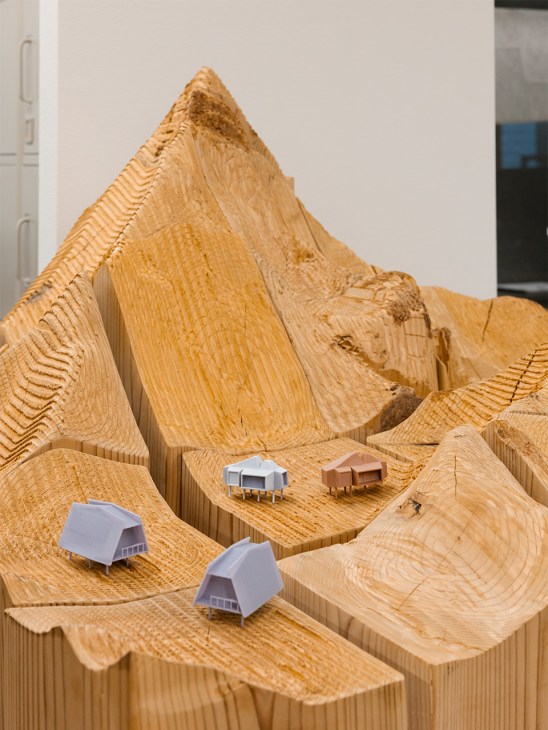
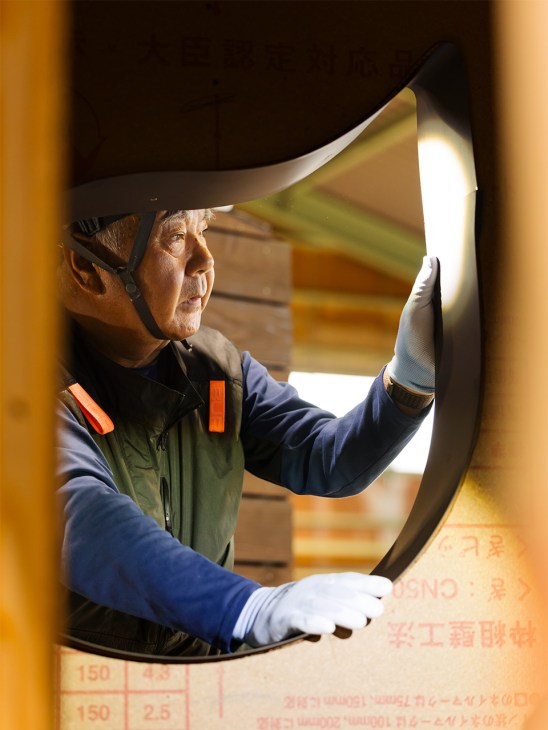
The pre-installation work is carried out in a factory that’s about half an hour’s drive south of ADX’s Fukushima headquarters. When Monocle visits, a dozen seasoned carpenters are making their way along a row of sauna add-ons for the Cabin Moss series. Sheets of cork lining are secured in place and windows fitted ahead of their journey north to Niseko, Sanu’s first site in Hokkaido.
In another corner of the workshop, a wooden skeleton structure is being laden with weights to test its resilience in the face of heavy snowfall. “Some of the professionals are self-employed, while others are from regional businesses,” says Keita Noji, ADX’s factory manager. “But they have developed a sense of camaraderie that goes beyond our directions, which ultimately leads to the creation of great products.”
The workshop’s standing as a place for knowledge-sharing and craftsmanship has taken on new significance with Sanu’s acquisition of ADX last year. The teams are now joining forces to plan the integration of architectural design, manufacturing and operations. Central to this transition is the transformation of the current production facilities into a semi-automated manufacturing base, which Homma has dubbed Sanu Factory. It will aim to deliver 300 buildings a year by 2028. “There will be a role for machines in some cases but there will also be times when skilled hands are required for a quality finish,” says Noji. “Our challenge will be finding the ideal balance between the two.”
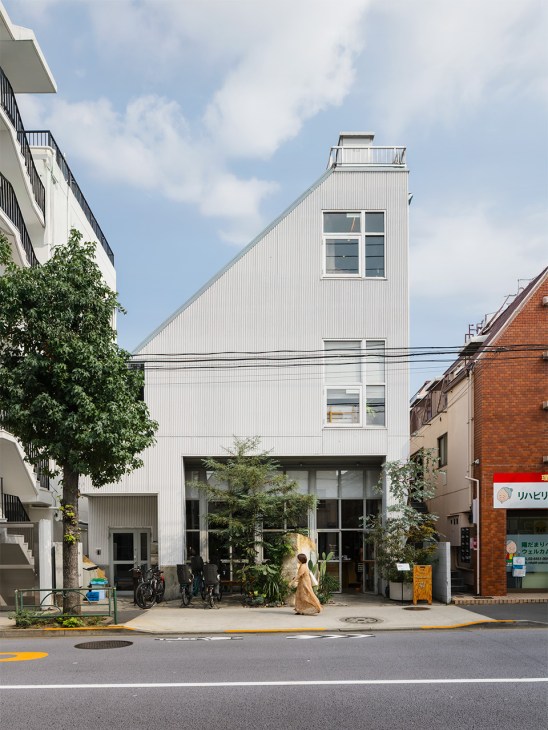
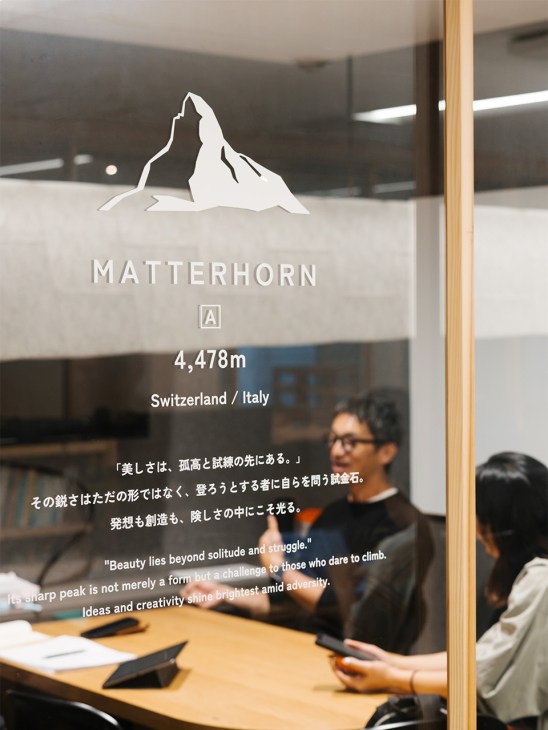
Sanu expects to expand its network to 40 locations across Japan by the end of this year and is planning for 500 sites worldwide by 2035. The factory will place the business in a unique position to tackle issues surrounding architecture and construction. “The industry is currently confronting labour shortages as well as environmental, energy and emissions issues,” says Sanu’s head of business development, Yusuke Ishikawa. “Building in nature, we’re dealing not only with the environment but the future of the industry too. The world is calling for net zero by 2050. While no one has the answers yet, we’re working hard to find solutions and provide leadership in the field of architecture.”
Over the past six years, Sanu’s evolution from ambitious start-up to leading nature-focused business has gone hand in hand with architectural and design innovations. This year’s release of the first Sanu Factory-made prototype is eagerly anticipated and has the potential to set a new benchmark for the manufacture of wooden modular buildings at scale. And with global expansion slated for 2030, its applications have the potential to reach far and wide, shaping everything from affordable housing to forestry and the future of craftsmanship.
sa-nu.com
Q&A: Gen Fukushima
Sanu’s Hokkaido-born co-founder tells us about Sanu Factory and the dual roles of automated manufacturing and craftsmanship in the company’s future.
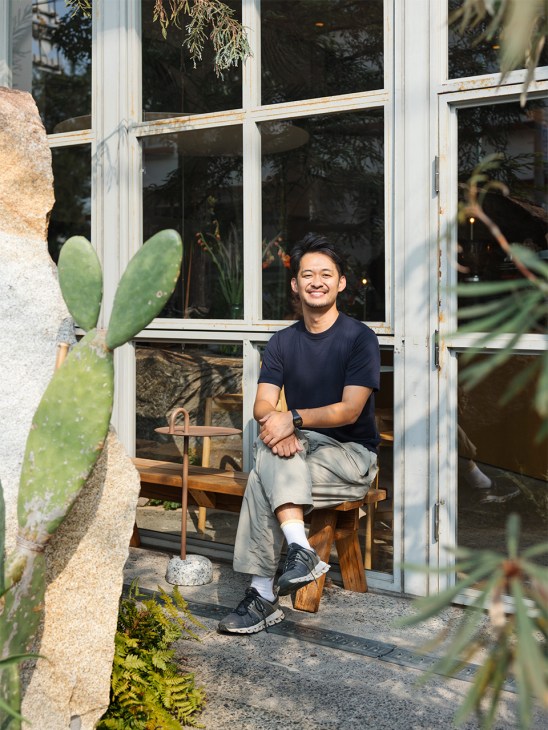
What is your vision for Sanu Factory?
The main idea is that it’s not simply about mass production. By developing the factory and mechanising operations to a certain extent, we can have more fun with designs. The ideal facility would be one in which techniques can be passed down. That means balancing machine-based processing with finishing touches completed by skilled craftspeople.
How has the acquisition of an architecture firm such as ADX changed Sanu’s approach to manufacturing buildings?
We’re now in a position to realise a circular production process: drawing up blueprints, building, operating, repairing and then using dismantled materials for future buildings. Maintaining our own buildings also means that we have real-time feedback, helping us to make slight updates. Integrating the entire value chain will allow us to be truly original.
How would you describe your approach to making?
It’s about the enjoyment of creating things but also about reducing our burden on nature. It’s important to remember that what’s good for nature is also good for humans. At Sanu, we value a sense of wonder and Kotaro Anzai’s designs can be quite unusual at times. That’s the kind of architecture – slightly strange and playful – that we might be creating in the future.
Is Romania the next tech frontier? Inside Iași’s rise as a hub for young talent
“A property near the Palas Campus business hub costs more than €500,000,” says Raluca Munteanu, a development manager at Romanian real-estate company Iulius, gesturing at a cluster of squat houses with tin roofs – the kind of buildings that you might see in stock footage of communist times. Munteanu is showing Monocle around the heart of Iasi (pronounced “yash”), Romania’s third-largest city.
With a population of about 400,000, it sits in the country’s northeastern corner, near the border with Moldova. It was the capital (or dual capital, with Bucharest) of two of Romania’s predecessor states and has a heavy dusting of historic churches, which frequently appear in your eyeline despite a Ceausescu-era attempt to block them from sight with apartment buildings.
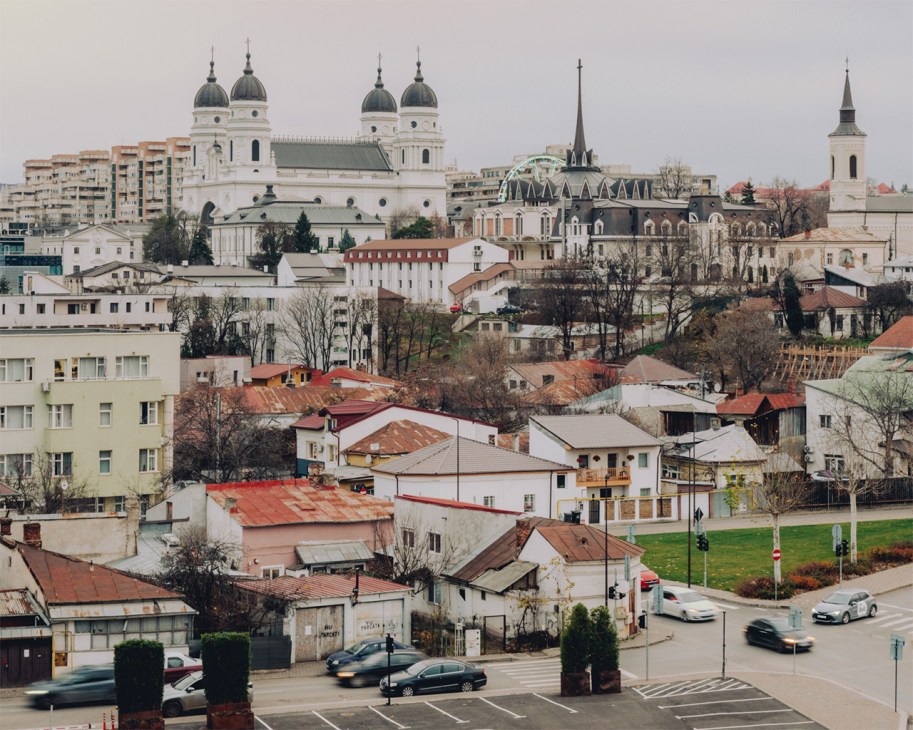
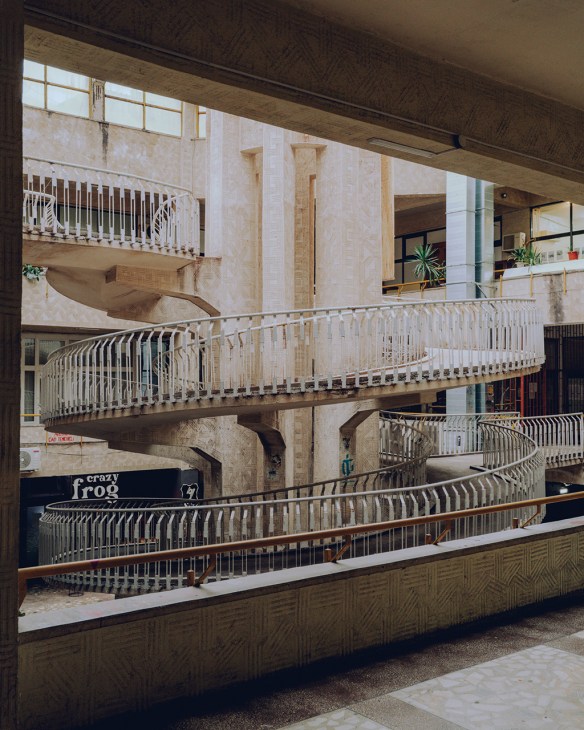
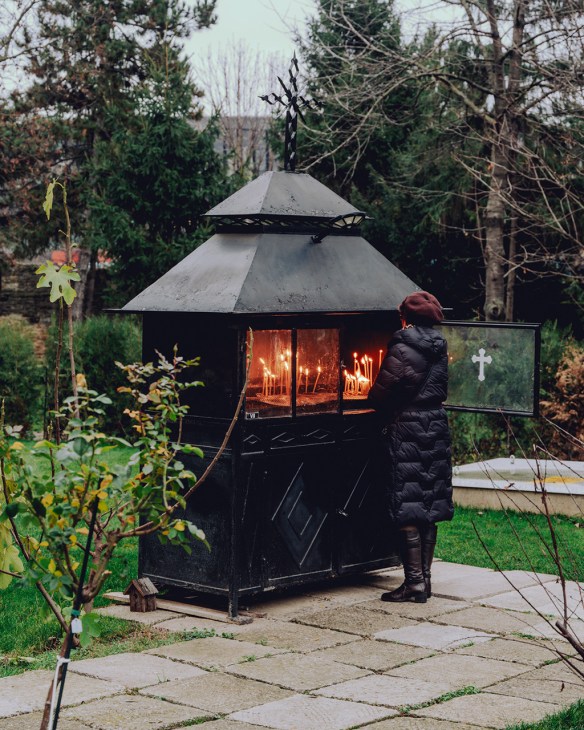
The Palace of Culture, a huge neogothic wedding cake that houses multiple museums, is Iasi’s focal point. But right by it is an arc of equally large but more modern structures. Since 2010, Iasi has been the third-fastest-growing major city in Europe (tied with Wroclaw), behind only Dublin and Valetta. Its economy has grown by an average of about 5 per cent a year over this period and it shows.
As well as the Palas development, which was inaugurated in 2012, there’s the nearby Palas Campus, a business park that Iulius completed in 2022, with 60,000 sq m of office space. Multinational companies such as Microsoft are clients; Amazon is the main tenant. Iulius recently obtained an €80m loan for a Foster + Partners-designed remodelling of Palas, with the first phase under construction.
Since Romania joined the EU in 2007, Iasi has grown into a technology hub. Though it’s a university city, it wasn’t industrially competitive because it’s so far from Western Europe’s big markets, says Mihai Bulai, a lecturer at Iasi’s Alexandru Ioan Cuza University. But technology companies could take advantage of the city’s cheap, high-quality human capital. Oracle and Accenture are among those that have piled in alongside Amazon, establishing software-development operations. Vlad Radulescu, vice-dean of Alexandru Ioan Cuza’s computer science department, says that Big Tech employers are heavily involved in university life – Amazon runs a cloud-computing course, for example, and Romanian firm Bitdefender offers one on anti-malware.

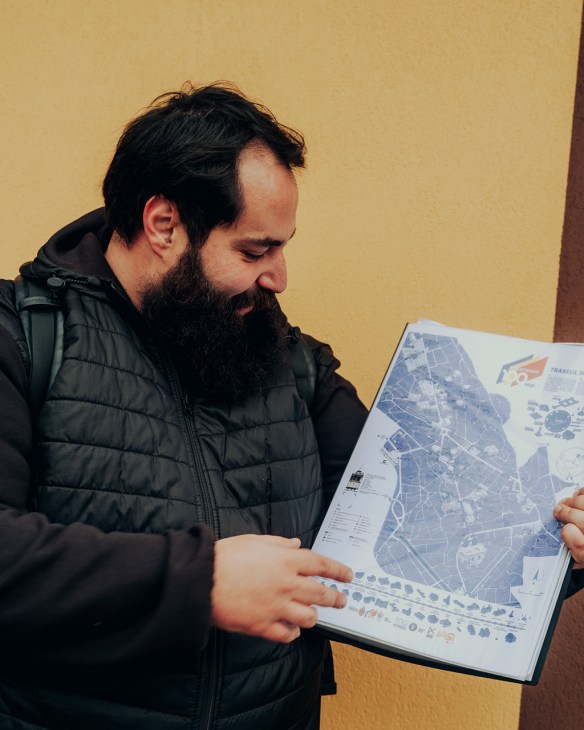
Iasi also has homegrown technology start-ups such as Adservio, an ed-tech firm founded 17 years ago by Alexandru Holicov. It now has 1.5 million users, about 60 employees and €4m in annual revenue. Operating in the shadow of multinationals can be tricky. In recent years it has been “hard to attract talented people”, says Holicov, given that big firms can outspend him on recruitment. But global technology-sector layoffs – Amazon and Microsoft have cut staff in Iasi recently – has given Adservio and other smaller firms an opportunity.
When potential investors fly into Iasi, says Holicov, they’re surprised at how Western European it feels. The city’s airport is slick, operating flights to cities from Dublin to Dubai; there’s a tram network in the centre, where smart shopfronts abound. The Women’s Tennis Association Tour stops off at the Iasi Open every July. The city hosts FILIT literature festival; it was named a Unesco Creative City for Literature in 2023.
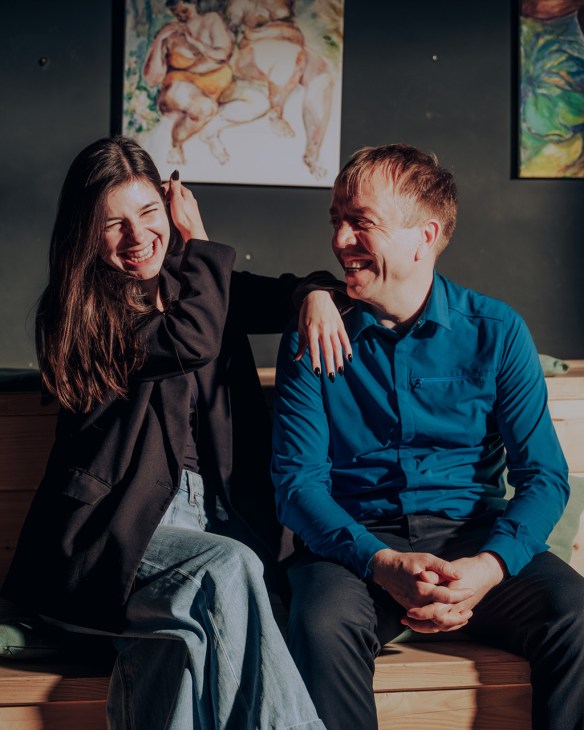
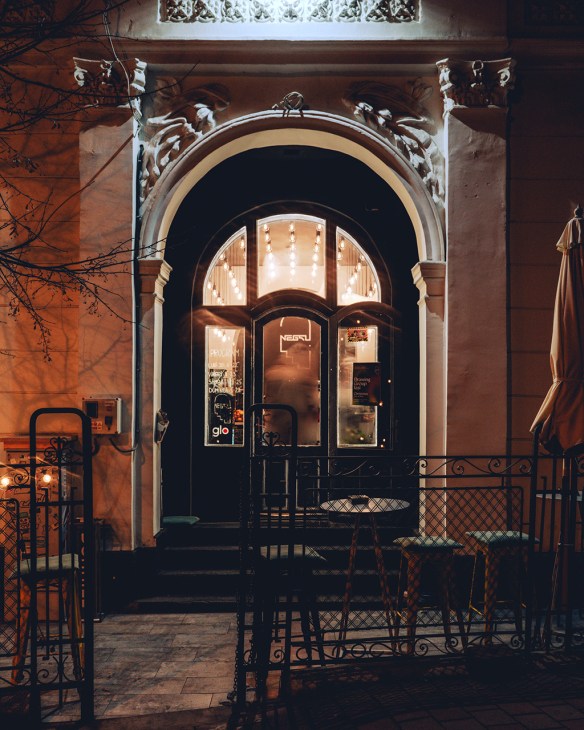
In a whitewashed house off the main avenue, university lecturer Bulai runs Negru Zi, a café and arts space, with his wife, Roxana Durneac. They have hosted more than 100 plays, book launches, talks and other events since they opened 18 months ago. When Bulai finished his degree in 2002, only two people from his class of 20 weren’t planning to emigrate. But things have changed. Among his students today, just 10 per cent, at most, are keen to leave Romania. Wages have shot up, especially in technology. Iasi’s low cost of living also compares favourably with the usual emigration destinations in Western Europe.
Iulius’s plan for Iasi’s centre attests to its confidence in the city’s continued growth. Munteanu worked in Bonn for a couple of years before returning home more than a decade ago and has witnessed her home city’s development. “Romania is the place to be,” she says. As she waves her hands over maps plotting out her grand designs, she is adamant that it will all be finished in three years. “We need to do it quick,” she says.
‘We’re not overconfident’: Boeing Global’s president Brendan Nelson on rebuilding trust
Few aviation giants have endured a bruising like Boeing. The past decade has brought crashes, production stoppages, supply-chain failures, regulatory pressure and a well-documented backlog. Even its most loyal customers, especially in the Gulf, have voiced frustration. But according to Boeing Global’s president, Brendan Nelson, there is a way forward.
Towards the end of last year, the American aerospace giant put on a truly confident display at Dubai Airshow. In one of the vast exhibition halls, a gleaming model of the Boeing 777X sat proudly at the heart of the brand’s pavilion. Guests paused to examine the aircraft’s distinctive folding wingtips and elongated fuselage – a miniature of a superlative machine. This is where Brendan Nelson, Boeing’s senior vice-president and president of Boeing Global, appeared most in his element. He stood beside the model with the confidence of a curator showing off a prized exhibit.
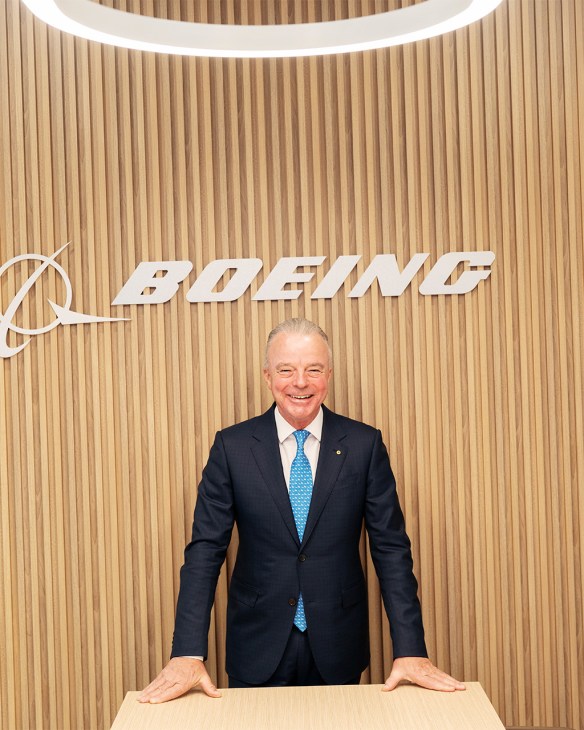
Before our interview begins, he adjusts his bright-blue tie patterned with tiny aircraft and offers a friendly, “Call me Brendan.” Throughout the conversation, he often touches his chin as he listens, eyes fixed and unwavering as if aware that a single misplaced word could send the wrong signal. It is the focus of someone who knows that the margin for error (reputational or otherwise) is razor thin. Nelson is not the typical aerospace executive. A trained physician and a former defence minister of Australia, he combines clinical directness with political fluency: a blend that feels necessary in guiding Boeing back from the brink.
“Dubai Airshow, in many ways, is like a home away from home,” he says. “We’ve had eight decades of partnership with the Middle East and it is exciting to be in a part of the world that has a can-do attitude.” The region has certainly done its part. Boeing’s customer list here reads like a who’s who of Gulf aviation: Emirates, Qatar Airways, Riyadh Air, Saudia, Flydubai. Orders are vast and this year’s event made that clear. Emirates placed its latest eye-watering order of 777-9s worth about $38bn (€32.23bn), a reminder of just how much the world’s biggest long-haul carrier still wants Boeing to succeed. Flydubai committed to $13bn (€11bn) worth of aircraft, with 75 new jets to underpin its next growth phase. And in a sign of how fragile relationships have become, Etihad stepped decisively away from Boeing, opting for a 32-strong widebody Airbus fleet instead, its patience exhausted by repeated delays. Riyadh Air, meanwhile, waits keenly for the arrival of its first Boeing 787-9 Dreamliner, the opening aircraft in its planned fleet of 72, without which the new Saudi carrier cannot begin operations in its own fully fitted-out livery. These deals were not casual chequebook diplomacy – they were reminders of both the region’s faith in aviation and its growing insistence that Boeing must now deliver, without excuses.
The past eight years have been among the most difficult in Boeing’s history. The tragedies involving the 737 Max shook the industry’s faith. Pandemic disruptions, workmanship lapses, supplier breakdowns and missed deadlines compounded the sense of a company struggling to meet its own standards, let alone its customers’. Some, like Emirates’ Tim Clark, have been blunt in their assessment: Boeing, he has reminded the world, should fully understand the damage that its failures have caused. “It’s immaterial whether we think it’s fair or unfair,” he says. “Criticism is important. The moment you close your mind and stop listening, that’s when you get into trouble.”
The attitude is refreshing but also necessary. Too many of Boeing’s recent wounds have been self-inflicted. “We’ve had very frank, very open discussions internally,” he says. “Looking at where we didn’t do things as well as we should have and how we can do it better.” This, at least, aligns with what airlines say they want: accountability backed by visible change.
The most significant shift came in August 2024, when Kelly Ortberg took over as CEO. His mandate was to return Boeing to the company that it once was: rigorous, disciplined and quietly excellent. “Kelly said that there are four pillars the future of this company will be built on,” says Nelson. “Culture, stability, execution and thinking about the future.” Resetting production required slowing down, something that Boeing historically resisted. The company introduced new quality metrics, paused entire lines to hear from frontline employees and invested heavily in training and tooling. “We listened to our staff and implemented the ideas they put forward,” he adds. “We’ve stabilised the balance sheet and the production line.” But he refuses to celebrate prematurely. “I don’t want anyone to think that there is any sense of overconfidence in us,” he says. “We are confident but not overconfident.” For an organisation previously accused of hubris, that distinction matters.
But if Boeing has a safety net, it is the Gulf. “This region, our customers, the governments – they remained very committed to Boeing, even through the challenges,” says Nelson. “Our biggest challenge,” he adds, “is producing the 6,000 backlog of planes as safely and efficiently as we can.”
Outside, on the runway, Boeing’s most important aircraft did something it hasn’t been allowed to do much in recent years: impress. The long delayed, long criticised, long awaited 777X climbed into the clear desert sky with surprising grace for a jet of its size. It banked, levelled and swept past the crowd with a self-assurance that the company itself has lacked for too long. Back inside, Nelson watches with calm pride. “People have been saying to me, ‘It’s great to have Boeing back,’” he says. “We’re a company that’s turning, you’ve seen significant improvements in production quality and safety.” But then comes the caveat, delivered with characteristic bluntness: “We’ve let down customers at times. We’ve eroded trust. I’m confident that it is being rebuilt but we still have work to do.”
Boeing’s future plans are measured rather than revolutionary. The company is focused on steady delivery, refining its current portfolio and building the technological foundation for the next generation of aircraft. “These aircraft – the 737 variants, the 787, the 777X – will be significant for the next 20 to 30 years,” says Nelson. There is no rush to unveil something radically new. Not until Boeing can guarantee that it works every time, on time.
Boeing begins 2026 with renewed attention, warmed relationships and a hint of regained respect. But respect is not the same as redemption. And despite signs of recovery, it has not yet earned the right to declare itself fully restored. The company is moving forward but carefully. The industry is watching but sceptically. And customers are ordering but insistently.
Beneath the optimism sits an undeniable truth: Boeing is only at the start of its repair job. Trust, once lost, is not rebuilt by an airshow performance. It is rebuilt aircraft by aircraft, delivery by delivery, year by year. For now, Boeing looks more grounded and self-aware than it has in years. But the world will wait to see if that momentum endures, long after the desert dust settles and the crowds go home.
In brief, here’s what Nelson sees on the horizon:
Tackling the backlog
Boeing is sitting on a mountain of aircraft to be delivered – more than 6,000 jets, with 975 earmarked for Middle Eastern carriers. “Our biggest challenge is producing those planes as safely and efficiently as we can,” says Nelson. It’s “a good problem to have” but one that stretches into the next decade.
New deals and Middle East confidence
Gulf support for Boeing never dried up. Emirates placed a $38bn (€32bn) order for 777-9s, Flydubai committed $13bn (€11bn) for 75 aircraft and Riyadh Air is awaiting the first of its 72 Dreamliners. But Etihad’s pivot to a 32-strong Airbus widebody order underscored that the goodwill has its limits.
Rebuilding trust
Boeing has already begun to reset its culture, says Nelson: slower production, new quality metrics, stand-downs for 70,000 staff and a reshaped leadership. “We’re turning,” he says, “but we’re not overconfident.”
Read next: Airlines today are creating a generation of disloyal customers
‘We want art to be approachable.’ Bonhams auction house’s bid for accessibility
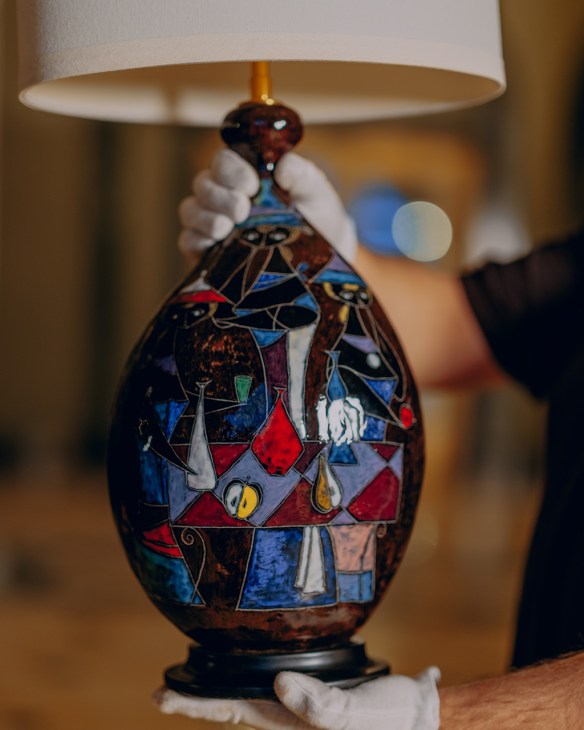
On a winter afternoon in New York, handlers wearing white gloves are moving furniture into the new Bonhams headquarters on West 57th Street. The finishing touches are being put to what will soon be the 230-year-old auction house’s US flagship in the former headquarters of piano maker Steinway & Sons. Benjamin Walker, Bonhams’ global head of modern decorative art and design, watches as the movers carefully bring a bronze Philip and Kelvin LaVerne console table and a walnut-and-black leather Phillip Lloyd Powell chair into their new home. Well, at least until they go to auction.
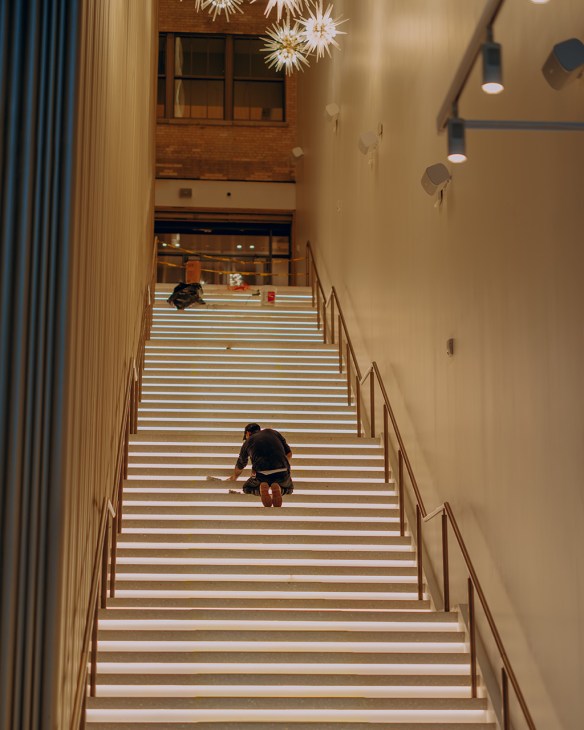
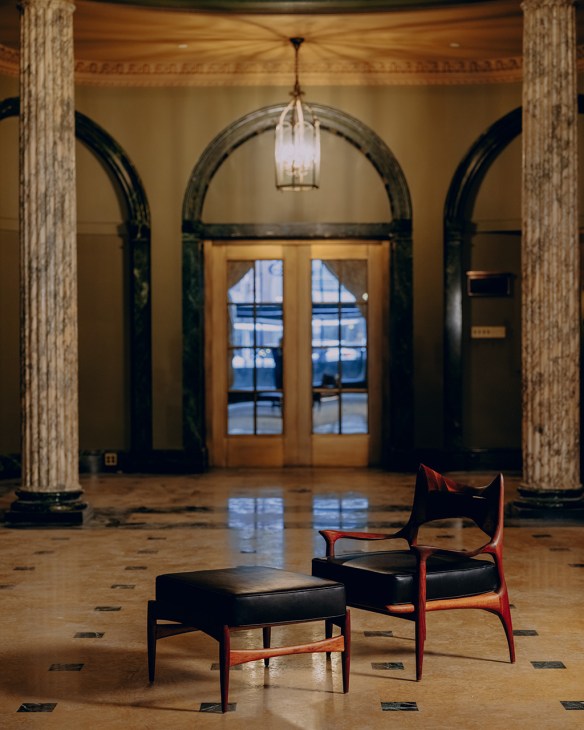
The old Steinway building has been a neoclassical landmark since it was completed in 1925. In 2021 a narrow skyscraper designed by Shop Architects was built on top of it. The new Bonhams HQ occupies the ground floor of the skyscraper, spanning a contemporary space with a triple-height gallery and a grand staircase designed by Gensler, as well as the historic Steinway Hall, with its neoclassical rotunda. A few blocks from its previous Madison Avenue address, the new HQ impresses with its grand architecture.
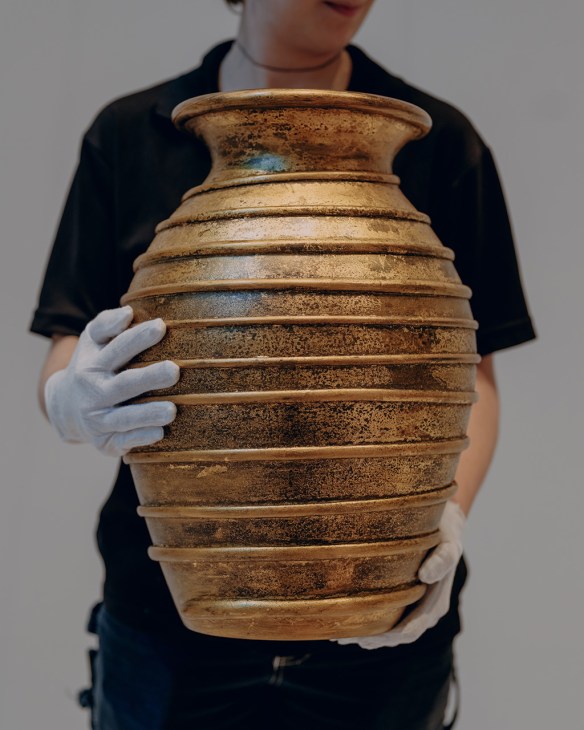

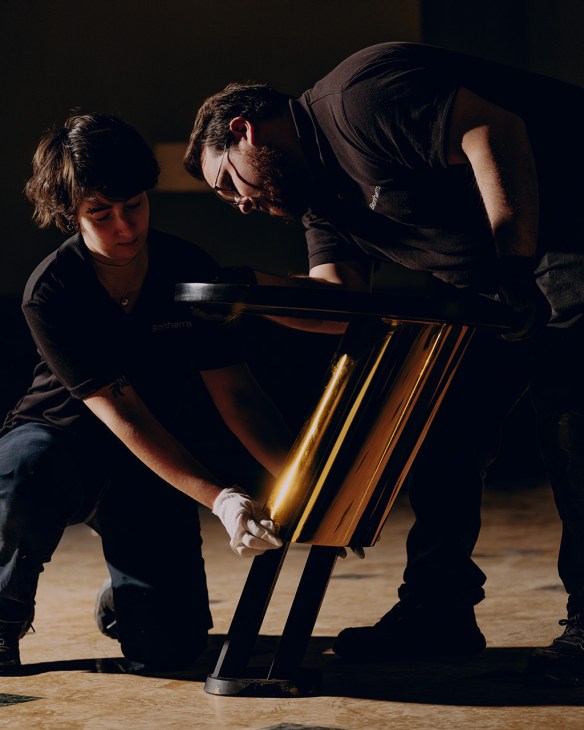

“This building will be more reflective of our respect and passion for the individual objects and collections,” says Walker, surveying the light-filled atrium and grand staircase. “It feels very Gilded Age. It will elevate us.” In the adjoining rotunda, a 1910 Steinway & Sons piano used by Elton John will be played at performances during the opening celebrations before it goes under the hammer.
Bonhams’ inaugural auction here will be of the Evan Lobel collection, which features the work of US designers such as Karl Springer and Philip and Kelvin LaVerne, plus household names that include Andy Warhol. “American designers from the 20th century haven’t been given the light that they possibly should have been,” says Walker. “The path that collectors have historically gone down is to look to France and at French designers. But in that process, they have overlooked what great talent there was here on their doorstep.”
It makes sense, then, that the opening show spotlights creatives inspired by or connected to the city. “Evan Lobel is a New Yorker,” says Walker of the prominent dealer and curator. “It’s fitting that we should shine a light on the designers who were making furniture and vases in New York’s heyday.”
The renovated building is sure to be as much of an attraction as the collections. “It will be the first time that people have seen the Steinway Hall in more than 10 years,” says Lilly Chan, the managing director of Bonhams US. Since the piano maker departed the building in 2014, it has been inaccessible to the public. The move also follows the acquisition of Bonhams by London-based Pemberton Asset Management in October 2025 and comes as the company outgrows its space on Madison Avenue.
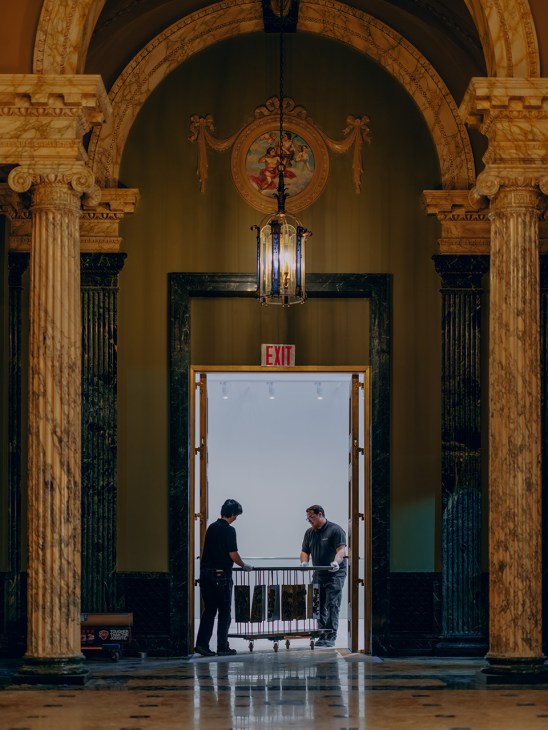
The new headquarters will provide about 30 per cent more square footage, with this additional space allowing Bonhams “to execute the mission that we’ve always had, which is to bring evergreen, yearlong cultural programming”, says Chan. In March there will be special programming for Asia Week New York and in May for the Marquee Fine Art Auctions. The opening lands amid a broader Midtown Manhattan revival, in which luxury residences and a fresh wave of restaurants, such as Le Veau d’Or and Le Rock, are breathing new life into the neighbourhood – not to mention the recent $3.5bn (€2.98bn) redevelopment of Rockefeller Center.
With street-facing windows, the new Bonhams HQ aims to demystify the auction world. “A lot of people don’t know what an auction house does,” says Chan. “You read about it but what exactly happens behind the scenes? It has always felt like a culture behind closed doors. We sell across more than 60 categories – we wanted to have the space and ability to showcase the breadth of what we do.” Bonhams has a diverse portfolio featuring jewellery, furniture and contemporary art, and offers pieces across price points. In Chan’s view, in comparison to other auction houses, Bonhams is simply more approachable. “Our collector base is quite wide – we have top buyers and new collectors. We pay attention to all of them.”
That breadth has helped Bonhams to endure the economic and political turbulence that has affected auction houses in recent years. “We keep an eye on these things,” says Chan, adding that there’s always a market for well-priced collections if confidence is strong. In uncertain times, she adds, buyers remain active – they’re just “more discerning”. Despite trying times for the art market, Walker remains upbeat too. “The prices that have been achieved in the past season are the highest that they have ever been,” he says. According to Walker, the challenge now is championing mid-priced work. “That’s where Bonhams comes in,” he adds. His hope is that this new space will tempt collectors and art appreciators alike through the doors. “We want art to be approachable,” he says. “We want as many people as possible to come in.”
What does it take to make it as a designer today? Paris-based agent Alice Bouleau shares her insights
Alice Bouleau no longer holds meetings in Paris’s dive bars. For years, they were the safest places for one of fashion’s most discreet headhunters to operate unnoticed. Today she prefers hotel lounges and no longer works for fashion houses. After seven years in the recruiting business, Bouleau left to launch The Arrow, an agency that represents designers, helping them to future-proof their careers in an industry that hires quickly, fires publicly and offers little long-term security.
The Arrow is designed to offer something that fashion has long neglected: a dedicated service defending and managing the sector’s design talent. Bouleau negotiates contracts, assists designers in securing sponsors for personal projects and brokers one-off collaborations, all with an eye on long-term strategy. “Stylists, make-up artists, photographers and even architects have agents looking after their careers,” she says. “But designers didn’t. I realised that something had to change.”
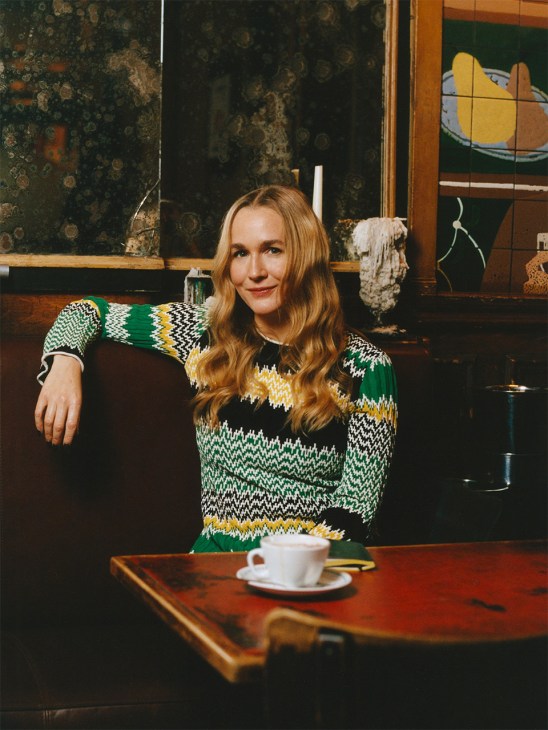
Bouleau has already signed up 15 clients, including footwear specialists Paul Andrew and Serge Ruffieux, New York up-and-comer Hillary Taymour and London menswear designer Priya Ahluwalia. The timing is deliberate. “There are very few creative-director jobs today where you can feel safe for 15 or 20 years,” she says. “Now, when designers take on a role, they have to think about what comes next.”
That outlook was shaped by Bouleau’s previous career. For seven years, she worked behind the scenes as a partner and the creative-practice head at Sterling International, an executive-search firm specialising in fashion and luxury. Her job was to help ceos to find their “dream partners in crime” – creative directors capable of leading studios, delivering covetable collections and hitting ambitious sales targets.
Her searches spanned conglomerate-owned houses “turning over more than €8bn a year” and niche labels with closer to €2m in revenue. She recruited across Europe, Africa, Asia and North America, scouted talent during fashion week in India and at design week in Reykjavík, and arranged clandestine meetings to avoid being spotted. “In our world, you can’t casually take a phone call on the street and you’ll never catch me working on a train,” she says. Over the past two years, that secrecy intensified as the fashion industry underwent one of its biggest-ever executive reshuffles. From Dior to Balenciaga, more than a dozen heritage houses parted ways with their creative leaders and turned to recruiters such as Bouleau to find the next star. Hiring became a high-stakes spectacle. “I was constantly receiving calls from major media outlets,” she says. “There were rumours swirling all the time – and those could genuinely destroy someone’s chances.”
From a business perspective, it was a boom period. “For headhunters, this system works very well,” says Bouleau. “Every couple of years, you get to launch a new search and get paid.” But watching the churn of designers being hired and fired left her uneasy. “Because of how quickly we consume fashion, companies have become more impatient and treat their creative leaders accordingly,” she says. “They don’t give people enough time to succeed.” She points to Phoebe Philo’s tenure at Celine in the 2010s as a rare counterexample. “Everyone wants that kind of success but they forget that she was given the chance to build the foundations of her vision.”
The demands being placed on people have also become unrealistic, says Bouleau. “You’re no longer just expected to design,” she says. “You have to think about PR and social media, oversee campaigns and have a strong commercial understanding. Sometimes, a client would describe their ideal profile and I would tell them that this person doesn’t exist. You can’t have a fresh face with 15 years of experience. Our goal is to tick 80 per cent of the boxes; the rest is where the magic happens. It’s like falling in love. There’s always some tension.”
Today, fashion houses seem less interested in long marriages and more inclined to have short-term flings. “I don’t think that we’ll ever be done because of the pace of the industry,” says Bouleau. “That’s why we need to rethink how we support creative talent. Right now, it feels as though we put them on a pedestal one minute and in the bin the next.”
The risks for designers are substantial. Creative director salaries can range from €400,000 to several million, excluding bonuses, but public failure can be career-ending. “If it doesn’t work out and you’re fired at 40 in a very visible way, it’s extremely hard to find another role,” says Bouleau. That’s where The Arrow comes in. By acting as an intermediary, Bouleau believes that it can help designers to protect themselves and plan beyond a single role. “It can be incredibly lonely at the top,” she says. “People often have to make huge decisions on their own.”
Based in her native Paris, Bouleau now spends her days meeting clients for long brainstorming sessions, often at Hôtel Amour in the 11th arrondissement. “There’s a constant push and pull,” she says. “Sometimes, we discuss existing offers; at others, I think about new collaborations on their behalf. Whether it’s a sponsorship, a product placement or an in-house position, you need to be sure that it won’t hurt your career in the long term.”
As fashion increasingly borrows from Hollywood, with creative directors treated as public figures, career planning has become almost as important as creative output. In this new landscape, agents such as Bouleau are changing the balance of power between brands and design talent. “It’s very different from even five years ago,” she says. “I want to defend the talent I bring forward – not be part of a system that just keeps recycling them.”
Bouleau’s advice for a successful (and lasting) career in fashion:
1. It’s almost impossible to make your own independent brand profitable by itself. It’s important to secure collaborations and consulting gigs.
2. Don’t launch your brand too quickly. Take your time and find the right network and resources. Waiting five years after you complete your training might help you to create a business that has a better chance.
3. Success stories of people being picked out of nowhere to take on big creative-director roles are extremely rare today. You can’t sit and wait to be called for a job at Saint Laurent. So take on side jobs, create your own community and don’t put all of your eggs in one basket. Plan for the long term.
4. There’s no one way to success and it depends on the kind of brand that you’re looking to work for. If you want the Balmain job, you might need to be friends with a few celebrities. But if you want to work for a more discreet house, no one will care about your social-media presence. It’s about building your career in an authentic way and connecting with the right people.
5. Recruitment is very opaque. Most of the time, senior-level positions aren’t even advertised – it all goes through the headhunter or the CEO’s network. So it’s crucial to foster connections. Plus, have a visible Linkedin profile; that’s where recruiters first look and make contact, even at the highest level.
Read next: The Monocle City Guide to Paris, featuring the best hotels, restaurants and retail spots in the French capital
The reality behind Japan’s “vanishing phenomenon” and how people disappear
From rental families to islands filled with cats, Japan is fertile ground for global media outlets peddling stories that feed into the idea of exotic “otherness”. Johatsu is another subject to file in this category. To young Japanese, the word means “evaporation” but to an older generation it is a term that was once used for people who voluntarily disappeared from their own lives without a trace. The problem is that foreign media keep rehashing the phenomenon – so is it really still happening?
The term hit public consciousness in 1967 with the release of Shohei Imamura’s film Ningen Johatsu (A Man Vanishes), which told the story of a Niigata salesman’s sudden disappearance. Johatsu came to apply to people who wished to exit a stressful job or an unhappy marriage (wholesale disappearance being preferable to the social stigma of divorce). When Japan’s booming postwar economy stuttered in the 1990s and debts piled up, so too did the prevalence of johatsu.

It seems to reveal something important about the social pressures of life in Japan and its strict privacy laws. But the term, once widely used by the Japanese media, is rarely mentioned today. “When people hear the word, it’s questionable whether they would think of it as the phenomenon of people going missing,” says Hiroki Nakamori, an associate professor at Rikkyo University’s Graduate School of Social Design Studies and an expert on the subject. “It’s a relic of the past.”
The widely cited figure of up to 100,000 people vanishing every year in Japan requires unpacking. This number dropped below 100,000 from the late 2000s (and is now roughly half the number of those who go missing annually in the UK, for example). Almost a third of the “missing” have dementia or other medical conditions. And of those who are reported as gone, 90 per cent are eventually found.
So does our fascination with johatsu derive from a need to pigeonhole Japan or a craving to disappear ourselves? “There is often a narrative that it is taboo but the reason why Japanese people don’t really talk about it is because they’re not familiar with the phenomenon,” says Nakamori. It’s not to say that these disappearances don’t happen in Japan – they do – but perhaps it’s easier to see them as particular to that country, rather than universal to all.