Culture
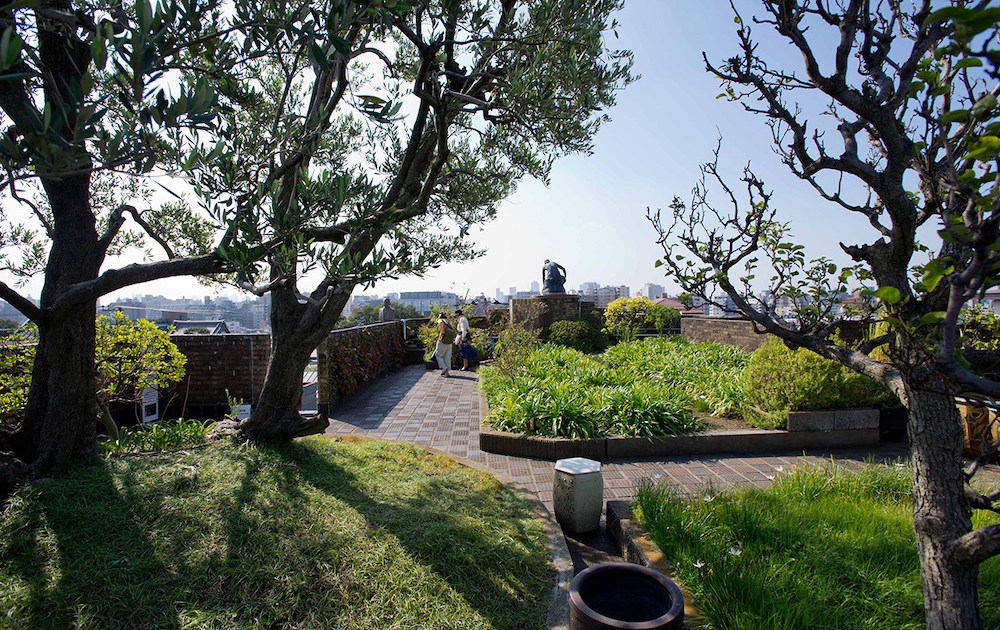
Asakura Sculpture Museum, Yanaka
Sculptor Fumio Asakura’s home and studio in Yanaka is a delight. After moving to the house in 1907, he spent years extending it. There are two wings and a leafy Japanese garden; you can tour the property and explore his sculptural work here.
Edo-Tokyo Museum, Yokoami
It’s hard to miss the unmistakable hulk that is the Edo-Tokyo Museum. Designed by the late metabolist architect Kiyonori Kikutake, this landmark reopened in 2026 after a four-year renovation. There are life-size recreations of a kabuki theatre, an Edo-era street and a pre-war flat, among other replicas, while artefacts and visuals of everyday life provide a fascinating trip through 400 years of Tokyo history.


Post Architecture Books, Minami Aoyama
The publisher of Shinkenchiku, one of Japan’s leading architecture journals, has its own bookshop. Post Architecture Books stocks about 500 titles selected by Yusuke Nakajima, the owner of independent bookshop Post. The mix of Japanese and foreign titles offers a broad range of perspectives and spans spatial design, monographs, urbanism and anthropology.
Museum of Narratives, Takanawa
Designed by Kengo Kuma, the Museum of Narratives is a spiral-shaped complex wrapped in timber and native plants. The aim here is to “transport culture to the next 100 years”, with biannual themes guiding programmes that weave together art, technology, natural science and various other disciplines. References to Takanawa’s transport history add some local flavour. There’s also a 100-tatami-mat space and an open-air foot bath.
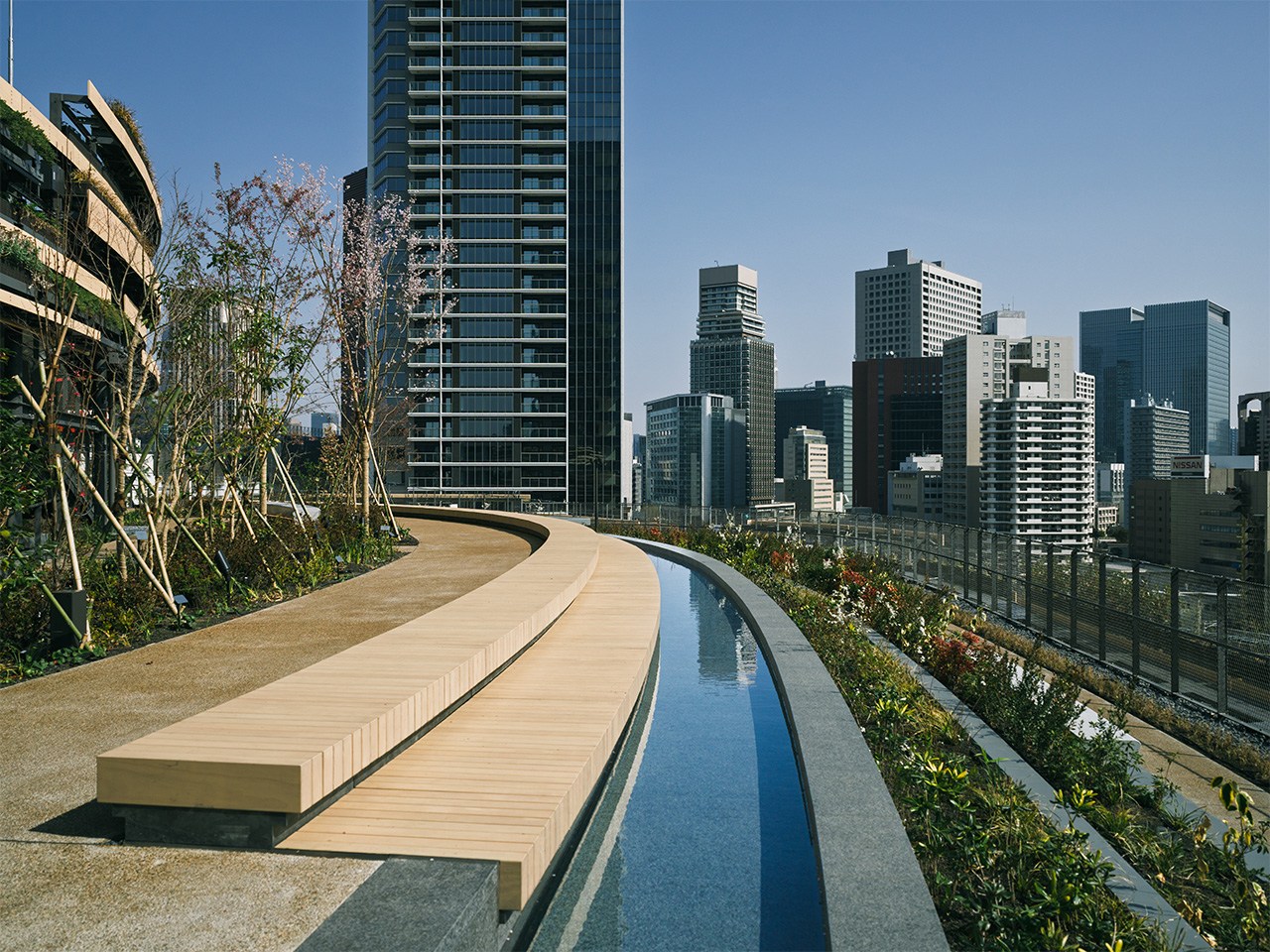
Koganeyu, Taihei
Long-standing sentō (public bathhouse) Koganeyu received a radical makeover in 2020, led by artist Hiroko Takahashi and Jo Nagasaka of Schemata Architects. The core elements of the classic bathhouse remain, while new additions include a Mount Fuji mural by Yoriko Hoshi. There’s a cypress-wood sauna, as well as a bar, adding new layers to the experience.
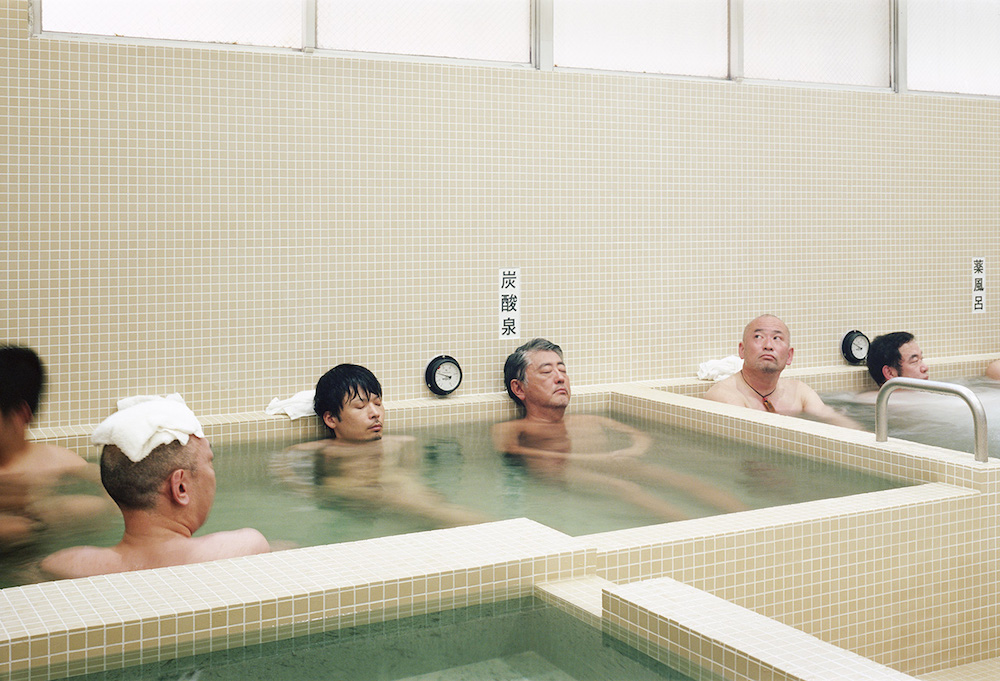
Ginza Graphic Gallery, Ginza
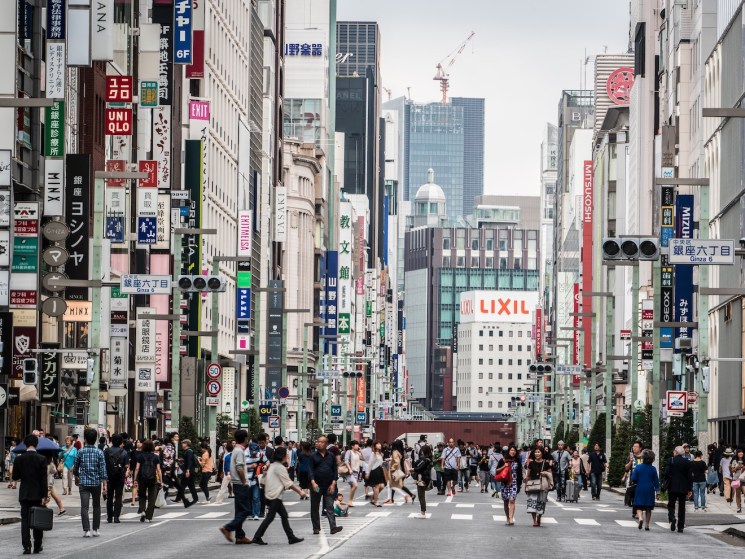
In an area with an abundance of galleries, this venue stands out with its exhibitions on contemporary graphics. Run by venerable Japanese printing company Dai Nippon Printing, Ginza Graphic Gallery (GGG) hosts annual shows by the Tokyo Type Directors Club and the Japan Graphic Design Association and also showcases the work of other leading figures and movements from the world of design.
MAP | WEBSITE
Nezu Museum, Aoyama
Designed by Kengo Kuma, the privately run Nezu Museum houses an outstanding collection of artworks from Japan, China and East Asia. The expansive garden, dotted with stone lanterns and traditional wooden teahouses, draws kimono-clad tea practitioners from across the country. Its winding paths are also perfect for a post-exhibition stroll.
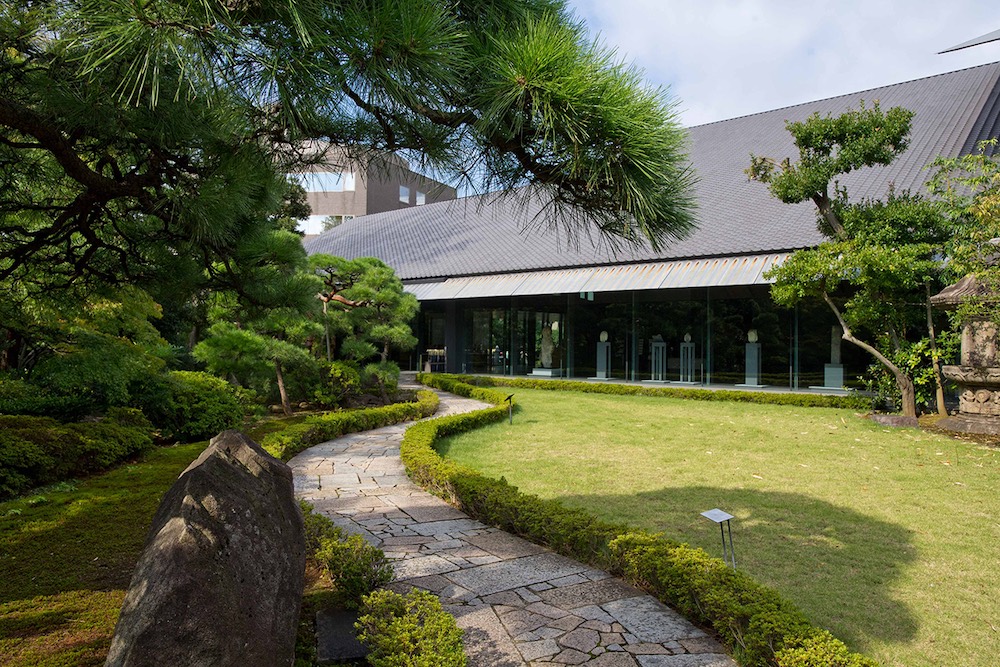
Oedo Antique Market, Marunouchi
Taking place on the first and third Sundays of the month, the Oedo Antique Market presents an eclectic mix of crafts, homeware and treasures from bygone eras. Gathered in the Tokyo International Forum plaza, the carefully curated and arranged stalls serve as aesthetic works in their own right.
Skwat Kameari Art Centre, Kameari
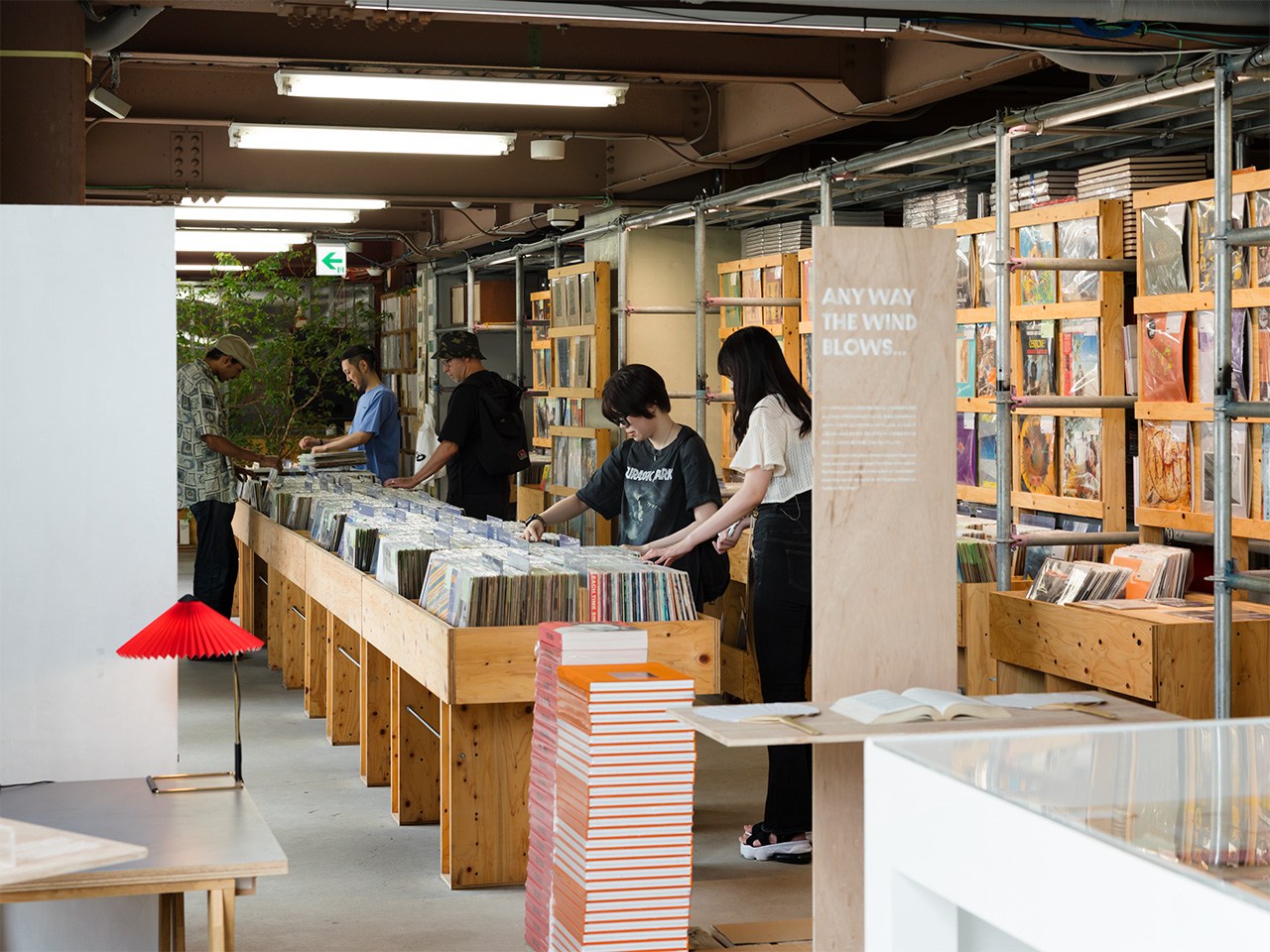
Tucked beneath railway tracks in east Tokyo’s Kameari neighbourhood, Skwat Kameari Art Centre (SKAC) is an unconventional cultural outpost. The site includes the shop-cum-warehouse for art-book distributor Twelvebooks, Vinyl Delivery Service record shop, an exhibition space and coffee stand – all of which are fuelling fresh interest in this far-flung corner of the city.
Read next:
- The rise of Japan’s hi-tech, pet-first homes
- The Park Hyatt Tokyo is back – here’s what’s new
- Tokyo’s best barmen are serving timeless elegance at the Palace Hotel