How a journalistic eye can elevate a hotel: Adrian Zecha’s approach to his new resort collaboration in rural Japan
Rural Japan’s newest “farm life” luxury resort attests to the value of a journalist’s eye for detail.
The founder of Aman Resorts, Adrian Zecha, likes to say that he isn’t a hotelier but a journalist who stumbled into the hospitality business at the age of 39 and never quite left. It’s a detail that’s often treated as a bit of biographical colour but it’s fundamental to his success. After all, journalism is the business of noticing things – and that skill has defined what he has built.
Zecha reported for Time magazine from Tokyo. He launched The Asia Magazine, the continent’s first regional colour supplement, when he was 28 years old. Then he ran Orientations, an arts journal, from Hong Kong. By the time he built Amanpuri hotel in Phuket – which was first envisioned as a private residence, then expanded on a coconut plantation in 1988 – he had spent nearly 20 years doing what good reporters do: watching carefully, forming judgements and resisting the urge to impose a thesis on what he was seeing.
That discipline is what has made Aman Resorts so special. The original properties weren’t designed to satisfy a market segment but rather to appeal to Zecha and a small circle of people whose tastes he fully understood. A founding board member once described the goal as building a hotel for the life that they wanted for themselves. Zecha is said to have spotted the exact area where the pool would wrap around a rocky outcrop in the earliest days of the Amangiri resort in Utah. He was also patient: it took time to get the plot of land that he wanted. His stubbornness ended up yielding something profound that has stood the test of time.
Since Vladislav Doronin acquired Aman in 2014, the brand has expanded into clothing, skincare, fragrance, leather goods, private-jet itineraries and a yacht concept. It’s a competent luxury-goods platform. It is also a different enterprise from the one that made the brand’s name.
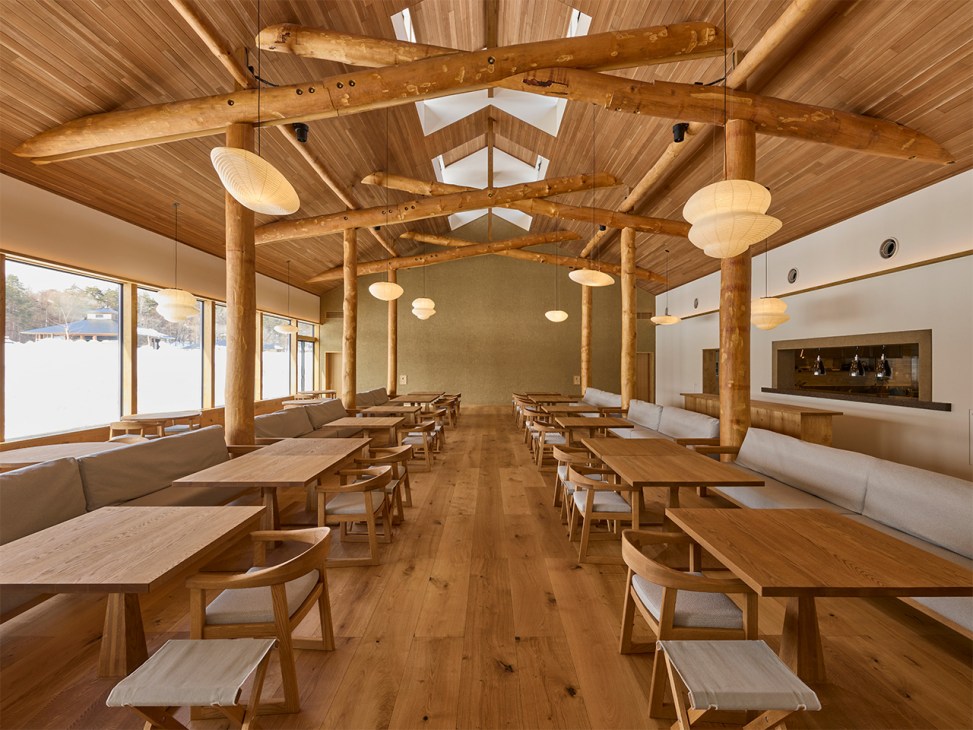
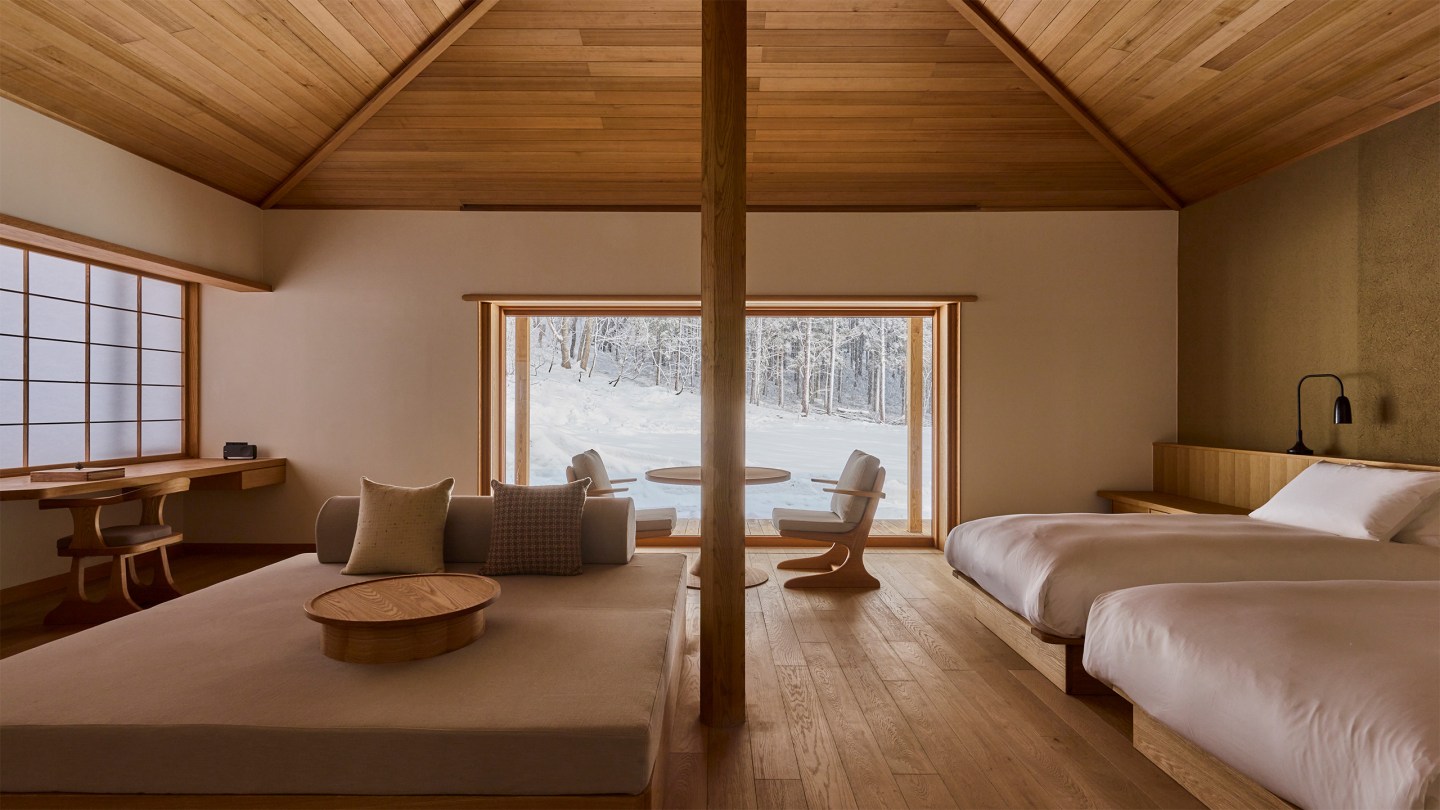
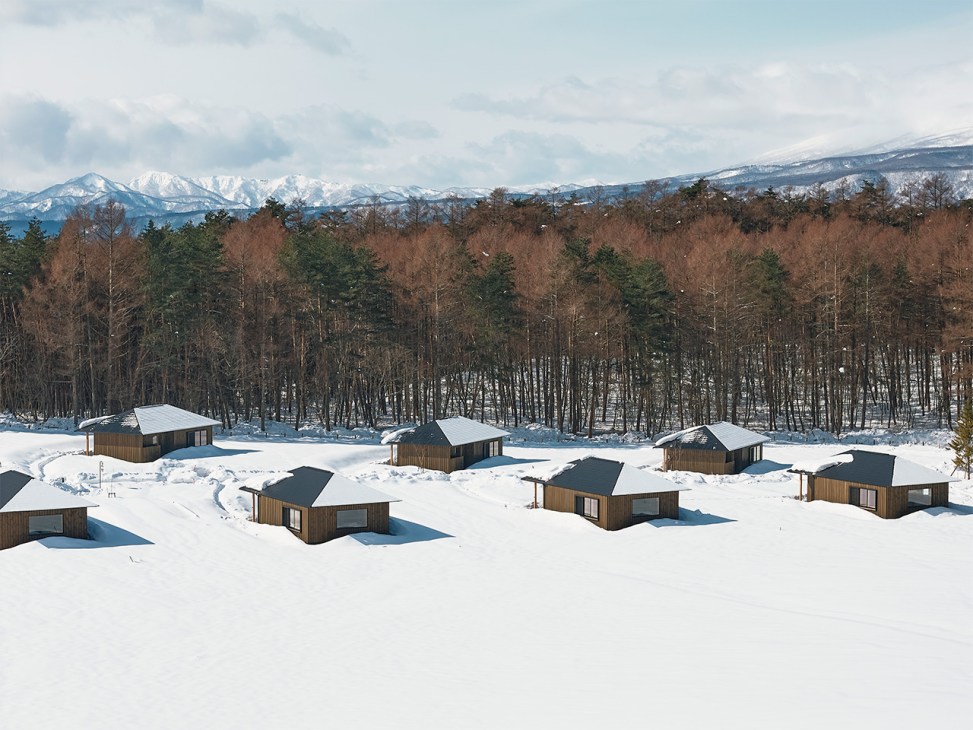
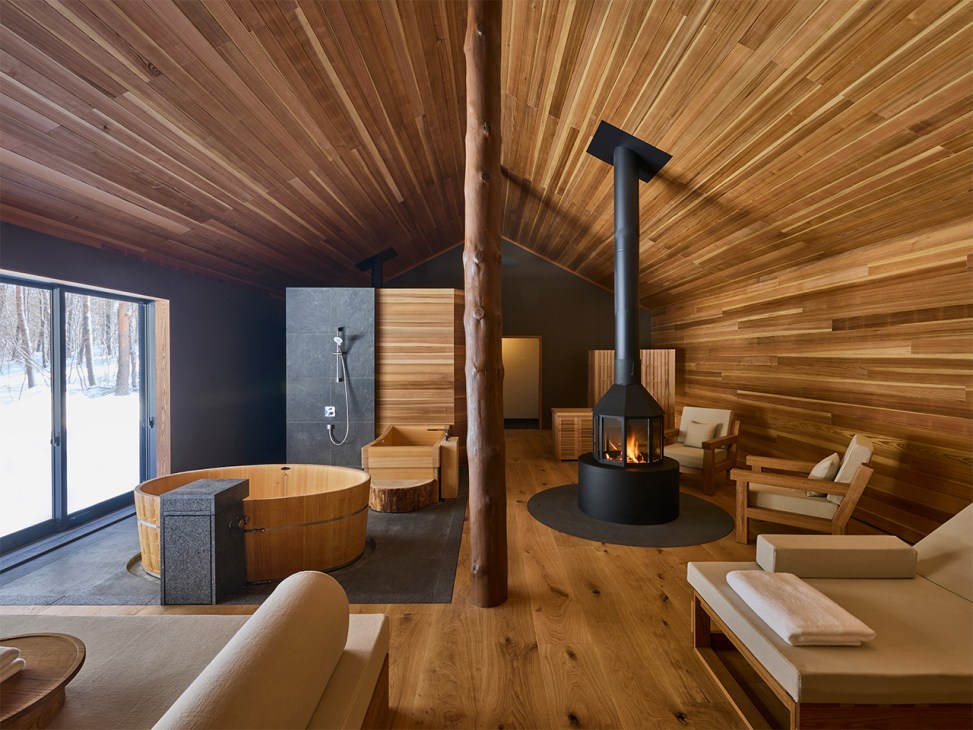
The 93-year-old Zecha opens his latest project this week in partnership with Tokyo-based hotel developers Naru Developments. The new Azuma Farm Koiwai is a Japanese joint venture that sits within the grounds of Koiwai Farm in Iwate prefecture. The 3,000-hectare estate was founded more than 130 years ago on what was once barren volcanic land at the foot of Mount Iwate. Generations of careful stewardship have turned it into productive pasture and lush forest. The resort occupies an eight-hectare grove within it, with 24 rooms designed by Shiro Miura of Rokkaku-ya in Kyoto, built with red pine and cypress felled from the property. Miura works in a contemporary interpretation of sukiya style: intricate wooden interiors calibrated to the landscape, rather than merely imposed upon it. Three sauna pavilions sit among the trees – wood-fired, with cold baths and daybeds facing the forest. The food is farm to table; also on offer are horse riding and long walks amid a working agricultural landscape.
The project is a collaboration with East Japan Railway Company, which gives it a practical elegance: guests take a two-hour Shinkansen journey from Tokyo to Morioka, then transfer by shuttle. There’s no private airstrip, no helipad – just a train and a farm.
It’s the same philosophy that Zecha brought to Phuket nearly 40 years ago: to go somewhere, notice what’s already there, then build the minimum structure required for others to notice it too. His reporter’s eye is still working.
Nagy is a Los Angeles-based journalist and regular Monocle contributor. For more opinion, analysis and insight, subscribe to Monocle today.