New pastures by the sea: Meet the transplants who call Hakodate and Aoshima home
We head to the northern and southern corners of Japan to chat to the newcomers who have escaped the big-city bustle and the locals who simply wouldn’t want to be anywhere else.
THE NORTH: Hakodate
Newcomers are helping a historic port city to reach its full potential with a fresh injection of ideas and enthusiasm.
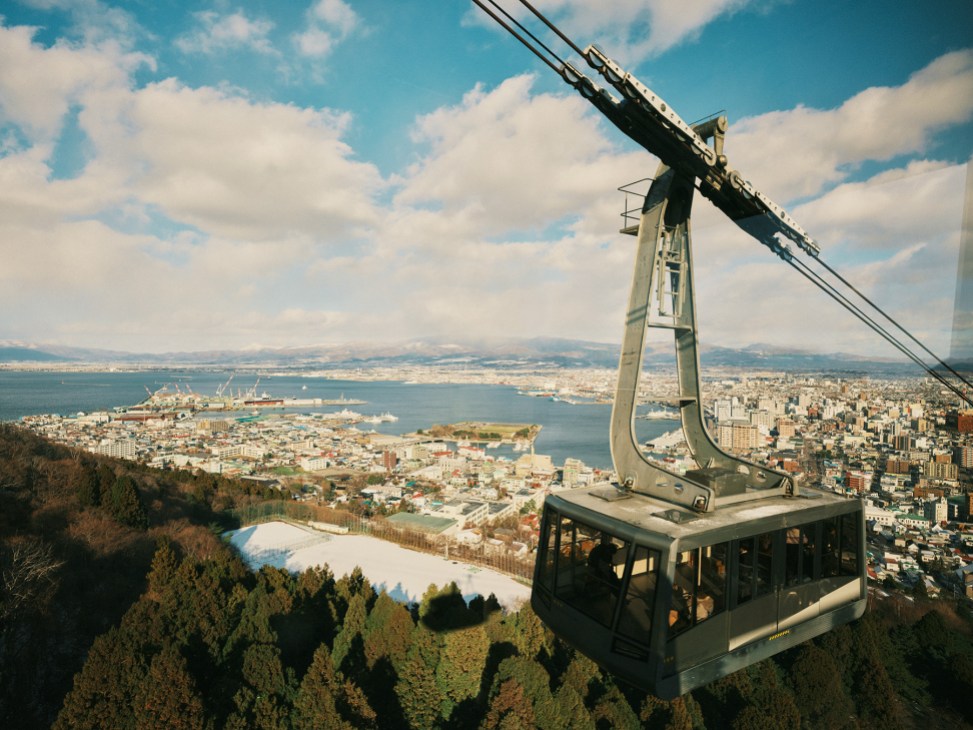
At the southern tip of Hokkaido, Japan’s northernmost main island, Hakodate has long welcomed visitors from near and far. In 1859, as the country worked to end its long period of isolation, it became one of its first ports to open to international trade, alongside Yokohama and Nagasaki. Hakodate’s cobblestone streets and picturesque hills are now home to a blend of Western and Japanese influences.
In this compact city of about 230,000 people, that heritage, as well as a growing range of culinary delights, has been a boon for tourism. More than six million visitors arrived in 2024, with more than a few making a pilgrimage to see locations featured in hit anime film Detective Conan: The Million-Dollar Pentagram, based on Gosho Aoyama’s manga and released that year.
When Monocle alights at Hakodate Station on a winter morning, the streets are abuzz with tourists and day-trippers braving the cold market in search of king crabs, ducking into local chain Lucky Pierrot for a burger or seeking souvenirs from the red-brick warehouses that once housed wool, tea, seafood, flour or rice. But venture out to Motomachi, Omachi and the surrounding Western District and you’ll encounter a growing community of entrepreneurs and businesses bringing fresh life to historic buildings.


Down by the water in Irifune-cho, we meet Épuis & Co’s creative director, Joseph Kim-Suzuki, and his wife, Yuino, who serves as the business’s chief designer. The couple have been turning a century-old warehouse into a mixed-use gallery, studio and flower shop. A graduate of London’s Central Saint Martins College of Art and a costume designer by trade, Joseph has worked in the West End and with the Seoul-based Korean National Ballet. Yet Hakodate has offered him opportunities of a different kind.
“Working in London, one of the art hubs of the world, there are so many inputs that you can get ‘analysis paralysis’ at times,” he says. “But here, in this small town, I can magnify all of the life experiences that I gained at those renowned companies in my own creative output.” Renovating the warehouse has been a labour of love for the couple. “It’s a bit like carbon,” says Joseph. “Where some people just see a rock, others see the potential for a diamond.”
Almost everyone who Monocle meets mentions this sense of opportunity. Yuino is particularly heartened by the tendency of newcomers to see the port city’s best qualities with fresh eyes. “The Japanese can be humble about their hometown and that’s particularly true in Hakodate,” she says. “Those who move to the Western District are so passionate about this place. People bring ideas and inspiration with them, and we locals have been reminded of the architecture here that’s worth cherishing.”


Property agent Hiroyuki Gamo played a key role in locating the property. Born and raised in Hakodate, Gamo left the city in his twenties, before returning just over a decade ago to take over his family business. Building on the work of older generations, who endeavoured to protect historic buildings from bubble-era redevelopment, he is now dedicated to revitalising the Western District, which was home to the one-time foreign settlement. “I believe that Hakodate has some of the best historic buildings in the country,” he says. “Some people can feel quite intimidated by them so my aim is to make them more accessible.” This work extends beyond just selling and leasing properties. “Our company has renovated near-century-old buildings for uses ranging from hotels to restaurants and offices.”
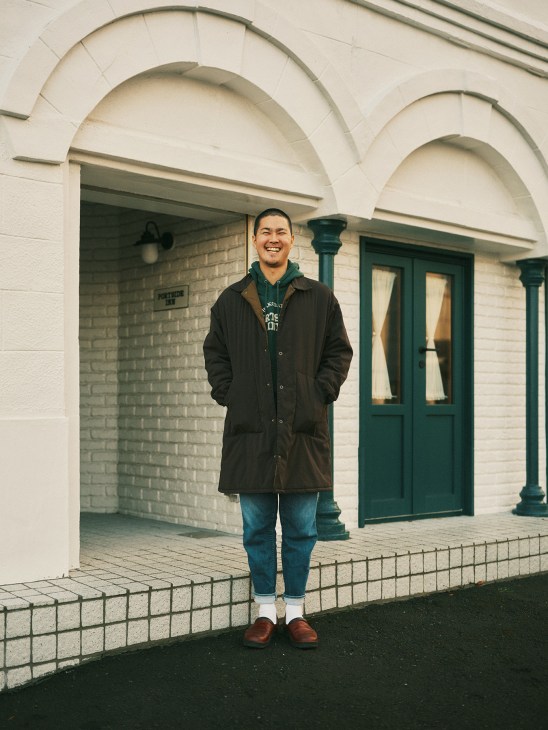
Another company that sees plenty of potential in the city’s architecture is Japanese developer Staple, which specialises in projects that are rooted in their neighbourhoods. Welcoming a single group of guests every day, its Portside Inn Hakodate in the old town offers an intimate way to experience a heritage-listed building that was erected in 1885 as a ferryman’s shop. The hotel’s manager, Takuma Hayano, is originally from Chiba prefecture and moved north in 2024. “The community quickly made me feel that I belong here and I have since come to think of it like my furusato (hometown),” says the bright-eyed 26-year-old. “Many choose to live in the northern part of Hakodate for convenience when it comes to travel and amenities,” he says. “But the people who are here also share a love for its beauty and the desire to create something of their own.”
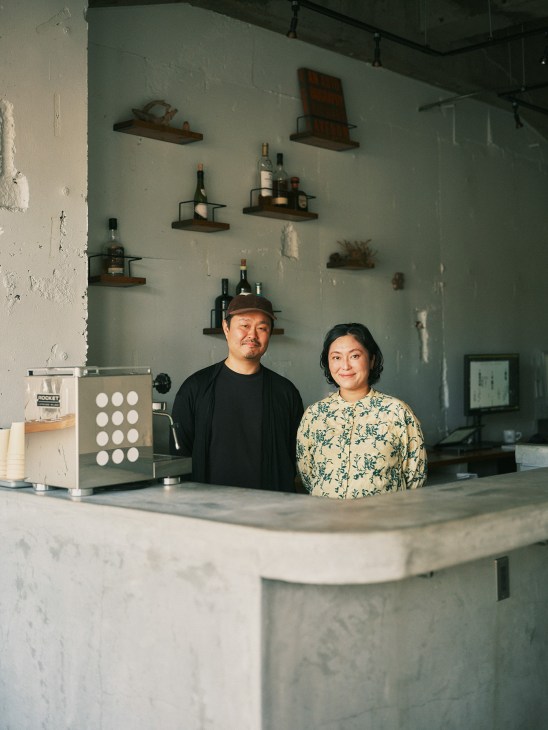
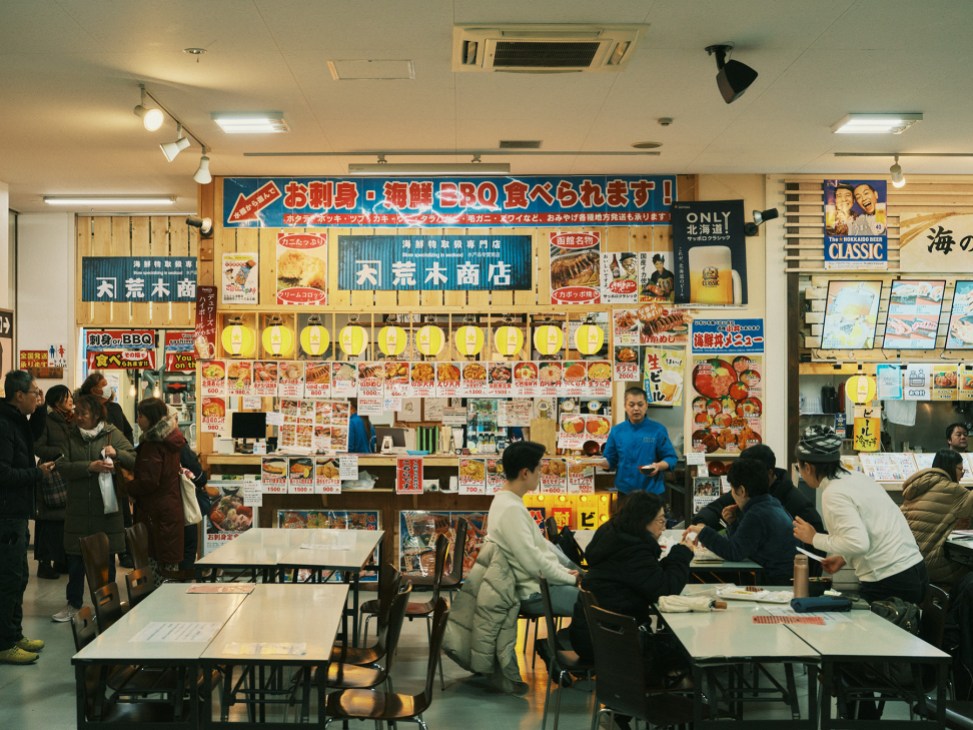
Working on projects including the revival of a summertime Bon dance festival, Hayano collaborated with another recent arrival: Yokohama-born designer Taku Fujii. Just around the corner from the inn, Fujii created a design studio and café in a former sushi restaurant along the route of the Number 5 tram. “My work means that I can be based almost anywhere,” says Fujii, who left Tokyo at the height of the coronavirus pandemic. Hakodate provided a quiet, close-to-nature setting for raising a young family. Hot springs, campsites and ski fields are all within easy driving distance, while the nearby airport and Shinkansen provide reliable links to Tokyo when the urge or need to return arises.
“Hakodate makes it easy to take on new challenges,” says Fujii. “In Tokyo, the rent is so high. I would be too busy working to try things out.” His wife, Noriko, a Hakodate local, nods. “There’s no shortage of empty buildings here,” she adds. “So if you can think creatively, the opportunities are endless.”
THE SOUTH: Aoshima
Surf’s up in this compact coastal town in Miyazaki prefecture – and so are the numbers of visitors and new openings.
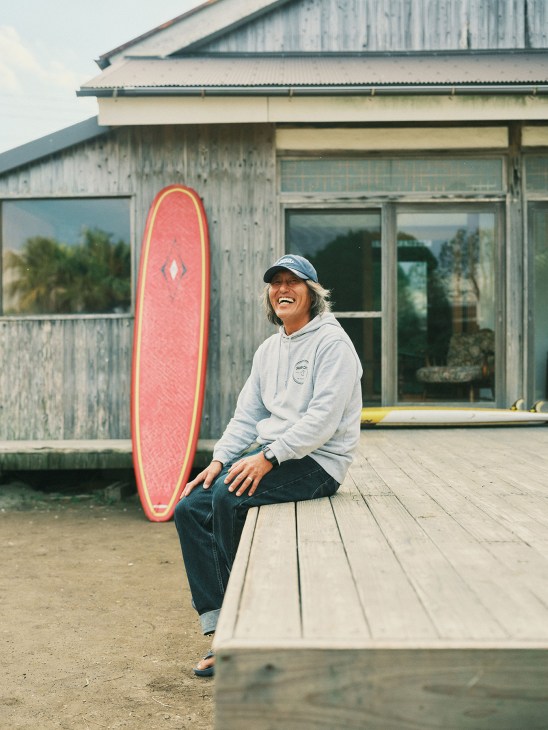
Back in the mid-1990s, Keishi Watanabe was a twenty-something living in Osaka when he spotted US professional surfer Kelly Slater on a late-night Kansai TV broadcast. The setting was a small town by the name of Aoshima, about a 20-minute drive south of Miyazaki city. Watanabe decided to pack his bags and join the wave of surfers descending on Aoshima.
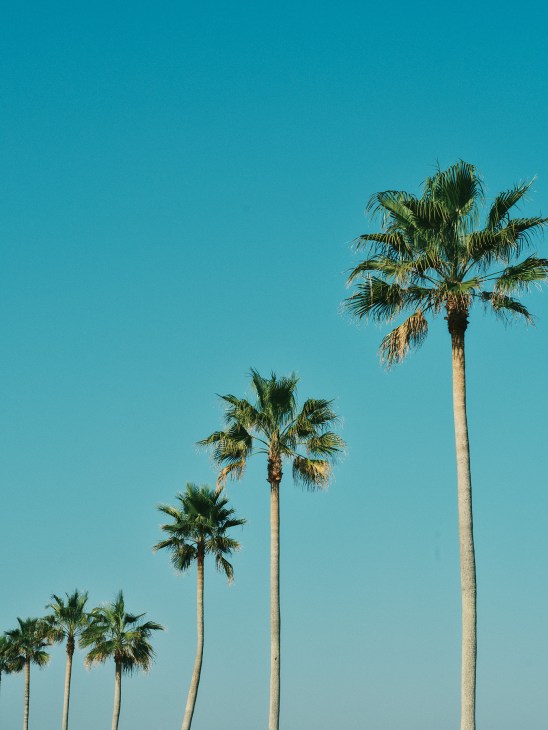
Three decades later, the allure of Aoshima’s beach culture remains as powerful as ever. Taking the palm-treelined route from Miyazaki Bougainvillea Airport, Monocle surveys the town’s low-rise strip of shops bathed in warm sunshine amid mild year-end temperatures. Beachside joggers dash past tourists on their way to Aoshima-jinja, an island shrine reputed to answer prayers for marriage, while local residents can be heard discussing the upcoming baseball camps that draw hundreds of thousands to the region every spring.
Land prices have been on the rise in the town of just 3,000 people, increasing by a prefecture-wide high of 5.5 per cent in 2024. A swath of waterfront land is currently under development for the expansion of a beachside precinct by Not A Hotel, a Tokyo-based company that creates one-of-a-kind holiday accommodation. Another property, Aoshima Grand Hotel, was recently acquired by a capital fund with renewal plans in the works.


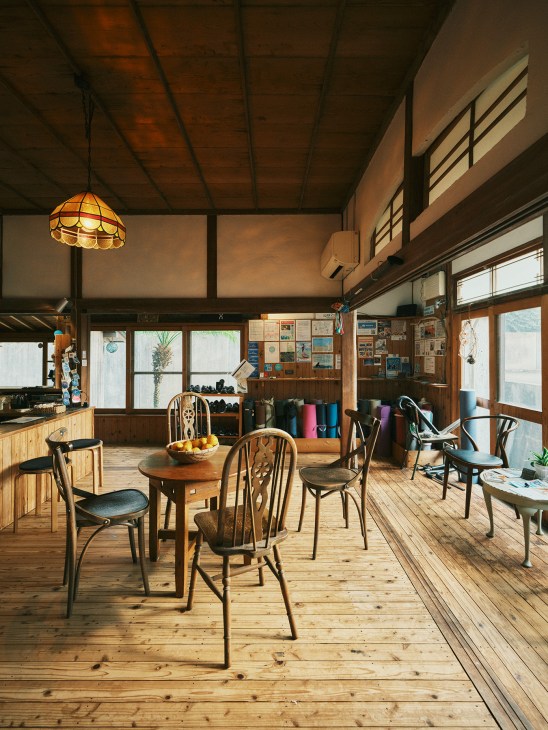
Watanabe’s Surf City Miyazaki is a key port of call for many arrivals. He co-founded the surfing and fitness club a decade ago in a Taisho-era house on the Aoshima beachfront. Even early on a Wednesday morning, it’s a hive of activity. There’s an exercise class in session, while instructors unload boards from the storeroom and locals savour a post-surf coffee. The club has about 300 paid-up members with unlimited access to some 150 monthly classes, including surfing, stand-up paddleboarding, yoga and running.
“Remote working and dual-base lifestyles mean that many members can travel here from Miyazaki city or further afield,” says Watanabe, who also hosts a radio programme and is documenting Aoshima’s surf history. “Rather than training at an ordinary gym, they come to enjoy the outdoors and relax.” He tells Monocle that life here feels far more natural than in a big city. “I don’t overdo things any more. I can live comfortably, surf and meet some wonderful people.”
It’s an outlook that is shared by second-generation professional surfer Taishi Kawabata of surf shop Killer Surf Miyazaki. “They say that Miyazaki gets the most sunshine in Japan,” he says, squinting a little in the glare. “When I look around, there’s no one looking depressed or down.”
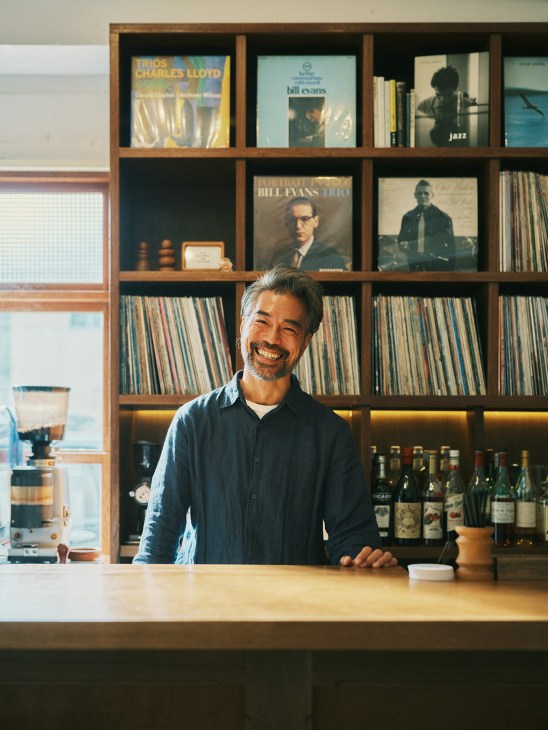
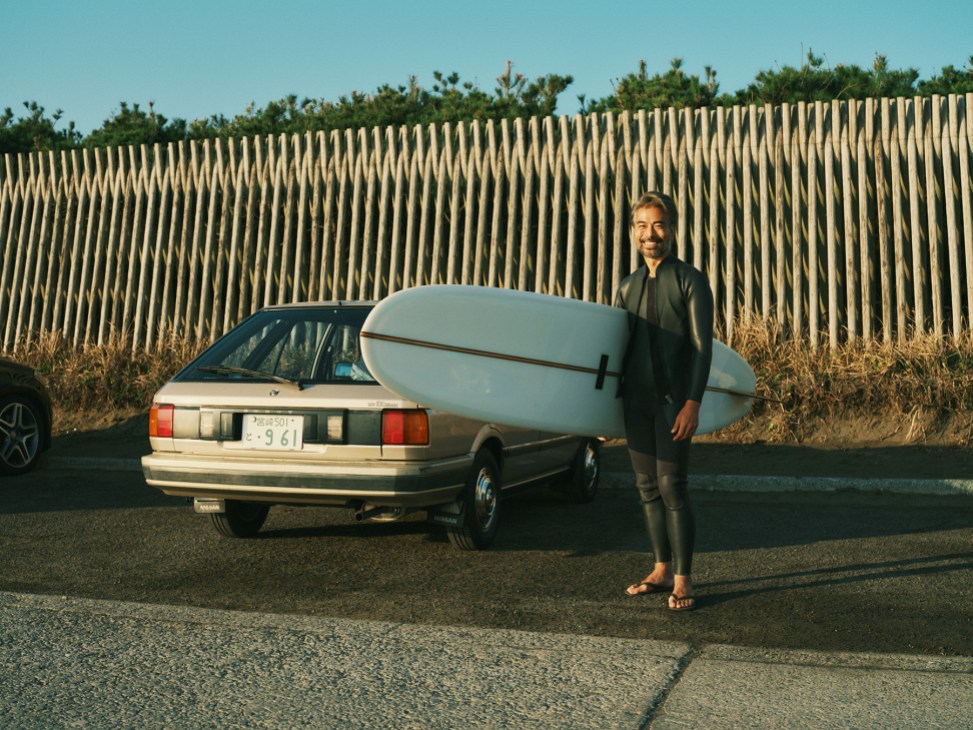
The following morning, the car parks at Kisakihama beach are filling quickly as the pre-dawn crowd rolls in. Perched on the boot of his 1983 Nissan Sunny California is 48-year-old Rintaro Higashiyama, who moved from Tokyo during the coronavirus pandemic. “I needed something to do when I wasn’t surfing so I began collecting driftwood and carving it into birds,” he says with a laugh. “Sales went so well that I decided to open my own record café and shop.”
Higashiyama says that one big advantage of life in Aoshima is that the cost of living is far lower than it is in the Japanese capital. He has started a family here. “At nursery, the children run around barefoot and eat brown rice for lunch,” he says. “Miyazaki has some amazing organic farms too.”
The region has also proved to be fertile ground for Ryosuke Ohue, the founder of Aoshima-based taco shop Sanbarco. Regional ingredients are the centrepiece of the seasonal line-ups of tacos, tostadas and fish and chips that have made it a must-visit destination since opening in 2022. “It’s truly a treasure trove of produce,” says Ohue. “Even after a decade here, I’m still delving deep into Aoshima’s potential.”


The town has struck a chord with others seeking a better work-life balance, such as Connecticut-born Sean Ryan. “In my early thirties, I reached a point where I was done with drinking and partying,” he says. “The surf brought me here but I have since been able to find such a fulfilling way of life.”
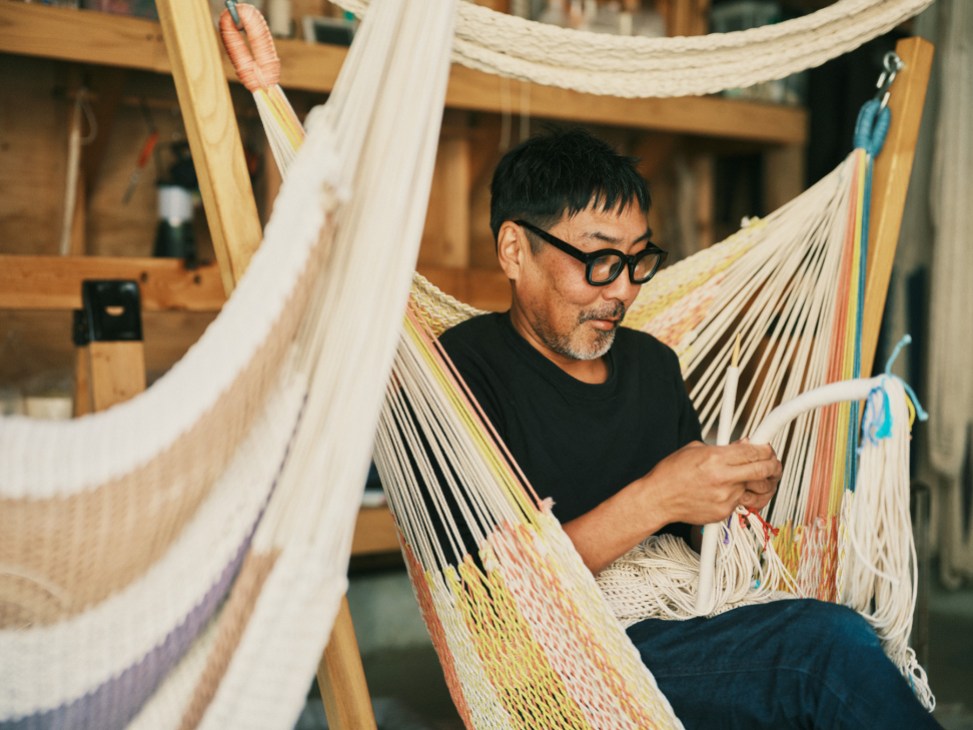
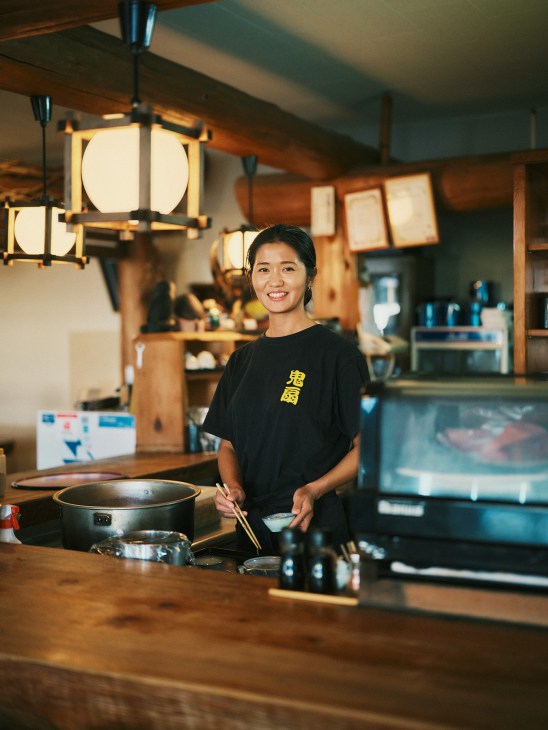
“You won’t find any of your typical office workers here,” agrees craftsman Noriaki Anan, who shifted his business selling hammocks from neighbouring Oita prefecture. “There’s no ‘on’ and ‘off’. Instead, every day feels like a holiday.” It’s an outlook shared by Nao Takashima, who can be found serving chicken nanban (Western-inspired fried chicken) and seafood bowls at local izakaya Onisen. “There’s always time for a surf between shifts,” says the Osaka native. “I keep an eye on the trees outside. If the wind is right, I pedal down the road to the beach.”
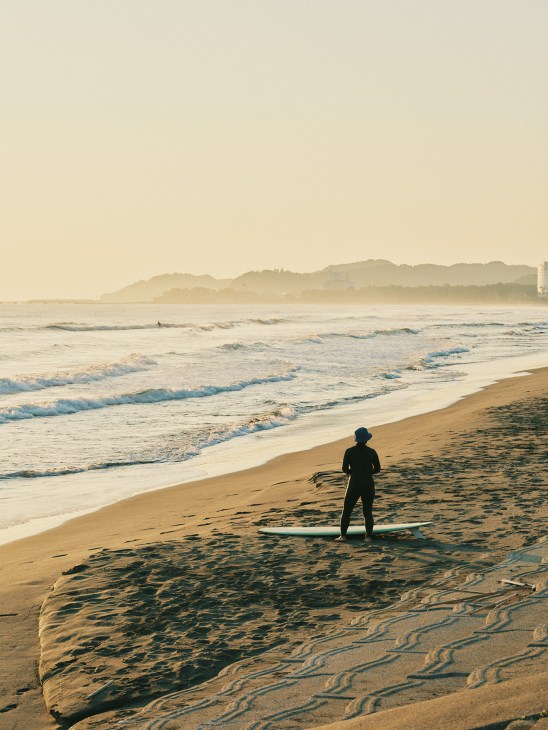
One cheerful local property professional explains it in the most succinct terms. “In some ways, we’re not so good at doing business here,” she says. “People don’t always view things through the lens of profit and loss.” Indeed, Aoshima is the kind of place that shows that there is, in fact, more to life – an idea that draws people from all walks of life. The swell is on the rise and the line-up uncrowded, so she picks up her longboard and dashes into the shore break. “Let me know when you move here. We’ll go for a surf.”