New approaches, old foundations: How Kyoto is establishing a fresh creative voice
Kyoto is undergoing a renaissance, as new fashion brands, restaurants, galleries and hotels open their doors. We meet the people weaving history and innovation into a new vision of the city’s future.
“The true strength of tradition is in its resilience – evolving with new developments, instead of being broken by them,” says Masataka Hosoo, the 12th-generation president of Kyoto-based textile maker Hosoo. The company’s story of innovation and time-tested skills mirrors that of its home city. The ancient capital remains a popular destination for international visitors seeking a glimpse of Japanese history but there’s also something new stirring here.
Hosoo has long been known for its kimonos. “Today most items are considered to be at their peak when they’re new, then they decrease in value,” says the company’s president. “Kimonos are different.” But now the company has also launched its first menswear line, Hosoo Men, designed by Ryutaro Kishi, formerly of Rainmaker Kyoto. It kicked off in March with a nine-style collection including shirts, double-pleated trousers and a hooded robe. Made from high-quality hemp, every item comes in a limited run of between 10 and 50 pieces, available exclusively from the brand’s new Kyoto flagship.
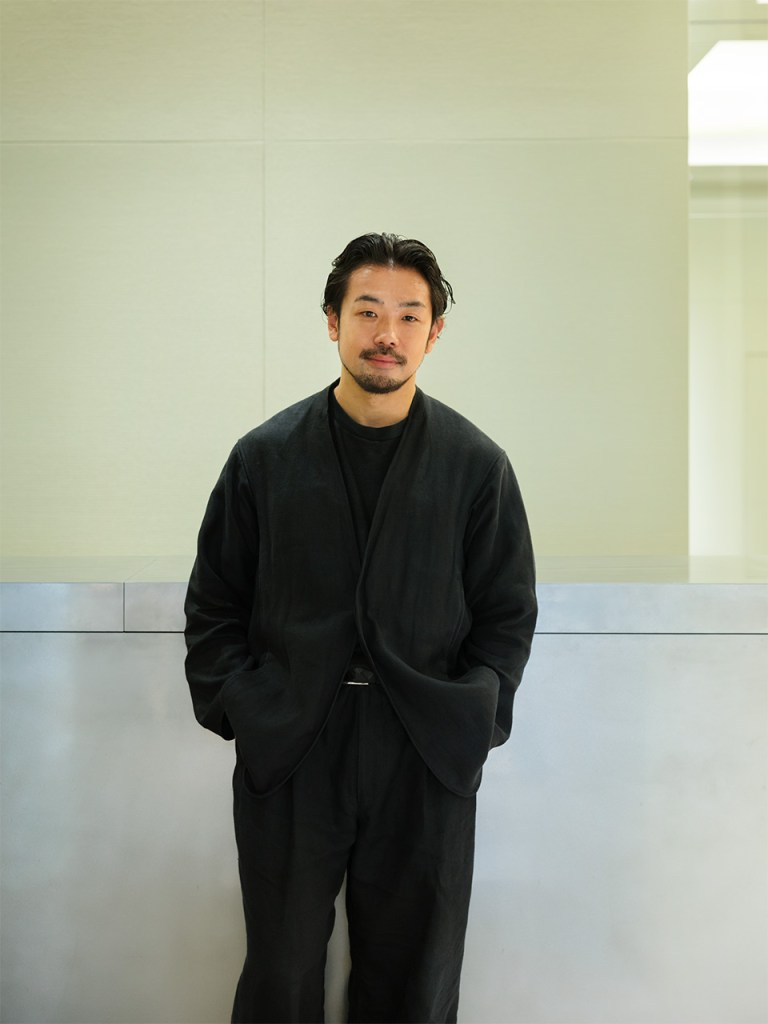
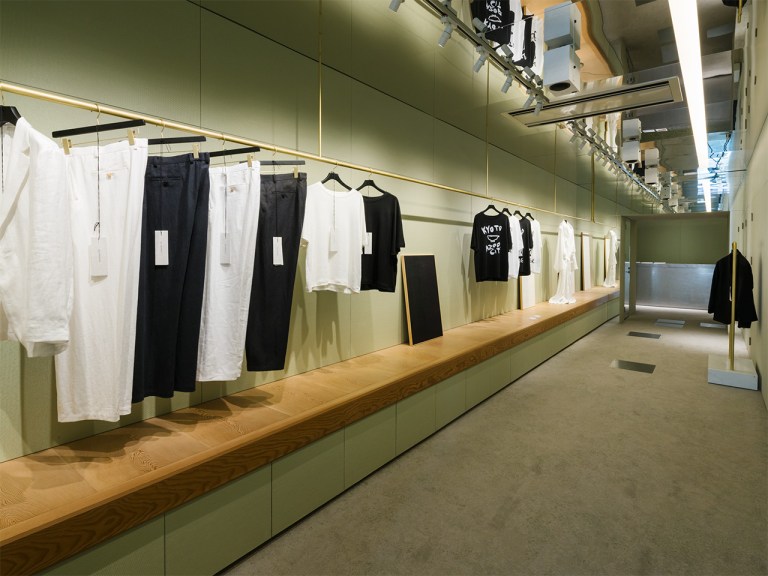
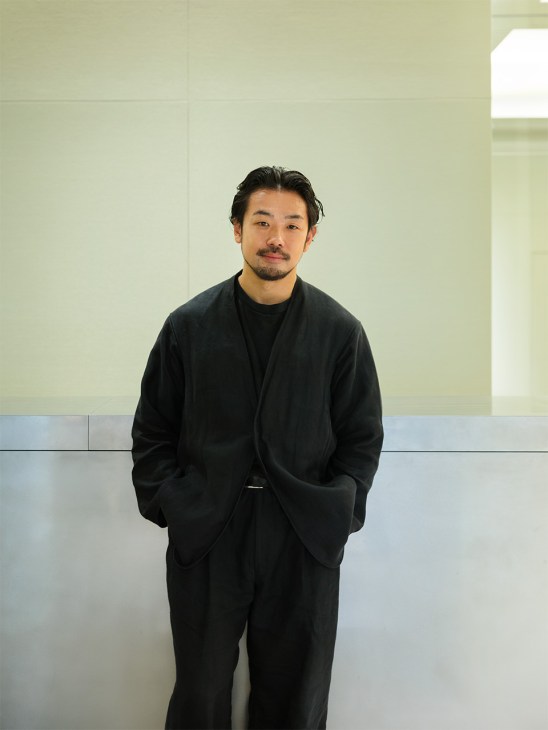
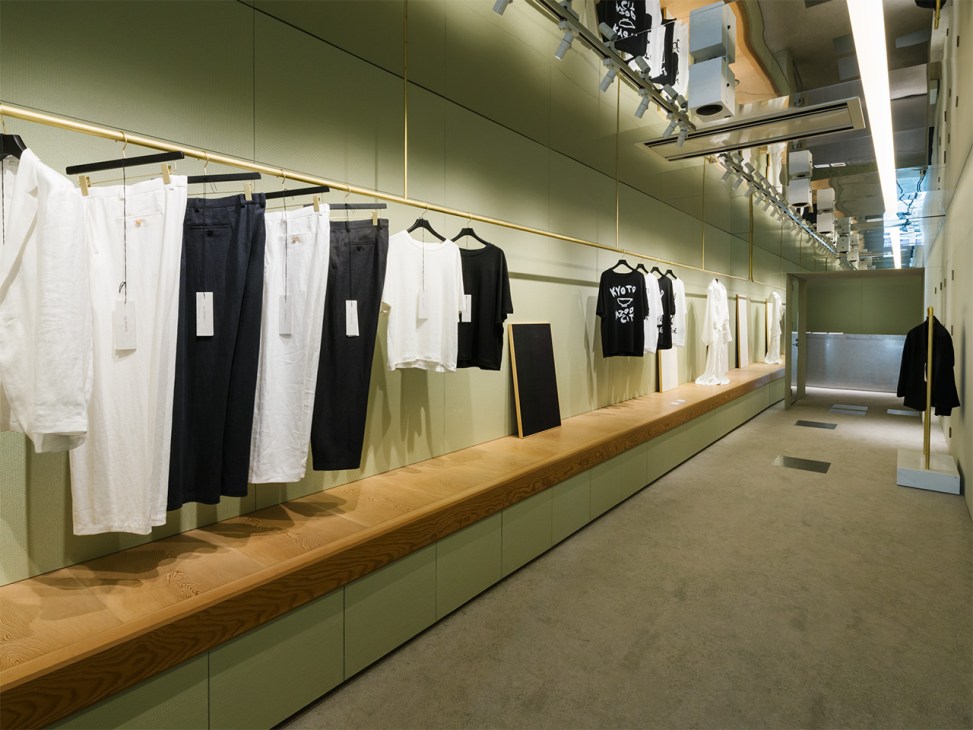
An expanded collection will arrive in September – part of an initiative to revive the production and use of hemp, a material with links to ancient Japan. “There’s a culture of using things beyond the span of a person’s lifetime,” says Hosoo. “It’s a philosophy that we want to bring to the world of fashion.”
This isn’t the only business in Kyoto that’s turning over a new leaf. Various Japanese and global brands have also been setting up shop here, reimagining the city’s architecture in the process. British label Studio Nicholson has opened its first Kyoto outpost, bringing its signature minimalism to a former workshop, while Tokyo-based A Presse’s new location has the peaceful air of a private home. Even long-standing supermarket Kinokuniya has set up a concept shop featuring selected items from Kyoto and further afield.
With almost 63 million visitors arriving in the city in 2025 and travellers spending more than ever, tourism is driving change. Among a wave of fresh openings is The Imperial Hotel, which launched a 55-guest-room branch in a landmark theatre in the Gion district in March. In neighbouring Miyagawa-cho, Kengo Kuma oversaw the design of Capella Kyoto, drawing inspiration from the city’s townhouses and streets.


On the road to Kenkun shrine in Murasakino, Ryo Suzuki’s vision for his gallery in a machiya (traditional wooden townhouse) is taking shape. A veteran of the architecture, antiques and art scenes of Hiroshima and Paris, he fell in love with the century-old building at first sight. His transformation of the former residence into an exhibition space alongside local carpenters and craftspeople has been an incremental process. It continued last year with the opening of an atelier-like annex filled with objects spanning continents and eras.
“I think of buildings like this as minka [traditional folk houses] – places for ordinary people that possess a local character, born from the land,” says Suzuki. “The use of natural materials makes them feel alive. Earthen walls and tatami mats change in appearance; wooden beams and floorboards grow darker.There’s such a richness to spending time in such spaces.”
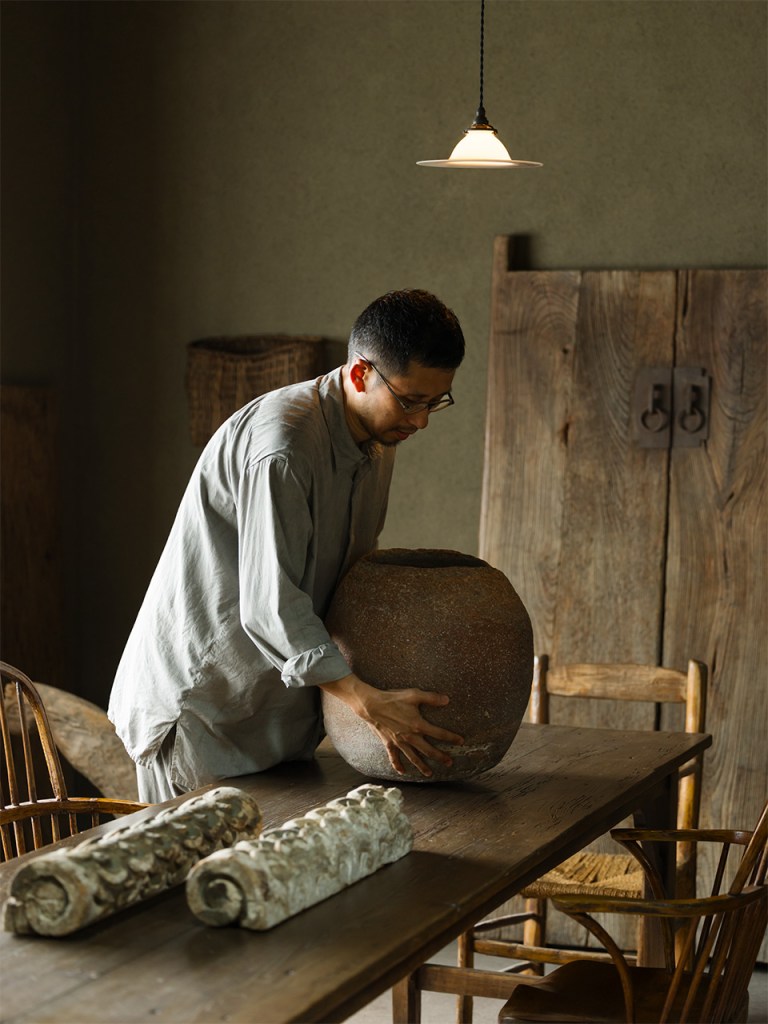
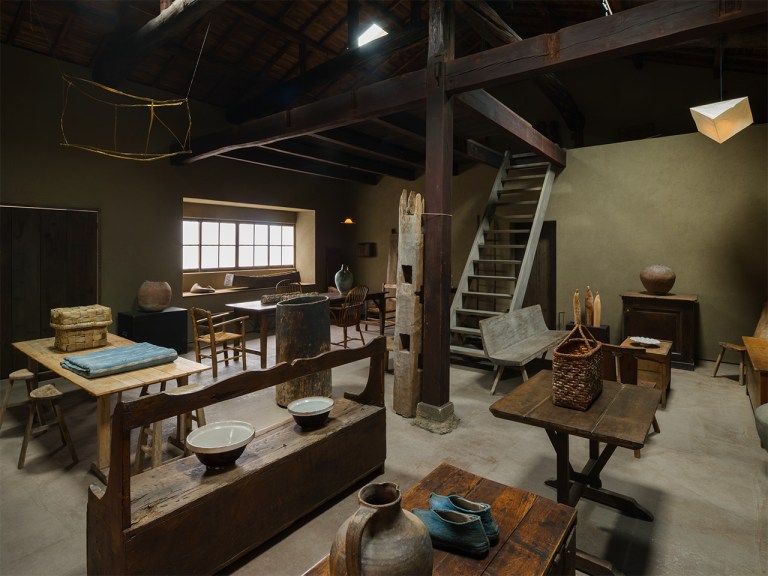
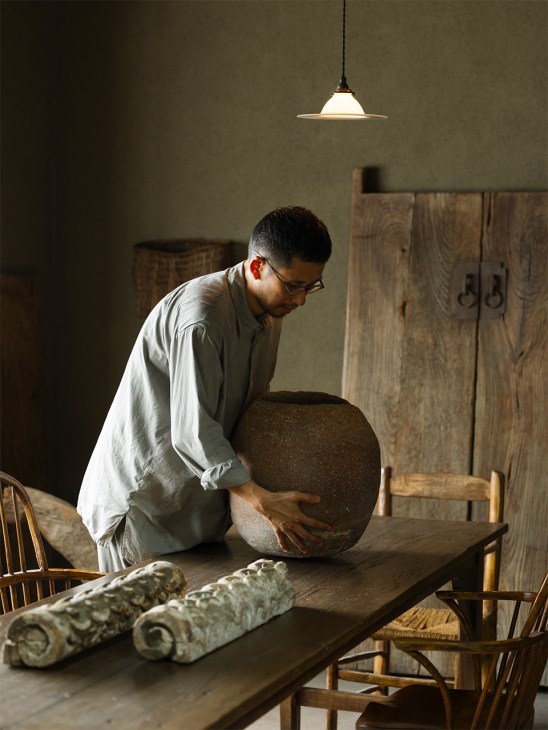
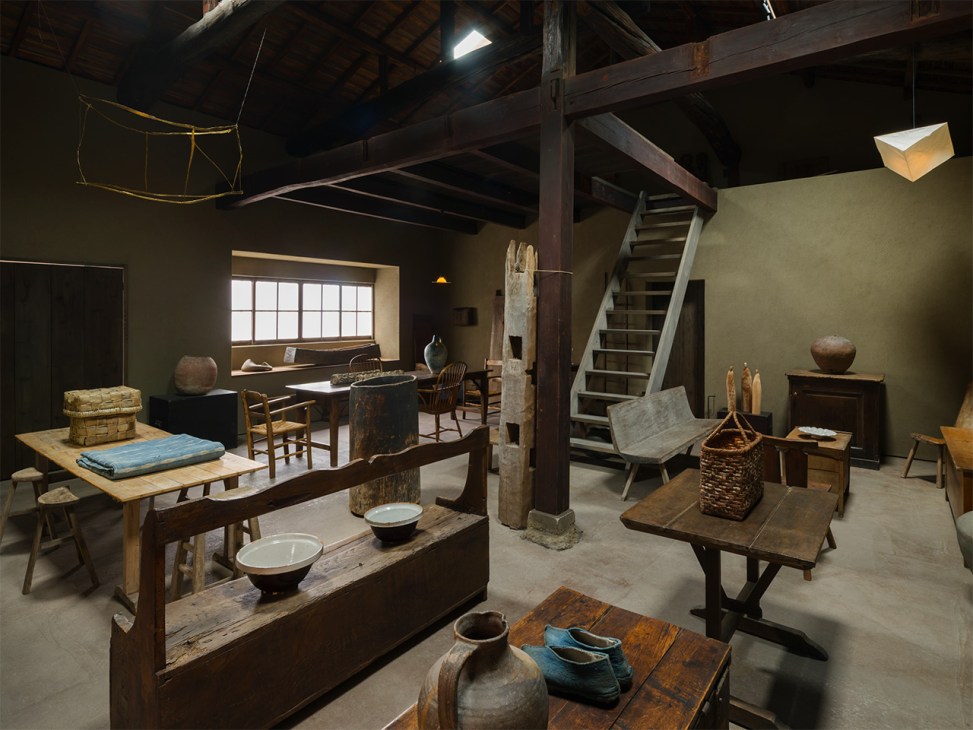
Suzuki’s gallery, Kankakari, hosts exhibitions of works ranging from traditional basketry to folk art and washi-paper lighting. “Kankakari isn’t just a gallery in the traditional sense,” he says. “I want to help people cherish not only the smallest objects, such as a ceramic vessel, but the clothes that they wear and the architecture around them.”
Among Suzuki’s other recent projects is 10-seat restaurant Mube. Working with owner-chef Takatomo Izumi, he oversaw the renovation of a 150-year-old former residence, bringing its heritage to the fore with finely detailed craftsmanship. Here, the 41-year-old Izumi merges the food culture of his hometown in Shiga prefecture with techniques honed in some of Kyoto’s finest traditional establishments. “These days, so much washoku [Japanese cuisine] feels quite indulgent,” he says. “I want to return it to its essence: the idea of food as nourishment.”


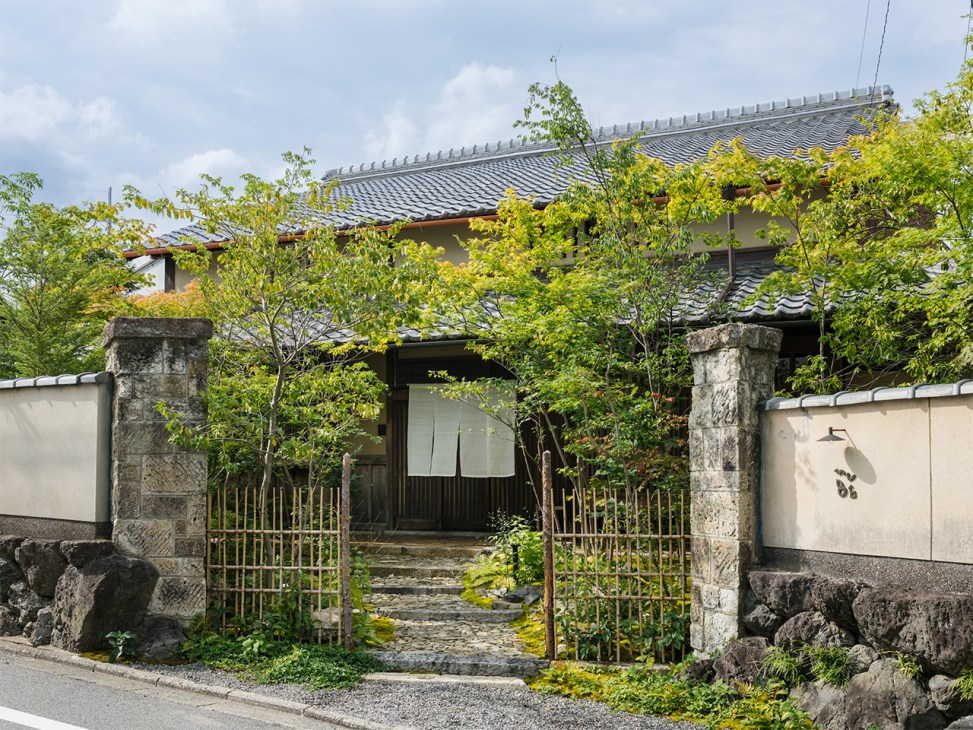
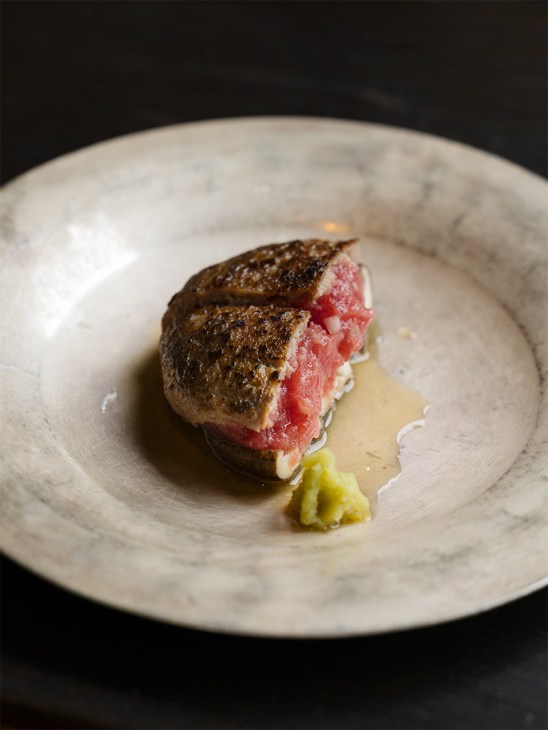
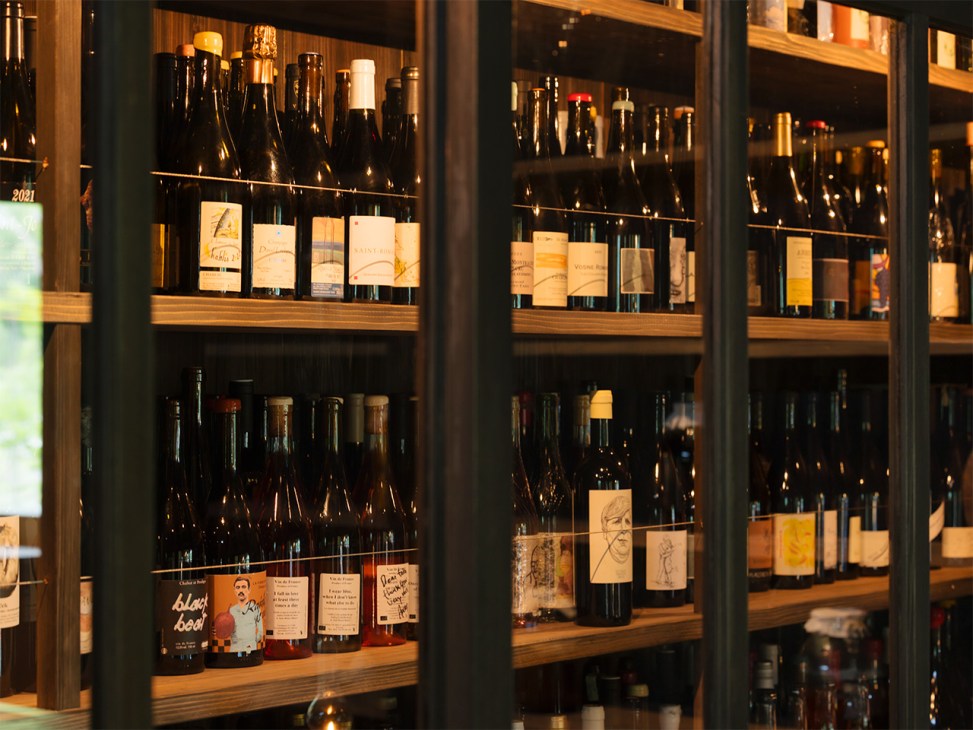
Sourcing seasonal produce from across Japan, Izumi brings his dishes to life with a variety of ferments and condiments. From narezushi, a predecessor to modern sushi made with salted fish, to a medicinal mushroom soup and Biwa trout pickled in rice bran, he weaves tradition, technique and provenance. Since opening in August 2025, he has quickly found acclaim and has already been awarded a Michelin star.
Back in Nishijin, Masataka Hosoo says that it’s an exciting moment for both his company and the city. “In the past, there was little interaction between different fields; everything was siloed. Kyoto used to be far more conservative but, as the city’s history and culture merge with new forms of creativity, I feel that the future is taking shape.”
Monocle City Guides
For more on the places we return to, the businesses that we recommend and the districts worth getting lost in – including in Kyoto – check out our online City Guides. Written by the people who know the places best, our travel directories, which are exclusive to subscribers, are updated regularly to ensure that you get the finest recommendations.
Address book
This ancient city is known for its historic sites yet it’s long been a hub of innovation and entrepreneurship. Now Kyoto is proving fertile ground as fresh perspectives coupled with a deep respect for the past move the city forward. From slick new hotels to international brands keen to capitalise on the city’s cultural allure, here are a handful of fresh favourites in Japan’s Thousand-Year Capital.
Capella Kyoto
Hotel group Capella’s first outpost in Japan is a four-storey, 89-key property alongside Kenninji, Kyoto’s oldest Zen Buddhist temple. Kengo Kuma & Associates led the architectural design, reimagining the townhouse in the Miyagawa-cho district.
capellahotels.com
Imperial Hotel, Kyoto
Gion’s Yasaka Kaikan theatre has been reborn as a hotel with interiors by Tomoyuki Sakakida of New Material Research Laboratory. The renovation respects the heritage of the 1936 landmark, weaving in original elements to create the perfect balance between new and old.
imperialhotel.co.jp
Hosoo Men
The flagship shop of storied textile company Hosoo’s first menswear line is housed in a former antique gallery. Alongside its elegant wares, expect to find silk wallpaper, moss-inspired carpets and an eight-piece Musike sound system – all of which create a refreshingly modern atmosphere.
hosoo.co.jp
Kankakari
Expanded last year, Ryo Suzuki’s gallery has become a must-visit destination for art and architecture fans. The century-old machiya provides a striking setting for exhibitions by artists and artisans from across the country.
kankakari.com
Mube
Takatomo Izumi’s first restaurant explores the traditional idea of food as a form of nourishment. The chef puts an original spin on Japanese dishes (think sashimi with shio koji sauce, mushroom miso and crab chawanmushi), centring on seasonal produce and fermentation techniques inspired by Izumi’s hometown in neighbouring Shiga.
mube.co.jp
Studio Nicholson Kyoto
The London-based label brings its minimalist style to a former precious-metal workshop off Teramachi-dori. Renovated in partnership with a century-old construction firm, the light-filled interior is finished with an eye for materials and craft.
japan.studionicholson.com
A Presse
Kazuma Shigematsu’s menswear brand has gone down a traditional path with its second location. The sharp, modern clothes are inspired by workwear, military items and Americana (but with a Japanese twist). They look right at home inside the tatami-floored rooms of the traditional machiya.
apresse.jp
Choshin-jo Kinokuniya Kyo-machiya
This new concept shop from the long-established supermarket chain offers a smartly selected range of food products.
kinokuniya.kyoto