Brazilian cuisine is having its time in the sun thanks to these São Paulo restaurants
Brazil’s largest city has long been a culinary hub but its food scene used to centre around French or Italian traditions. Today chefs are using Brazilian ingredients and techniques to great acclaim.
Brazilian chef Luiz Filipe Souza pinpoints the 2019 Bocuse d’Or as a turning point in his career. Two years before the international culinary competition, he opened Evvai in São Paulo, serving high-end Italian fare. But at the prestigious championship, chefs are expected to represent their culture; it was there that Souza cooked Brazilian food professionally for the first time.
“It opened up a whole new palate,” says Souza. Having spent years working in Italy, he describes himself as a “super nerd” of Italian cooking – but he realised that he would never have the same connection to it as an Italian would. “I didn’t grow up at my grandmother’s side eating gnocchi – I ate rice and beans.” While training for the event, he would cook with native fruits, such as cupuaçu, baniwa chillies and tucupí – a fermented cassava sauce – in the mornings before heading to the restaurant at night to serve Italian food.
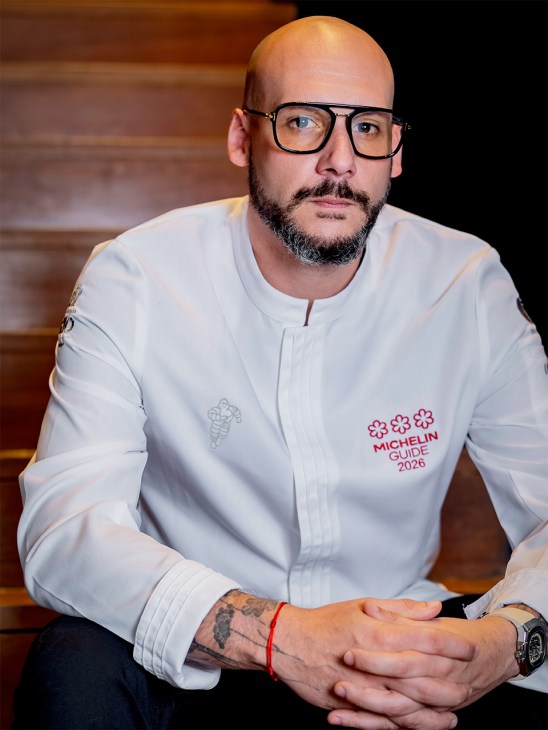
Souza began pushing Evvai down a more Brazilian path, fusing elements from both countries. In April it became one of the first two Latin American restaurants to earn three Michelin stars, joined by Tuju, another São Paulo institution.
Founded in 2014 by Ivan Ralston, Tuju initially served both tasting and à la carte menus, with dishes including steak tartare as well as steak and chips. Within months it earned a Michelin star – which Ralston thought was a hoax – and a second star followed in 2018. A two-year closure over the coronavirus pandemic led Ralston to travel around Brazil visiting various producers.
In the years since, Tuju has opened its own research centre, led by his partner Katherina Cordás, and has rewritten its menu to focus on seasonality in a distinctly Brazilian way. “We grow up hearing that Brazil doesn’t have seasons,” he says. However, the pair learned through their research that seasons in the São Paulo region differ from the northern hemisphere – they’re defined by precipitation.
Today, Tuju’s multi-course tasting menu is split into four seasonal indicators – rain, wind, drought and humidity. The menu for rainy-season – Brazil’s summer – includes dishes with squid, tomatoes and tamarind. It is followed by wind, when Jerusalem artichokes, clams and sardines hit their peak. The drought has root vegetables, such as cassava and carrots, while humidity welcomes artichokes and courgettes.
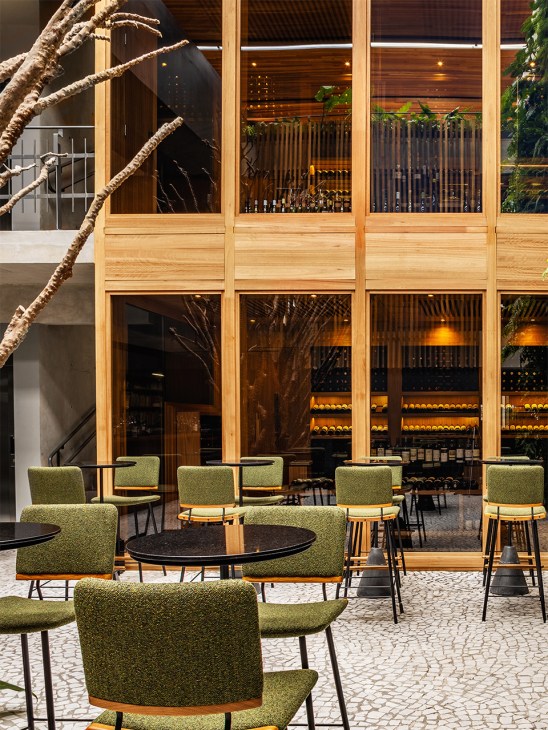
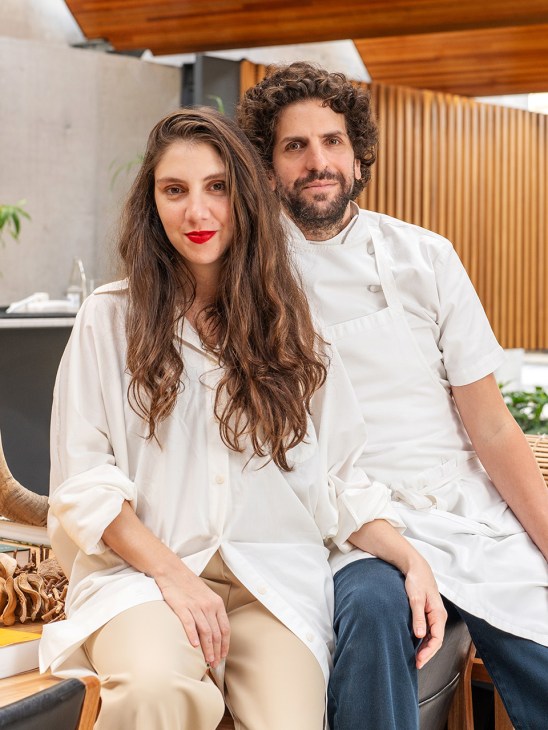
Ralston reckons veering away from Western standards has allowed Brazilian restaurants to shine. “We have to have our own language,” he says. “Maybe [it’s] a bit rougher but [it’s] more original.”
That approach earned Tuju an Art of Hospitality award in September from The 50, which maintains a list of best restaurants globally.
The growing Brazilianness of São Paulo’s food scene has been facilitated by a rapid improvement in its produce – including world-class cheeses, charcuterie and wine, often grown organically or biodynamically – and an increasing willingness among top chefs to incorporate native fruits and vegetables. Better ingredients have also allowed chefs to espouse Brazil’s bounty. While Evvai imports some Italian ingredients, Tuju uses little from abroad. “At Tuju, only 10 per cent of customers are foreign. I don’t want that to change,” says Ralston. “I want to be a restaurant that Brazilians come to.”
Starting to feel a bit peckish? Here are some of our favourite São Paulo restaurants for a distinctly Brazilian culinary experience.
Dom
When Alex Atala founded Dom in 1999, fine dining in São Paulo was still largely European. As with Ralston and Souza, it took cooking in Europe for Atala to realise that he wouldn’t be able to replicate those cuisines back home. So he scoured Brazil for techniques and ingredients – including the ants eaten in the Amazon – and shifted to a whole-heartedly Brazilian menu. In 2013 he was named one of Time magazine’s most influential people, and the restaurant has held two Michelin stars since 2015. Expect the likes of alligator with bacuri, a sweet-sour fruit; or veal in a coffee sauce. “Atala brought a different way of looking at things – a Brazilian way – which was unthinkable at the time,” says Ralston.
domrestaurante.com.br
Maní
Ralston describes Maní, which opened in 2006 and is where the chef began his career, as one of the most influential restaurants in Brazil’s history. After cooking in renowned restaurants such as El Celler de Can Roca in Spain, founder Helena Rizzo created a uniquely Brazilian take on fine dining by fusing Brazilian ingredients with inspiration from many of the immigrant communities that have made Brazil their home. That might include house-made hoshigaki (dried persimmon) in duck tartare or an escabeche-like dish using tambaqui, a large riverfish native to the country.
restaurantemani.com.br
A Casa do Porco
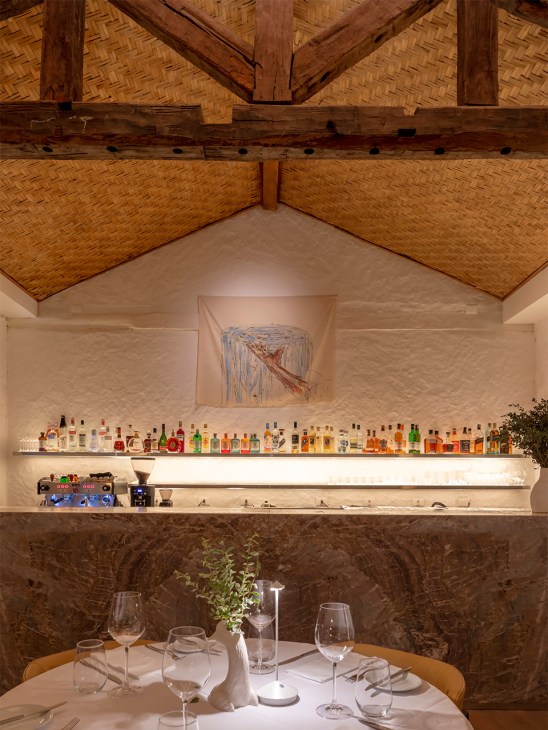
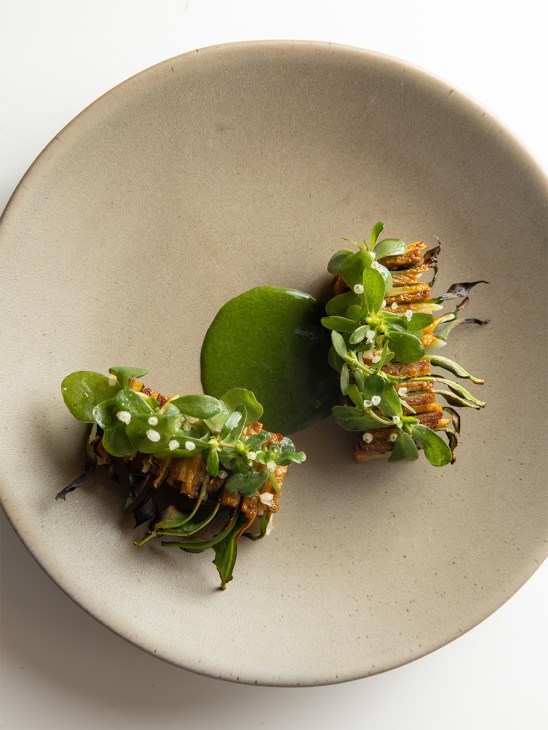
Unlike many of São Paulo’s high-end restaurants, A Casa do Porco isn’t located in a posh neighbourhood but in the often neglected (though rapidly gentrifying) downtown area. The restaurant focuses on pigs reared on the owners’ own farm and its course menu might include quirky dishes, such as pork temaki or pork soufflé, before ending on roast pork with rice, beans, banana and vegetables. The service is excellent while retaining a casual air (you’re welcome to dine in your flip flops and shorts), while those unable to secure a last-minute table can opt for an excellent pork sandwich from the takeaway hatch.
acasadoporco.com.br
Dêze
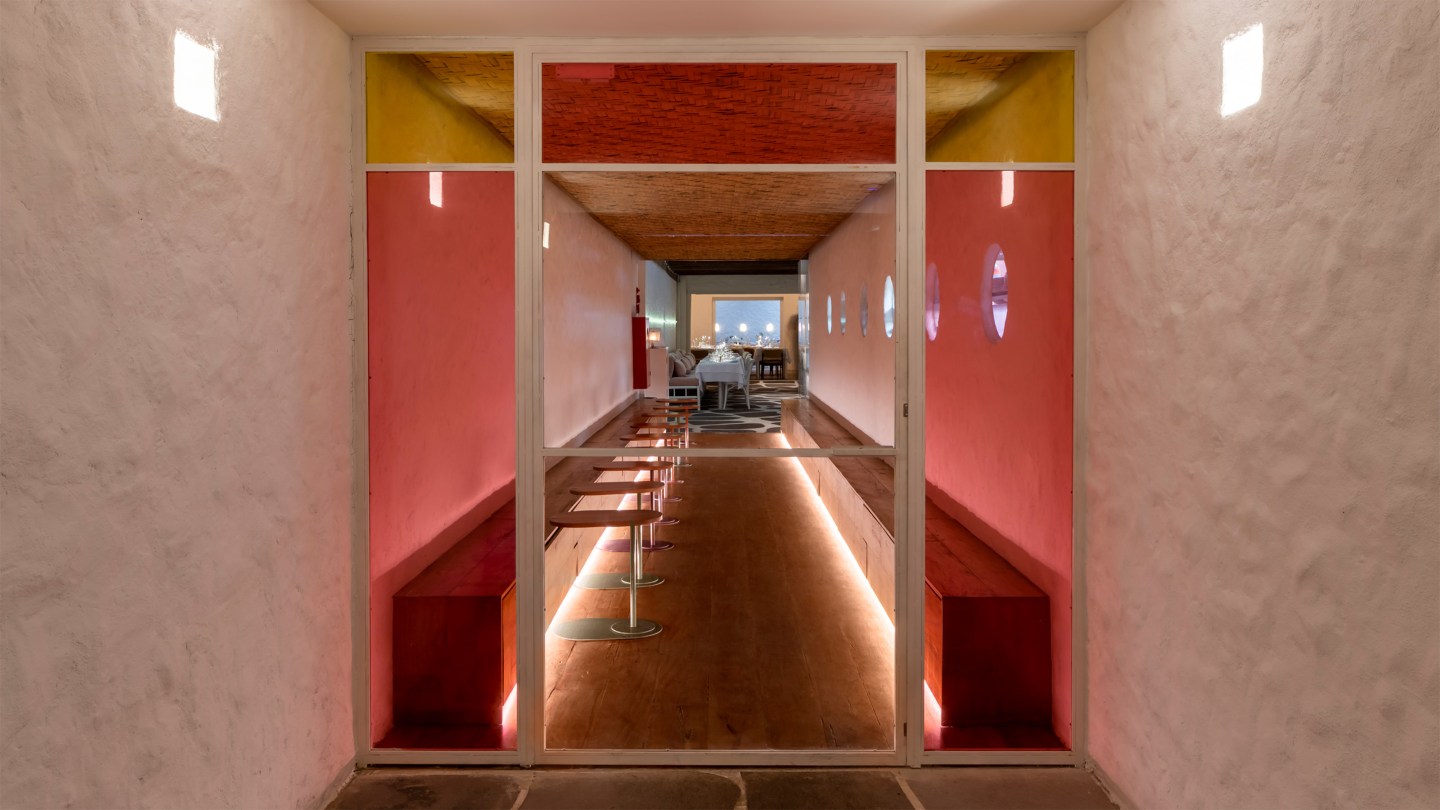
Dêze began life in the village of Caraíva, a popular holiday destination only accessible by boat, roughly 1,700km from São Paulo in the northeastern state of Bahia. Now, hoping to bring its food to a wider audience, it has relocated to Jardim Paulista, a smart neighbourhood in the heart of the metropolis teeming with restaurants. Dêze is an intimate affair with only 35 covers per evening, offering a tasting menu that incorporates influences from across the country. Like many top Brazilian chefs, Yuri Escobar’s menu focuses on seasonality and techniques commonly found in Europe’s top restaurants, such as curing and fermenting. Unusually in Brazil, however, he creates dishes that elevate vegetables to the same level as meat. Expect surprising combinations including sole with lentils and green papaya, or duck breast with fig, rhubarb and karashi (Japanese mustard).
dezerestaurante.com
Aizomê
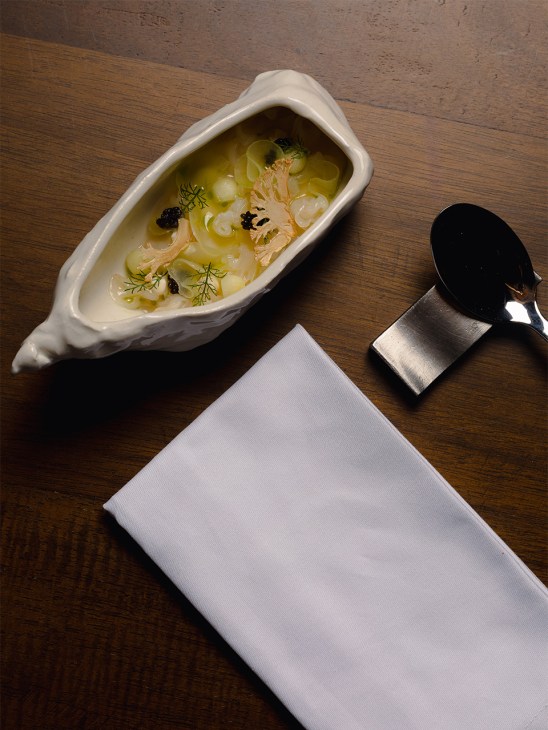
São Paulo is home to the world’s largest Japanese community outside Japan, so it’s no surprise that the city is packed with excellent, high-end Japanese restaurants. While many are faithful to traditional Japanese fare, Telma Shiraishi of Aizomê explores a thoroughly modern approach, blending the two cultures in a cuisine that she calls “Nipo-Brazilian”.
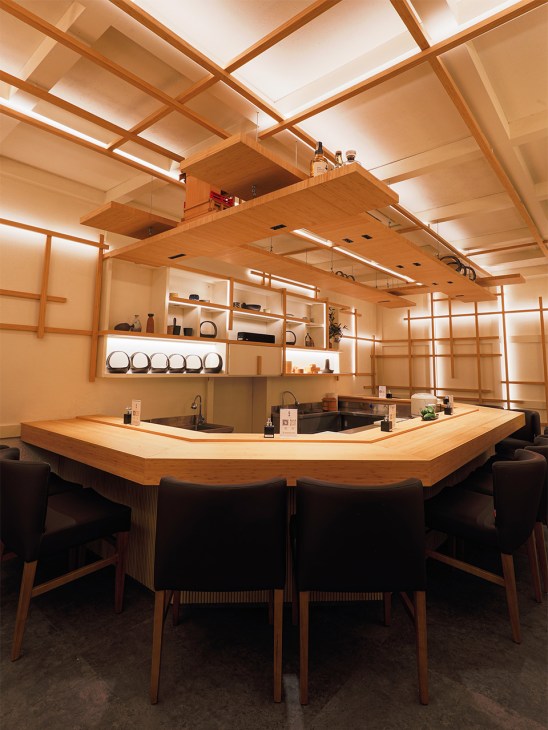
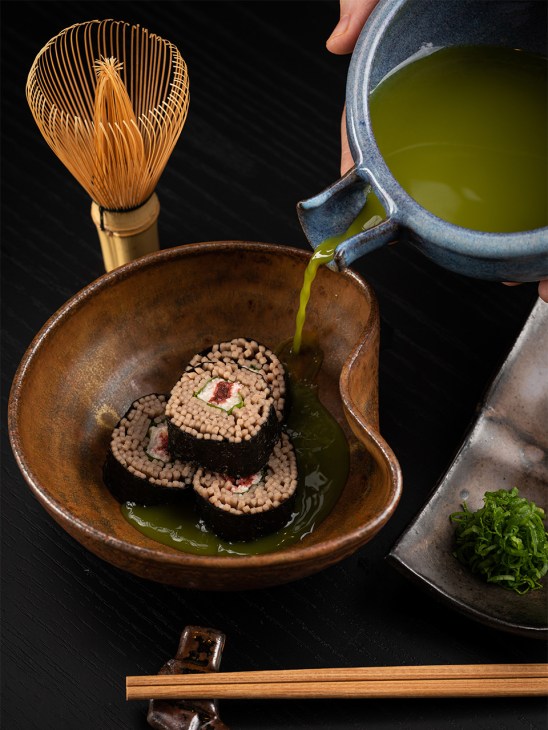
Here, diners might find pirarucu saikyo yaki – a traditional method of grilling fish – or a ponzu made with tucupí. Diners at the elegant wood counter can opt for omakase, featuring some of the best sushi in town, or a number of private rooms for a more intimate celebration dinner. The saké selection is excellent and if you’re lucky you might be offered a glass of Japanese wine.
aizome.com.br