Exploring Bologna’s blend of the medieval, the modern and the mouthwatering
About an hour from Milan by train and bursting with traditional trattorias, historical sites and a rich cultural scene, Bologna offers a perfect getaway from the design capital’s hustle and bustle.
Milan might be a global fashion and design capital, known for all the new residents that it is attracting – but even its most die-hard fans will admit that it can feel a bit airless after a while. So why not make like a Milanese and get away for a weekend or even a day? One of the city’s major boons is its proximity to great escapes, many of them taking less time to get to than it does to reach the Salone fairgrounds.
About an hour away by high-speed rail, Bologna offers a striking counterpoint to the Lombard capital. It’s steeped in gastronomy and history, with a lively student population and a distinctly homegrown contemporary scene, far removed from Milan’s more self-conscious polish. Home to the world’s oldest university in continuous operation (founded in 1088), Bologna has long nurtured a spirit of political activism and idealism. It’s a freewheeling city with underground music venues and squats that foster a rebellious air. But this coexists with grandeur: terracotta piazzas, medieval towers and some of Italy’s most revered cooking.


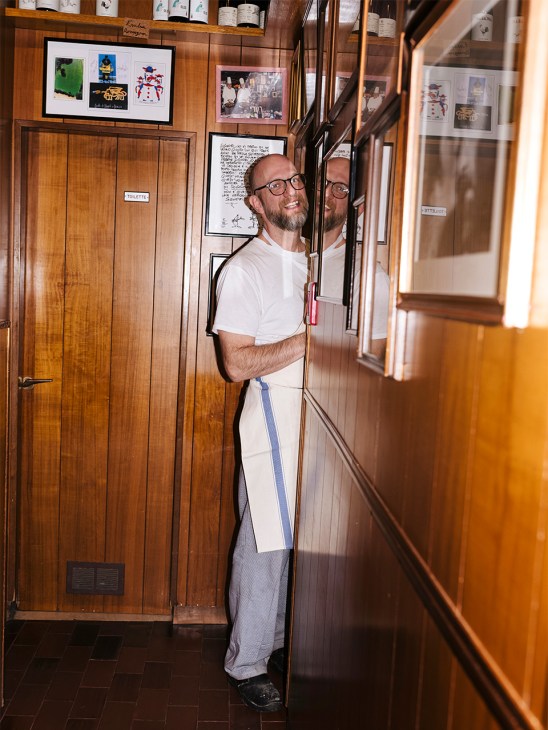
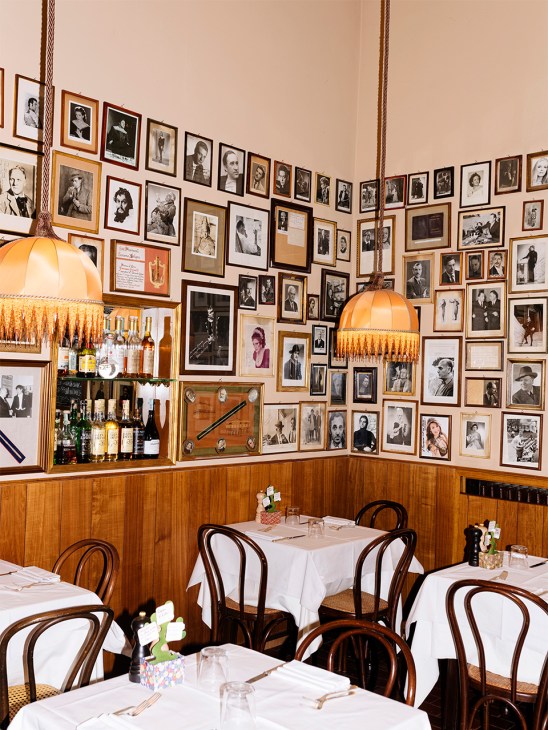
“There’s a boom in interest in Bologna,” says Benedetta Barbieri, who runs Trattoria Montanara with her husband, Filippo Venturi. Their establishment is one of the city’s great culinary destinations, serving what Barbieri calls “home-style slow cooking from another era”. In an intimate dining room dating back to 1929, the couple serve classics such as lasagne, tortellini in brodo (stuffed pasta in meat broth) and cotoletta alla bolognese (pork cutlet with ham and parmesan) on flowered Bitossi dishes.
Such restaurants are the city’s lifeblood and there’s no shortage of casual spots serving lovingly prepared cuisine. Take Da Cesari, a dark-wood dining room featuring the region’s traditional block-printed tablecloths and wine made from grapes grown on a nearby countryside plot. Here, cooks prepare meatballs following a closely guarded recipe. Bar Paolo, meanwhile, founded in 1976 with a rounded steel bar, remains a local favourite, with no sign outside and no menu other than the options recited by the owner.
In a city full of old-school establishments, Ristorante Grassilli stands out for its combination of Bolognese seasonal dishes and imaginative combinations such as pumpkin risotto with taleggio, amaretto biscuit crumbs and pomegranate seeds. Here, a father-and-son team makes pasta by hand using rolling pins every morning; the younger of the two chefs, Jean David Durussel, describes the process as “traditional cuisine as an art”.
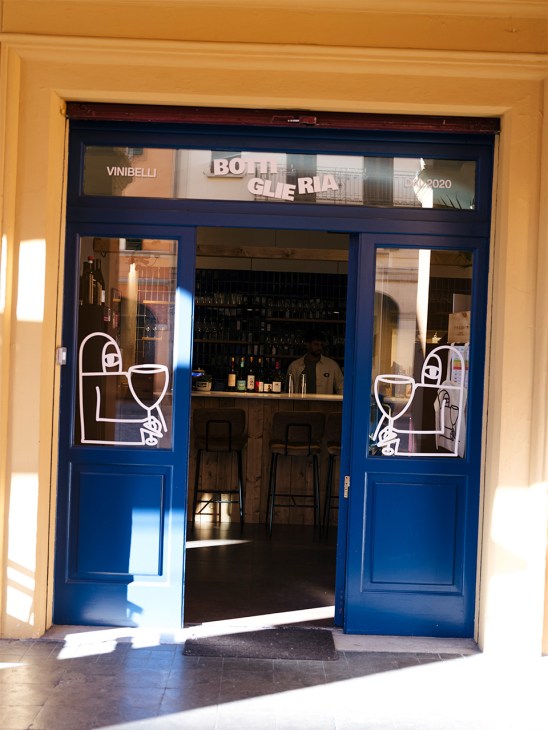
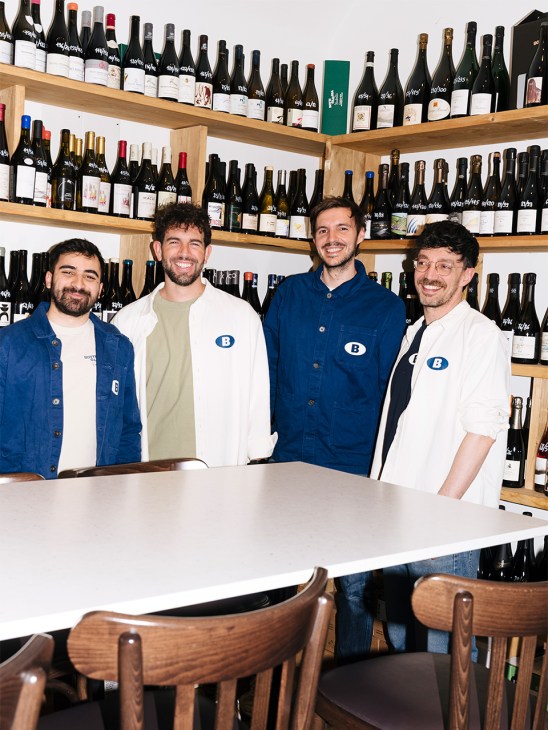
Bologna’s commitment to good eating has also kept its central market hopping. Mercato delle Erbe, rebuilt in 1949, is part grocery and part informal dining hall. Among its stalls is Bottiglieria delle Erbe, a market outpost that now has an additional outlet, Bottiglieria Vini Belli on Via Saragozza, drawing residents with small plates and wine from independent producers.
The city has a dynamic cultural scene. Besides live music (more bands stop here than in the larger Milan), film is a citywide passion – thanks, in part, to the remarkable archives of the Fondazione Cineteca di Bologna and the stunning Cinema Modernissimo, a Liberty-era theatre restored to its former splendour.
The Quadrilatero district has been a centre of trade since the Middle Ages, with narrow streets lined with fruit stands and artisanal shops. Roccati serves freshly made chocolate truffles; the Aguzzeria del Cavallo, founded in 1783, is one of Bologna’s oldest shops and sells unique goods such as handcrafted bird whistles, knives and pasta tools.
A short walk will take you to the Due Torri: two 900-year-old towers that are currently undergoing work to address problems caused by foundation subsidence but remain a striking sight. And onwards to Via Santo Stefano, which hosts an antiques market on the second weekend of every month. The pedestrianised street is home to some of the city’s beautiful porticos, which have Unesco World Heritage status.


“Fabulous food is attracting a lot of visitors to Bologna but there’s much more to this city,” says designer Allison Hoeltzel. She recommends making time for contemporary-art museum Mambo and the Museo Morandi, which displays work by the Bolognese artist. The Archiginnasio, a 16th-century Renaissance palace, holds Bologna’s oldest library, as well as an anatomical theatre built in 1637, which is covered in wood and decorated with spooky statues originally made to aid medical students.
Hoeltzel, who designs a line of artisanal bags, shoes and clothes under the Officina del Poggio label, also suggests grabbing a glass of wine and immersing yourself in the city’s vibrant social fabric. Cosy and classic Enoteca Storica Faccioli serves natural wines, while Bottiglieria Vini Belli offers a more modern take. “People value community and like to have a fun time here,” she says. “That’s a big part of what defines the good life.”