Running the city
The Comment
Fitness — Mumbai
Running the city
Prasad Ramamurthy on the joggers stretching their legs in congested Mumbai.
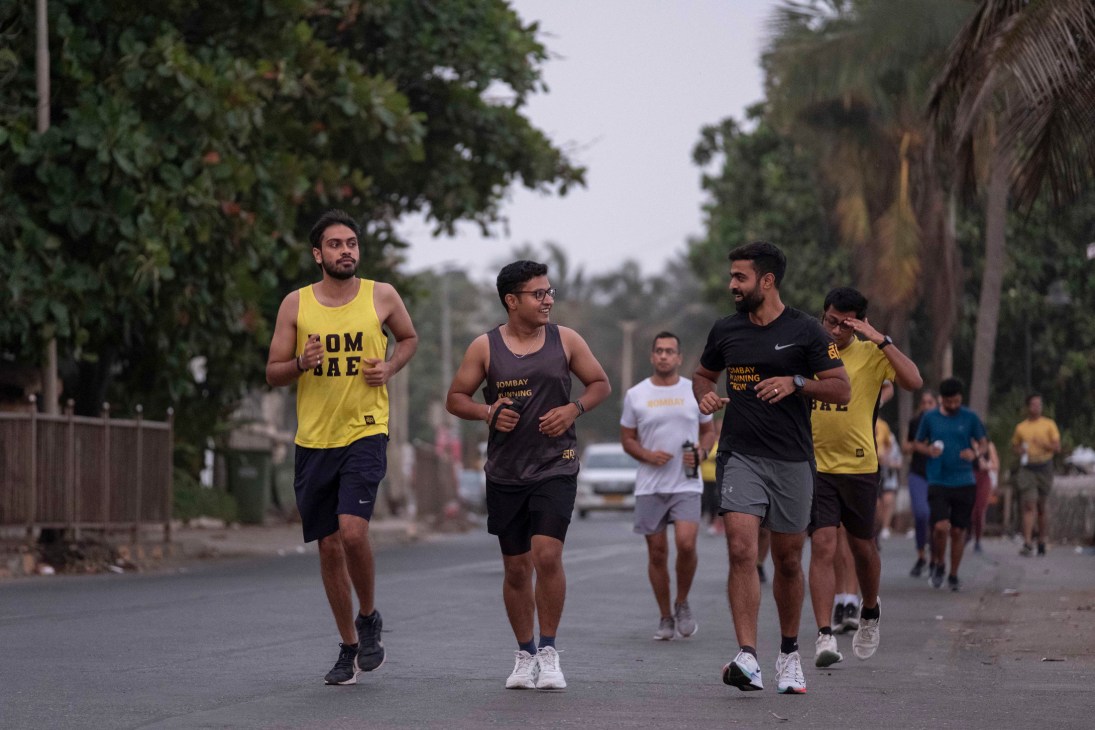
It’s 05.30 on a Thursday. The sky starts to turn purple and Mumbai begins to stir. In a carpark in the coastal suburb of Bandra, a group of nearly 50 people, ranging in ages from 21 to 73, stand chit-chatting, high-fiving and back-slapping. All are members of Bombay Running, one of a growing number of running clubs in a city not well known for such pursuits. Today’s run will follow a stretch of seafront called Bandstand. It’s one of those rare spots in this city of 20 million souls where residents can come to open their lungs and stretch their limbs.
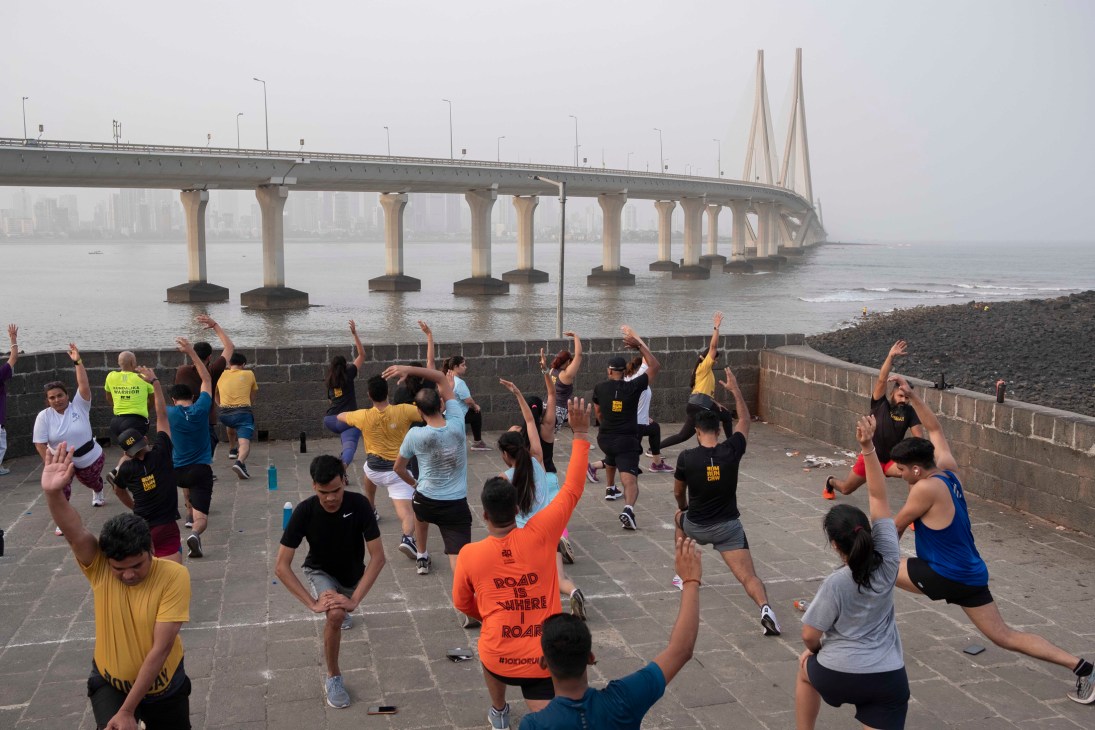
Over the past 10 years there has been a steady increase in the number of Mumbaikars taking up running. Their city has been slow to adapt: Mumbai has been ranked 27th of 30 in a survey of pedestrian-friendly Indian cities. This is unsurprising when you consider that only 30 per cent of the city’s streets have pavements. Add to this a traffic density of 2,150 vehicles per kilometre, very poor air quality and an astronomical construction boom and it doesn’t seem like a runner’s paradise.
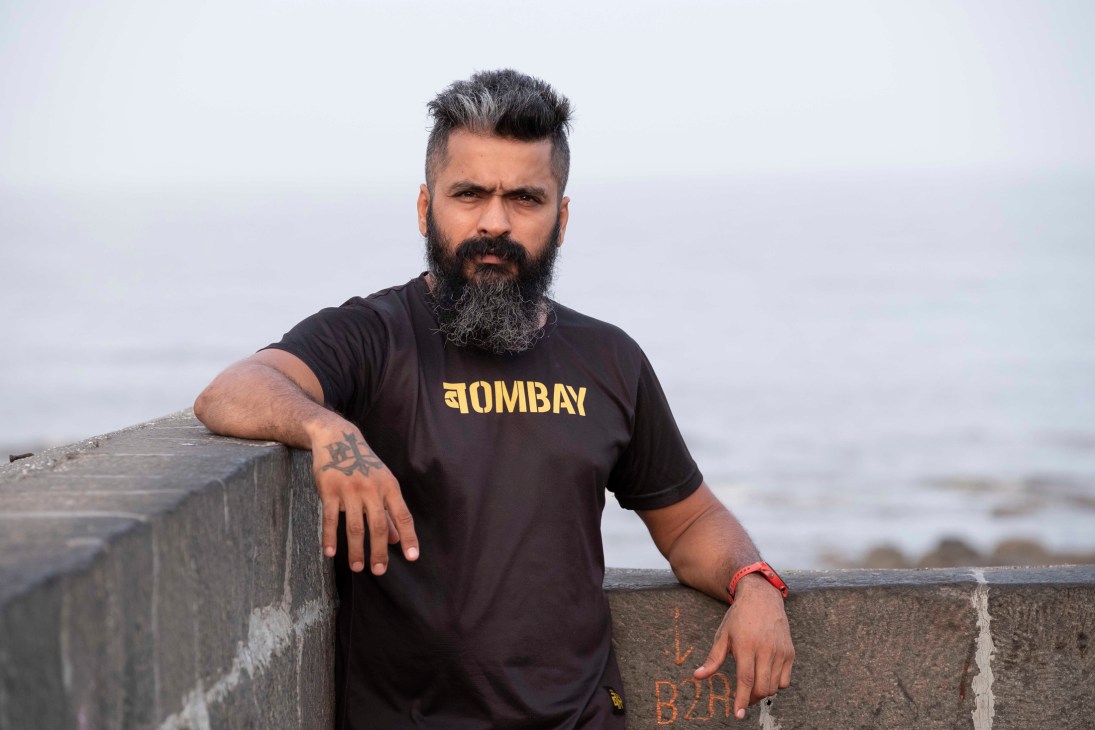
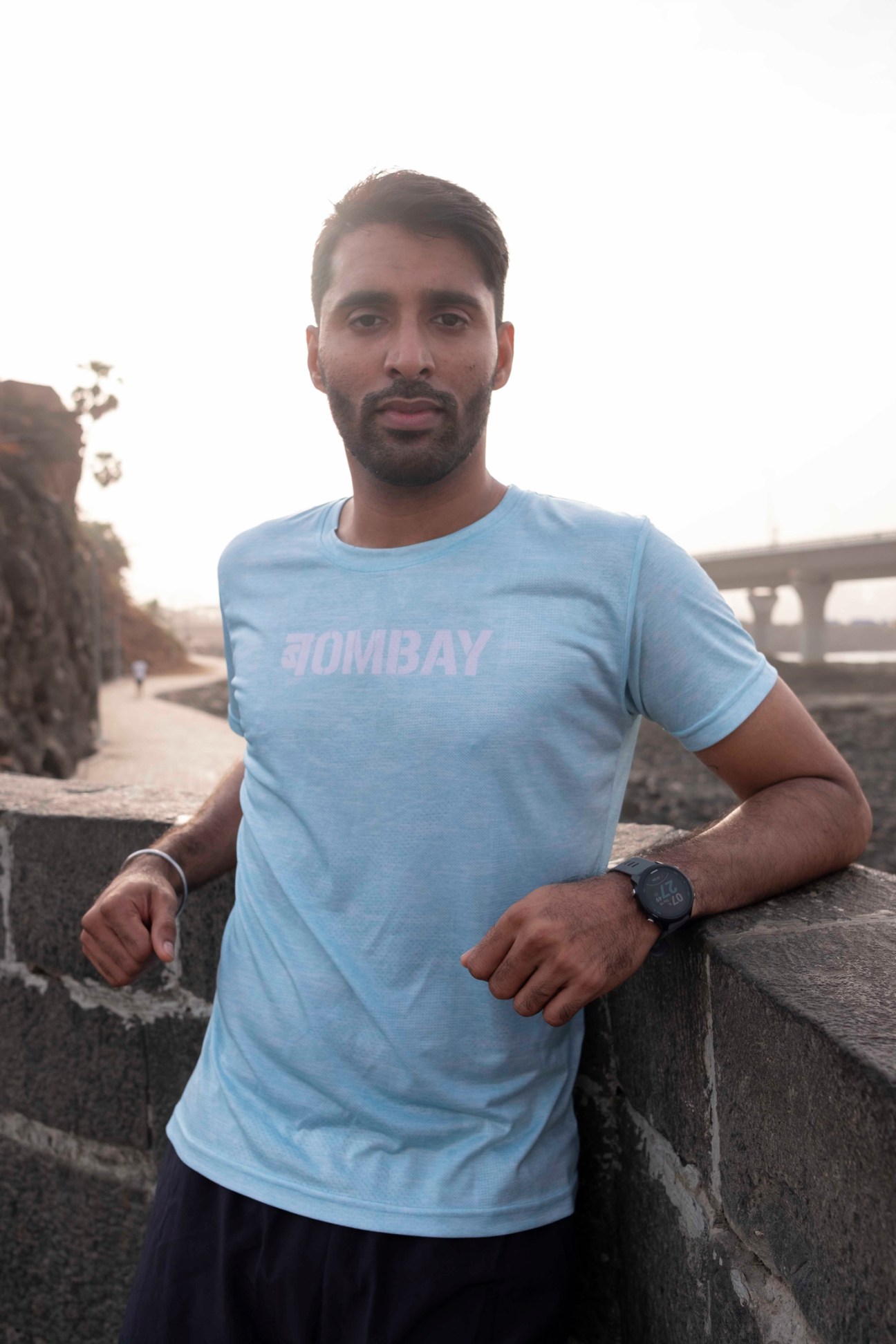
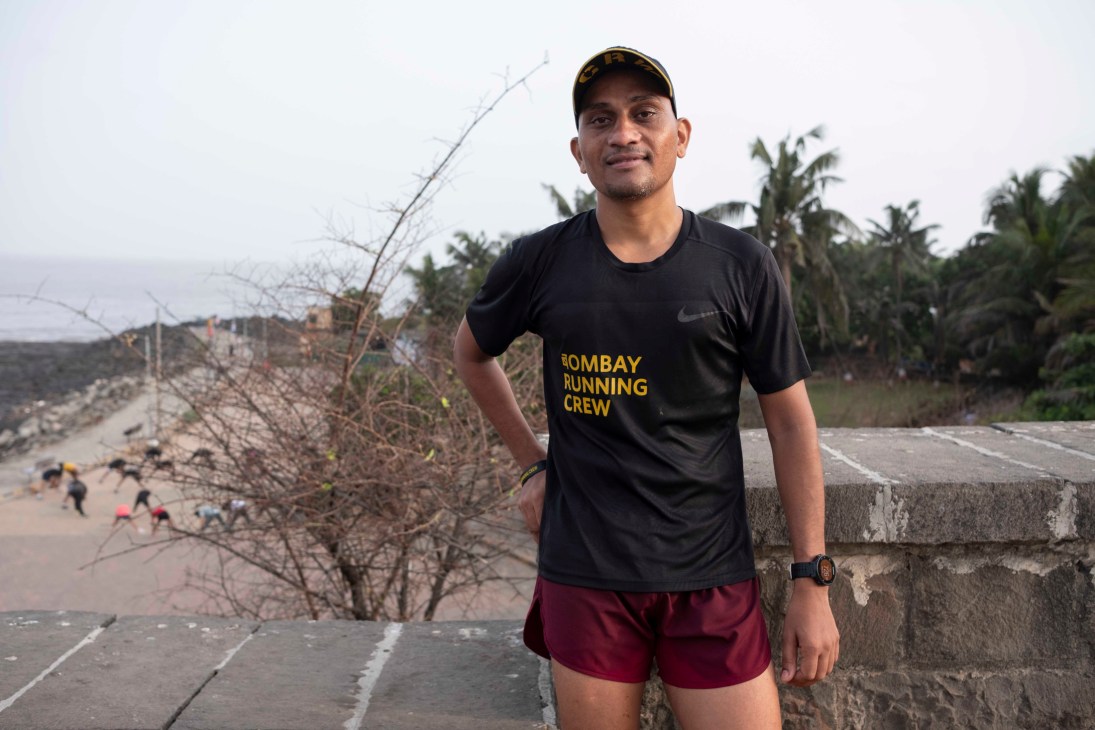
What the city does have going for it are pockets of respite – residential neighbourhoods with green cover, large public parks, seaside promenades – and a growing population of hardy joggers. “The city could have better infrastructure and dedicated lanes for runners,” says Bombay Running’s Deepak Oberoi, who has been pounding the city’s streets for almost 20 years. “But when life gives you lemons, you learn to adjust.” That means timing a run to coincide with less traffic and lower temperatures: early mornings and late evenings. Runners also vary the length of their runs based on the season – shorter through the summer and monsoon, longer in winter.
Another factor is the day of the week. Shops and commercial establishments in different areas shut on certain days, which gives Mumbaikars a chance to run undisturbed. Puspamitra Sahu likes to go on Sunday jogs through the downtown financial district, home to her office at India’s central bank as well as two Unesco World Heritage sites. “When you’re at work, you don’t have the bandwidth to look around,” she says. “At the weekend, streets are empty. We can appreciate the area’s art deco and Indo-Saracenic architecture at our own pace.”
Becoming more aware of her surroundings is a by-product of her runs, says Shweta Bhalerao, who uses the time to explore Khar, the suburb where she lives. “I might have passed a shop or a beautiful bungalow and not noticed it because I was inside a car,” she says. “But now, because I’m running, I’ve learned to appreciate my neighbourhood more.” Lifelong Mumbai resident Gaurav Bangera agrees. “When you’re running, your body is at work,” he says. “But your mind is free to observe and remember. Running past public parks, I’ve remembered how my parents would take us there on picnics. That makes this city feel even more like home.”